 Unearth The Voyage
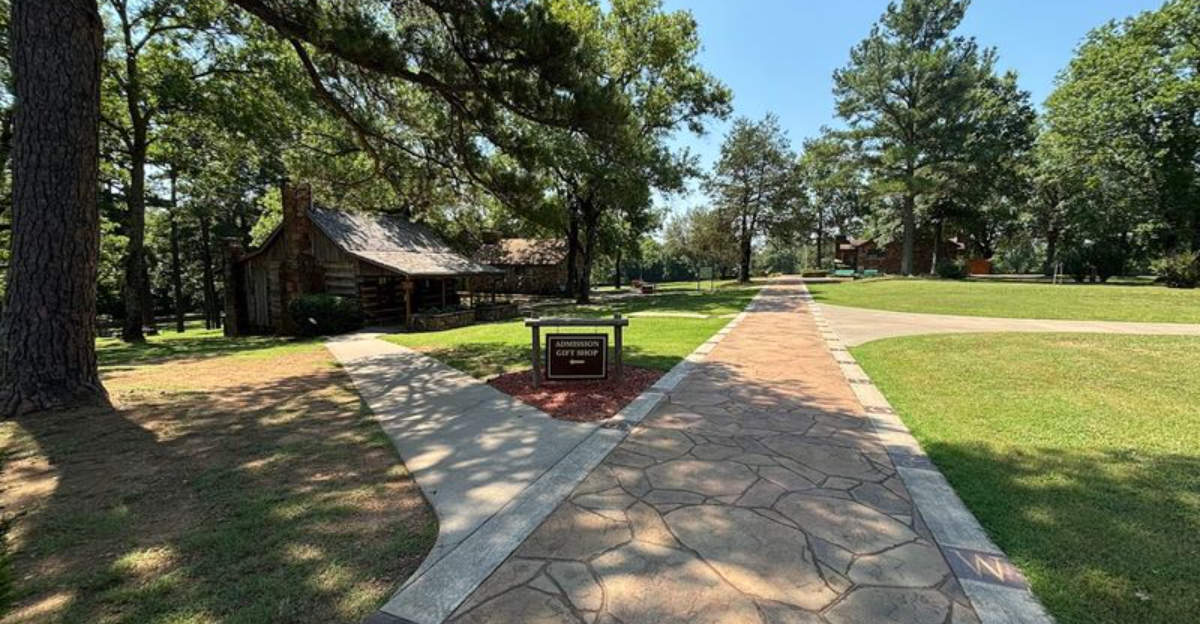
There is a small log cabin tucked into the wooded hills of eastern Oklahoma that holds one of the most remarkable stories in American history. A single man, working without any formal education, created a completely new writing system from scratch, and the building where he did it is still standing today.
That man was Sequoyah, and his invention of the Cherokee syllabary changed the lives of thousands of people forever. This article takes you inside the cabin, the museum, the grounds, and the full story of a place that is absolutely worth the detour.
Where to Find This Historic Cabin
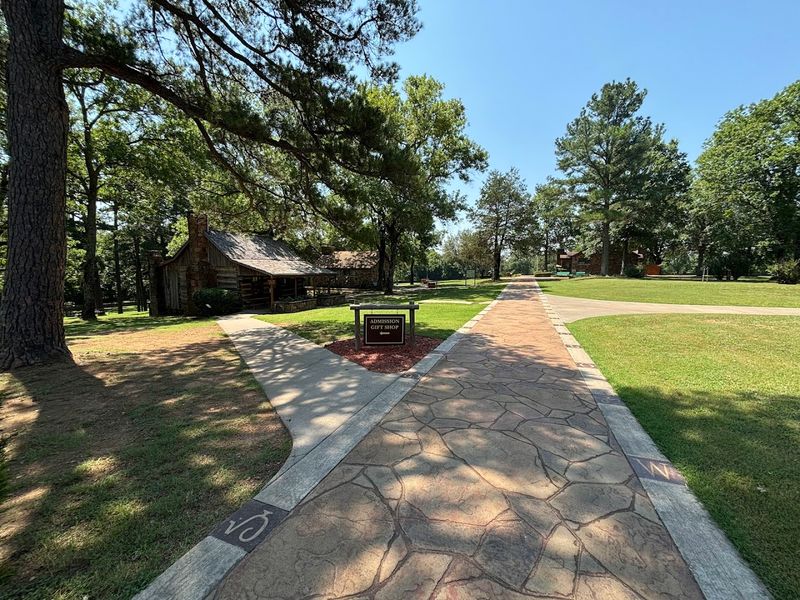
The full address of Sequoyah’s Cabin Museum is 470288 OK-101, Sallisaw, OK 74955, tucked away in the green hills of eastern Oklahoma, not far from Interstate 40. The drive out to the site takes you along winding two-lane roads lined with tall trees, and the scenery alone is worth the trip.
The museum is managed and maintained by the Cherokee Nation, which has done a thorough job of keeping the property in excellent condition. You can reach the museum by phone at +1 918-775-2413, or visit the official website at https://www.visitcherokeenation.com/attractions/sequoyahs-cabin-museum for more details before you go.
The cabin sits at coordinates 35.5143285, -94.6525302 if you want to plug it directly into your navigation app. It holds a 4.8-star rating from over 229 reviews, which tells you a lot about how much visitors appreciate this place.
First-timers often say the drive feels a little remote, but the moment the site comes into view, every mile makes complete sense.
The Man Behind the Cabin
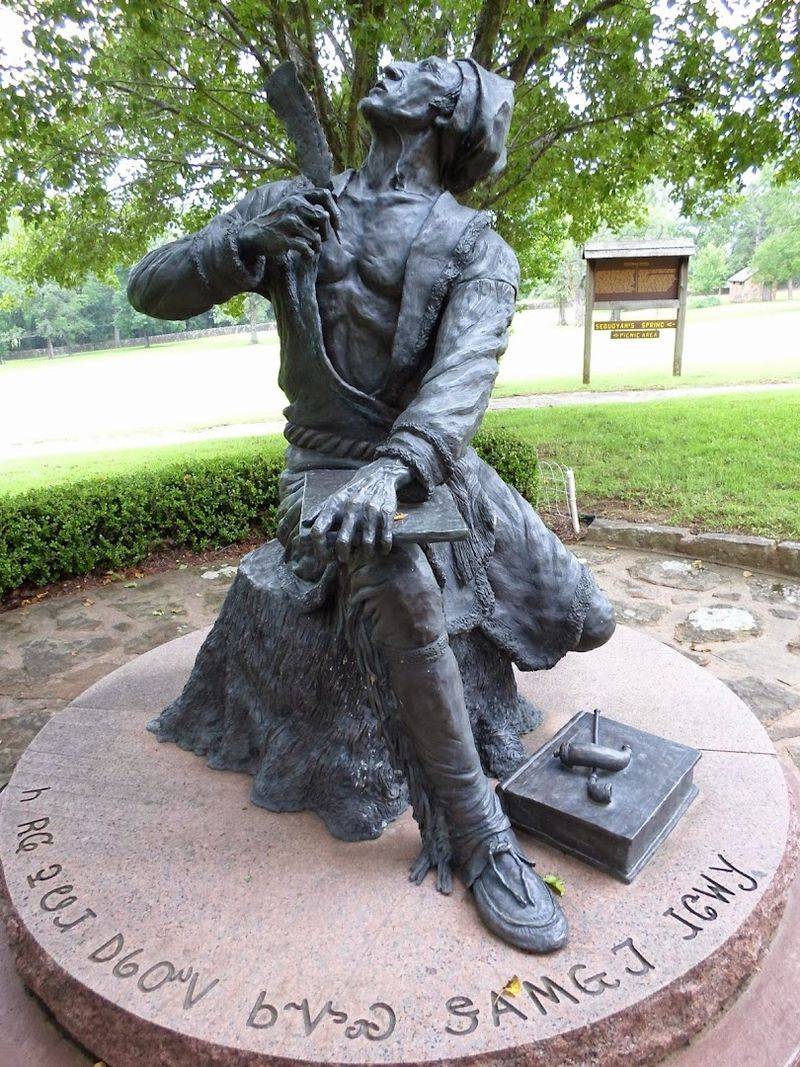
Sequoyah was a Cherokee silversmith born around 1770, and he accomplished something that no single person in recorded history had ever done before or since: he created an entirely new writing system on his own, without being literate himself in any language.
He noticed that English speakers could communicate through written marks on paper, and he became determined to give the Cherokee people the same ability. His neighbors and family thought he had lost his mind.
His wife reportedly burned some of his early work, believing it was connected to something dangerous.
Sequoyah kept going anyway. After more than a decade of dedicated effort, he completed the Cherokee syllabary, a set of 85 characters that each represent a syllable in the spoken Cherokee language.
Within just a few years of its introduction in the 1820s, thousands of Cherokee people had learned to read and write using his system.
The speed at which literacy spread through the Cherokee Nation after his invention was extraordinary. Sequoyah proved that one determined person, working with nothing but time and intelligence, can change the course of history for an entire people.
A Cabin That Has Stood Since 1829
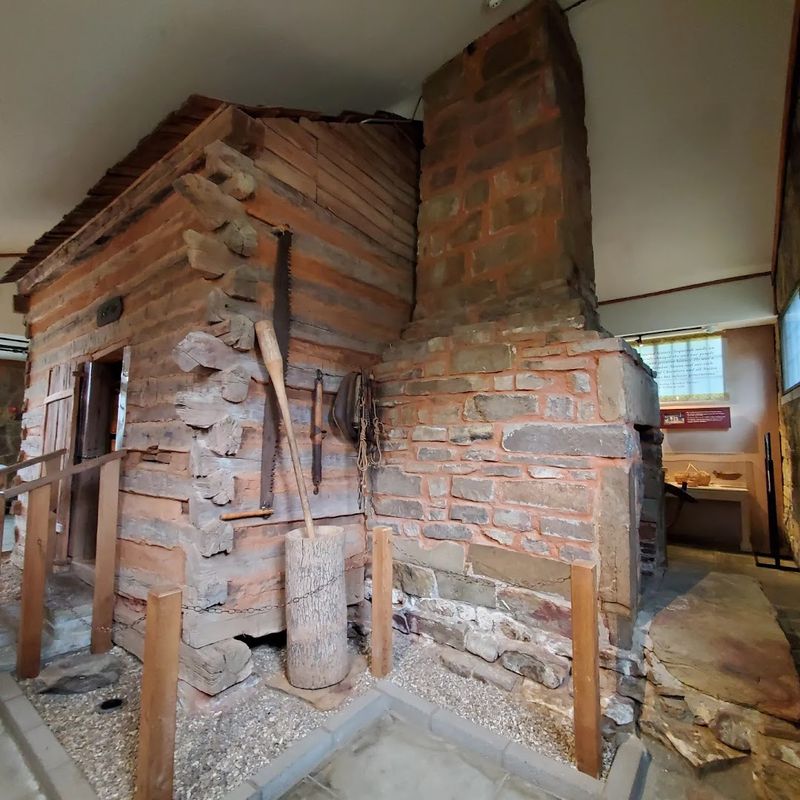
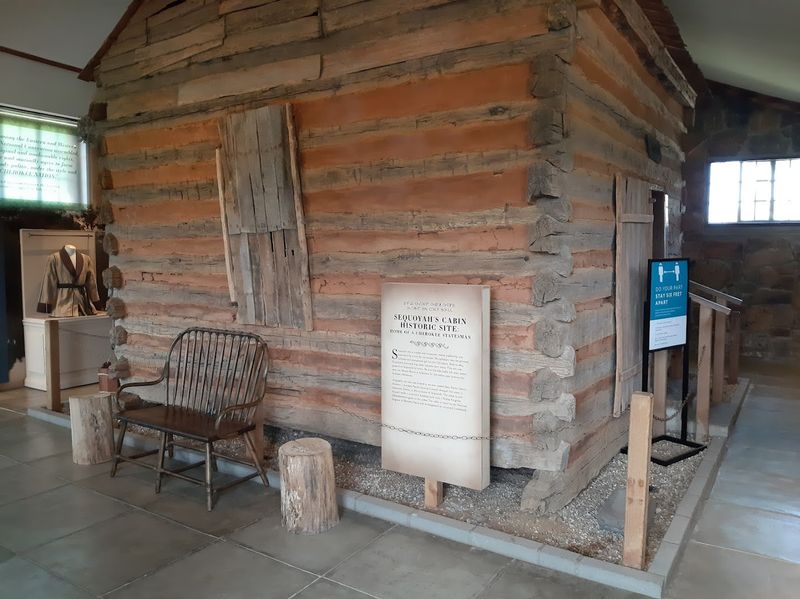
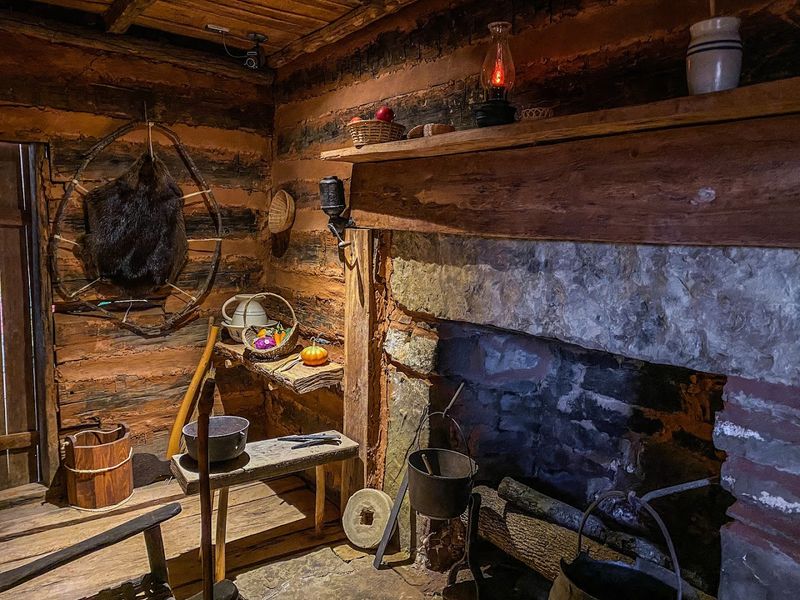
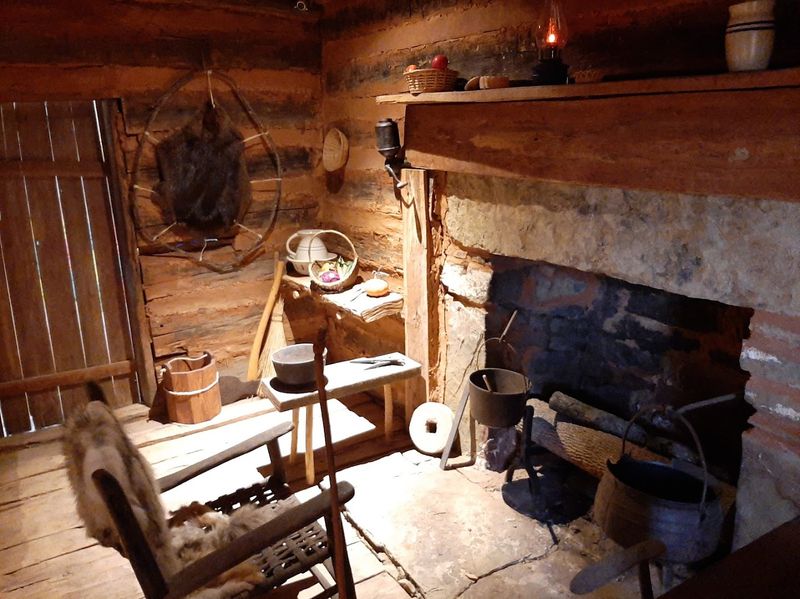
The log cabin at the center of this museum was built by Sequoyah himself in 1829, and it is one of the few surviving structures directly connected to a major figure in Native American intellectual history. The fact that it is still standing nearly 200 years later is genuinely remarkable.
To protect the original structure from weather and further deterioration, a larger building has been constructed around the cabin. This outer shell keeps the elements out while allowing visitors to get close to the original logs and see the craftsmanship that went into building the home.
The cabin is small, as most frontier homes of that era were, but it radiates a quiet sense of purpose. When you stand next to those original logs, it is easy to picture Sequoyah sitting inside, working through the complex sounds of the Cherokee language and experimenting with ways to represent them visually.
The preservation work done here reflects deep respect for Sequoyah’s legacy. The Cherokee Nation has invested real care into making sure this cabin endures for future generations, and the result is a site that feels both authentic and thoughtfully presented.
Free Admission and Open to Everyone
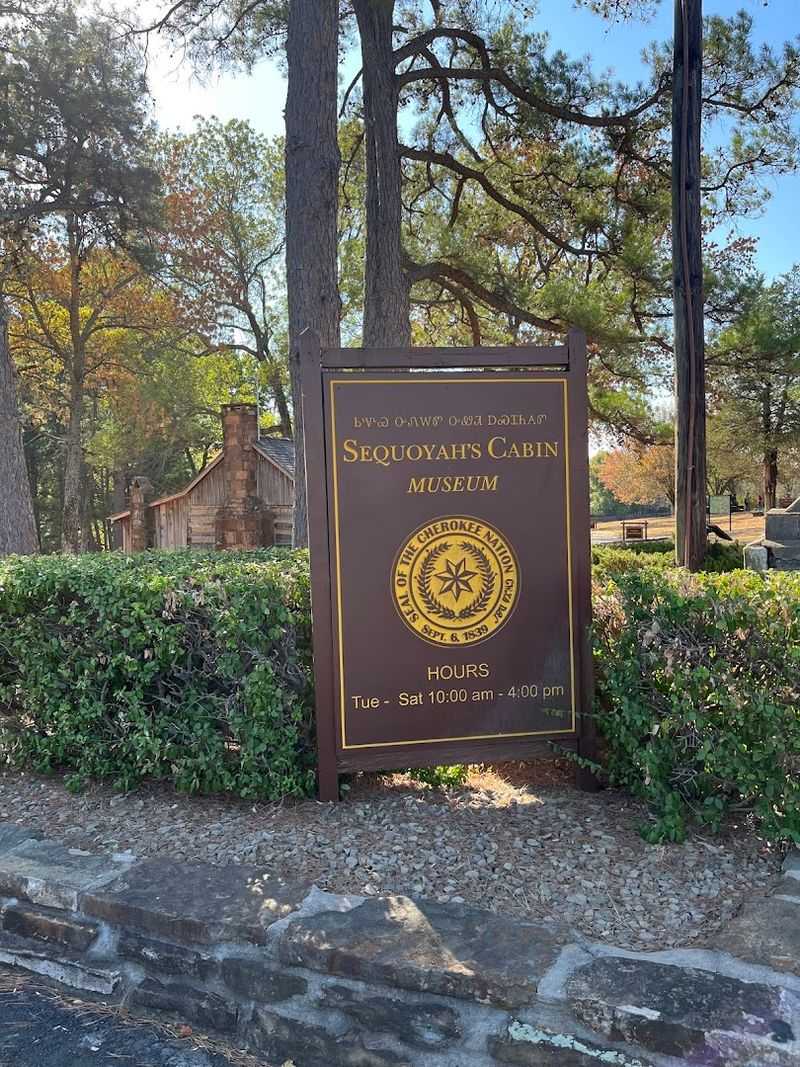
One of the most pleasant surprises about visiting Sequoyah’s Cabin Museum is that admission is completely free. No tickets, no fees, no online reservations required.
You simply show up, and the site welcomes you in.
The museum is open Tuesday through Saturday from 10 AM to 4 PM, and it is closed on Sundays and Mondays. That schedule is worth writing down before you plan your trip, since arriving on a closed day would mean missing out on the guided experience that makes the visit so memorable.
Free admission does not mean a low-quality experience. The Cherokee Nation funds and operates the site, and the level of care that goes into maintaining it is obvious the moment you arrive.
The grounds are tidy, the displays are well-organized, and the staff are genuinely happy to share the history with anyone who walks through the door.
For families, school groups, or travelers passing through on a road trip, a free stop with this much educational value is genuinely hard to beat. The museum draws visitors from across the country who are curious about Native American history, and every one of them leaves without spending a single dollar on entry.
The Cherokee Syllabary Up Close
The Cherokee syllabary is one of the most fascinating linguistic achievements in human history, and the museum does a thorough job of explaining exactly what it is and how it works. Each of the 85 characters in the system represents a distinct syllable in spoken Cherokee, which is a very different approach from the alphabet used to write English.
Sequoyah spent years listening carefully to the sounds in his own language before he started designing characters to match them. He experimented with hundreds of symbols before settling on the final set that would become the official syllabary.
The displays inside the museum walk visitors through the development of the writing system in a clear and engaging way. Even younger visitors can understand the basic concept, and many leave feeling genuinely inspired by the creativity and patience that the process required.
One of the most striking facts is how quickly the syllabary was adopted. Cherokee people learned to read and write in their own language in a matter of months after Sequoyah introduced the system.
A Cherokee-language newspaper called the Cherokee Phoenix launched in 1828, just a year after the syllabary was officially recognized, proving that the invention had immediate and lasting impact.
The Knowledgeable and Welcoming Staff
The staff at this museum are one of its biggest assets. Multiple visitors have mentioned that the people working here go well beyond answering basic questions.
They tell the full story of Sequoyah, the Cherokee Nation, and the broader history of the region with obvious knowledge and genuine enthusiasm.
One staff member who is frequently mentioned is an artist who works in the museum and gives tours that feel more like conversations than formal presentations. He brings the history to life in a way that textbooks simply cannot replicate, and visitors regularly say that talking with him was the highlight of their entire visit.
The gift shop staff are equally warm and helpful. Several visitors have noted that the person working in the shop took time to recommend nearby historical sites, help with genealogy questions, and share personal insights about Cherokee culture and heritage.
This kind of personal connection is something you rarely find at larger, more commercial museums. The staff here treat every visitor as someone worth talking to, not just someone passing through.
That sense of care and pride in the place comes through clearly, and it transforms a simple museum visit into something that stays with you long after you have driven home.
Beautiful Grounds Worth Exploring
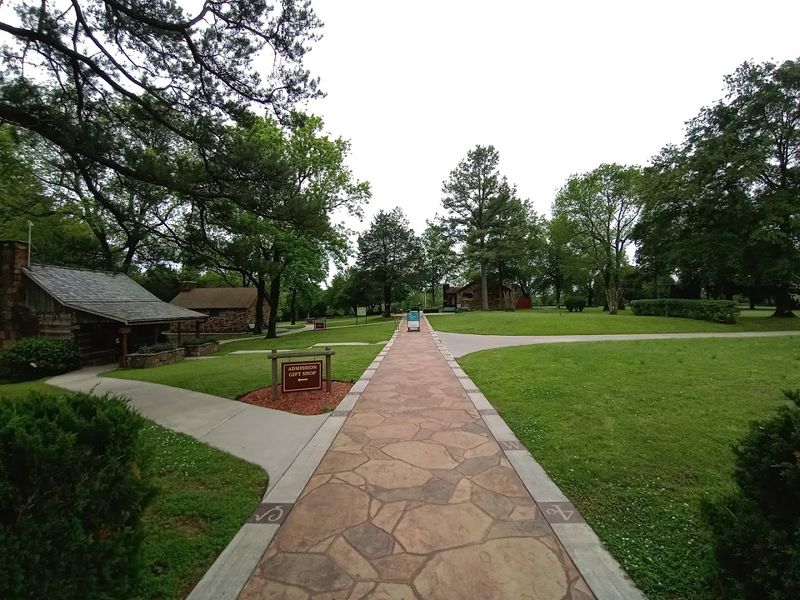
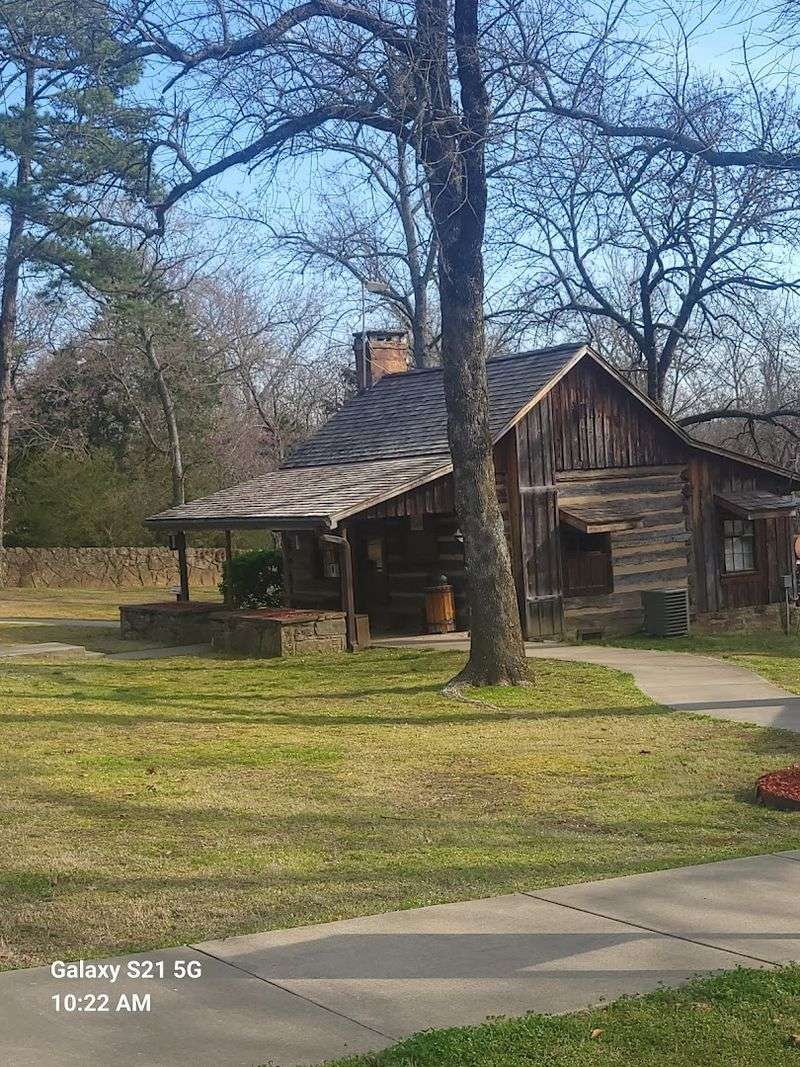
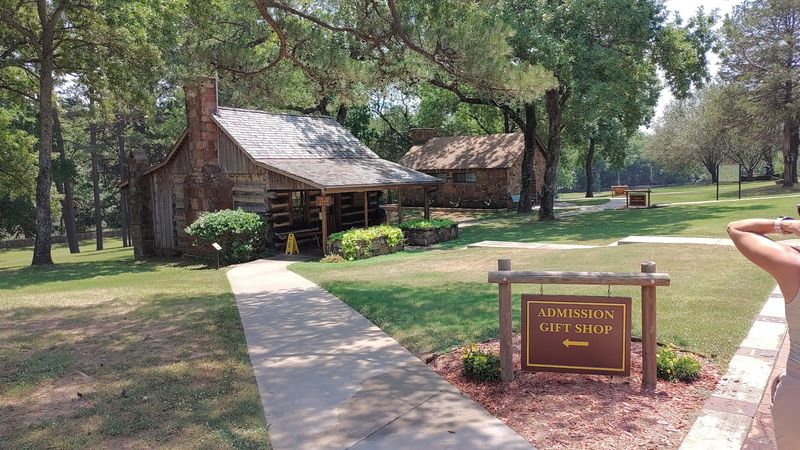
The property surrounding the cabin and museum is genuinely lovely. Tall trees provide shade across the grounds, the grass is kept neat, and the overall atmosphere feels more like a peaceful nature retreat than a typical roadside museum.
There is a large picnic area on the property that is shaded and comfortable, making it a great spot to stop for lunch during a road trip. Families with kids appreciate having outdoor space to stretch their legs after a long drive, and the setting is calm enough to feel like a real break from the highway.
The wooded scenery around the site reflects what the area would have looked like when Sequoyah lived there in the 1820s and 1830s. That natural context adds a layer of authenticity to the visit that you do not always get at historic sites that have been surrounded by modern development.
Visitors with dogs have noted that the staff are welcoming to well-behaved pets on the grounds as well. The combination of beautiful outdoor space, clean facilities, and a relaxed pace makes this one of those stops where you end up staying longer than you planned, and you do not mind one bit.
Inside the Museum Exhibits
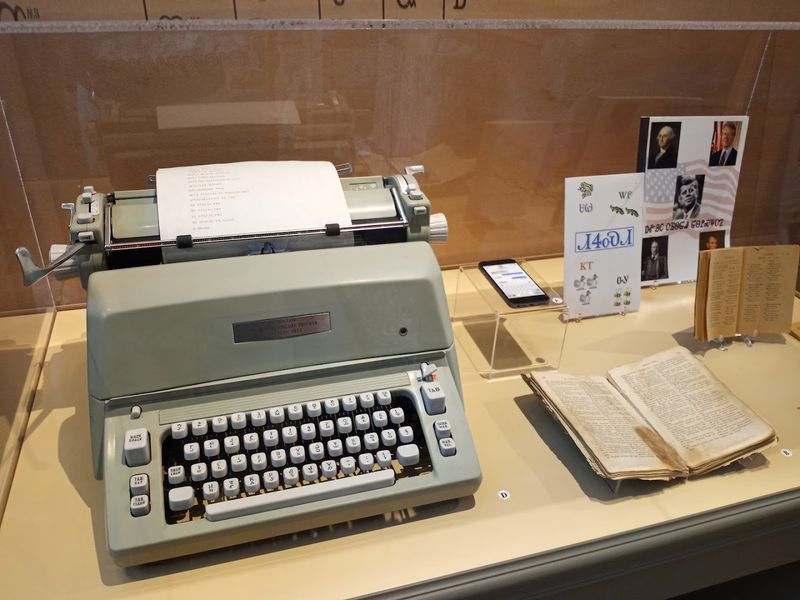
The exhibits inside the museum cover Sequoyah’s life from his early years as a silversmith to his later work promoting literacy and unity among the Cherokee people. The displays are thoughtfully arranged and easy to follow, even for visitors who arrive knowing very little about the subject.
Artifacts, photographs, and written explanations work together to build a complete picture of who Sequoyah was and why his contribution matters so much. The exhibits do not try to oversimplify the story, but they present it in a way that is accessible to visitors of all ages and backgrounds.
One section of the museum focuses on the broader impact of the syllabary on Cherokee society, including the rapid rise in literacy rates and the establishment of the Cherokee Phoenix newspaper. Seeing those ripple effects laid out in context helps visitors understand just how transformative Sequoyah’s invention really was.
The museum also touches on the political and social challenges the Cherokee people faced during Sequoyah’s lifetime, including the pressures of westward expansion by the United States government. That broader historical context gives the exhibits real weight, and it makes Sequoyah’s determination to preserve and strengthen Cherokee identity feel even more meaningful and courageous.
A Short Hop from Interstate 40
One of the most practical things about visiting this museum is how easy it is to reach from a major highway. The site is just a short drive off Interstate 40, which runs east to west across Oklahoma and connects travelers heading between the Midwest and the Southeast.
The road leading to the cabin winds through some genuinely pretty Oklahoma countryside, and the drive itself feels like a mini adventure. Several visitors have mentioned that they spotted the roadside signs while passing through and made a spontaneous decision to stop, which turned out to be one of the best choices of their trip.
The parking area is spacious enough to accommodate large vehicles, including trailers and motorhomes, which makes it a convenient stop for RV travelers and road-trippers with bigger rigs. Clean restrooms are available on-site as well, which is a detail that long-distance travelers always appreciate.
The combination of easy highway access, free admission, and a short time commitment makes this museum ideal for anyone who wants to add a meaningful stop to a road trip without significantly extending their travel day. You can pull off the interstate, spend an hour or two, and leave feeling genuinely enriched by what you experienced.
Guided Tours and Hands-On Activities
The guided tours available at the museum are one of the highlights of the entire experience. Staff members walk visitors through the cabin, the exhibits, and the grounds while sharing stories and context that you simply would not get from reading the signs on your own.
The tours feel conversational rather than scripted, and the guides are happy to pause and answer questions at any point. That flexibility makes the experience feel personal, and it means that visitors with different levels of prior knowledge all come away feeling like they learned something new and genuinely interesting.
Beyond the tour itself, some visitors have had the chance to try hands-on activities like blowdarts during their visit. That kind of interactive element adds a fun, memorable layer to the educational experience, and it is especially popular with younger visitors who enjoy doing rather than just listening and looking.
If you have the option to join a guided tour during your visit, take it without hesitation. The guides bring a level of passion and detail to the story of Sequoyah and the Cherokee Nation that elevates the entire visit.
Many people who come expecting a quick stop end up staying much longer once the tour gets underway, and that is always a good sign.
Why This Place Matters for Native American History
The story of Sequoyah sits at a unique intersection of personal genius, cultural resilience, and historical significance. He created the Cherokee syllabary at a time when the Cherokee Nation was under enormous pressure from outside forces, and his invention became a powerful tool for preserving Cherokee identity and culture.
The ability to read and write in their own language gave Cherokee people a way to communicate, record their history, and organize politically at a critical moment. The Cherokee Phoenix, the first Native American newspaper in the United States, was printed using the syllabary and became an important voice for the Cherokee people during a turbulent period.
Sites like this one play a vital role in making sure that story is not forgotten. The cabin and museum offer a physical connection to a chapter of American history that is often overlooked in standard school curricula, and the Cherokee Nation has made sure that the site is welcoming to anyone who wants to learn.
Visitors consistently leave with a deeper appreciation for the complexity and richness of Native American culture, and many say the experience changed the way they think about what they were taught in school. That kind of impact is exactly what a great historical site should have.
Tips for Making the Most of Your Visit
A few practical tips can help you get the most out of your time at the museum. Arriving early in the day gives you the best chance of having a relaxed, unhurried experience, especially if you want to spend time with the staff and take a full guided tour without feeling rushed.
The museum is open Tuesday through Saturday from 10 AM to 4 PM, so plan accordingly and avoid showing up on a Sunday or Monday. If you are traveling with a group or a school class, calling ahead at +1 918-775-2413 is a smart move so the staff can prepare for your visit and make sure you get the most out of the tour.
Wear comfortable shoes, since the grounds are worth walking around slowly. Keep an eye out for buckeye seeds on the property, a small nature scavenger hunt that adds a playful element to the outdoor portion of the visit.
The gift shop carries items related to Cherokee culture and history, and it is a good place to pick up something meaningful to take home. Whether you are a history enthusiast, a road-tripper, or a family looking for something educational and free, Sequoyah’s Cabin Museum in Oklahoma delivers an experience that is hard to replicate anywhere else in the country.



