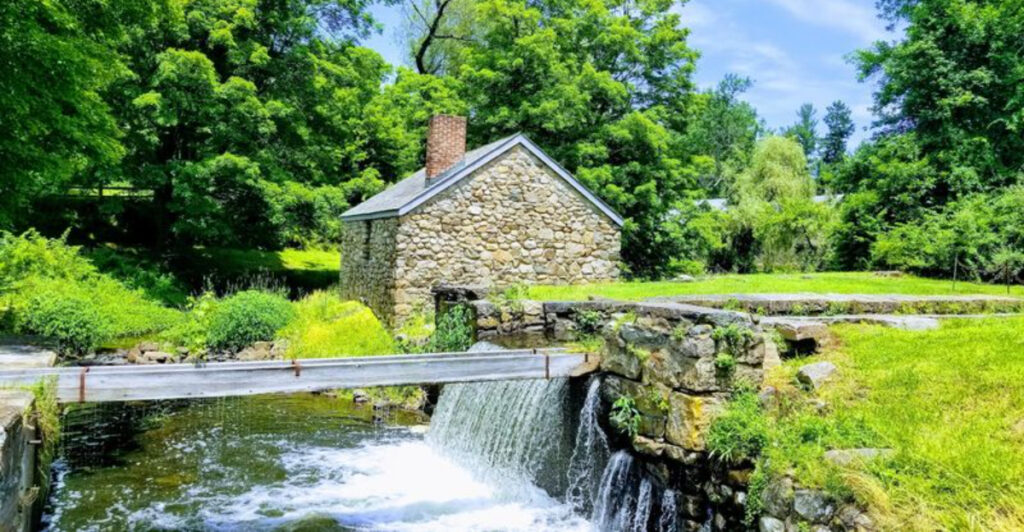
Tucked into the hills of northwestern New Jersey, there is a state park that offers far more than your average trail walk. Most people drive past Stanhope without a second thought, but hidden inside this forested mountain park is a preserved 19th-century canal village that most hikers stumble upon by surprise.
The park stretches across thousands of acres, with trails that range from flat and easy to rocky and challenging, plus lakes, wildlife, and some genuinely rewarding summit views. What makes this place stand apart is that history and nature exist side by side here in a way that feels completely unplanned, like the woods simply grew up around the old buildings and decided to keep them company.
Whether you are drawn by the trails, the fishing, the mountain biking, or the curious pull of a forgotten village, this park has a way of turning a simple outing into something worth talking about.
Where the Trails Begin: Location and Access
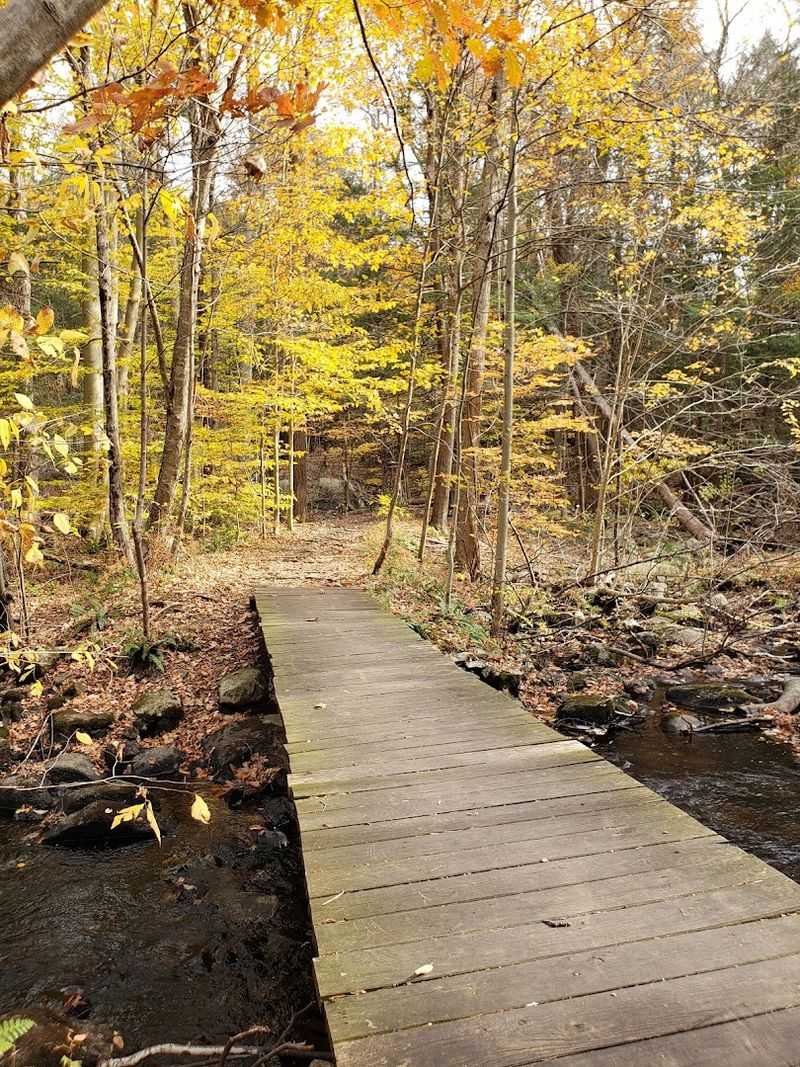
Allamuchy Mountain State Park sits at Waterloo Road, Stanhope, NJ 07874, right in Sussex County in the heart of northwestern New Jersey. The park is part of the larger Allamuchy Mountain State Park complex, which also includes the Waterloo Village historic site, making it one of the more layered destinations in the New Jersey state park system.
Getting there is straightforward from most parts of northern New Jersey. The park is accessible from Interstate 80, which puts it within reasonable reach of the greater New York metro area without requiring a long drive into the countryside.
The park operates daily from 8 AM to 7 PM, giving visitors a solid window to explore without rushing. A small parking fee may apply depending on the season and whether you are a New Jersey resident.
Arriving early on weekends is a smart move, since the lot fills up faster than most people expect on clear-weather days.
The Historic Canal Village Hidden in the Trees
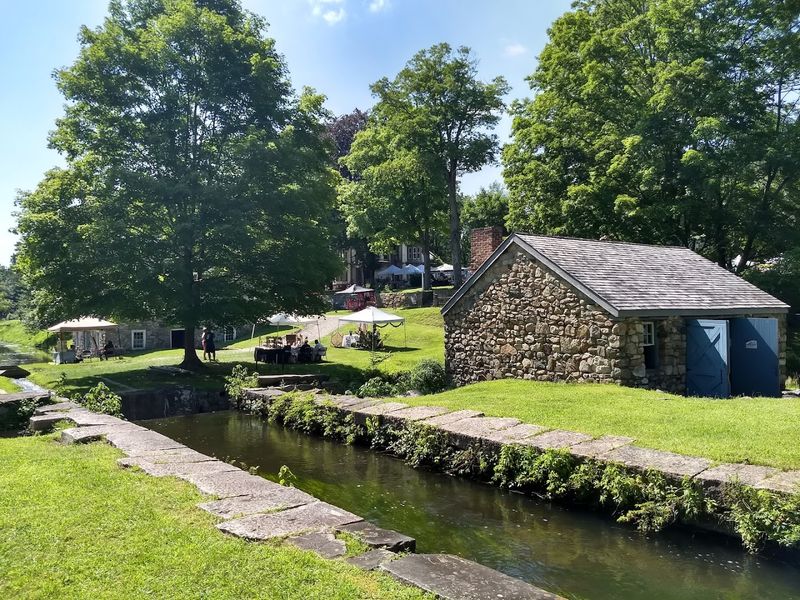
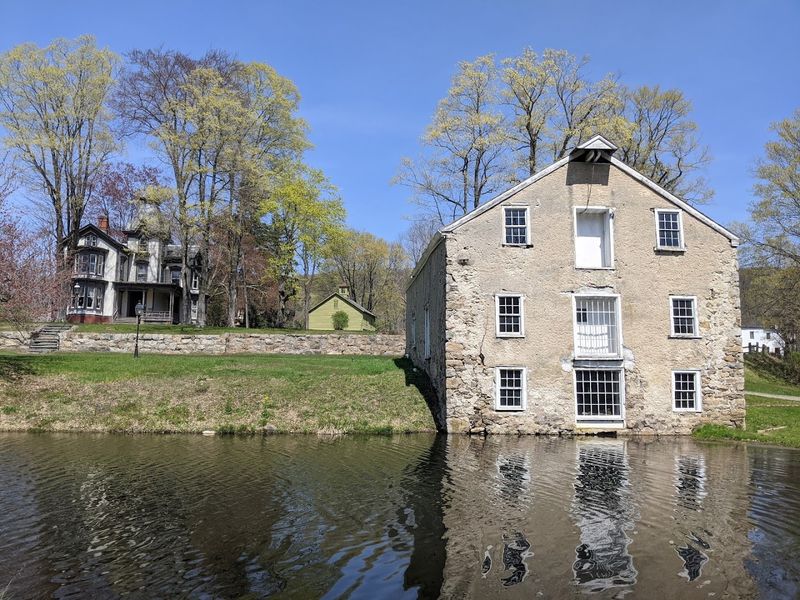
The real surprise inside Allamuchy Mountain State Park is Waterloo Village, a preserved 19th-century canal town that most first-time visitors have no idea exists until they come across it on the trail. The village was a key stop along the Morris Canal, which ran across New Jersey from Phillipsburg to Jersey City and carried goods like iron and coal across the state.
At its peak, Waterloo Village was a busy commercial hub. Today, the remaining structures include a grist mill, a general store, a church, and several historic homes, all sitting quietly along the old canal route.
The grist mill is a particular standout. Rangers have been known to demonstrate how the mill actually operated, giving visitors a hands-on look at 19th-century milling technology that goes well beyond a simple historical marker.
Walking through the village feels like flipping back through a chapter of New Jersey history that most textbooks skip entirely.
The Morris Canal Story Worth Knowing
The Morris Canal was one of the most ambitious engineering projects in early American history. Completed in 1831 and expanded over the following decades, the canal used a system of inclined planes powered by water turbines to move boats up and over the hilly terrain of northern New Jersey, a challenge that traditional lock systems struggled to handle.
At its busiest, the canal stretched 102 miles across the state and played a critical role in moving raw materials to iron furnaces and manufacturing centers. Waterloo Village, sitting along this route, grew into a prosperous stop where goods were transferred, workers lived, and commerce moved steadily through the region.
By the late 1800s, the railroad had made the canal largely obsolete, and Waterloo gradually fell quiet. The fact that so much of the village survived at all is something of a historical accident, and that makes exploring it inside the park all the more rewarding for anyone curious about the past.
Trail Options for Every Skill Level
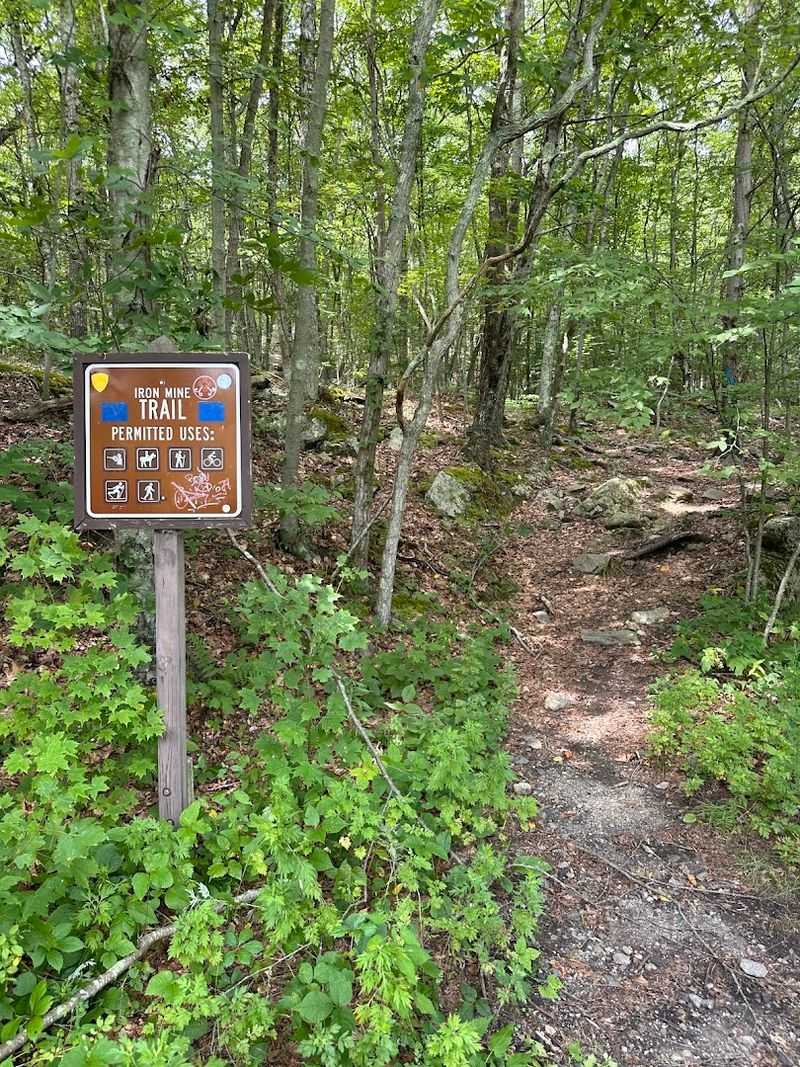
The trail network inside Allamuchy Mountain State Park is genuinely diverse, which is one reason the park draws such a wide range of visitors. Flat, easy paths wind through the lower sections of the park near the lakes and canal areas, making them accessible for beginners, families with young kids, and those bringing dogs along for the walk.
Moving deeper into the park, the terrain shifts. The blue trail, which runs about 0.8 miles, is well-marked and leads to a summit with open views that make the climb worthwhile.
Rocky sections appear along several routes, and some trails involve noticeable elevation changes that will get the legs working.
Trail signage is generally solid in the more popular sections, though some of the less-traveled paths can get confusing where routes intersect. Carrying a detailed trail map is a practical step, especially for anyone planning to combine multiple trails into a longer loop.
Good footwear is not optional here.
Mountain Biking Through the Forest
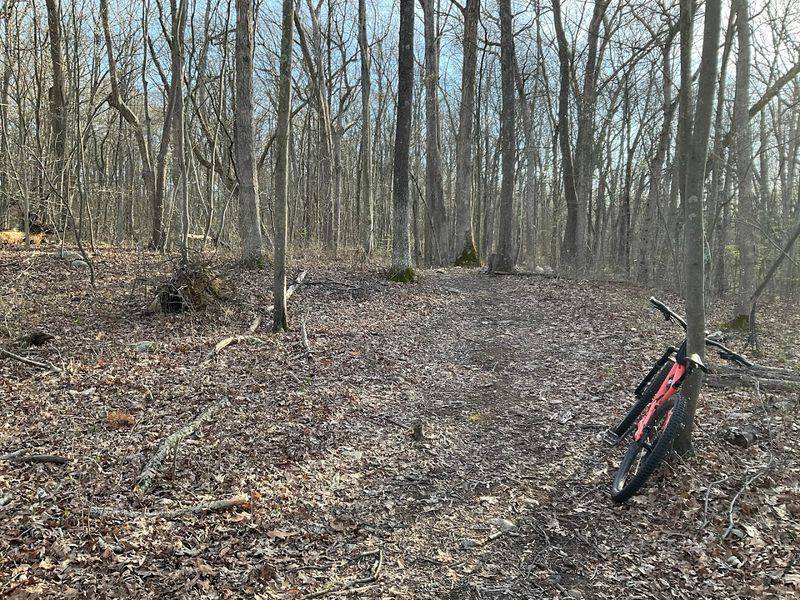
Allamuchy Mountain State Park has developed a solid reputation in the regional mountain biking community, and the trail conditions here hold up well across most of the riding season. The majority of the biking trails are rated as moderate, with short rocky sections mixed into otherwise smooth and flowing paths through the forest.
The park offers enough variety to keep riders coming back on different days without feeling like they are covering the same ground twice. Some sections move quickly through open wooded terrain, while others require a bit more technical focus where the trail surface gets uneven or narrows between trees.
Dry conditions make for the best riding experience, and the trails drain reasonably well after rain. Mountain bikers share the trail network with hikers in most areas, so awareness and courtesy on the path matter.
Early morning rides on weekdays tend to offer the most open trail time without much foot traffic to navigate around.
Fishing the Lakes and Waterways
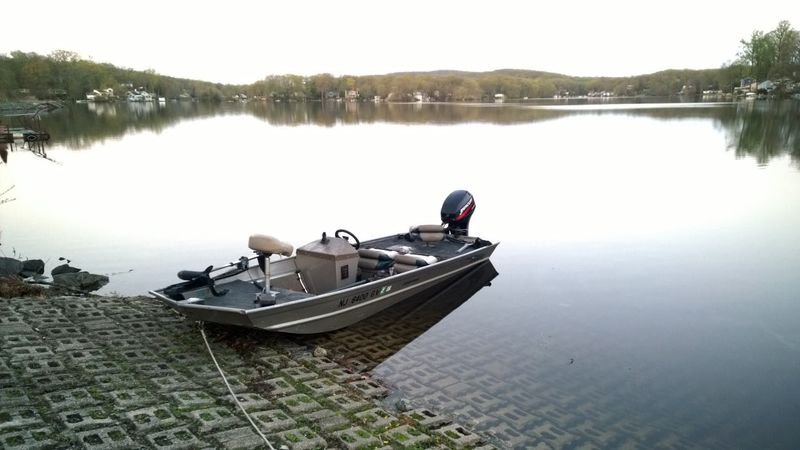
Fishing at Allamuchy Mountain State Park is a genuine draw, not just an afterthought on the activity list. The park contains several lakes and ponds, and bass is one of the more commonly caught species by anglers who bring a rod along on their visit.
The combination of hiking to a good fishing spot and spending time on the water makes for a full day outdoors without needing to travel to multiple locations.
The lakes within the park are calm and relatively undeveloped along their banks, which keeps the fishing experience quiet and away from crowds. A valid New Jersey fishing license is required for anyone 16 and older, which is standard across the state park system.
Boating is also permitted in certain areas of the park, adding another layer to the water-based options available. Canoes and kayaks fit the environment well, allowing paddlers to move through areas of the park that trails do not always reach directly.
Rock Climbing Opportunities in the Park
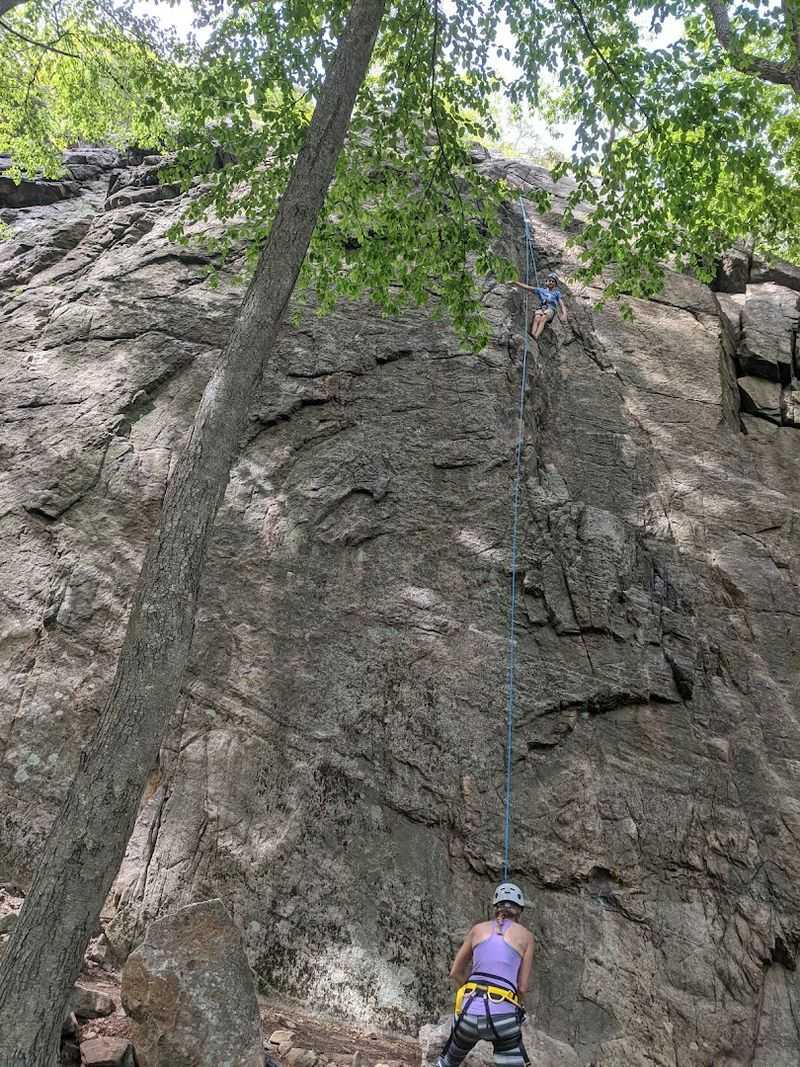
Rock climbing is one of the more unexpected activities available at Allamuchy Mountain State Park, and the park delivers on it with a solid selection of natural rock faces scattered through the forested terrain. The climbing here is not a commercial setup with fixed anchors and rental gear.
It is natural rock, which means climbers who visit should come prepared with their own equipment and a working knowledge of outdoor climbing safety.
The rock faces vary in height and difficulty, which makes the area useful for climbers at different experience levels. Some sections offer straightforward routes that intermediate climbers can work through comfortably, while other faces present more demanding lines for those with stronger technical skills.
The park’s elevation changes and rocky ridgeline contribute to the climbing opportunities, and reaching the top of certain faces rewards climbers with views across the surrounding forested hills. It is the kind of activity that turns a standard park visit into something that takes a bit more planning and pays off accordingly.
Wildlife You Might Cross Paths With
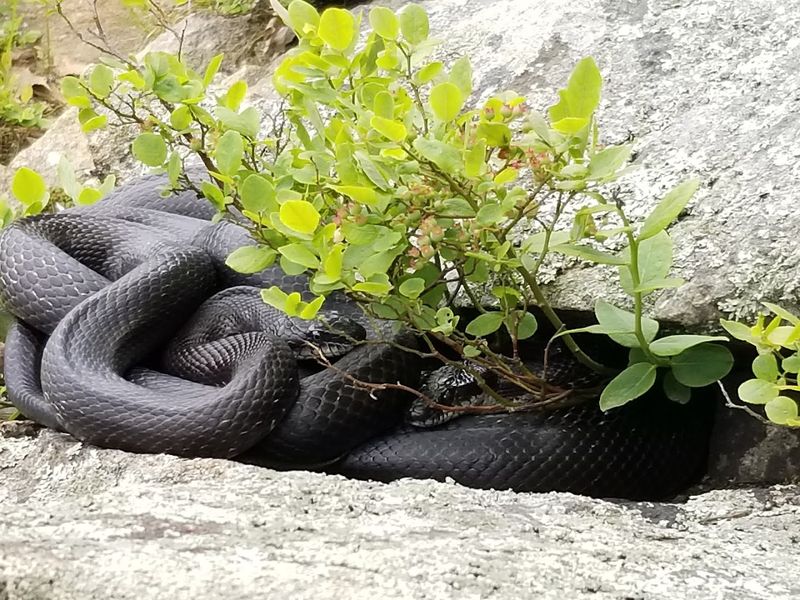
Wildlife is a real presence at Allamuchy Mountain State Park, and visitors who spend time on the trails are likely to come across more than just birds and squirrels. Black bears have been spotted in the park, which is not unusual for northwestern New Jersey where bear activity is relatively common across the region’s forested areas.
Snakes are another species that trail users occasionally encounter, particularly along rocky sections and in areas with dense underbrush. Most snakes in New Jersey are non-aggressive and will move away when given space, but awareness on the trail is worth maintaining.
Deer are a frequent sight throughout the park, especially in the early morning and late afternoon hours near the lake edges and forest clearings.
The park’s combination of forest, water, and open rocky terrain supports a broad range of wildlife, which adds an unpredictable element to any visit. Keeping eyes open and moving at a reasonable pace tends to produce the most wildlife sightings without startling animals unnecessarily.
Dogs on the Trail: A Park That Welcomes Pets
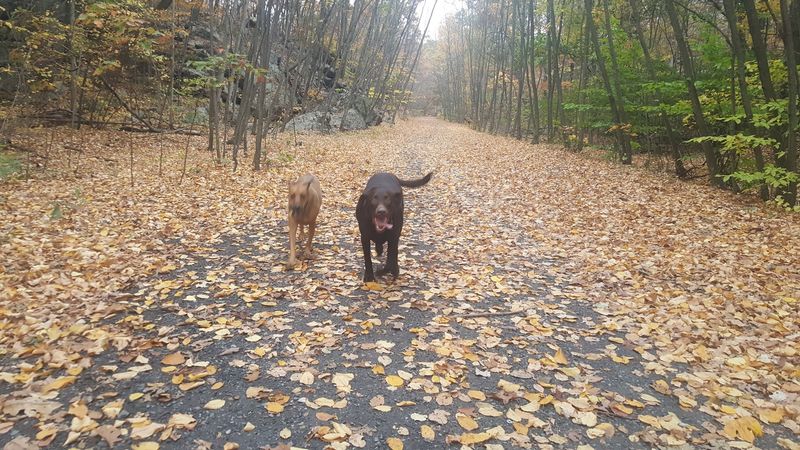
Allamuchy Mountain State Park is genuinely dog-friendly, and the trail network here works well for four-legged visitors of all sizes. The easier, flatter paths near the lakes and lower sections of the park are well-suited for smaller dogs or those not built for steep terrain, while larger, more energetic dogs can handle the rockier upper trails without much trouble.
Dogs must remain on a leash throughout the park, which is standard for New Jersey state parks. The rule keeps interactions between dogs and wildlife predictable, and it helps other hikers feel comfortable on shared trails.
Water sources along some of the trails give dogs a chance to cool down during longer walks.
The park has become something of a social spot for dog owners, with multiple dogs and their people often crossing paths on the more popular trail sections. It is a relaxed atmosphere where dogs seem to enjoy the variety of terrain, and the combination of woods, open areas, and water keeps them engaged throughout the walk.
Summit Views That Make the Climb Worth It
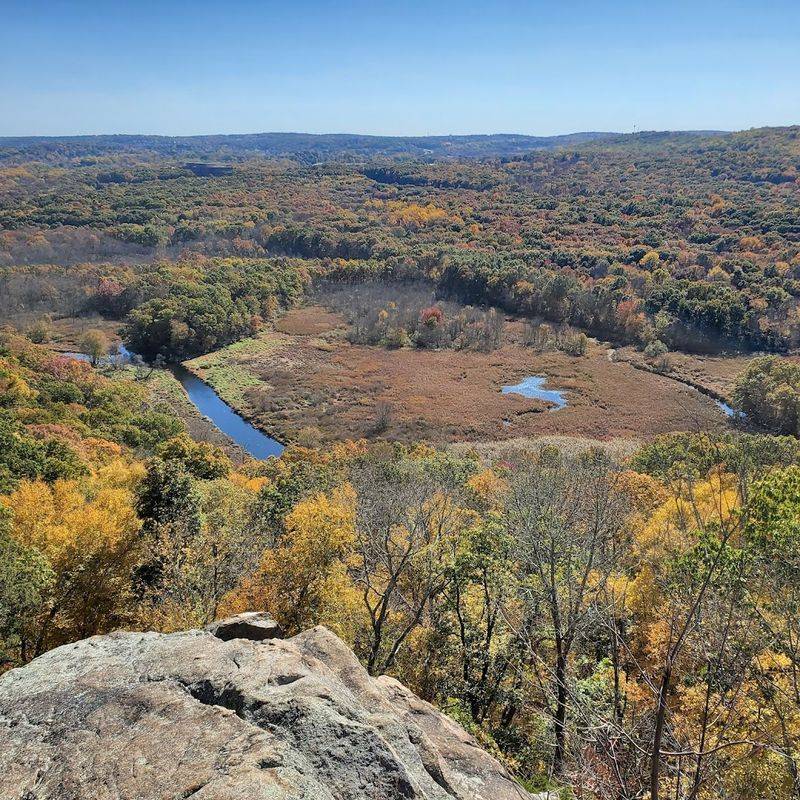
Not every trail in Allamuchy Mountain State Park leads to a dramatic overlook, but the ones that do tend to leave a strong impression. The park’s higher ridgelines offer views across the surrounding forested hills and valleys that stretch out in multiple directions, giving hikers a clear sense of just how much undeveloped land remains in this part of New Jersey.
The blue trail summit is one of the more accessible high points in the park, reachable in under a mile from the trailhead. The climb involves some rocky sections that require attention, but the route is manageable for hikers with moderate fitness and appropriate footwear.
Fall is widely regarded as the best season for the summit views, when the tree canopy turns and the hillsides shift through shades of orange, red, and yellow across the landscape below. Leaf litter on rocky trail sections can make footing tricky in autumn, so trail shoes with decent grip are the practical choice for that time of year.
The Grist Mill: A Living Piece of History
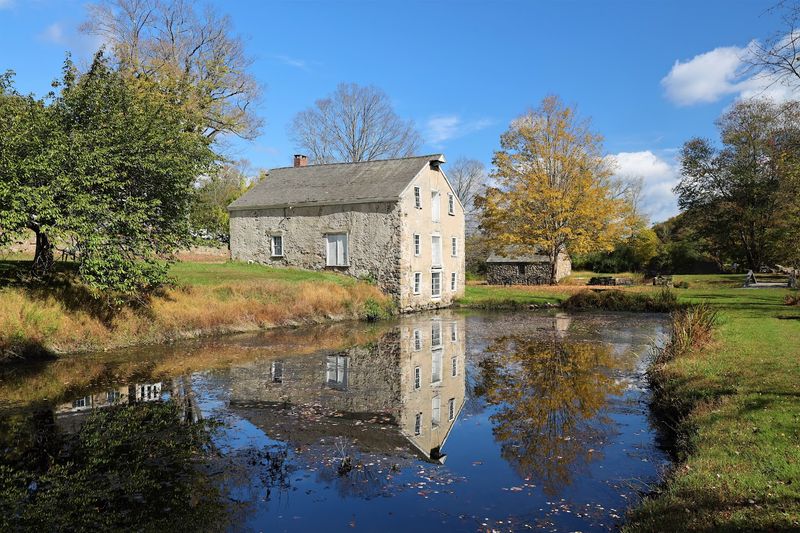
The grist mill at Waterloo Village is one of the most tangible connections to the past that Allamuchy Mountain State Park offers. The structure dates back to the era when the Morris Canal was operating and Waterloo was a functioning commercial settlement.
Unlike many historic buildings that are simply roped off for viewing, the grist mill has been demonstrated in action by park rangers on certain visits.
Watching the mill operate gives a completely different understanding of how grain was processed before industrial machinery took over. The mechanical process, driven by water power, is straightforward in concept but genuinely impressive to see working in person inside a building that has stood for well over a century.
The mill sits near the canal remnants and other village structures, so it works well as part of a broader walk through the historic site. Combining a trail hike with a stop at the village and the mill turns a standard park visit into something with a bit more depth and context behind it.
Best Times to Visit and What to Expect
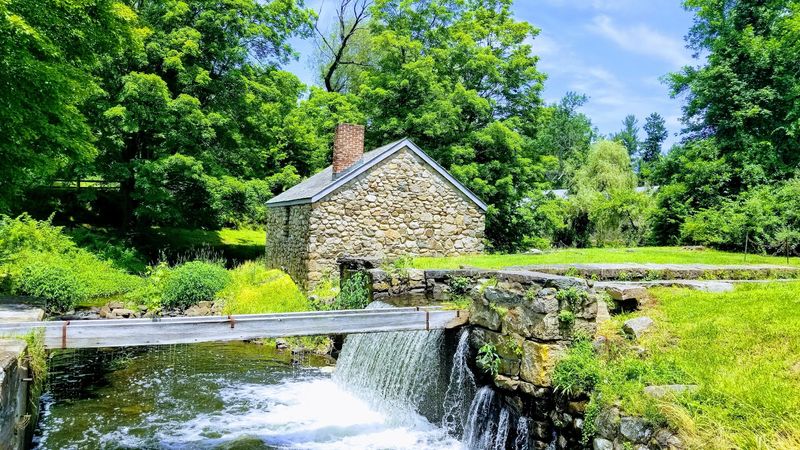
Allamuchy Mountain State Park is open year-round, but spring through fall offers the widest range of activities and the most comfortable conditions for outdoor time. Summer brings full trail access, active fishing, and the best conditions for mountain biking, though weekend mornings can get busy at the main parking areas.
Fall is consistently the most popular season at the park. The combination of fall foliage, cooler temperatures, and clearer summit views draws hikers from across the region, and the historic village takes on a particular character when surrounded by autumn color.
Arriving early on fall weekends is the most reliable way to get a parking spot without circling.
Winter visits are possible and offer a quieter experience on the trails, though some areas may be less accessible depending on snow and ice conditions. Spring brings mud to many of the unpaved sections, so trail shoes that handle wet conditions are worth bringing along during that season regardless of how clear the forecast looks.
Foraging and Nature Exploration in the Park
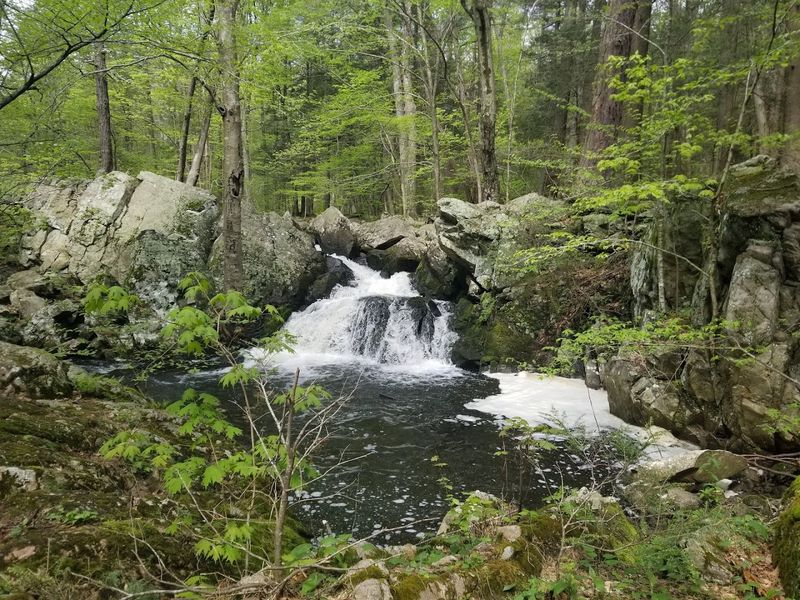
Beyond the marked trails and historic sites, Allamuchy Mountain State Park draws a quieter crowd of nature explorers who come specifically to look for wild plants and fungi along the trail edges. The park’s forested terrain and varied ecosystems create conditions where a wide range of edible and medicinal plants grow throughout the seasons.
Foraging in New Jersey state parks operates within specific regulations, and anyone planning to collect plants or mushrooms should check current park rules before heading out. Casual nature observation along the trails, however, requires no special preparation and adds a layer of interest to any hike.
The forest floor changes noticeably between seasons, with spring bringing new growth, summer filling in the understory, and fall producing fungi and late-season plants along the trail edges. The park’s mix of wetland areas, rocky ridges, and dense woodland creates a broader range of plant life than a single-habitat park would typically support, which keeps repeat visits consistently interesting.
Practical Tips for First-Time Visitors
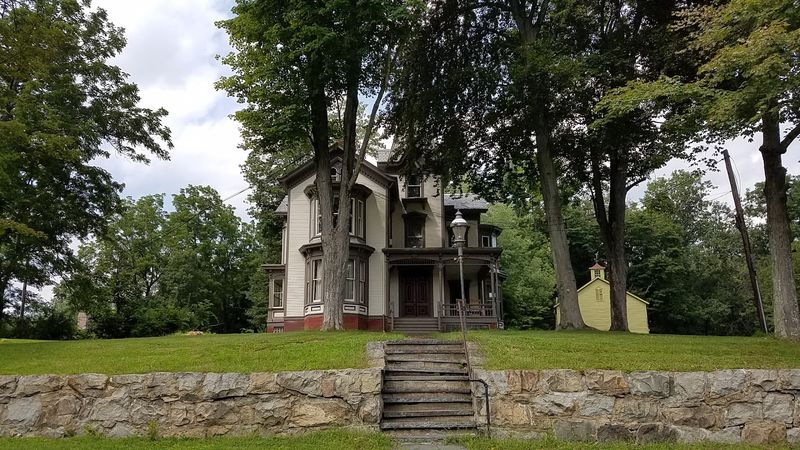
First-time visitors to Allamuchy Mountain State Park benefit from a bit of preparation before heading out on the trails. Downloading or printing a detailed trail map ahead of time is genuinely useful here, since some of the trail intersections can get confusing where multiple routes cross in the interior sections of the park.
Solid footwear matters more than most people expect on their first visit. The rocky sections on the upper trails and the uneven terrain near the ridgeline are manageable with proper trail shoes, but slippery in anything flat-soled.
Bringing water is essential, especially on warmer days when the hike extends beyond an hour.
The park’s official website at njparksandforests.org carries current information on trail conditions, parking fees, and any seasonal closures or event programming at Waterloo Village. Cell service can be inconsistent in parts of the park, so downloading offline maps before arrival is a practical step that prevents unnecessary confusion once you are out on the trail.
Why This Park Keeps Drawing People Back
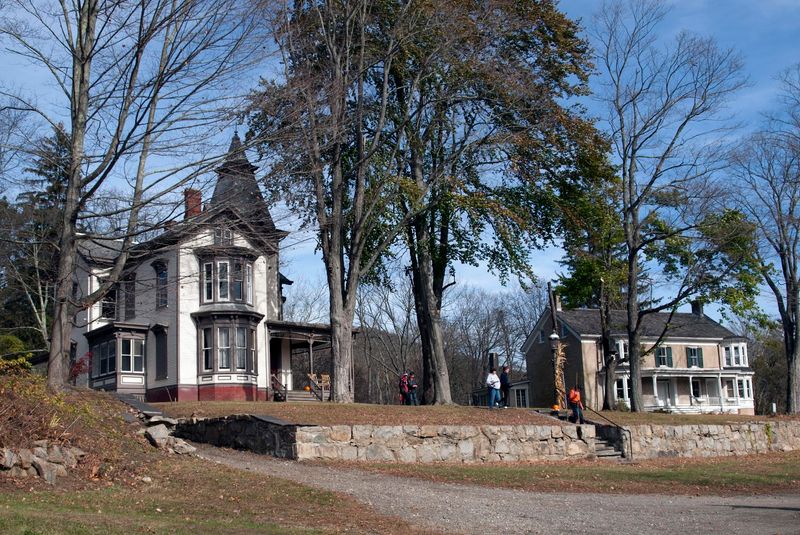
Allamuchy Mountain State Park has a repeat-visitor quality that is not common in every state park. Part of it comes from the sheer variety of what the park offers, since trails, fishing, biking, climbing, and a historic village in a single location give people a reason to return with a different plan each time.
The park also sits at a scale where it never feels fully explored after just one or two visits. New trail combinations, different seasons, and the changing character of the Waterloo Village area give the park a depth that rewards curiosity.
Dogs that have visited once tend to pull their owners back toward the trailhead with enthusiasm that suggests they remember the place fondly.
For a park located within easy reach of one of the most densely populated regions in the country, Allamuchy Mountain State Park holds onto a genuine sense of space and quiet that remains one of its most consistent and underappreciated qualities. That combination is harder to find than most people realize until they are standing in the middle of it.
Share this story