There is a place in Virginia where the water runs the color of dark tea, ancient trees rise from the earth like silent sentinels, and the air carries a stillness so complete it almost feels like time has stopped. This vast wilderness stretches across more than 112,000 acres, straddling the Virginia and North Carolina border, and it holds secrets that most people driving past on the highway never even suspect.
The land has sheltered wildlife, freedom seekers, and storytellers for centuries, and every trail through it feels like turning the page of a book that nobody told you existed. Whether you come for the birds, the history, the kayaking, or simply the rare experience of true quiet, this place will shake something loose in you that you did not know needed shaking.
What the Great Dismal Swamp Actually Is
Most people hear the word “swamp” and picture something unpleasant, but Great Dismal Swamp National Wildlife Refuge in Suffolk, Virginia, at 3100 Desert Rd, Suffolk, VA 23434, is something else entirely.
This federally protected refuge covers over 112,000 acres of forested wetlands, making it one of the largest intact temperate peat swamp ecosystems remaining on the East Coast of the United States.
The swamp sits right on the Virginia and North Carolina border, and the U.S. Fish and Wildlife Service manages it to protect its extraordinary biodiversity.
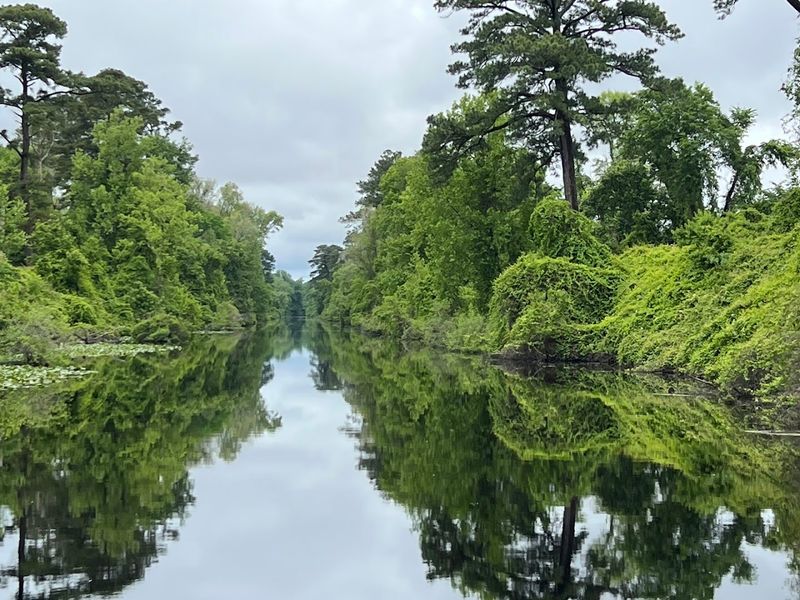
The dark, tannin-stained water that looks almost black is not pollution at all. It comes from decaying plant matter, and it gives the swamp its signature mirror-like reflections that photographers absolutely love.
First-time visitors often arrive expecting a murky wasteland and leave completely converted, wondering why nobody told them about this place sooner.
The Haunting Beauty of Lake Drummond
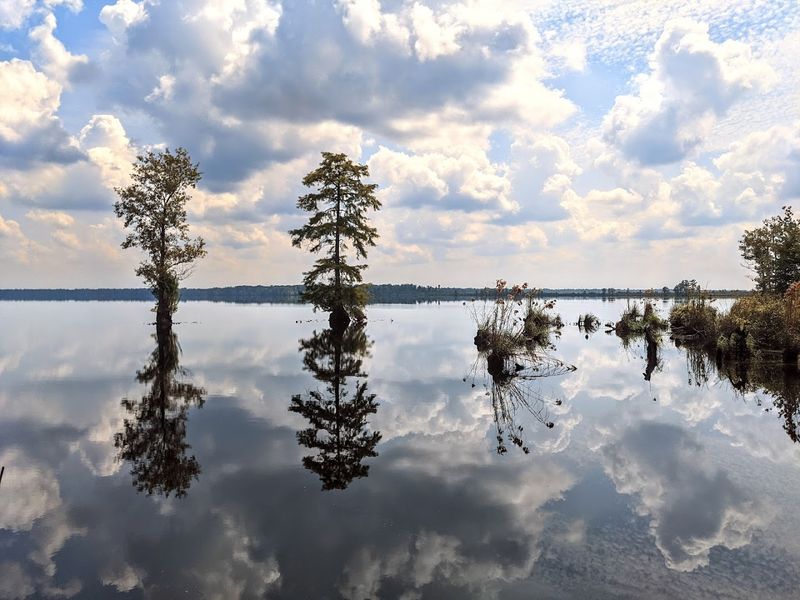
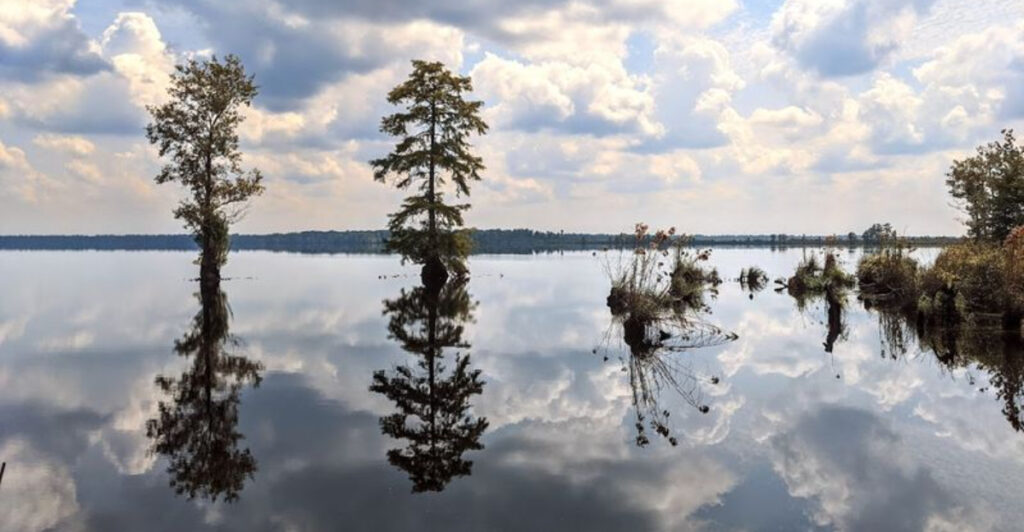
At the very heart of the refuge sits Lake Drummond, one of only two natural freshwater lakes in all of Virginia, and it is genuinely breathtaking in a way that photographs struggle to capture.
The lake covers about 3,100 acres and sits at an elevation slightly higher than the surrounding land, which means it actually drains outward into the swamp rather than collecting water from it.
That geological quirk makes it scientifically fascinating, but what really gets visitors is the visual experience.
The dark water reflects the sky and treeline so perfectly that on calm mornings, it is almost impossible to tell where the lake ends and the sky begins.
Paddling a kayak across its surface at sunset, with cypress silhouettes framing the horizon, is the kind of moment that tends to stay with a person for a very long time.
A History That Goes Far Deeper Than the Water
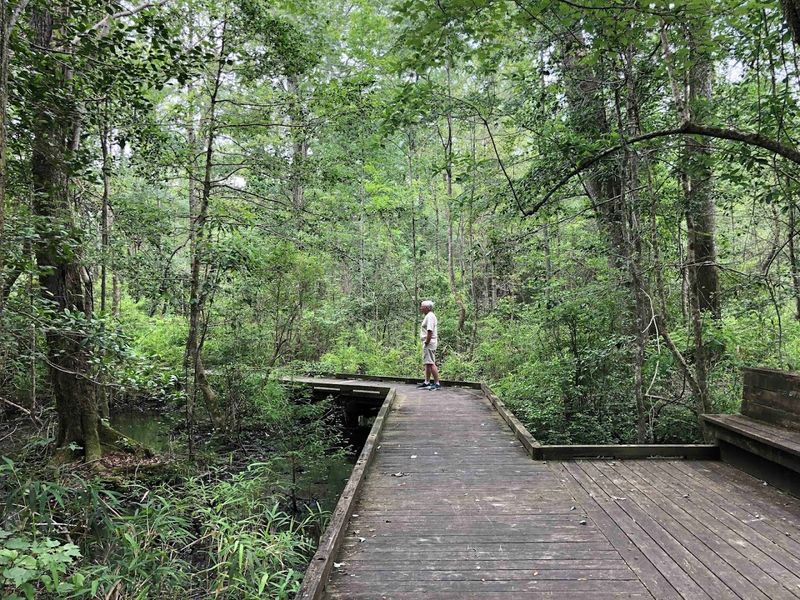
The ecological story here is remarkable, but the human history of this swamp is the part that genuinely stops visitors in their tracks.
For generations before and during the Civil War, the Great Dismal Swamp served as a refuge for enslaved African Americans who escaped bondage and built hidden communities deep within its dense interior.
These communities, sometimes called Maroon settlements, were home to people who chose the dangers of the wilderness over the brutality of enslavement.
The swamp’s impenetrability made it a natural fortress, and the people who lived there developed remarkable survival skills and tight-knit community structures.
The refuge also played a role in the Underground Railroad, offering a route toward freedom for those brave enough to attempt it.
Knowing this history while walking the trails adds a layer of meaning to every step that transforms the experience completely.
Wildlife That Will Genuinely Surprise You
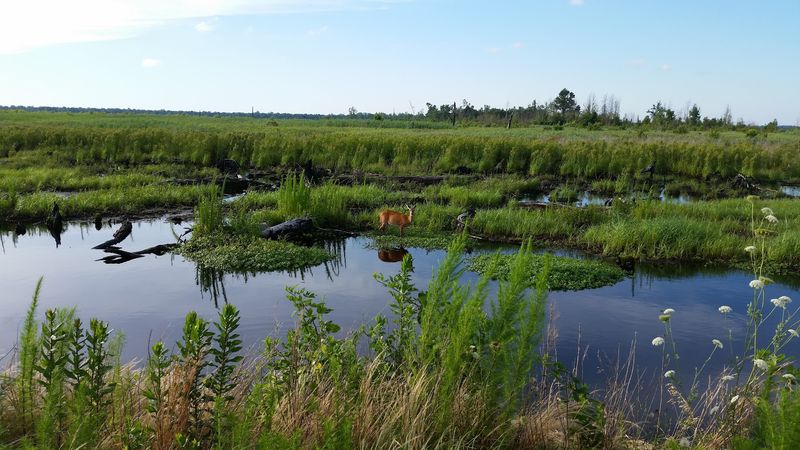
The refuge is home to an astonishing variety of wildlife, and the chances of spotting something memorable on any given visit are genuinely high.
Black bears roam the interior, and while sightings are not guaranteed, evidence of their presence, including claw marks on trees and tracks in soft mud, shows up regularly on the trails.
River otters slip through the waterways, white-tailed deer appear along the gravel roads, and turtles of multiple species bask on logs throughout the warmer months.
One of the more surprising encounters visitors report is spotting otters right in the middle of the road, which is the kind of thing that makes you slow your car to a full stop with a giant grin on your face.
The refuge also hosts over 200 species of birds, making it a serious destination for birders chasing rare sightings throughout the year.
Birdwatching That Rivals the Best in the Mid-Atlantic
Birders from across the region make pilgrimages to the Great Dismal Swamp specifically because the habitat here supports species that are increasingly hard to find elsewhere.
The prothonotary warbler, a stunning bird with brilliant golden-yellow plumage, nests in the swamp’s cavity-riddled trees and is one of the most sought-after sightings for visiting birders.
Wayne’s black-throated green warbler and the Swainson’s warbler are two other species that draw serious enthusiasts, both of which thrive in the dense forested wetlands the refuge protects.
Early morning is the prime time to arrive, when bird activity peaks and the swamp’s quiet amplifies every call and rustle in the underbrush.
The combination of diverse habitats, including upland forest, forested wetland, and open water, means the species list shifts meaningfully with the seasons, giving repeat visitors a fresh experience every time they return.
Trails That Range from Stroller-Friendly to Deeply Remote
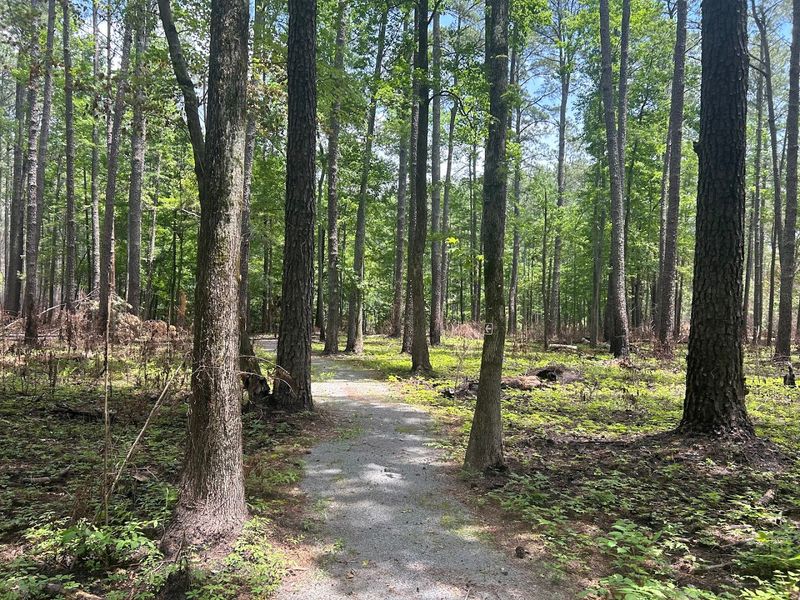
One of the things that makes this refuge more accessible than people expect is the range of trail options available to visitors of very different fitness levels and interests.
The Jericho Ditch Trail is completely flat, easy to navigate, and wide enough that families have successfully completed it with baby strollers and dogs in tow, which is a testament to how approachable the refuge can be.
The Washington Ditch Trail offers a longer route through deeper swamp territory, and the Lynn Ditch area provides yet another variation for those wanting to explore different sections of the ecosystem.
The Dismal Swamp Canal Trail, which runs just south of Chesapeake and connects to the broader refuge system, is fully paved and marked every quarter mile, making it ideal for cyclists, skateboarders, and horseback riders.
Trail boards in some wooded sections show wear over time, so watching your footing carefully is always a smart habit here.
Kayaking and Canoeing the Dark Waters
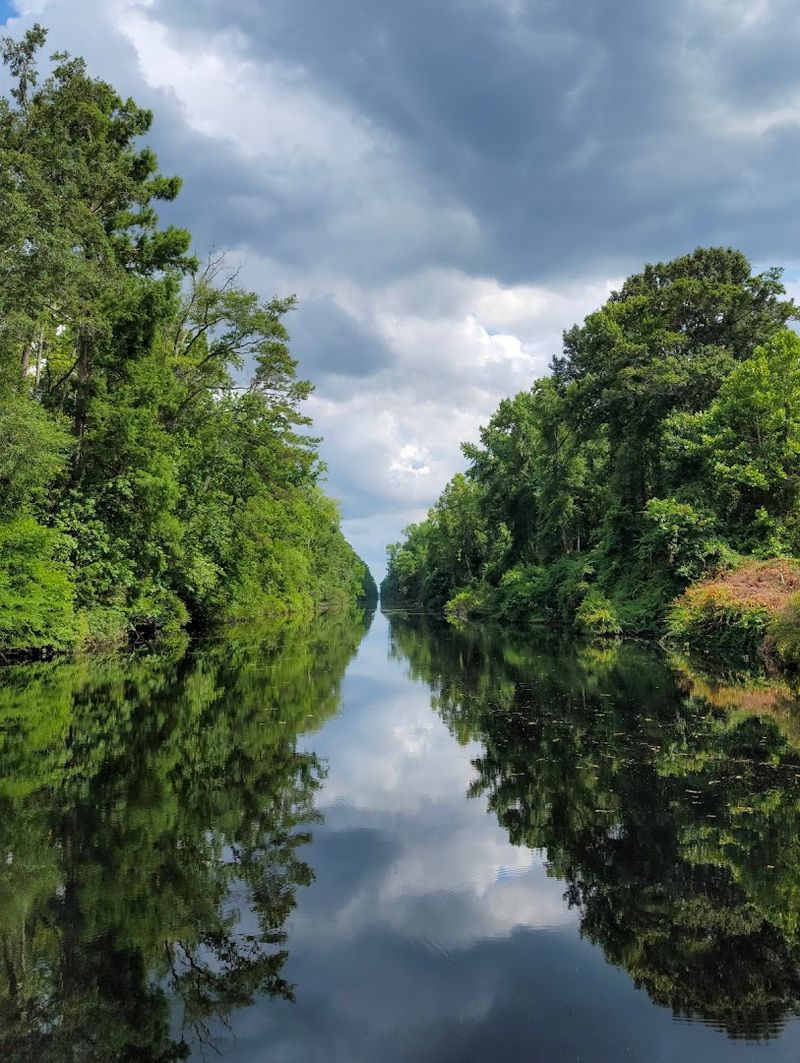
Getting on the water at Great Dismal Swamp is one of those experiences that belongs in a completely different category from anything you can do on land.
Lake Drummond is the main draw for paddlers, and a sunset kayak session on its glassy surface is the kind of thing people describe as genuinely life-changing.
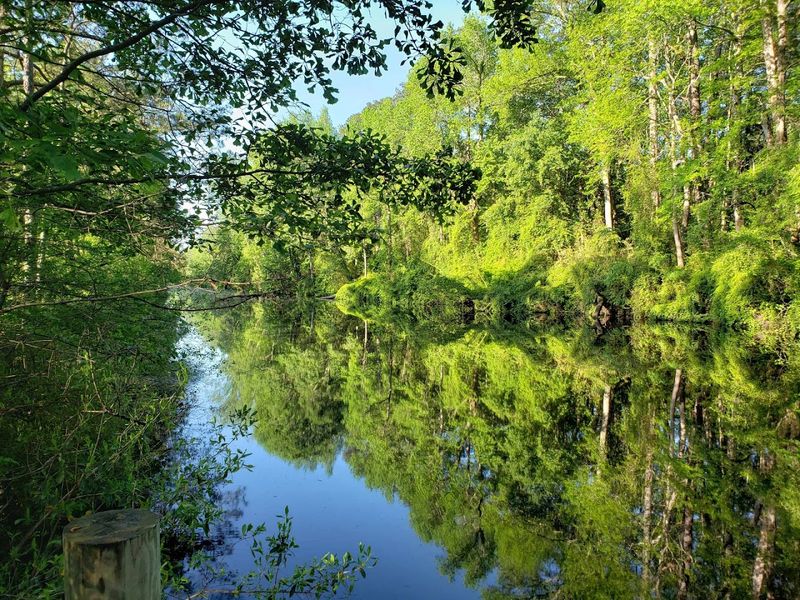
Reaching the lake by water requires paddling the feeder ditch from the Washington Ditch boat launch, which adds a narrow, canopied passage through the swamp before the lake opens up dramatically in front of you.
Wind can pick up significantly on the open lake, so less experienced paddlers should check conditions before heading out and stay aware of how quickly the water can develop a chop.
Boat tours also operate out of Elizabeth City, North Carolina, and Chesapeake, Virginia, offering a guided option for those who prefer company and context on the water.
The Wildlife Drive and What to Watch For
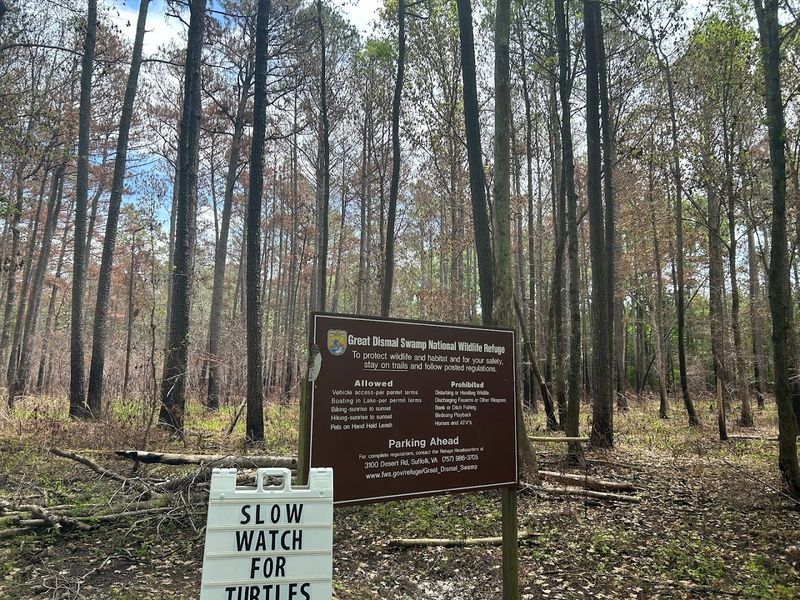
Not every visitor wants to hike, and the refuge thoughtfully accommodates that with a wildlife drive that winds through the swamp’s interior by car.
The one-lane gravel road requires slow, careful driving, and the signs warning visitors to watch for turtles are not decorative. Turtles genuinely cross the road with impressive frequency, and spotting species like the spotted turtle is a real possibility.
Boardwalks along the route let you step out of the car and stand directly over the swamp water, which gives a perspective that the trails alone cannot quite replicate.
The drive eventually leads to a viewpoint at Lake Drummond, and the payoff of that final reveal, after winding through miles of dense forest, is substantial.
Going early in the morning dramatically increases wildlife sightings, and mid-day visits tend to be quieter on the animal front, though the scenery remains consistently worth the trip at any hour.
The Visitor Center and What You Can Learn There
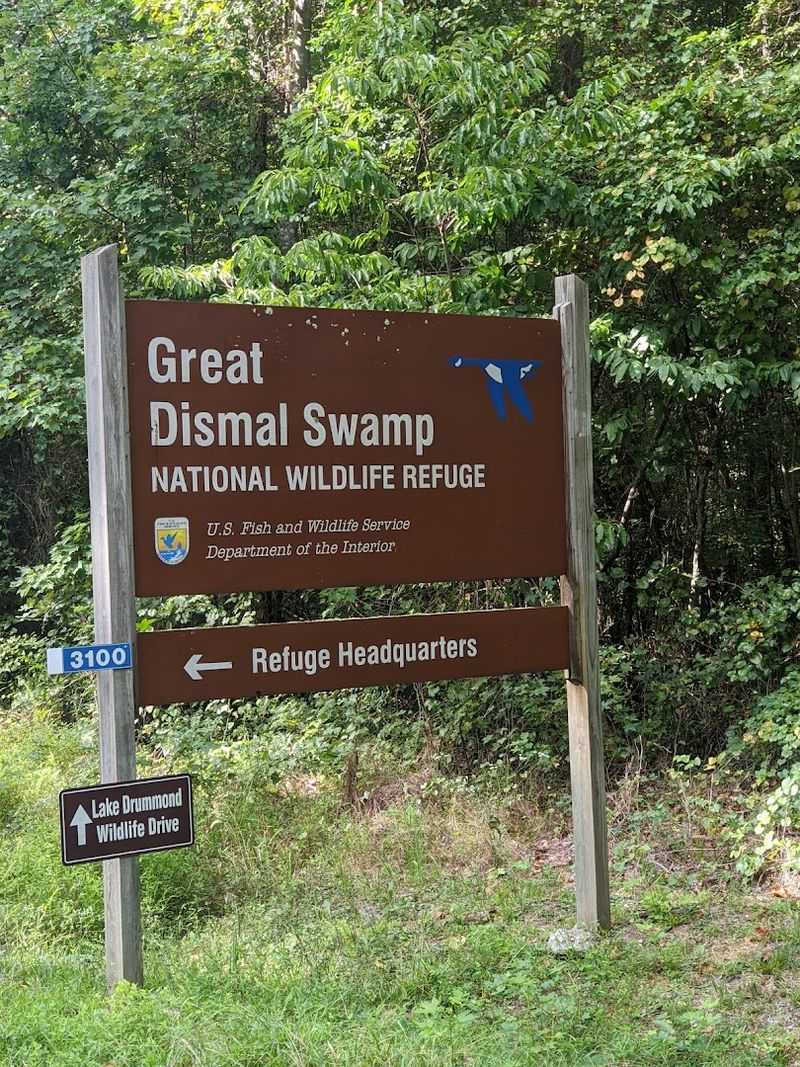
The refuge entry point off Route 17 connects directly to a ranger station and interpretive center that gives first-time visitors a solid grounding in what they are about to experience.
The small interpretive center features exhibits on the swamp’s ecology, its geological history, and the human stories tied to the land across centuries.
A modest gift shop offers maps, field guides, and the occasional souvenir magnet that visitors have been known to genuinely treasure as a memento of an unexpected favorite place.
Public educational programs run at the facility periodically, covering topics like tree identification and wildlife tracking, and these sessions are worth checking the refuge calendar for before your visit.
The center sits right over the canal bridge, and even a few minutes spent there before heading into the refuge helps orient you to the scale of what you are walking into, which is considerable.
Bug Season and How to Handle It Honestly
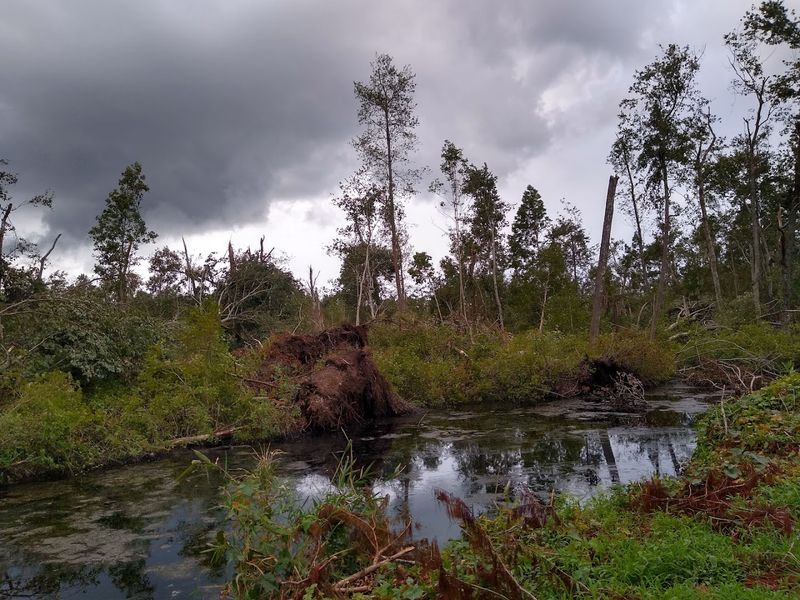
Here is the honest truth that every seasoned visitor will tell you upfront: the insects at Great Dismal Swamp are a serious factor, and they deserve your full respect and preparation.
Mosquitoes are present throughout the warmer months, but the period from mid-June through mid-August is when they reach a level that can genuinely overwhelm unprepared visitors.
Horse flies and deer flies join the party during summer, and some visitors report that standard insect repellent barely makes a dent during peak season.
The good news is that spring and fall visits are dramatically more pleasant, with cooler temperatures, lower insect pressure, and spectacular seasonal changes in the vegetation that make the swamp look entirely different from one month to the next.
Early morning visits in spring are widely considered the sweet spot, combining peak bird activity with manageable bug levels and the kind of misty atmospheric light that makes every photo look intentional.
Camping and Disconnecting at Lake Drummond
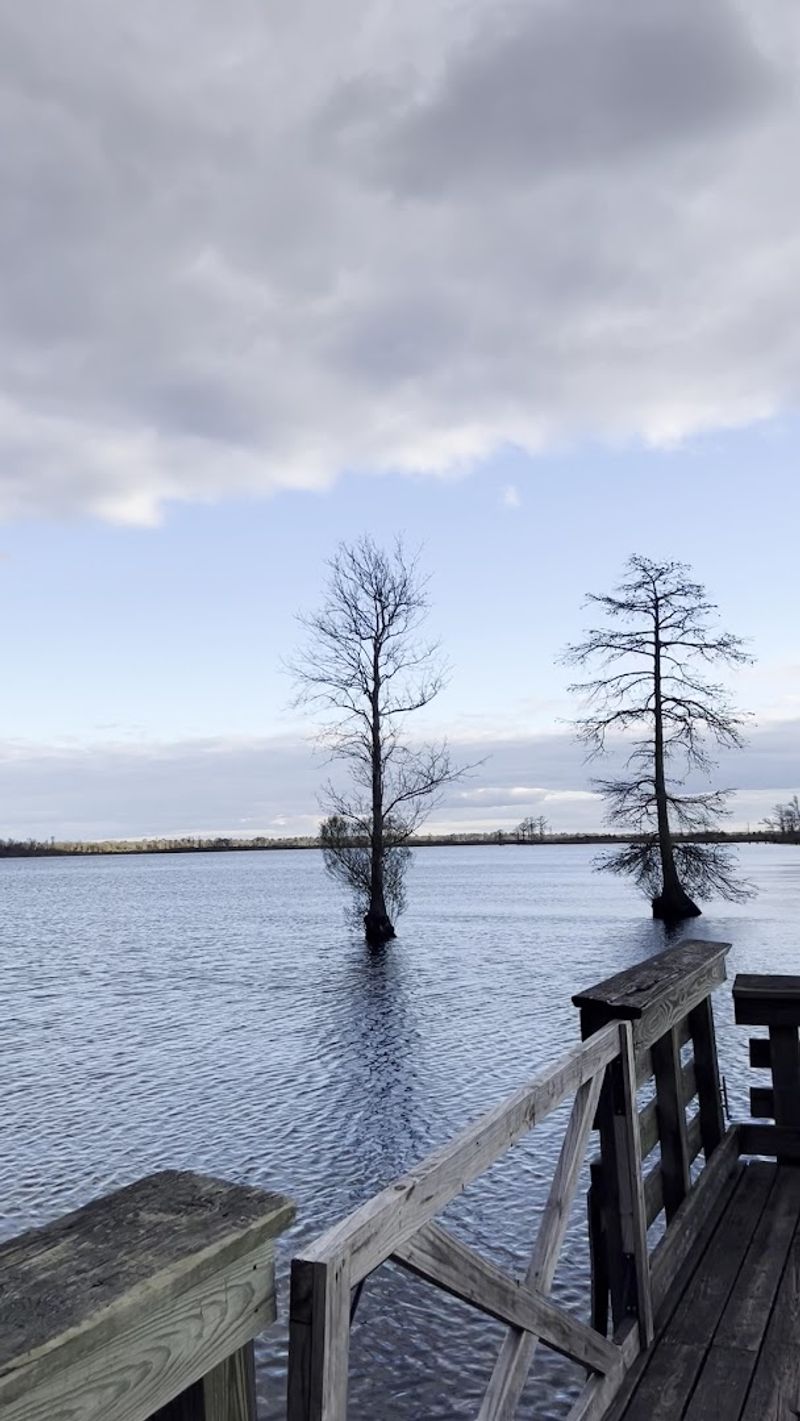
For visitors who want to extend their time in the swamp past a single day, the Lake Drummond Recreation Area offers a camping option that is as stripped-down and peaceful as it sounds.
Cell service is essentially nonexistent out there, which is either a dealbreaker or the entire point, depending on what kind of traveler you are.
Overnight campers who have paddled the lake at sunset describe the experience of watching the light fade over the dark water, with no ambient noise from civilization, as something close to surreal.
Restroom facilities are available and reportedly well-maintained, which is a welcome surprise given the remote feel of the location.
Overhead air traffic is the main sound intrusion in an otherwise remarkably quiet environment, and even that fades into the background once the swamp’s natural soundtrack, frogs, birds, and rustling vegetation, takes over completely as darkness falls.
Share this story