There is a working farm in Morris County, New Jersey, where the clocks stopped somewhere around the early 1900s, and that is entirely the point. Staff dressed in period clothing tend to animals, work the fields with century-old tools, and guide curious visitors through a world that most people have only read about in history books.
The farm sits on a sprawling historic property and offers hands-on activities that go far beyond a typical outdoor visit. From churning butter by hand to watching sheep shearing demonstrations up close, every corner of this place has something worth seeing.
Families, history enthusiasts, and anyone looking for a break from the ordinary keep coming back, often more than once. The property is managed by the Morris County Park Commission and remains one of the most distinctive agricultural heritage sites in the entire Garden State.
Where History and Farmland Meet in Morris County
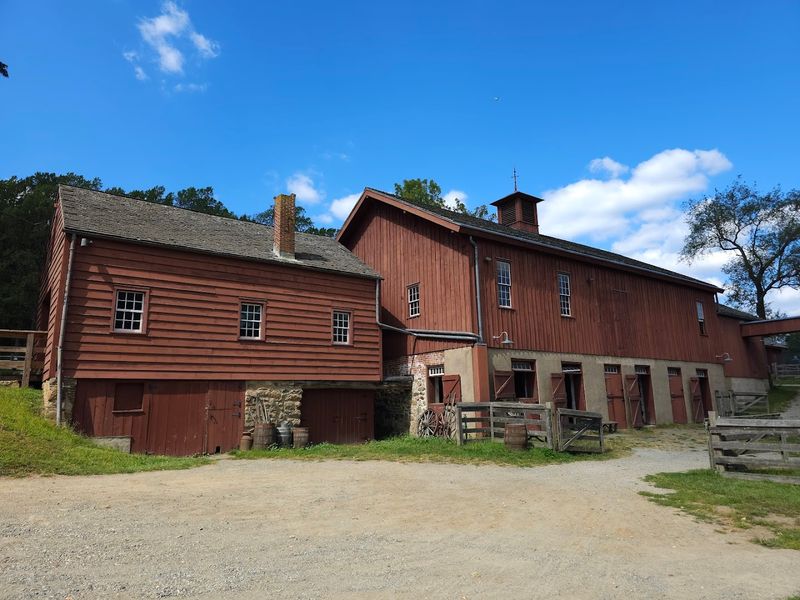
Fosterfields Living Historical Farm is located at 73 Kahdena Road, Morristown, NJ 07960, right in the heart of Morris County. The farm is part of the Morris County Park Commission system and sits on a beautifully preserved property that dates back to the late 1800s.
The grounds cover a substantial stretch of open land, including fields, wooded trails, a pond area, and several historic structures. A short blue-marked trail winds from the pond through the woods and leads to the arched entrance of the mansion’s road, giving the property a layered, exploratory quality.
The farm is open Wednesday through Saturday from 10 AM to 3 PM and is closed Sunday through Tuesday. Tickets are available for purchase online in advance, which is strongly recommended before arriving.
Getting there early is a smart move, since many of the hands-on activities wrap up before the 3 PM closing time.
A Glimpse Into the Turn-of-the-Century Farm Life
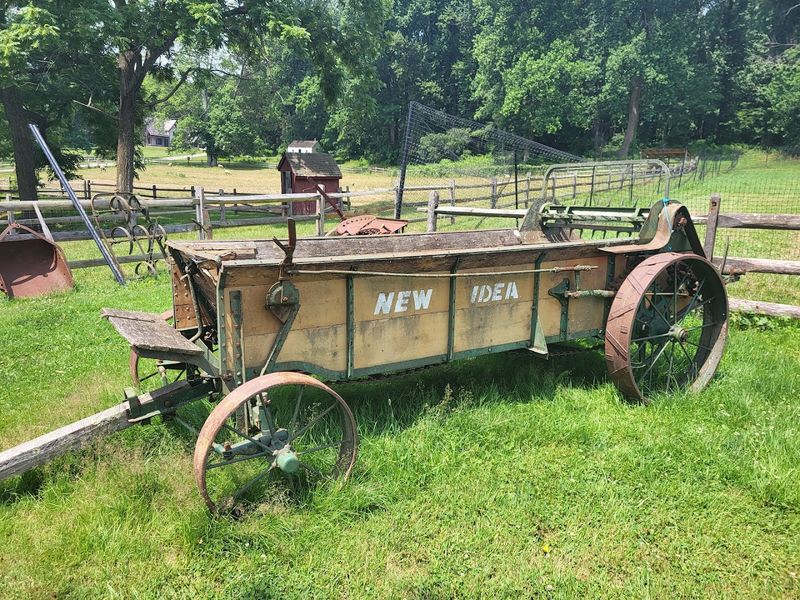
The entire concept behind Fosterfields is rooted in authenticity. The farm operates as a living history site, meaning the tools, techniques, and daily routines on display all reflect agricultural practices from the late 1800s to the early 1900s.
Staff members wear period-appropriate clothing and carry out real farm tasks throughout the day, not as a performance but as a genuine demonstration of how this land was once worked. That commitment to historical accuracy is what sets the farm apart from a typical petting zoo or outdoor attraction.
The property was once home to the Foster family, and the buildings, fields, and equipment have been carefully preserved to reflect that era. Every structure on the grounds tells part of that story.
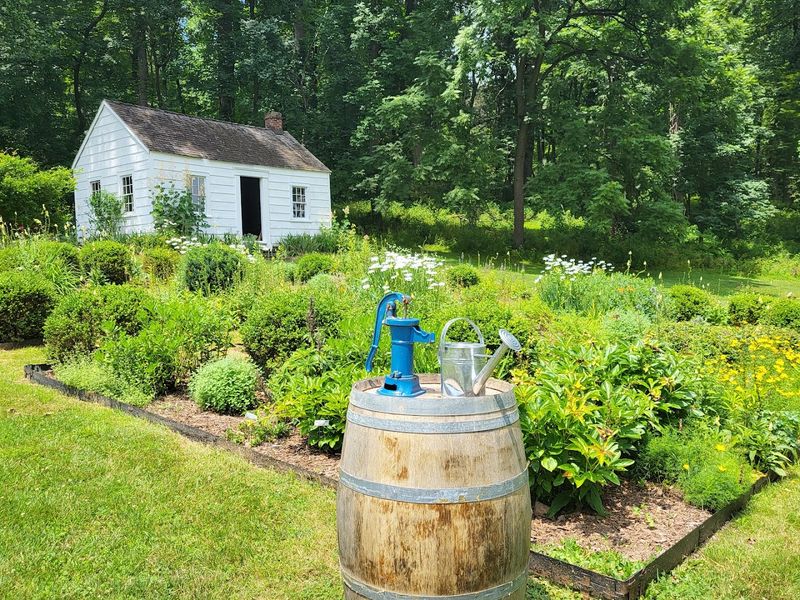
Whether it is the cottage, the barns, or the outbuildings, each one offers a tangible connection to a way of life that has largely disappeared from modern New Jersey.
Churning Butter the Old-Fashioned Way
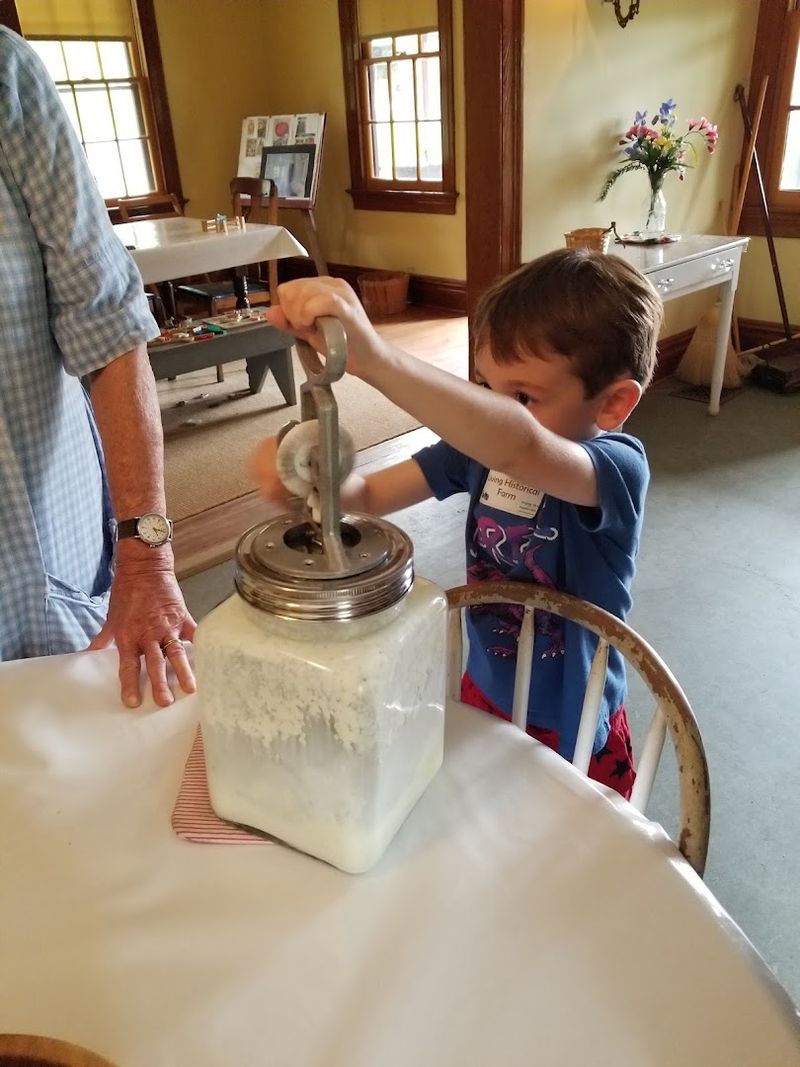
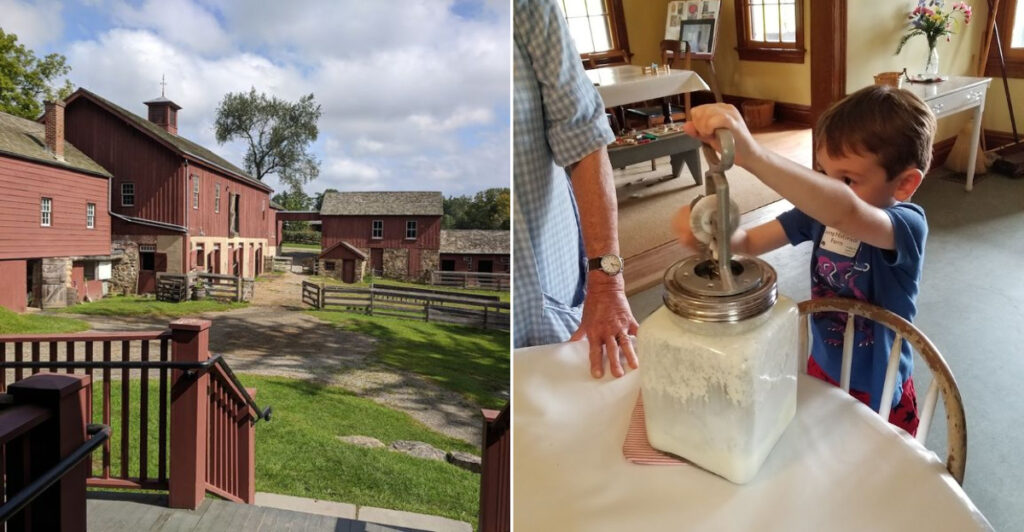
One of the most talked-about activities at Fosterfields is the chance to churn your own butter using traditional methods. It is the kind of hands-on experience that sounds simple but ends up being genuinely memorable, especially for younger visitors who have never thought about where butter actually comes from.
The process involves a wooden churn and a fair bit of effort, which quickly gives participants a new respect for the daily labor that farm families once took for granted. Staff guide visitors through each step, explaining what is happening and why it mattered in a household without modern conveniences.
This activity fits naturally into the farm’s broader educational mission. Rather than just reading about 19th-century farm life on a sign, visitors get to physically engage with it.
That kind of learning tends to stick. Kids often leave the farm talking about the butter long after they have forgotten the name of the exhibit.
The Animals That Call Fosterfields Home
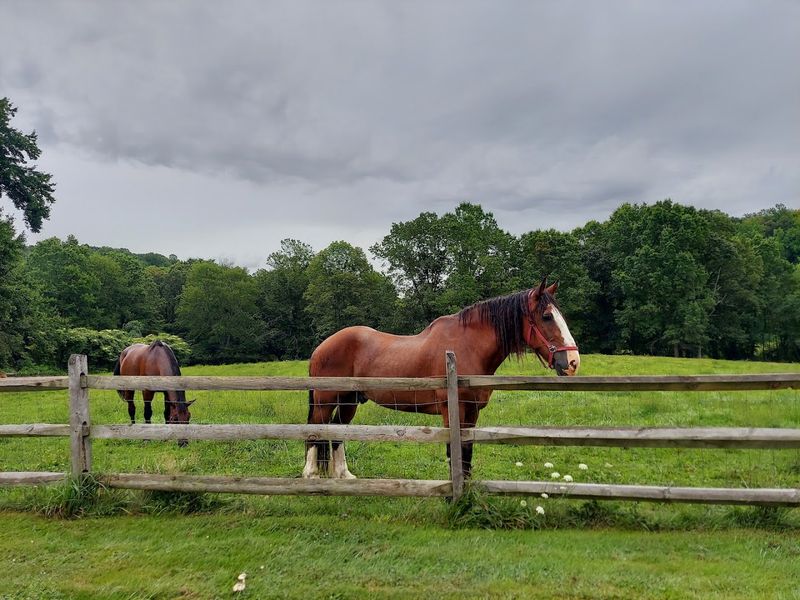
The farm is home to a variety of animals that visitors can interact with during their visit. Chickens, cows, goats, and horses have all been part of the property, and the animals are well cared for and accustomed to people approaching them.
Feeding the chickens is a favorite activity for younger visitors, and the cows and goats are known for being approachable and calm around guests. The horses on the property have also made a strong impression, sometimes walking right up to the fence on their own to greet people passing by.
What stands out about the animals at Fosterfields is that they serve a dual purpose. They are not just there for visual appeal.
They are part of a working farm environment, and staff use interactions with the animals as opportunities to explain how livestock fit into the agricultural economy of the early 1900s. That context adds real depth to what could otherwise be a simple petting experience.
Dyeing Silk and Spinning Yarn by Hand
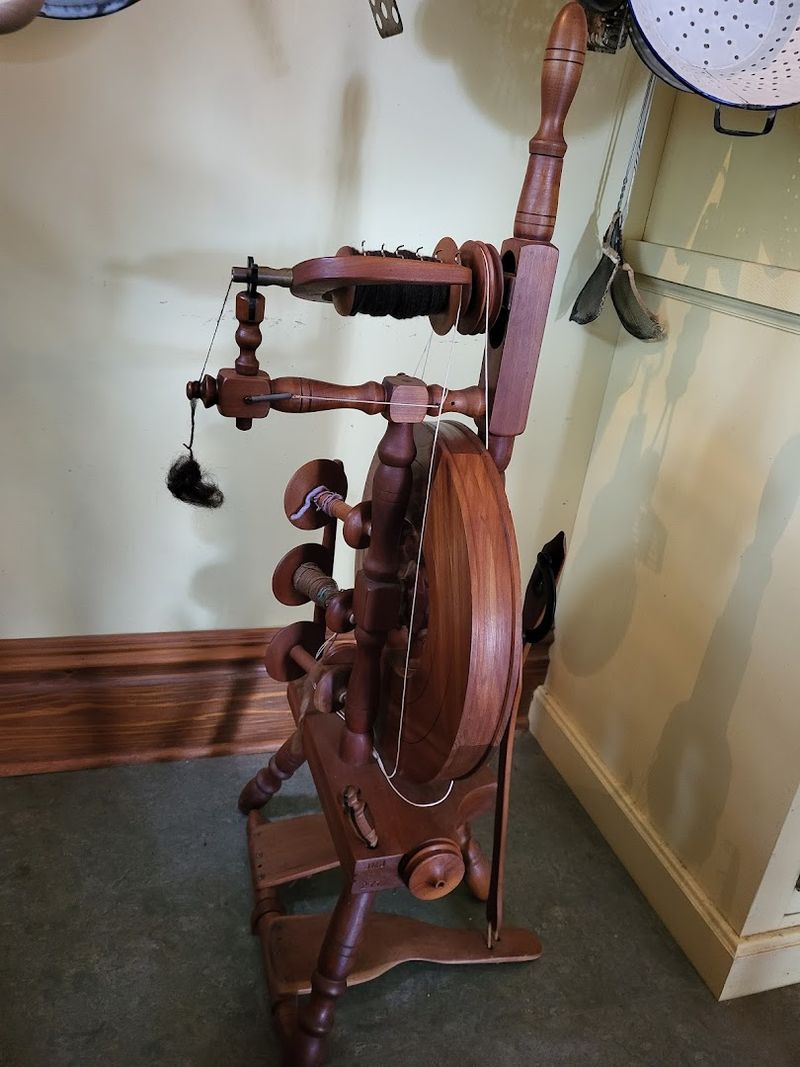
Among the more unexpected activities available at Fosterfields are textile demonstrations, including silk dyeing and yarn spinning. These crafts were central to domestic life in the late 1800s and early 1900s, and the farm brings them back to life with the same tools and methods that would have been used at the time.
Visitors who participate in yarn spinning quickly discover that it requires coordination and patience. The process is not difficult to start, but doing it well takes practice, which is exactly the kind of insight that makes the activity educational rather than just entertaining.
Silk dyeing adds a visual element to the experience, with natural colors emerging through a process that requires no modern chemistry. Staff explain the origins of each technique and how they fit into the broader domestic economy of the period.
For adults and older children especially, these demonstrations open up a conversation about labor, craft, and the skills that households once depended on daily.
Pressing Cider and Picking Pumpkins in the Fall
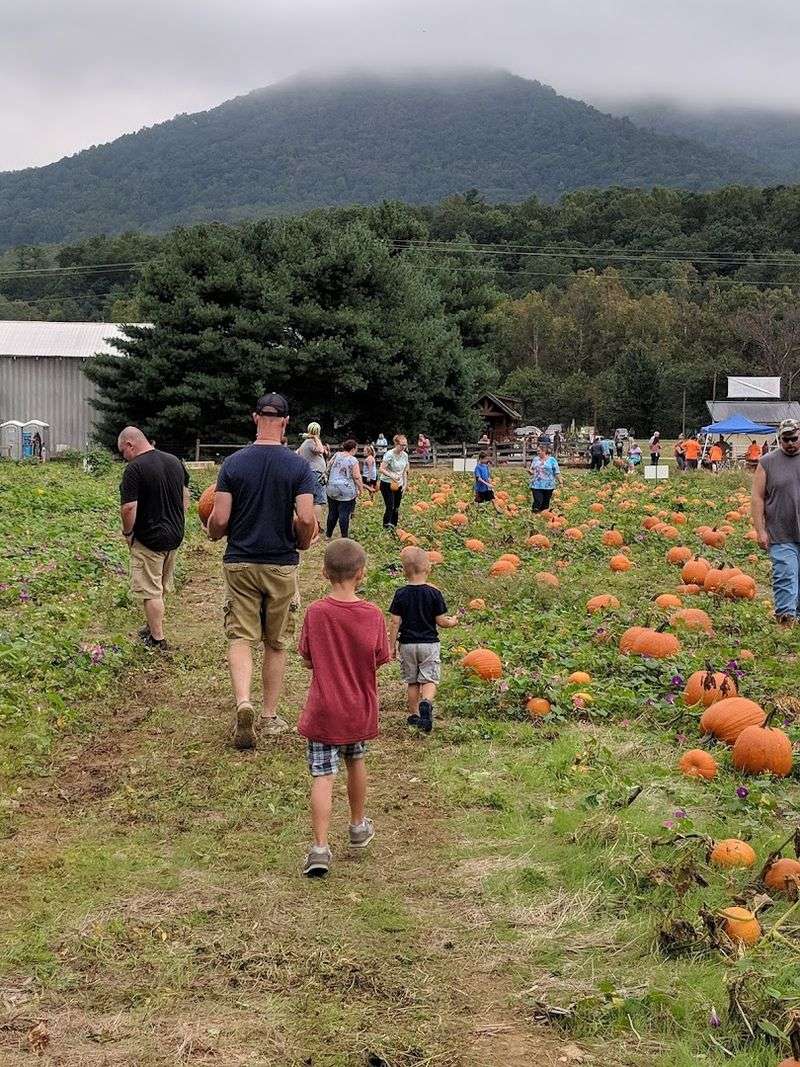
Fall is widely considered one of the best times to visit Fosterfields, and the seasonal activities are a big reason why. Cider pressing and pumpkin picking are among the highlights that draw families back year after year once the leaves start to turn.
The cider press used on the farm is a traditional wooden model that operates through manual effort, and watching the process from start to finish gives visitors a clear picture of how this autumn staple was produced before mechanized equipment took over. The pumpkin picking experience connects naturally to the farm’s harvest-season atmosphere.
The grounds themselves are said to transform during fall, with the changing foliage adding a whole new layer of appeal to the already scenic property. Arriving early on a fall Saturday is especially recommended, as activities tend to draw larger crowds during the harvest season.
Comfortable walking shoes are a must, since the property involves a fair amount of ground to cover on foot.
The Wool Festival and Sheep Shearing Demonstrations
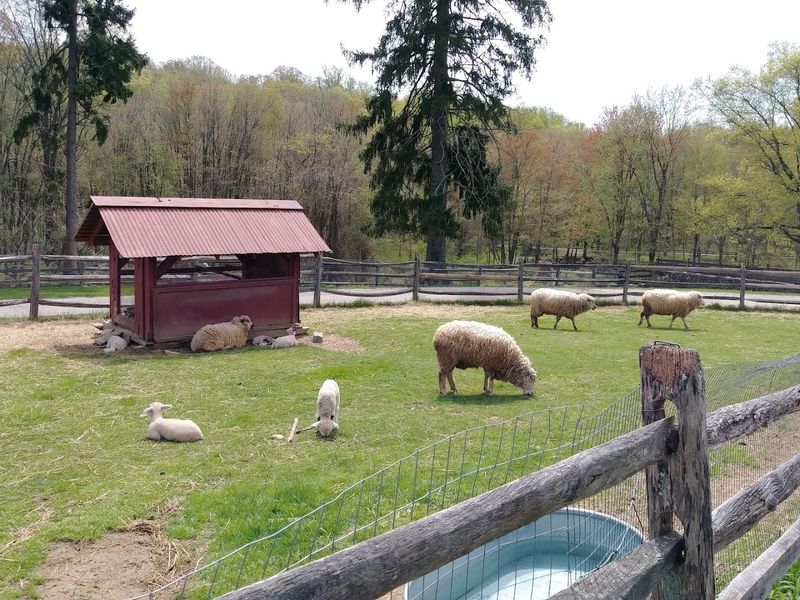
One of the most popular annual events at Fosterfields is the Wool Festival, which draws visitors specifically to see sheep shearing demonstrations and learn about the wool production process. The event has a loyal following among both families and adults who appreciate traditional crafts.
The sheep shearing demonstrations are described as genuinely exciting to watch, with skilled shearers working quickly and efficiently in a way that makes the whole process look almost effortless. Visitors get to see the full arc of wool production, from the raw fleece to the finished yarn, which ties directly into the farm’s textile demonstrations available on regular visiting days.
Events like the Wool Festival are part of what keeps the Fosterfields calendar interesting throughout the year. The farm regularly hosts themed events and demonstrations tied to the agricultural seasons, so checking the website at morrisparks.net before planning a visit is always a good idea to catch something special during your trip.
The Foster Mansion and Historic Buildings
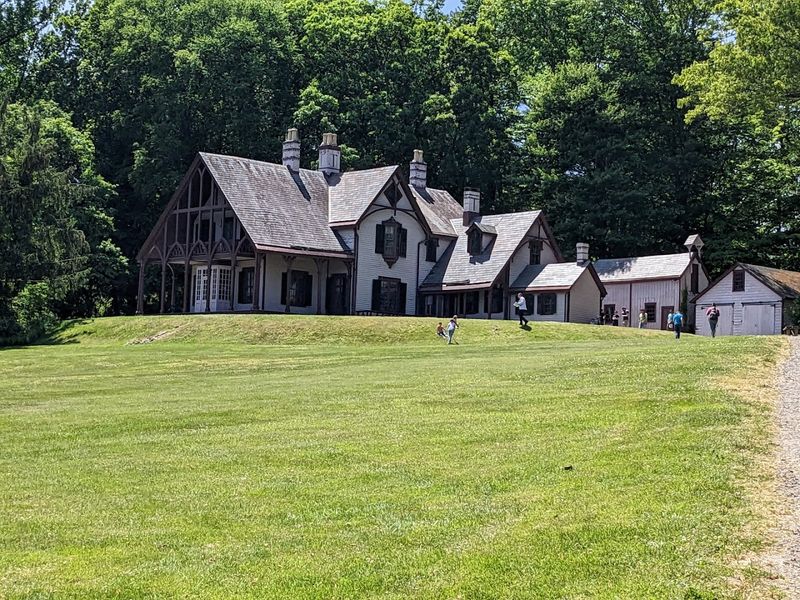
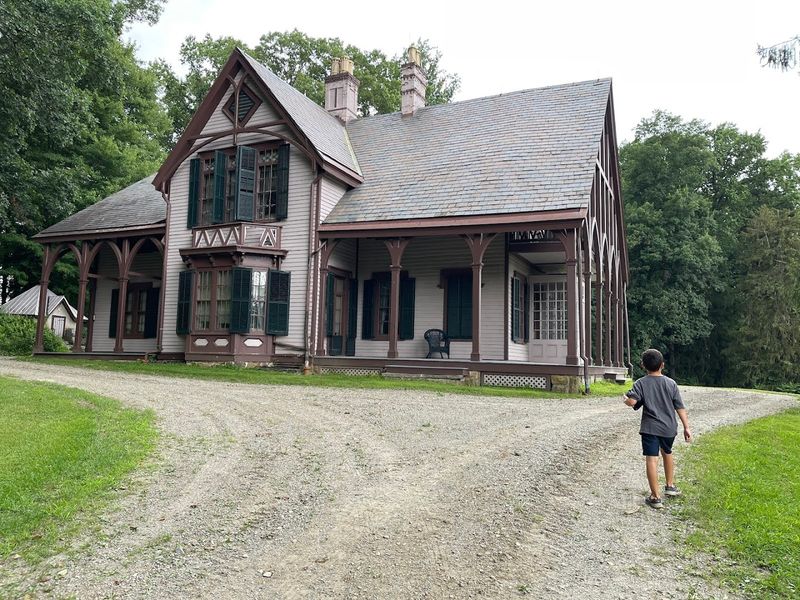
The Foster mansion is one of the most architecturally striking features of the Fosterfields property. The building reflects the prosperity of the Foster family during the late 19th century and stands as a reminder that this was once a private estate before it became a public heritage site.
At certain times, the mansion has been open for tours, though renovation work has periodically taken it offline for visitors. The cottage and several other outbuildings have remained accessible, offering a detailed look at domestic life from the period.
Each structure has its own story and its own role in the daily functioning of the estate.
The architecture itself is worth taking time to observe carefully. The craftsmanship visible in the older buildings reflects construction methods that are rarely used today, and the preservation work done by the Morris County Park Commission has kept the structures in remarkable condition.
Walking through the grounds with the buildings in view gives the whole visit a strong sense of place and historical continuity.
The Transportation Museum on the Property
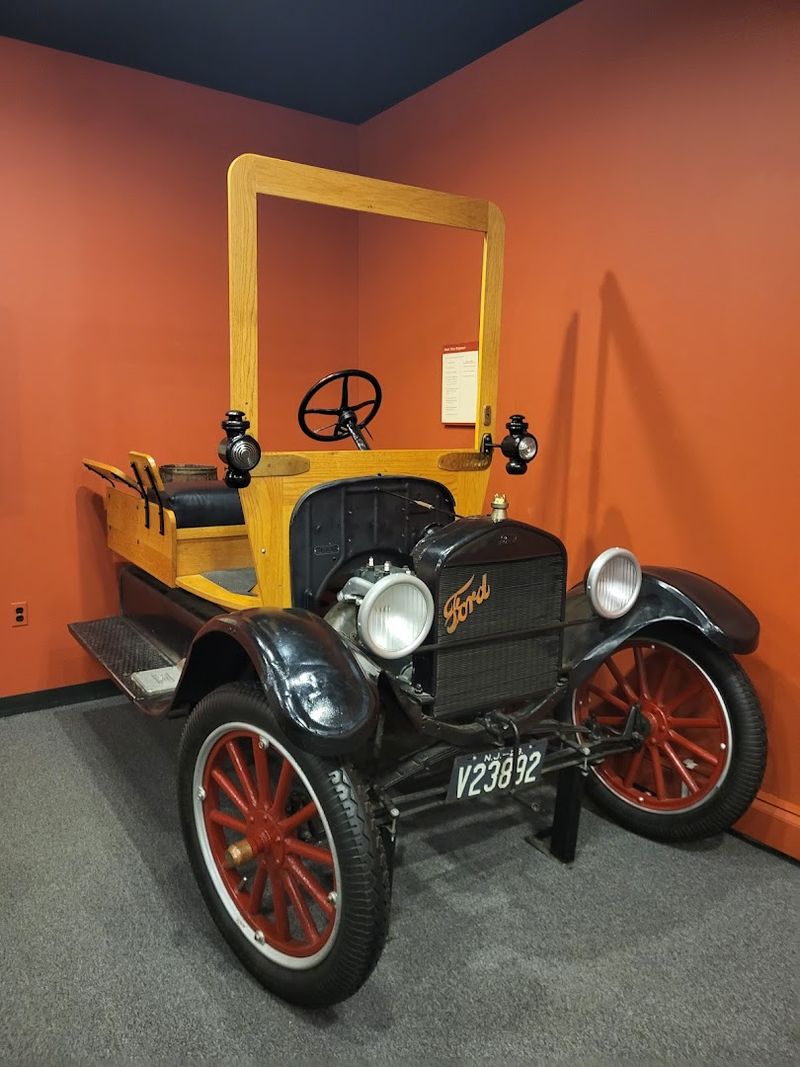
One section of the Fosterfields property that surprises many first-time visitors is the transportation museum. The collection includes historic vehicles from the early 20th century, with a Model T Ford being a particular standout that tends to generate real enthusiasm.
The presence of a transportation museum on a farm property might seem unexpected at first, but it actually fits the site’s timeline perfectly. The early 1900s were a period of dramatic change in how people and goods moved across the country, and the transition from horse-drawn vehicles to motorized ones played out directly on properties like Fosterfields.
Seeing a Model T Ford in person, rather than in a photograph, gives visitors a concrete sense of how different early automobile design was from anything on the road today. The museum adds a technological dimension to the farm’s historical narrative that broadens the overall experience well beyond agriculture and domestic crafts, making the visit feel genuinely comprehensive.
Walking Trails and Open Green Spaces
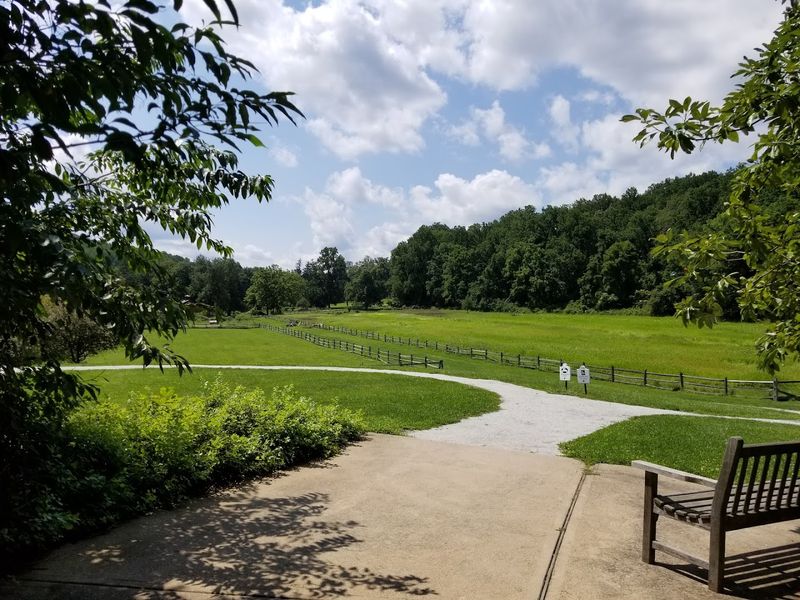
Beyond the structured activities and demonstrations, Fosterfields offers open green spaces and walking trails that give the visit a relaxed, exploratory quality. The property has enough natural variety to make a slow walk genuinely rewarding, with fields, wooded sections, and a pond all accessible to visitors.
The short blue-marked trail that runs from the pond through the woods to the arched entrance of the mansion road is a particularly pleasant route. It passes through a mix of habitats and gives a sense of how large and varied the original estate actually was.
Comfortable footwear is consistently recommended by those familiar with the property, since the terrain can be uneven and the walking distances add up quickly. Bringing wipes for hands and shoes is also a practical tip, especially if the ground is wet from recent rain.
The combination of natural scenery and historic structures makes the walking experience here more engaging than a typical park trail.
Hands-On Activities That Keep Kids Engaged
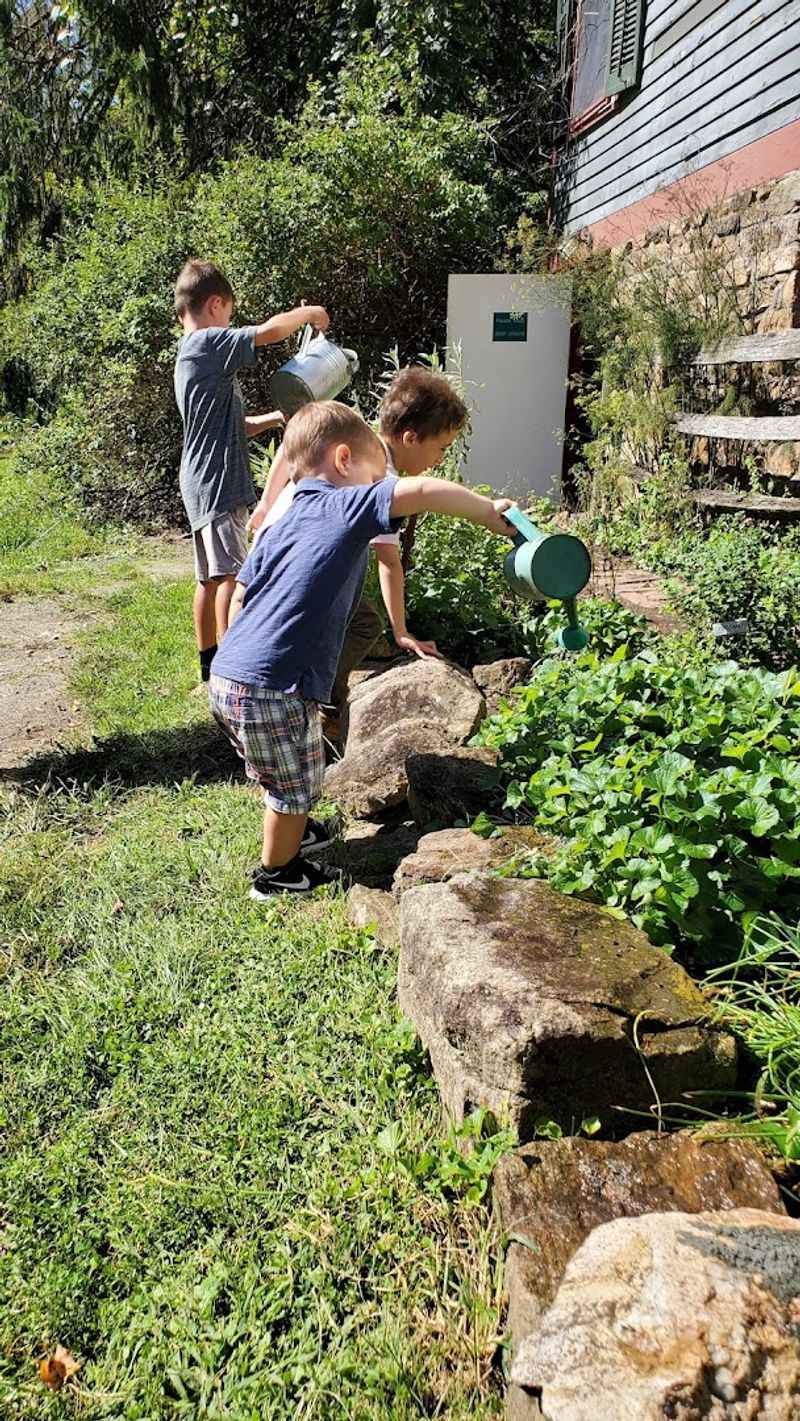
Fosterfields has built a strong reputation as a destination that genuinely works for families with children of different ages. The hands-on activities available throughout the property are designed to be participatory rather than passive, which makes a noticeable difference in how engaged younger visitors stay throughout the day.
Feeding chickens, watering flowers, using historic farming tools, and taking part in demonstrations like butter churning all give children something active to do rather than just observe. That level of direct involvement tends to translate into better retention of the historical information being presented alongside each activity.
The farm staff are consistently described as knowledgeable, patient, and genuinely enthusiastic about what they do. Their ability to explain complex historical and agricultural concepts in terms that children can understand is a significant part of what makes the educational side of the visit successful.
Arriving early gives families the best chance of participating in the full range of activities before the 2 PM cutoff for many demonstrations.
What to Know Before You Visit
A few practical details can make a big difference in how smoothly a visit to Fosterfields goes. Tickets should be purchased online in advance, as walk-in availability is not guaranteed and advance booking is strongly recommended on weekends and during special events.
The farm is open Wednesday through Saturday from 10 AM to 3 PM and is closed the rest of the week. Getting there closer to 10 AM gives visitors the most time to participate in demonstrations and activities, many of which wind down before the 2 PM mark.
Parking is available on-site, and during busier events, attendants are on hand to keep things organized.
Food cannot be brought onto the farm itself, but there is a picnic area on the property where visitors can eat before or after their tour. The grounds involve a fair amount of walking on uneven terrain, so sturdy shoes are a practical necessity rather than just a suggestion.
Planning ahead makes the whole experience run much more smoothly.
Why People Keep Coming Back Season After Season
Repeat visits to Fosterfields are common, and the reason is straightforward. The farm changes with the seasons, and each season brings a different set of activities, events, and visual appeal to the property.
A spring visit focused on wool and textile crafts feels entirely different from a fall trip centered on cider pressing and pumpkin picking.
The rotating calendar of themed events means there is almost always something new to experience, even for those who have been before. The Wool Festival, vintage baseball games, and harvest-season activities are just a few of the events that give returning visitors a reason to plan another trip.
The consistency of the staff’s knowledge and enthusiasm is another factor that brings people back. The team at Fosterfields clearly takes pride in what they do, and that energy carries through every interaction on the property.
For families in the New Jersey and greater tri-state area, this farm has quietly become one of those reliable, genuinely rewarding places that earns a permanent spot on the annual outing list.
A Living Piece of New Jersey Heritage
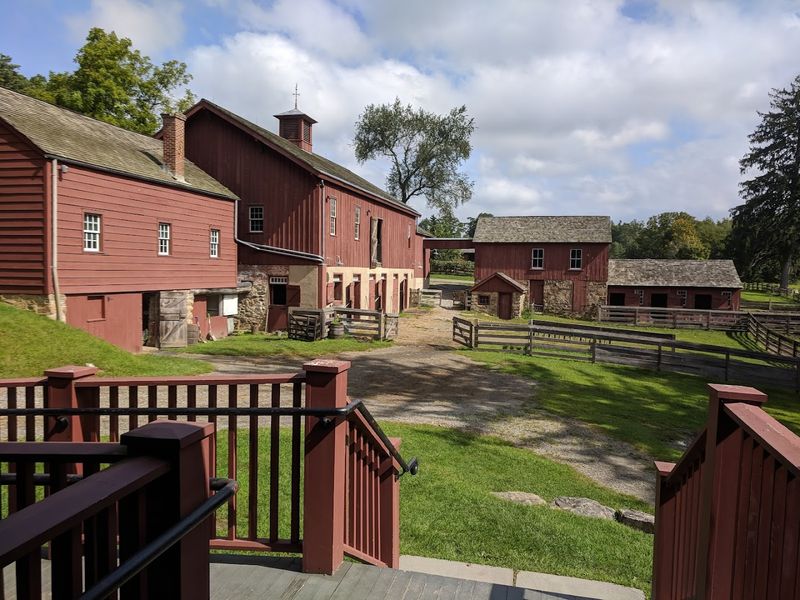
Fosterfields Living Historical Farm occupies a unique position in New Jersey’s cultural landscape. It is not a museum in the traditional sense, where artifacts sit behind glass and visitors move quietly from display to display.
It is a working farm where history is actively practiced, demonstrated, and shared.
That distinction matters because it changes the nature of the visit entirely. The knowledge transferred at Fosterfields is not abstract.
It is grounded in physical activity, real animals, actual tools, and buildings that have been standing for well over a century. That combination creates a kind of understanding that a conventional exhibit rarely achieves.
For a state that is often associated with highways and suburbs, Morris County’s commitment to preserving a property like this says something meaningful about the value placed on agricultural heritage in New Jersey. Fosterfields is proof that the past does not have to be locked away to be protected.
Sometimes the best way to preserve history is to keep it alive and let people be part of it.
Share this story