A certain kind of weekend errand feels less like a chore when the grocery list leads to warm bakery cases, fresh produce, butcher counters, and shelves filled with things that do not look like standard supermarket repeats. In South Jersey, this market has become a Thursday-through-Saturday ritual for shoppers who want Amish-style comfort without planning a long drive into Pennsylvania.
The appeal is practical as much as nostalgic: visitors can gather ingredients, pick up prepared foods, browse small shops, and sit down for a casual meal under one roof. It is the kind of place where arriving hungry is common, leaving with extra bags is expected, and timing the visit matters more than newcomers might think.
The Place People Plan Around
Williamstown Farmers Market stands at 701 N Black Horse Pike, Williamstown, New Jersey 08094, United States, giving South Jersey shoppers a dedicated stop for Amish-style market browsing without crossing state lines. The building gathers food vendors and small shops into one indoor destination, which helps explain why locals treat it as a planned outing rather than a quick errand.
Its schedule shapes the rhythm. The market is closed Sunday through Wednesday, then opens Thursday and Friday from 9 AM to 6 PM and Saturday from 8 AM to 4 PM.
That limited window adds a little strategy to the visit. Shoppers who arrive early usually have more time to compare counters, look through produce, and decide what belongs in the cooler bag.
By design, the place rewards people who slow down, browse deliberately, and let the market guide the list instead of rushing through with a supermarket mindset during open hours.
Why It Feels Different
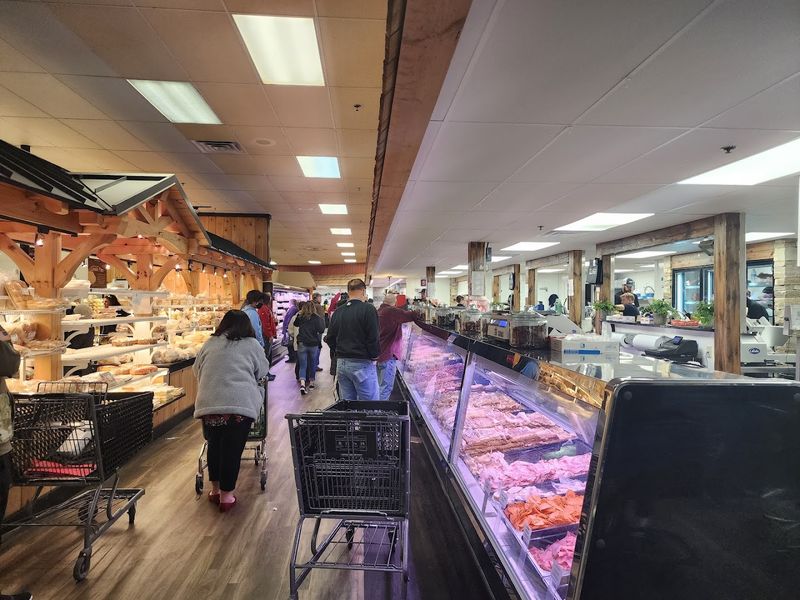
The market’s biggest draw is its mix of everyday usefulness and special-trip energy. Visitors can shop for produce, meats, baked goods, deli items, groceries, candy, books, clothing, and household finds, which makes the building feel broader than a single food hall.
That range is why people often come for one thing and leave with several. A shopper might start at the butcher counter, pause near bakery cases, check cold salads, then wander into a small retail shop before remembering the original list.
The Amish-style comfort angle comes through in the handmade feel of many offerings and the slower, vendor-based layout. Instead of anonymous aisles, the experience is shaped by counters, cases, and conversations.
It gives the market a personal quality that many shoppers miss in larger stores, while still staying practical enough for weekly staples and family meal planning. For many locals, that combination is the reason it stays on the calendar.
A South Jersey Shortcut
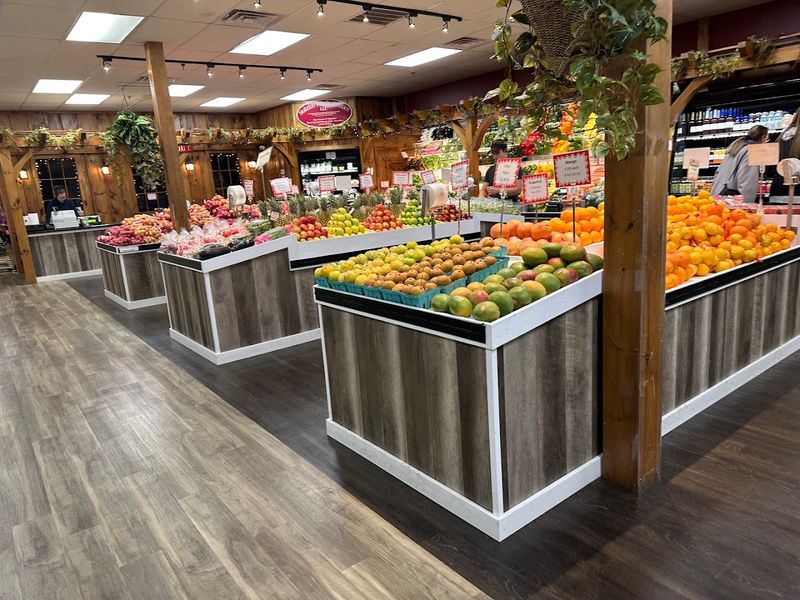
For many visitors, the market’s charm is tied to convenience. It offers a taste of Amish-style shopping in Williamstown, removing the need for South Jersey residents to turn a craving for baked goods, pretzels, meats, or specialty groceries into a longer trip.
That matters in a region where weekend plans can quickly become a drive-heavy project. Here, the experience is concentrated, local, and easy to fold into errands, lunch breaks, or Saturday family routines.
The market also fits the personality of the Black Horse Pike corridor, where practical stops and local favorites often share the same stretch of road. It is not trying to be polished in a resort-town way.
Its appeal comes from being useful, busy, and familiar, with enough variety to keep repeat visits interesting. Travelers passing through Williamstown can use it as a quick cultural snapshot of how South Jersey shops when it wants comfort with convenience.
Timing Is Part Of The Game
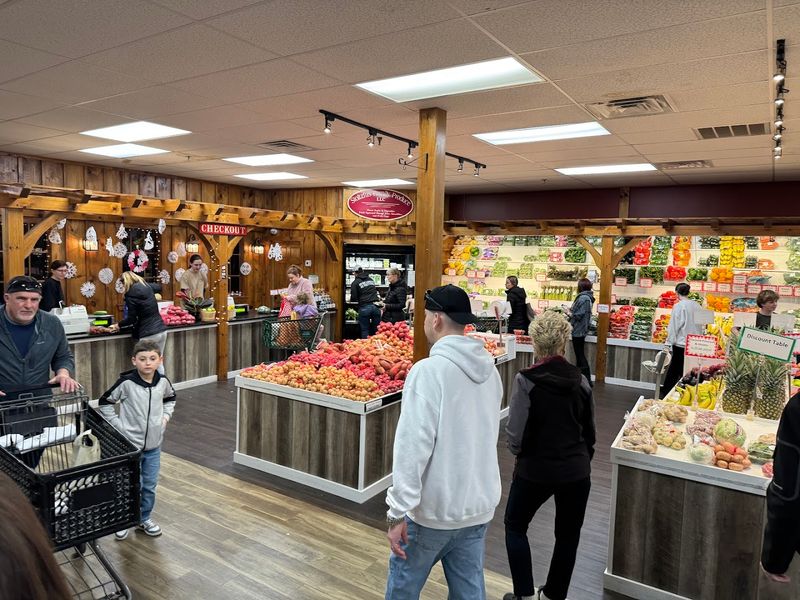
Because the market opens only three days a week, timing can shape the whole experience. Thursdays and Fridays give shoppers the longest hours, while Saturday starts earlier and closes midafternoon, making morning planning especially useful for anyone hoping to browse without feeling rushed.
Weekends tend to bring more energy and heavier foot traffic. The seating area can fill quickly, and popular counters may draw steady lines as families, regulars, and first-time visitors overlap.
A smart visit begins with a simple plan. Bring reusable bags, consider a cooler for meats or chilled items, and decide whether eating on site or shopping first makes more sense.
Those who want a calmer look at the building may prefer Thursday, while Saturday suits visitors who enjoy a busier market pace. Either way, arriving with patience helps, because the best part of the place is browsing rather than sprinting through it.
The Bakery Pull
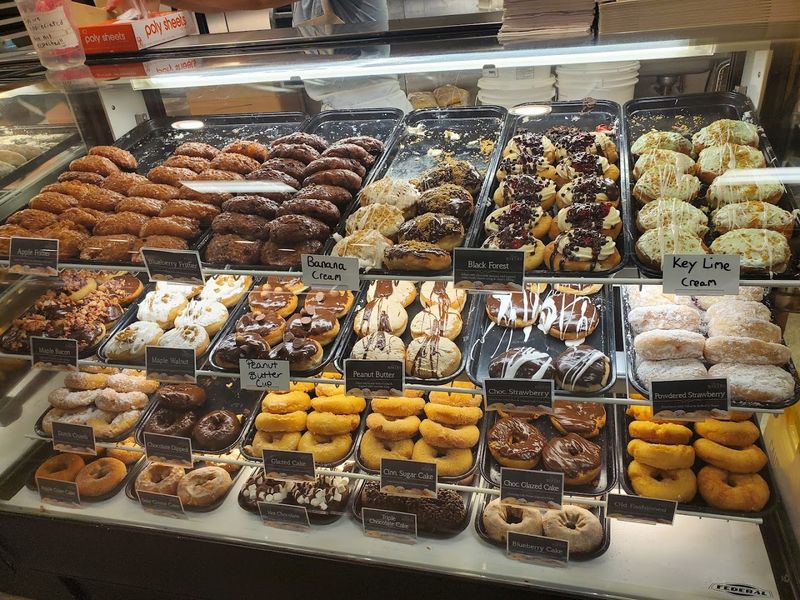
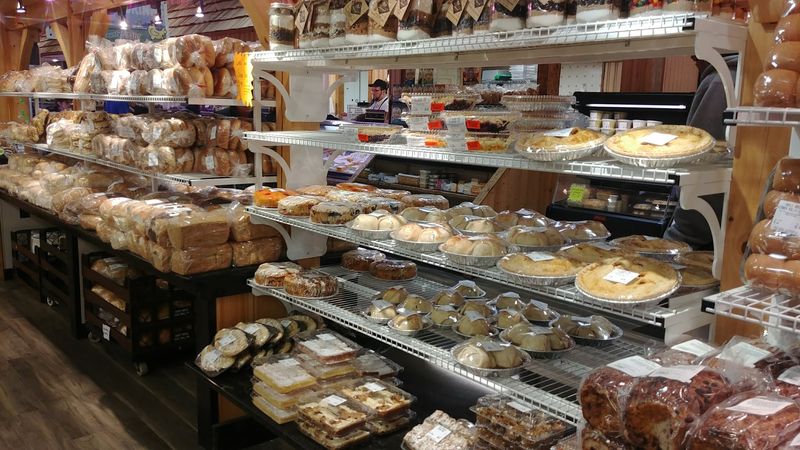
The bakery side of the market is one of its strongest magnets, especially for shoppers who associate Amish-style markets with baked comfort. Donuts, rolls, pies, sticky buns, cinnamon rolls, and other sweets are frequently mentioned by visitors as reasons to stop in early and bring extra bags.
The appeal is not only dessert. Bakery counters give the market a celebratory feeling, turning a grocery run into something that can end with treats for home, office, or a weekend breakfast table.
Nothing about the bakery experience needs to be complicated. Shoppers look, compare, ask questions when needed, and choose what fits the day.
Some visitors stick with familiar favorites, while others use the cases as an excuse to try something seasonal or unexpected. That element of choice is central to the market’s comfort factor.
It lets people feel both practical and indulgent in the same trip.
Butcher Counters With Purpose
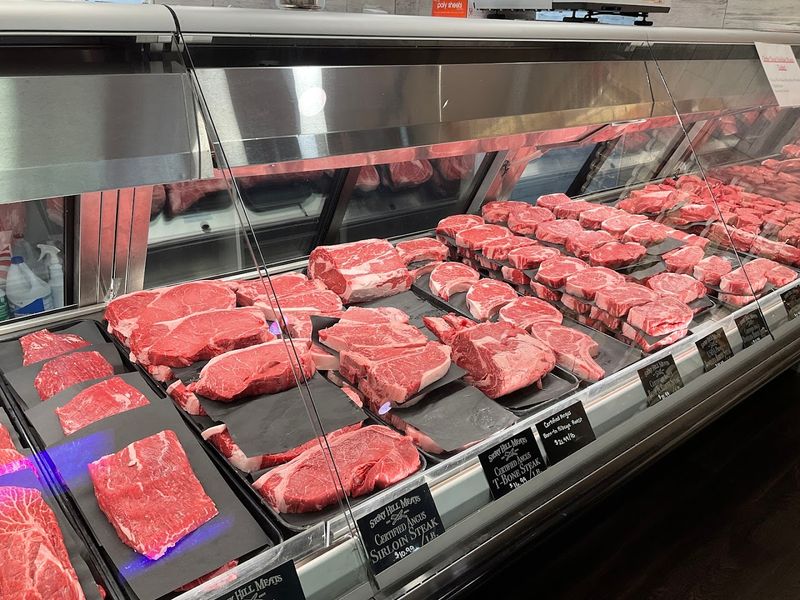
Meat counters are a major reason shoppers keep returning to the market. The building includes vendors known for fresh meats, smoked selections, deli meats, and grilling staples, giving customers a more counter-focused alternative to prepackaged grocery store buying.
That style of shopping changes the pace. Instead of grabbing a sealed tray without much thought, visitors can look over the case, consider quantities, and choose items suited to dinner, weekend cooking, or stocking the freezer.
Prices and portions deserve attention, especially for newcomers. Prepared plates and counter purchases can add up, so it helps to watch quantities, ask for exactly what is needed, and keep the budget in mind.
The market works best when shoppers treat it as a place for deliberate choices. For families planning meals, the butcher and deli areas can anchor the visit, while the rest of the market fills in sides, produce, snacks, and treats.
Produce That Keeps It Grounded
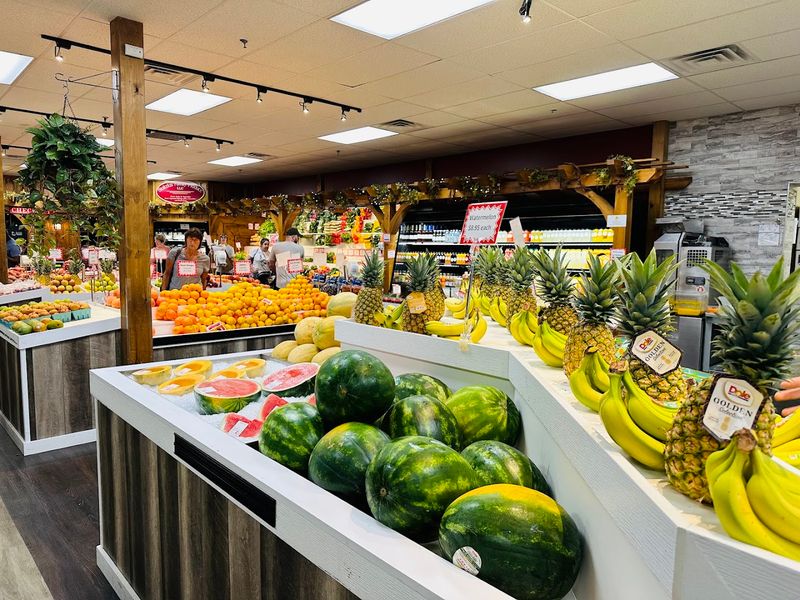
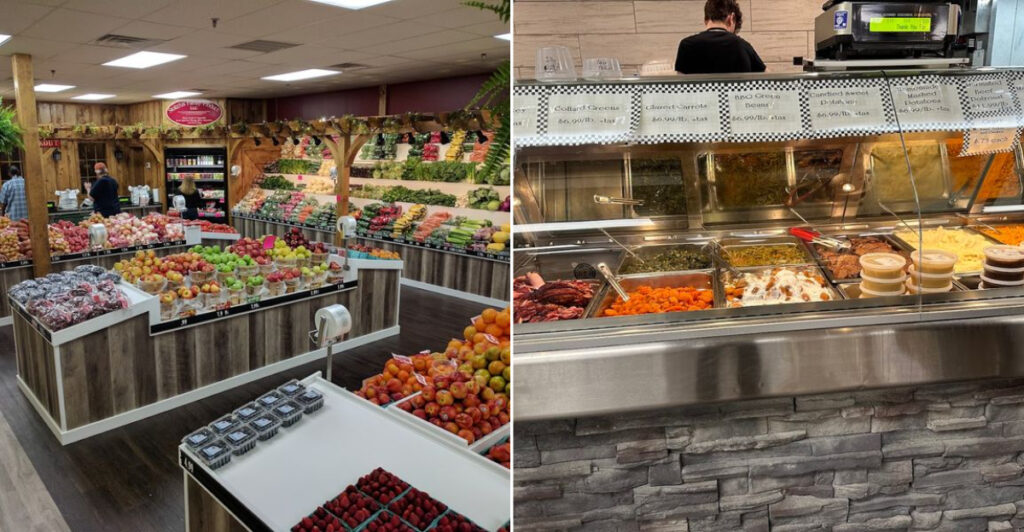
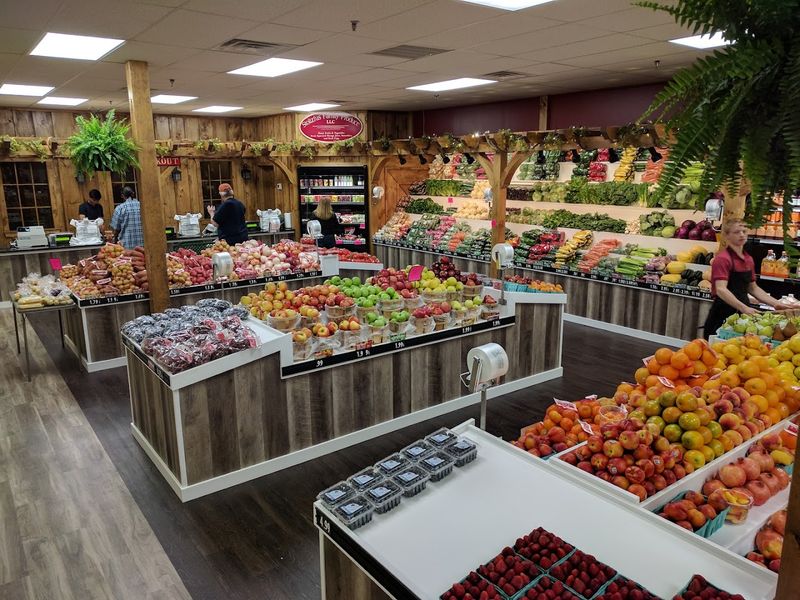
Even with all the prepared foods and bakery temptations, the farmers market identity still depends on produce. Fruits and vegetables give the building its practical foundation, letting shoppers build meals while enjoying the more playful parts of the visit.
The produce area helps balance the market’s heavier comfort-food reputation. Visitors can pick up ingredients for weekday cooking, fruit for the house, or fresh additions to whatever they are buying from surrounding counters.
That balance matters because it keeps the destination useful beyond a treat run. A shopper can justify the trip with essentials, then explore candy, bakery items, deli selections, or specialty groceries along the way.
For local households, that combination is powerful. It means the market can serve as both a weekly supply stop and a place to make ordinary meal planning more interesting.
The best strategy is to start with produce before heavier bags make browsing less convenient.
A Lunch Stop With A Strategy
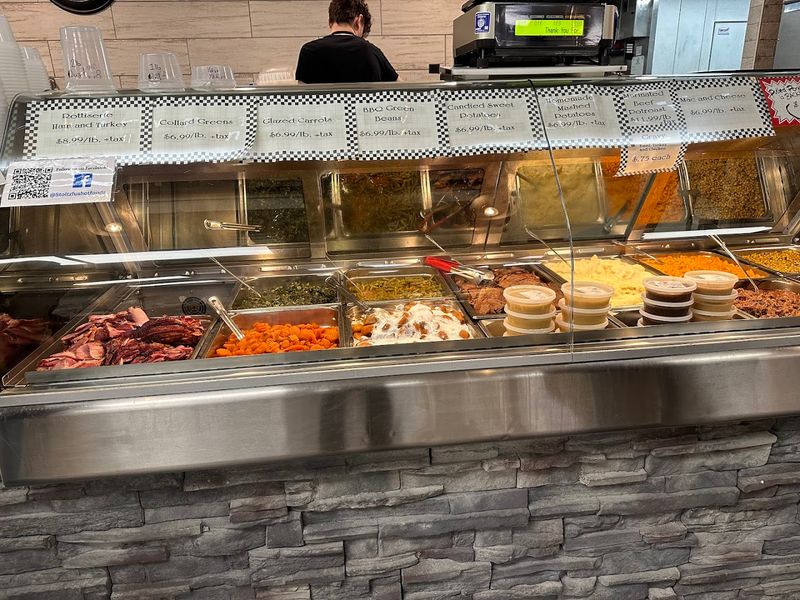
The market is not only a place to buy food for later. Many visitors come for lunch, then walk the aisles afterward, picking up dessert, pretzels, groceries, or a few specialty items before heading back out.
That lunch-friendly setup is useful, but seating can be limited when the building is busy. Anyone planning to eat on site should look for a table early, especially on Saturday when the flow of shoppers is strongest.
The prepared food counters encourage browsing before ordering. Portions may be generous at some spots, so customers should pay attention as containers or trays are filled and speak up about how much they want.
That small bit of awareness can prevent surprise totals and unwanted leftovers. For travelers, lunch is a good way to experience the market without committing to a full grocery haul.
For locals, it turns the place into a casual meeting point with errands attached.
Pretzels In The Spotlight
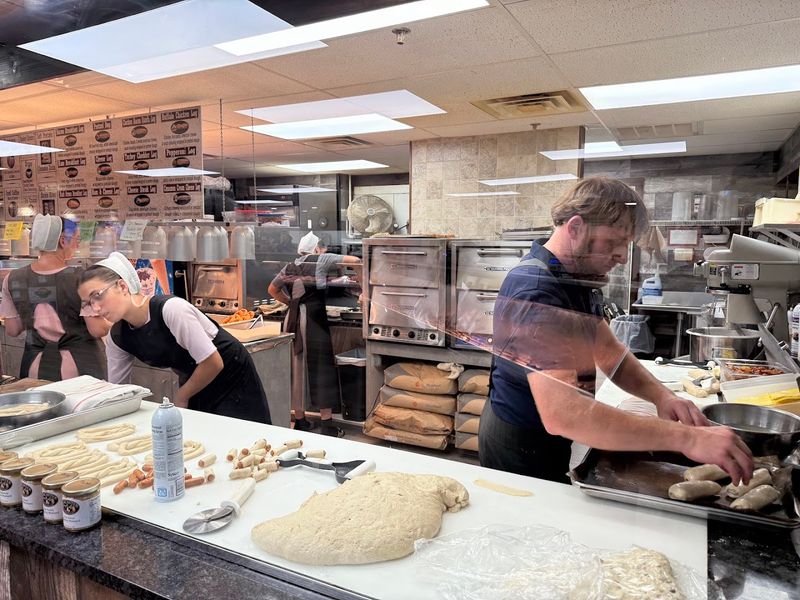
Pretzels have a special role at the market because they are part food purchase and part activity. Visitors often mention grabbing one near the start or end of a trip, which makes the counter feel like a natural checkpoint inside the building.
Families with children may find the process especially engaging when pretzel making is visible. Watching dough become a finished snack gives younger visitors something to focus on while adults compare counters and plan purchases.
The pretzel appeal also fits the market’s broader personality. It is familiar, portable, and easy to add to a visit without turning the outing into a formal meal.
Some shoppers make it a quick treat, while others pair it with lunch or carry extras home. In a place with so many choices competing for attention, pretzels remain one of the clearest symbols of the Amish-style comfort that draws people to Williamstown in the first place.
Small Shops Add The Detour
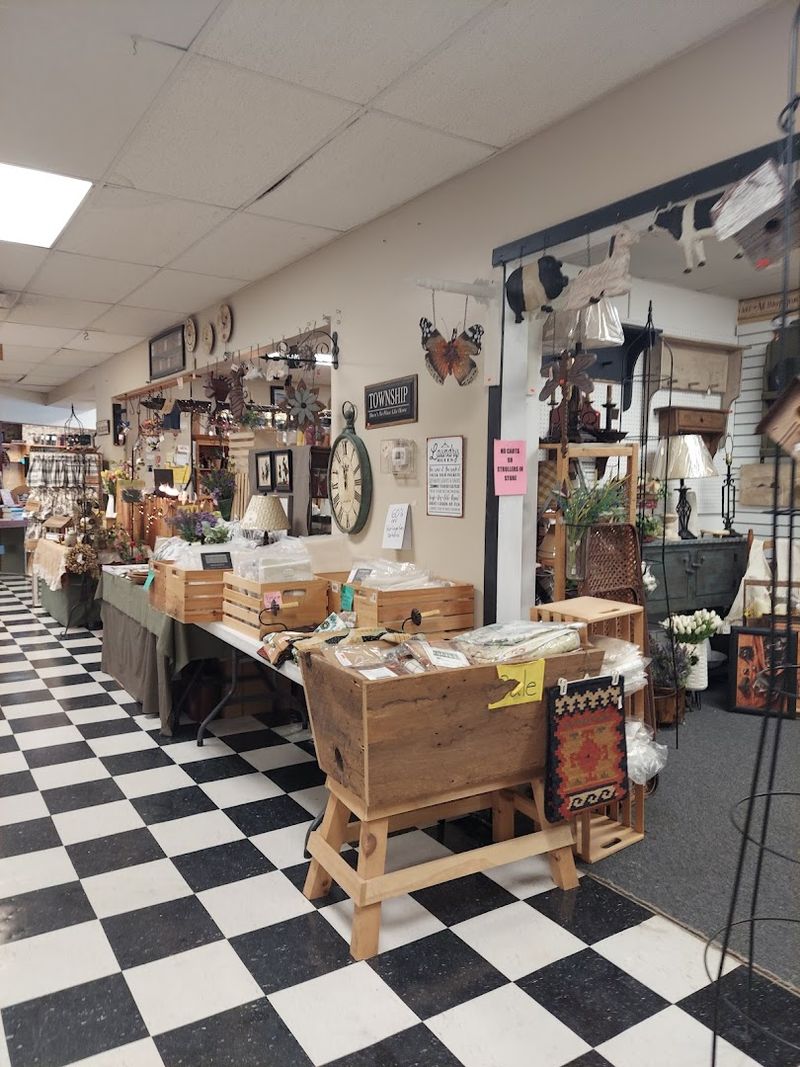
Food gets most of the attention, but the market’s small shops help stretch a visit. Beyond produce, meats, and bakery cases, visitors may find books, toys, clothing, candy, furniture, groceries, and specialty items that make the building feel like more than a meal stop.
That variety is useful for families. A child might gravitate toward books or toys while adults look at pantry goods, and shoppers who came for dinner ingredients may discover a gift or household item.
The nonfood sections also make the market less predictable. Each visit can take a slightly different path depending on time, curiosity, and what catches the eye.
This is where the destination separates itself from a simple grocery replacement. It becomes a browse-worthy local stop, one where errands, lunch, and casual retail wandering can happen together.
For travelers with limited time, these shops reveal how broad the market’s community function really is.
The Candy And Pantry Factor
The candy and pantry side of the market taps into nostalgia and practicality at the same time. Visitors have noted traditional sweets, specialty groceries, herbs, spices, pickled items, stuffed olives, and baking supplies that are not always easy to find in a standard supermarket aisle.
This is where careful browsing pays off. A shopper looking for one pantry item may come across something useful for holiday baking, family gatherings, or a recipe that requires a less common ingredient.
The candy selections add another layer, especially for people searching for old-fashioned favorites or treats connected to childhood. That kind of purchase is not only about convenience.
It carries a small personal story, which is part of why the market feels warmer than a routine retail stop. For anyone visiting for the first time, leaving a little time for these shelves is wise.
They often explain why people arrive with lists but leave with memories attached.
Freshness Drives The Loyalty
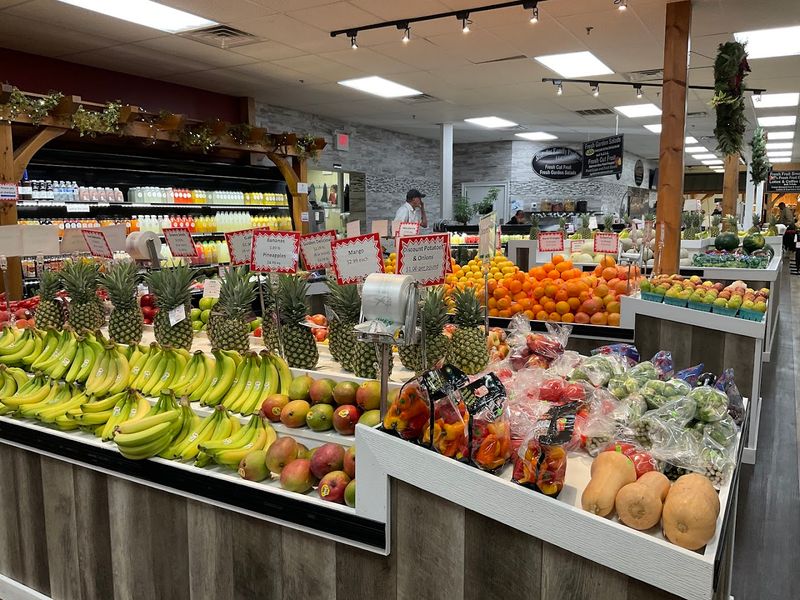
Freshness is the word that keeps circling the market’s reputation. Shoppers come for produce, meats, deli selections, bakery goods, juices, salads, and groceries that feel distinct from what they might grab during a rushed supermarket run.
The counter-based format supports that impression. Food is displayed in ways that invite comparison, and customers can focus on specific vendors rather than walking through long uniform aisles.
Still, the market is best approached with realistic expectations. It can be crowded, some items may cost more than basic grocery versions, and the busiest times require patience.
Those tradeoffs are part of the experience rather than surprises to ignore. Many people decide the quality and variety make the trip worthwhile, especially when they can combine staple shopping with treats and prepared foods.
The key is knowing what matters most before arriving. For some, it is meat.
For others, bakery cases, produce, or pantry finds become the reason to return.
Crowds Come With The Territory
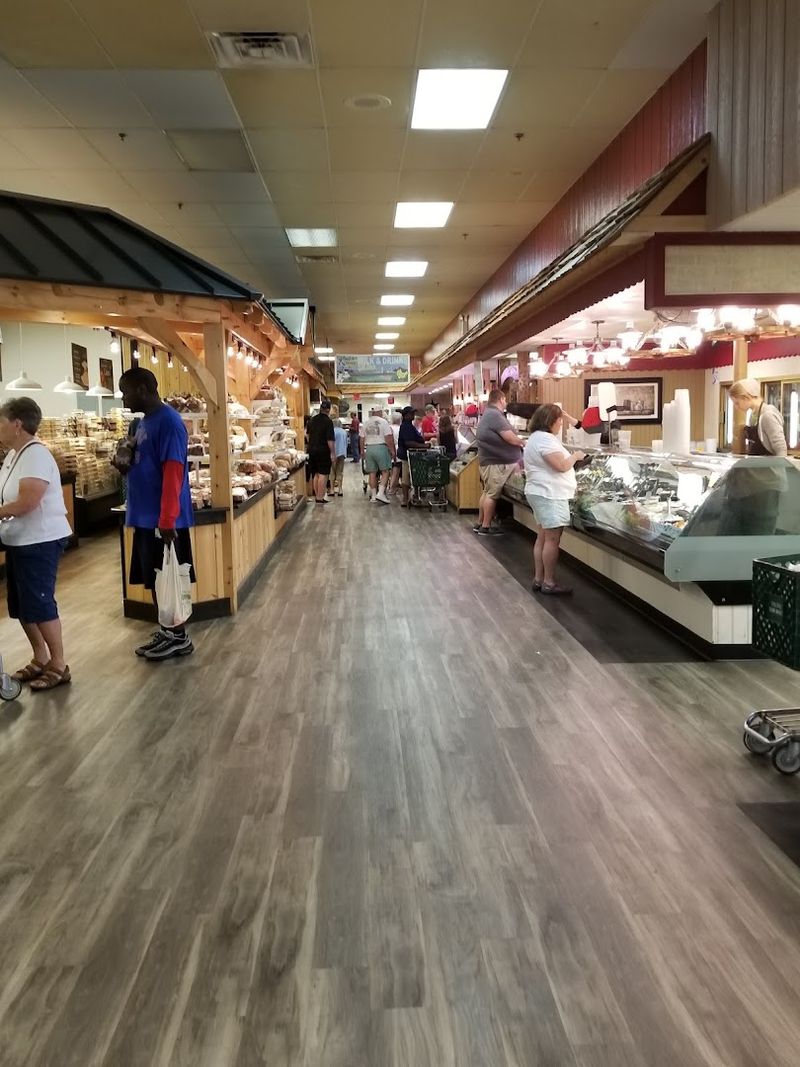
A popular market with limited operating days is bound to draw crowds. At Williamstown, that is especially true on weekends, when shoppers may be buying lunch, stocking up for meals, picking up bakery items, and browsing the retail sections all at once.
The crowd factor does not need to spoil the visit, but it helps to plan around it. Early arrival, comfortable shoes, reusable bags, and a flexible route through the building can make the experience smoother.
Visitors who dislike busy spaces may find Thursday more manageable than Saturday. Families should also decide where to meet if people split up between counters, since the variety can pull everyone in different directions.
Patience is part of the local rhythm here. The market is busy because it gives people many reasons to come, and those reasons overlap in a relatively compact indoor setting.
A little strategy turns that buzz into part of the outing rather than a frustration.
What First-Timers Should Know
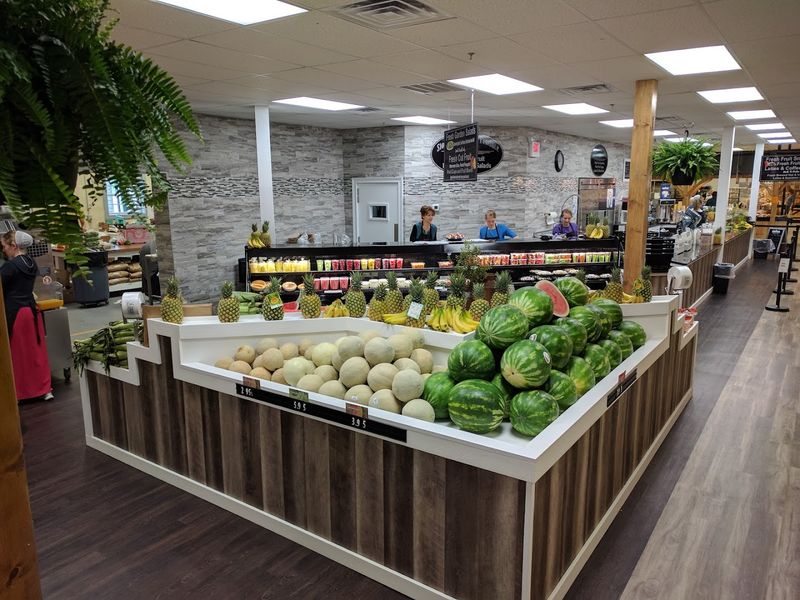
First-timers should treat the market like a compact destination, not a grab-and-go shop. The best visit leaves time for a slow loop, a second look at favorite counters, and a final check for bakery or pantry items before leaving.
Bringing bags is a simple but important move. Many shoppers leave with more than expected, and carrying produce, meat, baked goods, and retail purchases becomes easier with a little preparation.
A cooler can be useful for anyone buying meats, deli items, or chilled foods before running other errands. Budgeting also matters, since specialty foods and multiple small purchases can quickly add up.
Those planning to eat inside should secure seating early if the market is busy, then shop afterward if chilled purchases need less time out of refrigeration. The market rewards curiosity, but it also rewards practical planning.
That combination keeps the visit enjoyable instead of chaotic, especially for people arriving on a crowded Saturday.
Why It Stays Memorable
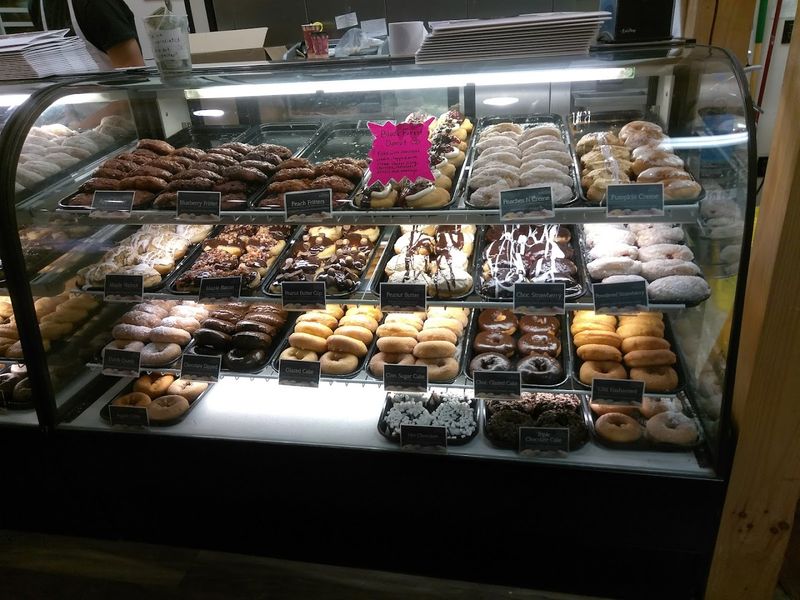
Williamstown Farmers Market stays memorable because it blends comfort, convenience, and choice into a single South Jersey stop. It gives shoppers Amish-style market energy without requiring a Pennsylvania day trip, while still feeling rooted in local routines.
The appeal is not one counter or one purchase. It is the way bakery cases, butcher counters, produce stands, prepared foods, candy shelves, and small shops all compete for attention under the same roof.
That variety makes the market easy to revisit. One trip may center on lunch, another on fresh meats, another on holiday baking supplies, and another on bringing children to watch pretzels being made.
The limited hours add a little anticipation, while the busy aisles show how many people have built the place into their week. For travelers and locals alike, it offers a practical kind of comfort: come prepared, browse patiently, and leave with more than the list required.
Share this story