 Unearth The Voyage
There is a place tucked into the hills of Passaic County where rolling lawns meet centuries-old stone architecture, and the Ramapo Mountains frame everything like a painting. Most people driving through northern New Jersey have no idea it exists, and honestly, that is part of its appeal.
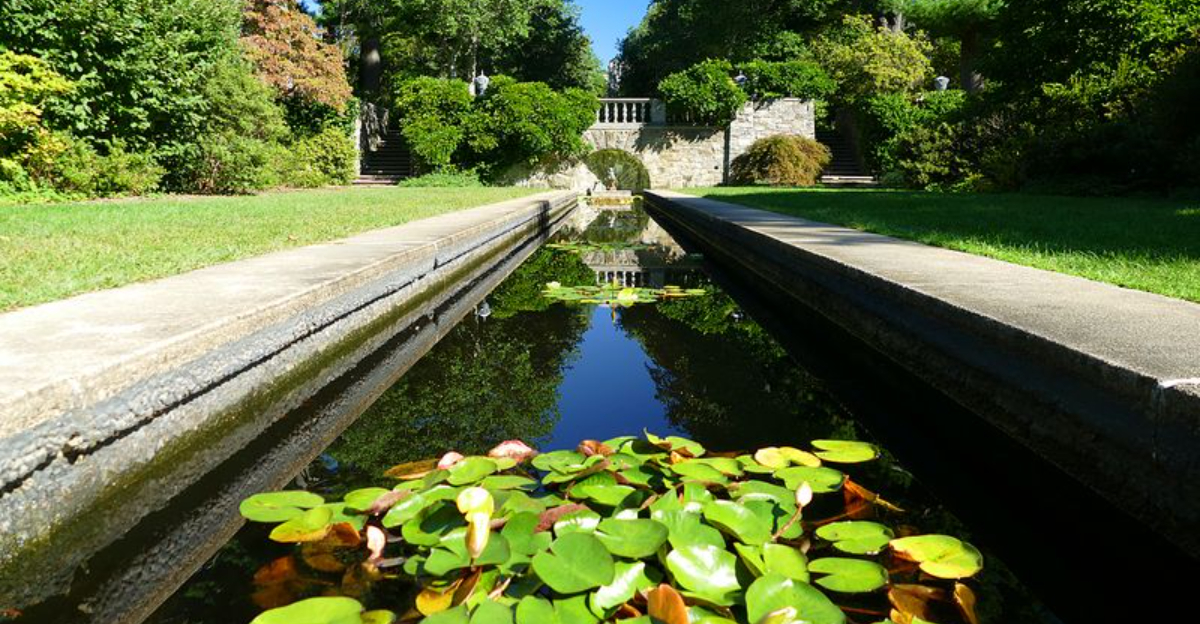
A French chateau-style manor, manicured gardens inspired by different cultures around the world, woodland trails, and a koi pond full of lily pads are all waiting just off a quiet road in Ringwood. This is not a theme park or a tourist trap.
It is a working botanical garden and historic estate that has been quietly wowing visitors for decades, and it deserves a lot more attention than it gets. Whether you are a nature lover, a photography enthusiast, or just someone who needs a long walk somewhere genuinely beautiful, this place has something real to offer.
Where to Find This Botanical Treasure
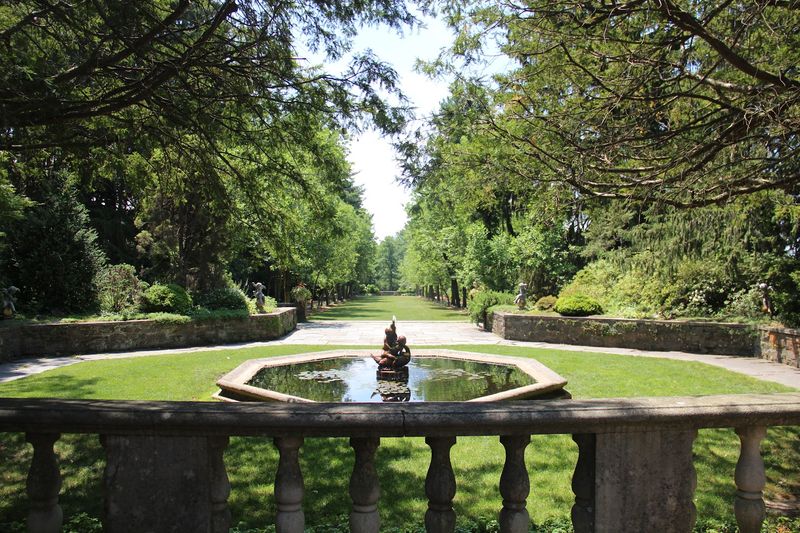
The New Jersey Botanical Garden sits at 5 Morris Road, Ringwood, NJ 07456, inside Ringwood State Park in Passaic County. The drive up to the property already sets the tone, with a long tree-lined road leading toward the historic Skylands Manor.
The garden is open every day from 8 AM to 8 PM, which gives you plenty of flexibility no matter what day works for your schedule. Parking costs $5 for New Jersey residents and $7 for out-of-state visitors, but there is no admission fee to enter the garden itself.
The website at njbg.org has current event listings, seasonal highlights, and useful visitor tips. Getting here from most northern New Jersey towns takes under an hour, and the garden is close enough to the New York metro area to make it a very realistic day trip without any complicated planning.
The Story Behind Skylands Manor
The estate now known as the New Jersey Botanical Garden has a history that stretches back to the early twentieth century. The current Skylands Manor was built in the 1920s by Clarence Lewis, a financier and passionate horticulturist who wanted a country retreat that doubled as a serious garden project.
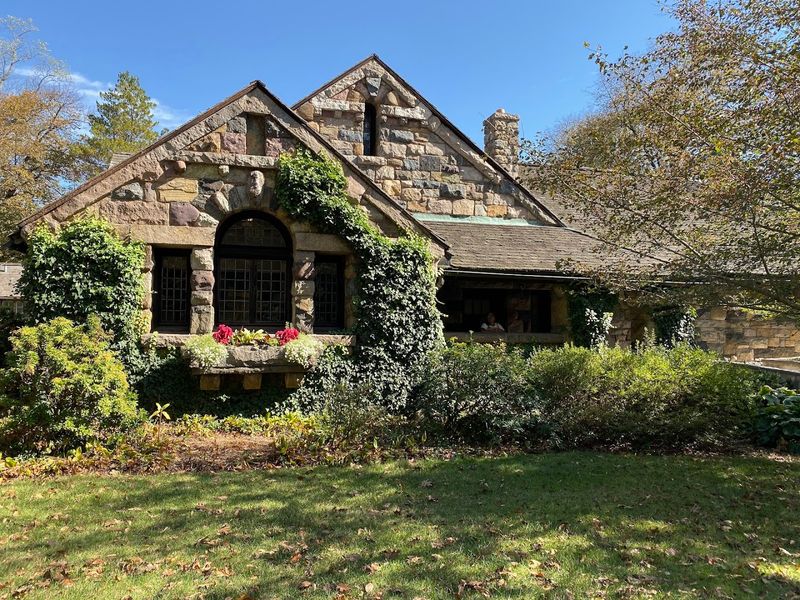
Lewis designed the grounds with the help of landscape architects, planting trees and shrubs from around the world and organizing the gardens into distinct themed areas. The manor itself is a Tudor-style granite building that looks like it belongs somewhere in the English countryside rather than New Jersey.
After Lewis, the estate changed hands several times before the State of New Jersey acquired it in 1966. The New Jersey State Federation of Women’s Clubs helped restore and manage the property for years, and today the New Jersey Botanical Garden nonprofit oversees the horticultural programming.
The whole arc of that story is genuinely worth knowing before you walk through the gates.
The Architecture That Stops You in Your Tracks
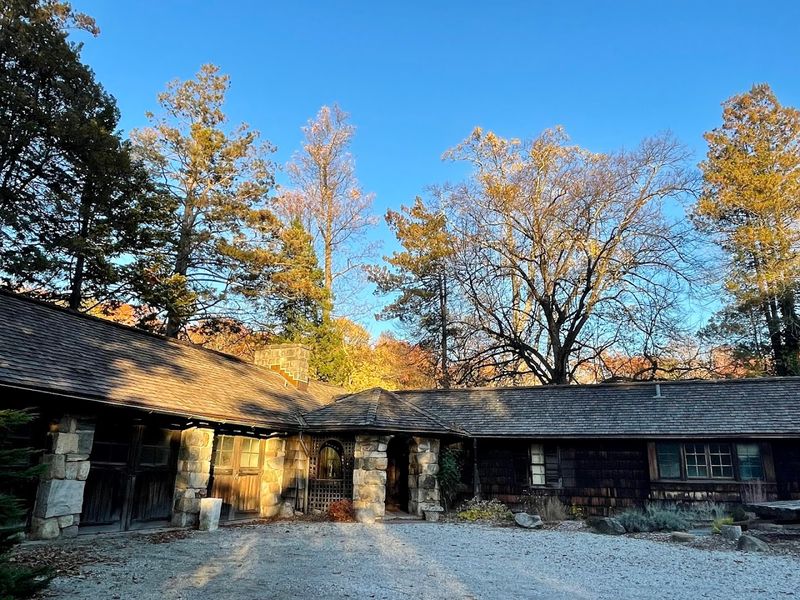
Most botanical gardens lead with their plants, and the New Jersey Botanical Garden does that too, but Skylands Manor itself is a visual anchor that keeps pulling your attention back. The granite facade, arched doorways, carved stone details, and long formal approach road create a setting that feels more European than New Jersey.
The architecture gives the whole property a sense of structure and permanence that a lot of modern gardens lack. Even in winter, when the flower beds are quiet, the stonework and the formal layout of the grounds remain genuinely compelling subjects for photography or just for walking around and appreciating.
Portrait photographers and couples doing engagement shoots have discovered this spot in a big way, and it is easy to understand why. The variety of architectural backdrops within a relatively compact area means you can get a dozen completely different-looking shots without moving more than a few hundred feet in any direction.
A Garden With Many Personalities
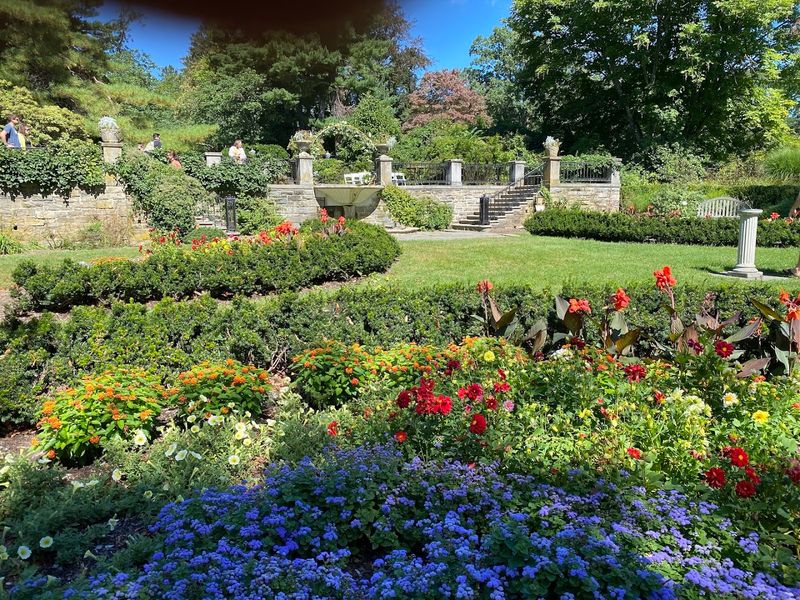
One of the most interesting things about this property is that it is not one garden but many. The grounds are divided into distinct areas, each with its own character, plant palette, and mood.
There is a formal annual garden, a peony garden, a lilac garden, a wildflower meadow, and a Japanese-style garden, among others.
The variety means that different sections peak at different times of the year, which gives you a good reason to come back more than once. The lilac garden is extraordinary in late spring, while the perennial borders put on their best show through early summer.
Each garden area is connected by paths that make it easy to move between them without backtracking too much. The layout rewards wandering, and most visitors find themselves doubling back through sections they already passed just because something new caught their eye from a different angle.
That kind of layered discovery is rare.
The Japanese Garden and Its Koi Pond
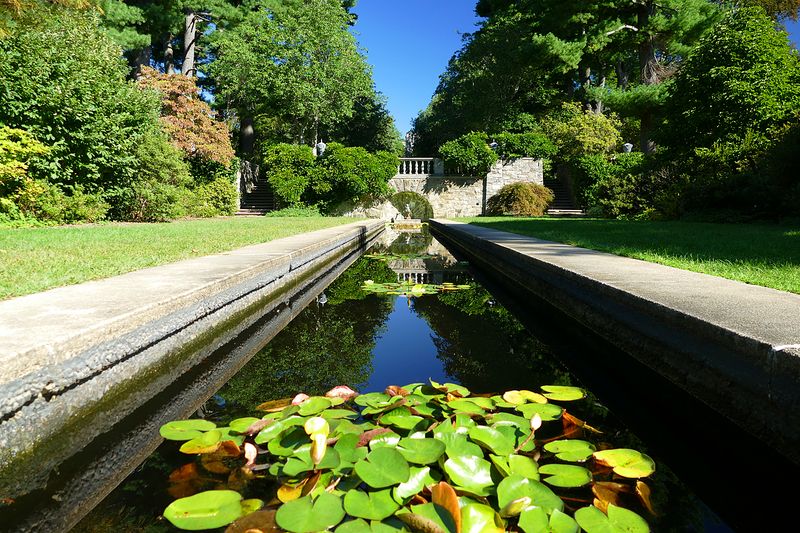
The Japanese-inspired garden section is one of the most visited spots on the property, and it earns that reputation. A koi pond sits at the center of the area, filled with full-grown koi fish along with younger ones and what feels like an enormous population of tadpoles during the warmer months.
Lily pads cover portions of the water’s surface, and the flowers that bloom from them add a layer of color that photographs extremely well. The surrounding plantings and stone elements give this corner of the garden a calm, intentional quality that feels distinct from the more formal European-style sections elsewhere on the grounds.
Children tend to gravitate here immediately, drawn by the fish and the frogs that hang around the pond edges. Adults tend to stay longer than they planned, sitting on nearby benches and watching the water.
The koi pond has a way of quietly holding your attention for much longer than you expect it to.
Woodland Trails and Wildlife Encounters
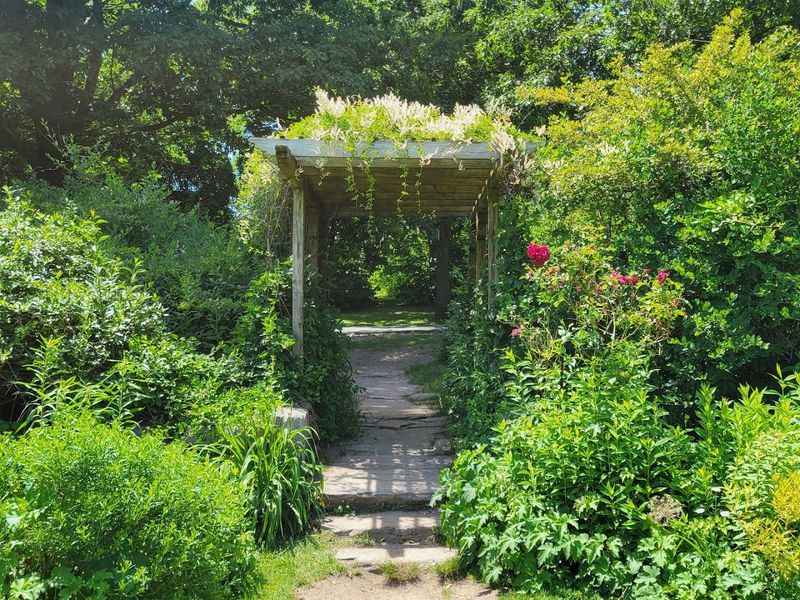
Beyond the manicured garden areas, the property connects into the broader trail network of Ringwood State Park, offering a completely different kind of outdoor experience. The woodland trails run through mature forest, past streams, and alongside small ponds where frogs, turtles, and the occasional snake go about their business completely unbothered by human visitors.
A rat snake sighting is not unusual here, and since they are non-venomous, they tend to hold their ground long enough for a decent close-up photograph. Bear sightings have also been reported on the property, which is a reminder that this is genuine New Jersey wilderness, not a landscaped city park.
Wearing long pants on the wooded trails is a smart move, since ticks are present during the warmer months. The trails themselves are well-used and reasonably easy to follow, making them accessible to walkers of most fitness levels while still offering enough length to feel like a real outing rather than a short loop.
What to Expect in Each Season
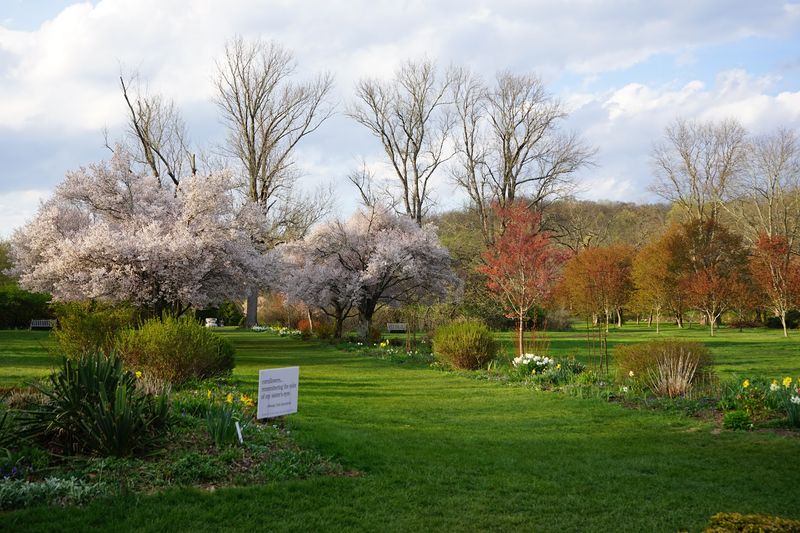
Timing your visit makes a real difference at this garden. Spring is widely considered the peak season, with cherry blossoms, crab apple trees, lilacs, and early perennials all competing for attention at roughly the same time.
Late April through May tends to be the window when the garden looks most alive.
Summer keeps things interesting through July, but by late August many of the flower beds have finished their main show. Fall brings a different kind of reward, with the surrounding Ramapo Mountains turning vivid colors that frame the entire property in a way that feels almost theatrical.
Winter visits are quieter but not without appeal. The stone architecture reads especially well against bare trees and winter light, and the garden is far less crowded, which some visitors actively prefer.
The garden is open year-round with consistent hours, so there is genuinely no wrong time to visit as long as you know what to expect from each season.
The Ramapo Mountains as a Backdrop
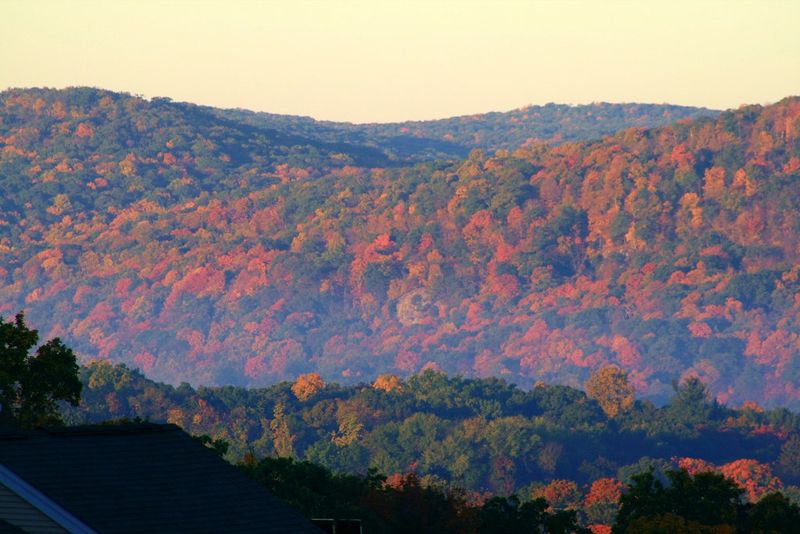
The garden does not exist in isolation. The Ramapo Mountains rise around the property on multiple sides, and their presence adds a scale and drama to the setting that the garden design alone could not achieve.
From the upper lawn near the manor, you get a clear view of the ridgeline that makes the whole scene feel considerably larger than the garden boundaries suggest.
The mountains also explain why this area of New Jersey feels so different from the more developed parts of the state. Ringwood is tucked into a corner of Passaic County where the terrain kept large-scale development away, leaving behind a landscape that still feels genuinely rural.
On clear days, the combination of the formal gardens in the foreground and the wooded mountain ridges behind them creates a layered visual that rewards photography from multiple angles. It also just feels good to stand there and look at something that stretches that far without a highway or a strip mall in sight.
Birdwatching and the Quieter Side of the Garden
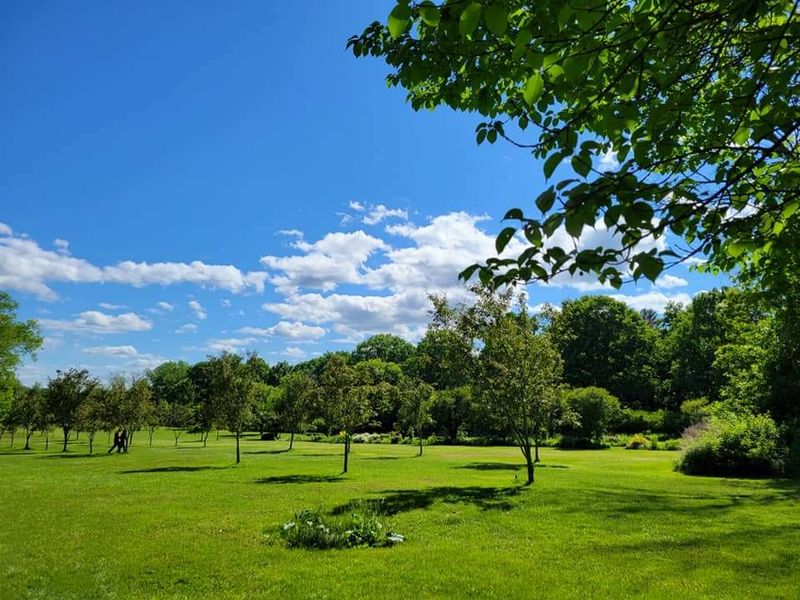
The garden has a designated birdwatching trail, and the property as a whole draws a wide variety of bird species thanks to its mix of open lawns, formal gardens, and adjacent woodland. The transition zones between these different habitat types are exactly where birds tend to concentrate, and patient observers are regularly rewarded.
The garden officially lists birdwatching as one of its featured activities, and the trail system supports it well. Early morning visits on weekdays tend to be the most productive, both for birds and for the general experience of having large sections of the garden almost entirely to yourself.
Beyond birds, the garden attracts pollinators in impressive numbers during peak bloom season. Watching bees and butterflies work through the perennial borders is its own kind of quiet entertainment, and it has a way of slowing down the pace of a visit in a way that most people find genuinely restorative.
The garden rewards stillness as much as it rewards walking.
Photography Opportunities Around Every Corner
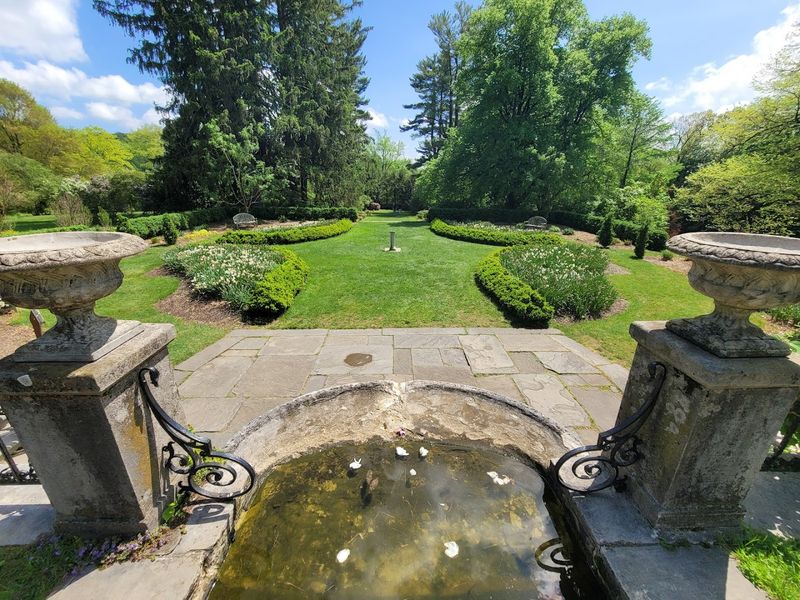
Few places in New Jersey offer this much photographic variety within a single property. The combination of historic stone architecture, formal garden geometry, woodland trails, water features, and mountain views means that a single visit can produce images that look like they were taken in four or five completely different locations.
The garden works particularly well for portrait photography because the backgrounds are varied and the light moves through the trees and stone structures in ways that create natural depth. Engagement shoots, family portraits, and solo photography projects all find what they need here without competing too hard for the same spots.
The long tree-lined entrance road is one of the most photographed features on the property, especially when the trees are in full leaf and the manor is visible at the far end. That single composition alone is worth the drive.
Serious photographers tend to show up at opening time to catch the best morning light before the crowds arrive later in the day.
Events, Haiku Readings, and Community Programming
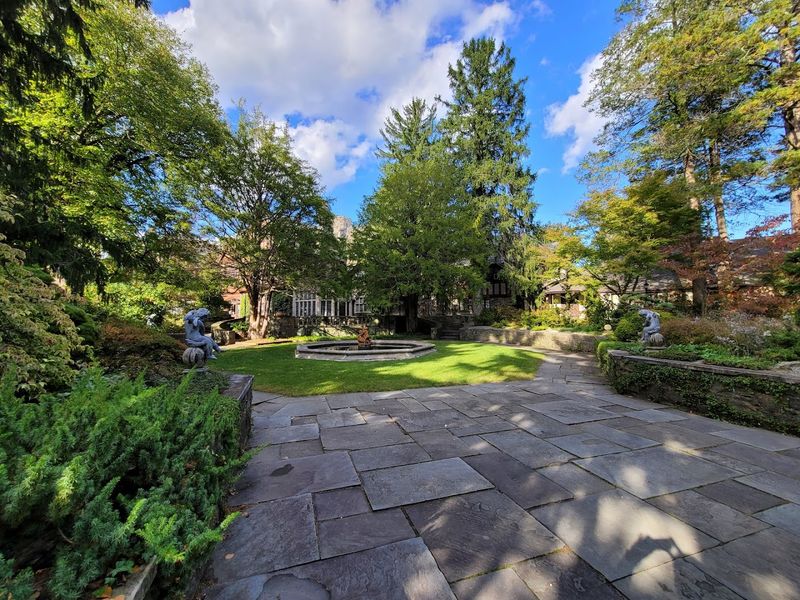
The New Jersey Botanical Garden is not just a place to walk around quietly, though it excels at that. The organization runs a calendar of events throughout the year that includes haiku readings, guided garden tours, educational programs, and seasonal celebrations that bring the community together in a setting that feels genuinely special.
The manor and grounds are also available for private event rental, and the venue has hosted everything from corporate holiday parties to weddings. The combination of the historic building, the manicured grounds, and the mountain backdrop makes it a distinctive choice for events that want something beyond a standard banquet hall.
The gift shop on the property carries garden-related items, books, and small souvenirs at reasonable prices, and the restrooms are well-maintained, which matters more than people admit when planning a full-day outing. The overall infrastructure of the garden supports longer visits without making you feel like you need to rush back to your car.
Practical Tips for a Great Visit
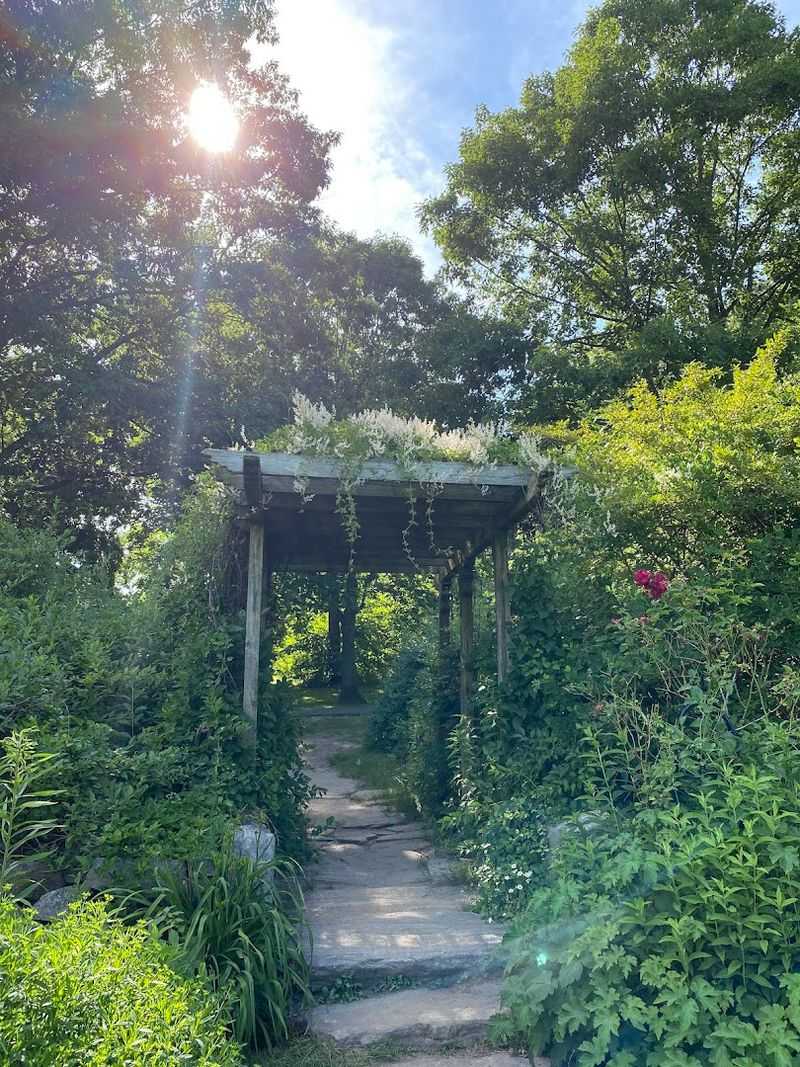
A few practical details can make the difference between a good visit and a great one. Dogs are welcome on the grounds as long as they are kept on a leash, which makes this a genuinely family-friendly outing that includes four-legged family members.
The property is large enough that a leashed dog gets a real walk out of it.
Picnicking is not permitted on the garden grounds, so plan to eat before you arrive or bring snacks you can eat while walking rather than spreading out on the lawn. The nearby Shepherd Lake Recreation Area within Ringwood State Park is a good option if you want to combine the garden visit with a lakeside lunch stop.
Comfortable walking shoes are a must, and long pants are a smart choice if you plan to use the woodland trails during tick season. The garden is large enough that a thorough visit takes three to four hours, so arriving earlier in the day gives you the most flexibility.
Why Weekday Visits Have a Different Energy
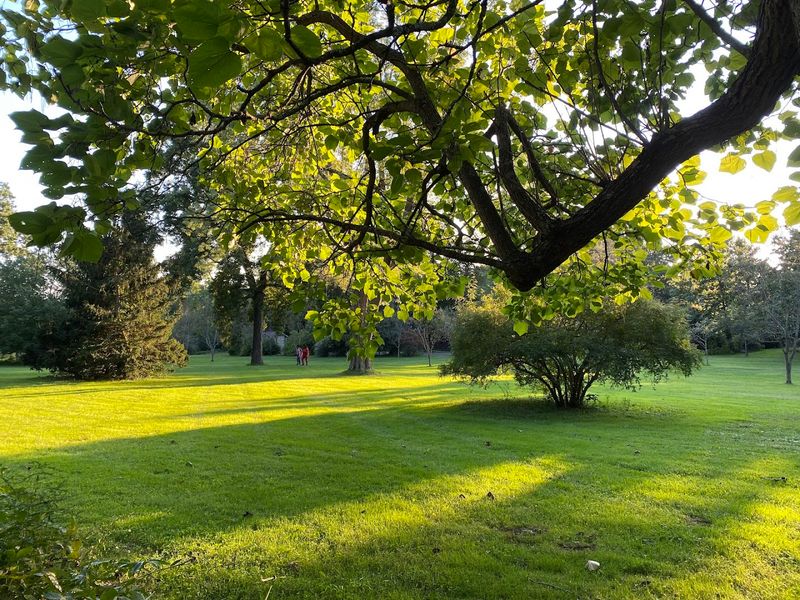
Weekend visits to the garden are popular, especially in spring and early summer when the flower displays are at their best. The parking lot fills up, and some of the more photogenic spots attract small clusters of people.
That is not a problem exactly, but it does change the character of the experience.
Weekday visits have a noticeably quieter energy. The trails are less crowded, the benches are available, and you can take your time in each garden section without feeling like you need to move along for someone else.
The garden staff is also more visible on quieter days, and they tend to be happy to answer questions about what is currently blooming or which trails are most interesting.
Early morning arrivals on any day of the week get a version of the garden that most visitors never see. The light is different, the birds are active, and the whole property has a stillness that is hard to find anywhere near the New York metro area at any other hour.
Connecting to the Broader Ringwood State Park
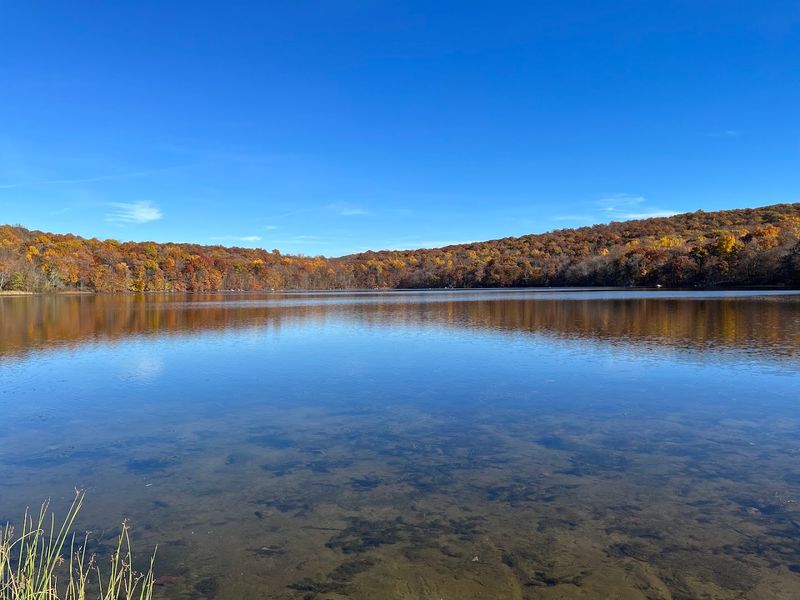
The New Jersey Botanical Garden sits within the larger boundaries of Ringwood State Park, which covers over 4,000 acres of protected land in Passaic County. That context matters because it means the garden is not an isolated attraction but a gateway into a much bigger outdoor experience if you want it to be.
Shepherd Lake, located just a short drive from the garden within the same state park, offers swimming, fishing, and picnic areas during the summer months. The broader trail network connects to other sections of the park and links into regional trail systems that extend well beyond the park boundaries.
Having that larger park around the garden gives the whole visit a sense of spaciousness that smaller botanical gardens simply cannot match. You can move between formal garden areas and genuine wilderness within the same afternoon, which is a combination that takes most visitors by surprise the first time they experience it.
Ringwood rewards the curious.
The Case for Coming Back More Than Once
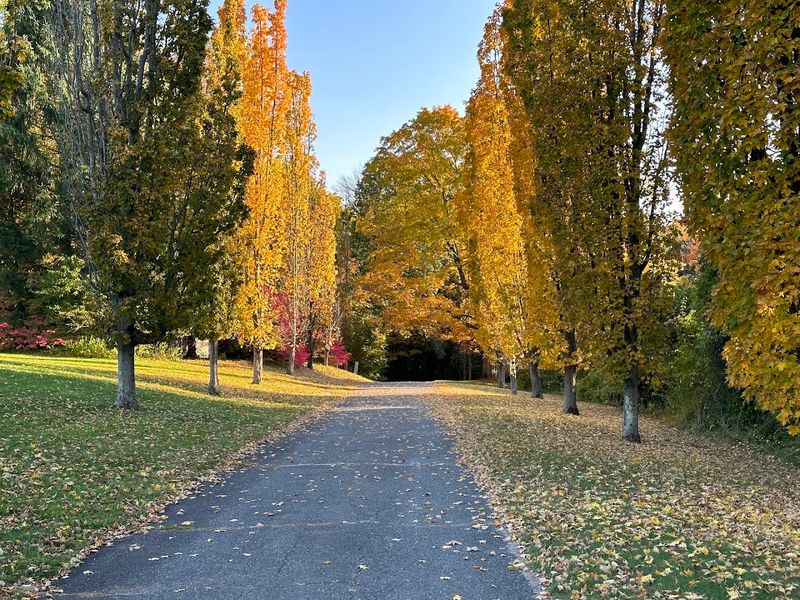
Most places that bill themselves as must-visit destinations deliver once and then feel fully explored. The New Jersey Botanical Garden is genuinely different in that regard.
The seasonal changes are dramatic enough that a visit in May and a visit in October feel like two distinct experiences on the same property.
The cherry blossoms and crab apple trees in spring, the perennial borders in early summer, the fall foliage framed by the Ramapo Mountains, and the stark winter architecture all offer something distinct. Regular visitors report noticing new details on every trip, whether that is a section of the garden they had not explored before or a plant that happened to be at peak bloom on that particular day.
The fact that the garden is free to enter removes the mental barrier that keeps people from returning casually. A $5 parking fee is a low enough threshold that the garden becomes less of a special occasion destination and more of a reliable place to reset, which is exactly what a good public garden should be.



