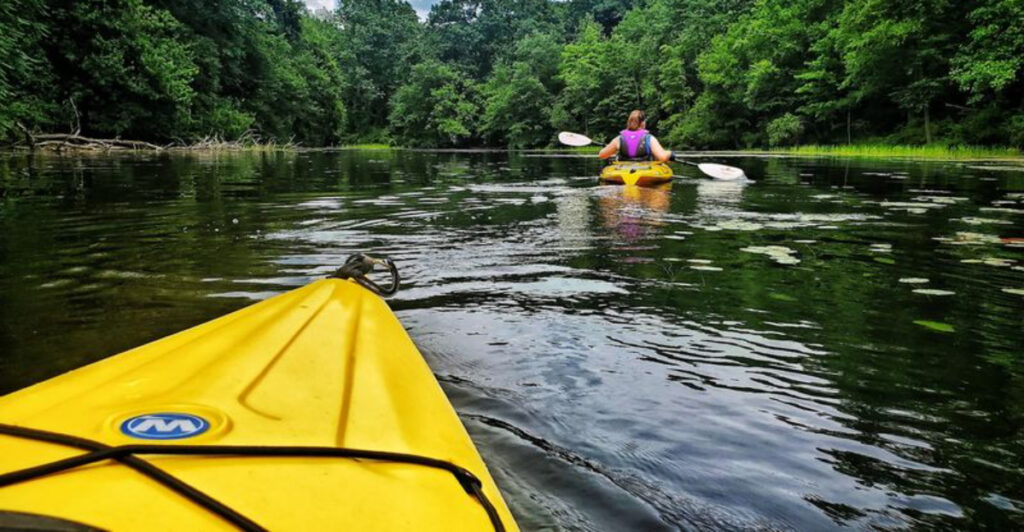
There is a lake in northern New Jersey that most people drive right past without knowing it exists. No resort signs, no tourist crowds, no boardwalk with overpriced lemonade.
Just a wide, quiet reservoir tucked into the woods of Morris County, where bald eagles circle overhead and the only traffic you will encounter is a family of ducks cutting across your bow. This reservoir sits less than an hour from New York City, yet it carries the kind of stillness that makes that fact hard to believe.
Kayakers, hikers, and anglers keep coming back here for one simple reason: the place does not feel like New Jersey at all. This article breaks down everything worth knowing before you pack your paddle and head out.
Where Exactly This Place Is Located
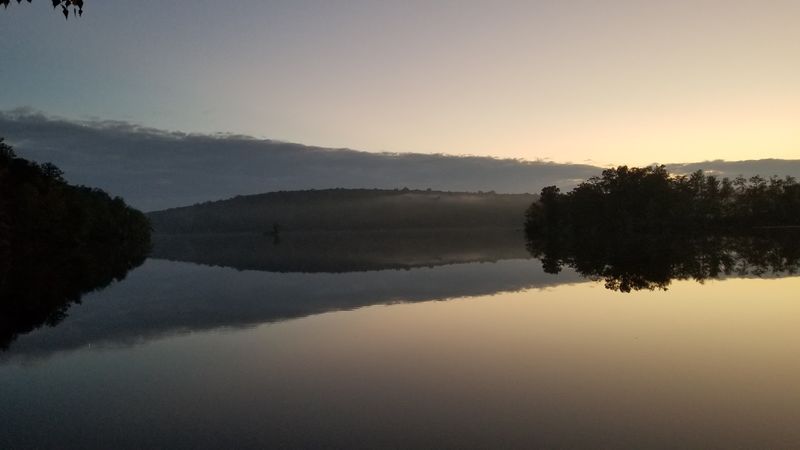
Splitrock Reservoir sits within Splitrock Reservoir Recreation Area in Rockaway Township, Morris County, New Jersey. The address is Splitrock Road, Rockaway Township, NJ 07866, and it falls under the management of New Jersey Water Supply Authority.
The reservoir is part of the Farny Highlands region, one of the least developed stretches of northern New Jersey. Dense forest wraps around almost the entire shoreline, and the surrounding terrain is rocky, hilly, and largely untouched by commercial development.
Getting there requires navigating a dirt road for the final stretch, which is part of what keeps casual traffic low. There is a designated parking area near the kayak launch, and the site is clearly marked once you reach the access road.
The drive from downtown Manhattan takes roughly 50 to 55 minutes depending on traffic, making it one of the most accessible wilderness-adjacent water bodies in the entire tri-state area.
The History Behind the Reservoir
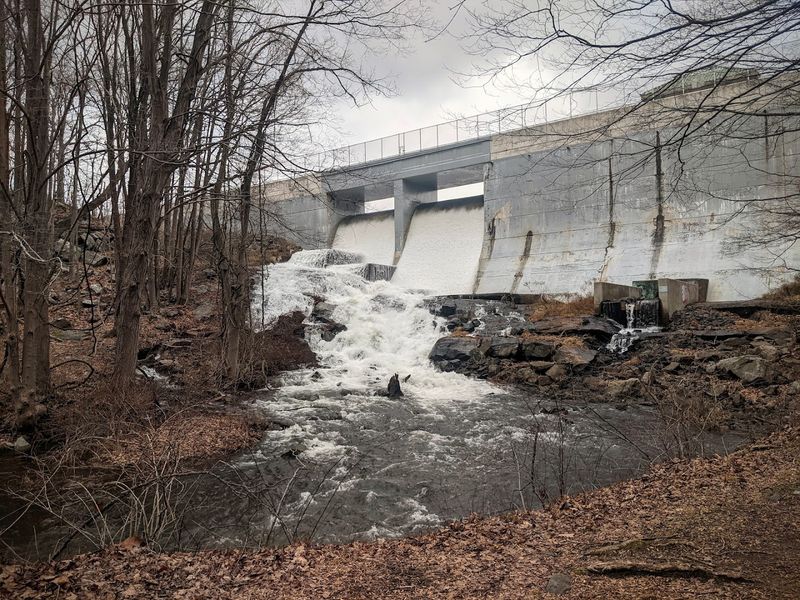
Splitrock Reservoir was created in 1920 when the Splitrock Dam was built across the Rockaway River. The project was developed as part of a regional water supply system for northern New Jersey communities, and the dam remains in operation today as part of the New Jersey Water Supply Authority infrastructure.
The land surrounding the reservoir was carefully preserved to protect water quality, which is a big reason why the shoreline looks so undisturbed today. Decades of conservation policy kept development away from the banks, and that decision turned out to benefit outdoor recreation just as much as water management.
The reservoir covers roughly 600 acres of open water and is flanked by thousands of acres of public land. That combination of protected watershed and public forest is what gives the place its remote character.
History, in this case, did the landscape a genuine favor, and the results are still paying off more than a century later.
What the Water Looks Like Up Close
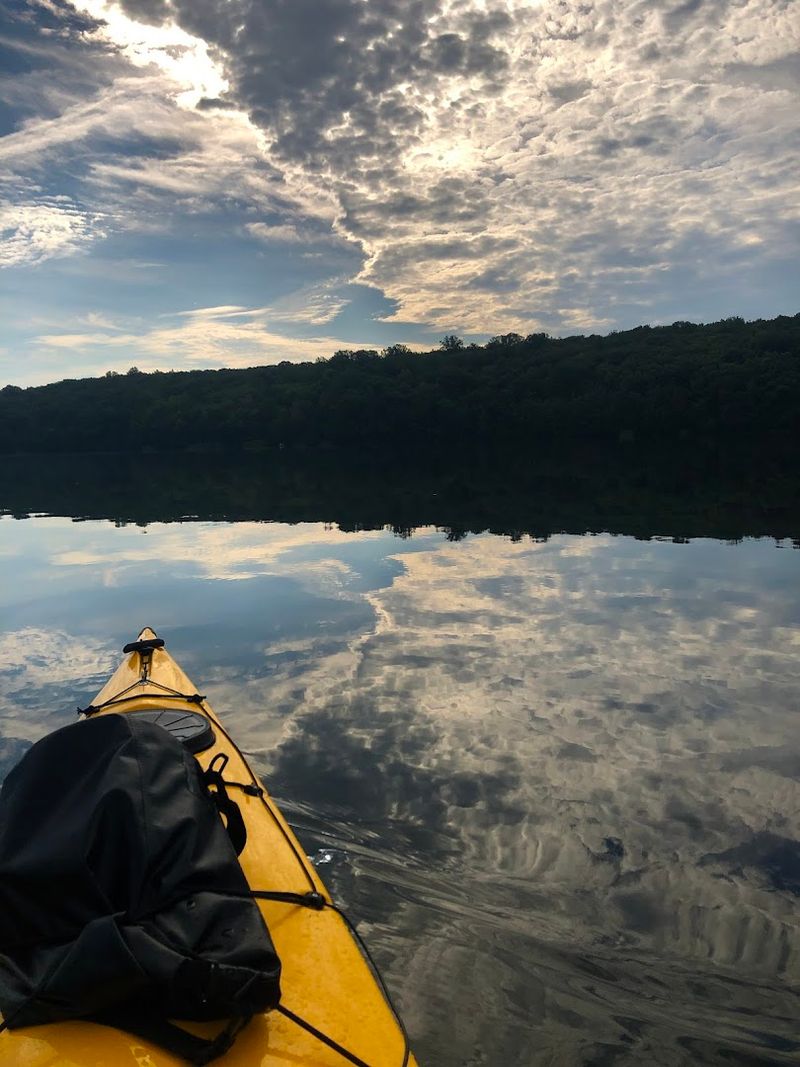
The water at Splitrock is classified as flatwater, which means no current, no rapids, and no surprises for paddlers. The surface stays calm on most days, making it a reliable destination for kayakers of all skill levels, from complete beginners to experienced paddlers looking for a long, steady route.
The shoreline shifts between tall rocky bluffs and quieter coves, giving the water a varied character depending on which direction you paddle. The northern section of the reservoir is widely considered the most dramatic, with small islands, narrow channels, and a higher concentration of wildlife activity along the water’s edge.
The water is clean and well-maintained, partly because motorized boats are not permitted on the reservoir. That restriction keeps the surface undisturbed and the environment significantly quieter than most public lakes in the state.
The absence of engine noise changes the entire character of a paddle here, and that detail alone sets this place apart.
Kayaking Here Is a Different Kind of Experience
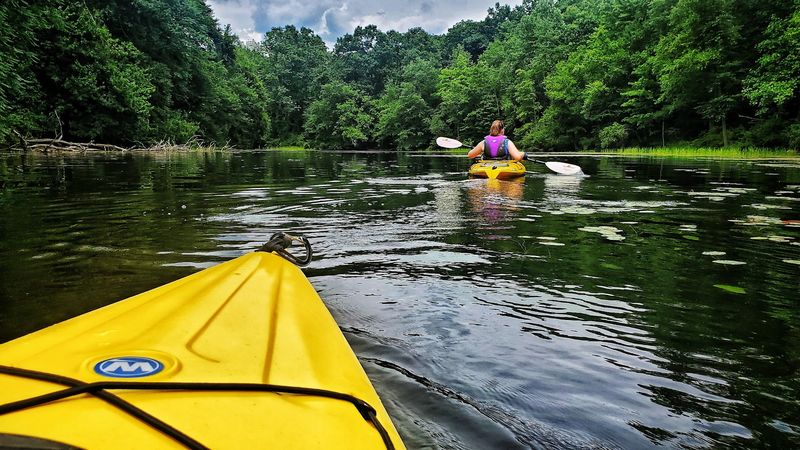
Kayaking at Splitrock is not like paddling at a crowded state park beach. The reservoir stretches long enough that you can put real distance between yourself and the launch point, and within twenty minutes on the water, the parking lot disappears entirely behind the tree line.
The route options are flexible. Some paddlers do a short out-and-back along the main channel, while others spend three or four hours exploring the northern islands and rocky coves.
The water stays shallow enough near the edges to feel approachable, but the main body of the reservoir has enough depth and width to feel genuinely open.
Launch docks are available at the access point, which makes getting in and out of the water considerably easier than at spots where you have to drag your boat across a muddy bank. Those docks are a small detail that regular paddlers consistently appreciate, especially when loading back up after a long session on the water.
The Launch Setup and What to Expect on Arrival
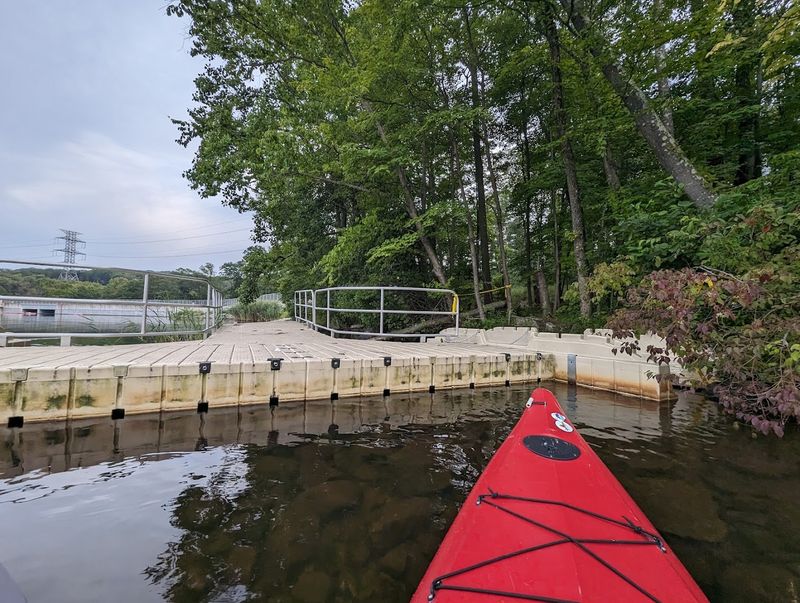
The kayak launch at Splitrock is one of the better-equipped access points in New Jersey, and that is not something you can say about most reservoirs in the state. Fixed launch platforms are in place, which means you do not need to wrestle your boat into the water from a sloped, uneven bank.
There is a catch, though. The parking area does not allow trailers, and you will need to carry your kayak down a set of stairs and along a short path to reach the launch.
For lighter recreational boats, that is a minor inconvenience. For heavier fishing kayaks or tandem boats, it requires some planning and preferably an extra set of hands.
The path to the launch is well-maintained and not particularly long, so most paddlers manage the carry without much difficulty. A port-a-potty is available on site, and the parking lot is unpaved but spacious enough to handle a reasonable number of vehicles on a typical weekday.
The Wildlife That Calls This Place Home
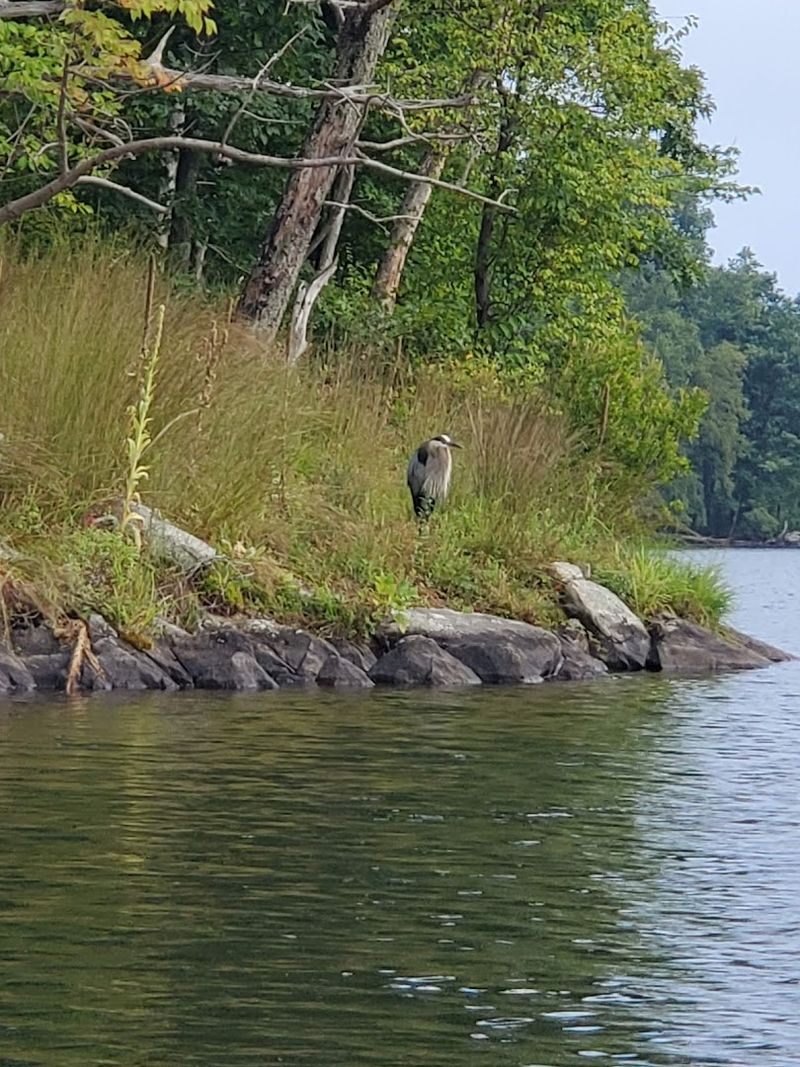
The wildlife at Splitrock is one of the most talked-about aspects of the reservoir, and the variety of species you might encounter on a single visit is genuinely impressive for a site this close to a major metropolitan area.
Bald eagles have been spotted along the western shore, with both adult and juvenile birds observed at different times of year. Great blue herons are a regular presence along the water’s edge, and common northern water snakes have been documented along the rocky western shoreline.
The northern section of the reservoir, with its maze of small islands and sheltered coves, tends to attract the highest concentration of bird activity.
Turtles surface near the launch area, and ducks move through in family groups throughout the warmer months. The ecosystem here is active enough that wildlife watching becomes an unplanned bonus for almost every paddler who spends time on the water.
Keeping your movement slow and your noise level low increases your chances of close encounters considerably.
The Hiking Trails That Surround the Water
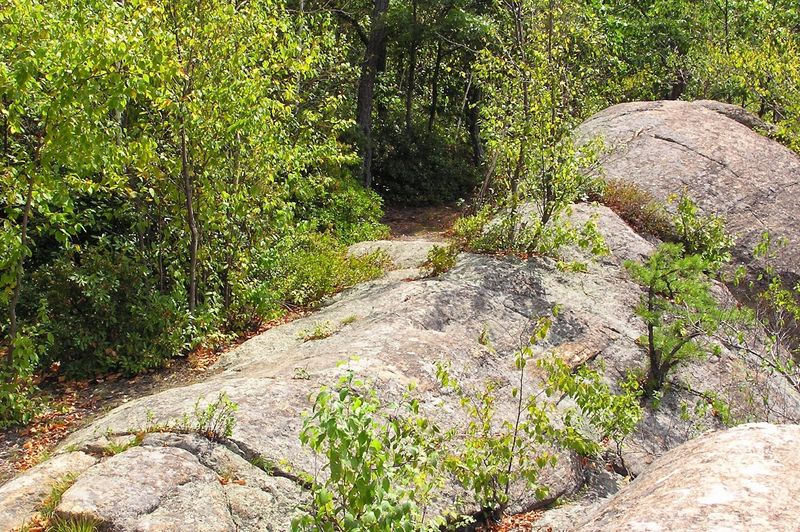
The reservoir is surrounded by an extensive trail network that draws hikers from across the region. The blue label to white label loop is the most well-known route, covering approximately 11 miles of terrain that includes rocky scrambles, forested stretches, and multiple viewpoints overlooking the water from above.
The trail is rated as moderately challenging, and the rocky terrain makes proper footwear non-negotiable. Cross-trainers or casual sneakers are not adequate for the uneven, root-covered surfaces you will encounter on the longer routes.
Hiking boots with ankle support are strongly recommended, especially for anyone who does not hike regularly.
The full loop takes roughly four to five hours to complete at a steady pace, though the time varies depending on fitness level and how often you stop to take in the views. Side trails branch off toward the reservoir’s edge at several points, giving hikers the option to combine a trail run with reservoir views from different elevations and angles throughout the route.
Why the Rules Here Actually Help You
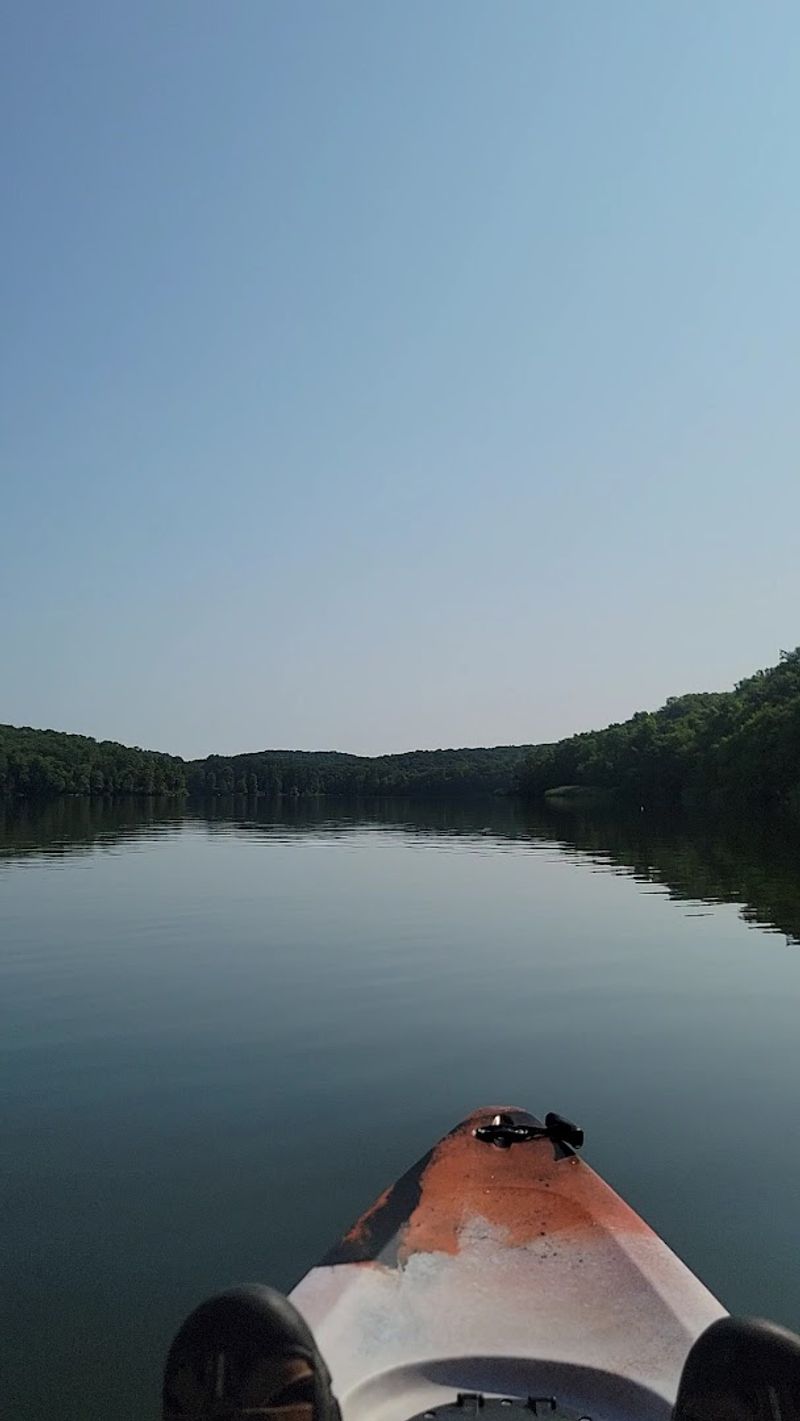
Splitrock Reservoir operates under a specific set of rules that some first-time visitors find surprising. No motorized watercraft are permitted on the water.
Paddleboards are also restricted, which means the surface belongs almost entirely to kayakers and anglers. Trailers are not allowed in the parking lot, and parking in non-designated areas results in a ticket.
Those restrictions might sound like a long list of inconveniences, but they are directly responsible for the quality of the experience. No motorized boats means no engine noise, no wake, and no fuel residue in the water.
The paddleboard restriction keeps the activity mix manageable and maintains the quiet character of the site.
The strict rules are enforced by the New Jersey Water Supply Authority, which manages the reservoir as an active water supply resource. That dual purpose, recreation and water supply, is what drives the conservation approach.
The result is a reservoir that remains cleaner, quieter, and more ecologically intact than most publicly accessible lakes in the state.
The Atmosphere That Makes It Feel Remote
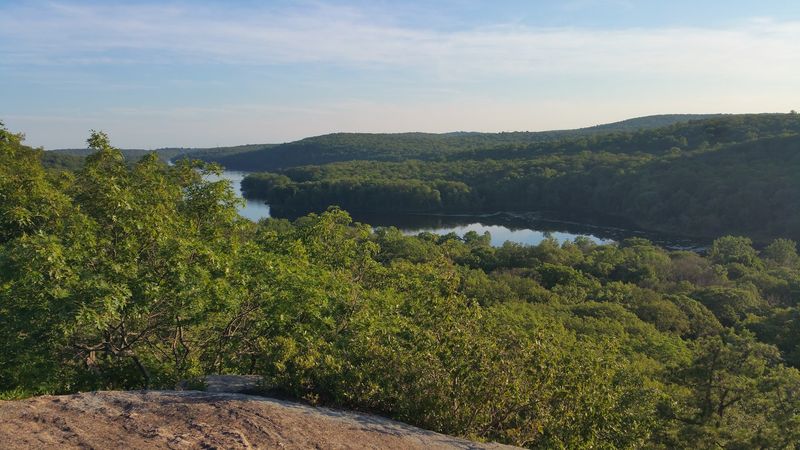
There is something about Splitrock that consistently surprises first-time visitors. The reservoir sits less than 50 miles from midtown Manhattan, yet the surrounding landscape shows almost no signs of urban proximity.
The tree line is unbroken for most of the shoreline, and the rocky bluffs that rise above the water give the place a topographic character more associated with upstate New York than New Jersey.
The absence of motorized boats amplifies the quiet considerably. On a weekday morning, the only sounds on the water tend to be bird calls, paddle strokes, and the occasional ripple from a fish breaking the surface.
That level of quiet is unusual enough in this region that it registers as its own kind of attraction.
The dirt road leading to the parking area also plays a role in filtering the crowd. The unpaved approach discourages casual drive-through traffic and tends to attract people who came specifically for the reservoir, which keeps the overall atmosphere focused and unhurried throughout the day.
Best Times to Visit and What to Wear

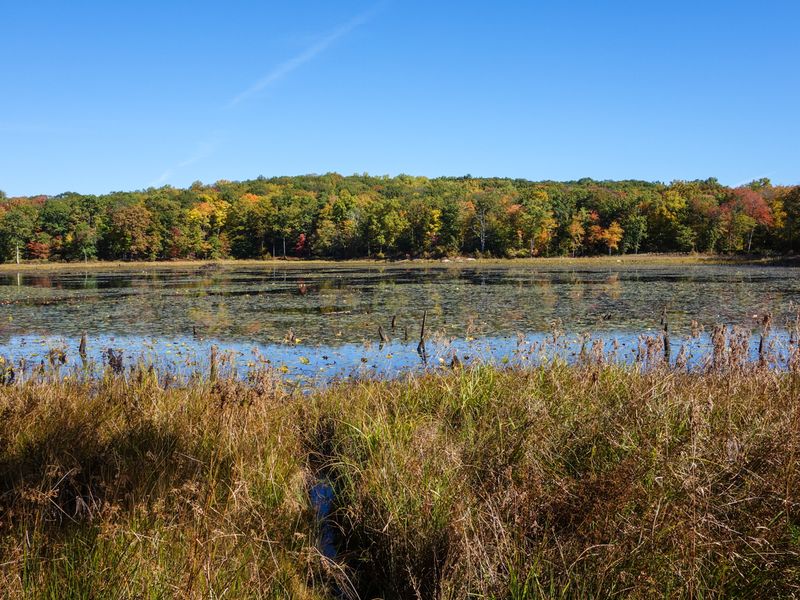
Spring and fall are the most popular seasons at Splitrock, and for good reason. The weather stays mild enough for comfortable paddling, the foliage in autumn adds a dramatic visual backdrop, and the crowds remain manageable compared to summer weekends.
Summer visits are busiest, particularly on weekends, though the reservoir rarely reaches the kind of overcrowded conditions found at more heavily marketed parks. Midweek visits in summer tend to be noticeably quieter, with only a handful of vehicles in the lot and open water in every direction.
Winter visits are possible for hikers who are prepared for cold conditions. The trail network stays accessible through most of the colder months, and the bare trees actually open up longer sightlines to the water from the surrounding ridges.
Layering is essential in winter, as the wind off the water and the exposed rocky sections of the trail can make temperatures feel significantly lower than the forecast suggests. Tick awareness is important throughout warmer months.
Getting There and Parking Tips
Reaching Splitrock Reservoir requires a bit of navigation, and the final section of the approach road is unpaved. That dirt road section catches some first-time visitors off guard, but it is passable in a standard passenger vehicle under normal conditions.
High-clearance vehicles handle it more comfortably, particularly after rain.
The parking area is free and does not require a reservation, though spaces can fill up on busy summer weekends. Arriving early, before 9 a.m., is the most reliable way to secure a spot and get on the water before the lot fills.
Trailers are explicitly prohibited, so anyone transporting a kayak needs to plan for a roof rack, truck bed, or tow vehicle that can drop the boat at the launch before parking.
There are no food vendors, no concession stands, and no gear rental services at the site. Everything you need for the day should come with you, including water, sun protection, and any safety equipment required for paddling in New Jersey, such as a personal flotation device for every person on the water.
What to Bring for a Full Day on the Water
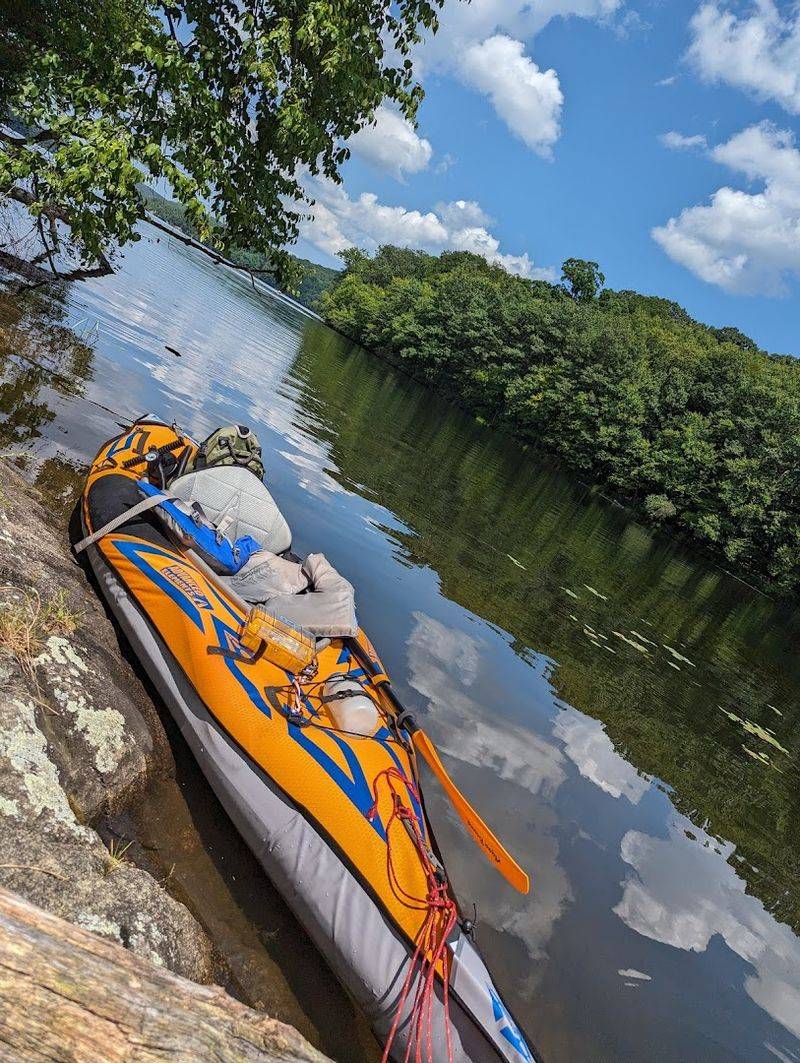
A day at Splitrock works best when you pack with intention. The site has no gear rentals, no food stands, and limited facilities, so everything you need has to come with you from home.
That self-sufficiency requirement is part of what gives the place its undeveloped character.
A personal flotation device is required by New Jersey law for every person in a kayak, and enforcement does occur at this site. Beyond the legal requirements, a dry bag for your phone and valuables, a reusable water bottle, and sun protection are practical essentials for any time of year.
For hikers planning to combine a trail loop with a paddle, packing a change of dry clothes is a smart move. The rocky terrain on the longer loops can be muddy in spots, and finishing a four-hour hike in wet gear is an avoidable discomfort.
Snacks with enough calories for sustained activity round out a well-prepared day kit for this kind of outing.
How Splitrock Compares to Other NJ Reservoirs
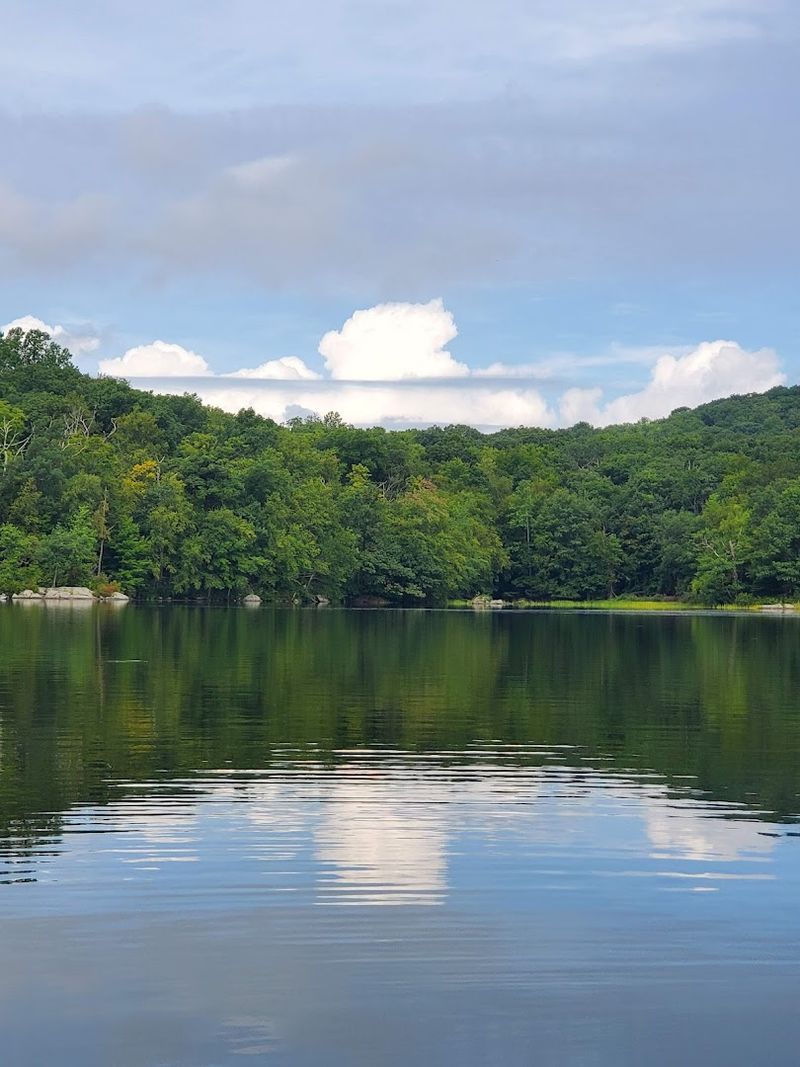
New Jersey has dozens of reservoirs scattered across its northern counties, but Splitrock holds a distinct position among them. The no-motorized-watercraft rule, the preserved shoreline, and the dedicated kayak launch infrastructure combine to create a paddling environment that most other reservoirs in the state cannot match.
Larger reservoirs in the region allow powerboats and personal watercraft, which changes the character of the water entirely. At Splitrock, the flatwater surface stays consistent and calm, and the absence of wake means a steadier experience for kayakers regardless of skill level.
That reliability is a significant draw for paddlers who want to focus on distance and exploration rather than managing chop from passing boats.
The surrounding trail network also sets Splitrock apart. Most reservoirs in Morris County offer limited or no hiking access along the shoreline.
Here, the trails run for miles through varied terrain, giving the site a dual-use appeal that keeps both paddlers and hikers returning across multiple seasons without the experience feeling repetitive.
Why This Spot Keeps Pulling People Back
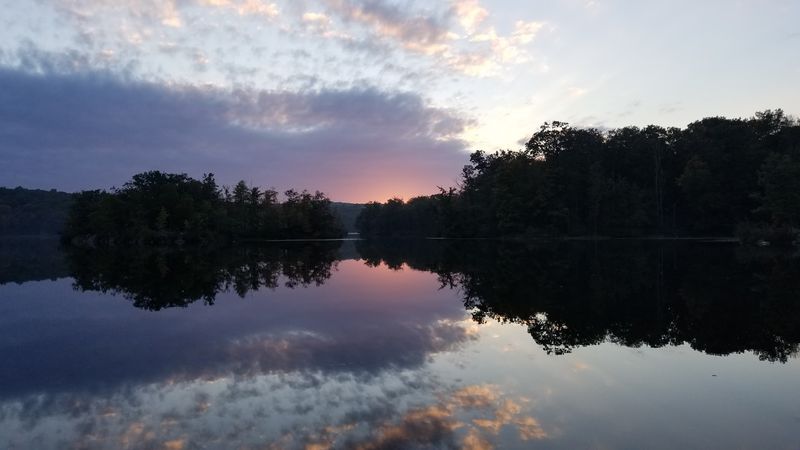
There are plenty of outdoor destinations within an hour of New York City, but most of them come with a trade-off: crowds, noise, development, or some combination of all three. Splitrock sidesteps all of that by being exactly what it is, a protected water supply reservoir with strict rules and no commercial infrastructure, and somehow that austerity becomes its biggest selling point.
People come back here because the experience is consistent. The water stays clean, the trails stay passable, the wildlife shows up reliably, and the parking lot never turns into a circus.
That predictability has real value for anyone who plans a day outdoors and wants it to actually deliver.
The reservoir also rewards repeat visits with variety. Different seasons bring different wildlife, different light on the water, and different trail conditions.
A paddler who visits in May and again in October is essentially getting two distinct experiences from the same location, which is a rare quality in a destination this close to one of the most densely populated corridors in the country.
Share this story