 Unearth The Voyage
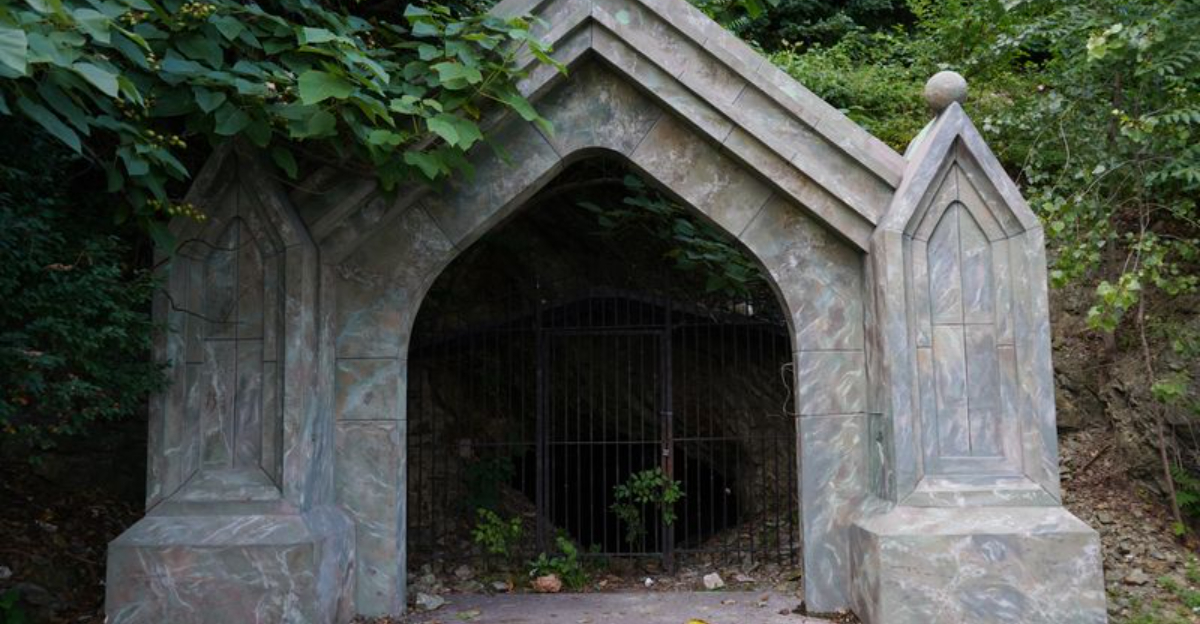
Hoboken hides a story that still stirs up questions the way the Hudson stirs up currents. I came looking for a simple historic stop and found a place where a spring, a stone arch, and an old mystery keep locals swapping theories.
You will get the true location, the layered past, and the practical tips you need to see it with your own eyes. Keep reading, because the most curious corner of the waterfront has more chapters than a penny novel, and I am laying them out for you one by one.
Exact Address and First Impressions
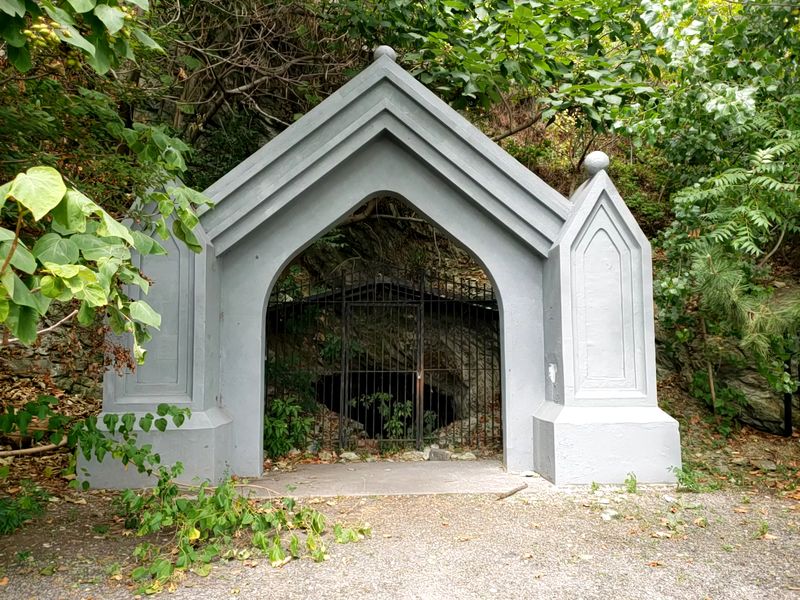
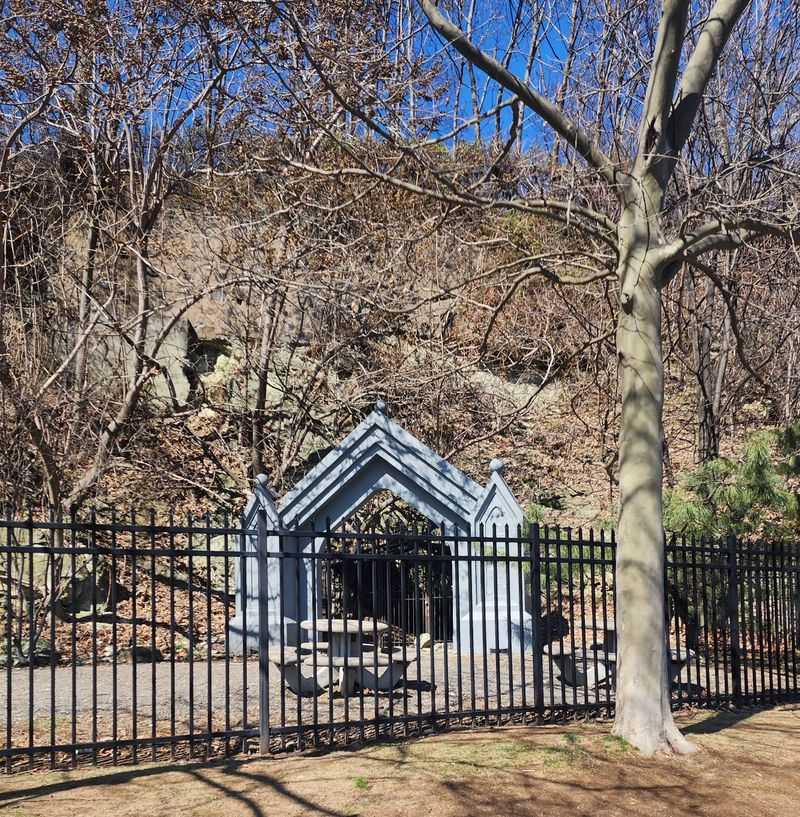
The address comes first because you will want it: Sybil’s Cave, Frank Sinatra Dr, Hoboken, NJ 07030, United States. I reached the Gothic style arch facing the Hudson and noted posted hours that currently list closing at 9 PM, a helpful detail for timing.
This spot is officially a historical place with a four star reputation, and the structure you see is a re created ornamental front marking the site of a 19th century spring. The cave itself began as an excavation during the 1830s by the Stevens family.
The gate may be locked at times, and recent comments mention occasional closures and some grime, so you should plan for an exterior visit as a baseline. I still found the setting worthwhile thanks to the water views and the tidy arc of local history.
You can call the City of Hoboken number listed online or check the Hoboken Museum page for current notes. The coordinates 40.7454301, -74.0230089 will drop you right in front.
The Story Behind the Spring
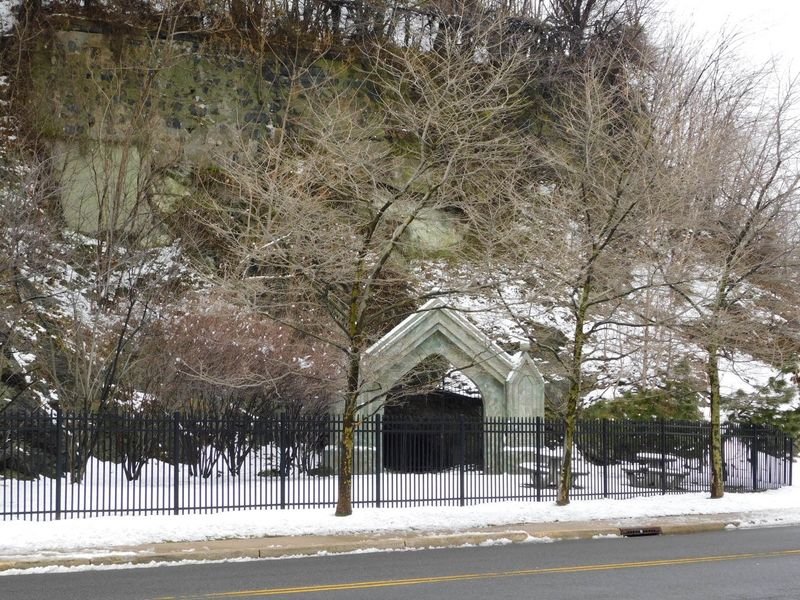
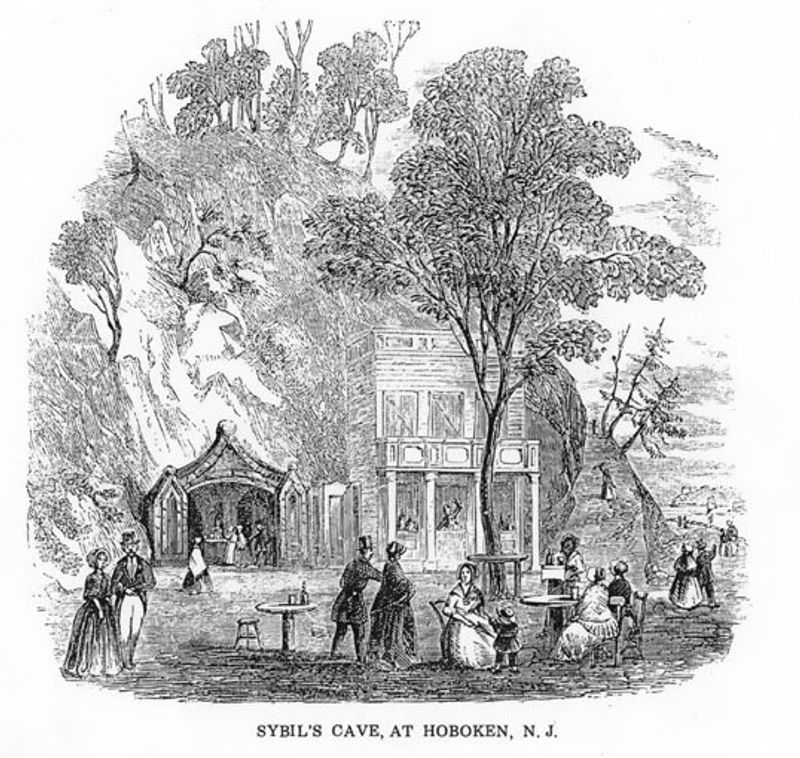
Marketing once flowed here almost as steadily as the water itself. In the 1830s, the Stevens family excavated the hillside spring and framed it as a destination for paid cups of mineral water.
Locals and visitors crossed over for a sip believed to carry health benefits, a trend that matched the era’s fascination with springs. A small pavilion and later a restaurant contributed to the scene, building a reputation for restful afternoons by the river.
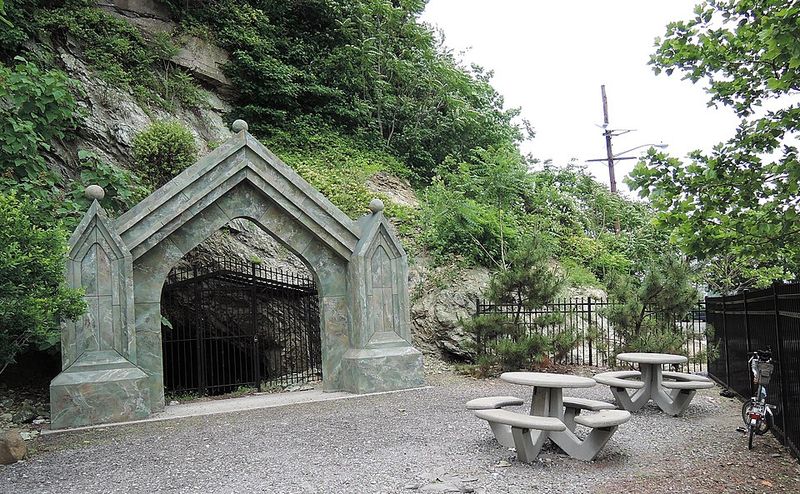
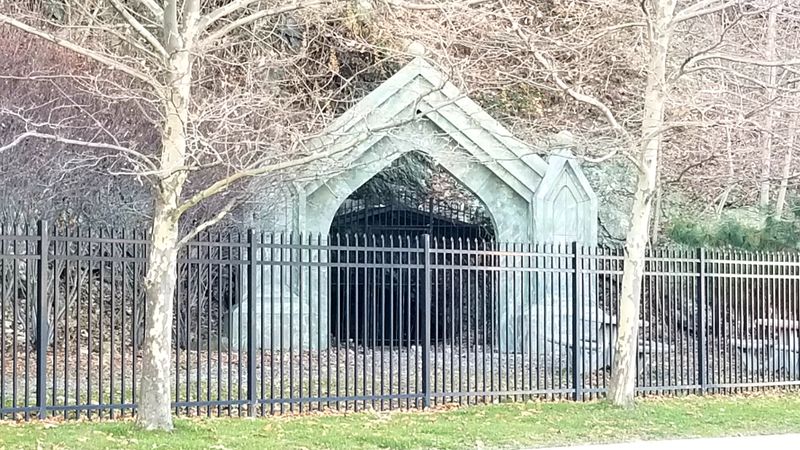
The arch you see today evokes that original frontage, not a natural cavern mouth. It is a curated facade that signals the past without pretending to be untouched geology.
That blend of commerce and curation is part of the cave’s DNA. You come for a layered New Jersey tale where entrepreneurship met geology and the result became a regional talking point.
A Nineteenth Century Mystery Lingers
Curiosity sharpens here because of a 19th century case tied to the site. Newspapers amplified the story, turning the cave’s surroundings into a headline location.
The investigation never reached a satisfying conclusion, and the unresolved status became part of regional lore. Conversations still circulate about who knew what and how the waterfront became a backdrop for rumors that refused to fade.
Local writeups handle the topic with restraint, and I follow that lead. The point is not shock, but the way an open question can shape a landmark’s afterlife.
When you stand near the gate, you are also standing in the footprint of a cultural moment that would not let go. The history here is a braid of water sales, leisure, and one stubborn mystery that keeps the cave in the public mind.
Architecture and The Recreated Arch
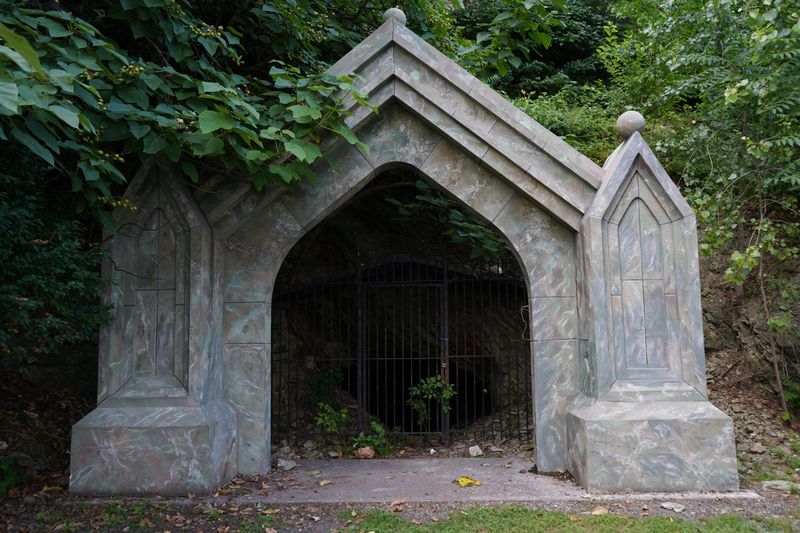
The facade wears a simple neo Gothic look that cues romance without overload. A pointed arch frames a compact opening, usually gated, with masonry that contrasts the surrounding bluff.
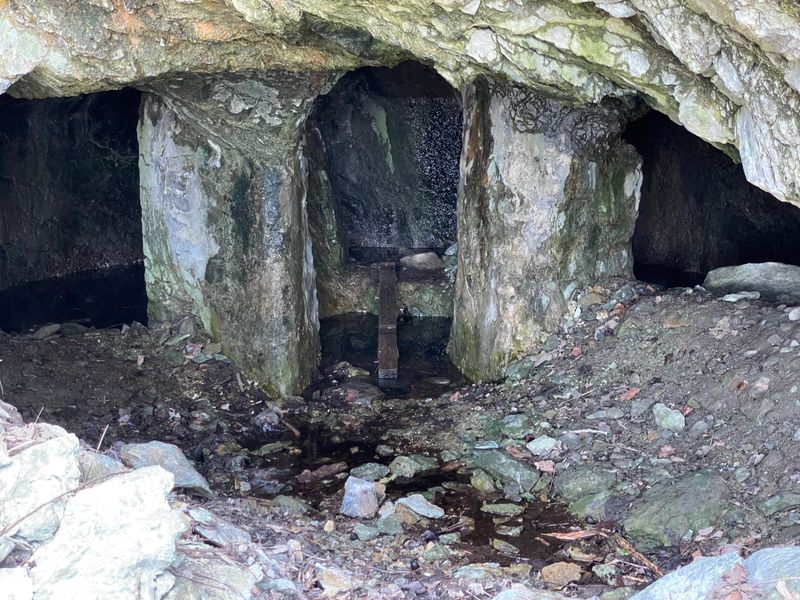
This is not a deep natural cavern. The original excavation produced a shallow grotto for the spring, and the current frontage serves as a respectful nod to that period staging.
Photographs work best from a few steps back, where the arch and hillside fit together. You can include the river walk in the frame for context that aligns old and new.
The clean geometry gives the site a slight theatrical feel. It is a stage where the city sets a prop to remind everyone that this bank of the Hudson once sold hope by the cup and collected stories for the archives.
Practical Visiting Tips
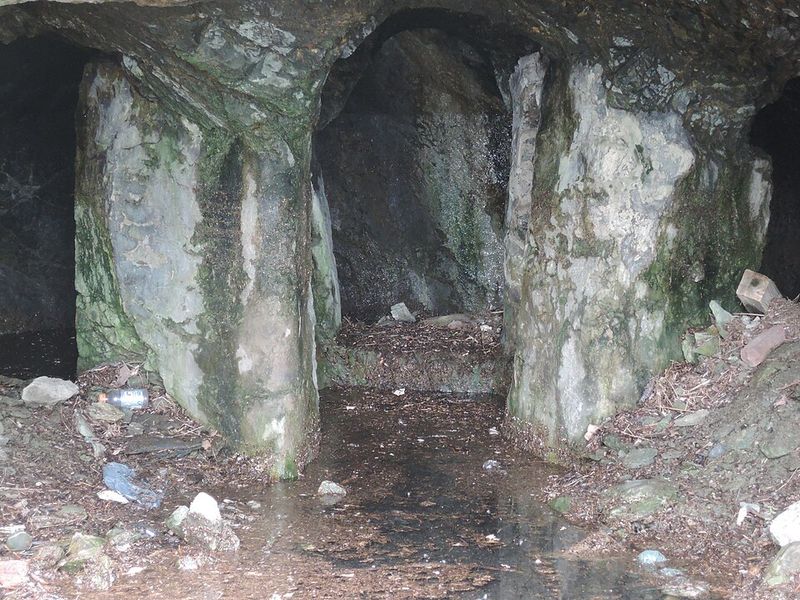
Timing matters, so I checked posted hours that list opening in the early morning and closing at 9 PM. Online chatter reports the gate can be locked, so plan for exterior viewing and treat interior access as a bonus.
The Frank Sinatra Drive promenade offers steady foot traffic, which helps if you prefer busier spaces. A short walk north or south yields benches and river views that pair well with a historical stop.
Parking on the waterfront can be tight. I used public transit to Hoboken Terminal and walked along the river path, which kept the logistics simple and predictable.
Bring context too. A quick scan of the Hoboken Museum page will enrich your visit, and a map pin at 40.7454301, -74.0230089 ensures you will not miss the arch tucked into the slope.
Waterfront Setting and Views
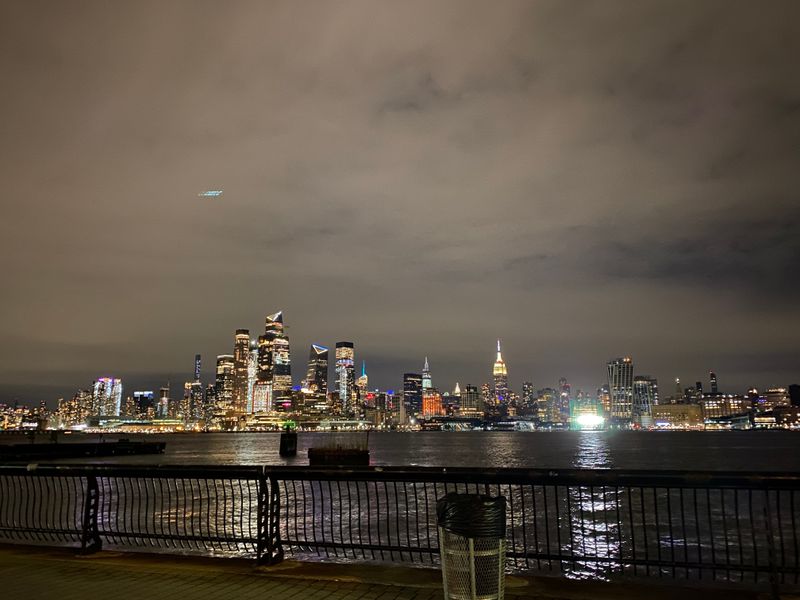
The location rides the edge of the Hudson with a long, steady view across to Manhattan. The river walk gives you space to pause and take in the contrast between natural bluff and glassy skyline.
That juxtaposition frames the arch as a relic holding its ground beside a modern corridor. The setting makes a short stop feel like part of a bigger waterfront circuit.
I used the cave as a checkpoint on a loop that linked the piers, parks, and the terminal. The variety within a few blocks underscores why this old spring kept drawing visitors.
Come for ten minutes or thirty. You can fold the stop into a run, a history walk, or a casual errand that happens to brush the past.
What Remains of the Spring
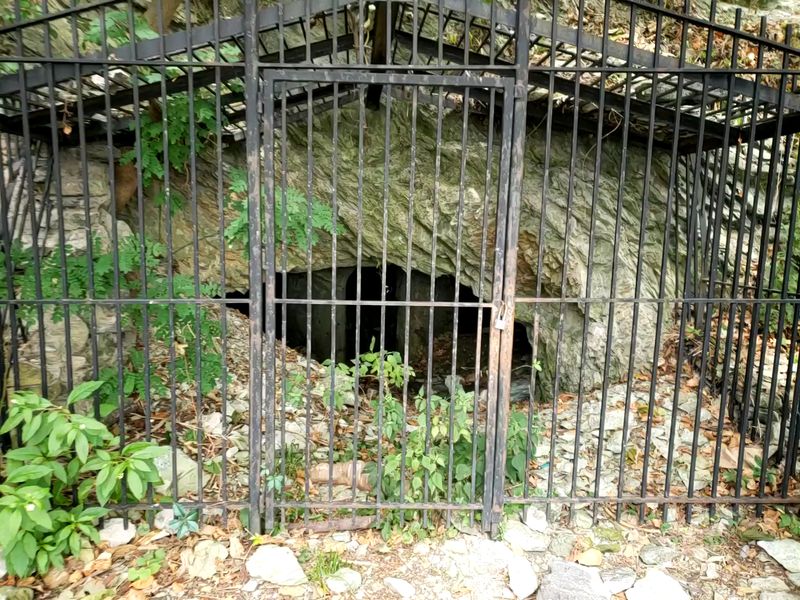
The draw once centered on mineral water ladled out to paying customers. That commerce faded as standards shifted and the city evolved, leaving the spring as a reference point more than a resource.
Today, the site signals the bygone service rather than serving water. You will find mentions that the spring is no longer for drinking, a prudent policy consistent with urban health practices.
Your visit is about context rather than sampling. The story of the spring explains how modest geography powered a bustling micro destination.
Even if you do not cross the threshold, the gate and plaque do the talking. The value now lives in interpretation, and that makes the stop concise and accessible.
Ties to Hoboken’s Growth
Before massive development, small attractions stitched the shoreline into a day out. A spring with a decorative arch turned curiosity into currency and nudged nearby amenities to follow.
Hoboken’s rise ties to transit, industry, and hospitality, and this site illustrates the hospitality strand. A rest stop with a theme set the tone for a leisurely riverfront long before glass towers arrived.
City records and museum notes trace that transformation. The cave drifts through those records as an emblem of early branding in a port town learning to host visitors.
Stand here and the timeline compresses. You are looking at a seed that sprouted promenades, maps, and calendars dotted with weekend plans.
Local Lore and Pop Culture Echoes
Stories cling to this slope because journalists and storytellers kept circling back. The unresolved case gave columnists a hook, and that hook pulled the cave into regional anthologies.
Guidebooks now file it under curiosities worth a detour. Social posts do the modern version, pairing the arch with a caption about waterfront history.
I appreciate how the site invites quick research on a bench nearby. A couple of searches turn the stone frontage into a hyperlink to 1800s headlines.
Your visit becomes a low effort dive into local memory. You leave with a short list of terms to chase and a landmark that rewards a second look.
Hours, Access, and Expectations
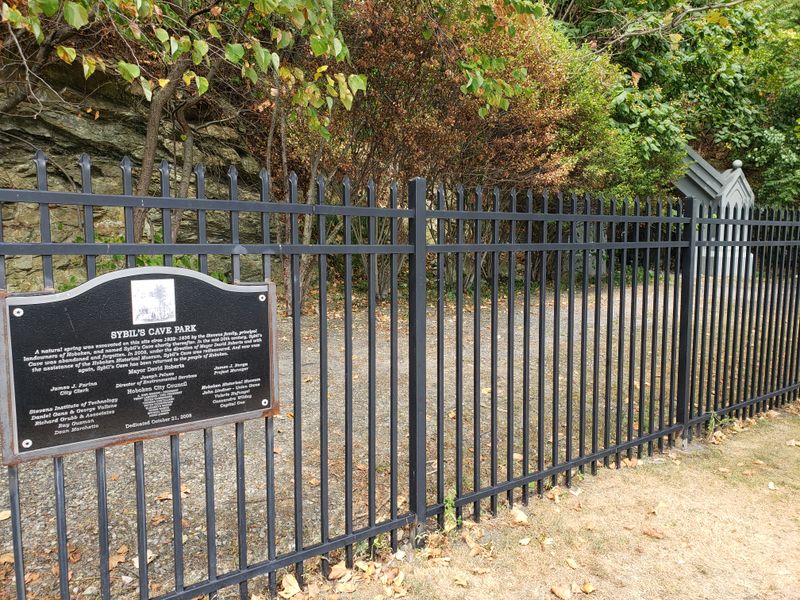
The listing shows hours from early morning to 9 PM, but operations on the ground can vary. Some days the gate is locked and the interior is not accessible, so set expectations accordingly.
Access remains straightforward along the river path, and street visibility keeps the stop simple and quick. I advise checking the Hoboken Museum page or city updates if a peek inside is essential to you.
Cleanliness ebbs and flows based on maintenance cycles. Even then, the facade and context deliver value for a short historic pause.
Think of this as a five to fifteen minute stop that pairs well with other waterfront goals. If the gate happens to be open, treat it as a bonus level.
Nearby Pairings for a Short Itinerary
A tidy route starts at Hoboken Terminal, angles north along the river, hits the cave, then loops by the piers. That circuit folds history into a casual waterfront walk without heavy planning.
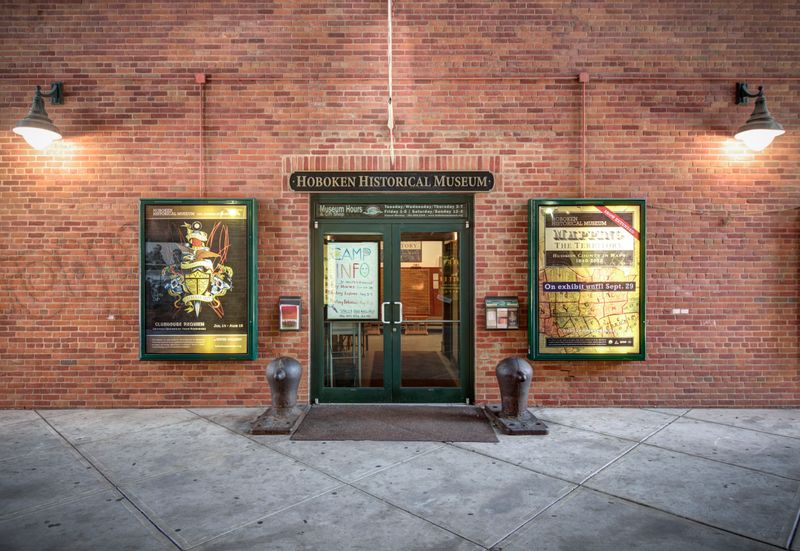
Benches along Frank Sinatra Drive offer breaks for reading plaques and pulling up archival images. I like coupling the stop with the Hoboken Historical Museum for a fuller context session.
Food and coffee options cluster near Washington Street. You can keep the cave as the themed interlude rather than the whole day.
The city makes it easy to see several eras in a single hour. That small scale is part of the charm and a reason this landmark earns a place on compact itineraries.
Best Times and Photography Notes
Mornings and late afternoons tend to provide calmer foot traffic along the path. Those windows help with clean frames that include the arch and the bluff.
I stand a few paces back to align the arch, river, and skyline while avoiding harsh backlight. Bringing a small wide angle setup helps, but a phone works fine with steady hands and a thoughtful angle.
If the gate is closed, an oblique shot reduces glare on the bars. Step safely, keep to the path, and respect any posted rules so the site remains accessible for everyone.
The structure reads well in both overcast and clear conditions. Your album gains a concise chapter that anchors the Hoboken story without taking over the whole page.
Closing Thoughts on a Storied Arch
Some places earn their keep by simply holding still while the city changes around them. This arch does exactly that, carrying a spring’s legacy and a headline’s shadow without demanding a long stay.
You will come away with a precise location, a handful of facts, and a fresh angle on Hoboken’s past. That is a fair return for a brief pause on Frank Sinatra Drive and a durable reason to recommend the stop.
I like landmarks that fit easily into real life schedules. This one rewards curiosity, respects your time, and sends you along the river with a story worth keeping.
Next time I pass this stretch of the Hudson, I will nod to the gate and the people who built a destination out of a hillside spring. The city keeps moving, and the cave keeps telling.



