New Jersey has no shortage of history tucked into its towns, but Wayne holds a secret that most people drive right past without knowing. There is a Georgian mansion sitting quietly off the road that once served as the nerve center of the American Revolution, at least for a few critical months in 1780.
George Washington himself set up his military headquarters here, making plans, issuing orders, and navigating one of the most turbulent periods of the war. The mansion has been carefully preserved and is open to the public today, offering guided tours, period artifacts, and a rare chance to stand in the same rooms where history was actively being made.
Whether you are a history enthusiast or just looking for a genuinely interesting day trip in New Jersey, this place delivers far more than most people expect.
Where is This Historic Place
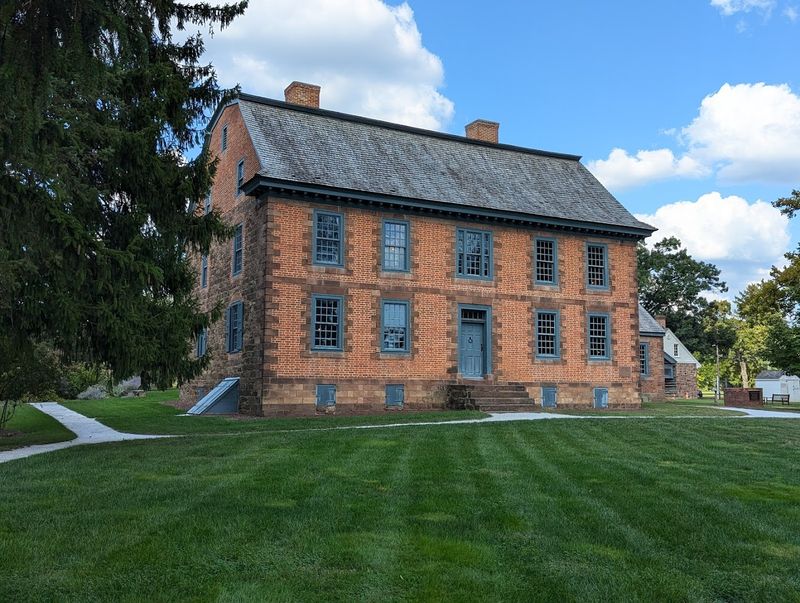
Not every historic site comes with a clear address and a parking lot, but this one does, and that accessibility is part of what makes it so worth the trip. Dey Mansion Washington’s Headquarters is located at 199 Totowa Rd, Wayne, NJ 07470, in Passaic County, right in the heart of northern New Jersey.
The mansion sits on a generous piece of land that gives it a sense of being removed from the surrounding suburban landscape, even though it is easy to reach by car. The grounds are well maintained, with free parking available on site, and the entry fee for a guided tour is nominal, making it one of the most affordable history experiences in the state.
The museum is open Wednesday through Sunday from 9 AM to 5 PM, so planning a midweek or weekend visit is straightforward. The official website at deymansion.org keeps an updated calendar of events and special programming worth checking before you go.
The Georgian Mansion That Caught Washington’s Attention
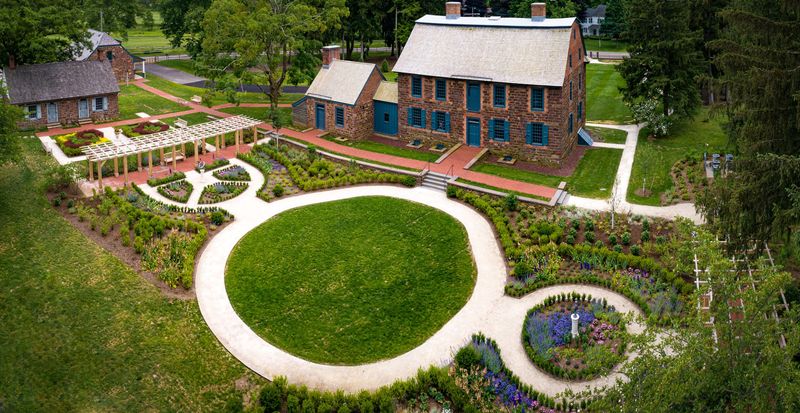
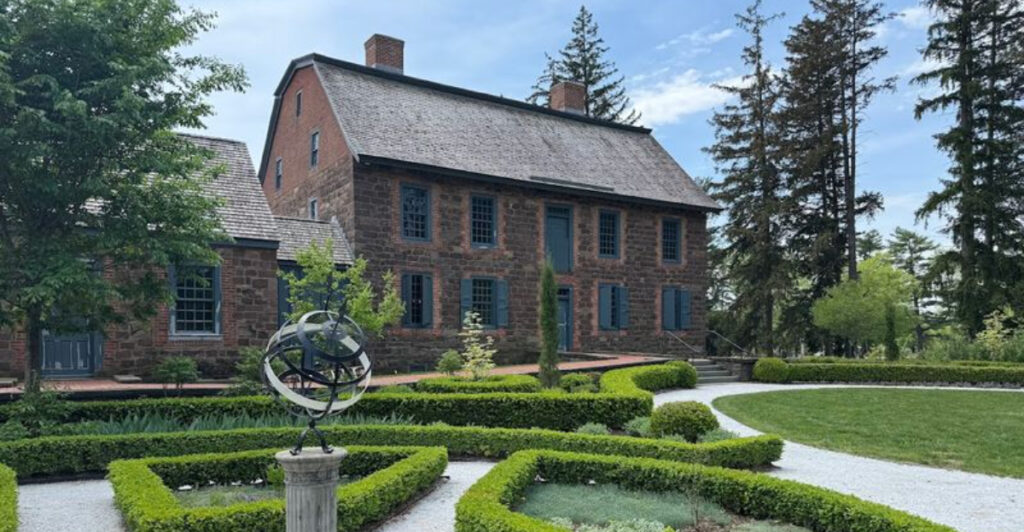
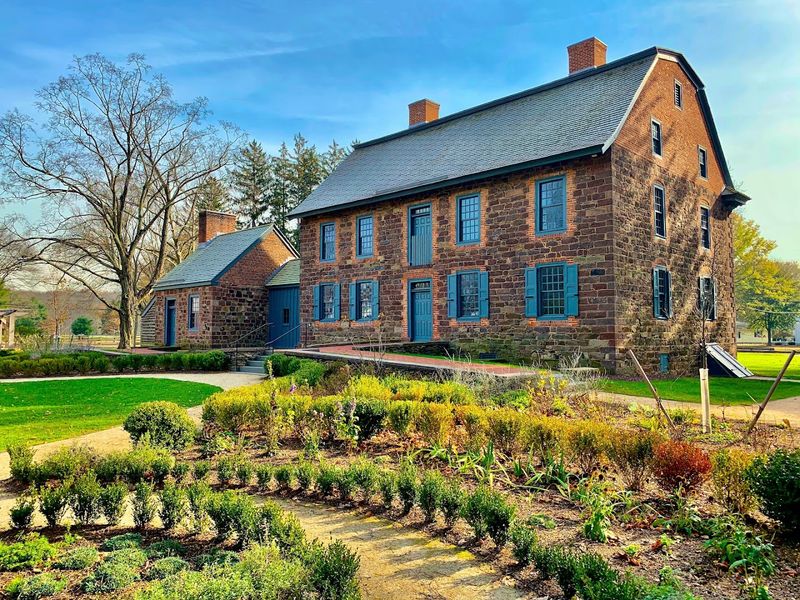
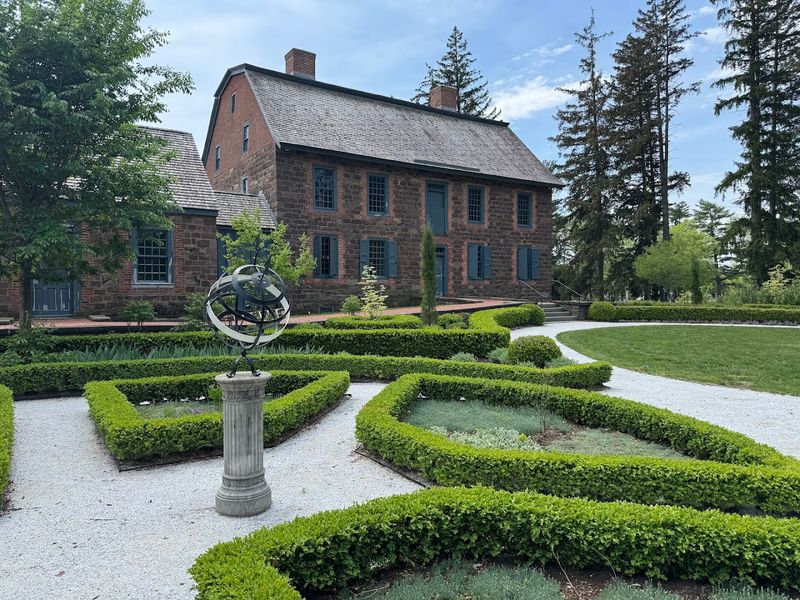
There is a reason George Washington chose this particular house as his headquarters, and it starts with the building itself. The Dey Mansion is a striking example of Georgian architecture, built in the 1740s by Richard Dey and later expanded by his son Theunis Dey.
The brick exterior, symmetrical layout, and sturdy construction made it both impressive and practical for wartime use. Georgian-style homes of this period were designed to project stability and authority, qualities that aligned well with Washington’s need for a credible command post during a difficult stretch of the Revolutionary War.
The mansion is large enough to have housed Washington’s staff and operations, with multiple rooms that could serve different military and administrative functions. Today, the structure stands as one of the best-preserved examples of colonial Georgian architecture in New Jersey, and its condition is a direct result of decades of careful restoration funded in part by Passaic County.
The bones of the building are original, and that matters.
Three Times Washington Called It Home Base
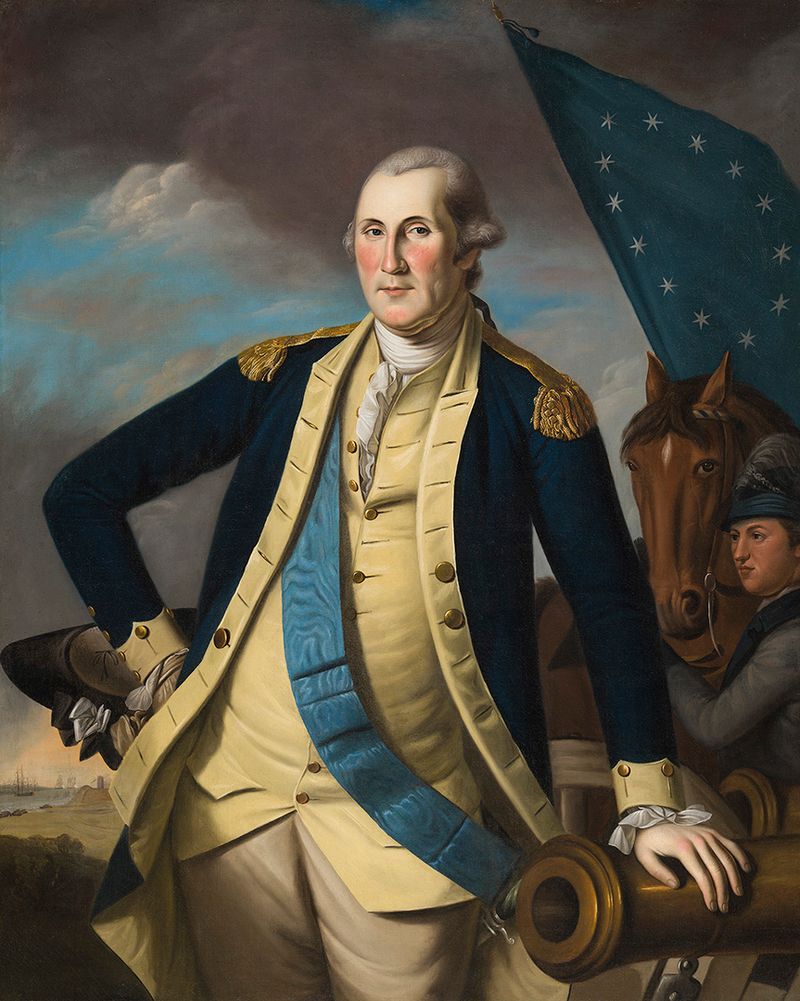
George Washington did not just pass through this mansion once. He used it as his military headquarters on three separate occasions in 1780, which speaks to how strategically valuable the location was during the war.
The area offered proximity to key supply routes and a defensible position in the New Jersey landscape.
During his stays, Washington conducted military operations, corresponded with officers, and managed the complex logistics of keeping the Continental Army functional. The year 1780 was particularly grueling for the American cause, marked by setbacks and the constant pressure of British forces, so having a reliable headquarters mattered enormously.
The fact that Washington returned to this house multiple times suggests that Theunis Dey and his family were trusted allies and that the location offered genuine strategic advantages. Those repeated visits are what cemented the mansion’s place in Revolutionary War history, and they are central to every tour given on the property today.
History does not repeat itself, but Washington apparently did.
The Dey Family Behind the Door
The mansion’s name belongs to the Dey family, and their story is woven into every room of the house. Theunis Dey, the son of the original builder Richard Dey, was a colonel in the New Jersey militia and a committed patriot, which is precisely why Washington trusted him enough to use his home as a command center.
The Dey family was of Dutch descent, which was common in northern New Jersey during the colonial period. Their willingness to open their home to Washington and his staff was not a small gesture.
It meant disruption, risk, and the constant presence of military personnel on their property.
Despite the lack of any surviving portrait of Theunis Dey or his immediate family, their legacy is preserved through the house itself and the historical records connected to it. Tour guides at the mansion are knowledgeable about the family’s background and share details that bring the human side of this history into focus.
The house tells their story in its walls.
What a Guided Tour Actually Looks Like
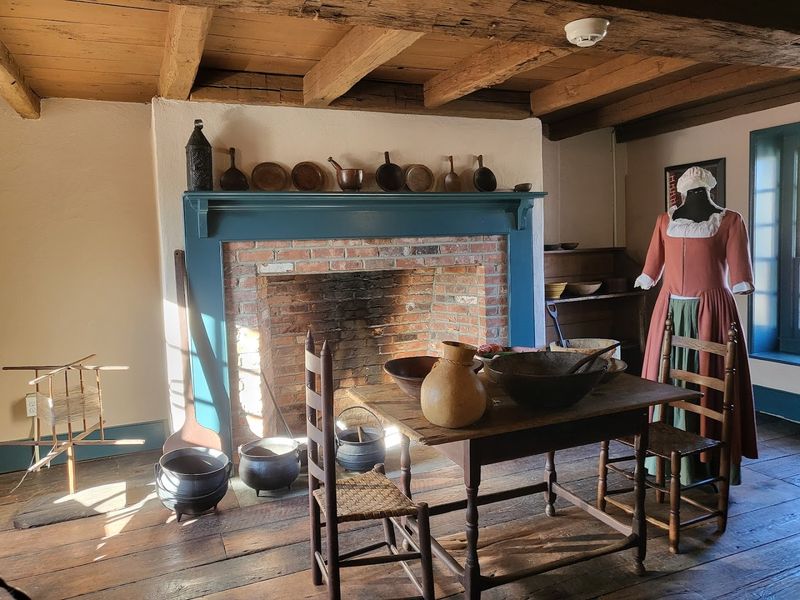
A guided tour at Dey Mansion runs approximately one hour and covers the main rooms of the house with a level of detail that keeps most people genuinely engaged throughout. The guides are knowledgeable, enthusiastic, and well-prepared to answer questions that go beyond the standard script.
Tours are available during regular operating hours from Wednesday through Sunday, and the cost is around five dollars per person, which makes it one of the best-value history experiences in New Jersey. Some guides dress in period-appropriate attire, which adds a layer of authenticity to the experience without feeling theatrical or forced.
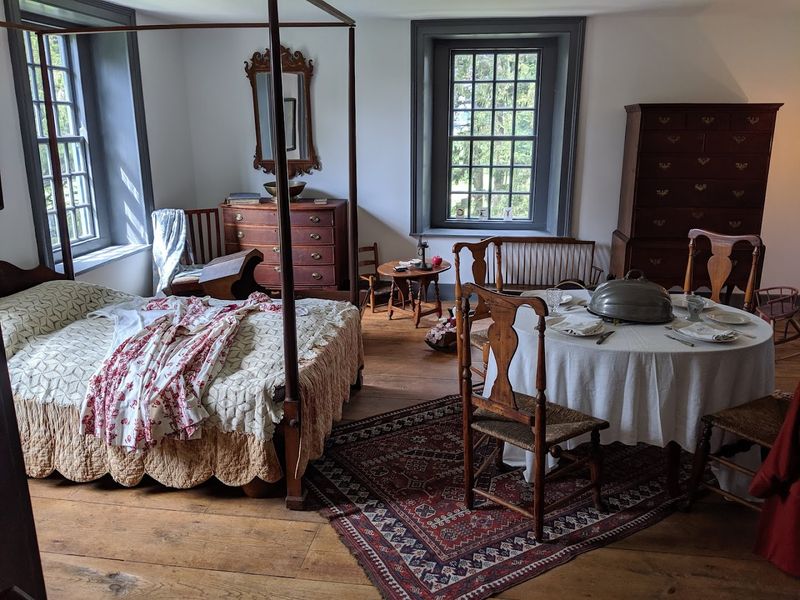
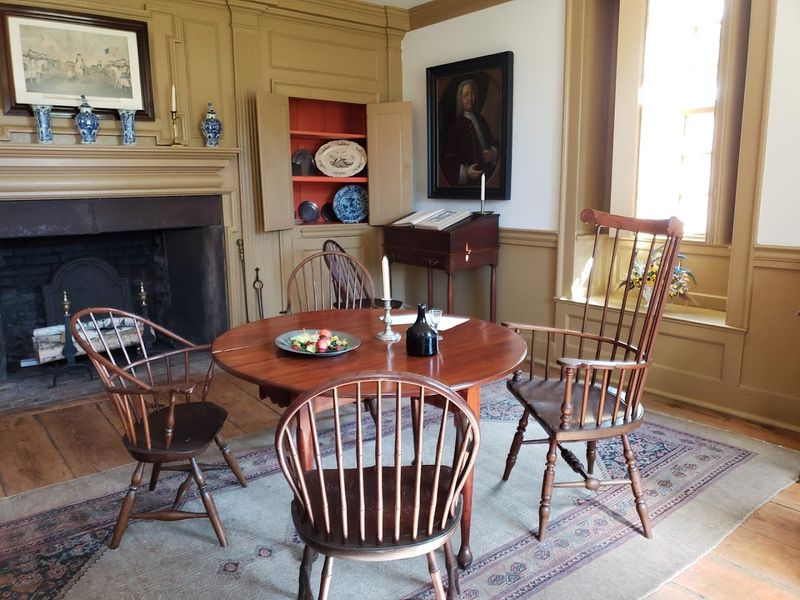
Each room in the mansion has been furnished with 18th-century pieces that reflect how the space would have been used during Washington’s time there. The guides connect the physical details of the house to the broader context of the Revolutionary War, so the tour functions as both an architectural walkthrough and a history lesson.
It is the kind of tour that holds your attention from start to finish.
Period Furnishings That Transport You to 1780
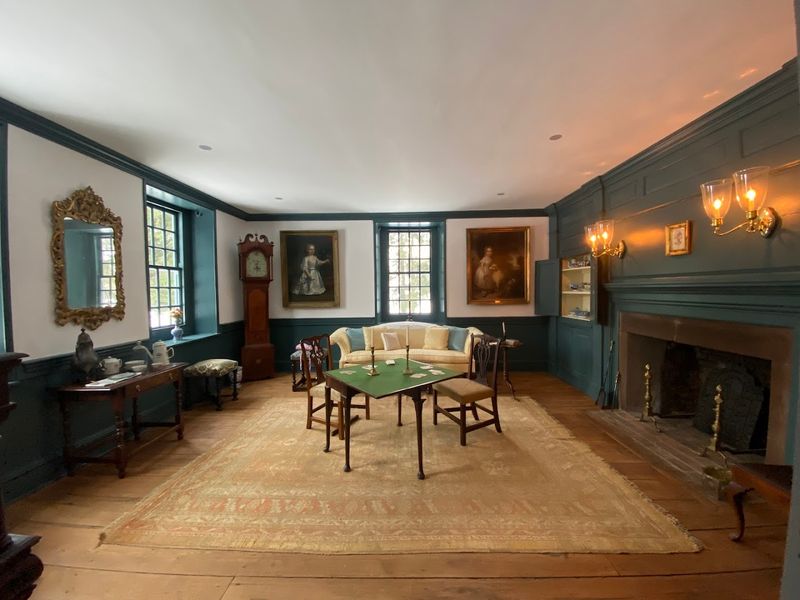
One of the most compelling aspects of a visit to Dey Mansion is the quality and authenticity of the period furnishings inside. The rooms have been carefully outfitted with 18th-century pieces that reflect the material culture of colonial New Jersey, giving each space a grounded, historically honest character.
Furniture, textiles, tools, and decorative items from the era fill the rooms in a way that feels considered rather than cluttered. The selection of artifacts helps tell the story of daily life in a prosperous colonial household while also nodding to the military use of the space during Washington’s tenure.
Curators and restoration experts have put considerable effort into sourcing and displaying items that are appropriate to the period and the house’s specific history. The result is an interior that communicates the past without relying on heavy-handed signage or dramatic staging.
Each object in the room earns its place, and that restraint is what makes the overall effect so convincing. The house feels lived-in, not staged.
Special Events That Bring the Era to Life
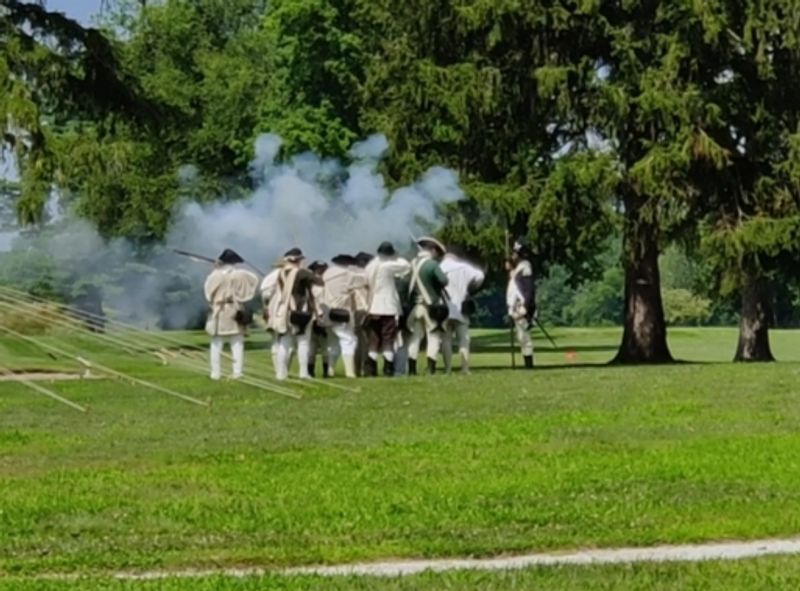
Beyond standard tours, Dey Mansion hosts a rotating calendar of special events throughout the year that add a completely different dimension to the experience. These events have included blacksmithing demonstrations, spinning wheel demonstrations showing how wool was processed, and appearances by reenactors portraying George Washington, William Lee, and Stephen Moylan on horseback.
These living history events draw larger crowds and offer a more hands-on connection to the colonial period. Watching a blacksmith prepare a forge or seeing period-accurate wool-spinning techniques in action gives context to crafts that most people today have never encountered in any practical form.
The mansion’s website at deymansion.org lists upcoming events, and checking it before planning a visit is strongly recommended. Past events have also included talks on Revolutionary War espionage in Bergen County, which attracted significant interest from history enthusiasts.
Special event days tend to be more immersive than a standard tour and are particularly well-suited for families or groups with a deeper interest in the period. The calendar is always worth a look.
The Visitor Center and What It Offers
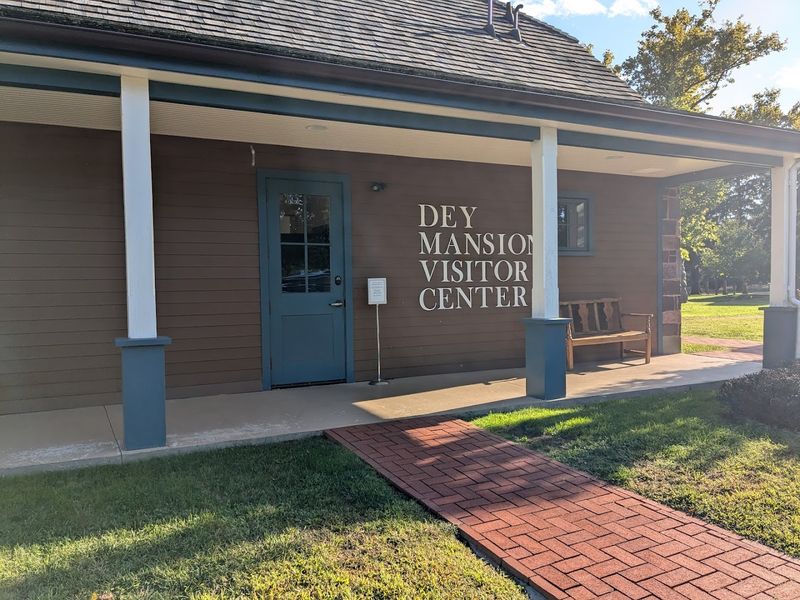
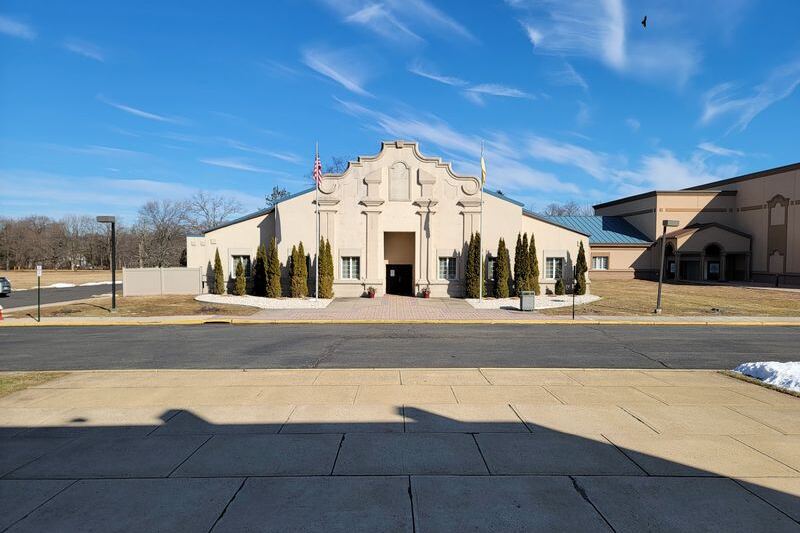
Alongside the mansion itself, Dey Mansion includes a visitor center that provides additional context for the history of the site and the Revolutionary War period more broadly. The visitor center has undergone renovation work in recent years, reflecting the ongoing commitment to improving the overall guest experience.
The exhibits inside the visitor center feature artifacts, informational displays, and materials that complement what visitors see during the house tour. For those who want to spend more time exploring the history before or after walking through the mansion, the visitor center is a useful addition to the visit.
A gift shop is also available on site, offering souvenirs and history-related items for those who want to take something home. The combination of the visitor center, the gift shop, and the mansion tour means that a full visit can comfortably fill a few hours without feeling rushed.
The whole setup is compact but well-organized, and the staff are consistently ready to help orient first-time visitors. It is a thoughtfully run operation.
The Grounds and Gardens Worth Exploring
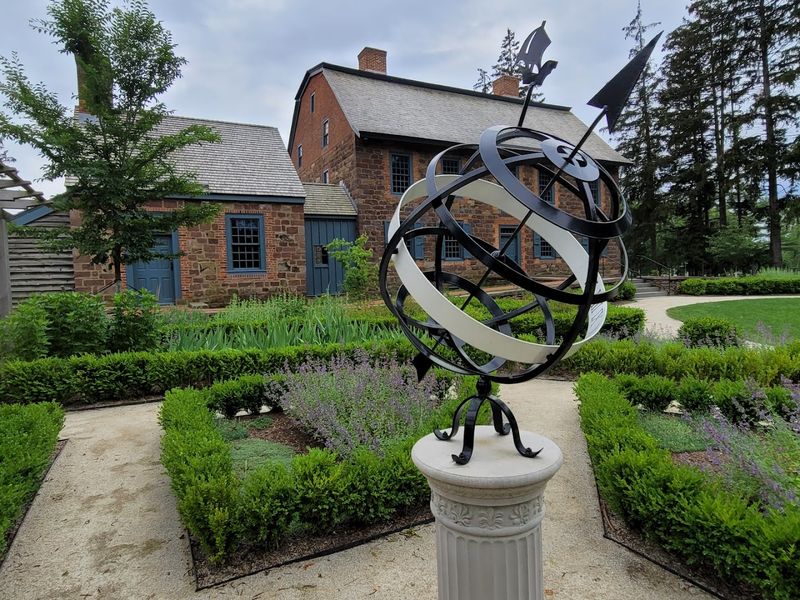
The outdoor areas surrounding Dey Mansion are as much a part of the experience as the house itself. The grounds are well-kept and offer space to walk, explore, and take in the setting at a relaxed pace after completing the indoor tour.
A garden on the property has historically featured herbs and vegetables that would have been grown during the colonial period, giving the outdoor space an educational dimension that connects to the daily life of the Dey family and their household. The garden is particularly appealing in spring and summer when plantings are active.
The overall landscape around the mansion gives a sense of what the property might have looked like when Washington and his staff were using it as a command post. The grounds are large enough to provide a genuine feeling of open space, which is somewhat rare for a historic site located within a densely populated part of New Jersey.
A walk around the property after the tour is a natural and satisfying way to end the visit. Fresh air and history make a reliable combination.
Proximity to Paterson Great Falls
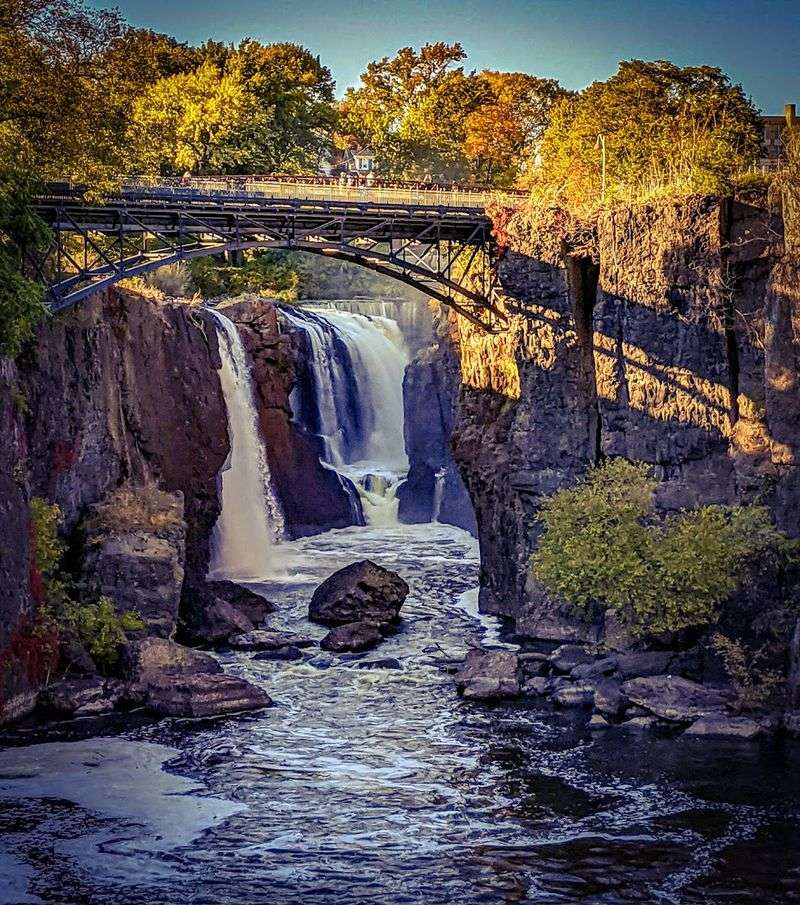
One practical advantage of visiting Dey Mansion is its location relative to other significant historical sites in northern New Jersey. Paterson Great Falls National Historical Park is nearby, making it easy to combine both destinations into a single day of exploration.
Paterson Great Falls is a nationally designated site and one of the largest waterfalls by volume in the eastern United States. Alexander Hamilton famously recognized the site’s industrial potential, and it later became central to America’s early manufacturing history.
The connection between the two sites spans the same general era of American nation-building.
Pairing the two visits creates a fuller picture of the region’s role in early American history, from the Revolutionary War period represented at Dey Mansion to the industrial era that followed at Paterson. The drive between the two is short, and both sites are free or low-cost to visit.
Planning a day that includes both gives travelers a genuinely rich and layered historical experience without requiring a long drive or complicated logistics. Two stops, one remarkable day.
Preservation Funded by Passaic County
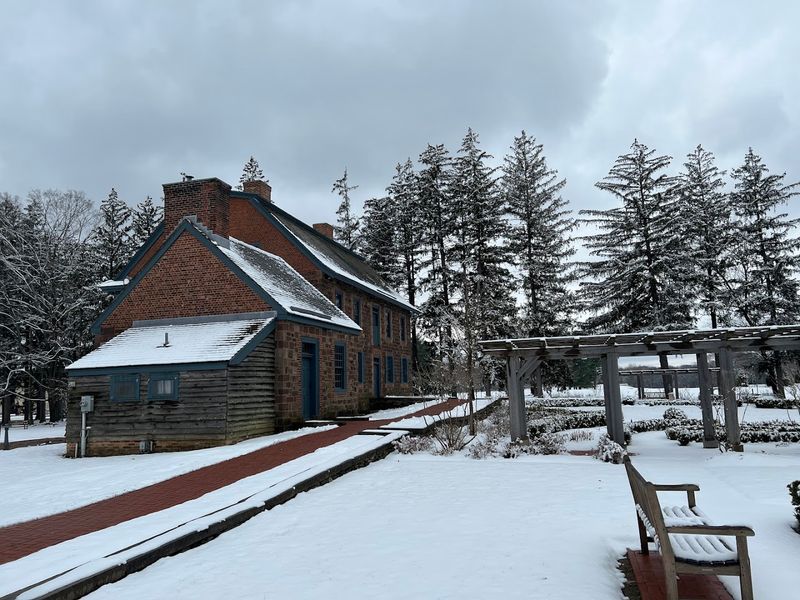
The condition of Dey Mansion today is not accidental. It is the result of deliberate investment and restoration work supported by Passaic County, which has taken an active role in preserving the property as a public historical resource.
That level of institutional commitment is not something every historic site in the region can claim.
Restoration efforts have addressed both the exterior and interior of the mansion, ensuring that the structure remains sound and that the period details are maintained with accuracy. The quality of the restoration work is evident throughout the house, from the original woodwork to the carefully preserved architectural features.
County funding for a project like this reflects a broader recognition that places connected to the founding of the United States deserve sustained attention and resources. Dey Mansion benefits from that recognition in a tangible way, and the result is a site that feels professionally managed and genuinely cared for rather than merely tolerated.
Passaic County deserves credit for keeping this piece of history intact and accessible.
The Haunted Reputation That Follows the House
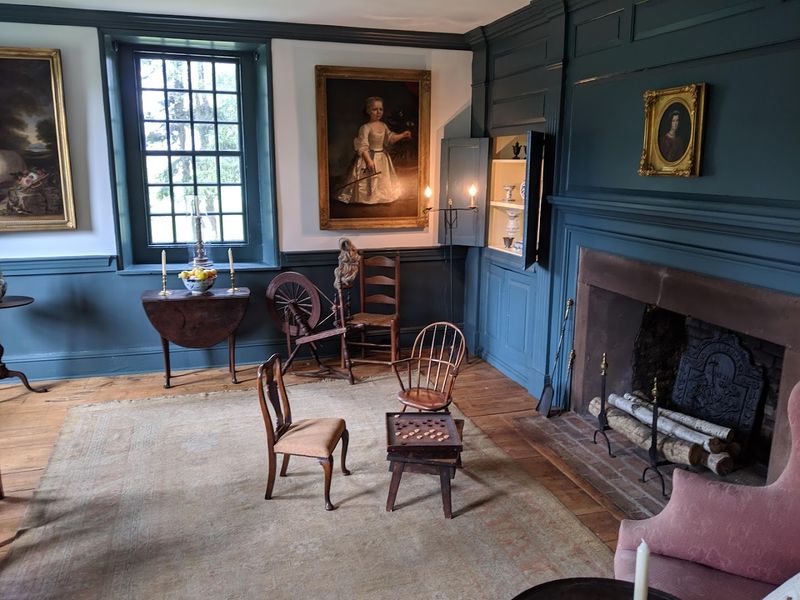
No historic mansion worth its age escapes without at least a few ghost stories, and Dey Mansion is no exception. The house has developed a reputation among some who have toured it for having an unusual atmosphere that is difficult to explain through straightforward historical narration alone.
Some who have walked through the main house report a strong and unsettling energy that prompted them to cut their visit short. Whether those experiences reflect something genuinely unexplained or simply the weight of being inside a space with more than two centuries of history is a matter of personal interpretation.
The mansion’s staff does not officially promote the haunted angle, and the focus remains firmly on the documented history of the site. That said, the stories persist, and they have become part of the informal lore surrounding the property.
For those who enjoy a bit of mystery layered into their history, the possibility adds an extra dimension to what is already a compelling destination. History and mystery are old neighbors.
A History Lesson That Fits in an Afternoon
One of the most practical things about Dey Mansion is that it fits neatly into an afternoon without demanding a full day of commitment. The guided tour runs about an hour, the grounds offer additional time for exploration, and the visitor center adds context without overwhelming the overall experience.
The site is well-suited for school groups, families, couples, and solo travelers with an interest in American history. The tour format is conversational rather than lecture-heavy, which keeps the pace moving and makes the information easier to absorb and retain.
For residents of northern New Jersey, Dey Mansion represents the kind of local history that often goes undiscovered simply because it does not have the same national profile as sites in Philadelphia or Boston. The history here is just as significant, and the experience is often more personal and less crowded.
Sometimes the most rewarding historical sites are the ones hiding in plain sight, just a short drive from home.
The Spies, Secrets, and Strategy of 1780
The Revolutionary War was not fought only on battlefields, and Dey Mansion has connections to the intelligence and espionage side of the conflict that many visitors find particularly surprising. The mansion has hosted talks specifically focused on spy networks operating in Bergen County during the Revolution, drawing on historical records that reveal how critical covert operations were to the American cause.
Washington was a sophisticated strategist who understood the value of information, deception, and counterintelligence. Using a well-positioned headquarters like Dey Mansion allowed him to coordinate not just troop movements but also the flow of intelligence that shaped his decisions throughout 1780.
Those interested in the less conventional aspects of Revolutionary War history will find that the guides and special programming at Dey Mansion go well beyond the standard narrative of battles and dates. The layers of political and strategic complexity from that period are handled with care and depth by the staff who work there.
The mansion holds more secrets than its walls let on at first glance.
Why This Stop Deserves a Spot on Your New Jersey List
There is a long list of things to do in New Jersey, but relatively few of them put visitors in direct contact with the physical spaces where the American Revolution was actively managed. Dey Mansion does exactly that, and it does so at a price point and with a level of hospitality that makes the experience genuinely accessible.
The mansion scores high on the combination of historical significance, quality of interpretation, and overall condition of the site. It is the kind of place that rewards curiosity and holds up well on repeat visits, especially when special events are part of the plan.
For anyone building a list of meaningful stops in northern New Jersey, Dey Mansion Washington’s Headquarters in Wayne belongs near the top. The history is real, the setting is well-preserved, and the tours are led by people who clearly care about what they are sharing.
Some places carry the past lightly, but this one carries it with conviction and pride.
Share this story