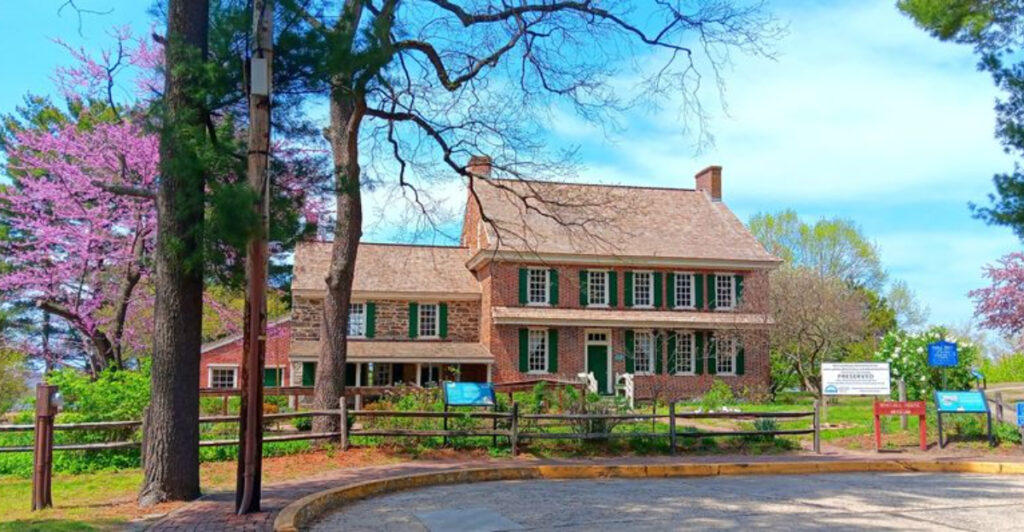
There is a house in New Jersey that has seen things most buildings never could. It stood firm while a Revolutionary War battle raged around it, watched soldiers camp in its orchards, and survived cannon fire that changed the course of American history.
That house is still standing today, open to the public, and packed with stories that most history books barely scratch the surface of. The borough of National Park, tucked along the Delaware River in Gloucester County, holds this remarkable piece of the past.
This museum is not just a pretty old building. It is a place where the past feels close enough to touch, where hearth cooking classes and battle reenactments bring history to life in ways that feel anything but dusty or dull.
Whether you are a history enthusiast or just looking for something genuinely worthwhile to do on a weekend, this place delivers.
Where to Find This Historic Gem
Tucked along the Delaware River in Gloucester County, New Jersey, the James and Ann Whitall House Museum sits at 100 Hessian Ave, National Park, NJ 08063. The address itself carries weight, given that Hessian soldiers once occupied this very ground during the Revolutionary War.
The museum is part of Red Bank Battlefield Park, a wider site that connects the house to the broader story of the Battle of Red Bank in 1777. The park setting gives the property room to breathe, with open grounds that once served as orchard land and military encampments.
The museum is open Thursday through Sunday from 11 AM to 3 PM and is closed Monday through Wednesday. That limited schedule is worth keeping in mind when planning a visit, but those four days offer plenty of opportunity to explore one of the most historically layered addresses in the entire state.
The Story Behind the House Itself
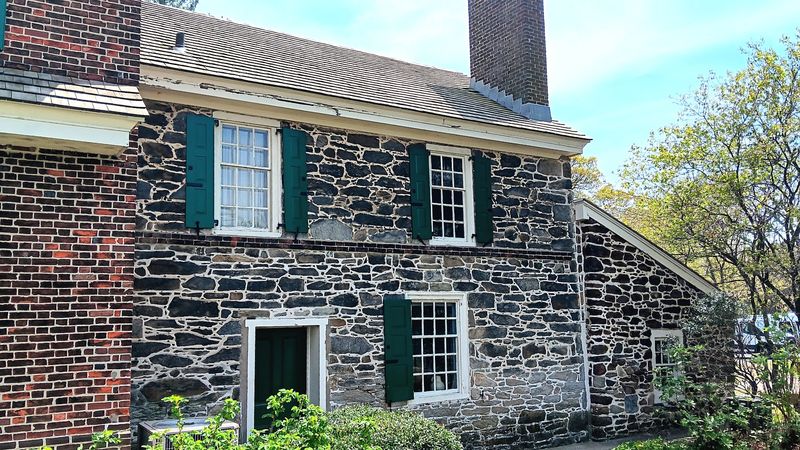
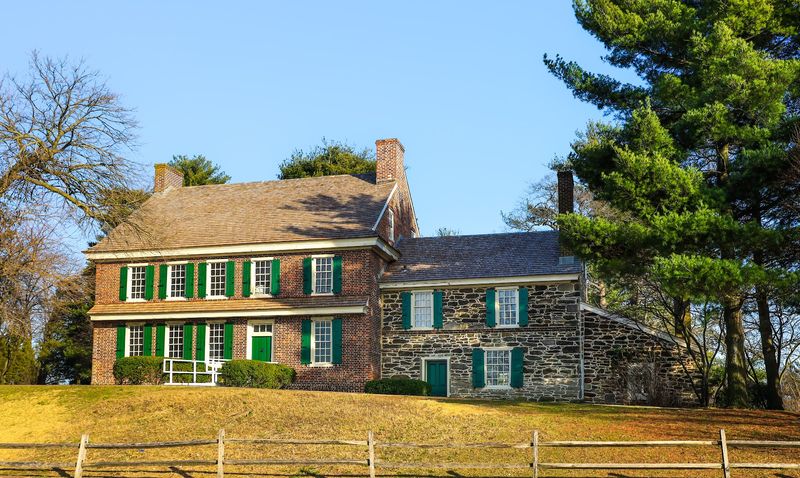
Built in 1748, the Whitall House is one of the finest surviving examples of 18th-century patterned brick construction in New Jersey. The brickwork alone sets it apart, with a distinctive pattern that reflects both the craftsmanship and the prosperity of the Whitall family who built it.
James and Ann Whitall were Quakers who farmed this land along the Delaware River. They raised their family here, tended orchards, and built a life rooted in hard work and faith.
That peaceful existence was upended in October 1777 when the Battle of Red Bank brought the Revolutionary War directly to their doorstep.
The house survived the battle and has been carefully preserved ever since. Today, guided tours walk guests through each room, explaining how the family lived and how the war changed everything around them.
The structure itself stands as a testament to how much one building can hold onto over nearly three centuries.
Ann Whitall and the Legend That Lingers
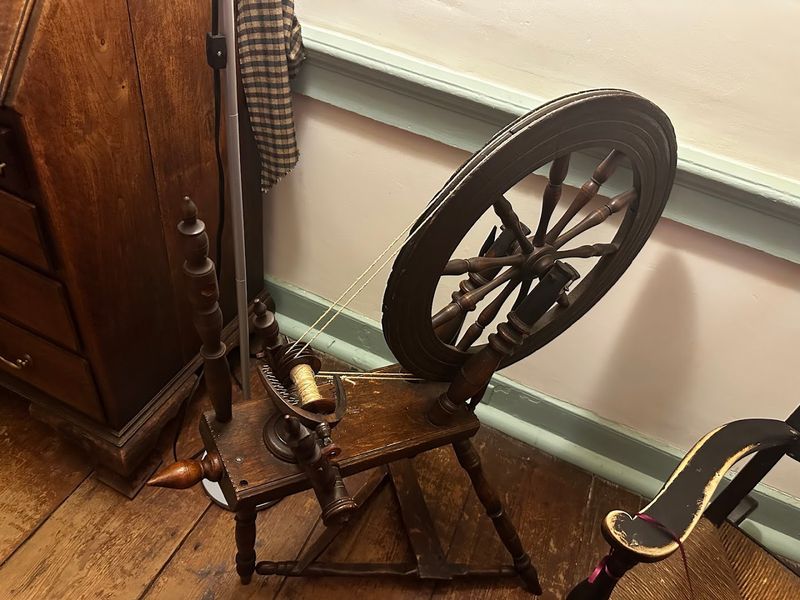
Of all the figures connected to this house, Ann Whitall is the one whose story tends to stop people in their tracks. According to historical accounts, when the Battle of Red Bank erupted around her home in October 1777, Ann refused to leave.
She reportedly continued spinning at her wheel even as cannon fire shook the walls around her. When the situation became too dangerous to stay upstairs, she moved to the basement and kept on working.
That level of composure under fire has made her one of the most talked-about figures in New Jersey Revolutionary War history.
After the battle, she is said to have tended to wounded soldiers from both sides, reflecting the Quaker belief in caring for all people regardless of which army they served. Her story adds a deeply human layer to a battlefield narrative that could otherwise feel abstract.
Ann Whitall is the kind of person history should remember more often.
The Battle of Red Bank and What It Meant
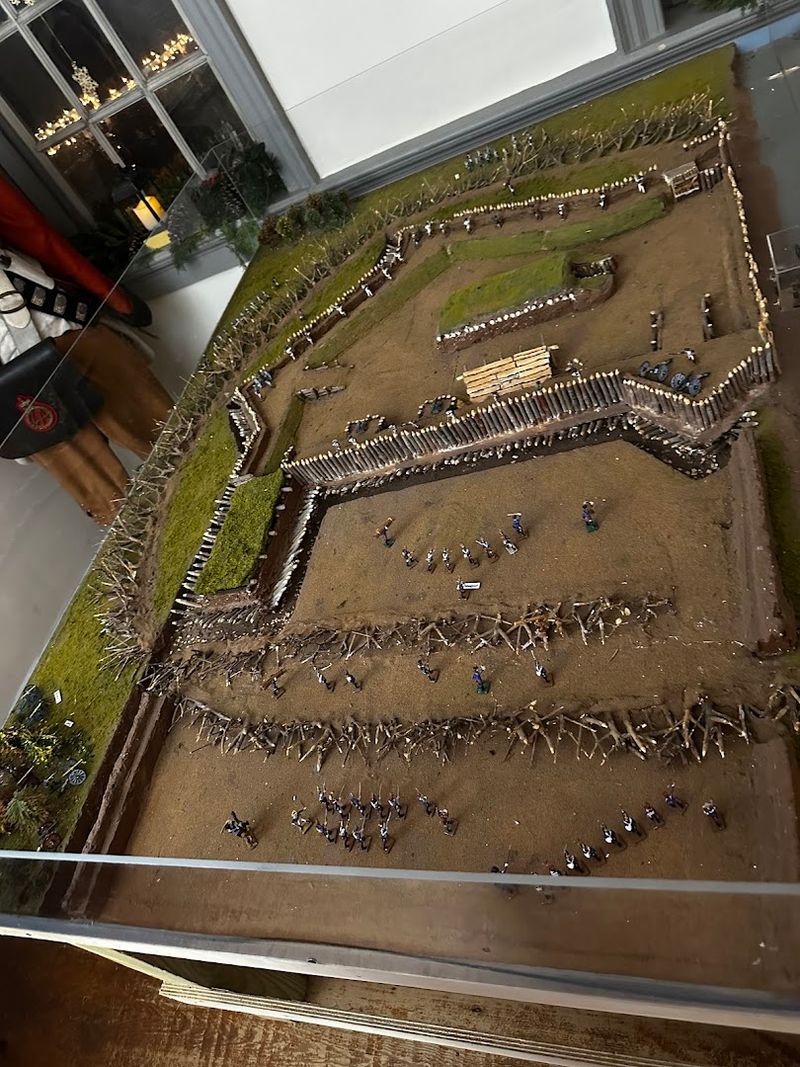
The Battle of Red Bank took place on October 22, 1777, and it was no small skirmish. Hessian forces, fighting on behalf of the British, launched a direct assault on nearby Fort Mercer, which was manned by American Continental soldiers.
The Americans, heavily outnumbered, managed to repel the attack and inflict significant losses on the Hessian forces. It was a meaningful American victory during a period when victories were not easy to come by.
The battle helped keep the Delaware River partially under American control, which had strategic consequences for British supply lines into Philadelphia.
The Whitall House sat directly in the middle of this conflict. British and Hessian forces used the property, and the grounds surrounding it saw real military action.
Understanding the battle before touring the house adds enormous context to what you are looking at. Visiting Fort Mercer right after the Whitall House, as many people do, creates a much fuller picture of that October day.
Orchards, Farmland, and a Quaker Way of Life
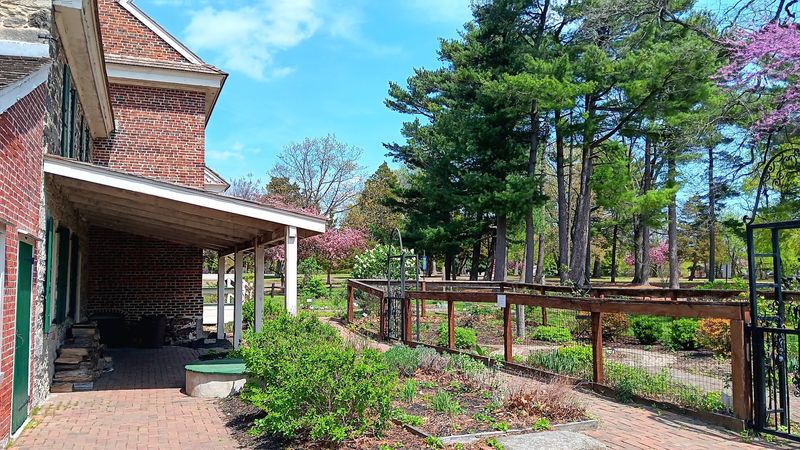
Before the soldiers arrived and the cannons fired, the land surrounding the Whitall House was productive farmland. The Whitall family cultivated orchards, and the property reflected the agricultural rhythms of a prosperous Quaker household in colonial New Jersey.
Quakers of that era placed great importance on honest labor, simple living, and community. The farm was not just a source of income but an expression of those values.
Orchards required patience and long-term planning, and the Whitalls clearly had both.
That agricultural history adds an interesting layer to the battlefield story. The same land where apple trees once grew in careful rows became an encampment for thousands of soldiers.
The contrast between peaceful farming and military occupation is one of the more striking aspects of what this property represents.
Today, the park grounds still carry that open, rural quality. Standing on the lawn and looking toward the river, it is not hard to understand why the Whitalls chose this spot to build their lives and their legacy.
Hearth Cooking Classes That Bring the Past to Life
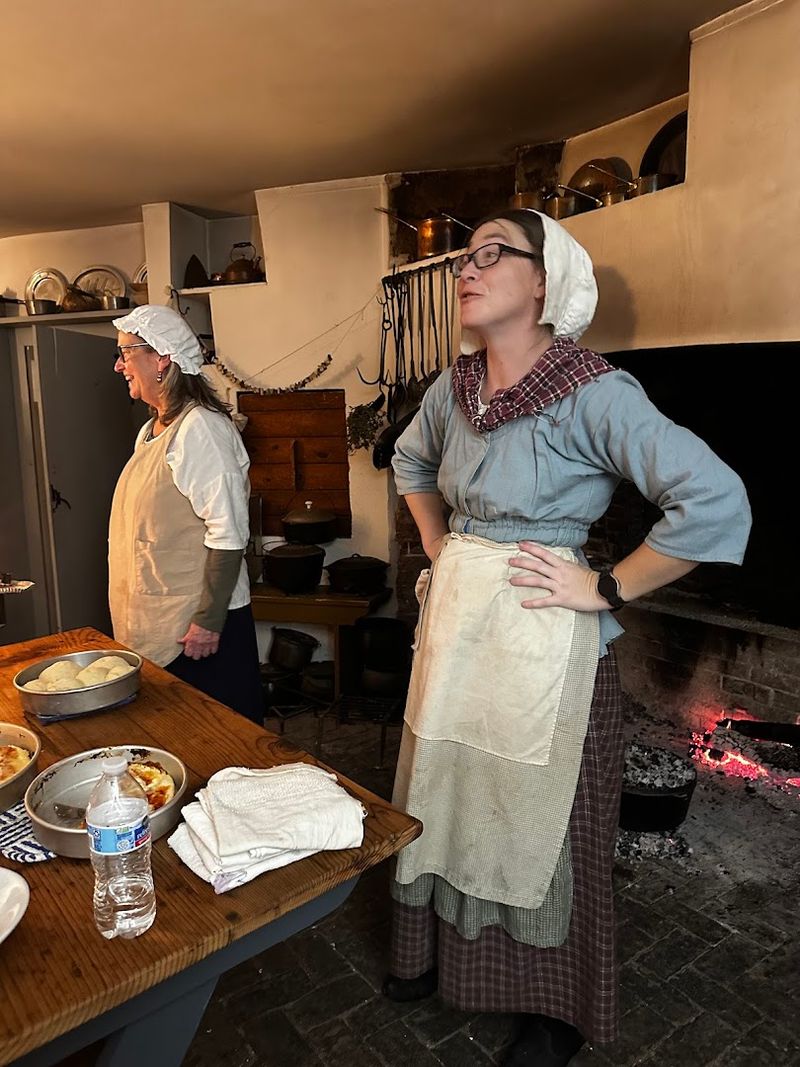
One of the most talked-about programs at the Whitall House is the Hearth Cooking Class. Held inside the historic house, the class gives participants a hands-on look at how food was prepared in an 18th-century colonial kitchen.
The format is both educational and genuinely enjoyable. Groups of about eight people work together to prepare dishes using period-appropriate methods, with Gloucester County Historical Society members guiding the cooking over an authentic open hearth.
Participants then sit down together and eat the meal they helped prepare.
Advance reservations are required, and the cost has been around $40 per person, making it an accessible and memorable experience. The class also includes a guided tour of the house and information about recent archaeological discoveries on the site.
For anyone looking for something more engaging than a standard museum walkthrough, the Hearth Cooking Class offers a genuinely different way to connect with history. It turns a visit into a participatory experience that is hard to forget.
Revolutionary War Reenactments on the Grounds
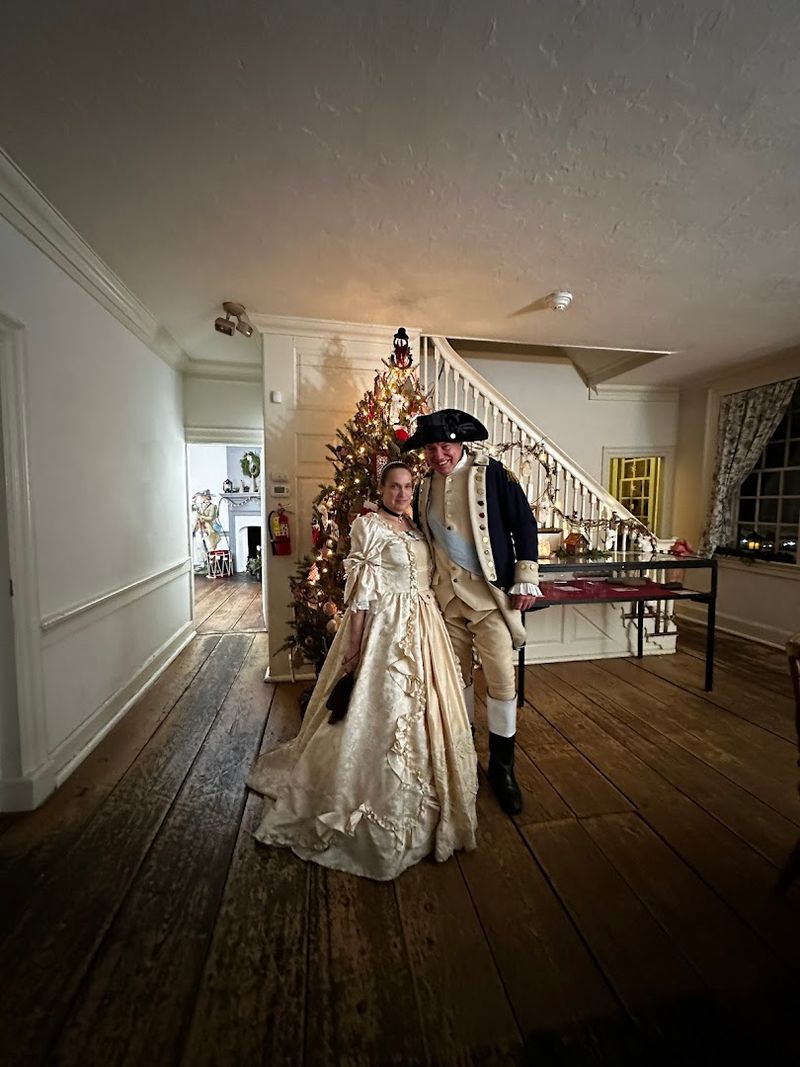
The Whitall House and Red Bank Battlefield Park host Revolutionary War reenactments that draw families and history enthusiasts from across the region. These events recreate the kind of military action that once actually happened on this very ground, which gives them a weight that staged performances at other venues simply cannot match.
Past events have included battle reenactments paired with an animal farm for kids, food trucks, a corn maze, balloon artists, and storytelling. The combination of educational content and family-friendly activities makes these events genuinely well-rounded rather than one-dimensional.
What stands out about these gatherings is the obvious care that goes into organizing them. The focus stays on community and education rather than commercial spectacle.
Families leave with a clearer sense of what happened here in 1777, and kids get an experience that goes well beyond anything a classroom can provide.
Checking the museum’s event calendar before planning a visit is always a good idea, since these reenactment days fill up and tend to be among the most popular events the site hosts each year.
Archaeological Discoveries Still Unfolding
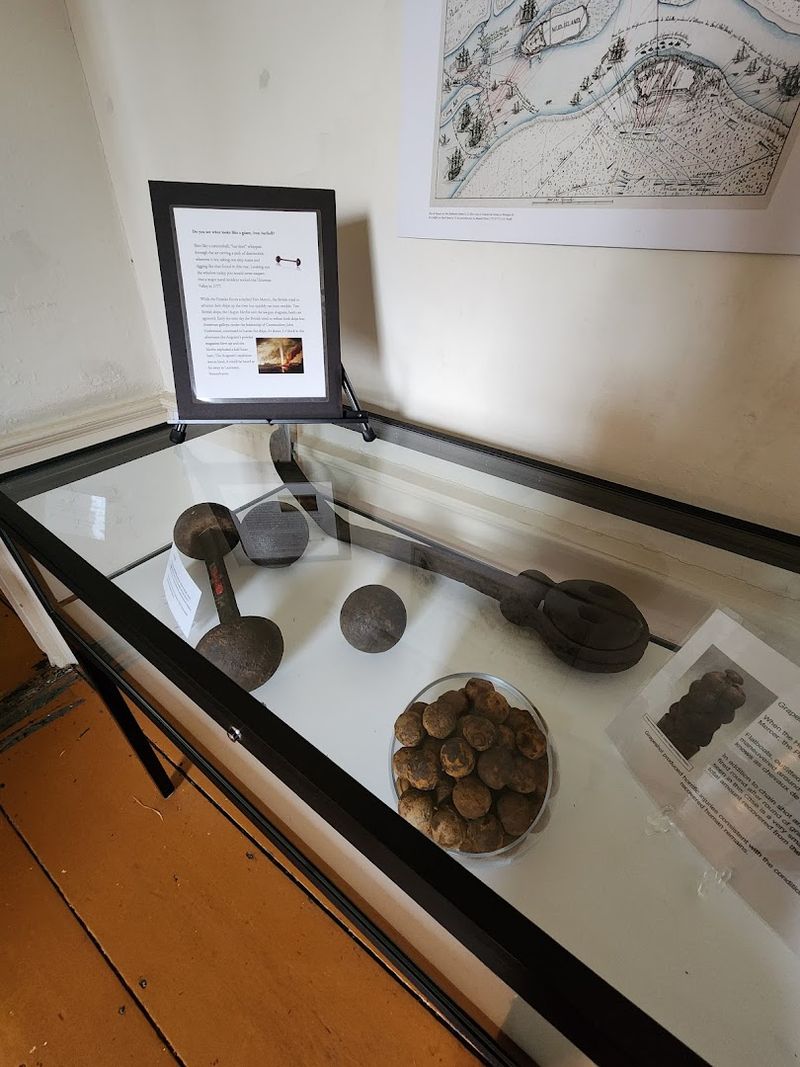
The Whitall House is not just a preserved relic. It is an active site of historical discovery.
Archaeological work on the property has turned up artifacts and findings that continue to add new chapters to the story of this land and the people who lived on it.
One particularly striking find was a Revolutionary War-era cannon that had been destroyed, likely during the battle, and then buried. It was recovered during an archaeological dig and is now on display at the site.
Finding a destroyed cannon underground connects the physical landscape directly to the events of October 1777 in a way that no written account fully can.
Guided tours of the house often include updates on the most recent archaeological discoveries, which means the information presented to guests is not static. The story keeps growing as researchers keep digging.
That ongoing quality makes the Whitall House feel less like a frozen museum and more like a living historical project, one where the next interesting find could be just below the surface.
Christmas and Seasonal Events Worth Planning Around

The Whitall House has a strong tradition of seasonal programming that draws repeat visitors throughout the year. The Christmas season, in particular, brings out something special in the house.
Period decorations, open house tours, and a warm atmosphere make it a genuinely enjoyable winter outing.
The holiday open house tours have become a favorite among those who return year after year. The house, already rich in historical detail, takes on a different quality when decorated in keeping with 18th-century traditions.
It offers a contrast to the commercial holiday experiences that dominate most of December.
Beyond Christmas, the museum programs events across different seasons, from the Hearth Cooking Class in winter to battle reenactments in warmer months. That variety keeps the site relevant throughout the year rather than turning it into a one-visit destination.
Checking the Gloucester County website at gloucestercountynj.gov before planning a seasonal visit is the best way to stay current on upcoming events and any changes to the regular Thursday-through-Sunday schedule.
A Site That Works Well for Kids and Families
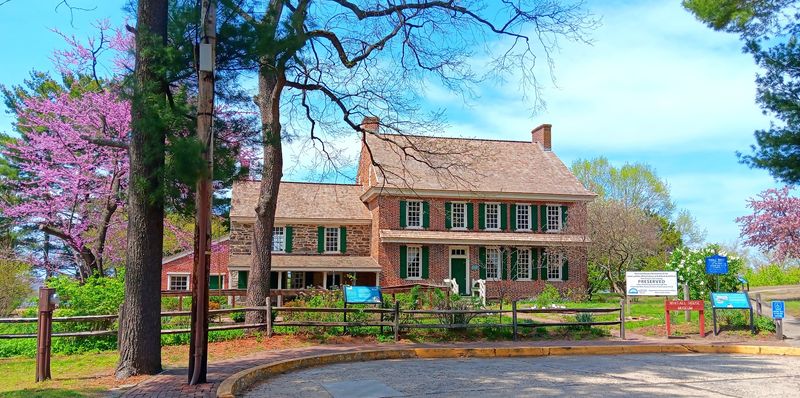
The Whitall House is the kind of place that manages to hold a child’s attention without dumbing anything down. The combination of a real battlefield, a genuinely dramatic story, hands-on programs, and outdoor space gives younger visitors multiple ways to engage with the history here.
Reenactment events include activities specifically designed for children, such as storytelling, animal farms, and interactive demonstrations. These are not afterthoughts tacked onto an adult-oriented program.
They are central to how the site presents itself to families.
The guided tours inside the house are also well-suited to mixed-age groups. Guides tend to adjust their presentations to the audience, offering details that resonate with younger guests while still providing depth for adults.
Kids who visit often leave with questions they want to keep researching, which is exactly the kind of outcome a history site should aim for.
For families looking for a worthwhile half-day outing in southern New Jersey, this property consistently delivers more than most expect when they first pull up to the parking area.
Planning Your Visit: What to Know Before You Go
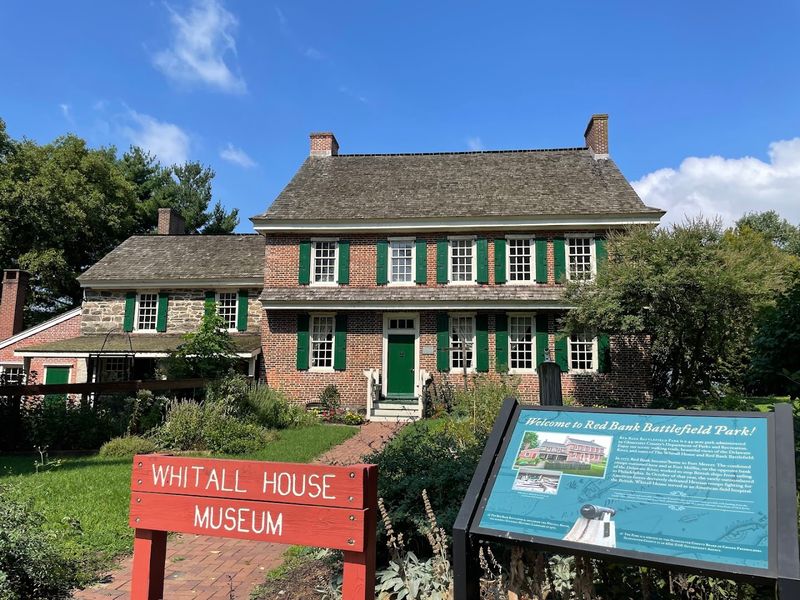
The museum is open Thursday through Sunday from 11 AM to 3 PM, and it is closed Monday through Wednesday. Those hours are shorter than many people expect, so planning ahead is essential to avoid a wasted trip.
The Hearth Cooking Class and other special programs require advance reservations and may have separate costs. Checking the Gloucester County website at gloucestercountynj.gov before visiting is the most reliable way to confirm current programming, event dates, and any schedule changes.
Red Bank Battlefield Park surrounds the house and is accessible beyond the museum’s operating hours, making it possible to walk the grounds and view the outdoor cannon displays even on days when the house itself is closed. That added flexibility is worth knowing about.
The site is located in National Park, New Jersey, a small borough that is easy to reach from Philadelphia and other parts of the Delaware Valley region. Combining a visit here with a stop at Fort Mercer, just steps away, makes for a full and rewarding day of historical exploration.
Share this story