 Unearth The Voyage
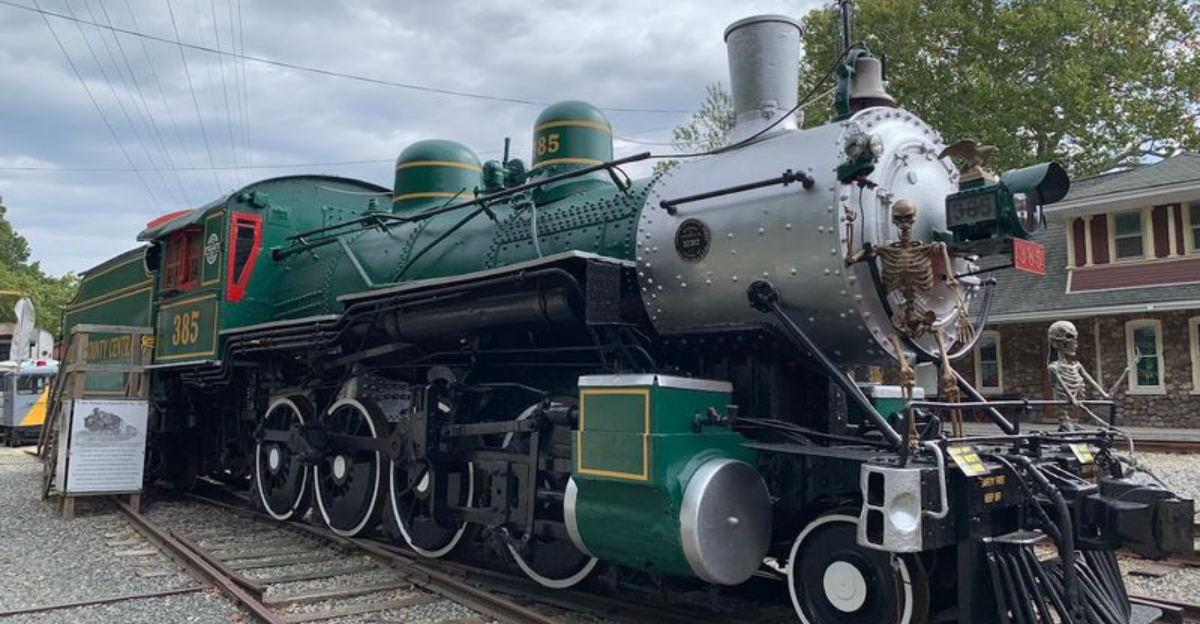
There is a place in Morris County, New Jersey, where time has not exactly stood still, but it has definitely slowed down to about 15 miles per hour. A collection of vintage locomotives, restored passenger cars, and decades worth of railway history sits quietly in Whippany, waiting for curious visitors to show up on a Sunday afternoon.
What makes this spot remarkable is not just that it preserves old trains, but that it keeps them alive through seasonal rides, community events, and volunteers who treat every visitor like a fellow rail enthusiast. Whether you are a lifelong train lover or someone who simply wants to do something different on a weekend, this museum delivers a genuinely memorable experience that few spots in New Jersey can match.
Where the Journey Begins: Address and Location
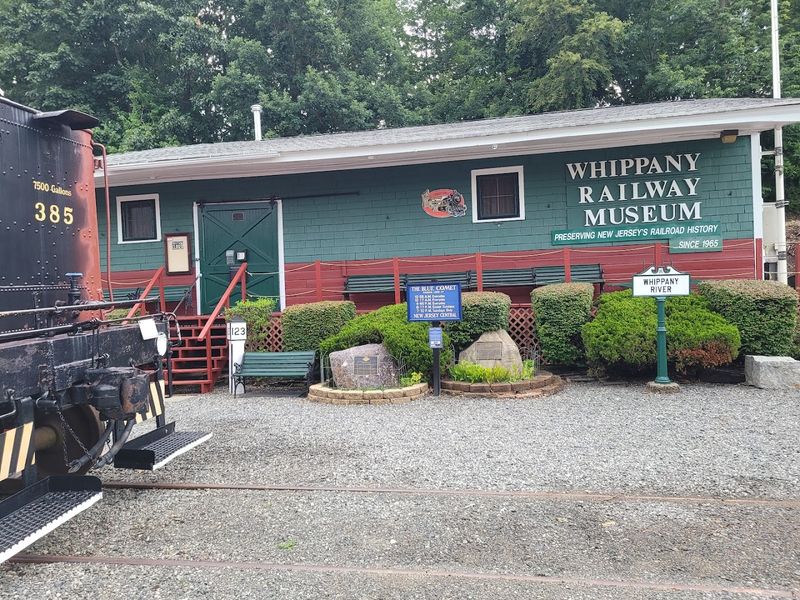
Right off Route 10 in Whippany, New Jersey, the Whippany Railway Museum sits at 1 Railroad Plaza, Whippany, NJ 07981, in Morris County. The address sounds almost poetic for a rail museum, and the location lives up to the name.
Getting there is straightforward. The museum is accessible by car, and there is parking on site, though it can fill up quickly during popular events, so arriving early is a smart move.
The museum grounds open to the public on Sundays from 12 PM to 4 PM, April through October. Those hours are limited, which actually makes each visit feel a little more special, like you are part of a select group who planned ahead.
The official website at whippanyrailwaymuseum.net keeps the schedule updated with special events, seasonal rides, and any changes to regular hours. Checking it before you head out will save you from showing up on the wrong day.
One practical tip worth mentioning early: the museum has historically operated on a cash-only basis for some transactions, so bringing cash along is a good habit. A little preparation goes a long way when visiting a place this unique.
A Brief History of the Museum and Its Mission
The Whippany Railway Museum was established to preserve and celebrate the rich railroad heritage of New Jersey, and it has been doing exactly that for decades. The museum operates as a nonprofit organization, run largely by dedicated volunteers who bring genuine enthusiasm to everything they do.
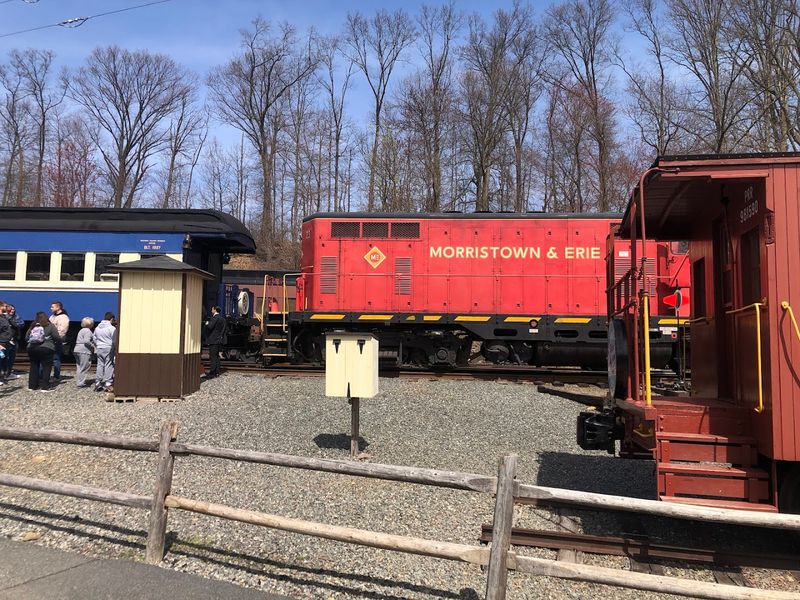
Its focus is on the Morristown and Erie Railway, a short-line railroad that played a real role in the industrial and commercial development of Morris County. That local connection gives the museum a specific identity that larger, more generic rail museums sometimes lack.
Over the years, the collection has grown to include historic locomotives, freight cars, passenger coaches, cabooses, and a wide range of railway artifacts. Each piece tells a story about how goods and people moved through New Jersey before highways took over.
The volunteers who run the museum are not just caretakers. They are historians, mechanics, and storytellers who can explain the significance of a particular locomotive or tool with the kind of detail that turns a casual visit into an education.
That commitment to preservation and public education is what separates this museum from a simple display of old equipment, and it is the reason the place has earned such loyal visitors over the years.
The Locomotive Collection Up Close
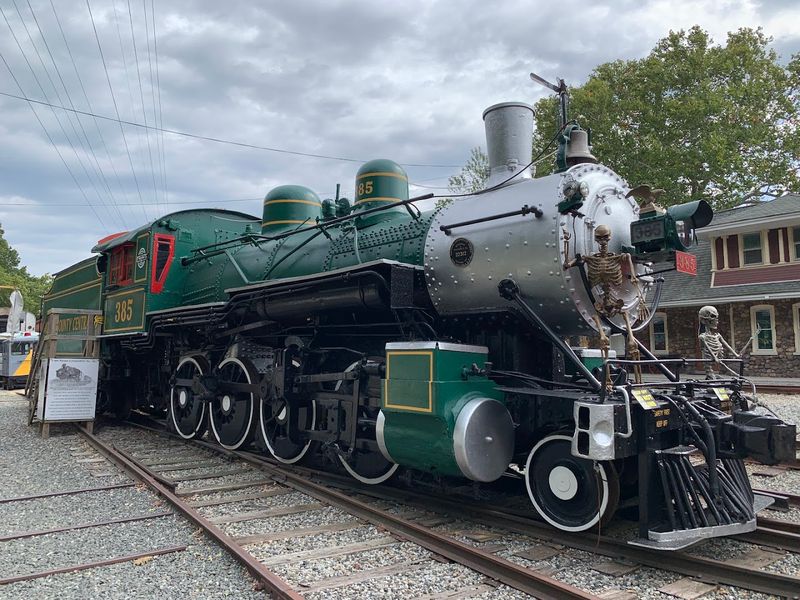
Standing next to a full-scale steam locomotive is one of those experiences that photographs genuinely cannot prepare you for. The sheer physical size of these machines is something you have to witness in person to fully understand, and the collection at this museum gives you that opportunity.
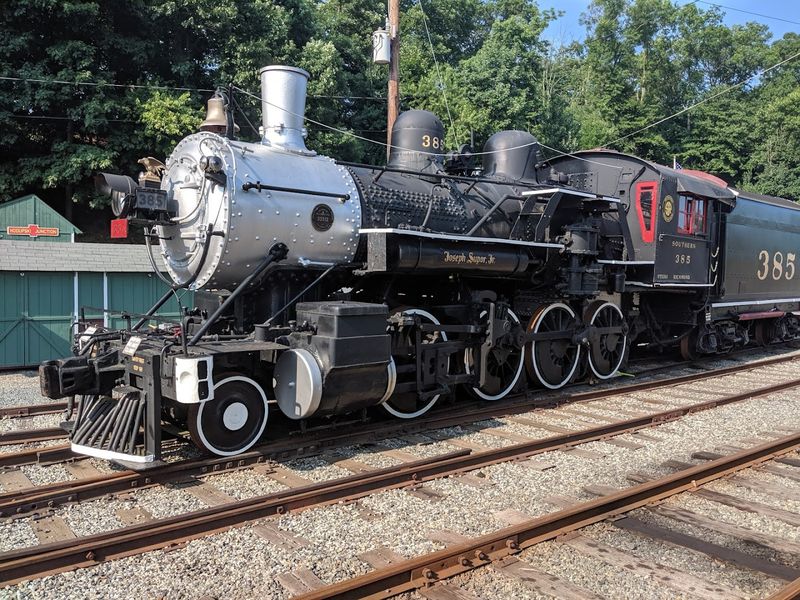
The museum’s grounds feature several locomotives in various states of preservation and restoration. Some are polished and display-ready, while others are clearly works in progress, which actually adds to the authenticity of the place.
One of the highlights is the opportunity to get close enough to study the mechanical details of these engines, from the massive drive wheels to the boiler components that once powered them across the country. There are no roped-off distances that keep you frustratingly far from the machinery.
Families with children consistently note that kids react with genuine awe when they realize just how tall these locomotives are. There is something about standing at the base of a steam engine that resets your sense of scale in a way that sticks with you.
For anyone who has only ever seen trains in books or on screens, this collection is a worthwhile reality check about the engineering ambitions of an earlier era in American transportation history.
Restored Passenger Cars and Cabooses You Can Explore
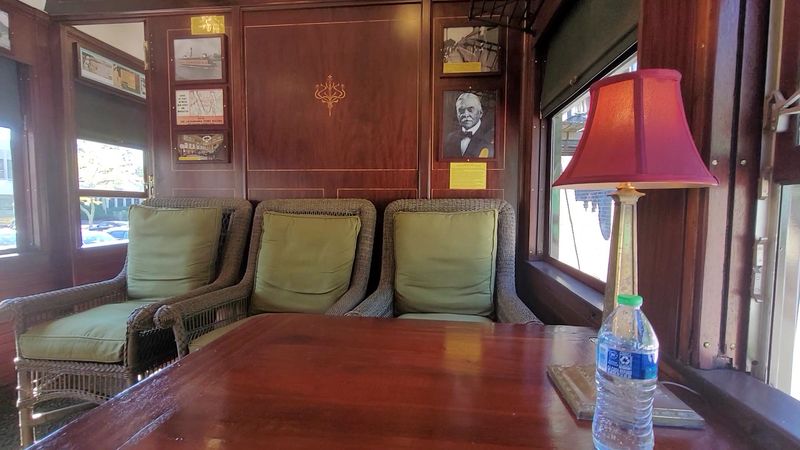
One of the more interactive parts of the museum is the collection of restored passenger cars and cabooses that visitors can actually walk through. This is not a look-but-do-not-touch situation, which makes a real difference for families and curious visitors of all ages.
The passenger coaches give you a tangible connection to the way rail travel worked before modern commuter trains took over. The seating arrangements, the narrow aisles, and the general layout of these cars tell you a great deal about the travel expectations of passengers from earlier generations.
Cabooses are a particular favorite, especially for younger visitors. Climbing up into the cupola section of a caboose, where the conductor would watch the train from above, is the kind of hands-on moment that children remember long after the visit ends.
Overall, the ability to physically explore these cars rather than simply observe them from a distance is one of the strongest arguments for making the trip to Whippany on a Sunday afternoon when the museum is open.
Inside the Museum Building: Exhibits and Artifacts
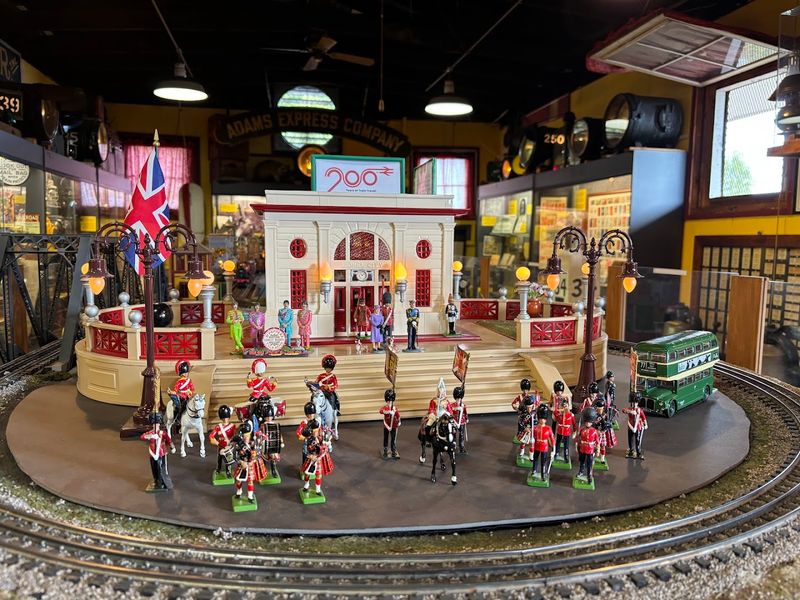
Beyond the outdoor equipment, the museum building itself holds a collection of artifacts, photographs, tools, and memorabilia that cover a broad sweep of American railway history. The exhibits are organized and well-maintained, which makes browsing through them genuinely pleasant rather than overwhelming.
Historical photographs line the walls, showing the Morristown and Erie Railway and the broader New Jersey rail network at various points in the past century. These images provide context for the physical equipment outside and help visitors understand what they are looking at.
Railway tools, uniforms, timetables, and printed materials from different periods of the industry are displayed throughout the space. Each item carries a specific story, and the museum does a good job of providing enough context for visitors who are not already rail experts.
One feature that tends to draw a crowd, especially from younger visitors, is the large model train layout. It depicts miniature towns and track networks in careful detail, and watching the model trains move through the landscape is genuinely entertaining for visitors of all ages.
The gift shop rounds out the indoor experience with books, souvenirs, and rail-themed items that make for good keepsakes. It is a thoughtful addition that gives enthusiasts a chance to take a piece of the museum home with them.
The Seasonal Train Rides That Keep People Coming Back
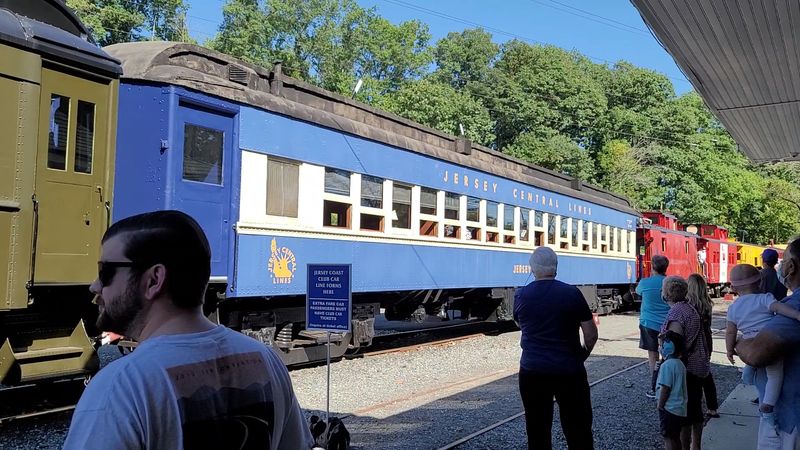
The seasonal train rides are probably the single biggest draw at the museum, and it is easy to understand why. Boarding a historic train and rolling through Morris County on tracks that have carried cargo and passengers for generations is a different kind of outing than most people get to experience.
Rides typically run around 30 to 45 minutes, covering a round trip through the surrounding area. The route is not particularly scenic in the traditional sense, but the experience of riding in a vintage car on a working historic line more than compensates for the modest countryside views.
Volunteers often provide commentary during the rides, sharing details about the railway line, the equipment, and the history of rail travel in the region. That educational layer transforms a simple train ride into something more memorable and substantive.
One practical note from past visitors: the trains do not have air conditioning, so riding on a hot summer day means you will feel the heat. Dressing accordingly and bringing water is genuinely good advice, not just a formality.
Also worth knowing is that space inside the cars is limited, so bringing minimal bags is recommended. The museum’s website posts the schedule for themed and seasonal rides well in advance, making it easy to plan around the event that interests you most.
The Polar Express Experience: A Holiday Highlight
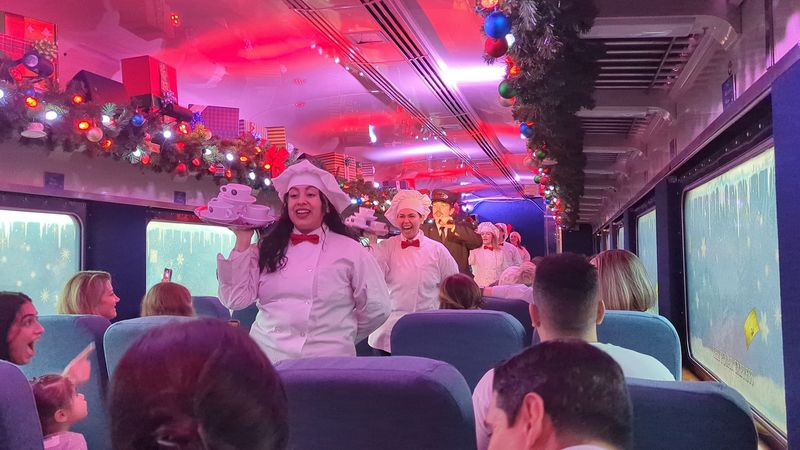
Ask any local family what they associate most with the Whippany Railway Museum during the holiday season, and the Polar Express event will come up almost immediately. This themed train ride transforms the historic cars into a festive experience that draws visitors from well beyond Morris County every December.
Families are encouraged to arrive in pajamas, which sets the tone for an event that leans fully into the spirit of the classic story. Upon arrival, participants receive a golden ticket, and the staff strongly advises keeping it safe, since losing it before boarding is part of the playful theater of the whole event.
Inside the decorated cars, performers sing, interact with passengers, and keep the energy high throughout the ride. The light show inside the cars has received consistent praise from visitors, who note that it genuinely captures the festive feeling the event is going for.
A visit from a special holiday guest at the end of the ride is a highlight for younger children, and families receive a commemorative gift to take home. The museum typically sets up a waiting area with themed photo backdrops while guests wait to board.
Tickets for the Polar Express sell out well in advance each year, so checking the website early in the fall season is the only reliable way to secure a spot for your family.
Easter Bunny Rides and Other Themed Events
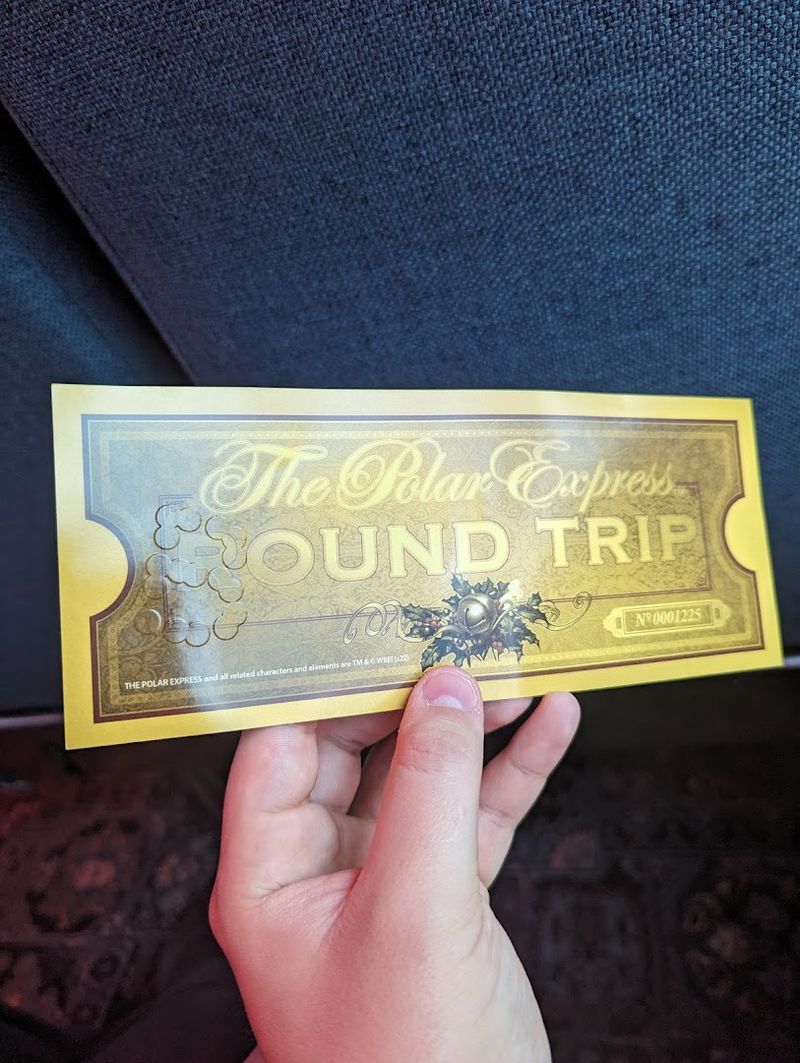
The Polar Express gets the most attention, but the museum’s event calendar is actually busy throughout the entire operating season. The Easter Bunny ride is another crowd favorite, particularly for families with younger children who enjoy themed outings tied to familiar holidays.
These seasonal events follow a similar format to other rides but add costumed characters, themed decorations, and activities that give children something to interact with beyond the train itself. Parents consistently report that kids who attend these events talk about them for weeks afterward.
The museum has also hosted events like the Pocono Garden Railway meet, which draws model train enthusiasts from the broader region. These specialty events broaden the museum’s appeal beyond families with young children and attract a dedicated hobbyist community that takes the craft of model railroading seriously.
Checking the museum’s official website well before your planned visit is the most reliable way to find out what events are scheduled. The calendar fills up with themed rides for various holidays and occasions throughout the April-to-October season, and some events add special programming that is not part of the standard museum experience.
Each themed event tends to sell tickets separately, and popular dates fill up faster than you might expect, so early planning is genuinely the difference between getting in and missing out.
Practical Tips Before You Visit
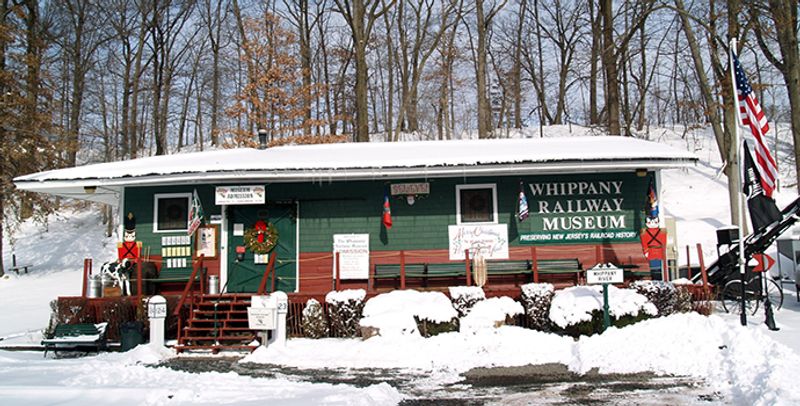
A few practical details can make the difference between a smooth visit and a frustrating one, and the museum has some quirks that are worth knowing ahead of time. The most important is the operating schedule: the museum is open Sundays only, from 12 PM to 4 PM, April through October.
Outside of that window, the grounds are closed to the public.
Parking on site is limited, and it fills up quickly on busy event days. Arriving close to opening time at noon gives you the best chance of finding a spot without circling the area.
Carpooling with another family is a practical option if you are coordinating a group visit.
Cash has been the preferred payment method at the museum for some transactions, so bringing enough to cover admission, snacks, and any gift shop purchases is a reliable habit. The museum’s website lists current ticket prices and any updates to payment policies.
Food options on site are limited to basic snacks and ice cream during operating hours. Packing your own lunch or snacks is a good idea, especially if you are visiting with children who will be spending a few hours on the grounds.
The museum’s website, whippanyrailwaymuseum.net, is the most up-to-date source for hours, events, pricing, and any seasonal changes to the schedule before you make the trip.
Why This Museum Earns Its Place on Your Weekend List
With a 4.5-star rating across nearly 350 reviews, the Whippany Railway Museum has built a reputation that goes well beyond the train enthusiast community. Families, history buffs, and casual day-trippers have all found something worth their time here, which says a lot about the range of what the museum actually offers.
The entry price is among the most affordable ways to spend a Sunday afternoon in New Jersey, with some visitors calling it the best five dollars they have spent in the area. That kind of value is genuinely rare for a hands-on, educational experience that holds the attention of both children and adults.
The museum is not a large, sprawling complex with dozens of exhibits and a full restaurant. It is a focused, well-maintained collection that does what it sets out to do with real care and consistency.
That honesty about its scale is actually one of its strengths.
For anyone who grew up riding trains, the visit carries a layer of nostalgia that larger, more polished attractions cannot replicate. And for younger visitors encountering vintage rail equipment for the first time, the experience opens a window into a chapter of American history that most classrooms never cover in enough detail.
The Whippany Railway Museum is the kind of place that rewards the visitors who show up with curiosity and leave with a story worth telling.



