 Unearth The Voyage
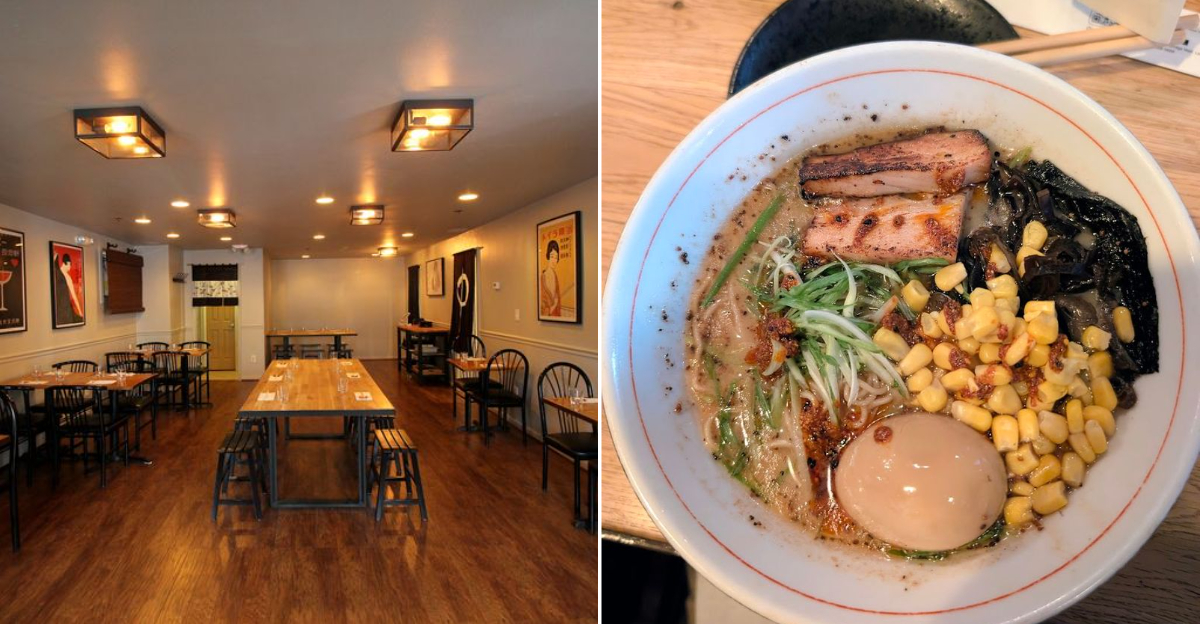
New Brunswick has plenty of places competing for lunch plans, but one basement-level ramen stop keeps pulling the crowd with the kind of confidence that makes a detour feel smart. Its appeal is not built on flashy gimmicks or oversized menus.
Instead, this restaurant keeps the focus where it belongs: carefully built ramen, a compact dining room, and service that moves with real purpose. Keep reading for the full story on why this spot has become one of the most talked about noodle addresses in central New Jersey, from the bowls that regulars return for to the practical details that can save time, patience, and maybe even a parking headache.
The address to know
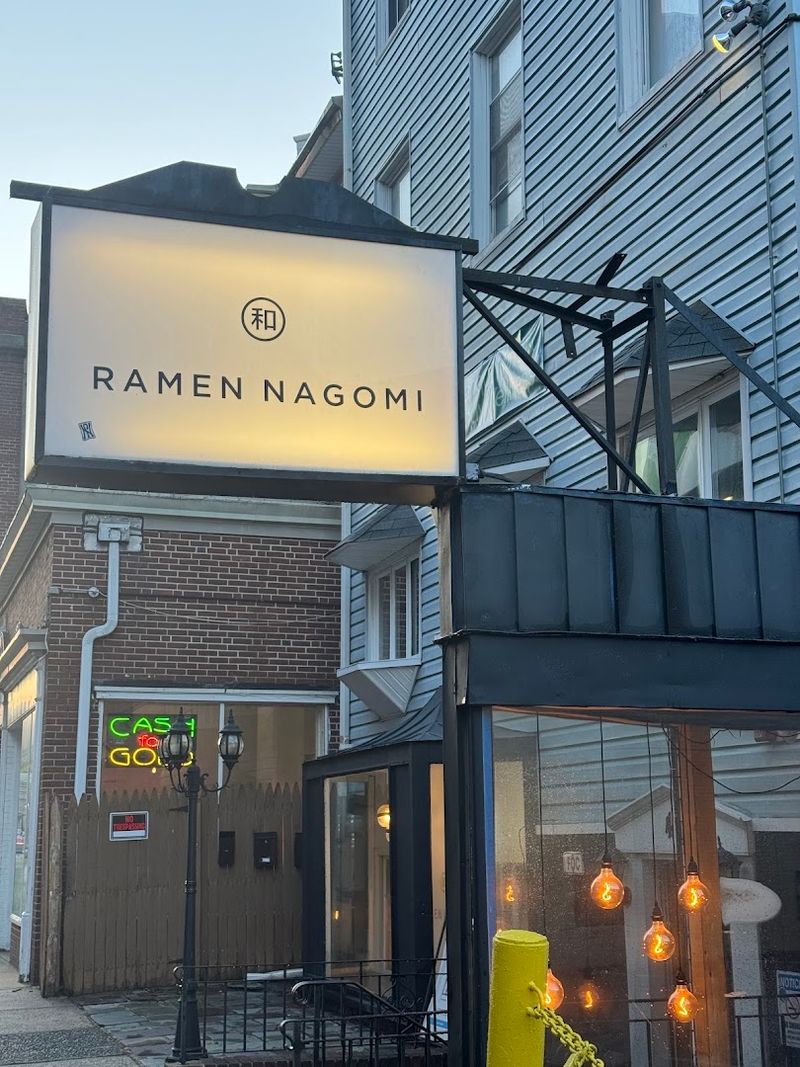
New Brunswick keeps plenty of dining options within reach, but Ramen Nagomi has earned a notably strong reputation at 49 Bayard St, New Brunswick, NJ 08901, in the United States. That precise address matters because this ramen restaurant sits in a busy downtown area where timing, parking, and foot traffic all shape the visit.
The location places it right in the middle of the city’s everyday rhythm, making it a practical stop for students, locals, and anyone already spending time in central New Jersey.
Google Maps lists the restaurant as a simple Japanese noodle spot, and that straightforward label fits its identity well. This is not a sprawling destination restaurant with endless distractions.
It is a focused place centered on classic noodle soups, small plates, desserts, and a spare setting that keeps attention on the meal.
For a restaurant built around ramen, the address feels less like trivia and more like a useful part of the game plan.
Why the place stands out
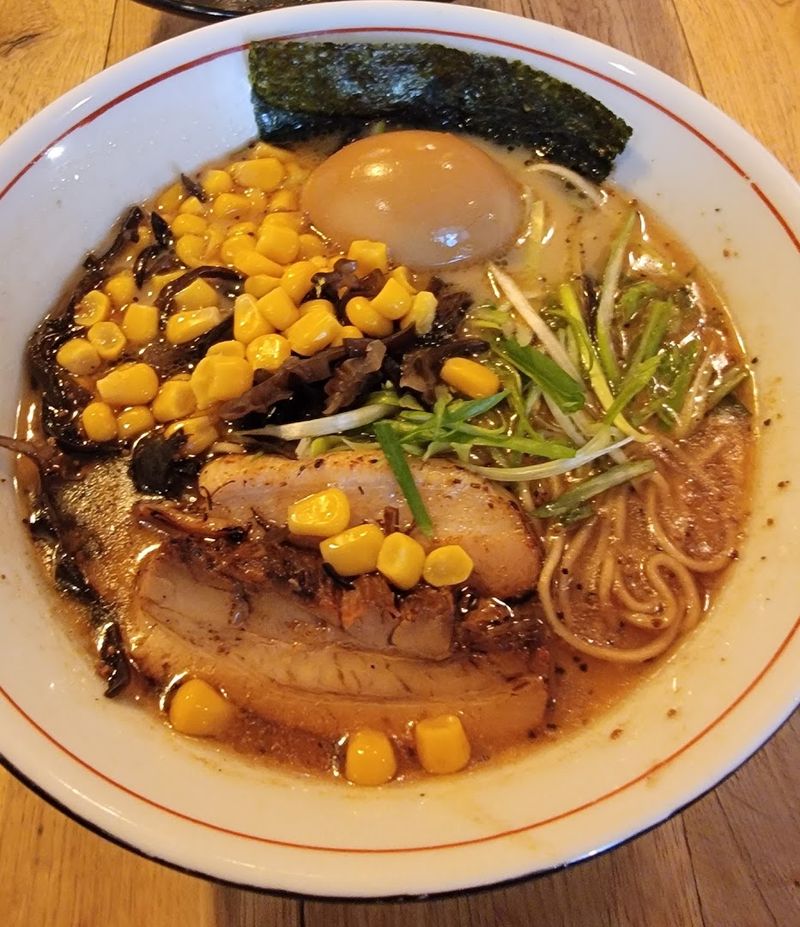
Plenty of restaurants promise comfort in a bowl, yet this one gets attention because it does not overcomplicate the pitch. Ramen Nagomi is known for classic Japanese noodle soups and a menu that stays aligned with that core idea rather than drifting into a dozen unrelated directions.
The result is a restaurant identity that feels clear, focused, and easy to understand before the first order is even placed.
That clarity matters in a town where diners often want both quality and efficiency. Reviews repeatedly point toward quick seating at some hours, fast service, and bowls that justify the trip even when parking in New Brunswick tests a person’s patience.
In practical terms, the shop stands out by doing the restaurant equivalent of staying in its lane, then driving that lane exceptionally well.
A room with restraint
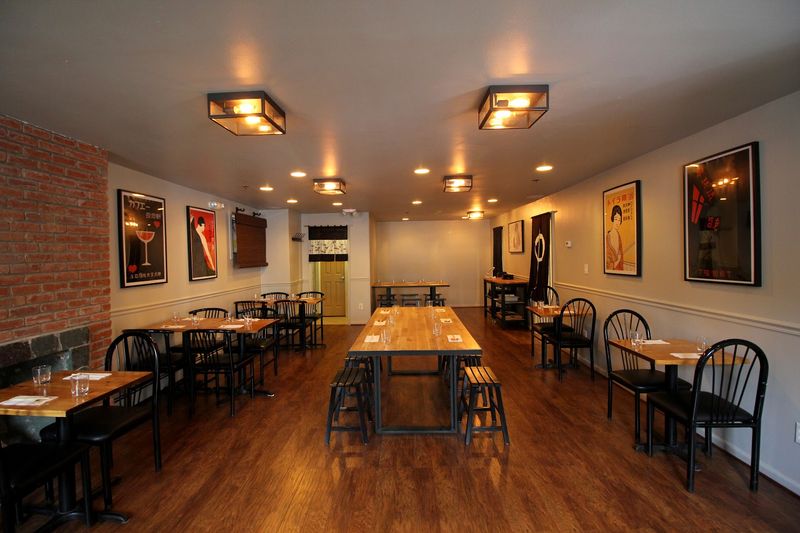
Flashy design is not the point here, and that is part of the restaurant’s charm. The dining room is commonly described as small, intimate, and understated, with a spare look that supports the food instead of competing with it.
In a restaurant landscape where some places try to turn dinner into a stage set, this one keeps the scene simple.
That understated approach also shapes expectations in a useful way. Guests are not arriving for oversized booths, theatrical lighting, or a menu printed like a novel.
They are arriving for ramen in a compact space where tables can fill quickly and where the room tends to feel purposeful rather than performative.
The modest setup can also mean practical tradeoffs, including seating that not everyone loves and wait times that stretch when demand spikes. Even so, the room’s restraint fits the restaurant better than any elaborate makeover could, and that kind of discipline deserves its own quiet applause.
The bowls people chase
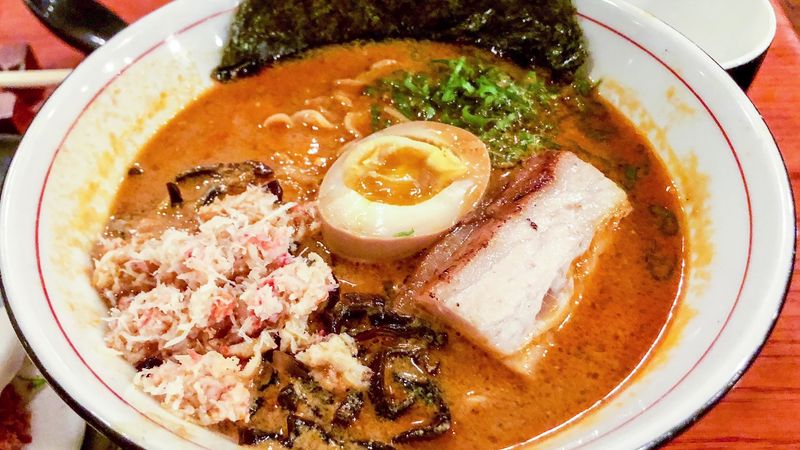
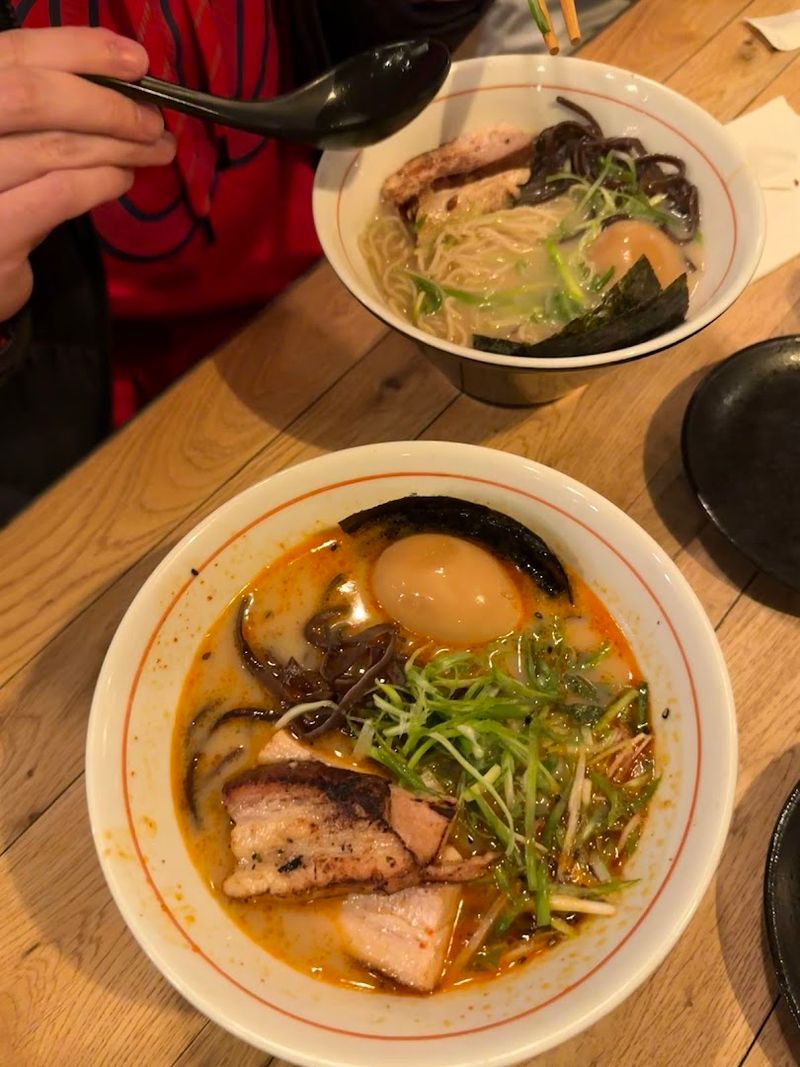
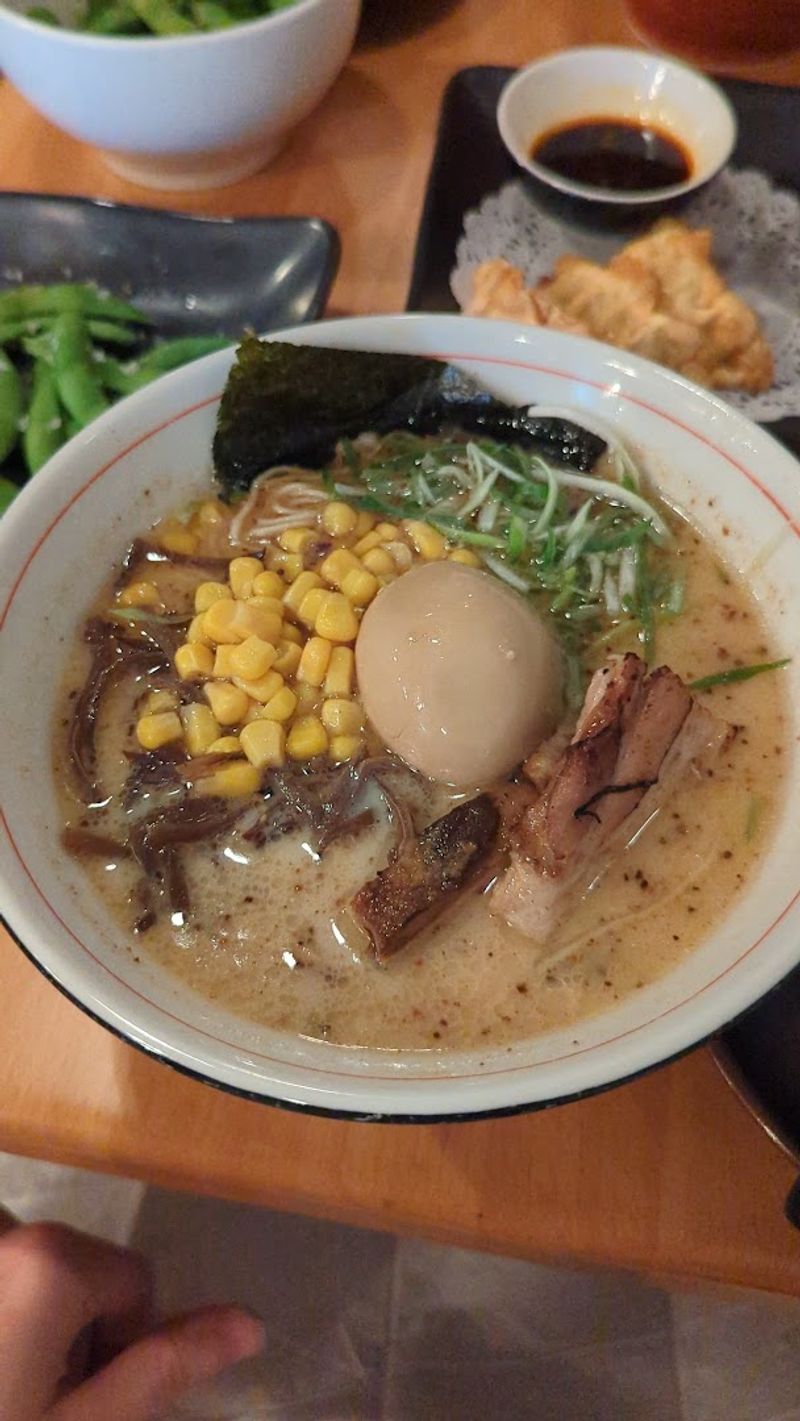
The menu’s center of gravity is clear: ramen remains the main event, and several bowls appear again and again in customer feedback. Tonkotsu, burnt garlic tonkotsu, spicy ramen, tori paitan, vegetarian curry ramen, and seasonal offerings such as truffle butter ramen have all earned attention for depth, balance, and solid noodle texture.
That range gives diners room to choose without turning the menu into a maze.
One helpful detail is that the options do not revolve around a single style. People who want pork-based bowls have notable choices, while diners avoiding pork or looking for vegetarian options also seem to find viable picks.
Comments also suggest that spice can be adjusted to personal comfort, which makes the menu more accessible than a one-note heat parade.
At many ramen spots the decision feels stressful because everything sounds the same, but here the challenge is simpler: choosing what to try first before planning the return trip.
Burnt garlic gets billing
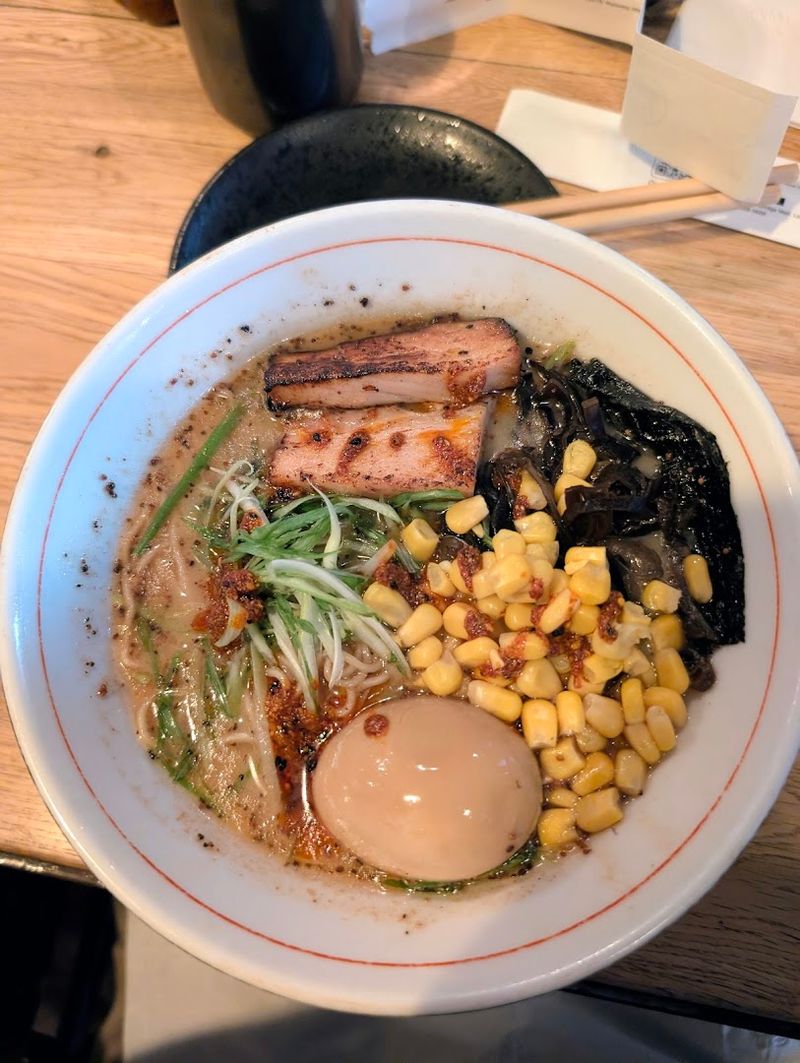
Some menu items become shorthand for an entire restaurant, and the burnt garlic tonkotsu appears to hold that role here. It shows up repeatedly in customer comments, usually attached to praise for the broth’s depth, the firmness of the noodles, and the overall balance of the bowl.
That kind of repeat attention is useful because it gives first-time visitors a reliable starting point.
The appeal seems to come from more than trend value. Diners describe a broth with real structure rather than something thin or overloaded with salt, and several mention that the noodles maintain a firm texture that supports the bowl well.
Eggs also get specific praise, which matters because a good ramen egg can either complete the dish or leave it feeling unfinished.
When a signature bowl gets mentioned this often by different diners at different times, it stops being background menu text and starts acting like the restaurant’s unofficial calling card.
More than just noodles
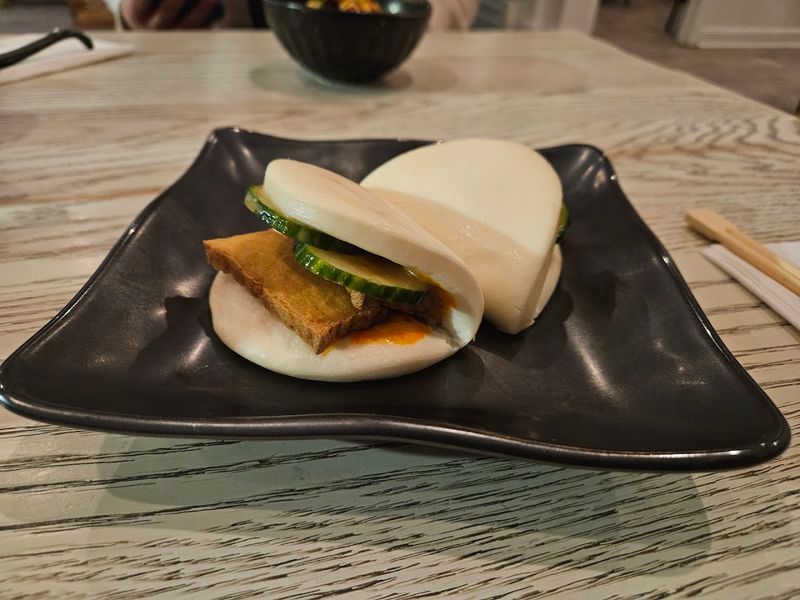
Ramen may carry the headline, but the supporting cast has its own fan club. Reviews mention kakuni bao, spicy crispy chicken bao, tofu bao, pork gyoza, takoyaki, shrimp tempura, chicken karaage, seaweed salad, and fried squid as memorable additions rather than mere table fillers.
That matters because a ramen meal often works best when it starts with something shareable and ends with no regrets.
The small plates also reveal that the restaurant is not treating appetizers like an afterthought. Several diners call out the bao specifically, while takoyaki and gyoza appear often enough to suggest dependable popularity.
Seaweed salad also gets attention, showing that lighter starters have a place beside richer bowls.
A menu earns credibility when side dishes feel worth ordering on their own, and this one seems to understand that the road to a strong meal is rarely a straight noodle-only line.
Dessert earns a mention
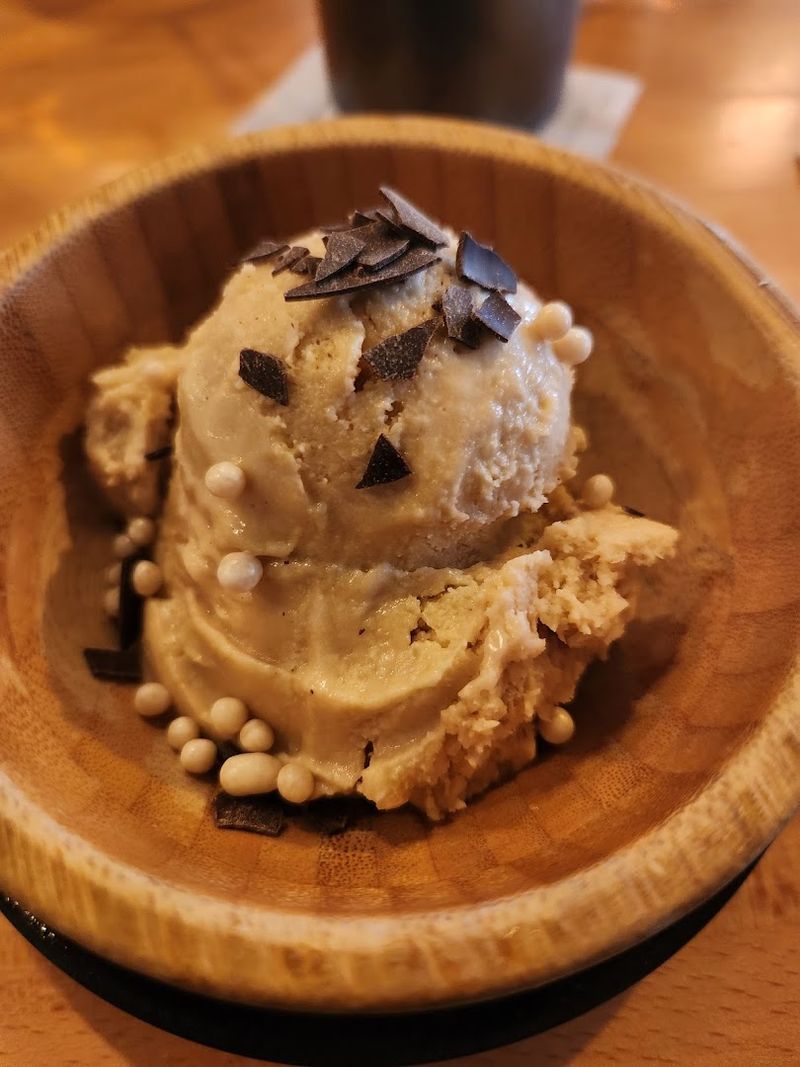
Some ramen shops treat dessert like a polite afterthought, but Ramen Nagomi seems to give diners a reason to stay a little longer. All points to yuzu ice cream, koji brown sugar ice cream, and black sesame creme brulee as worthwhile finishes that hold their own after a substantial meal.
That extra attention rounds out the menu in a way that feels considered rather than obligatory.
The fact that dessert appears in multiple reviews is telling. People usually remember the bowl, maybe an appetizer, and then move on.
When dessert keeps making the cut in short writeups, it suggests these items are not random additions placed on the menu for formality’s sake.
For visitors building a full meal, this is useful information because it turns the experience into more than a quick ramen stop. A restaurant centered on noodles does not need a strong dessert section, but this one seems happy to prove that it can multitask without losing the plot.
Service with speed
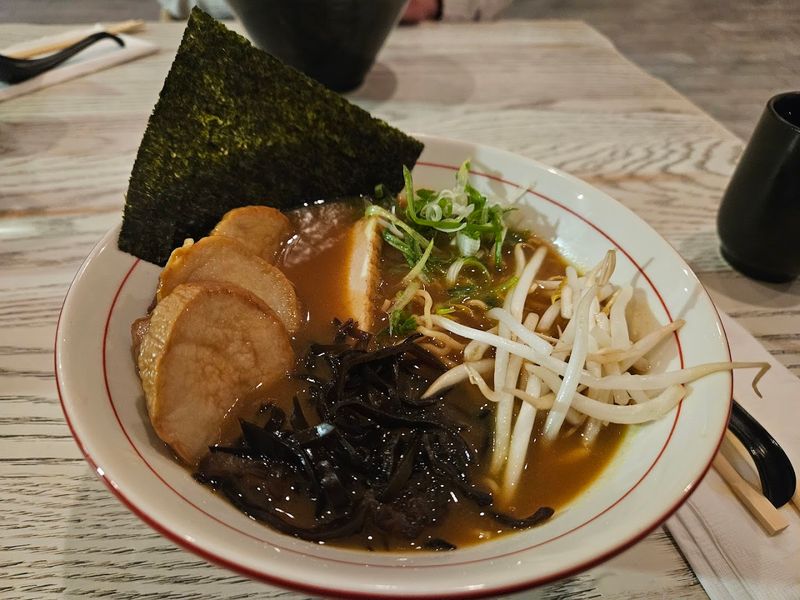
Fast service can feel like a small detail until a restaurant gets busy, and here it appears to be part of the appeal. Several diners mention being seated quickly, receiving orders promptly, and getting helpful recommendations from staff who know the menu well.
That combination matters because ramen is often a meal people want without a long, uncertain wait after sitting down.
Courtesy also comes up often in feedback. Staff members are described as attentive, welcoming, and accommodating, with practical help offered on details ranging from menu choices to table issues.
For diners with dietary concerns, that attentiveness seems especially important, since the restaurant has been noted as accommodating in a way that helps people order with more confidence.
No service style pleases every person every time, and one diner mentioned fast speech that was hard to catch, yet the overall pattern remains impressively strong. In restaurant terms, speed plus kindness is a very convincing two-bowl combo.
Timing the visit right
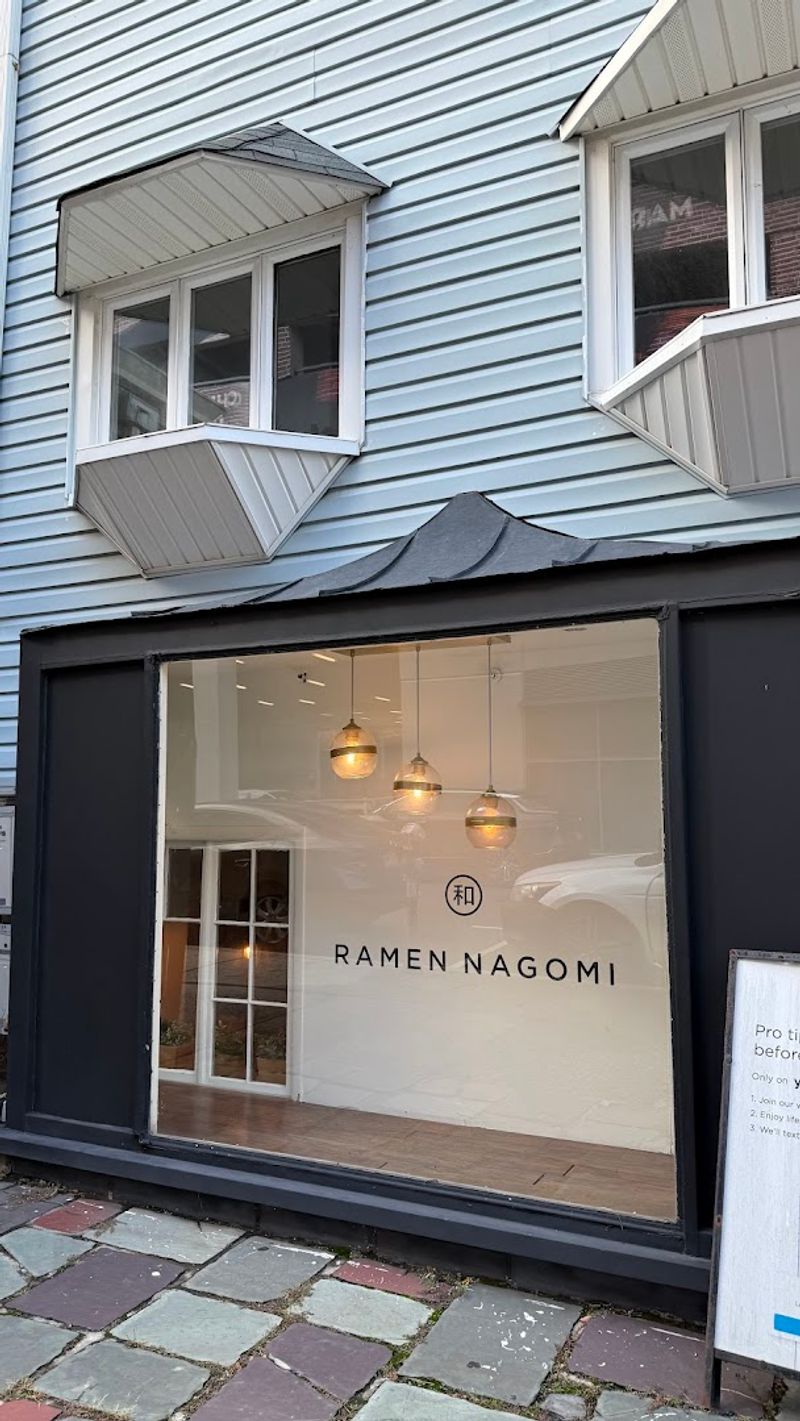
Hours can make or break the plan, especially in a restaurant with a compact dining room. Ramen Nagomi opens at 12 PM on Sunday and Saturday, serves lunch from 11:30 AM to 3:30 PM Monday through Thursday, and runs longer hours on Friday from 11:30 AM to 10 PM and Saturday until 10 PM.
Those details make timing an important part of the visit rather than a minor footnote.
Customer experiences suggest that showing up close to opening can be a smart move, particularly on days when the room fills quickly. Some diners report no wait at all, while others mention long waits depending on time and crowd level.
That variation usually points to a place with steady demand rather than a predictable empty seat around every corner.
For anyone hoping to keep the outing smooth, this restaurant rewards a little scheduling strategy. In a small ramen room, the clock can be almost as important as the chopsticks.
Value in a college town
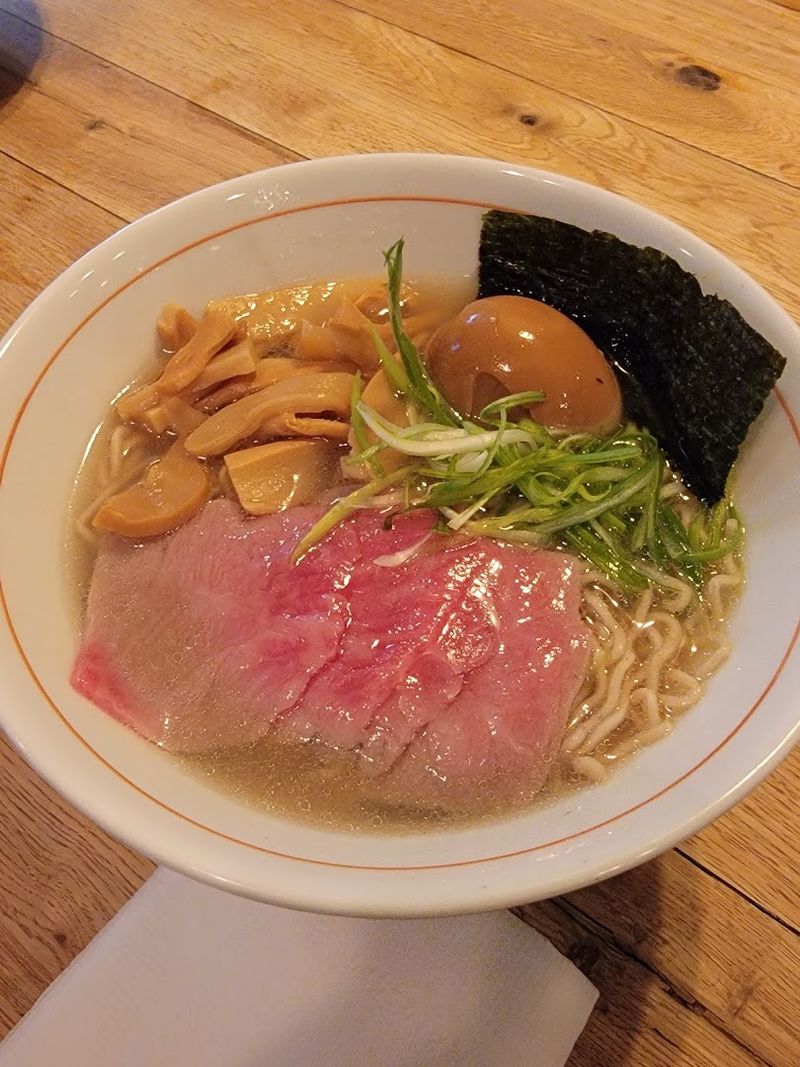
New Brunswick diners often weigh quality against cost, and Ramen Nagomi appears to land in a range that many people consider fair. Google lists the restaurant at a moderate price point, and customer comments frequently describe the value as reasonable for what arrives on the table.
That does not mean bargain-basement pricing, but it does suggest the restaurant avoids charging like a luxury performance.
Several reviews acknowledge that the meal can feel a bit pricey, especially when appetizers or dessert join the order. Even so, those same comments often circle back to the quality of the ramen, the care in preparation, and the willingness to return.
That return factor is usually the strongest value signal a restaurant can get.
In a university city where diners range from students to families to business travelers, that balance matters. A bowl does not need to be cheap to make sense, and this place seems to understand the difference between cost and worth.
Options beyond pork
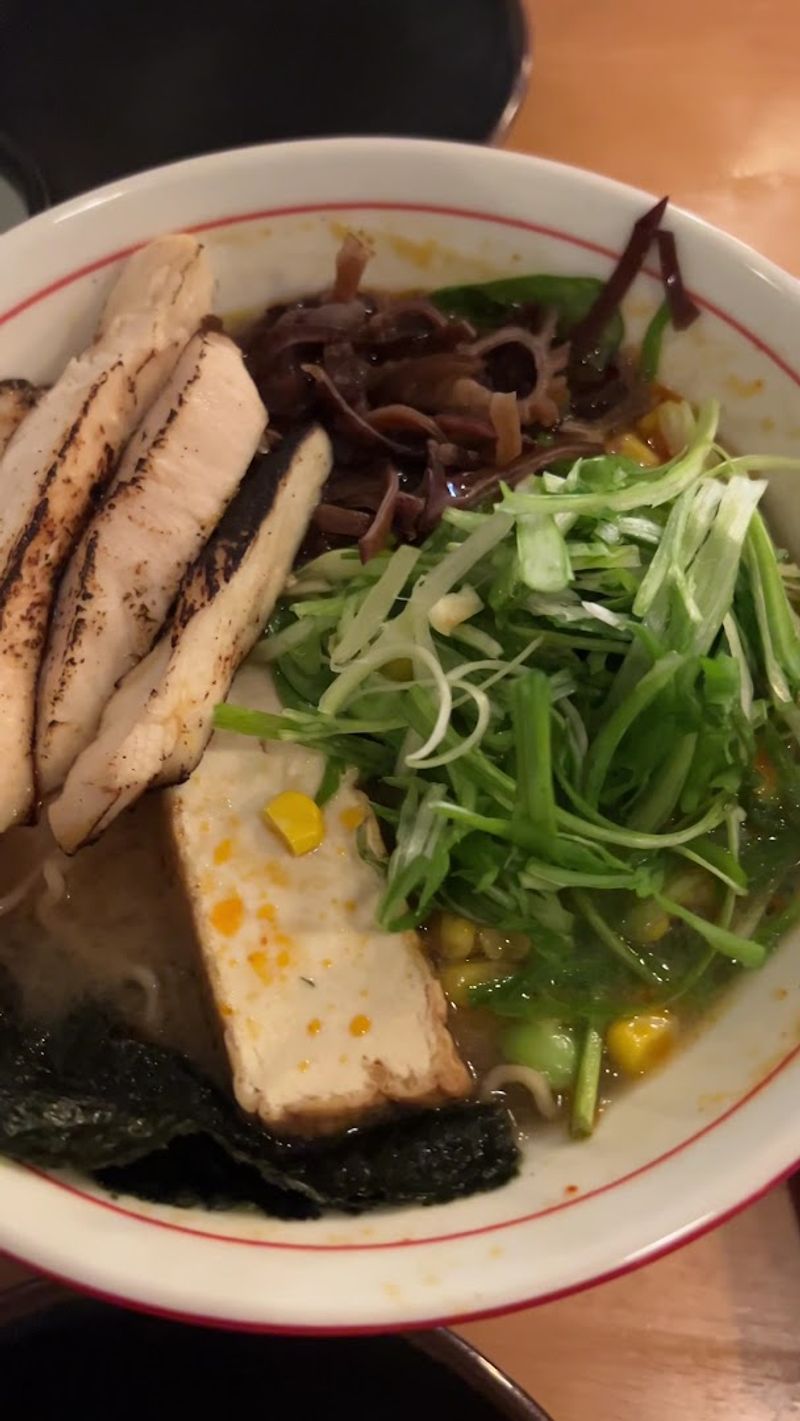
A strong ramen restaurant becomes more useful when the menu does not shut people out, and that seems to be another advantage here. Reviews note that diners who avoid pork still have choices, vegetarians can find suitable options, and some guests with dietary concerns have felt comfortable ordering.
That flexibility broadens the restaurant’s appeal without forcing it to abandon its ramen identity.
The vegetarian curry ramen is mentioned directly, while chicken-based bowls such as tori paitan also give non-pork eaters a substantial alternative. Diners who prefer milder spice levels also report having workable choices, which matters because a menu can be broad without becoming inclusive in practice.
Here, the options appear to be both present and useful.
No restaurant can meet every dietary need perfectly, but a place earns trust when people feel they can return with different friends and still expect everyone to eat well. That is a quiet strength, and it travels farther than a catchy special ever could.
Best fit for the day
Some restaurants are built for special occasions, while others work best as reliable answers to everyday questions. Ramen Nagomi seems to fit the second category, though it can still carry a celebration or date night with ease.
Reviews place it in many contexts, including quick lunches, weekday dinners, family meals, business trips, and return visits tied to habit rather than novelty.
That versatility comes from the restaurant’s scale and focus. It is polished enough to feel like a considered destination, yet casual enough that ordering a bowl on an ordinary Tuesday does not feel like overcommitting to an event.
Fast service also helps, especially for lunch windows during the shorter weekday schedule.
Because the room is small, larger groups may need more patience, but the restaurant still appears to adapt well to different kinds of visits. In a downtown full of shifting plans, it plays the role of dependable closer remarkably well, the culinary equivalent of a calm final inning.
How to plan ahead
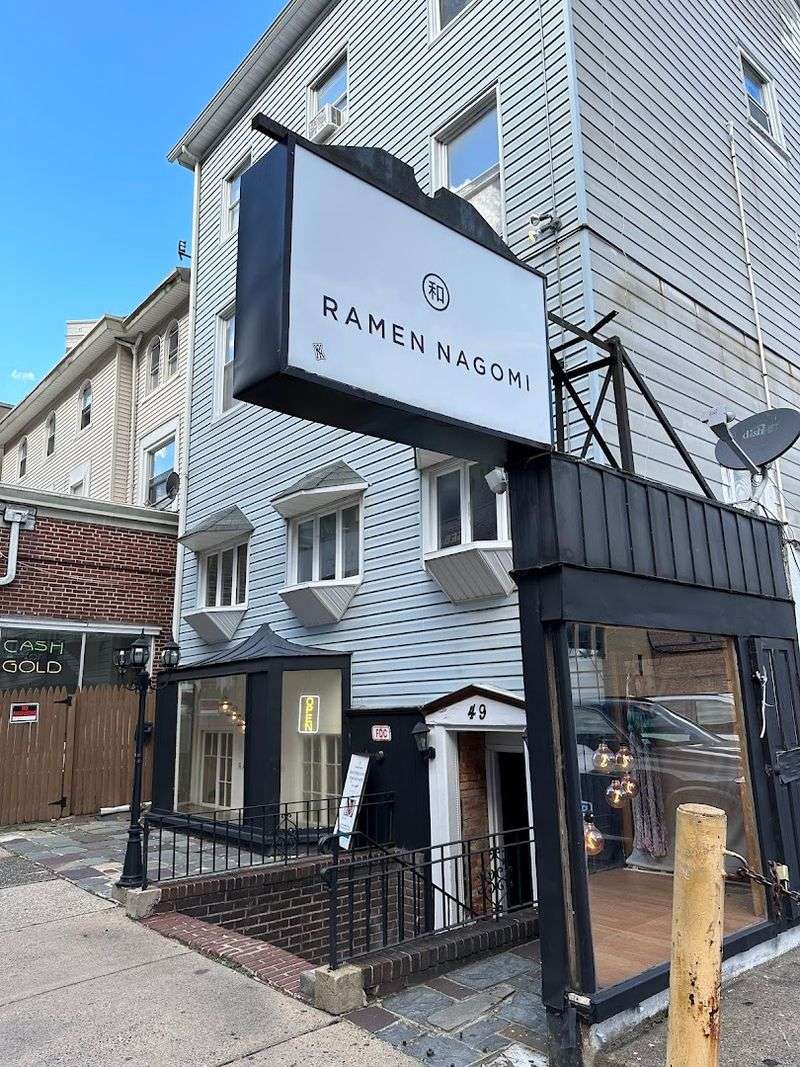
A little preparation goes a long way here, and that is probably the smartest advice a visitor can take. The restaurant’s popularity, compact dining room, and downtown location mean that arrival time matters, parking may require patience, and peak periods can shift the experience from easy to crowded fairly quickly.
None of that is unusual for a well-liked restaurant, but it is worth treating as part of the plan.
Checking the official website and current hours before heading over is a sensible first step, especially because weekday hours differ from weekend service. Showing up near opening can improve the odds of quicker seating, while smaller parties may find the process easier than large groups during busier periods.
Guests with dietary needs may also benefit from asking staff for guidance, since helpful service appears to be one of the restaurant’s reliable strengths.
For a place this focused, the visit does not need a complicated strategy. It just needs the kind of planning that lets the bowl take center stage.
The last word
New Brunswick does not need another overblown restaurant myth, and Ramen Nagomi works precisely because it avoids becoming one. The restaurant keeps its purpose clear: serve strong ramen, back it up with capable small plates and desserts, and run the room with enough efficiency that people are willing to come back repeatedly.
That consistency is what turns a good local spot into a meaningful destination.
The details tell the story well. This is a place that has earned its following through repetition, not theatrics.
For readers looking for a meal in New Jersey that feels more deliberate than trendy, this shop makes a compelling case without raising its voice. Sometimes the strongest detour is the one that knows exactly where it is going, and keeps sending hungry people there too.



