 Unearth The Voyage
New Jersey holds a lot of history, but few places pack as much into a single visit as this West Orange landmark. Thomas Edison was not just a guy who invented the lightbulb in a quiet room by himself.
He ran a massive, buzzing operation with dozens of workers, multiple buildings, and projects that changed the way people lived. At this national park, you can walk through the actual spaces where all of that happened, not a recreation, not a movie set, but the real thing.
The laboratory complex still holds original equipment, tools, and archives. His home, the Glenmont Estate, sits just a short distance away.
Plan to spend at least two to three hours here, and you will leave knowing far more about Edison than you expected.
Where to Find It and How to Get Started
Thomas Edison National Historical Park sits at 211 Main St, West Orange, NJ 07052, and the first stop every visitor must make is the visitor center before heading anywhere else on the grounds. That rule matters more than it might seem, because the Glenmont Estate sits inside a gated community and requires a vehicle pass picked up at the visitor center first.
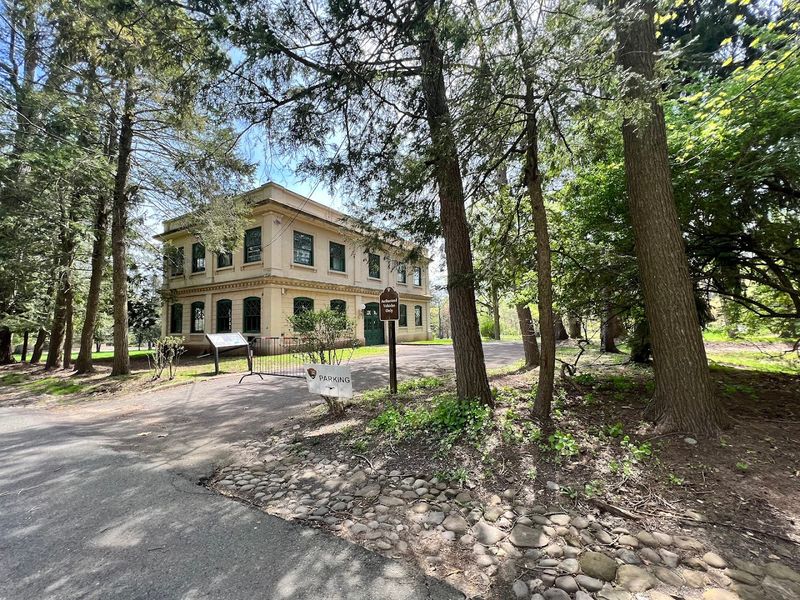
Free parking is available directly across the street from the main gate of the laboratory complex, with a second lot about half a block up the road. Google Maps sometimes routes visitors straight to the house instead of the visitor center, so watch for the signs posted along the approach road.
The visitor center itself offers a free film about Edison’s life and work, a gift shop, and staff who can help you plan your time. Booking timed entry tickets online in advance is a smart move, especially for popular exhibits like the phonograph demonstration and the Black Maria movie studio.
The Story Behind the Park
Most people grow up hearing that Edison invented the lightbulb, and then the history lesson moves on. What gets left out is the scale of what he actually built in West Orange.
Edison moved his main operations here in 1887, constructing a laboratory complex that was ten times larger than his earlier facility in Menlo Park. He designed it specifically to produce a new invention every ten days and a major breakthrough every six months.
That was not a boast; it was a business plan.
Over the decades, his West Orange team worked on the phonograph, motion pictures, the storage battery, and hundreds of other projects. When Edison passed away in 1931, his sons preserved the property almost exactly as it was, which is why the park today feels so remarkably intact.
Visiting gives you a rare window into what early American industrial invention actually looked like from the inside, not just in textbooks.
The Laboratory Complex Up Close
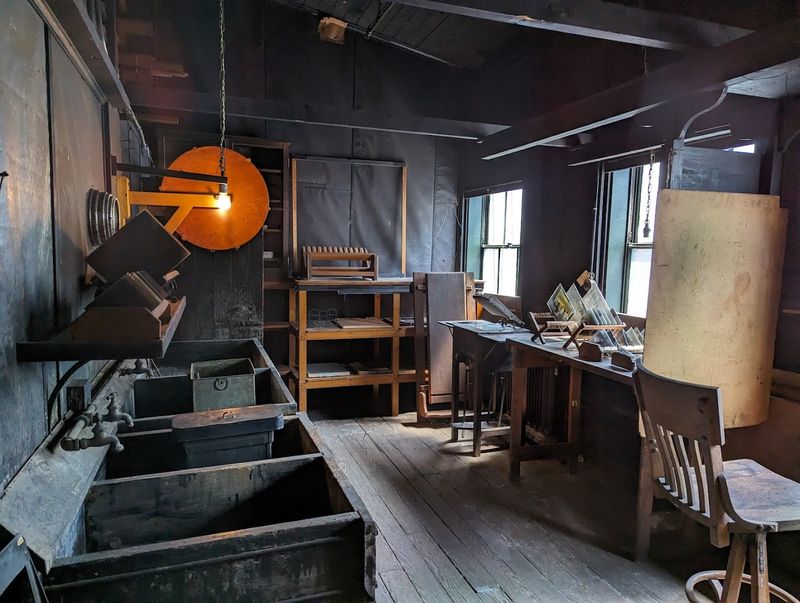
The main laboratory building rises three floors and holds more rooms than most visitors expect. A machine shop, a wood shop, a chemistry lab, a drafting room, an audio room, and a library are all part of the tour, each one still filled with original tools and equipment from Edison’s working years.
The chemistry lab is a long, narrow space where you stand at the entrance and look down at rows of original bottles, jars, and instruments. The drafting room holds the tables where engineers translated ideas into technical drawings.
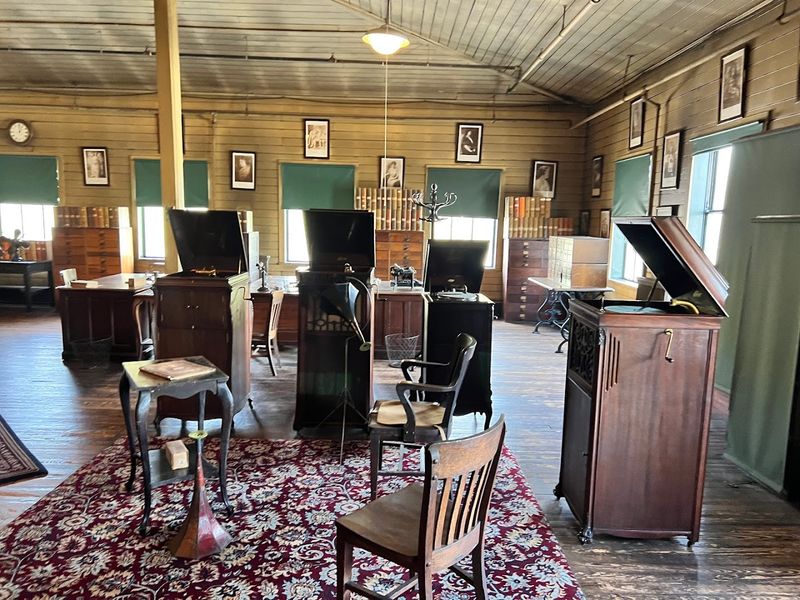
The audio room connects directly to the history of the phonograph, which Edison spent years refining in this very building.
Belt-driven machinery throughout the complex gives you a clear picture of how loud and active this place must have been during peak production. Park rangers and volunteers are stationed throughout and genuinely enjoy answering questions, which makes the tour feel more like a conversation than a classroom lecture.
Edison’s Office and Personal Library
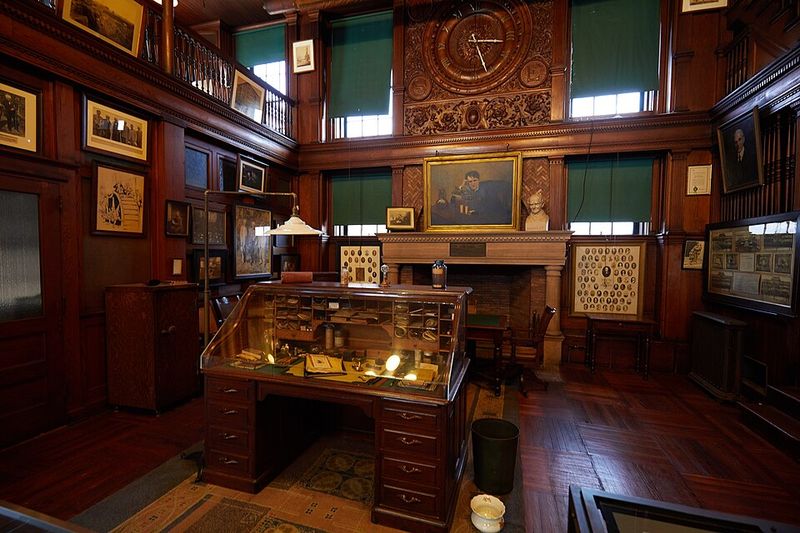
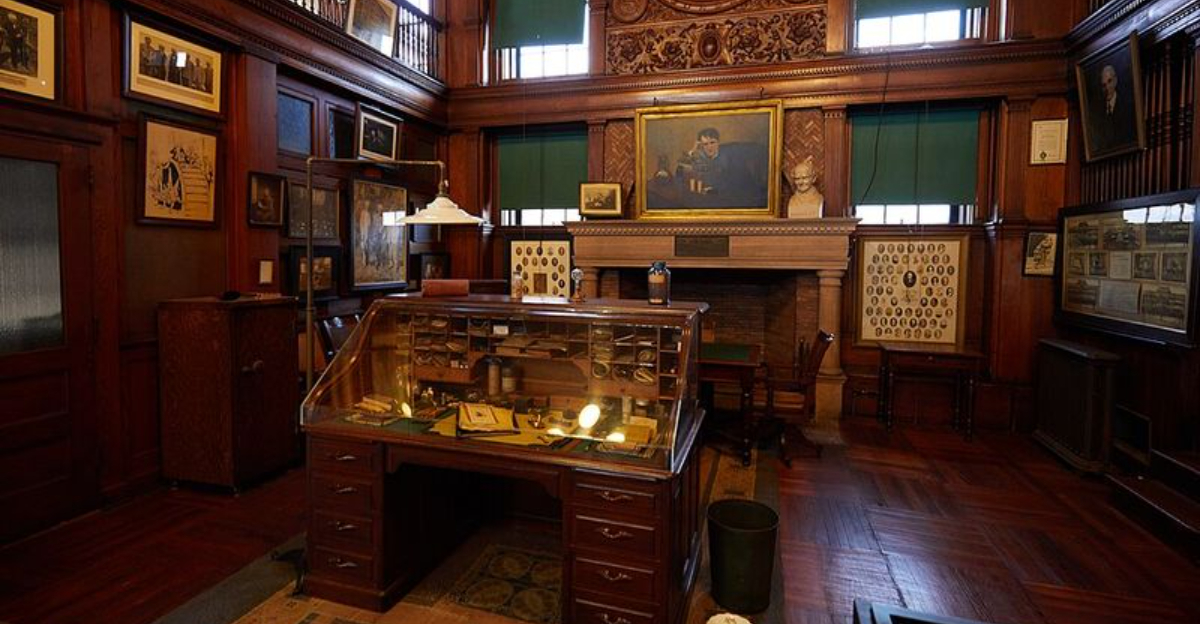
Right at the start of the laboratory tour, Edison’s private office sets the tone for everything that follows. The room holds his original desk, personal belongings, and the kind of organized clutter that suggests a man who had too many projects running at once, which was always true of Edison.
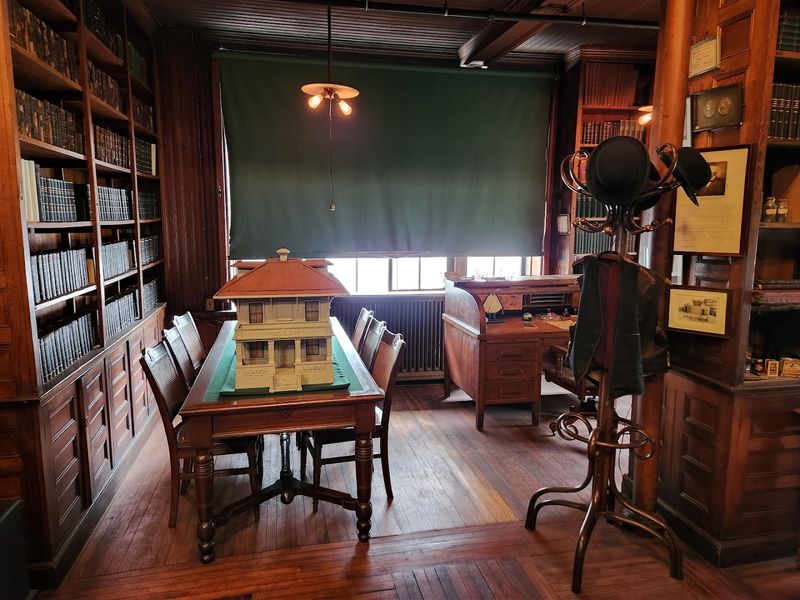
The library attached to the office is one of the most striking spaces in the entire complex. Floor-to-ceiling shelves hold thousands of books covering chemistry, engineering, mathematics, and more, reflecting the breadth of knowledge Edison and his team needed to keep their work moving forward.
What makes this room particularly worth your time is the realization that Edison was not working from intuition alone. He read constantly, consulted widely, and built a research team that functioned more like a modern company than a lone inventor’s workshop.
Standing in that library, the image of Edison as a solitary genius quietly gives way to something more accurate and more interesting.
The Phonograph Demonstrations
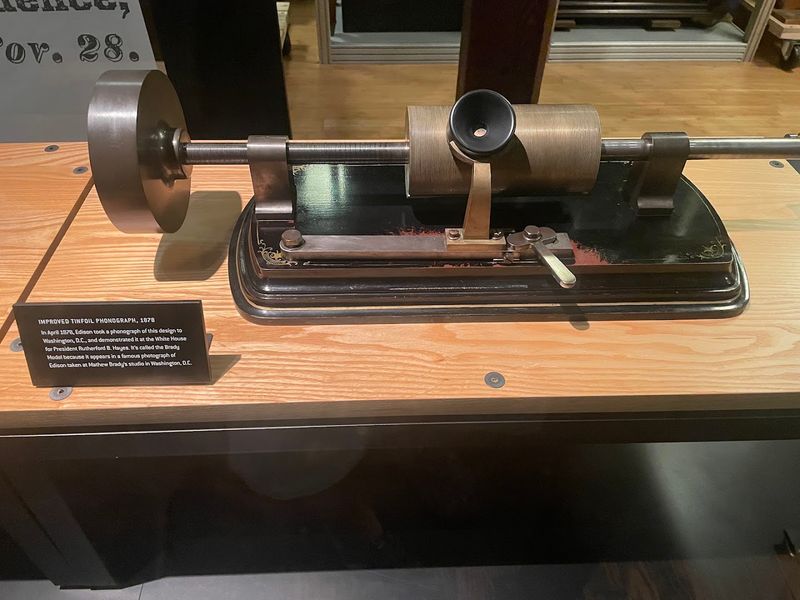
One of the most popular timed experiences at the park is the phonograph demonstration held in the music room, and spots fill up fast. Arriving early and signing up as soon as you reach the visitor center is the best strategy if you want to guarantee a place.
During the demonstration, a park ranger plays an original Edison phonograph using both cylinders and disc records. The audio that comes out is scratchy and uneven by today’s standards, but that is exactly what makes it compelling.
You are hearing sound that was recorded more than a century ago, played back on the machine that helped make recorded audio a reality for the general public.
Edison initially envisioned the phonograph as a business dictation tool, not as an entertainment device. Hearing how the technology actually sounded in its early form gives you a real appreciation for how far recorded music has traveled since those first experiments happened right here in West Orange.
The Black Maria Movie Studio Replica
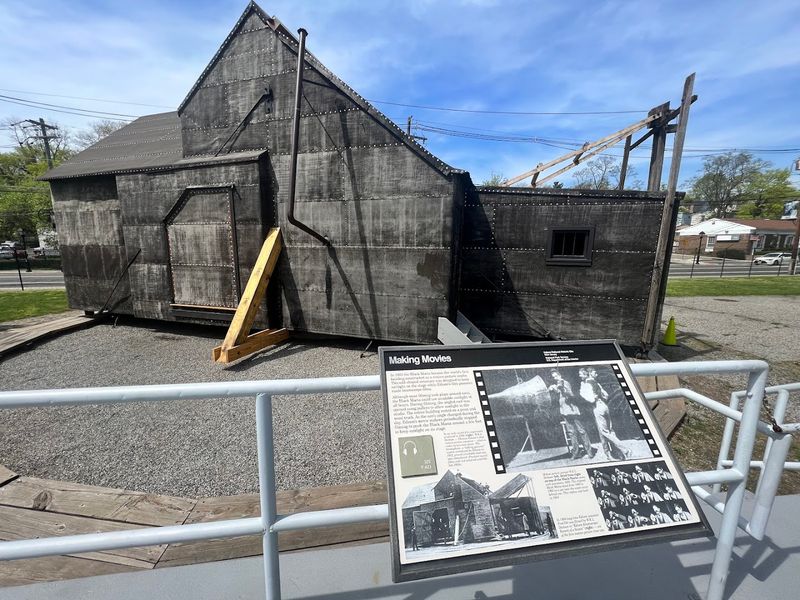
Out on the laboratory grounds stands a full-scale replica of the Black Maria, the world’s first film production studio, originally built by Edison’s team in 1893. The original structure was covered in black tar paper and built on a rotating track so it could follow natural sunlight throughout the day, since artificial film lighting did not yet exist.
The replica gives you a clear sense of how basic early filmmaking actually was. The building is dark, boxy, and purely functional.
Short films produced here, including the famous Boxing Cats clip, were among the earliest motion pictures ever made and can be viewed on a small screen inside the exhibit area.
Access to the Black Maria is part of the timed entry system, so signing up at the visitor center is necessary. The connection between Edison’s laboratory and the birth of cinema is one of the more surprising parts of the park for visitors who came only expecting to learn about electricity and lightbulbs.
The Glenmont Estate
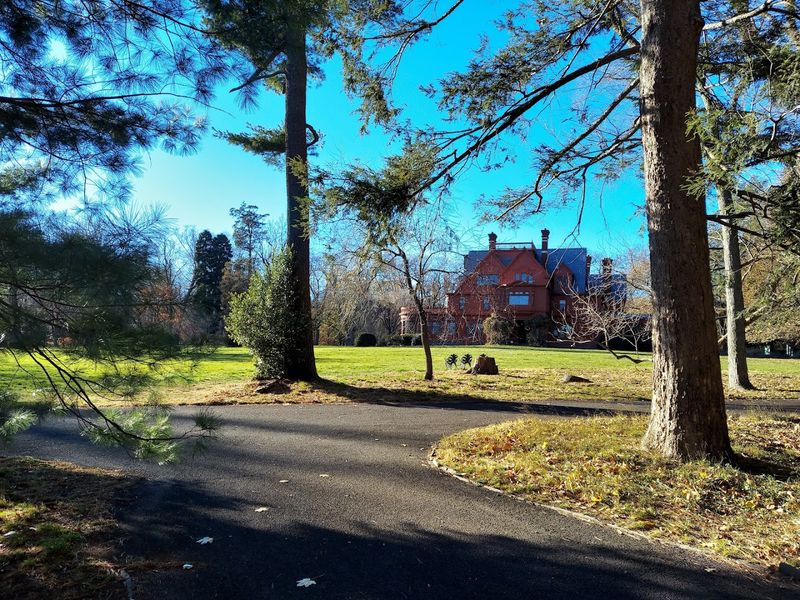
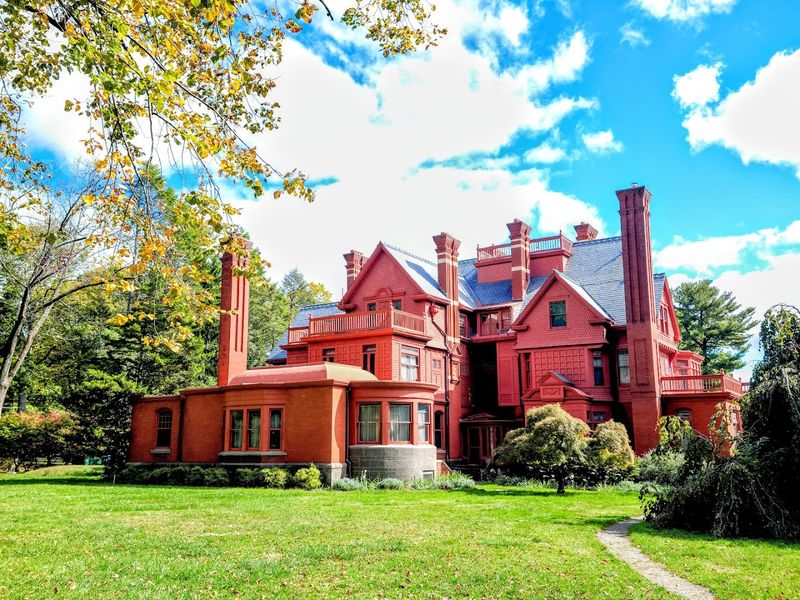
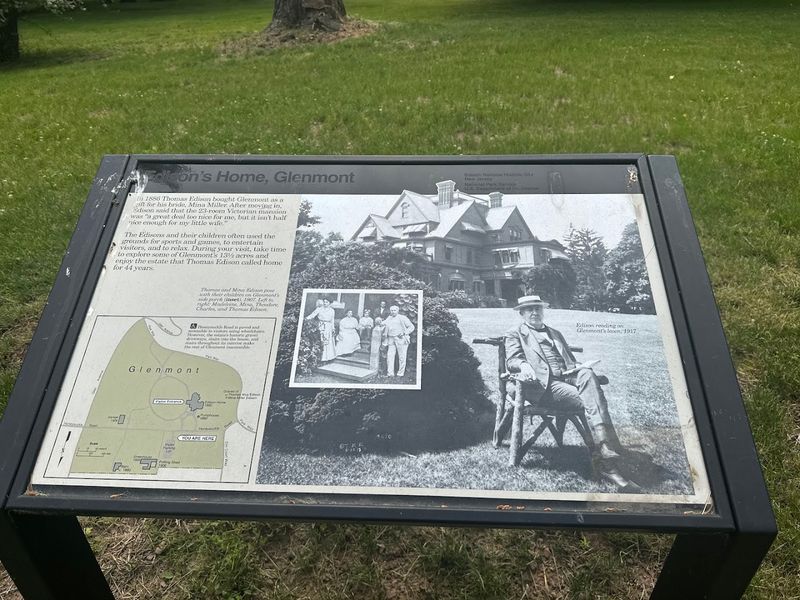
A short distance from the laboratory complex, the Glenmont Estate was Edison’s private home from 1886 until his passing in 1931. The house is a striking Queen Anne-style Victorian mansion with a red brick exterior that stands out immediately on approach.
Tours of the interior require advance reservations through the National Park Service website, and the 35-minute guided tour covers the first and second floors. Photography is not permitted inside, but the rooms contain original furnishings, chandeliers, stained glass windows, and personal items belonging to Edison and his family.
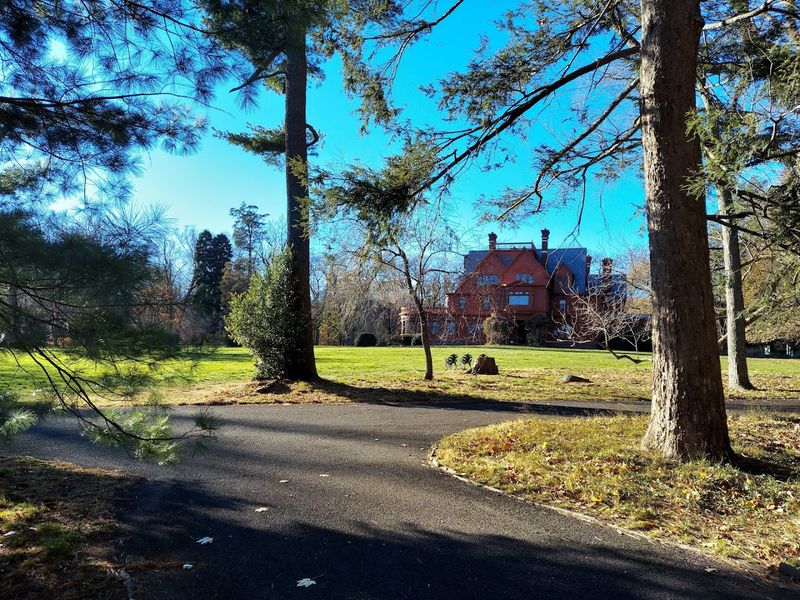
The family room is a particular highlight, filled with lamps, decorative objects, and golden curtains that reflect the period’s aesthetic. The grounds surrounding the mansion are open to visitors even without a reservation, offering a pleasant walk through well-maintained landscaping.
The estate is located within a gated residential community, which is another reason the vehicle pass from the visitor center is non-negotiable before heading over.
What Edison Actually Invented Here
The lightbulb tends to get all the attention, but the West Orange laboratory is where Edison’s most commercially significant work actually happened. The phonograph, the storage battery, the motion picture camera, and improvements to the telegraph and telephone all trace significant development back to this site.
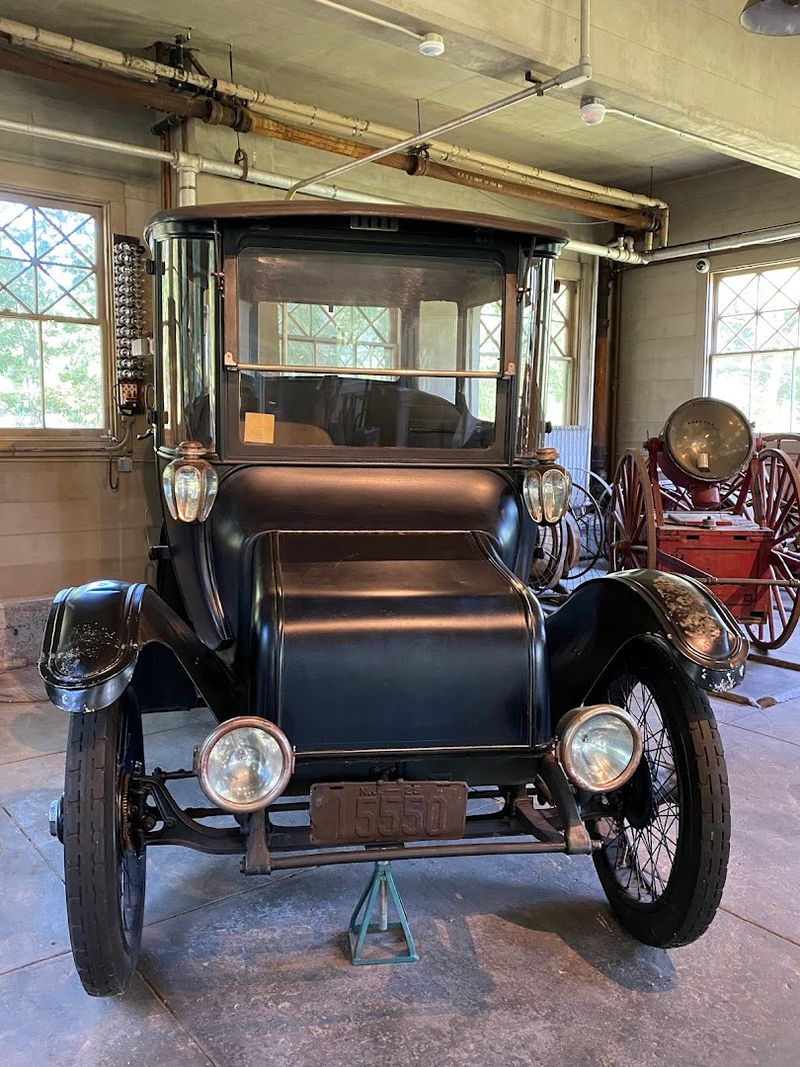
The storage battery project alone consumed more than a decade of Edison’s focus, resulting in a design that powered early electric vehicles and industrial equipment. Exhibits throughout the laboratory buildings detail these projects with original artifacts, documents, and equipment that were preserved when the property was mothballed after Edison’s passing.
One of the more eye-opening realizations for many visitors is that Edison ran a business, not just a workshop. He held over 1,000 patents by the end of his career, and the West Orange complex was the engine that produced them.
The park does an excellent job of showing both the inventive and the commercial sides of what happened here, making the history feel complete rather than simplified.
Edison as a Business Mind
One of the biggest surprises for first-time visitors is discovering that Edison was as much a businessman as he was an inventor. The West Orange complex was not a hobbyist’s workshop.
It was a full industrial operation with departments, employees, payrolls, and production targets.
Edison organized his laboratory like a factory, with specialists in chemistry, engineering, drafting, and manufacturing all working under one roof. He held regular consultations with his team and pushed for results on tight timelines.
The park’s exhibits make this operational structure visible in a way that textbooks rarely do.
At its peak, the West Orange operation employed hundreds of workers and produced goods that were sold commercially, not just demonstrated as curiosities. The phonograph business, the film business, and the battery business all generated real revenue.
Learning this changes how you think about what innovation looks like in practice, and makes the whole visit feel less like a science lesson and more like a business case study with really good artifacts.
Tips for Planning Your Visit
A well-planned visit to this park makes a noticeable difference in how much you get to see. Timed entry slots for the phonograph demonstration and the Black Maria fill up quickly, especially on weekends, so arriving early and heading straight to the visitor center to secure those spots is the right move.
The $15 adult admission pass is valid for a full week, which means you could split the visit across two days if you want to take your time. Children under 16 enter free, and the pass is also included with an America the Beautiful annual national parks card.
Plan for at least two to three hours if you want to cover the laboratory complex thoroughly. Add another hour if you have a Glenmont Estate tour reserved.
There is no on-site food service, so eating before you arrive or packing something for the break between the lab and the house visit is worth thinking about ahead of time.
The Park as a Family Destination
Families with kids of various ages tend to do well here, though the experience rewards children who have at least a basic curiosity about how things work. The laboratory buildings are large enough that the group does not feel cramped, and there is genuine variety in what each room offers.
On the second floor of the main lab building, there is a space where younger children can engage with hands-on activities while adults explore the exhibits at their own pace. The interactive displays scattered throughout the complex give kids something to do beyond just reading signs.
Rangers and volunteers throughout the park are consistently described as friendly and genuinely knowledgeable, not just reciting scripts. They field questions from kids and adults alike with equal enthusiasm.
For a family looking for a day trip that covers history, science, and the story of American industry without feeling like a homework assignment, this park delivers more than most expect from a single afternoon in New Jersey.
Why This Place Still Matters
There are plenty of museums across the country that display old objects behind glass with typed labels explaining what they once did. This park operates differently because the buildings themselves are the exhibit.
The laboratory complex is the original structure, maintained and preserved rather than reconstructed from scratch.
Walking through rooms where actual work happened, on actual equipment that was used by real people trying to solve real problems, carries a different weight than viewing a reproduction. The fact that Edison’s sons chose to preserve the property rather than sell it off or repurpose it means that the historical record here is unusually complete.
The park holds archives, original documents, machinery, and personal items that tell a layered story about invention, industry, and ambition in early American history. Whether you come for the science, the history, or simply to see what a working 19th-century innovation hub looked like in practice, Thomas Edison National Historical Park in West Orange earns its place on any New Jersey travel list.



