 Unearth The Voyage
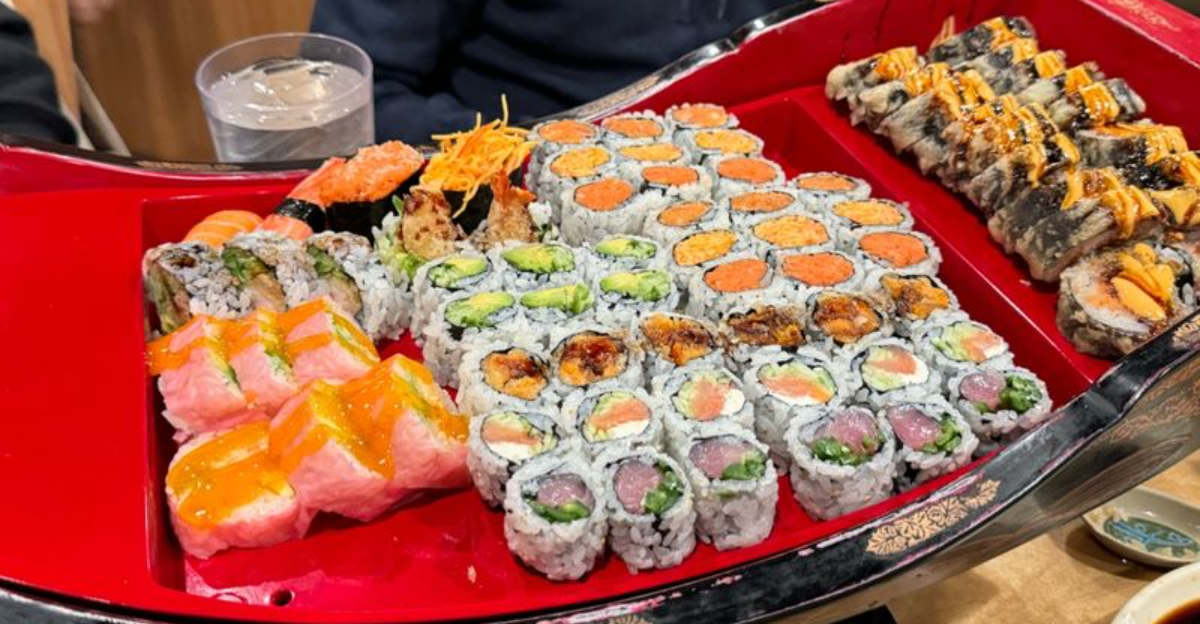
There is a sushi spot tucked along a busy stretch of road in Denville, New Jersey, that most people drive past without a second thought. It does not announce itself with neon signs or flashy decor.
But the parking lot fills up fast, the tables turn over with impressive speed, and the regulars keep coming back week after week, sometimes multiple times a week. What makes a modest Japanese eatery in a small New Jersey town earn that kind of loyalty?
The answer is a combination of fresh fish, an all-you-can-eat deal that actually delivers, a BYOB policy that keeps things casual, and an owner who genuinely cares about the people walking through the door. This article breaks down exactly what makes Miga Sushi one of the most talked-about spots in Morris County, and why first-timers almost always leave planning their next visit.
Where to Find It and What to Expect
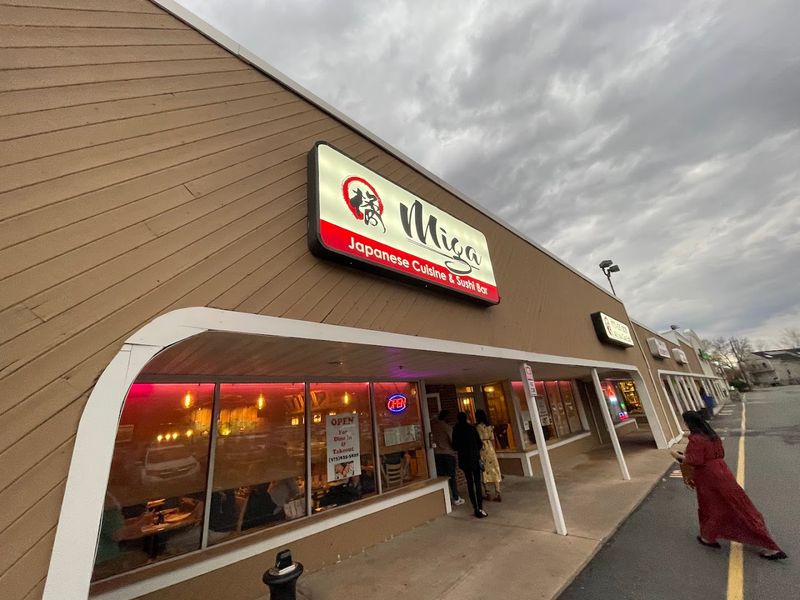
Miga Sushi sits at 559 E Main St, Denville, NJ 07834, right along one of the town’s main commercial corridors. The building is modest and easy to miss, which is part of what makes finding it feel like a small victory.
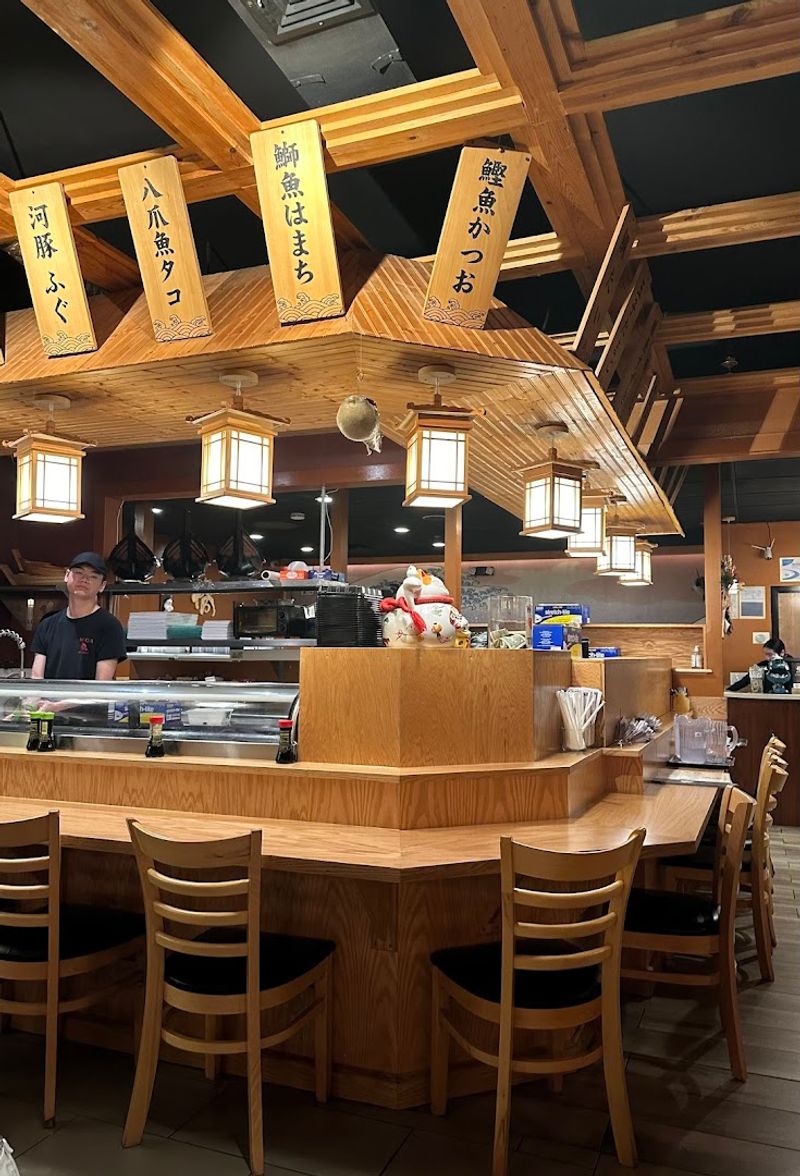
The interior follows a minimalist Japanese style, clean lines, simple furniture, and just enough seating to keep things cozy without feeling cramped. Seating is tight, as regulars will tell you, but the attentive staff keeps the energy moving so the close quarters rarely feel like a problem.
The restaurant is closed on Mondays and operates split shifts Tuesday through Saturday, opening at 11:30 AM. Sundays run noon to 10 PM.
Reservations are strongly recommended, especially on weekends, because walk-in waits are common. The restaurant has its own parking lot, which makes the whole experience noticeably more convenient than hunting for street parking in busier New Jersey towns.
The All-You-Can-Eat Setup That Actually Works
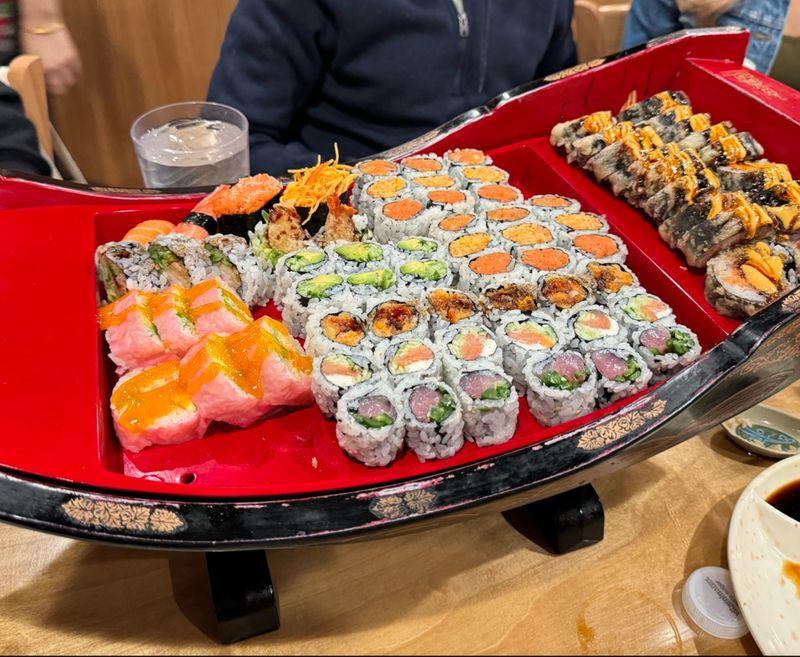
All-you-can-eat sushi has a complicated reputation. Too often it means thin cuts, slow service, and a menu that looks impressive on paper but disappoints at the table.
Miga Sushi operates differently, and that distinction is what keeps regulars returning on a near-weekly basis.
The AYCE option runs around $32 per person, a price point that is hard to argue with when the menu includes salmon, tuna, yellowtail, white tuna, albacore sashimi, a wide range of maki rolls, tempura, katsu, teriyaki, and more. Orders come out quickly even during busy shifts, and the kitchen takes subsequent orders without making guests feel like they are asking for too much.
One important timing note: the restaurant runs split shifts, and if a guest arrives close to the 3:30 PM cutoff on weekdays, the available dining window gets shortened accordingly. Arriving by 2:00 PM on weekday visits gives the most flexibility and the full AYCE experience without any rush.
The Rolls That Keep People Coming Back
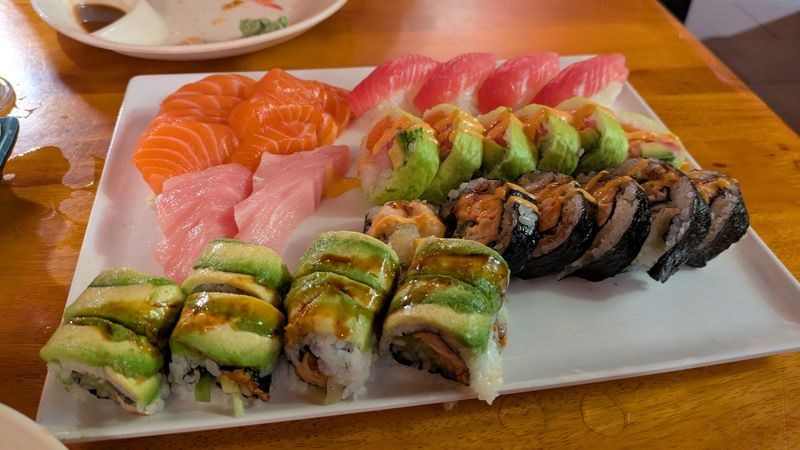
Among the standout items on the menu, the yellowtail jalapeno roll and the spicy tuna handroll consistently earn the most praise from regulars. The yellowtail jalapeno in particular has a following that borders on obsessive, with some guests ordering it every single visit.
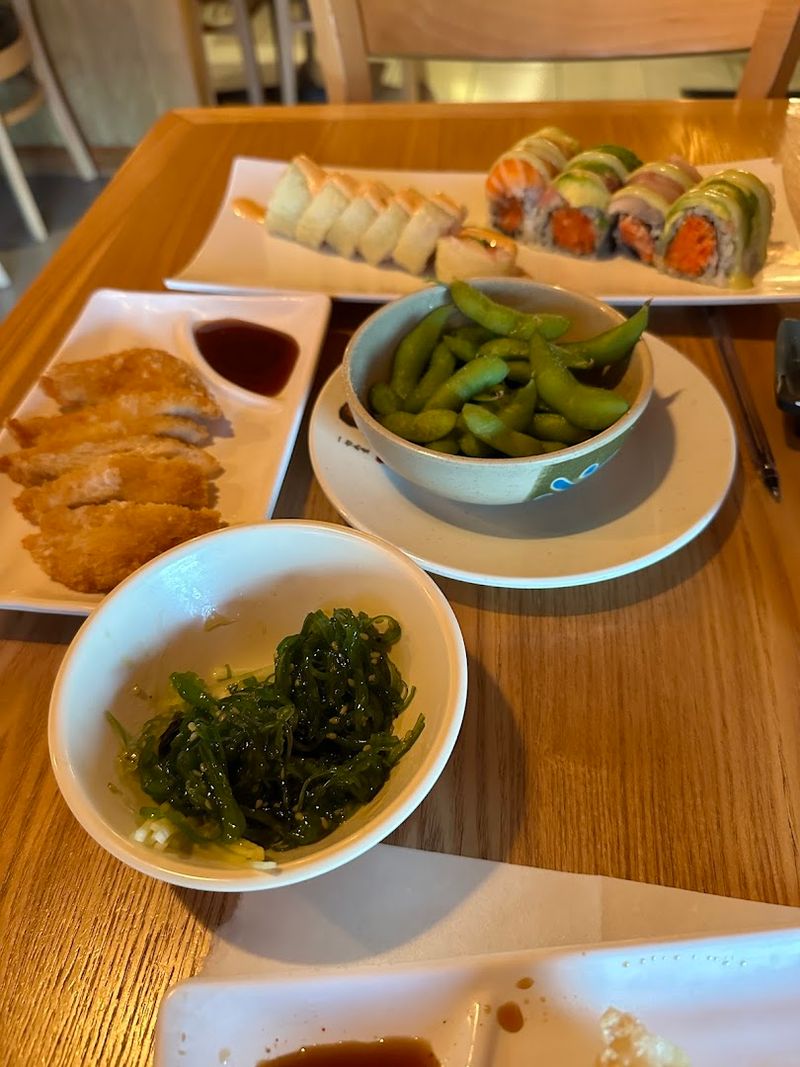
The Beauty and the Beast roll is another item worth seeking out. The seaweed salad, often overlooked at sushi spots, arrives with enough character to convert skeptics.
The spicy crunchy salmon roll is another crowd favorite, and the crab salad and mochi round out the experience nicely for those who want to explore beyond the standard rolls.
The fish across the board is noted for freshness, and the portions on the maki rolls are generous without being excessive. For guests who prefer to skip the AYCE format, the a la carte premium rolls offer a focused way to explore the menu without committing to a marathon eating session.
The BYOB Policy That Changes the Math
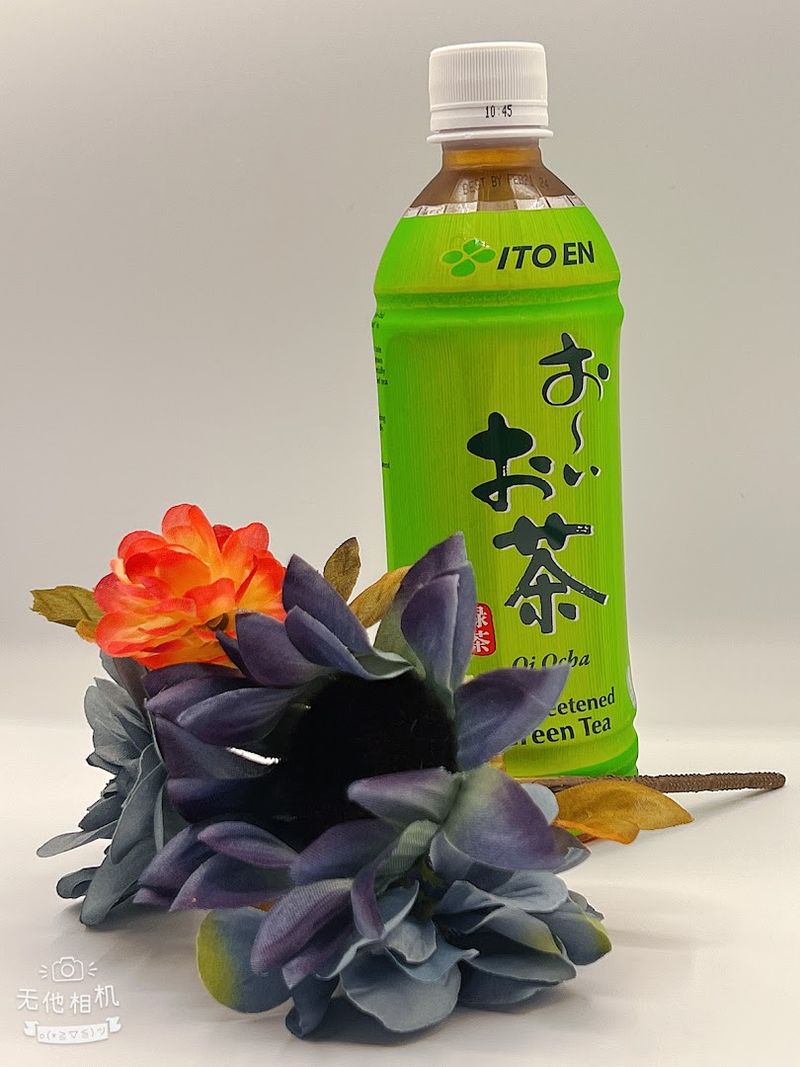
Miga Sushi is a BYOB establishment, which in New Jersey is less of a novelty and more of a genuine advantage for guests watching their overall bill. No markup on beverages means the total cost of a meal stays reasonable even when the food orders add up.
For first-timers who forget to plan ahead, there is a liquor store located about a mile north of the restaurant, near an Acme supermarket, which makes a last-minute stop entirely manageable. The BYOB setup also contributes to the casual, relaxed atmosphere that defines the dining experience at Miga.
Combining the AYCE price with the BYOB policy, a full sushi dinner for two with drinks can come in at a cost that would barely cover appetizers at a comparable restaurant in a larger city. That combination of quality and value is exactly why the parking lot fills up on weekend evenings and why reservations are not optional, they are essential.
Appetizers and Non-Sushi Options Worth Ordering
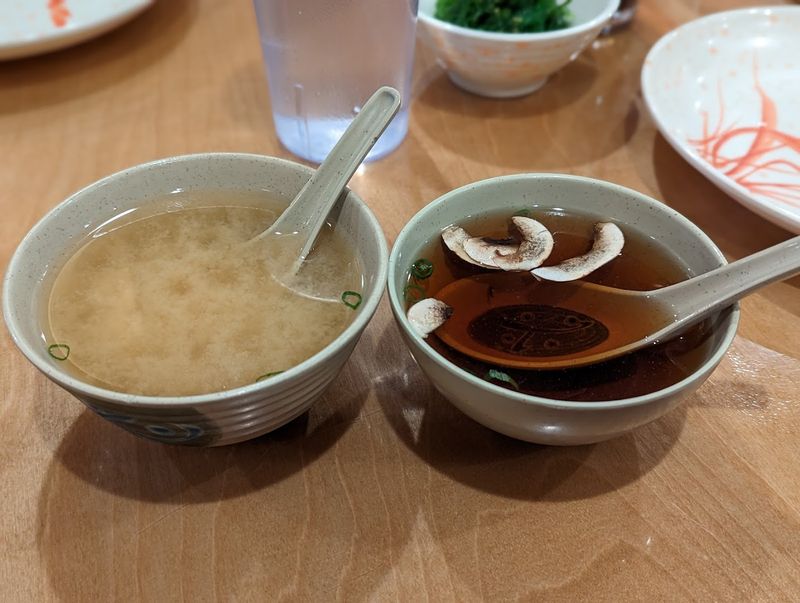
Not every person at the table is necessarily a sushi enthusiast, and Miga Sushi has enough on the menu to keep everyone reasonably satisfied. The vegetable udon stands out as a sleeper hit, with tender noodles in a broth that earns repeat orders from guests who came in planning to stick to rolls.
Miso soup is a reliable starter, and the pork buns are worth ordering early before the table fills up with rolls and sashimi. Edamame, mushroom soup, fried rice, and chicken tempura round out the non-sushi options for guests who prefer cooked dishes or are dining with picky eaters.
The tempura shrimp in some specialty rolls has drawn mixed feedback, with some guests finding the breading ratio off during busy shifts. The shumai, while popular, leans more toward dumpling territory than traditional shumai.
These are minor quibbles in the context of a menu that covers as much ground as Miga’s does at this price point.
Lunch Specials and the Saturday Bonus
Lunch at Miga Sushi carries its own distinct appeal, and the lunch specials are considered a strong value by regulars who plan their weeks around the midday window. The fact that Saturday lunch service runs from 11:30 AM to 3:30 PM makes weekend daytime visits a genuinely good option for those who want to avoid the evening rush.
The kitchen keeps the same standard during lunch as it does at dinner, meaning fresh fish and quick service are not reserved for the prime evening slots. For groups that want to eat well without the weekend dinner wait, a late Saturday morning arrival hits a sweet spot between quality and convenience.
Tuesday through Friday also offer the same 11:30 AM opening, making a midweek lunch visit one of the quieter ways to experience the restaurant. For anyone who finds the weekend energy a bit overwhelming, a Thursday afternoon visit tends to offer a more relaxed pace without sacrificing any of the menu options.
How Busy It Gets and Why Reservations Matter
Miga Sushi is, by any reasonable measure, a popular restaurant. On weekend evenings the dining room fills completely, waits are common, and the kitchen operates at full capacity.
The crowd skews younger, and the energy on a Friday or Saturday night reflects that.
The restaurant does not have a massive footprint, which means capacity fills fast and reservations are not a suggestion, they are a practical necessity for anyone planning a weekend dinner. Walk-ins do get seated when space opens up, and the wait tends to move at a reasonable pace, but counting on availability without a reservation is a gamble that does not always pay off.
Weeknight visits from Tuesday through Thursday offer a noticeably different experience in terms of crowd size, though the restaurant still draws a steady crowd on those evenings. For first-time guests who want to take their time with the menu and not feel the pressure of a packed room, a Tuesday or Wednesday visit is a low-stress way to get acquainted with the space.
Takeout at Miga Sushi
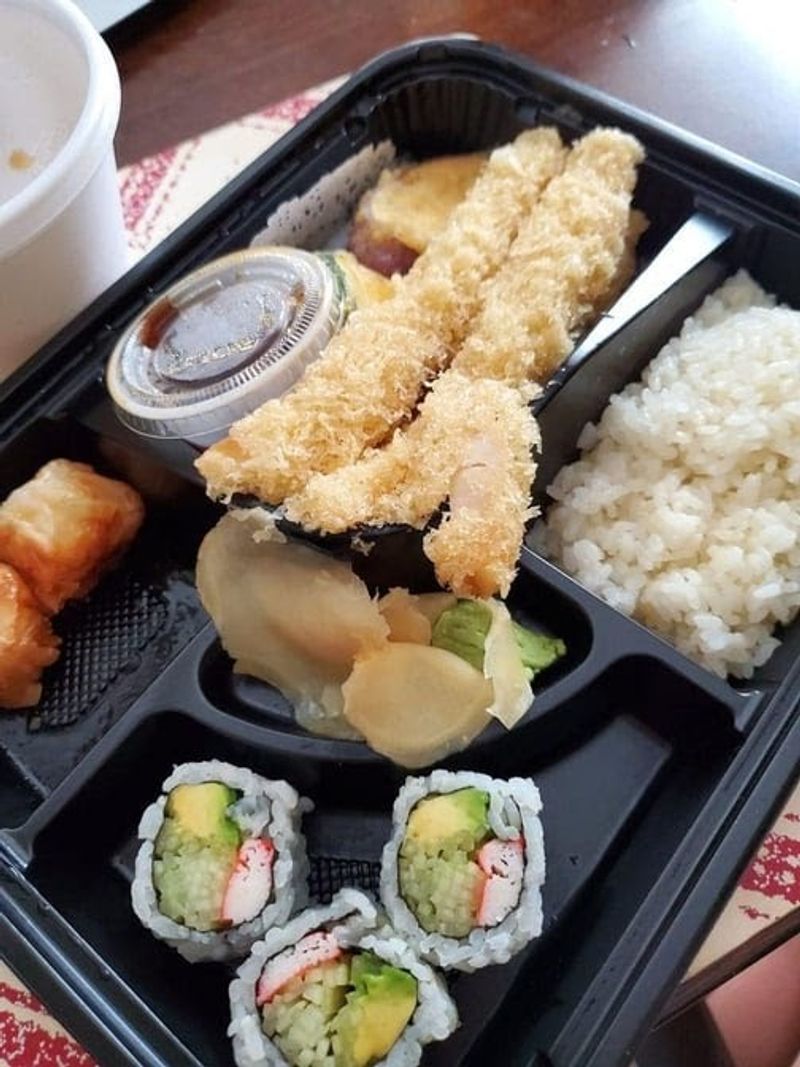
Beyond the dine-in experience, Miga Sushi has built a dedicated takeout following. Some regulars order pickup on a weekly basis, treating it as a reliable dinner solution rather than an occasional treat.
The consistency of the fish quality carries over to the takeout format, which is not always the case at sushi restaurants that prioritize the in-house experience.
Takeout orders do occasionally run into issues with missing condiments or forgotten items, particularly during high-volume periods. Wasabi, ginger, and ponzu sauce have come up as items that sometimes get left out of orders.
Checking the bag before leaving the parking lot is a practical habit worth developing, especially on busy Friday evenings.
The restaurant has shown responsiveness to these concerns through direct communication, offering guests a channel to flag problems and work toward a resolution. For guests who live within a reasonable distance and want fresh sushi without the wait, the takeout option is a convenient and generally reliable choice.
The Dessert Menu and the Tempura Oreo Situation
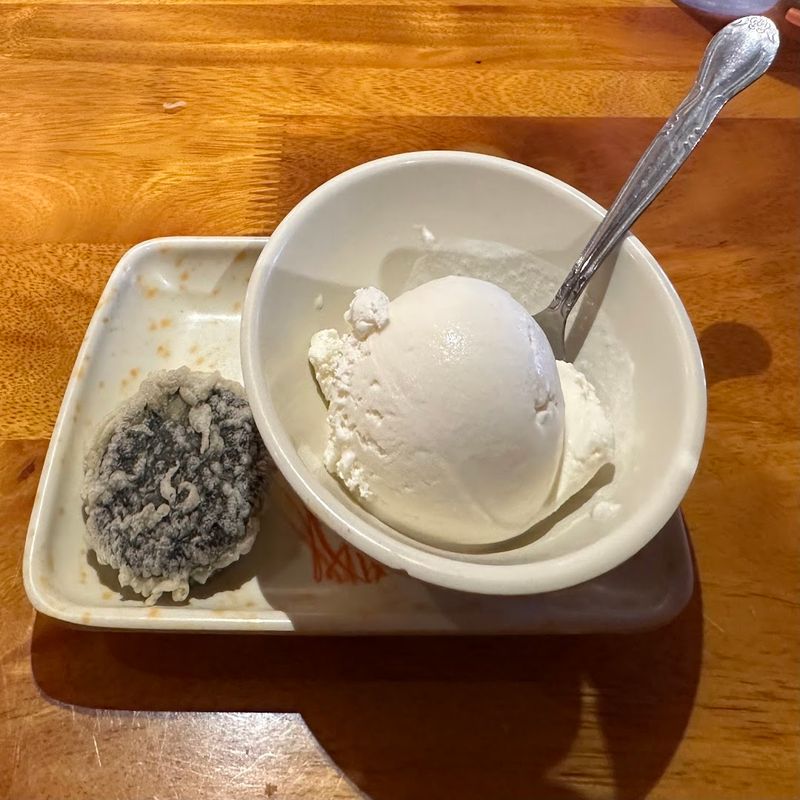
Mochi is on the menu at Miga Sushi and earns consistent positive feedback as a light, satisfying way to close out a meal. It is the kind of dessert that does not require much thought, it just works, and it pairs well with the overall Japanese dining format.
The tempura Oreo is a more unusual offering that has developed a small cult following among regulars. One important piece of advice passed along by experienced guests: do not place the tempura Oreo directly into vanilla ice cream.
The combination compromises the texture of the Oreo in a way that most people find disappointing. Keeping them separate and alternating bites is the move.
It is a small, specific tip that says something larger about the Miga experience overall. The menu has enough quirky, interesting touches that guests who pay attention and explore beyond the standard rolls tend to discover things that become personal favorites over time.
The Boat Presentation and the Visual Side of the Meal
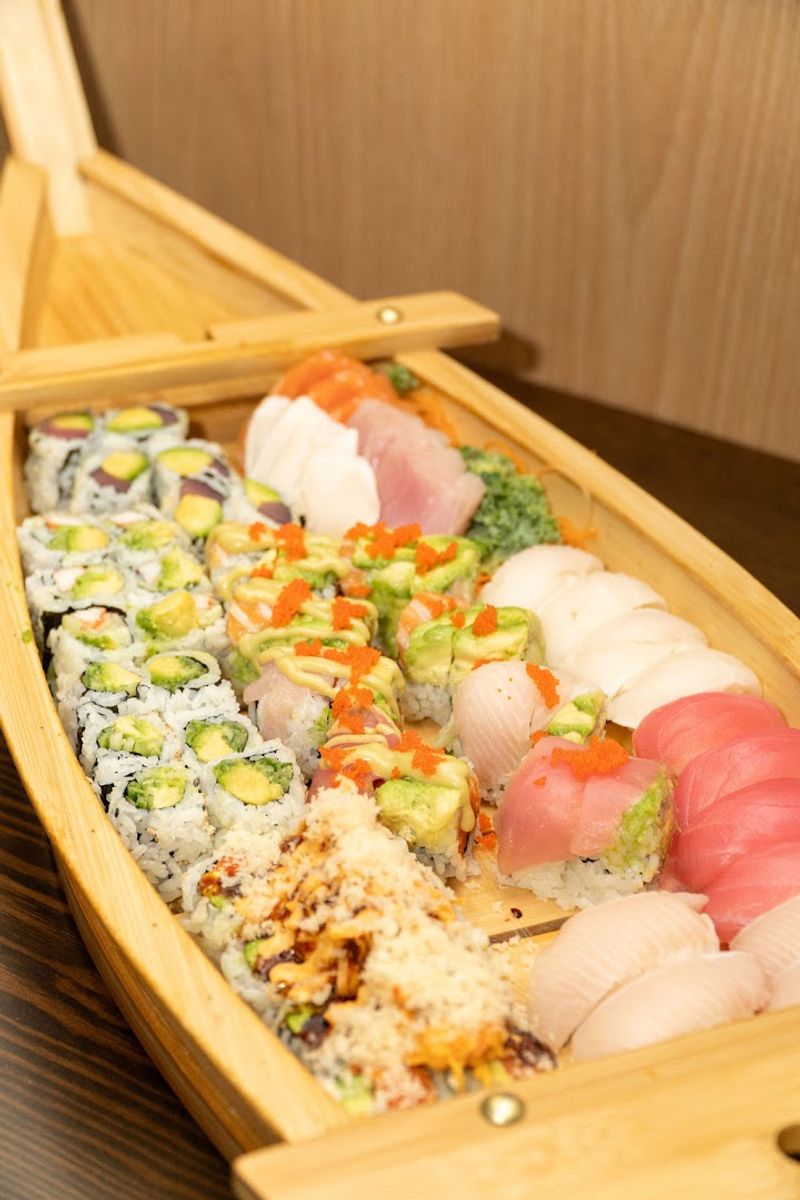
One of the more memorable touches at Miga Sushi is the boat presentation, a traditional Japanese serving format where sushi and sashimi arrive on a wooden boat-shaped tray. It is the kind of detail that turns a meal into an event, particularly for first-time guests or those celebrating something specific.
The boat format is not just aesthetic. It signals a certain seriousness about the overall dining experience, a reminder that even within a casual BYOB setting, the kitchen is putting care into how the food arrives at the table.
For groups, the boat presentation adds a communal element that fits naturally with the all-you-can-eat format.
The restaurant’s minimalist interior provides a clean backdrop that lets the food do the visual work. There is no elaborate decor competing for attention.
The focus stays on what is on the table, which is exactly where it belongs at a restaurant that takes its fish as seriously as Miga Sushi does.
Parking, Accessibility, and Practical Logistics
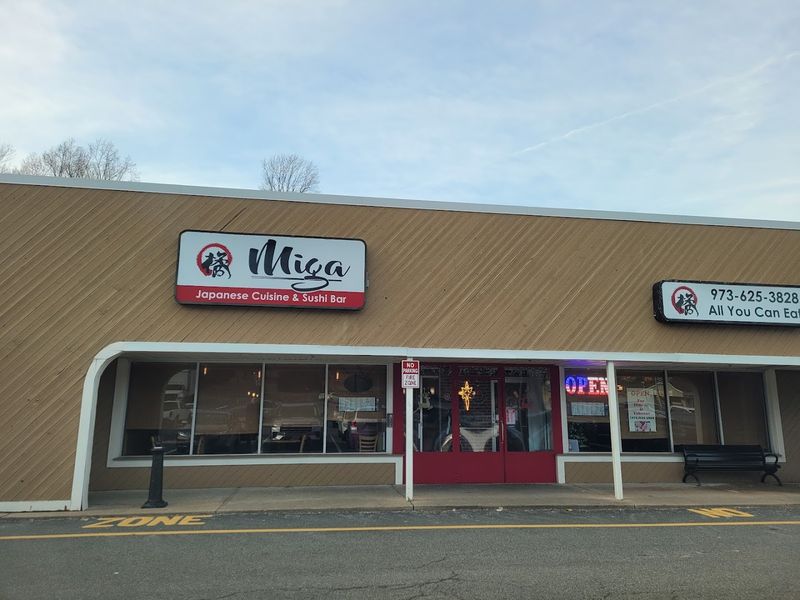
Practical logistics matter more than most restaurant coverage acknowledges. At Miga Sushi, the on-site parking lot is a genuine asset in a state where parking can make or break a dining decision.
Guests consistently note the availability of spots, even on busy evenings, as a reason the restaurant earns repeat visits over competitors that require hunting for street parking.
The East Main Street location in Denville puts the restaurant in a convenient position relative to surrounding Morris County towns. It is accessible without being buried in a hard-to-navigate area, and the surrounding commercial strip means other errands can easily be folded into the same trip.
For guests planning a weekday lunch visit, the logistics are especially smooth. The parking lot is rarely at capacity during the midday window, and the shorter lines mean less time waiting and more time eating.
For a restaurant that depends on table turnover to make the all-you-can-eat model work, efficient logistics are not an afterthought, they are part of what keeps the operation running well.
Why First-Timers Almost Always Come Back
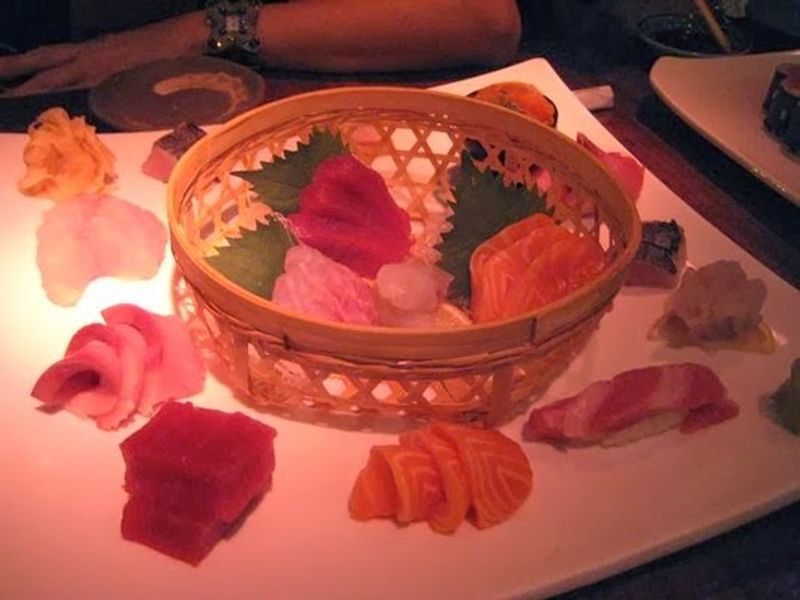
First visits to Miga Sushi tend to follow a predictable arc. Guests arrive with moderate expectations, find a full parking lot, get seated in a room that is smaller than expected, and then the food starts arriving.
By the time the second round of rolls lands on the table, the skepticism is usually gone.
The combination of fresh fish, a menu broad enough to satisfy both sushi purists and cautious eaters, a price point that feels genuinely fair, and a staff that keeps the experience moving without making guests feel rushed adds up to something that is harder to find than it sounds. Most of the area’s competition in the all-you-can-eat sushi category falls short on at least one of those dimensions.
Miga Sushi manages to hold most of them together most of the time, which is why the regulars are so regular. Some come twice a week.
Some have been coming for years. The first bite is what starts it, but it is the consistency that keeps them returning.



