 Unearth The Voyage
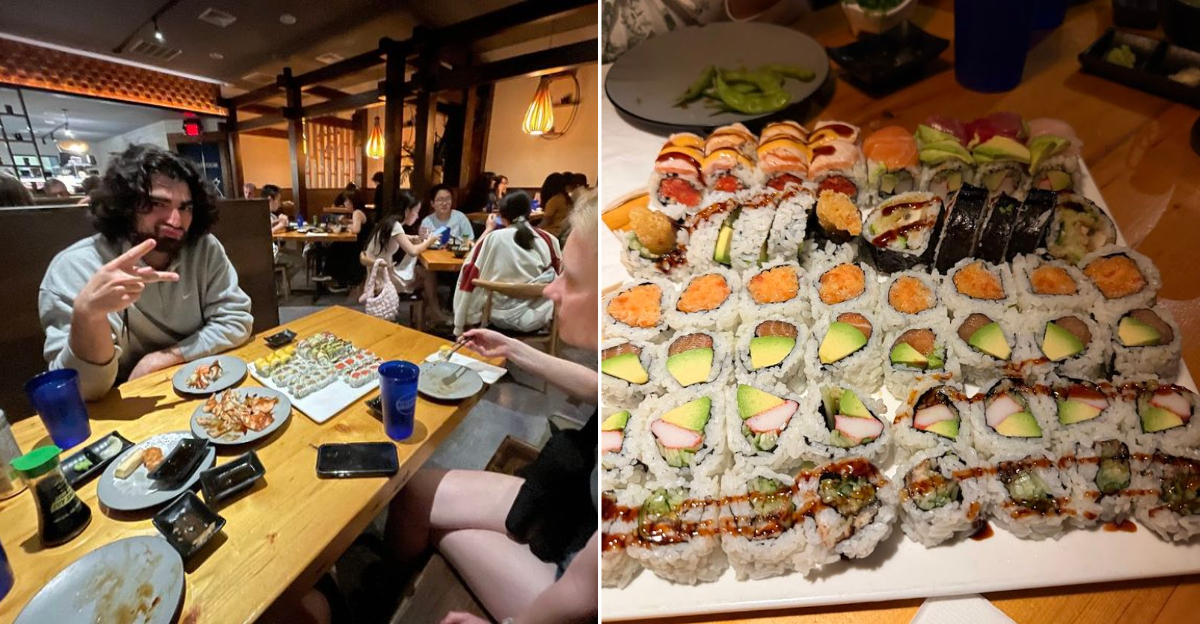
New Brunswick, New Jersey has a lot going on, but one spot on George Street has been quietly building a loyal following that keeps growing. It is an all-you-can-eat Japanese restaurant where the fish is fresh, the menu is long, and the setup is unlike anything most people expect from a budget-friendly sushi spot.
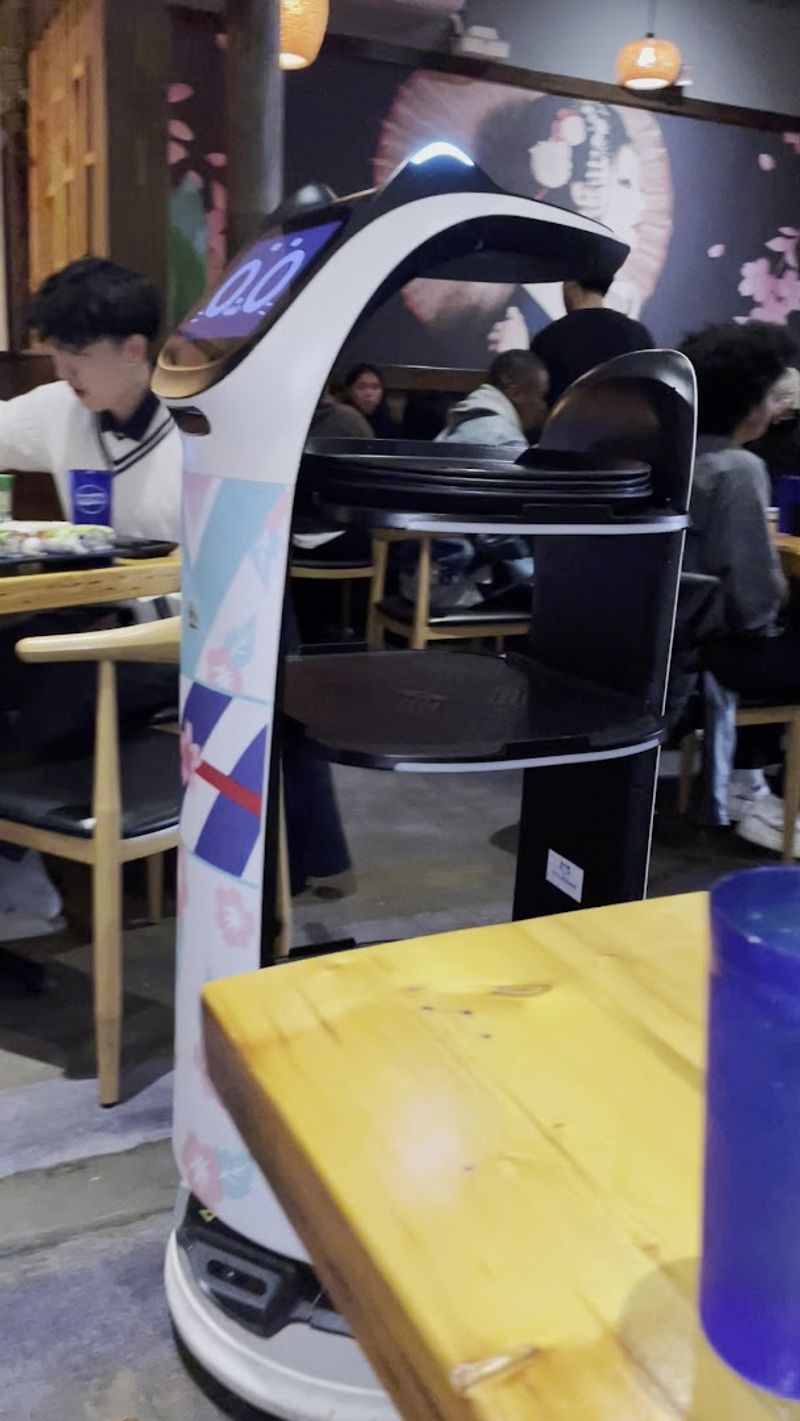
There is a robot delivering food to tables. There are iPads for ordering.
There are three rounds of dishes, a dark and moody interior, and a price point that makes the whole thing feel almost too good to be true. Whether someone stumbles across it after a show or plans a dinner outing weeks in advance, the experience tends to leave a mark.
Here is a closer look at what makes this New Jersey sushi spot worth the trip, the wait, and every last piece on the plate.
Where George Street Meets Japanese Cuisine
At 338 George St, New Brunswick, NJ 08901, Sakana Sushi and Japanese Cuisine sits right in the middle of one of the most active stretches in the city. New Brunswick is home to Rutgers University, a thriving arts scene, and a dense restaurant corridor that draws people from across the state.
Sakana fits into that energy naturally. The restaurant is easy to find, walkable from the local theater district, and close enough to campus that it has become a regular stop for students, families, and date-night crowds alike.
What sets it apart from the many other dining options in the area is the combination of format, value, and quality that it delivers consistently. The George Street location is not just convenient.
It has become a destination in its own right, drawing people who come specifically for the all-you-can-eat experience rather than just stumbling in out of convenience.
The All-You-Can-Eat Format Explained
The AYCE setup at Sakana runs on a structured three-round system. Guests have 90 minutes to order across three separate rounds, which keeps the kitchen organized and ensures that food arrives fresh rather than sitting under a heat lamp waiting to be claimed.
The round system sounds limiting at first, but in practice it works in the diner’s favor. Each round can include a wide variety of items, and the pacing gives the kitchen enough time to prepare everything properly.
The rule about leaving little to no leftovers is standard for AYCE dining and helps keep the value fair for everyone.
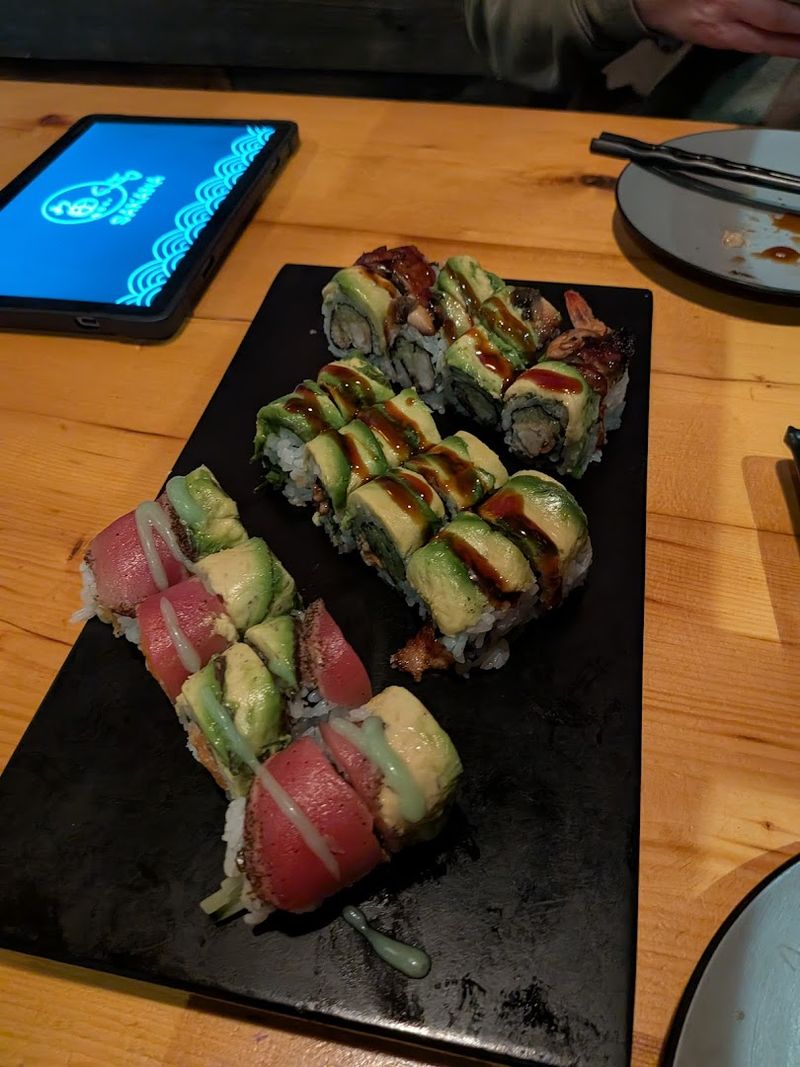
What makes the format stand out is the sheer range of what can be ordered within it. Beyond sushi rolls, the menu includes noodles, ramen, appetizers, and hot dishes, which means the 90-minute window can cover a full, varied meal from start to finish without feeling rushed or repetitive.
Tech at the Table: iPads and a Robot
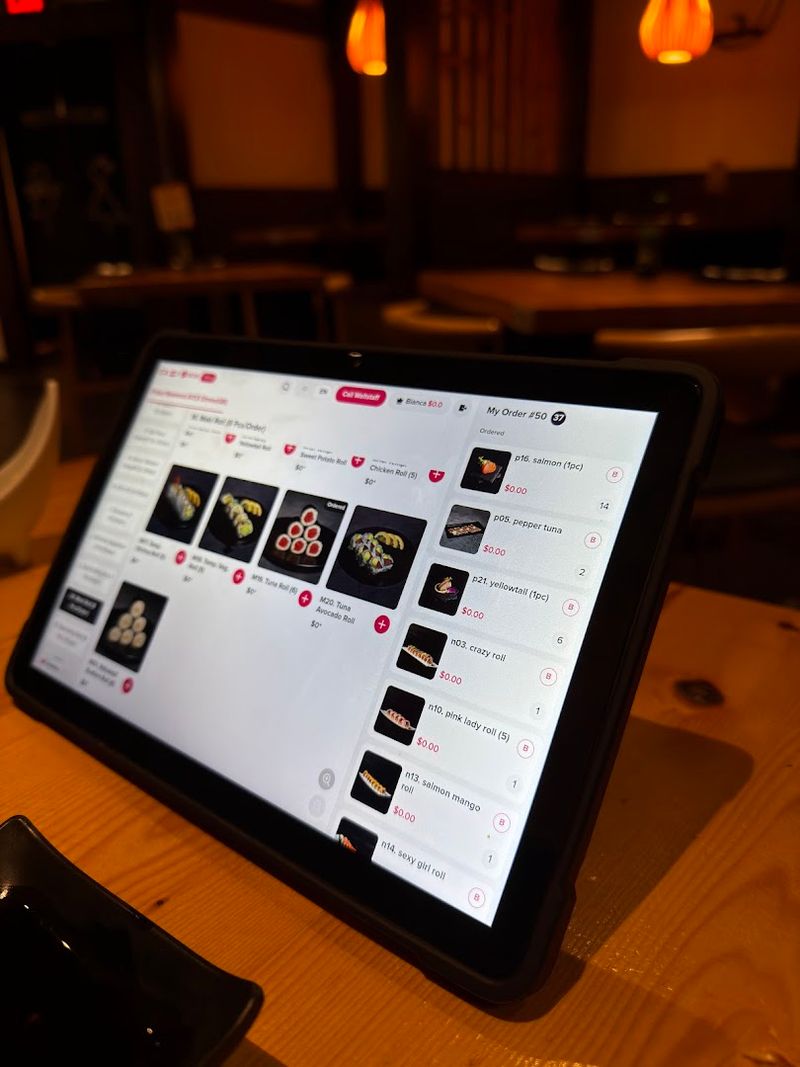
One of the first things that catches people off guard at Sakana is the technology built into the dining experience. Each table comes equipped with an iPad that guests use to browse the menu, place orders, and even call a server when needed.
It is a system that keeps things efficient without removing the human element entirely.
The bigger conversation starter, though, is the robot. A delivery robot moves through the restaurant bringing food from the kitchen to tables, and it draws attention every time it passes by.
For first-time visitors, watching it navigate the floor is genuinely entertaining, and for regulars, it has become part of the charm that makes Sakana feel different from every other Japanese restaurant in the state.
The tech-forward approach is not just a gimmick. It supports faster service, reduces errors, and allows the staff to focus on guest care rather than constant back-and-forth between the kitchen and the floor.
The Atmosphere Inside the Building
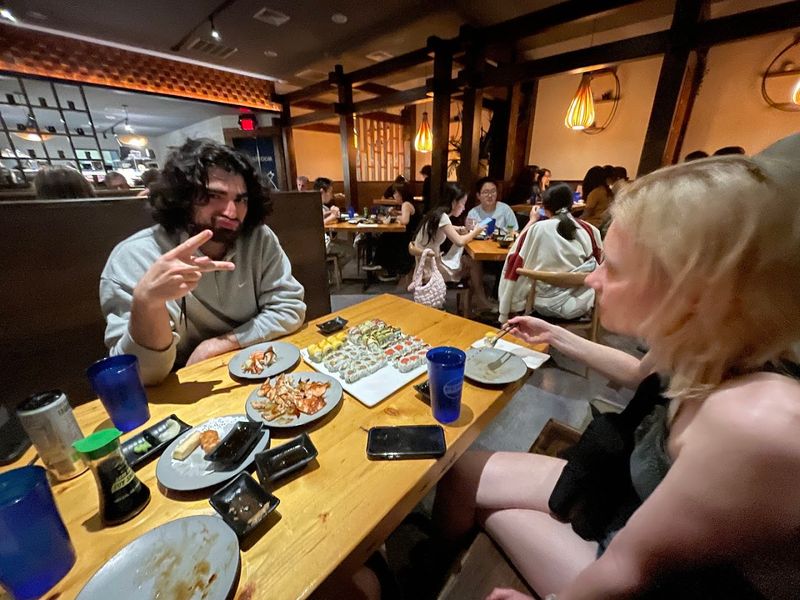
The interior of Sakana is dark, warm, and deliberately moody. The lighting is kept low, the decor leans modern, and the overall effect is an atmosphere that feels more upscale than the price point would suggest.
It is the kind of space that works equally well for a casual weeknight outing or a birthday dinner with a group.
The restaurant is compact, which means tables are close together and the room fills up quickly on busy nights. That closeness can create a lively, energetic buzz during peak hours, especially on weekends when the place tends to fill up fast.
For those who prefer a quieter experience, weekday lunch hours offer a noticeably more relaxed setting with the same menu and quality. The atmosphere inside is one of the things that keeps people coming back, because it gives the meal a sense of occasion that a typical casual dining spot rarely delivers at this price range.
Lunch Hours vs. Dinner Hours: What to Know
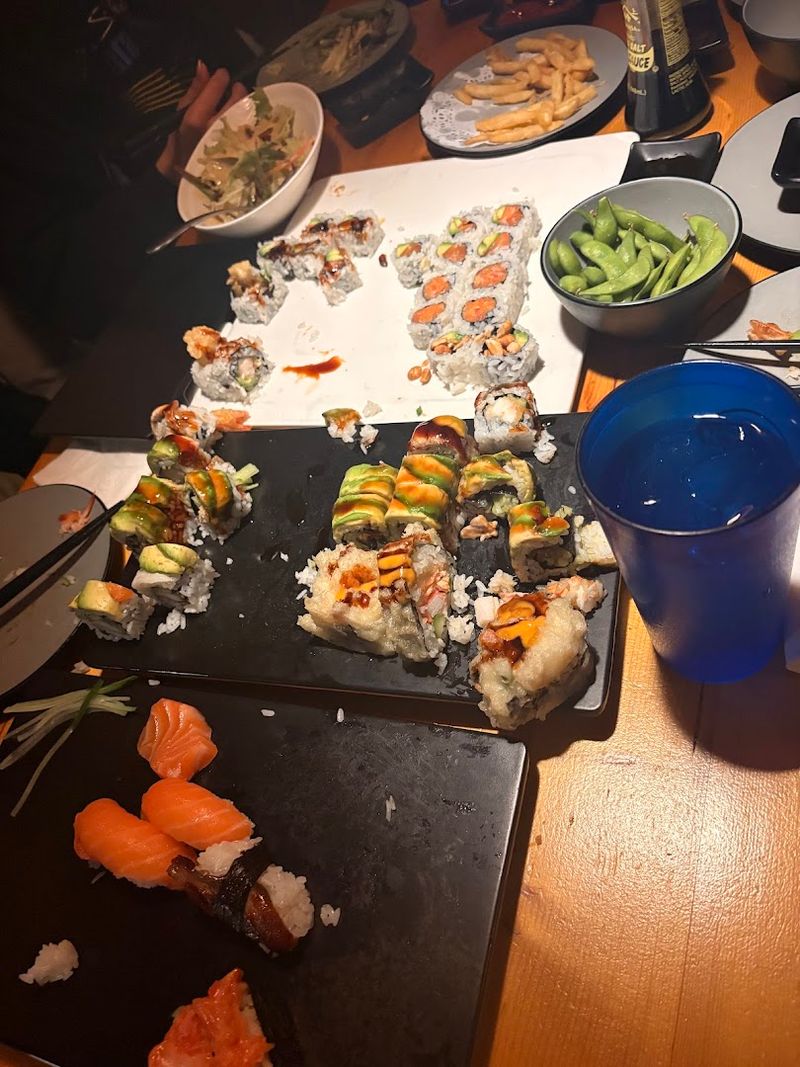
Sakana operates on a split-schedule format that is worth understanding before planning a visit. Monday through Friday, the restaurant is open from 11:30 AM to 2:45 PM for lunch service only.
On Saturdays, hours extend from 11:30 AM to 9:45 PM, and Sundays run from 11:30 AM to 9:15 PM.
The lunch AYCE option tends to be more affordable than dinner, making weekday visits a smart choice for those watching their budget. The quality and menu range remain consistent across both services, so the experience does not take a hit just because the price is lower at midday.
Dinner on weekends is where the wait times can become significant. Tables for groups of four or more can involve waits of up to two hours without a reservation.
Making a reservation in advance, especially for Friday or Saturday evenings, is strongly recommended and can make the difference between a smooth evening and a long stretch at the door.
Freshness Is the Standard, Not the Exception
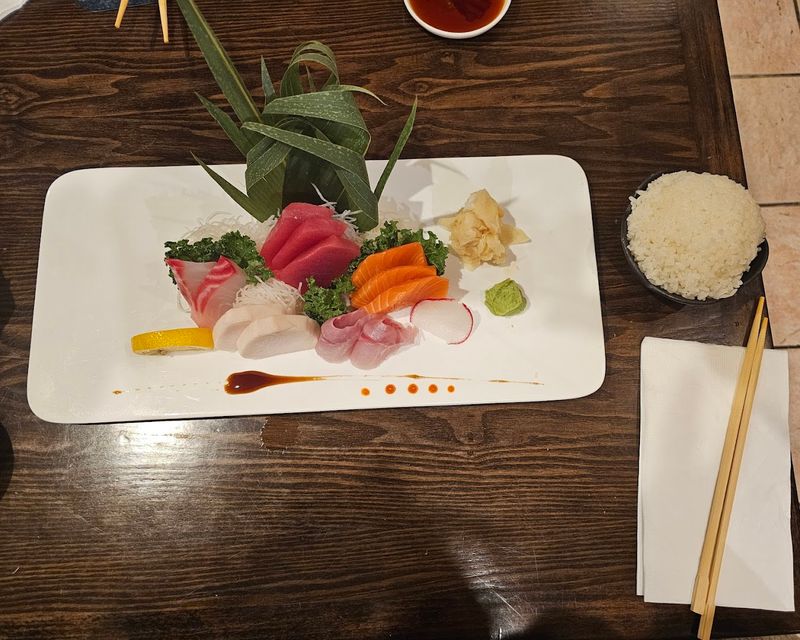
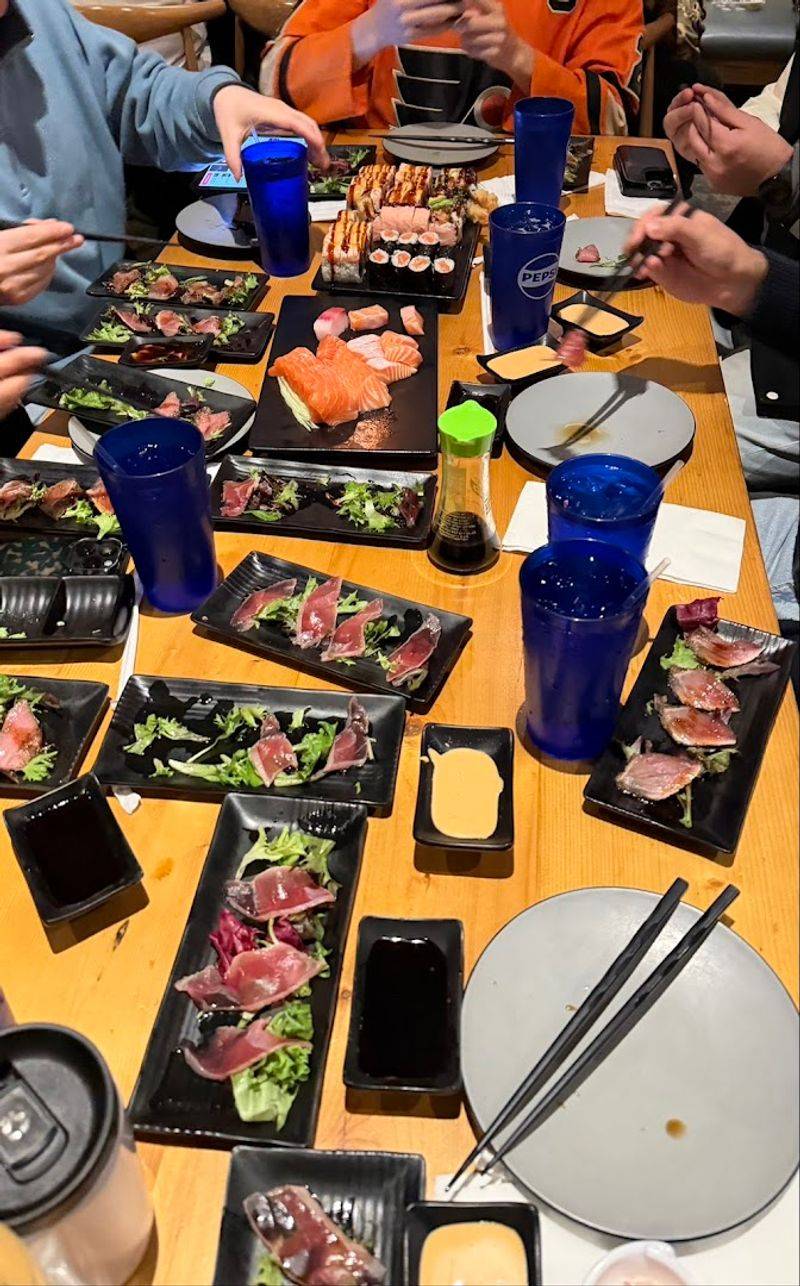
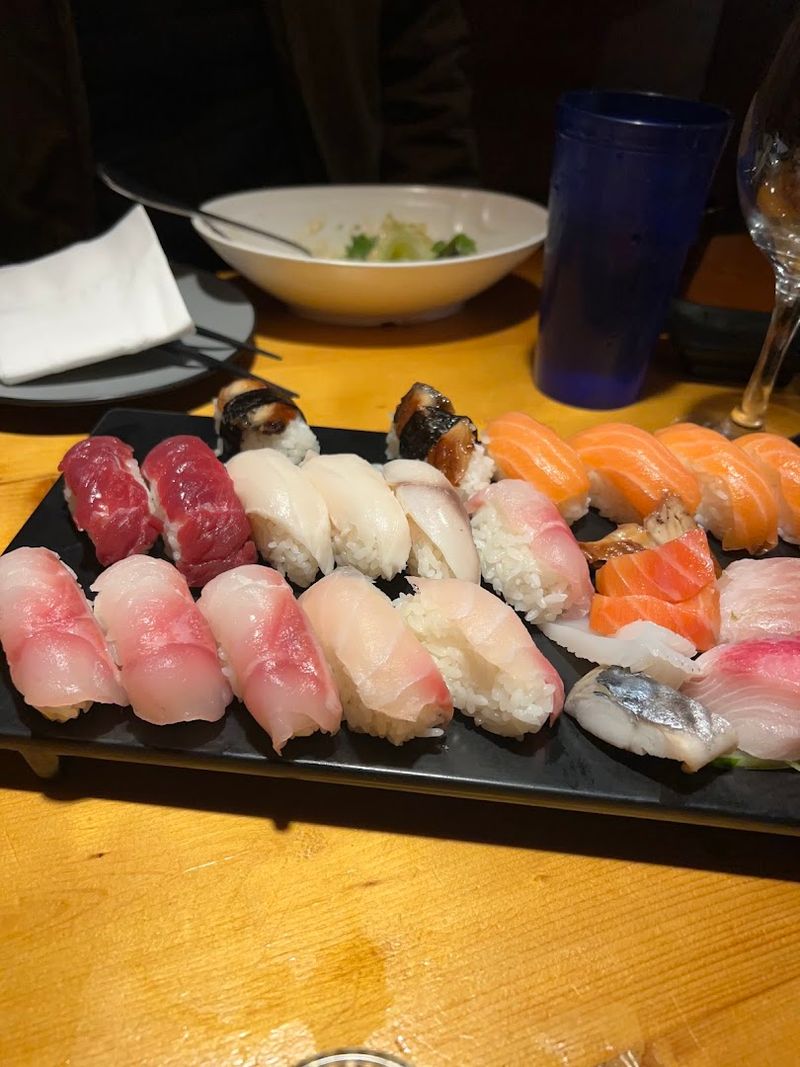
One of the most consistent points that comes up about Sakana is the freshness of the fish. In a restaurant that operates on a high-volume all-you-can-eat model, maintaining that standard is not a small thing.
The kitchen prepares everything to order, which means nothing sits out waiting to be claimed from a buffet line.
The tuna in particular gets frequent attention, with the white tuna noted for its soft, almost buttery consistency. The rice is cooked to a soft, well-balanced texture that complements rather than overwhelms the fish, and the fish-to-rice ratio is generous enough that diners do not feel like they are eating mostly filler.
Fresh-to-order preparation is what separates Sakana from a standard buffet-style setup. Every round of dishes arrives at the table as if it were made for a sit-down restaurant rather than a high-turnover AYCE operation, and that consistency is a significant part of why the place has built such a strong reputation.
The Menu Goes Well Beyond Sushi
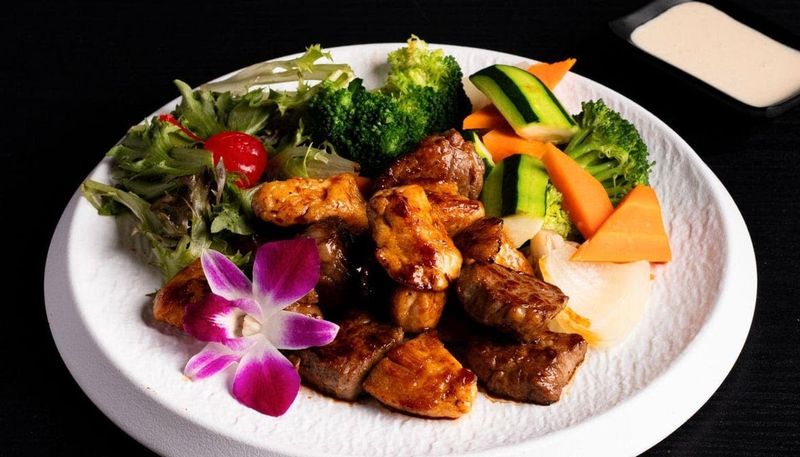
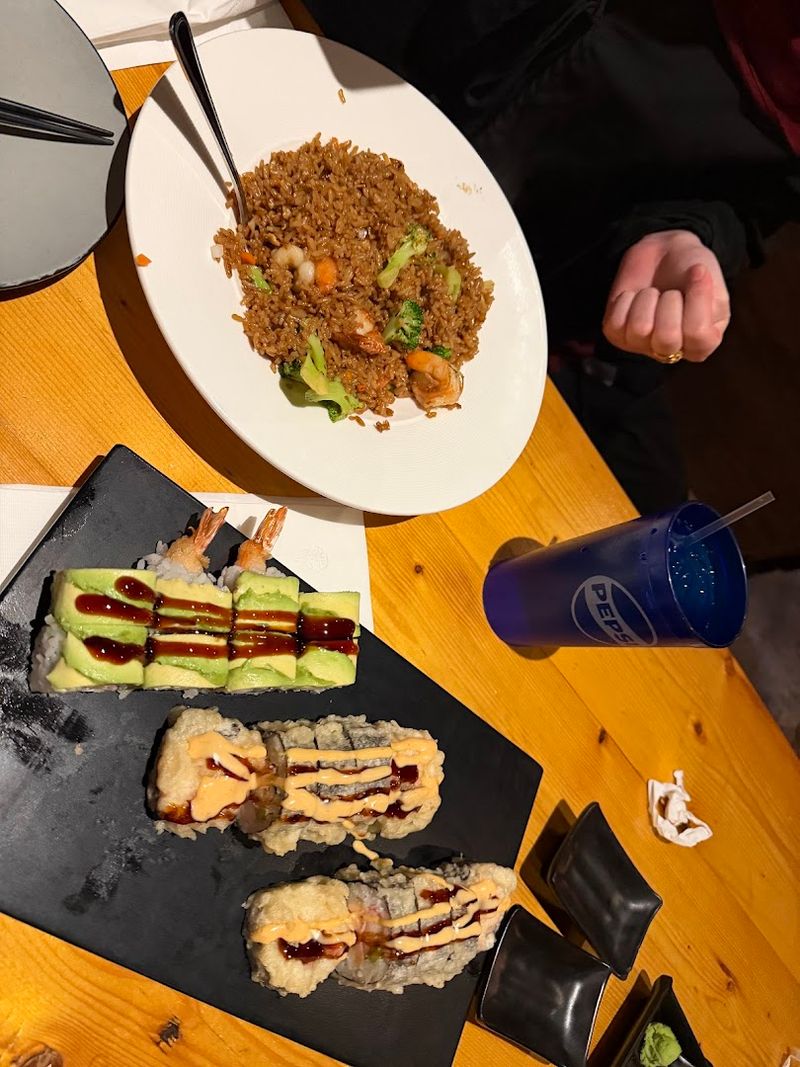
Sushi is the headline, but the menu at Sakana extends well beyond rolls and sashimi. Ramen, noodles, hot dishes, and a range of appetizers are all part of the AYCE offering, giving the meal a depth that keeps even non-sushi eaters fully satisfied throughout the 90-minute window.
The variety means that groups with mixed preferences can all find something they enjoy without anyone feeling like they drew the short straw. One person can build a meal entirely out of rolls while another focuses on hot dishes, and both leave having gotten real value from the experience.
The menu also includes customizable options, which is a feature that goes beyond what most all-you-can-eat restaurants offer. Being able to adjust dishes based on dietary needs or personal preference, including accommodations for certain allergies, makes Sakana a more accessible option for a wider range of diners than the typical AYCE Japanese spot tends to be.
Dessert Comes With the Deal
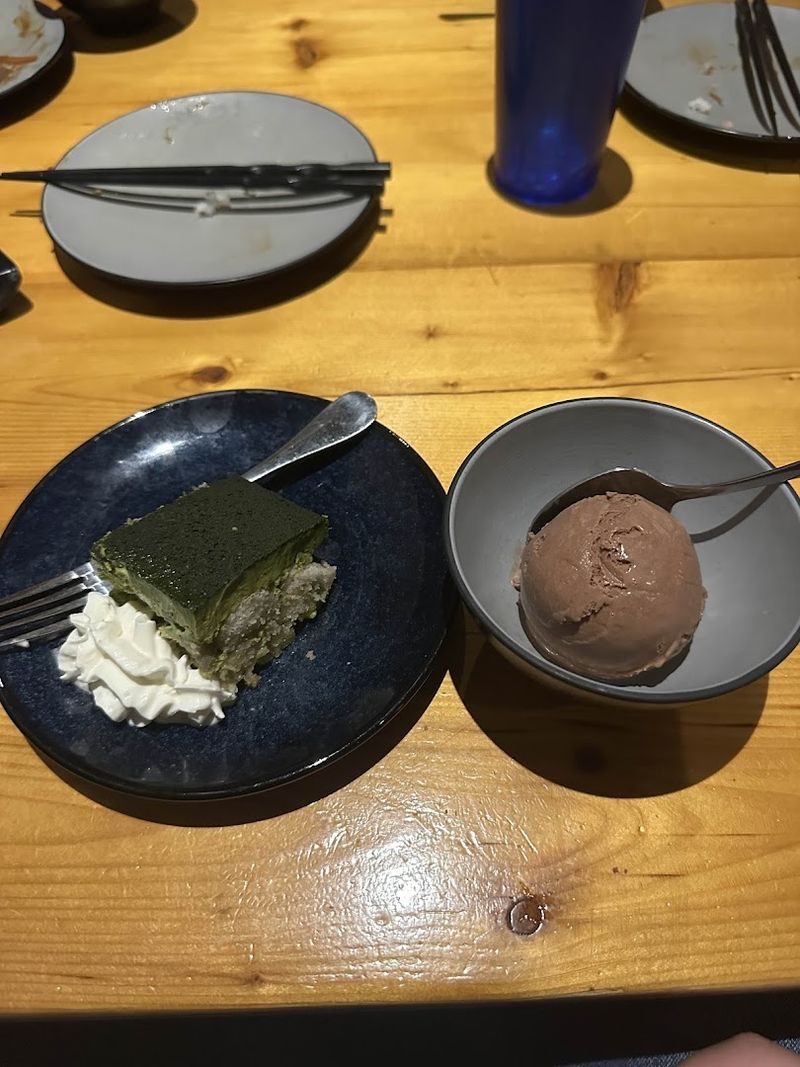
Every all-you-can-eat meal at Sakana includes one scoop of ice cream as a closing course. It is a small addition, but it gives the meal a satisfying endpoint that rounds out the experience rather than leaving guests to simply stop eating mid-round and call it done.
The ice cream is not part of the AYCE portion itself, meaning guests cannot order multiple scoops under the same deal, but the included scoop is a consistent touch that people notice and appreciate. After a long round of sushi, ramen, and appetizers, a cool, simple dessert lands well.
Beyond ice cream, the dessert options available during the meal have also drawn positive attention. The Banana Tempura with vanilla ice cream is one item that has come up as a standout, offering a warm, lightly crisp finish that contrasts nicely with the cold dessert served at the end.
It is the kind of detail that shows the kitchen is thinking beyond just the main courses.
Reservations and Wait Times: The Real Story
Sakana does not take reservations on Saturdays, which is its busiest day of the week. That policy means walk-in groups, especially those of four or more, should expect a wait.
The restaurant does use an app-based check-in system that notifies guests when their table is ready, though some guests have reported an additional wait after receiving that notification.
For every other night of the week, reservations are available and strongly recommended for dinner. Without one, wait times during peak dinner hours can stretch to two hours or more, particularly on Fridays.
The restaurant’s popularity near Rutgers and the local theater district means foot traffic stays high on weekends throughout the year.
Planning ahead pays off here. Groups that book in advance consistently report a smoother arrival and seating process, while walk-in parties tend to face the longest delays.
The food is worth the wait, but the experience is noticeably better when the logistics are handled before arriving at the door.
A Spot That Handles High Volume Well
Running a high-volume all-you-can-eat restaurant without letting quality slip is genuinely difficult, and Sakana has developed a reputation for handling busy nights better than most. Even on packed Friday evenings, food has been reported arriving hot, fast, and accurate, which is not a given in a restaurant operating at full capacity.
The combination of the iPad ordering system, the robot delivery assist, and an attentive floor staff creates a setup where multiple things can happen at once without the whole operation falling behind. Orders go in quickly, the kitchen processes them by round, and the delivery system keeps things moving between the back of the house and the tables.
Valentine’s Day is one example that illustrates how the restaurant manages pressure. Fully booked and operating at maximum capacity, the kitchen still maintained reasonable service times throughout the evening.
That kind of consistency under pressure is the mark of a well-run operation, and it is something diners notice and remember long after the meal ends.
The Rutgers Connection and Local Loyalty

Sakana sits in a part of New Brunswick that is deeply connected to Rutgers University, and that relationship is reflected in its regular crowd. Students, faculty, and local residents have all adopted it as a go-to spot, and the restaurant’s consistent quality has helped it build the kind of loyalty that keeps people coming back rather than rotating through the area’s many other dining options.
Being the favorite AYCE sushi spot near a major university is a competitive distinction. Students are frequent diners who know value when they find it, and they talk.
Word of mouth around campus has played a real role in building Sakana’s following, especially among younger diners who are looking for a quality meal that does not require a high budget.
That local loyalty extends beyond the student population. Families, couples, and longtime New Brunswick residents have made Sakana a regular stop, some visiting many times over, which says something meaningful about what the restaurant has built over time.
Dietary Accommodations Worth Mentioning
Sakana has earned specific recognition from diners with dietary restrictions, particularly those managing food allergies. The restaurant has been noted as one of the few Asian dining spots in the area where guests with sesame allergies feel comfortable eating, which is a meaningful distinction in a cuisine category where sesame is widely used.
The customizable nature of the menu allows guests to adjust dishes based on their needs, and the kitchen has shown a willingness to work with specific requests. That flexibility is not something every AYCE restaurant offers, and it makes Sakana a more inclusive option for groups that include people with varied dietary requirements.
The restaurant has also acknowledged feedback about separating meat and non-meat options more carefully, showing an openness to improving in areas where guests have raised concerns. Attention to dietary detail is one of the quieter qualities that builds long-term trust with a regular customer base, and Sakana appears to take that responsibility seriously.
Why People Keep Coming Back
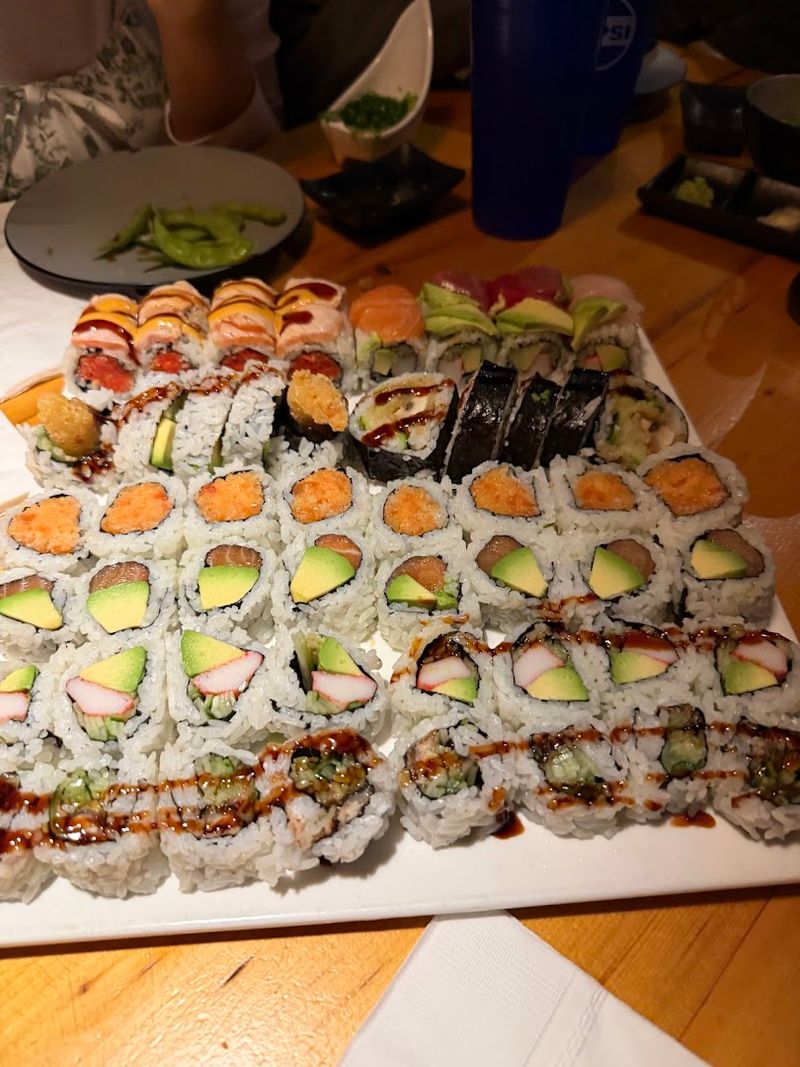
The combination of fresh fish, a tech-forward ordering system, a wide-ranging menu, fair pricing, and consistent service creates a dining experience that is genuinely hard to replicate elsewhere in New Jersey. Sakana has hit a balance that most restaurants spend years trying to find, and it shows in the loyalty of its regulars.
People who visit once tend to return, and many have made it a regular stop for everything from solo lunches to large group celebrations. The restaurant’s ability to handle both intimate weeknight dinners and fully packed weekend services without a significant drop in quality is one of the clearest indicators of how well the operation runs.
At its core, Sakana offers something straightforward: good Japanese food, made fresh, in a setting that feels worth the trip. That simplicity, backed by real execution, is what turns first-time visitors into regulars and keeps a restaurant on George Street consistently busy long after the novelty of the robot delivery wears off.



