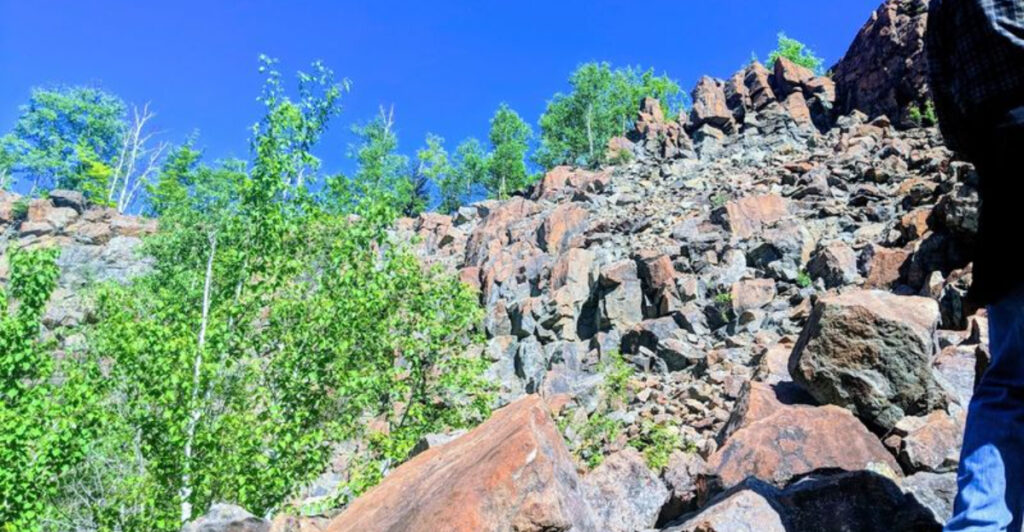
Deep in the Adirondack Mountains of upstate New York, a short trail through the woods leads to something most people never expect to find on a hike: a real open-pit garnet mine. The Hooper Garnet Mine sits above the village of North Creek, tucked into the hillside near Garnet Hill, and it has been drawing curious hikers and rock enthusiasts for generations.
Red gemstones embedded in ancient rock, panoramic mountain views, and the thrill of discovering something buried in the earth for millions of years make this one of the most unusual outdoor destinations in the state. Whether you are a geology fan, a family looking for a memorable outing, or just someone who wants a hike with a payoff at the end, this trail delivers in a way that few others can match.
A Mine With a Real History Behind It
The Hooper Garnet Mine is not a recreation facility built to look like a mine. It is an actual abandoned garnet mine with decades of industrial history embedded in its rock walls.
New York State was once one of the leading garnet-producing regions in the entire country, and the Adirondacks played a central role in that story.
Garnet Hill has long been associated with garnet extraction, and the Hooper Mine represents a visible chapter of that legacy. Old mining shacks and pieces of equipment can still be spotted on the hillsides below the main pit, offering a glimpse into how the operation once ran.
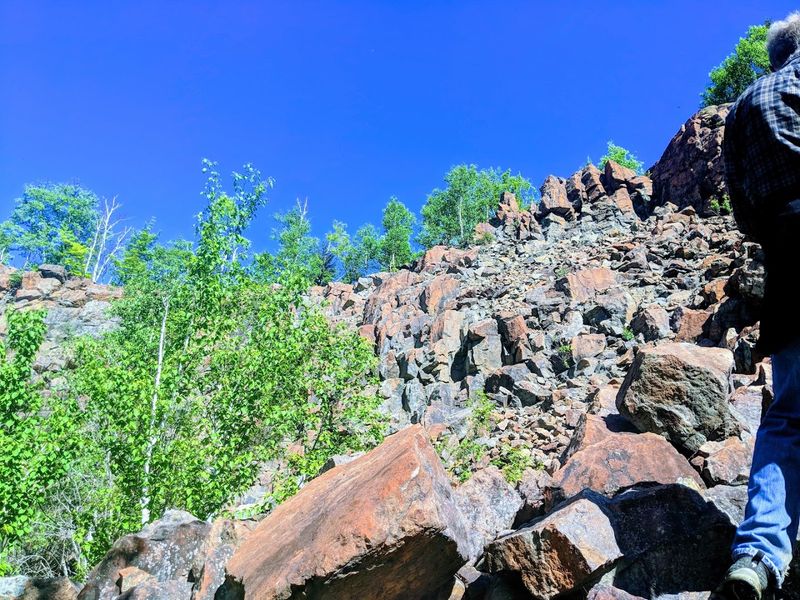
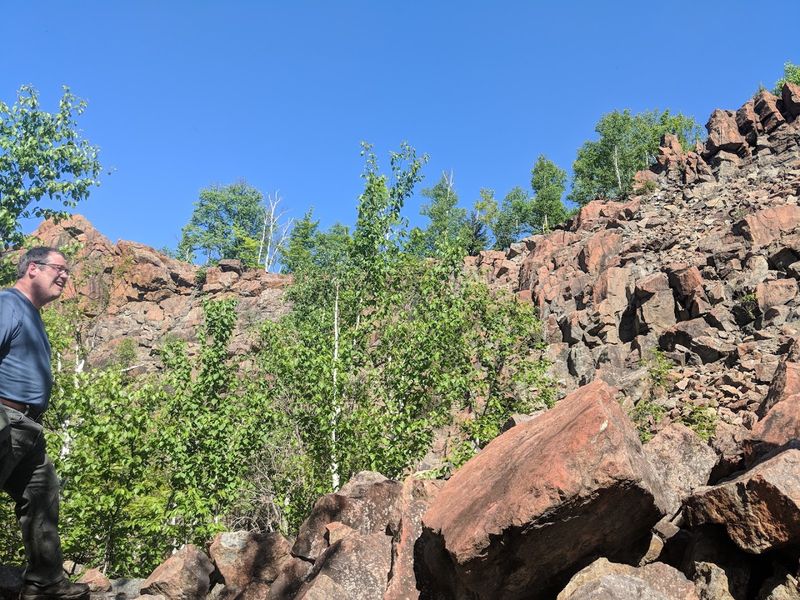
The rock faces surrounding the pit are sheer and striking, carved out by generations of mining activity rather than natural erosion alone. Standing inside the pit and looking up at those walls makes the scale of the old operation surprisingly clear.
History is not just told here; it is written in stone.
What Garnets Actually Look Like in the Wild
Most people have seen garnets in jewelry stores, polished and set in silver or gold. Finding them raw and embedded in rock is an entirely different experience.
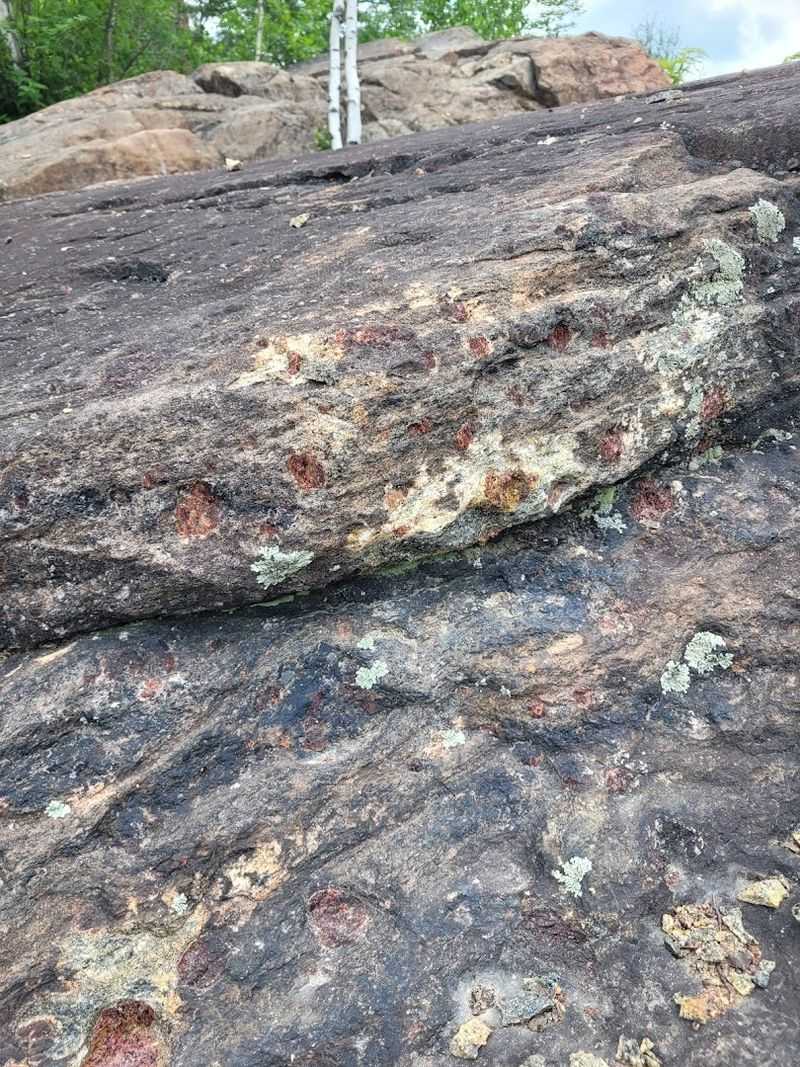
At the Hooper Mine, garnets appear as deep reddish-brown crystals locked inside a dark matrix of hornblende and other minerals.
The surrounding rock takes on a reddish, almost Mars-like coloring in places, which makes the site visually distinctive even before you start looking closely at individual stones. Garnets range from tiny chips scattered across the ground to fuller crystals still locked inside host rock.
The crystals tend to be rounded rather than faceted, which is typical of almandine garnets found in metamorphic rock. They are not gem-quality in the traditional sense, but they are genuine, naturally formed minerals with real geological value.
For anyone building a mineral collection, finding garnets still attached to their original matrix is considered a particularly rewarding find.
The Hike In: What to Expect on the Trail
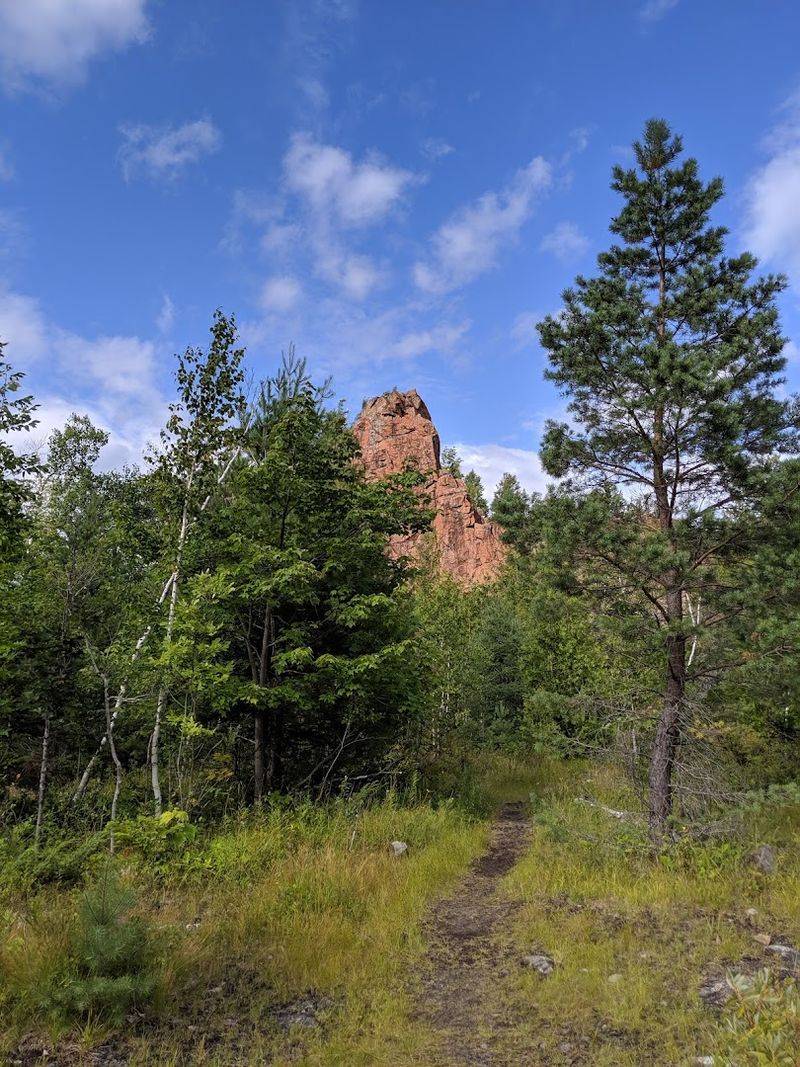
The trail to the Hooper Mine is short but honest about the effort it requires. The path climbs steadily uphill for roughly half a mile, passing through a mix of forest terrain before opening up into the mine area.
Following the arrow signs along the route keeps hikers on track, since a wrong turn early on can add unnecessary distance.
The ground can be wet and uneven in spots, particularly after rain, so wearing sturdy footwear with good grip is a practical necessity rather than just a suggestion. Bugs can be present in warmer months, making insect repellent a worthwhile addition to any pack.
The uphill push on the way in is offset by the easy downhill return, which most hikers appreciate after spending time exploring the mine. The trail is accessible to a wide range of fitness levels, including older adults and children, as long as proper footwear is worn.
The payoff at the top makes the climb feel worth every step.
The Open Pit: First Look at the Mine
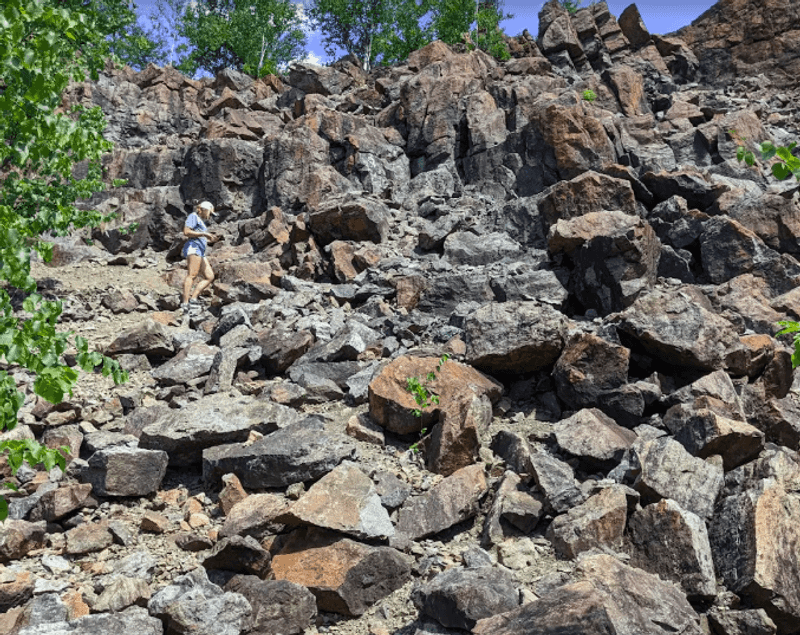
Arriving at the bottom of the Hooper Mine for the first time is genuinely surprising. The pit opens up unexpectedly after the forest trail, revealing sheer rock cliffs on multiple sides and a floor covered in broken rock and mineral debris.
The scale of the excavation becomes apparent quickly.
Walking straight across to the large red-colored rocks is the most direct route to where garnets are most concentrated. The reddish tones in the rock come from the high iron content of the garnet-bearing minerals, and those colors intensify in certain lighting conditions.
The open pit format means there are no underground tunnels to navigate, which keeps the experience accessible and comfortable for all ages. The layout is essentially a large outdoor rock yard surrounded by high walls, with plenty of surface area to cover.
Some hikers spend just twenty minutes here while others stay for hours, working through rocks methodically in search of the best specimens.
Finding Garnets: Tips That Actually Work
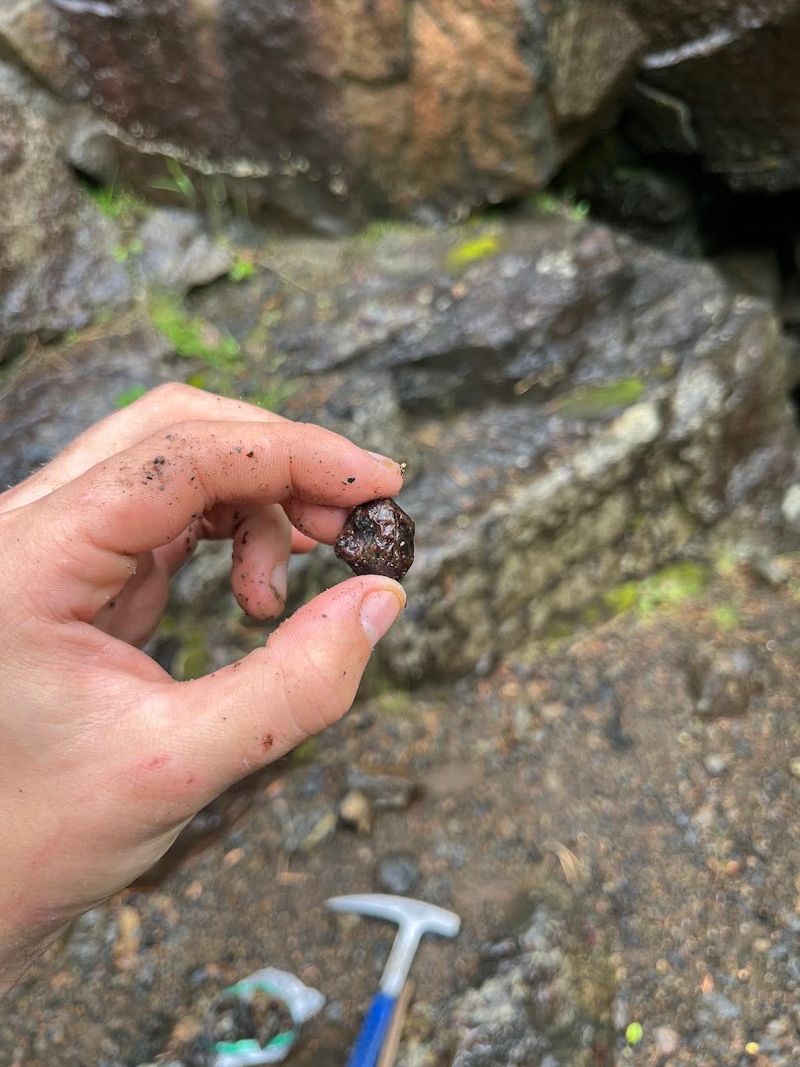
Garnet hunting at the Hooper Mine rewards patience and a methodical approach. The easiest finds are chips and smaller pieces scattered across the ground, which are abundant and require no tools to collect.
Full crystals still embedded in matrix rock take more effort but are significantly more satisfying to bring home.
Checking crevices between rocks is one of the more productive strategies, as garnets tend to accumulate in low spots where they have broken free from the surrounding material. The rock at this site is extremely hard, which means hand tools like basic hammers often shatter the crystals rather than freeing them cleanly.
Experienced collectors recommend small-diameter coring bits or rotary tools for removing intact crystals from the host rock. Bringing a small container or zip-lock bag for specimens keeps finds organized during the hike back.
Even first-time visitors with no prior experience typically leave with at least a few genuine garnet pieces to take home.
The View From the Top Is Worth the Climb
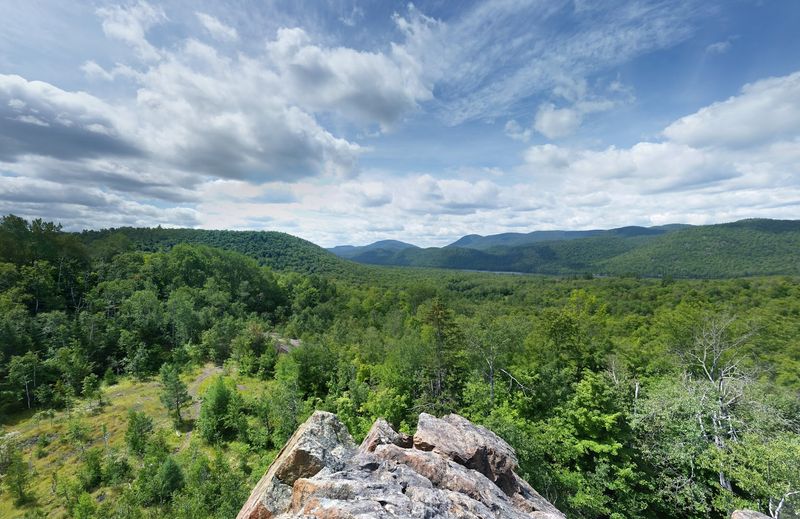
The Hooper Mine does not just offer rocks. At the ridge above the pit, a viewpoint opens up across the surrounding Adirondack forest valleys in a wide panoramic sweep.
The view covers rolling forested hills and mountain ridges stretching into the distance, with no urban development interrupting the landscape.
Glacially carved rocks near the overlook provide natural seating for anyone who wants to pause and take in the surroundings. The elevation is not extreme, but it is enough to provide a genuinely elevated perspective over the tree line.
Visiting on a clear day maximizes the payoff, though even on overcast days the forest canopy creates a compelling backdrop against the rocky terrain of the mine. The combination of geological interest at the pit level and natural scenery at the ridge makes the Hooper Mine feel like two different experiences layered into a single short hike.
Few trails in the region offer that kind of variety in such a compact distance.
Eastern Newts and Wildlife Along the Trail
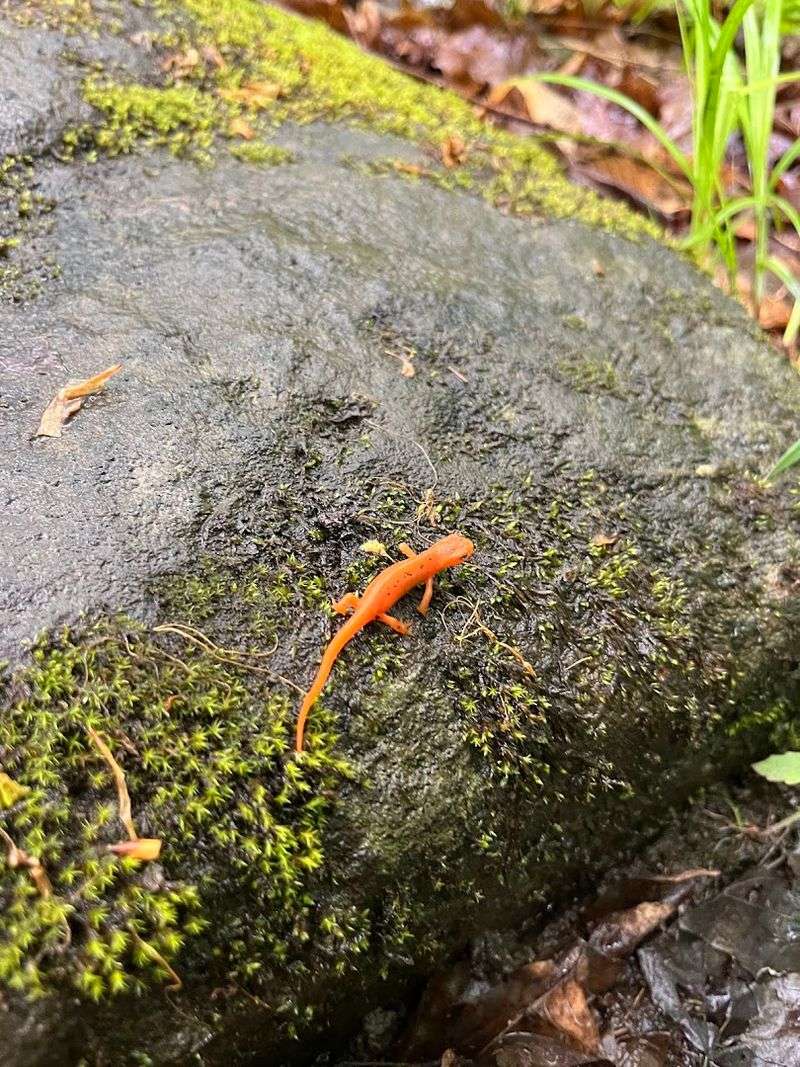
The trail to the Hooper Mine passes through classic Adirondack forest, and wildlife encounters are part of the experience. Eastern newts, particularly in their vivid orange juvenile stage known as red efts, have been spotted along the path during and after rain.
These small amphibians are harmless and surprisingly bold, often sitting motionless on the trail rather than retreating when approached.
The presence of newts is a reliable indicator of a healthy forest ecosystem, and the Hooper Mine trail corridor supports a range of native species beyond just the most visible ones. Birdsong is consistent throughout the hike, and the forest canopy provides habitat for multiple species common to the northeastern Adirondacks.
Visitors focused entirely on the mine sometimes miss the ecological detail happening along the trail itself. Taking a few minutes to observe the surroundings on the way in or out adds another layer to the overall outing.
The forest here is not just a corridor to the rocks; it is a destination in its own right.
The Geology Behind the Garnets
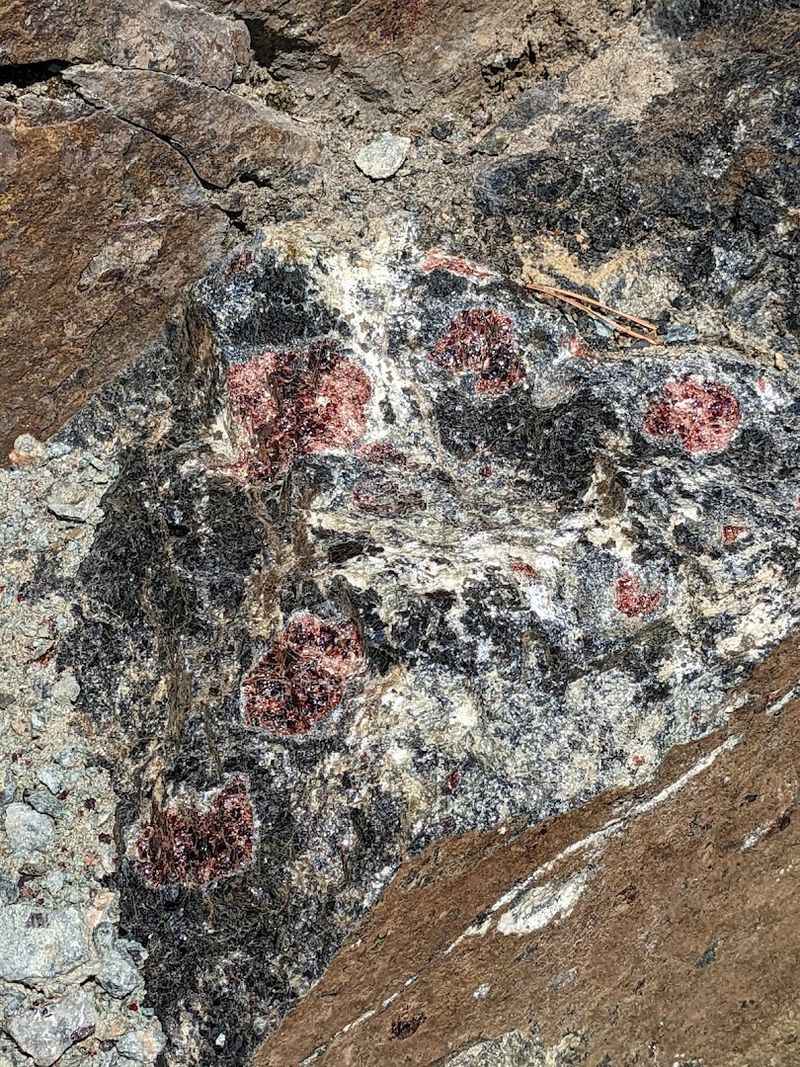
The garnets at the Hooper Mine are almandine garnets, the most common variety found in metamorphic rocks across the northeastern United States. They formed deep underground under extreme heat and pressure over hundreds of millions of years, embedded in a host rock composed largely of hornblende and other silicate minerals.
The Adirondack Mountains themselves are among the oldest exposed rock formations in North America, with some basement rocks dating back over a billion years. The garnet deposits in this region formed during a period of intense geological activity when ancient rock was buried, heated, and recrystallized into new mineral assemblages.
That geological history is what makes the Adirondacks one of the few places in the world where garnet occurs in quantities large enough to support commercial mining. The Hooper Mine taps directly into that ancient geological record, giving visitors a tangible connection to processes that unfolded on a timescale almost too large to process.
Every crystal pulled from the rock carries that entire history within it.
Best Time of Year to Make the Trip
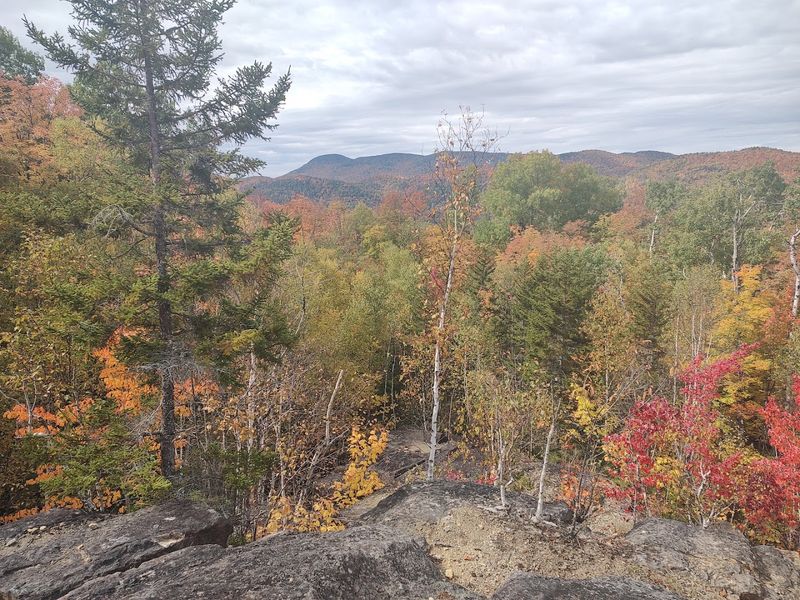
The Hooper Mine is open daily from 8 AM to 6 PM, but the season and weather conditions significantly shape the quality of a visit. Late spring through early fall represents the most popular window, with longer daylight hours and more stable trail conditions making the hike comfortable for most visitors.
Summer visits can bring heavier insect activity, particularly in July, so bug spray becomes more important during those months. Fall visits offer cooler conditions and reduced bugs, along with the added backdrop of Adirondack foliage changing color across the surrounding forest and hillsides.
Spring visits are possible but the ground tends to be wetter and muddier, which affects both trail footing and conditions inside the mine pit. Checking recent weather before heading out is always a good habit regardless of the season.
Midweek visits during summer tend to be quieter than weekend trips, which can make the experience feel more personal and unhurried for those who prefer fewer crowds on the trail.
Taking Home a Piece of the Adirondacks
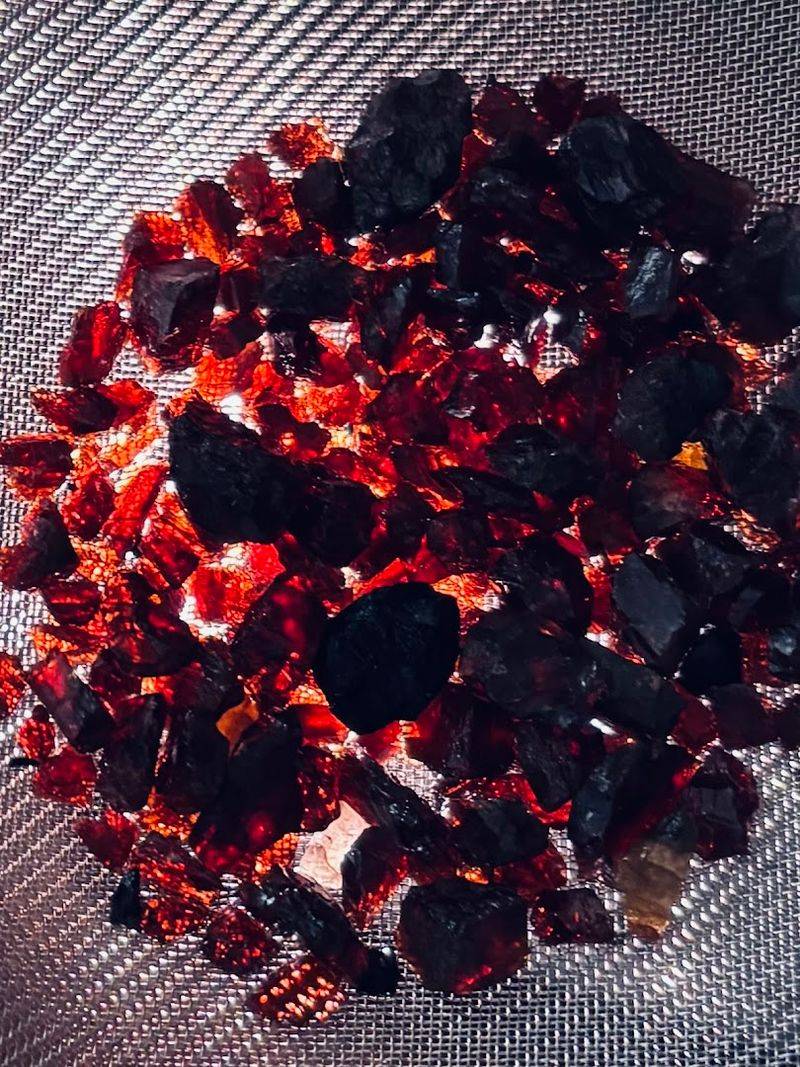
Leaving the Hooper Mine with a few garnets in hand gives the trip a tangible takeaway that most hikes simply cannot match. The stones serve as a direct physical reminder of the geological history of the Adirondacks, and they hold that connection regardless of their size or visual quality.
Some collectors take their raw specimens home and tumble them for polishing, producing smooth, lustrous stones that work well for jewelry making. Earrings, pendants, and small decorative pieces made from Hooper Mine garnets carry a provenance that store-bought stones cannot replicate.
Others prefer to keep their finds raw and in matrix, displaying them as natural specimens that show the garnet in its original geological context. Either approach results in something genuinely personal.
The mine charges by the pound for collected material, which keeps the cost proportional to what each visitor takes home. For families especially, the combination of outdoor activity and a physical souvenir makes the Hooper Mine an outing that tends to be remembered long after the hike is over.
Why the Hooper Mine Keeps Drawing People Back
The Hooper Garnet Mine has a quality that is harder to define than trail length or specimen quality. Multiple visitors have returned four or more times, drawn back not just by the possibility of finding better garnets but by the overall character of the place.
The combination of history, geology, scenery, and physical activity creates an experience that holds up across repeat visits.
The mine is free to access as an open pit site, though guided tours and collected material carry their own costs. That low barrier to entry means it works equally well as a spontaneous day trip or a planned excursion built around the site specifically.
North Creek and the surrounding Adirondack region offer plenty of complementary activities for those who want to extend their visit beyond the mine itself. Camping, skiing in season, and general mountain recreation all sit within easy reach.
The Hooper Mine earns its place as a highlight of any Adirondack itinerary, one that delivers something genuinely different from a standard trail.
Where the Trail Begins: Location and Access
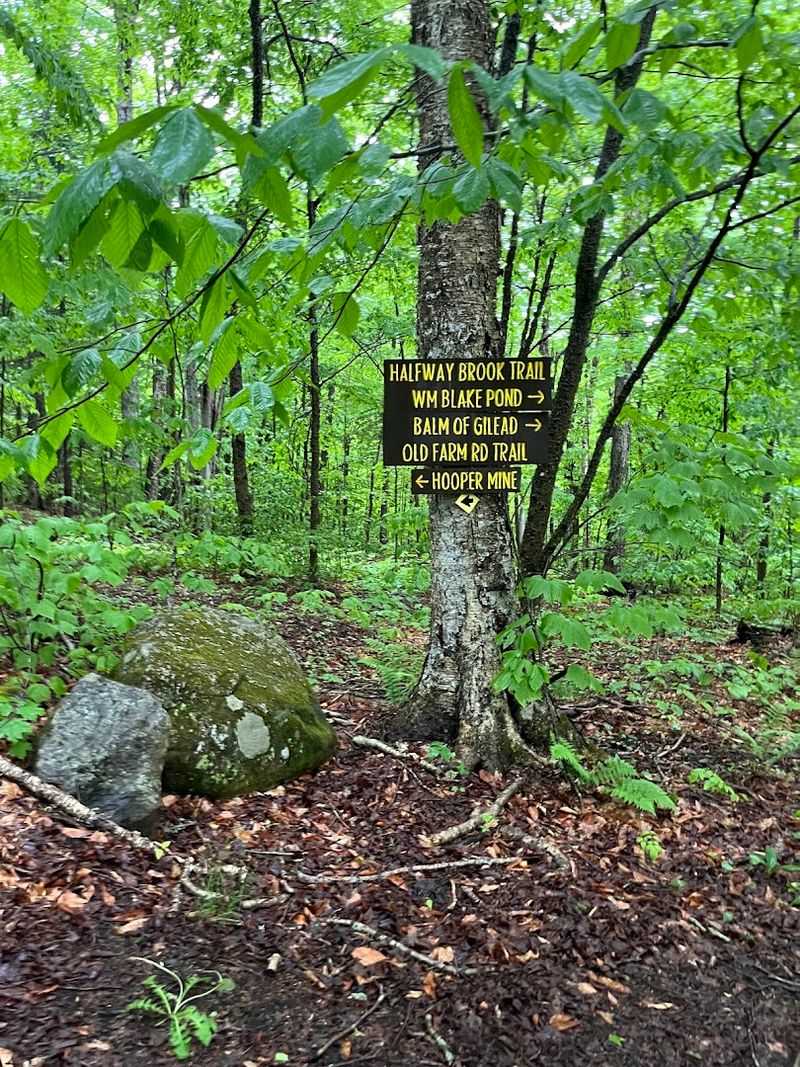
The Hooper Garnet Mine is located in North Creek, NY 12853, positioned on the grounds of the historic Garnet Hill area in the Adirondack Mountains. Getting there is straightforward once you know the trick: park near the bike rental office or the tennis court parking lot, then follow the arrow signs pointing toward the mine trail.
The walk from the parking area to the mine takes about ten minutes on foot. The trail is uphill on the way in, which means the return trip is noticeably easier.
Cell reception disappears several miles before the trailhead, so downloading a map in advance or bringing a paper copy is a smart move. The mine operates daily from 8 AM to 6 PM, giving visitors a solid window to explore without feeling rushed.
Arriving earlier in the day tends to give more time for a thorough look around the site.
Share this story