There is a place tucked away in Montgomery County, North Carolina, where the ground itself holds centuries of stories. No flashy signs point you toward it, no crowds spill out into the parking lot, and no admission fee stands between you and one of the most quietly powerful historic sites in the entire state.
A ceremonial mound rises from the earth near the Little River, and standing beside it, you get the distinct sense that time works differently here. This article walks you through everything worth knowing before you visit, from the layered history to the practical tips that will make your trip run smoothly.
Where Exactly You Will Find This Hidden Landmark
The address is 509 Town Creek Mound Rd, Mt Gilead, NC 27306, and that simple string of numbers and letters does not prepare you for what waits at the end of the drive. Town Creek Indian Mound State Historic Site sits in Montgomery County, tucked into a quiet stretch of North Carolina that most travelers pass without a second thought.
The site is open Tuesday through Saturday from 9 AM to 5 PM, and it is closed on Sundays and Mondays. You can reach the staff by phone at +1 910-439-6802 or check current updates at towncreekindianmound.com before heading out.
Getting there requires a bit of intentional effort, since the mound is set well back from the main highway. That distance from the road is part of what keeps the atmosphere so calm and undisturbed.
The parking lot is generously sized, and clean restrooms are available on the exterior right side of the visitor center building, which is a small but appreciated detail for families arriving after a long drive.
The Ancient Story Behind the Mound
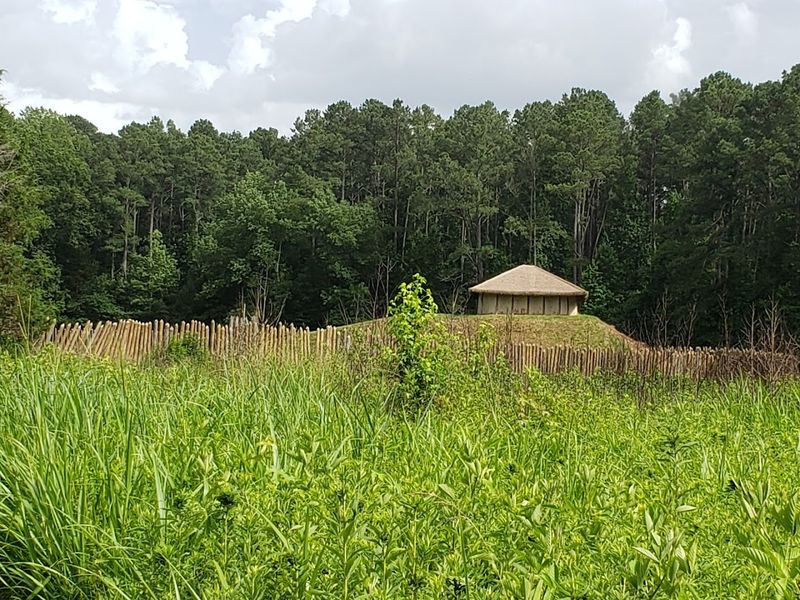
Roughly 500 years ago, a group of people known as the Pee Dee culture built a ceremonial center on this land, and what they left behind still commands serious attention from archaeologists and history enthusiasts alike. The mound itself is an earthen platform that once supported a temple, and it served as the spiritual and social heart of their community.
Some visitors are surprised to learn that human activity in this region stretches back nearly 9,000 years, though the mound structure is associated with a more specific cultural period between roughly 1000 and 1450 AD. The Pee Dee people were sophisticated builders who organized their society around ceremonial practices that archaeologists have spent decades carefully piecing together.
What makes this site especially compelling is that it was not just a village but a regional gathering place, drawing people from surrounding areas for rituals and community events. The careful excavation work done here over the past century has helped researchers understand how indigenous communities in the Carolinas lived, organized, and connected with one another long before European contact changed everything.
Starting Your Visit at the Visitor Center
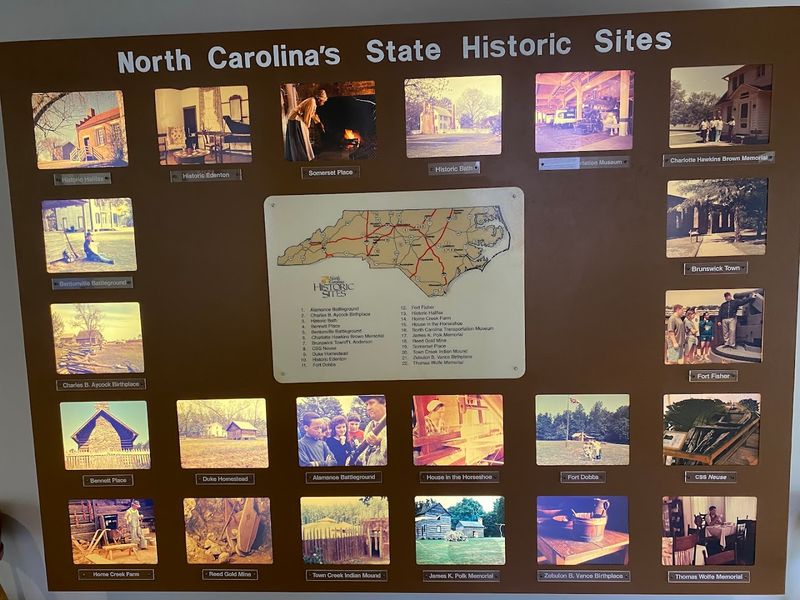
My first stop was the visitor center, and I am glad I did not skip it. The staff greeted me warmly the moment I walked through the door, and the whole space has a calm, museum-like quality that immediately sets the tone for the experience ahead.
The center houses a collection of artifacts recovered from the site during archaeological digs, including tools, pottery fragments, and other objects that give real texture to the story of who lived here. Informational panels line the walls, and the displays are well-organized without feeling overwhelming or overly academic.
There is also a small but well-curated gift shop where you can pick up souvenirs, books, and items featuring Native American craftsmanship. Admission to the site is completely free, though donations are welcomed and genuinely appreciated by the staff who keep this place running.
The visitor center is the logical anchor point for your self-guided tour, and spending time there before heading outside gives the outdoor structures far more meaning and context than you would have otherwise.
The 18-Minute Video That Changes Everything
Before heading outside to the mound, I sat down for the introductory video, and those 18 minutes turned out to be the most valuable part of the entire visit. The film walks you through the archaeological history of the site in a way that is genuinely engaging rather than dry or textbook-heavy.
One of the most fascinating aspects of the video is how it explains the way archaeologists worked backward from physical evidence to reconstruct the daily lives, spiritual practices, and social structure of the Pee Dee people. Watching researchers interpret fragments of pottery and post holes in the soil to recreate an entire community is both humbling and astonishing.
The staff can start the video whenever you arrive, so there is no need to time your visit around a fixed schedule. If you are visiting with kids, the film holds attention well and gives younger visitors a framework for understanding what they are about to see outside.
I genuinely wish more historic sites invested this much care in their introductory media, because it made the outdoor portion of my visit feel completely different than if I had just wandered out cold.
Climbing the Mound and Entering the Reconstructed Temple
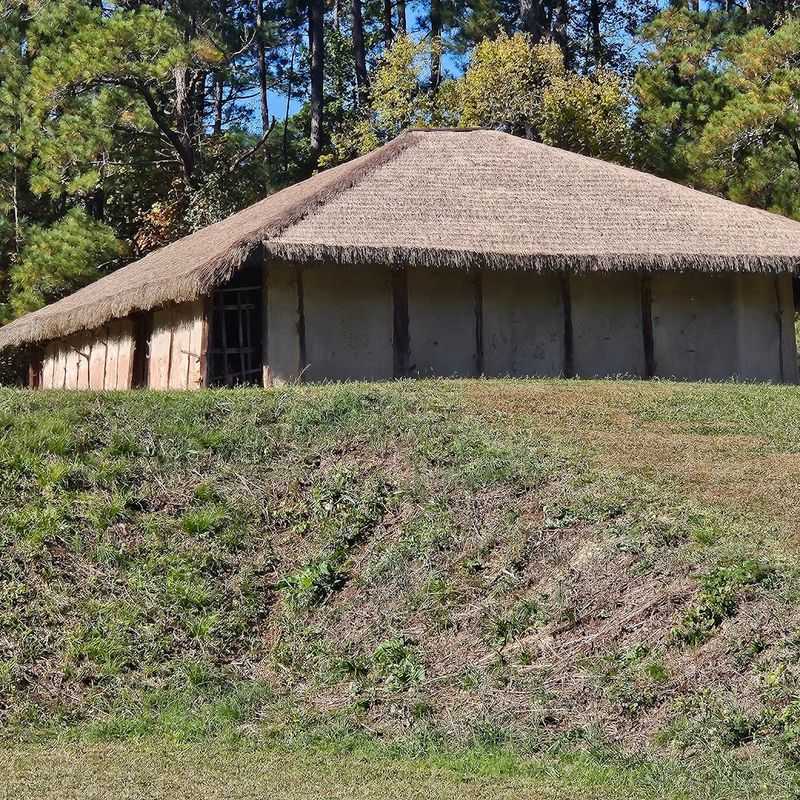
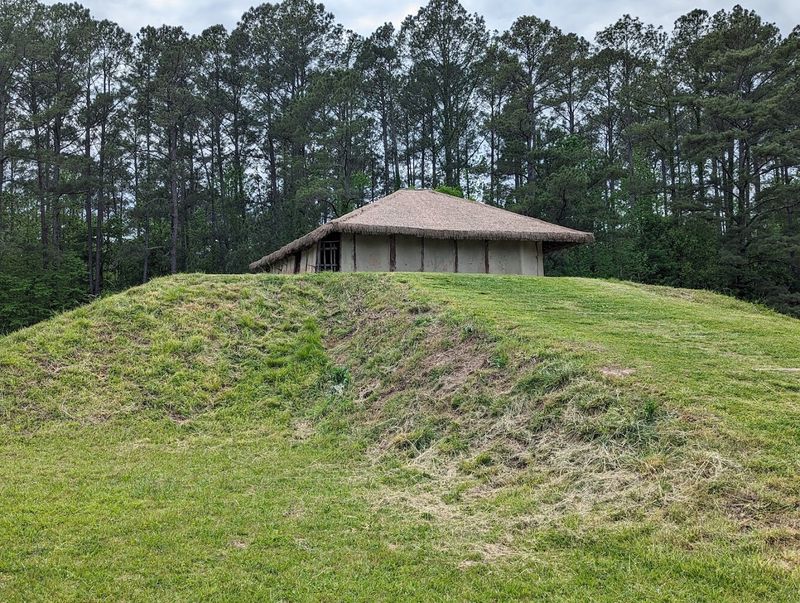
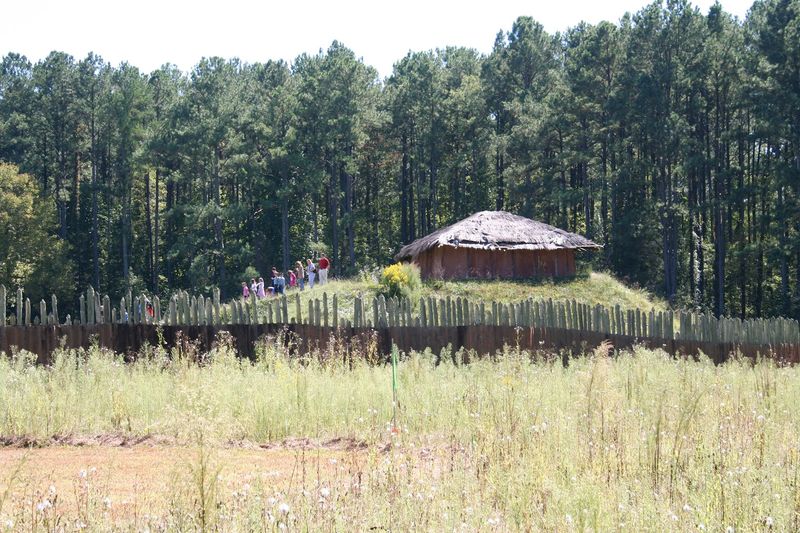
The mound itself is the undeniable centerpiece of the outdoor area, and standing at its base before climbing up gives you a clear sense of how much physical labor went into building it. Every cubic foot of that earthen platform was moved and shaped by hand, which is a fact that hits differently once you are standing right in front of it.
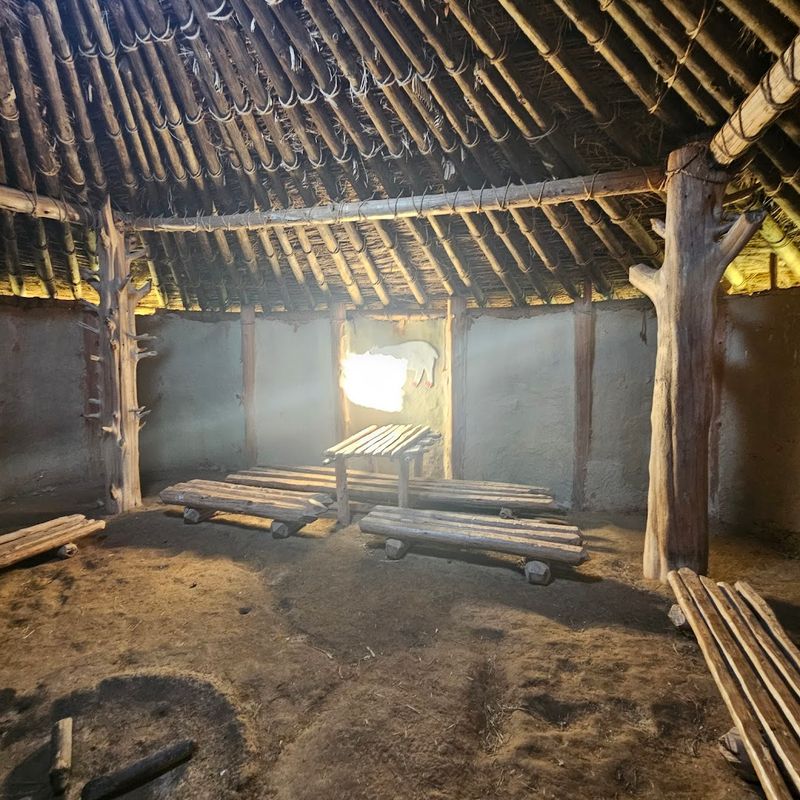
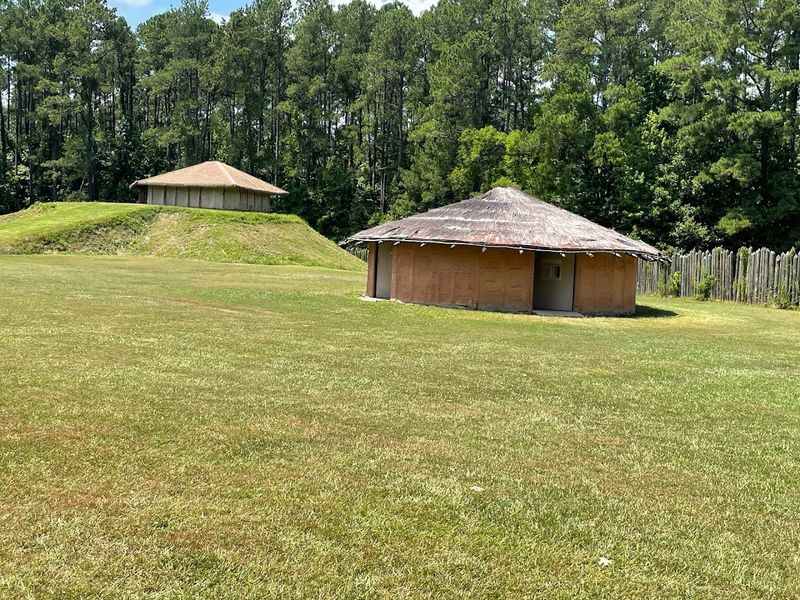
On top of the mound sits a reconstructed temple building, and you can step inside to get a sense of what the interior space may have looked like during active ceremonial use. The reconstruction is based on archaeological evidence gathered from the site, so while it is not a precise replica down to every detail, it reflects a serious scholarly effort to be as accurate as possible.
The atmosphere up on the mound is genuinely striking, especially on a quiet weekday morning when few other visitors are around. There is a stillness up there that feels earned rather than manufactured.
The grounds around the mound are completely natural, and that lack of manicured landscaping makes the whole setting feel more authentic and less like a theme park recreation of history.
The Reconstructed Burial and Mortuary Buildings
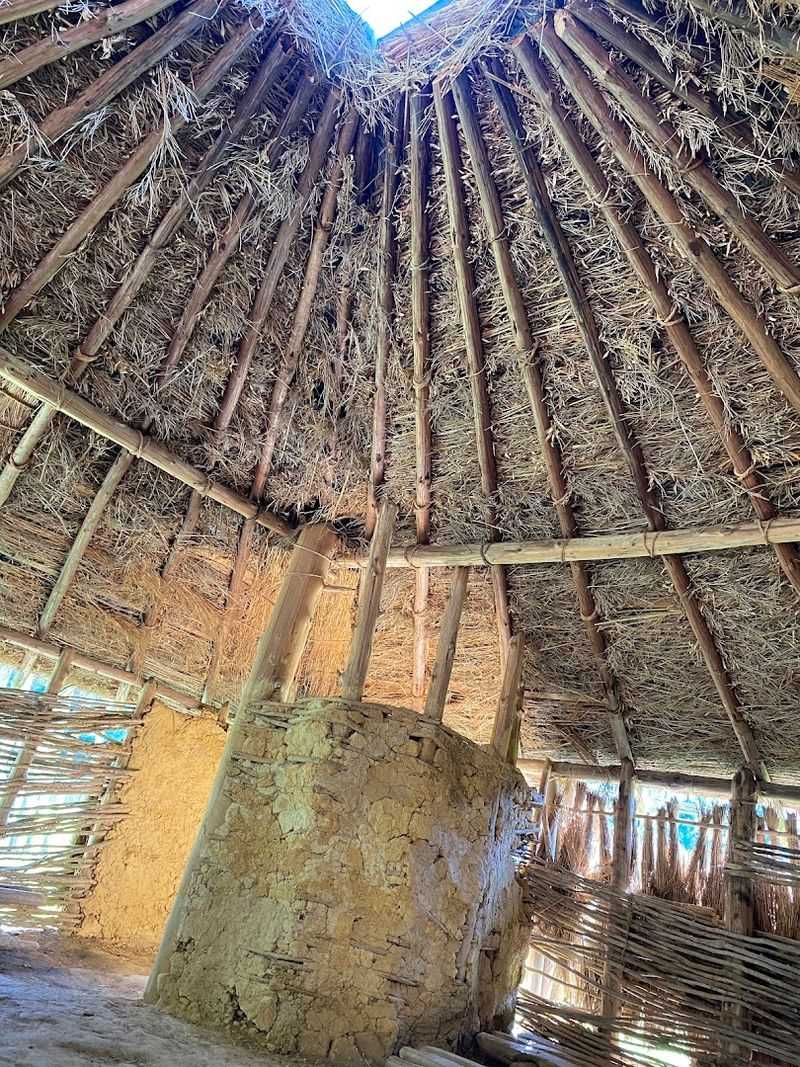
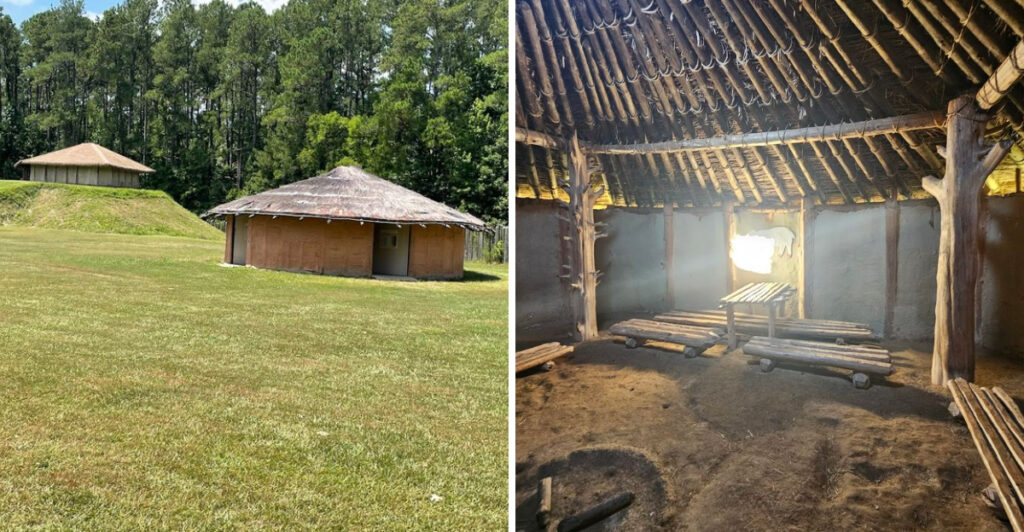
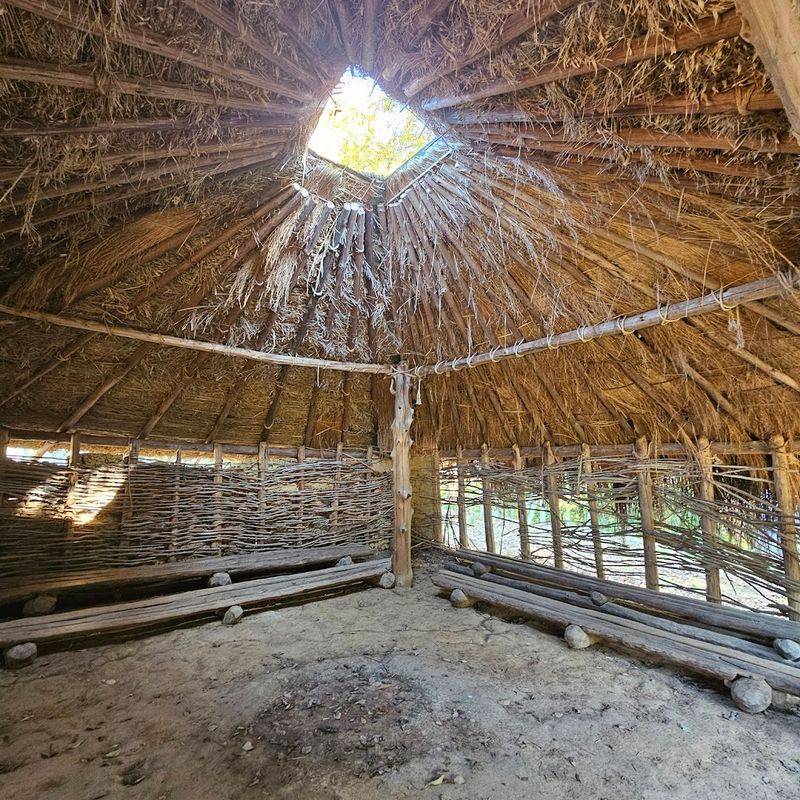
Beyond the main temple mound, the outdoor area includes two additional reconstructed structures that visitors can typically enter, with a third that is sometimes closed depending on conditions or ongoing repairs. These smaller buildings represent different functions within the ceremonial complex, including mortuary and burial practices that were central to Pee Dee cultural life.
Entering these structures is a quiet, reflective experience rather than a theatrical one. The interiors are simple and spare, which actually makes them more effective at communicating the seriousness of what these spaces once meant to the people who used them.
There are no dramatic lighting effects or sound systems, just the structure itself and the weight of its history.
One practical note worth mentioning: the area around the huts can attract insects, particularly during warmer months. Gnats, flies, and bees are common near the reconstructed buildings, so bringing insect repellent is a genuinely smart move rather than optional advice.
Wearing light, long sleeves can also help make the outdoor portion of your visit more comfortable without sacrificing your ability to fully explore the grounds at your own pace.
The Nature Trail Along the Little River
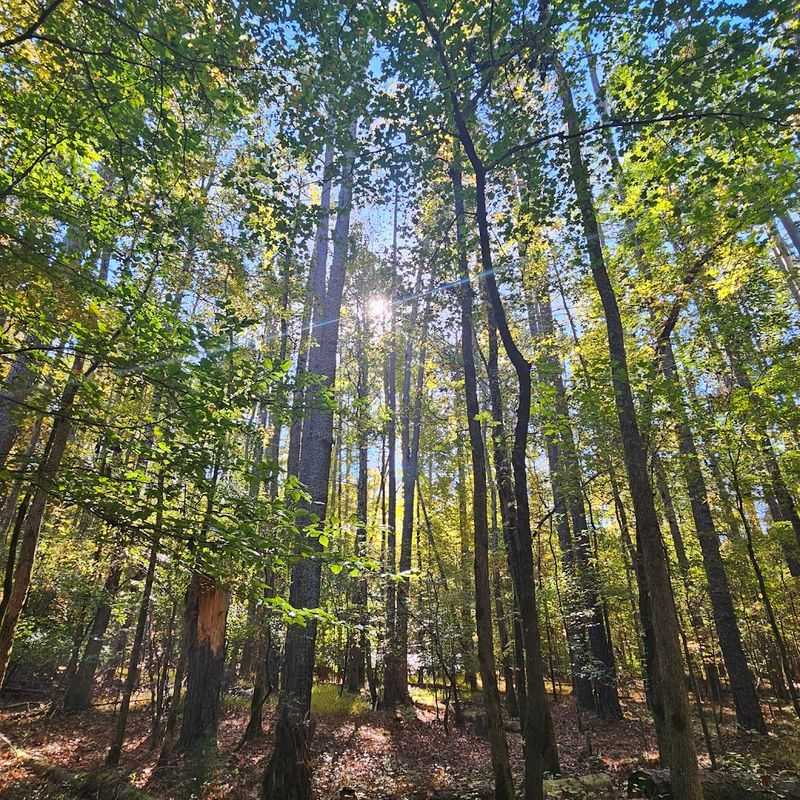
A short nature trail loops through the property and brings you back around to the visitor center after you exit the mound area. The trail runs near the Little River, and the combination of water, trees, and open sky makes it one of the more peaceful stretches of walking I have done at any historic site in the South.
The trail is not long or strenuous, which means it works well for visitors of most fitness levels and age groups. It adds a natural, unhurried quality to the end of the visit that lets you decompress and process everything you just saw before getting back in the car.
Keep in mind that the trail can be muddy or temporarily closed after heavy rainfall or storm damage. Hurricane Helene caused some trail closures and downed trees that were still being addressed during recent visits, so checking the site’s website or calling ahead is worth doing if trail access matters to your plans.
When the trail is open and dry, it is a genuinely lovely walk that rounds out the experience in a way that feels natural rather than tacked on.
A Site That Feels Personal, Not Performative
What separates this place from larger, more commercialized historic attractions is the absence of spectacle. There are no costumed performers, no audio tours blasting through speakers, and no gift shop selling plastic tomahawks.
What you get instead is a quiet, well-maintained site where the history does all the talking.
The staff here are genuinely passionate about the site’s significance, and that enthusiasm comes through in every interaction. They take the time to answer questions thoroughly, engage with curious visitors of all ages, and treat the site with the kind of careful respect it deserves.
One staff member spent a considerable amount of time talking with a very young visitor, answering her questions with patience and warmth that was lovely to witness.
For visitors with Indigenous heritage, this place carries an especially personal resonance. Several people have described feeling a deep connection to the history here in ways that go beyond typical sightseeing.
That emotional depth is not something you can manufacture or market, and it is part of what makes Town Creek Indian Mound State Historic Site feel genuinely different from most roadside attractions in North Carolina.
Best Times to Visit and What to Bring
The site is open Tuesday through Saturday from 9 AM to 5 PM, which gives you a solid window to visit without feeling rushed. Spring and fall tend to offer the most comfortable outdoor conditions, since summer heat can make the open mound area and surrounding trail noticeably warm and less forgiving for extended exploration.
Wear sturdy, closed-toe shoes with decent grip, especially if there has been recent rain. The grounds can get soggy quickly, and the natural terrain around the mound is not paved or perfectly level.
Comfortable walking shoes rather than sandals will serve you much better here.
Bringing insect repellent during warmer months is strongly recommended, as bugs are a consistent presence around the reconstructed huts and along the trail. Sunscreen is also worth packing if you plan to spend time on the open mound platform.
The whole visit typically takes about an hour, which makes it an easy add-on to a larger road trip or a satisfying standalone afternoon outing. Picnic tables on the property give you a spot to eat if you pack a lunch, though the nearby town of Mt.
Gilead has a few dining options for those who prefer to eat out afterward.
Making the Most of Your Day in Montgomery County
The site pairs well with other nearby attractions if you want to build a full day around your visit. The Rankin Museum in Ellerbe is just a short drive away and offers additional natural history and local heritage exhibits that complement what you learned at the mound site.
For a sweet finish to the day, the Berry Patch in the area is a local favorite for ice cream that has earned genuine loyalty from residents and passing travelers alike. Mt.
Gilead itself is a small, unpretentious town with a few local spots worth supporting, and the drive through Montgomery County’s countryside is pleasant enough on its own.
Town Creek Indian Mound State Historic Site holds a 4.6-star rating from hundreds of visitors, which reflects consistent satisfaction rather than viral hype. It is free to enter, deeply informative, and maintained by a staff that clearly cares about preserving and sharing this history with everyone who makes the trip.
Whether you stumble upon it while passing through or plan it as the anchor of your itinerary, this place has a way of staying with you long after you drive back down that quiet country road toward home.
Share this story