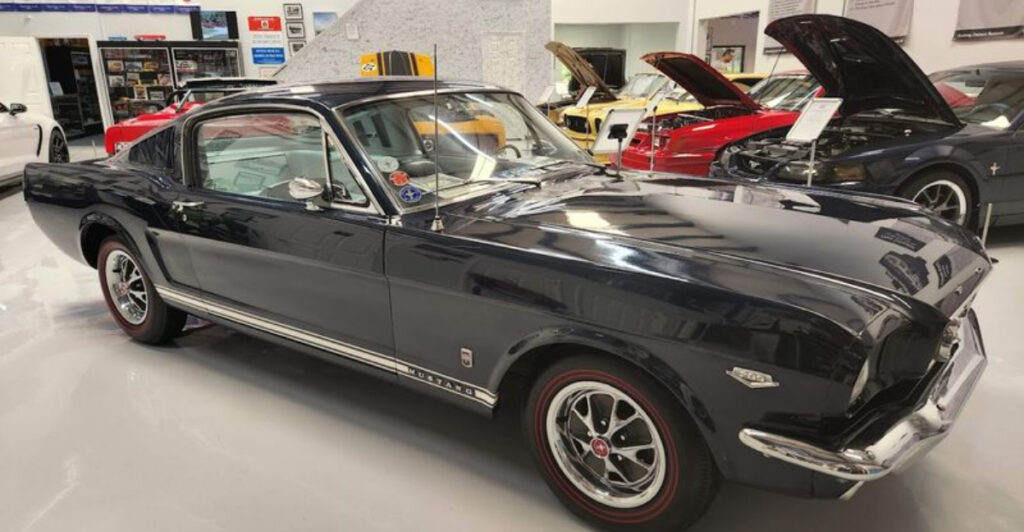
There is a place in Concord, North Carolina, where the roar of American muscle lives on through gleaming chrome, hand-painted clay models, and decades of horsepower history. I had no idea what I was walking into when I first pulled up to what looks like a quiet, nondescript building tucked a block off the main road.
But the moment I stepped inside, the collection stopped me cold. From a 1964 World’s Fair original to a documented one-of-a-kind convertible, this museum tells the full story of one of the most beloved cars ever built, and it does it with a passion that is genuinely hard to find anywhere else.
The Story Behind the Museum and Its Passionate Founder
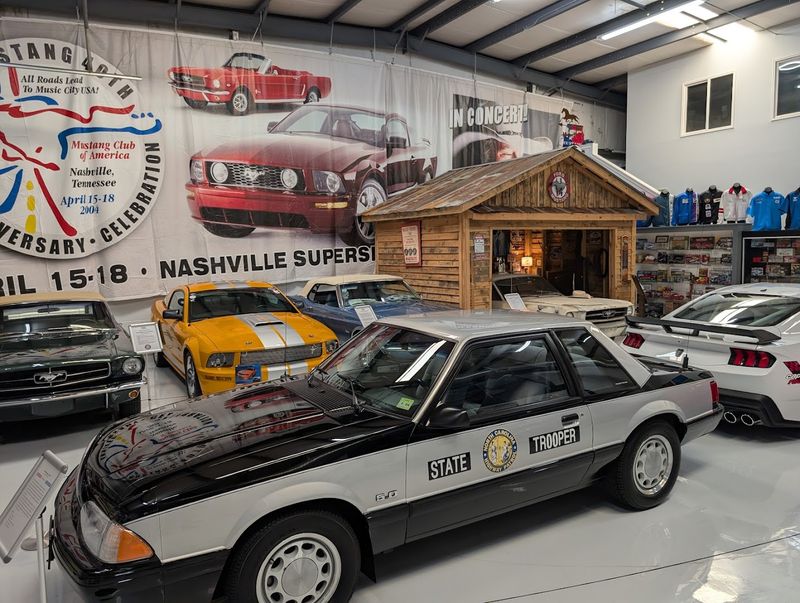
Every great collection starts with one person who simply refuses to let history disappear. The Mustang Owner’s Museum at 4001 Dearborn Pl NW, Concord, NC 28027, was the passion project of Steve Hall, a devoted Mustang enthusiast who built this museum from the ground up to preserve the story of the Ford Mustang through the actual vehicles and personal memorabilia of real owners.
Steve passed away in 2023, and his wife and daughter have carried his legacy forward with remarkable dedication. That story alone gives the museum a warmth that most car collections simply do not have.
This is not a corporate exhibit or a manufacturer showroom. It is a labor of love built by someone who believed these cars deserved a permanent home.
Visiting feels like stepping into a place where someone genuinely cared about every single detail, and that spirit is still very much alive in the building today.
Right Next Door to Charlotte Motor Speedway
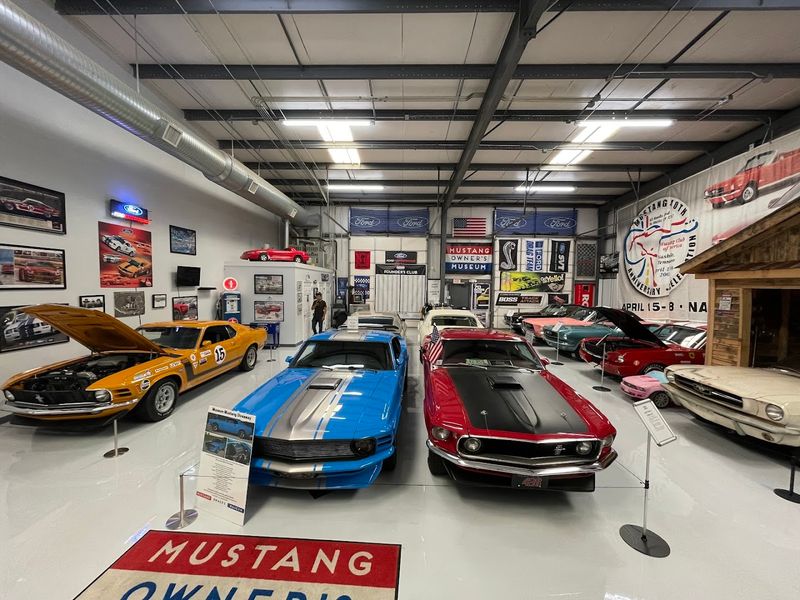
The location of this museum is almost too good to be a coincidence. Sitting just a short distance from Charlotte Motor Speedway in Concord, NC, the museum benefits from one of the most car-obsessed neighborhoods in the entire country.
Racing fans who make the trip to the speedway often do not realize there is an equally thrilling destination just around the corner. The combination of a live race track and a curated Mustang museum in the same visit is something that serious car lovers will absolutely want to plan for.
The building itself is tucked back from the main road, quiet and unassuming from the outside. You might drive right past it without the signs catching your eye.
But that understated exterior is part of what makes the discovery feel so rewarding. The contrast between the calm building and the electric collection inside is one of those small surprises that makes a road trip worth every mile.
The Rotating Car Collection That Keeps Bringing People Back
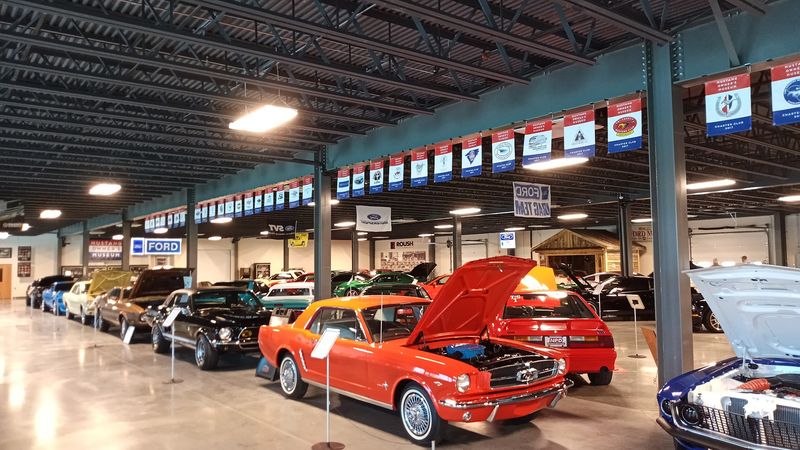
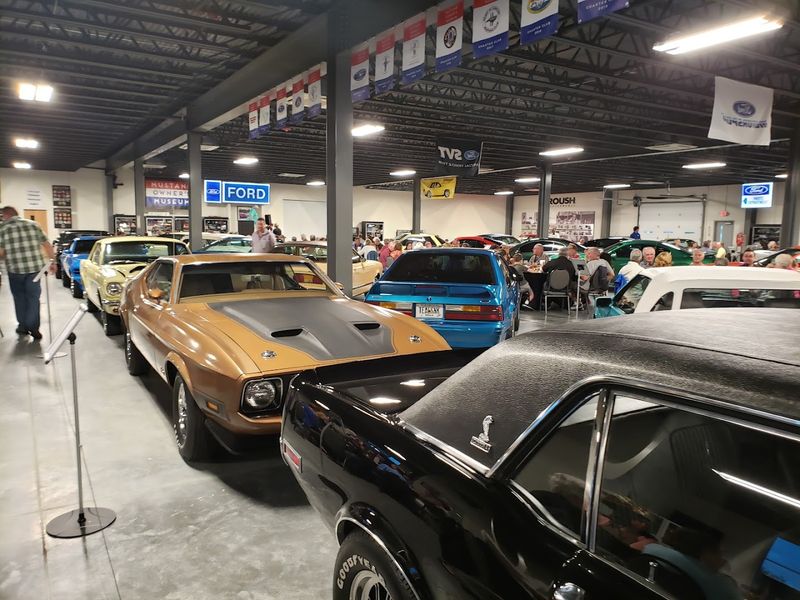
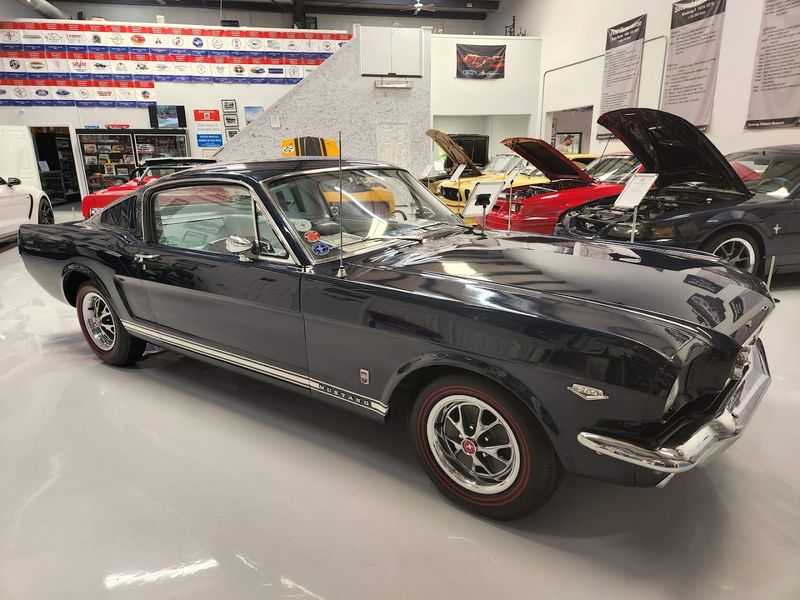
One of the smartest things this museum does is rotate its vehicle collection twice a year, around Easter and Thanksgiving. Real Mustang owners loan their personal cars to the museum for six-month periods, which means the display is almost never the same twice.
On my visit, I noticed that long-time regulars keep coming back specifically because of this rotation. The museum holds a few permanent fixtures, including a barn find display and the 1964 World’s Fair Mustang, but the surrounding cars change with the seasons.
That setup makes the Mustang Owner’s Museum genuinely replayable in a way that larger, more static institutions are not. Each visit has a real chance of offering something brand new.
Whether you come in spring or fall, you are likely to encounter at least a handful of cars you have never seen before, each one carrying its own documented history and personality from the owner who loved it enough to share it with the world.
The Full-Size Clay Model That Looks Impossibly Real
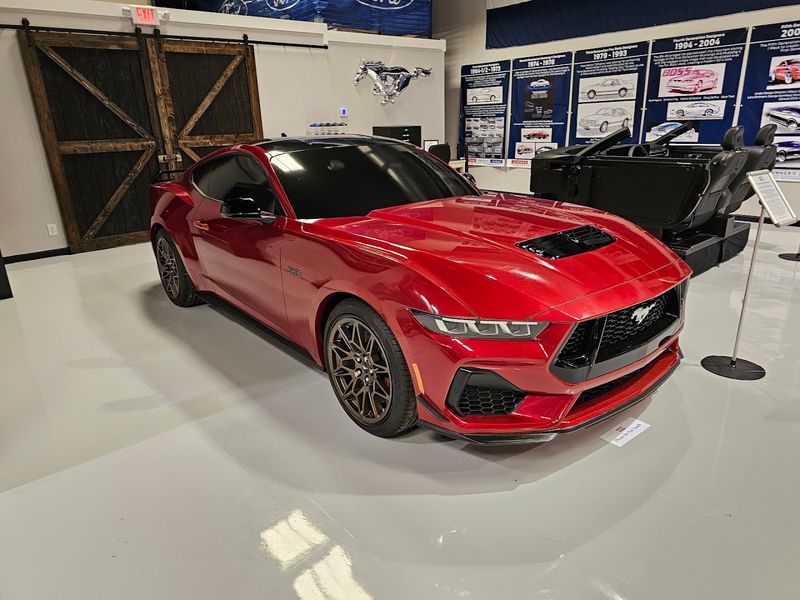
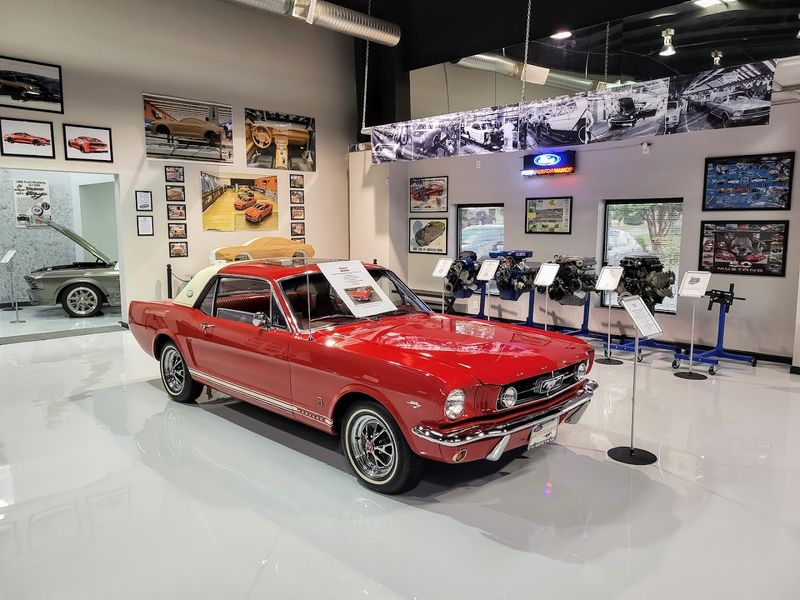
Nothing in the museum stopped me in my tracks quite like the full-size clay model of the Mustang. Ford used clay modeling as a core part of its design process, and this museum has a genuine example on display that most people would swear is an actual painted car.
The clay exterior mimics the look of real metal so convincingly that the urge to reach out and touch it is almost impossible to resist. Then there is the interior clay model, which replicates leather seating, plastic trim, and metal hardware with an accuracy that feels almost unsettling.
Signs politely remind you not to touch, and honestly, that rule is the only thing standing between visitors and the instinct to run a hand along the surface just to confirm it is not real. The craftsmanship involved in creating these models is a fascinating chapter in automotive design history, and seeing one up close gives you a whole new appreciation for how much work went into shaping the Mustang before a single production car ever rolled off the line.
Permanent Exhibits That Anchor Every Visit
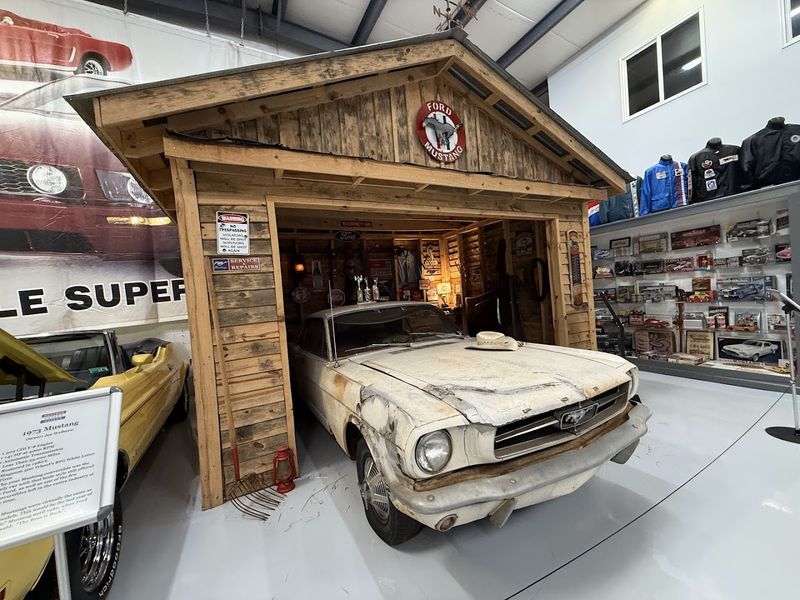
While the rotating cars grab headlines, the permanent exhibits are the backbone of the experience. The 1964 New York World’s Fair Mustang holds a special place in the collection because it represents the very moment the world first met this car in a public setting.
The barn find display is another crowd favorite. A barn find is a car that was stored away and rediscovered years later, often in remarkable original condition, and the story behind each one tends to be just as interesting as the car itself.
The Mustang Racing exhibit rounds out the permanent section by tracing the car’s long and competitive motorsport history. Each permanent exhibit has a small placard that gives you the specific details, dates, and unique facts about that particular vehicle.
Those placards do a lot of heavy lifting, turning what could be just a row of pretty cars into an actual educational experience. By the time you finish the permanent section, you have a solid foundation for understanding why the Mustang became a cultural icon.
Engines, Emblems, and Memorabilia Galore
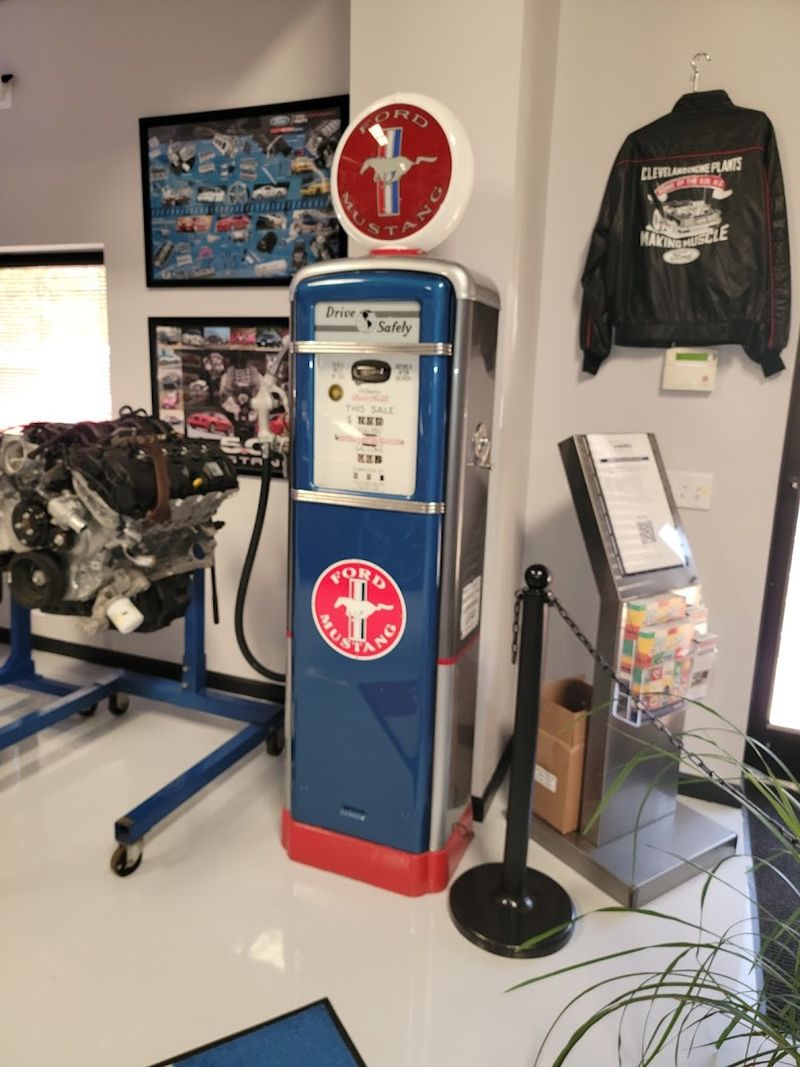
Cars are only part of the story here. The museum also features an engine lineup that walks you through the different powerplants used across Mustang generations, which is genuinely eye-opening even if you are not a mechanic.
Seeing the engines side by side gives you a physical sense of how the car evolved over six decades. Beyond the engines, display cases hold emblems, die-cast models, and a wide range of Mustang memorabilia that spans the full history of the brand.
There is also a library room stocked with old books, magazines, and printed materials related to the Mustang and Ford history. That room is a quiet corner where you can sit and flip through decades of automotive journalism, advertisements, and owner guides.
For anyone who loves the deeper context behind a car, that library is a surprisingly rich resource. The combination of hardware, collectibles, and printed history makes the museum feel layered in a way that rewards visitors who take their time rather than rushing through.
The One-of-a-Kind 2008 S197 GT/CS Convertible
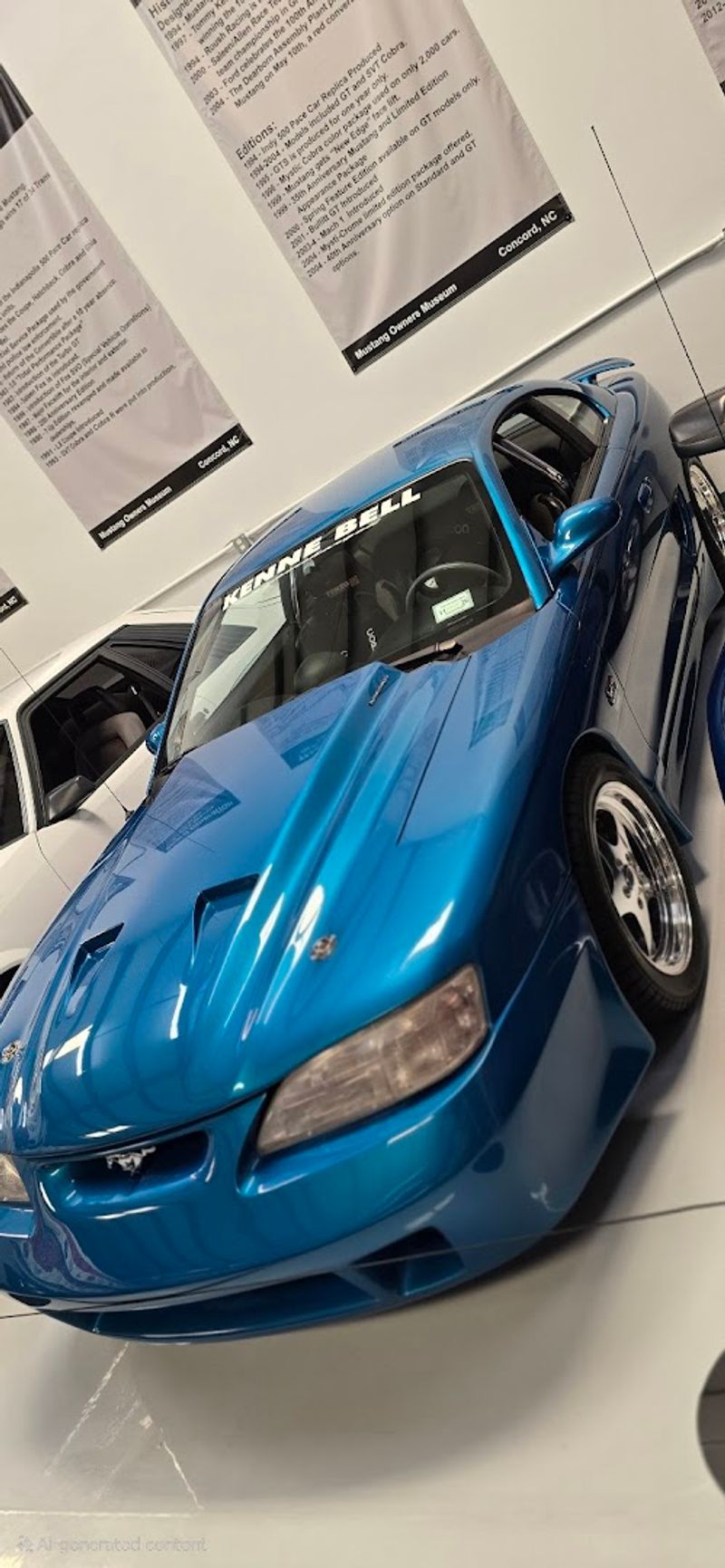
Among all the cars I saw on my visit, one stood out for a very specific reason. The 2008 S197 GT/CS convertible on display is documented as the only example ever produced in Vista Blue with its particular combination of factory options and dealer-installed Ford Racing upgrades.
That kind of documentation is what separates a great car from a historically significant one. Knowing that no other Mustang in the world shares that exact configuration makes standing in front of it feel like a genuinely rare privilege.
The GT/CS, or California Special, trim has always carried a dedicated following among Mustang enthusiasts, and this particular example represents the absolute end of that production combination. The museum does a good job of highlighting what makes each car unique rather than just parking them in a row and expecting visitors to figure it out.
That attention to storytelling is one of the reasons a visit here feels more meaningful than a typical car show, where the cars look great but the context is often missing entirely.
The Friendly Staff and the Knowledge They Bring
A museum is only as good as the people inside it, and the staff at the Mustang Owner’s Museum genuinely add to the experience. From the moment you walk in, someone at the front desk gives you a brief rundown of what is in the museum and what is particularly special during that rotation.
The staff members I spoke with were enthusiastic without being overwhelming, knowledgeable without being condescending. They could answer specific questions about individual cars and shared details that were not on any placard.
That kind of personal interaction is something you rarely get at larger institutions where everything is automated or guided by an audio tour. Here, the people running the place actually care about what they are showing you.
A couple of the staff members have personal connections to Mustang history that make their commentary feel authentic rather than rehearsed. That human element transforms a visit from a passive viewing experience into something closer to a conversation with people who genuinely love what they do every single day.
Annual Events and Car Shows on the Grounds
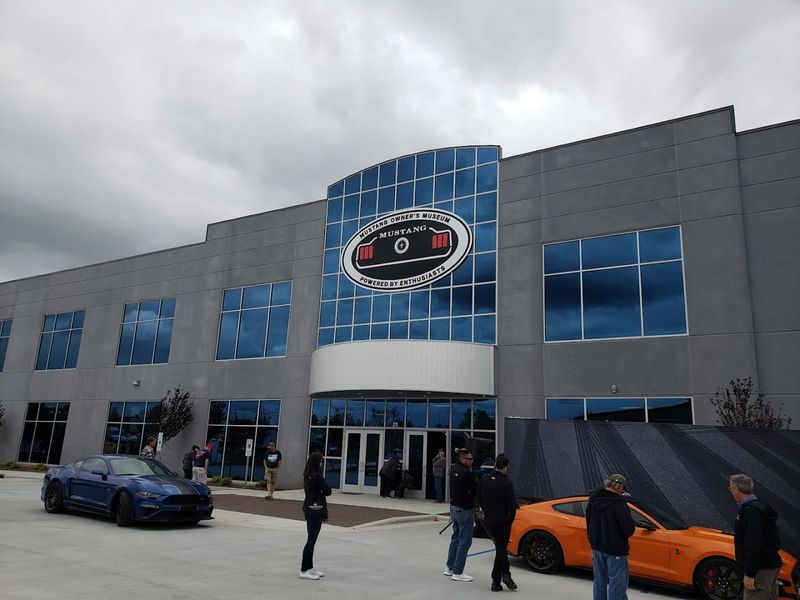
The museum does not just sit quietly between visits. Throughout the year, it hosts Mustang car shows right outside the building, which creates a fantastic double experience where you can walk the outdoor show and then step inside to see the curated collection.
The annual celebration around the Mustang’s April birthday is one of the biggest events on the calendar. The 63rd birthday celebration included morning cruises to Holman and Moody, an afternoon trip to the Curb Car and Music Museum, and a full Mustang car show on the grounds the following day.
The museum has also raffled off significant Mustangs at these events, with ticket prices kept low enough that anyone can participate. Ford engineers have appeared at birthday events to share their personal stories about the car’s development, which adds a layer of insider knowledge you simply cannot get from a placard.
These events draw Mustang clubs, casual fans, and families together in a way that keeps the community around the museum lively and growing year after year.
What to Expect Practically Before You Go
A few practical details can make your visit run a lot smoother. The museum is open Monday through Saturday from 10 AM to 5 PM, and on Sundays it opens at noon and closes at 5 PM.
The entry fee is on the affordable side, which makes it an easy yes for families or anyone passing through the Concord area.
Most visitors spend between one and two hours inside, though dedicated enthusiasts have been known to stretch that considerably. The building is fully air-conditioned, which is a genuine relief during North Carolina summers.
There is a gift shop near the entrance stocked with Mustang and Ford merchandise, from shirts and hats to collectibles and small souvenirs. The building sits tucked back from the main road, so keep an eye on the signage or you may drive past it.
Parking is easy and the layout of the museum is straightforward enough that you do not need a map to navigate it. You can reach the museum at +1 980-439-5653 or visit mustangownersmuseum.com to check for upcoming events before your trip.
Why This Museum Deserves a Spot on Your Road Trip List
There are plenty of car museums across the country, but very few of them feel this personal. The Mustang Owner’s Museum was built on the idea that the real history of the Mustang lives not just in factory records, but in the cars that real people bought, drove, and cherished for decades.
That philosophy shows in every corner of the collection. The rotating exhibits mean the museum never goes stale, and the permanent displays give each visit a consistent foundation to build on.
Whether you are a lifelong Mustang fanatic or someone who simply appreciates well-told history, this museum delivers something worth your time. The combination of rare cars, fascinating design artifacts, community events, and genuinely warm hospitality makes it stand apart from the typical roadside attraction.
North Carolina has a lot to offer travelers, but this particular stop in Concord has a way of sticking with you long after you have driven away, which is really the highest compliment any museum can earn.
Share this story