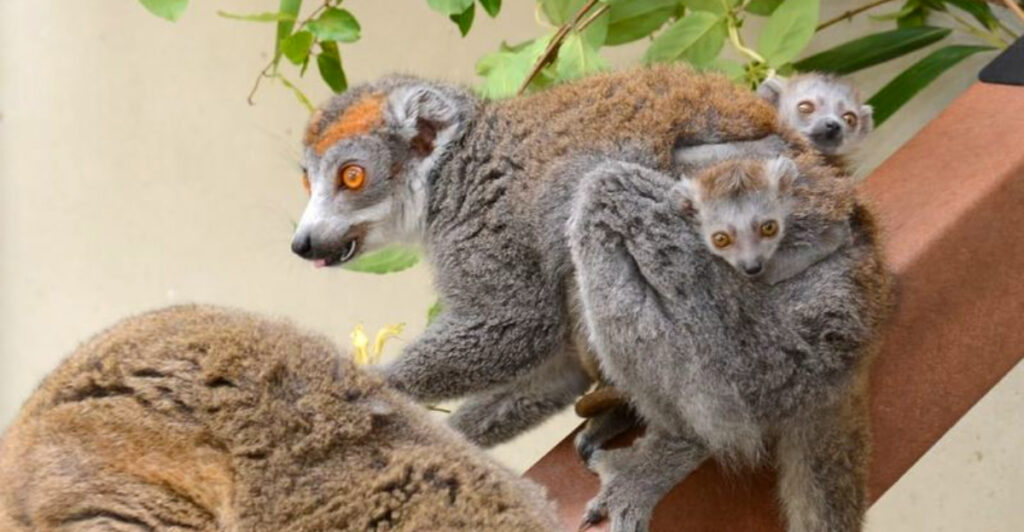
There is a place tucked into the woods of Durham, North Carolina, where wide-eyed, furry primates with long striped tails peer at you through lush enclosures, and where scientists work every day to protect some of the most endangered animals on Earth. North Carolina is not exactly the first place you would expect to find the world’s largest collection of lemurs outside their native Madagascar, yet here we are.
This sanctuary has been quietly doing extraordinary conservation work for decades, and it deserves far more attention than it gets. From behind-the-scenes tours to up-close encounters with rare species, this place offers an experience that is hard to find anywhere else in the world.
Where Exactly This Remarkable Place Calls Home

Right off Erwin Road in Durham, North Carolina, the Duke Lemur Center sits at 3705 Erwin Rd, Durham, NC 27705, tucked into a forested stretch of land that feels worlds away from the busy city nearby.
The center is open Monday and Wednesday through Saturday from 10 AM to 4 PM, and on Sundays as well, giving visitors several options to plan their trip. Tuesday is the one day the doors stay closed, so make a note of that before you drive out.
You can reach the center by phone at +1 919-401-7240, or explore tour options and book tickets ahead of time through their official website at lemur.duke.edu. Booking in advance is strongly recommended, especially for the more popular guided tours, since spots fill up fast.
Parking on-site is available and free, which is a welcome bonus. The wooded surroundings give the whole property a calm, almost secluded feel that sets the tone perfectly for what you are about to experience inside.
The History Behind the World’s Premier Lemur Sanctuary

The Duke Lemur Center was founded in 1966 by Dr. John Buettner-Janusch, making it one of the longest-running primate research facilities in the United States. What started as a small collection of prosimian primates on Duke University’s campus has grown into a globally recognized conservation and research hub.
Over the decades, the center expanded its mission well beyond simple observation. Today it focuses heavily on non-invasive research, meaning the animals are studied without procedures that could cause them stress or harm.
That commitment to ethical science has earned the center a respected reputation among researchers worldwide.
The center houses more than 200 individual lemurs representing around 14 species, which is a genuinely staggering number when you consider that all lemurs originate from the island of Madagascar. Many of those species are critically endangered in the wild, making the center’s breeding and conservation programs all the more vital.
The institution is affiliated with Duke University, which means the research conducted here feeds directly into academic studies, conservation policy, and global wildlife protection efforts. It is science with real stakes and real results.
Why Madagascar’s Most Beloved Animals Need a North Carolina Home

Lemurs are found naturally only on the island of Madagascar, off the southeastern coast of Africa, and their situation in the wild is dire. Deforestation, mining, and habitat loss have pushed many species to the edge of survival, with some experts calling lemurs the most endangered group of mammals on the planet.
The forests of Madagascar are being cleared at an alarming rate for agriculture, charcoal production, and mining operations. With their habitat shrinking rapidly, wild lemur populations have little room to recover without outside intervention.
That is where facilities like the Duke Lemur Center step in. By maintaining healthy, well-cared-for populations in a controlled environment, the center serves as a living safety net for species that might otherwise disappear entirely.
The breeding programs here have successfully produced offspring that contribute to global genetic diversity records.
The center also funds and supports field conservation projects directly in Madagascar, connecting the work done in Durham to real-world preservation efforts on the ground. Every ticket purchased, every tour booked, and every souvenir bought contributes directly to those efforts, making a visit here feel genuinely meaningful rather than just entertaining.
Tour Options That Suit Every Type of Visitor

One of the best things about the Duke Lemur Center is that it offers multiple tour formats, so you can choose the experience that fits your group, your budget, and your curiosity level. The self-guided tour is the most affordable option and lets you move at your own pace through the outdoor enclosures while reading the detailed informational signs posted throughout.
The Walking with Lemurs tour is the fan favorite, and for good reason. Guides lead small groups along a winding trail past large dome-shaped enclosures where lemurs live, climb, and interact naturally.
The early morning tour slots tend to offer the most active lemur sightings, since the animals are more energetic before the heat of the day sets in.
For those who want an even deeper experience, the Behind the Scenes tour takes visitors into areas not accessible on standard tours, offering a closer look at how the center operates and how the animals are cared for day to day.
All tour levels include access to knowledgeable guides and volunteers who are genuinely enthusiastic about sharing what they know. No matter which tour you choose, you will leave with a much richer understanding of these fascinating animals than you arrived with.
The Lemur Species You Can Actually See Up Close

With around 14 species represented at the center, a single visit can introduce you to a remarkable variety of lemur types, each with its own personality, appearance, and behavior. Ring-tailed lemurs are probably the most recognizable, with their bold black-and-white striped tails and expressive amber eyes that seem to size you up the moment you approach.
Coquerel’s sifakas are another crowd favorite. These elegant, mostly white lemurs move with a distinctive sideways hop when on the ground, and watching them leap gracefully between branches is genuinely mesmerizing.
Mongoose lemurs and crowned lemurs are also present, and their soft, sweet-looking faces tend to win over even the most casual visitor.
The center also maintains a dedicated nocturnal house for species that are active at night. This low-light environment is kept on a reversed schedule so that visitors can observe the animals during their natural active hours.
Silence and darkness are strictly required in this area, and the staff takes that seriously to protect the animals’ well-being.
Seeing five or more species in a single two-hour tour is entirely possible, and each one offers something visually and behaviorally distinct that keeps the experience fresh from start to finish.
What the Enclosures Actually Look Like Inside
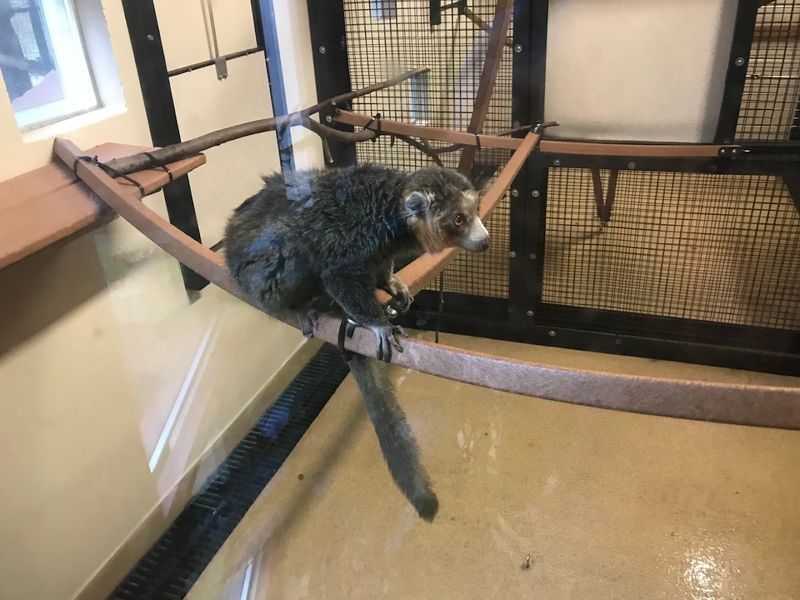
The enclosures at the Duke Lemur Center are not your typical zoo cages. They are large, dome-shaped structures covered in mesh, filled with climbing branches, resting platforms, and plenty of natural vegetation that gives the lemurs room to behave as they would in the wild.
The outdoor enclosures are protected behind double mesh fencing, which means you are viewing the animals through a layer of barrier rather than in a fully open setting. For some visitors, that takes a moment of adjustment, especially if they are used to glass-fronted zoo exhibits.
But once you settle in and watch the lemurs moving freely through their space, the setup makes complete sense.
During warmer months, many lemurs spend time free-ranging within their large habitat areas, which creates wonderful opportunities for observation. In colder weather, some animals choose to stay inside their heated indoor spaces, so the number of visible lemurs can vary depending on the season and temperature.
The trail connecting the enclosures winds naturally through the wooded property, giving the whole experience an outdoor, nature-walk quality. It is a genuinely pleasant way to spend a couple of hours, even apart from the extraordinary animals you are there to see.
The Passionate Guides Who Make Every Tour Memorable

Ask almost anyone who has visited the Duke Lemur Center what stood out most, and the answer is almost always the guides. The staff and volunteers here are not just reciting facts from a script.
They are genuinely invested in these animals, and that enthusiasm is contagious in the best possible way.
Tour guides regularly share detailed information about individual lemurs by name, explaining their personalities, family relationships, and quirky habits. Knowing that the fluffy ring-tail you are watching has a particular fondness for stealing food from its neighbors makes the whole experience feel personal rather than clinical.
Many of the guides are graduate students or researchers affiliated with Duke University, which means the information they share comes from a place of real academic depth. They handle visitor questions with patience and thoroughness, and they seem to genuinely enjoy the interaction.
Volunteers stationed throughout the self-guided tour route are equally helpful, ready to answer questions and ensure that both visitors and animals stay comfortable and safe. The level of care and knowledge on display here is one of the clearest signs that the center takes its educational mission as seriously as its conservation work, and that combination is rare to find.
The Research Side of Things: Science With a Purpose

Beyond the tours and the adorable furry faces, the Duke Lemur Center is a serious research institution with a long list of scientific contributions to its name. The research conducted here spans fields including behavioral ecology, genetics, reproductive biology, and comparative cognition.
All research at the center follows a strict non-invasive protocol, meaning the animals are never subjected to harmful procedures for the sake of a study. This ethical framework has become a model for other primate research facilities around the world, and it reflects a genuine respect for the animals’ well-being alongside the pursuit of scientific knowledge.
Studies conducted here have contributed to breakthroughs in understanding primate social behavior, aging, and even sleep patterns. Some of that research has broader implications for human health, since lemurs share certain biological traits with humans that make them valuable subjects for comparative studies.
The center also collaborates with international conservation organizations and field researchers working directly in Madagascar, using the data gathered in Durham to inform protection strategies on the ground. It is a full-circle approach to conservation that connects laboratory findings to real-world outcomes, and it gives the center’s work a sense of urgency and purpose that goes well beyond the boundaries of its Durham campus.
The Visitor Center and Gift Shop Worth Exploring

After finishing a tour, the visitor center is a natural next stop, and it is worth taking your time in there. The space is tidy, well-organized, and stocked with a solid variety of lemur-themed merchandise that ranges from the practical to the downright charming.
T-shirts, stuffed animal lemurs, tote bags, and Duke Lemur Center branded items line the shelves, and there is also a selection of more unexpected finds, including polished ammonite fossils and back issues of the Duke Lemur Center magazine. Every purchase made in the gift shop directly supports the center’s operations and animal care programs, so shopping here feels less like a splurge and more like a contribution.
Inside the visitor center, there is also a small display room featuring lemur skulls and skeletal specimens that offer a fascinating look at primate anatomy. A dedicated section highlights the biographies of women in STEM fields, which adds a thoughtful educational layer to the space that younger visitors in particular might find inspiring.
The staff at the front desk are friendly and approachable, happy to answer questions or help you find the right souvenir. It is a well-curated space that extends the educational experience of the tour without feeling like an afterthought or a simple cash grab.
Best Times to Visit and Practical Tips to Know Before You Go

Timing your visit well can make a noticeable difference in how much you get to see. The center is open from 10 AM to 4 PM most days, but the early morning Walking with Lemurs tours tend to offer the most active animals, since lemurs are often more alert and mobile before the afternoon heat sets in.
Spring and early fall are generally the most pleasant seasons to visit. The weather is mild, the lemurs are active in their outdoor enclosures, and the wooded trail is at its most beautiful.
Summer visits are also popular, but the heat can slow the animals down, and you may find some of them retreating to shaded or indoor areas.
Winter visits are possible but come with the caveat that colder temperatures push more lemurs inside, which can limit outdoor viewing. Regardless of the season, dressing for the weather is essential since a good portion of the experience takes place outdoors on unpaved paths that can get muddy after rain.
Booking tickets online in advance is strongly recommended for all tour types. Walk-in availability is not guaranteed, especially on weekends, and missing out on a tour slot after making the trip would be a frustrating outcome that is entirely avoidable with a quick online reservation.
A Family-Friendly Experience With a Few Things to Keep in Mind
Families with children will find plenty to engage with at the Duke Lemur Center, but it helps to set expectations before you arrive. This is not a traditional zoo with large open viewing areas and constant animal interaction.
The experience leans more toward a museum or nature center, which means it rewards curious visitors who like to read, ask questions, and observe carefully.
Younger children who are patient and genuinely interested in animals tend to have a wonderful time. The guides are skilled at keeping younger audiences engaged, and seeing a real lemur leap between branches just a few feet away has a way of capturing even a short attention span pretty effectively.
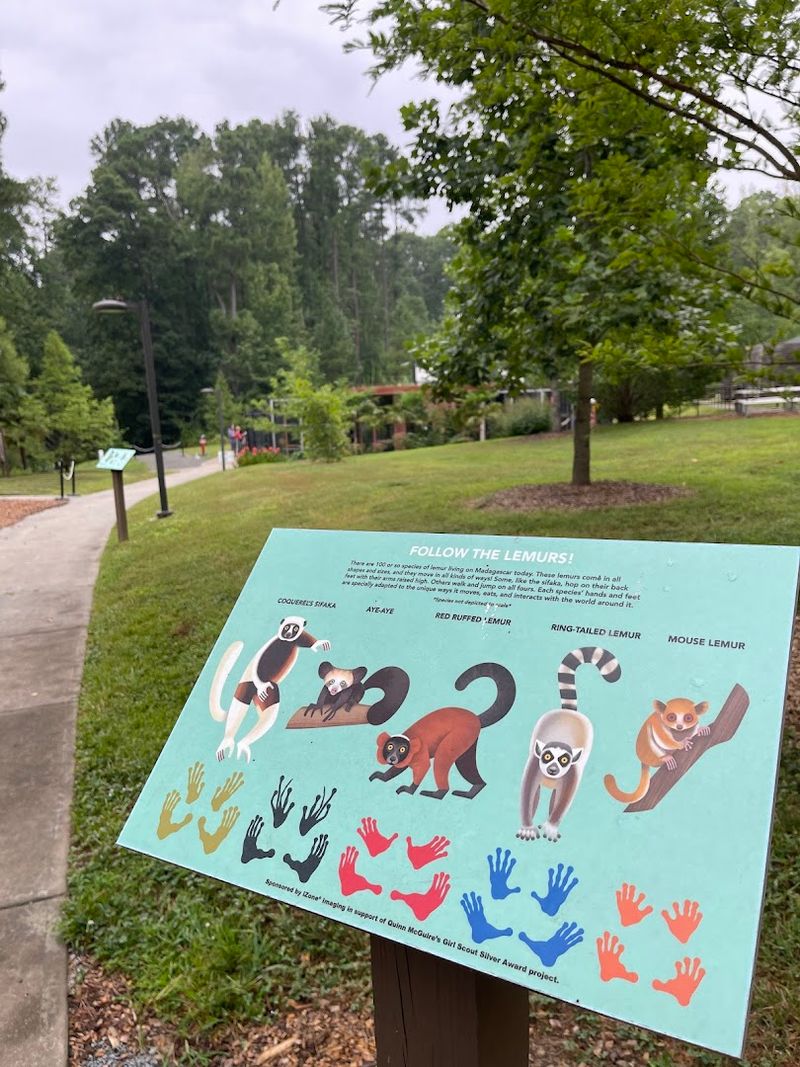
Very young children or kids expecting a high-stimulation zoo environment may find the pace a little slow, and it is worth having a conversation about what to expect before the visit. That said, the educational signs throughout the trail are visually appealing and written in accessible language, which helps keep a variety of age groups engaged.
The trail itself is relatively easy to walk and does not require any special physical preparation. Strollers can be managed on the paths, though the terrain is natural and slightly uneven in places, so comfortable shoes for everyone in the group are a smart choice.
Why This Place Stays With You Long After You Leave
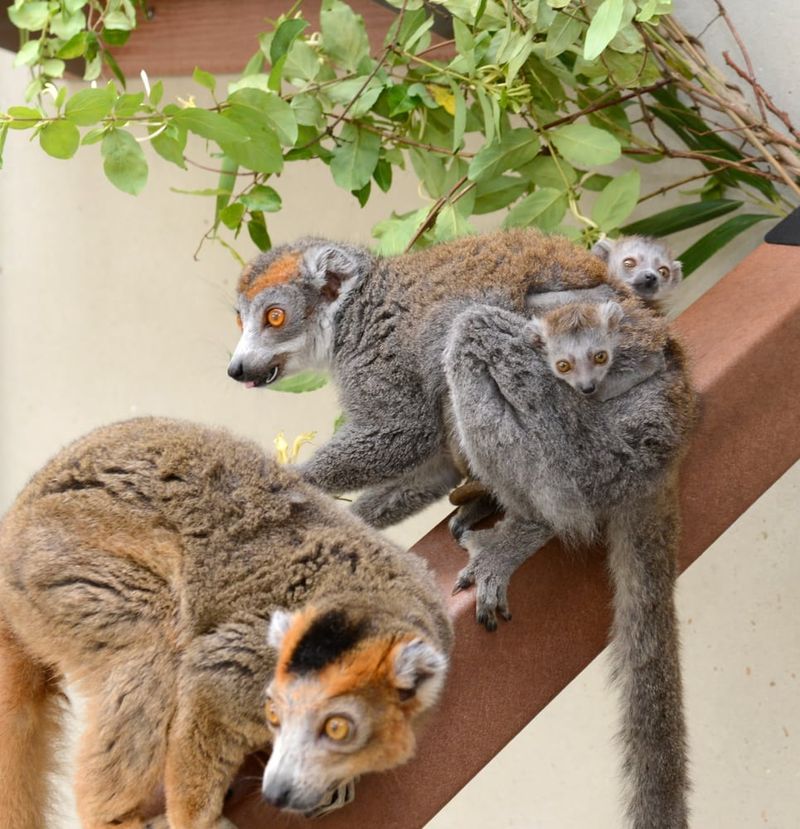
There is something that happens when a lemur locks eyes with you from just a few feet away through the mesh of its enclosure. It is not something easily described, but it lands somewhere between wonder and responsibility, a quiet reminder that these animals share the planet with us and are counting on human decisions to survive.
The Duke Lemur Center manages to deliver that feeling consistently, and it does so without being preachy or heavy-handed about it. The conservation message is woven naturally into every part of the experience, from the informational signs on the trail to the conversations with guides who clearly care deeply about their work.
Visitors regularly describe the experience as better than any zoo or safari they have had, and that reaction makes sense. The combination of close proximity, genuine education, and the knowledge that your visit directly funds animal care creates a kind of connection that passive observation at a larger institution rarely achieves.
Whether you are a wildlife enthusiast, a curious first-timer, or someone just looking for a genuinely different afternoon in the Research Triangle, the Duke Lemur Center delivers something that sticks with you. It is the kind of place you find yourself recommending to everyone you know the moment you get back to your car.
Share this story