 Unearth The Voyage
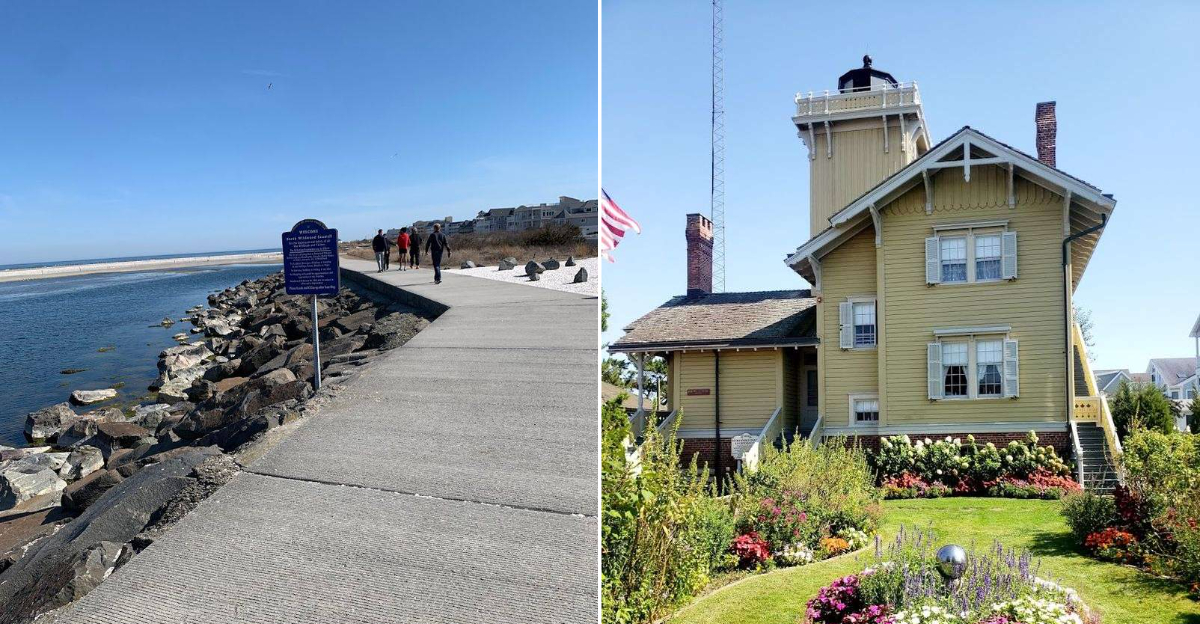
Cape May County holds plenty of beach day distractions, but one spot kept tugging at my curiosity on a recent North Wildwood wander. I set out for a quiet break and found a landmark that pairs history with charm and a surprising sense of calm.
By the time I reached the gardens and peeked at the exhibits, I realized this was the kind of place that turns a quick detour into the highlight of a trip. Keep going and you will pick up the backstory, the best ways to visit, and a few tips that make a short stop feel like a well planned escape.
Start Here: Exact Address and First Impressions
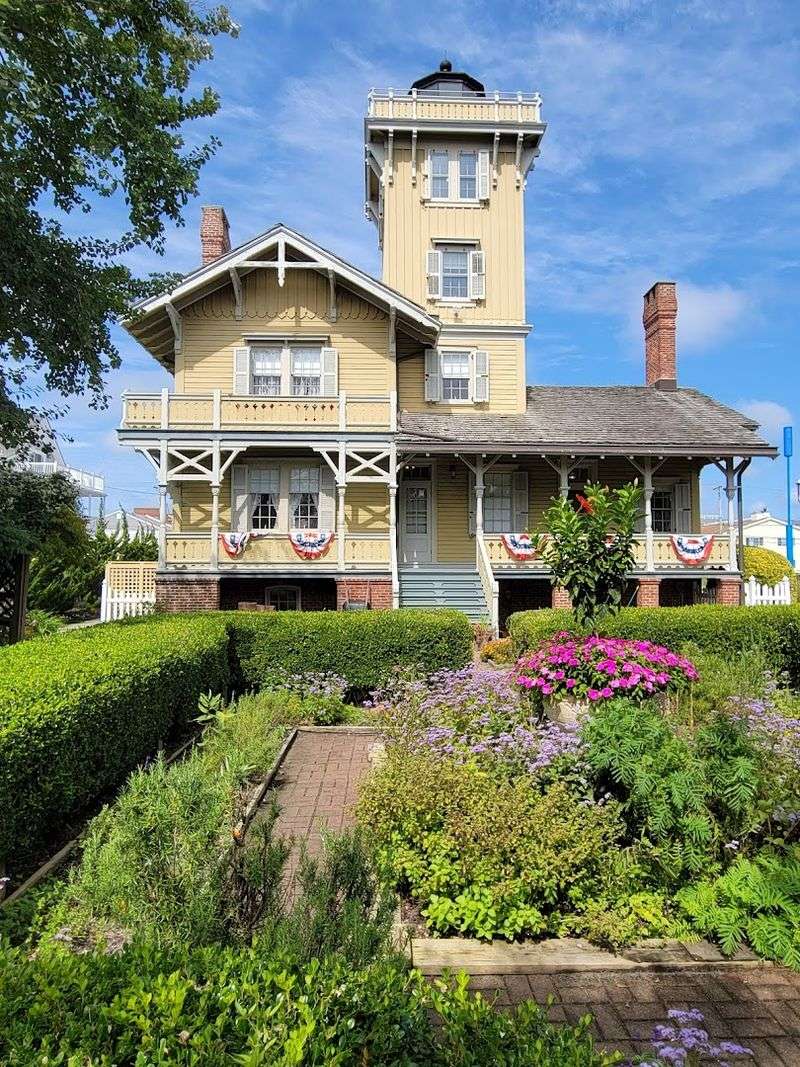
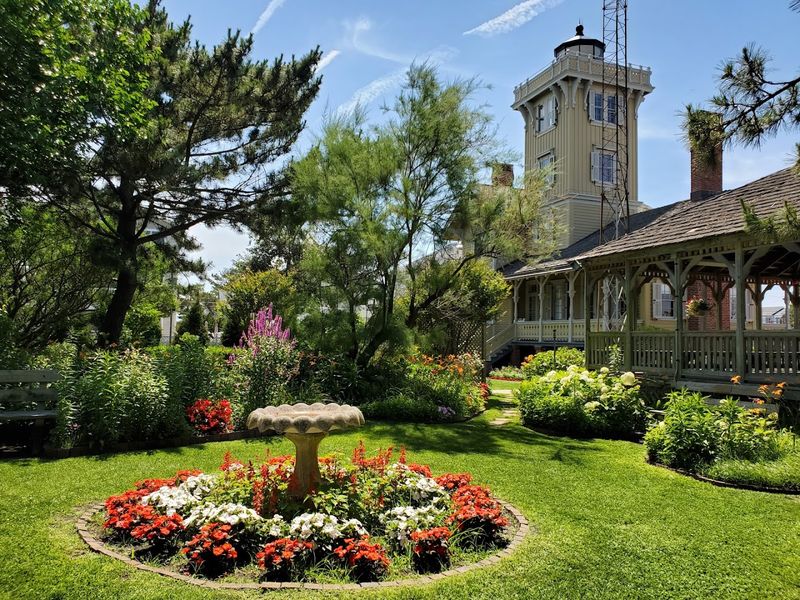
You’ll find Hereford Inlet Lighthouse on 111 N Central Ave, North Wildwood, NJ 08260, and reaching the front walkway feels straightforward thanks to clear street signs and nearby parking. I arrived during posted hours and stepped into grounds that frame the lighthouse like a tidy stage set for maritime history.
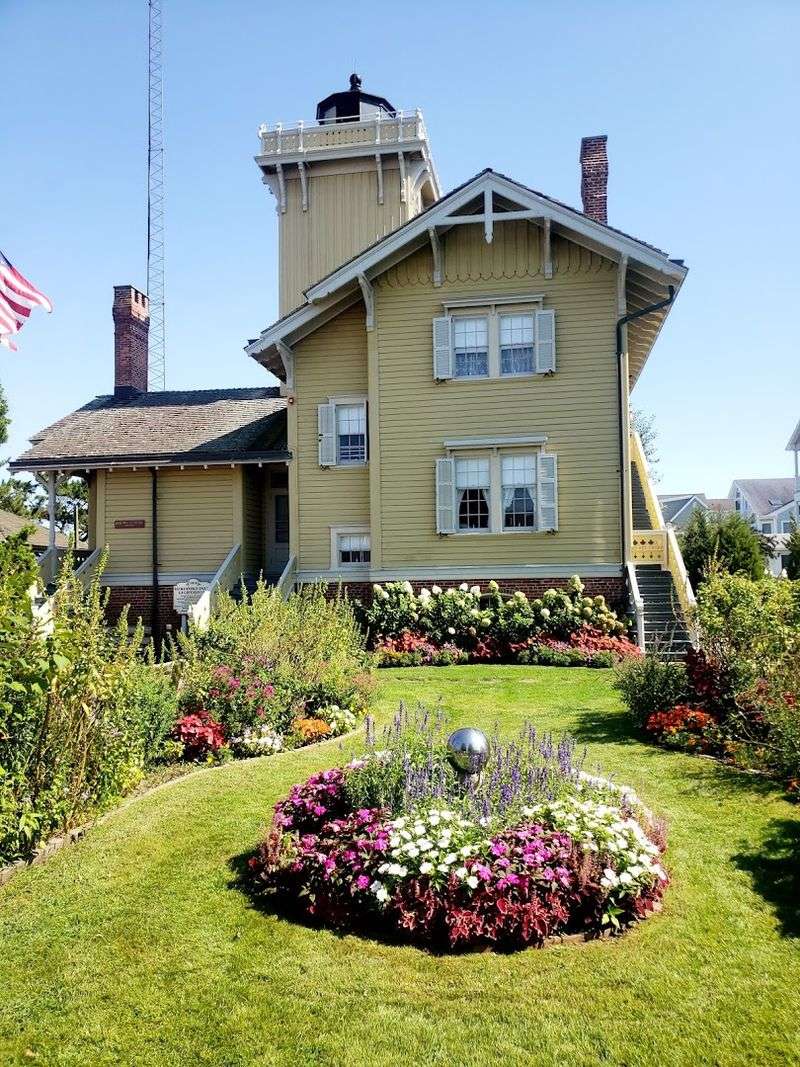
The building presents a cottage-style profile that balances purpose with hospitality in a way that immediately invited a closer look.
Admission operates on donations, which sets a friendly tone before the exhibits even begin. Staff and volunteers keep the flow easy, pointing out the self-guided route that loops from room to room.
I appreciated the steady pace, with enough context on placards to anchor the story without slowing momentum.
Once I finished the first loop, the gardens offered a gentle reset. Paths curve toward the seawall and the wide beach area behind the site, so the visit layers structure with open space.
It felt like a compact introduction that still rewarded lingering, the kind of start that makes you plan extra time.
A Lighthouse Built To Work And Welcome
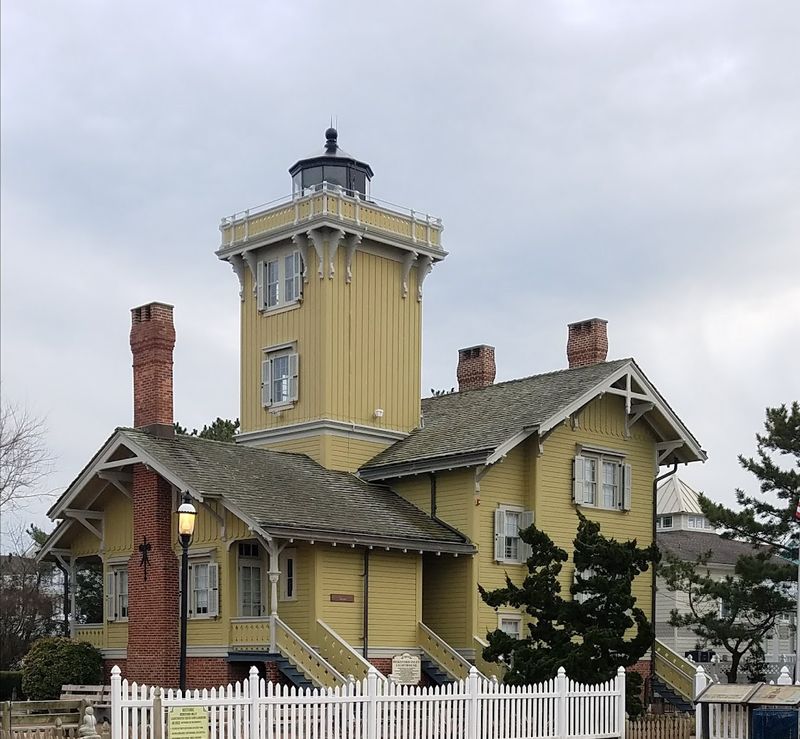
Purpose shows up in every corner here, and the museum layout underscores it. Exhibits describe the 1874 origin story, restorations, and the keeper’s household, so the building reads as both a guiding light and a lived-in residence.
That dual identity gives the rooms a grounded, practical rhythm.
The curators lean into clarity. Charts outline shipping routes, storms, and coastal hazards, then connect those facts to the lighthouse’s operational timeline.
Old photographs and logs stitch the narrative into daily routines, showing how timing, maintenance, and vigilance shaped the keepers’ work.
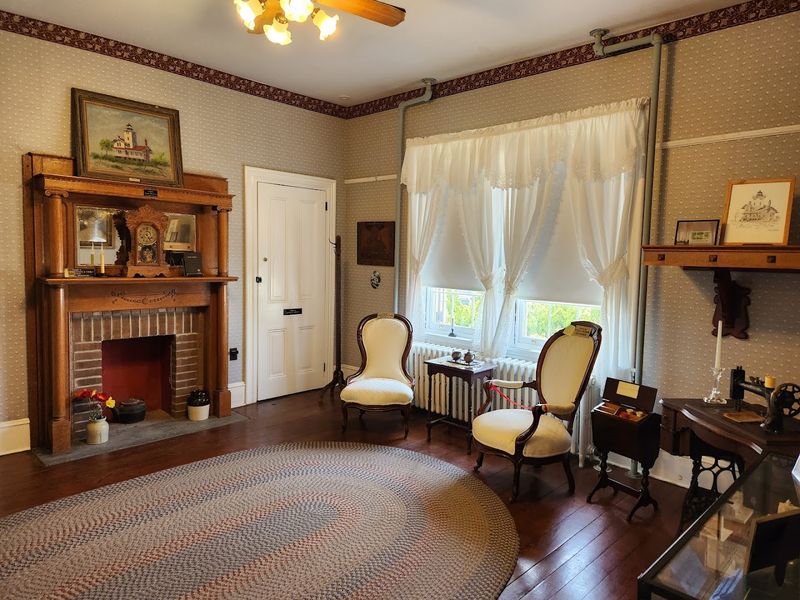
What stood out during my pass through the displays was the way domestic details and maritime tools share space. A table setting appears beside navigation gear, and a simple hallway hosts framed notes about duty schedules.
That balance prevents the place from drifting into abstraction, keeping the story concrete and easy to follow for first-time visitors.
Gardens That Guide You Forward
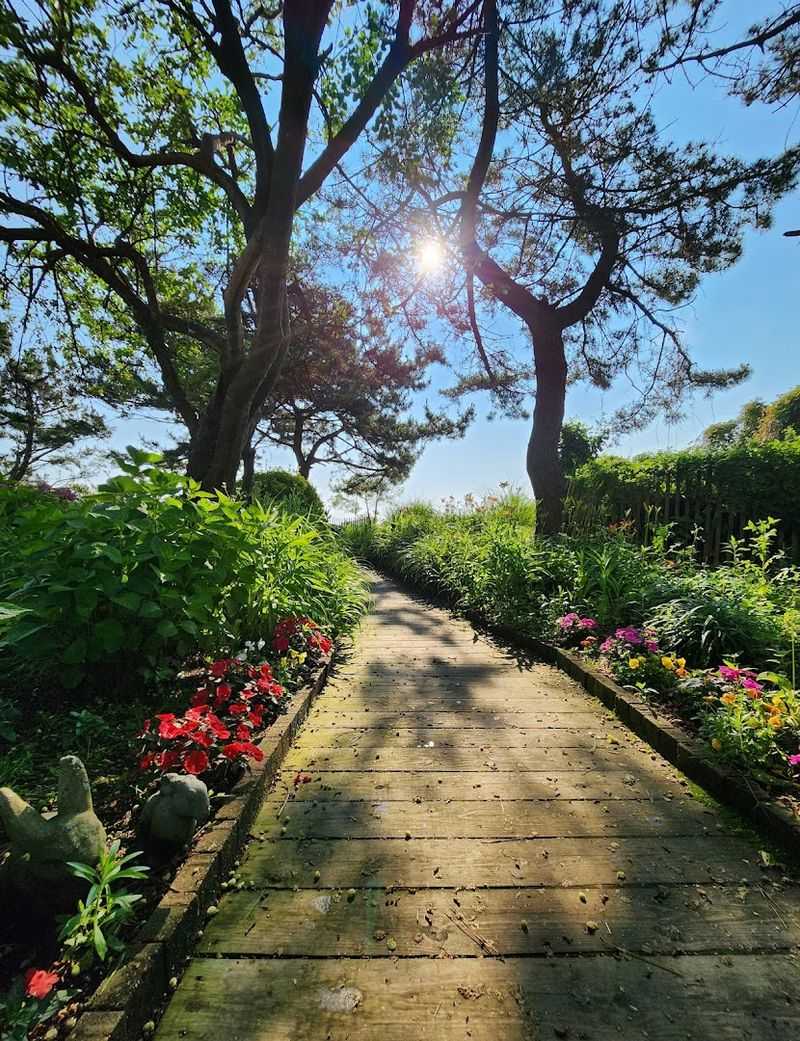
Outside, the grounds feel carefully mapped for easy wandering. Native plantings link one short path to the next, each bed labeled just enough to satisfy curiosity without turning the stroll into homework.
Benches appear where you naturally want to pause.
The garden design favors variety over clutter. Shade sections cool the scene, then open to sunlit borders with hardy coastal picks.
A gazebo and a few tucked corners offer low-key places to sit while the inlet spreads out behind the hedges.
Movement matters here, and the layout nudges you toward the seawall without pressure. I followed the curves and ended up at the edge of the property with a clear view of the long beach behind the site.
The transition from museum rooms to planted paths creates a compact loop that makes the visit feel fuller than a simple check-in.
Self-Guided Tour Strategy
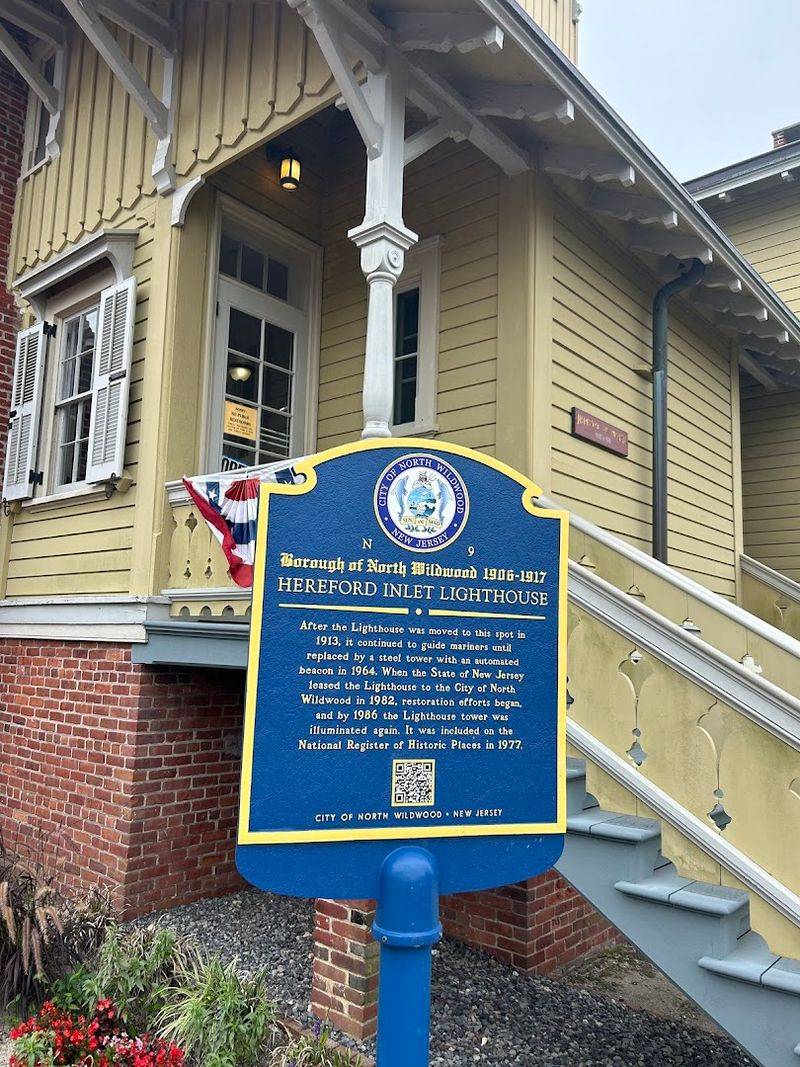
A self-guided format rewards a smart plan. I started on the ground floor to read the overview materials, then circled back to the early history before moving room to room.
That order helped the later displays click into place.
Short stops work best. Take in each placard, then move along before details blur.
The exhibit sequence feels intentional, so trusting the arrows and floor plan keeps the walk smooth while leaving enough room for your own pacing.
Photos of text panels help later, especially if you like to connect dates and restoration milestones after the visit. I saved a few shots of maps and timelines and found them helpful while planning a return trip.
Small measures like that turn a casual stroll into a well-documented experience you can share confidently.
Hours, Donations, And Practical Info
The posted schedule lists daytime hours with openings that typically run 9 AM to late afternoon on select days. I checked the official website before arriving and found the updates reliable and current.
A quick look at the calendar kept my timing tidy.
Admission runs on donations, and the suggestion box sits near the entrance. That approach keeps the mood welcoming while funding ongoing maintenance and programs.
I appreciated the transparency about how contributions help the exhibits and grounds.
Parking appeared straightforward in the neighborhood around the address, and the walkway access made arrival simple. A small gift area near the start offers brochures, postcards, and lighthouse-themed items without crowding the route.
Practical details like these help you spend more time engaging with the site and less time sorting logistics.
Architecture With A Coastal Job To Do
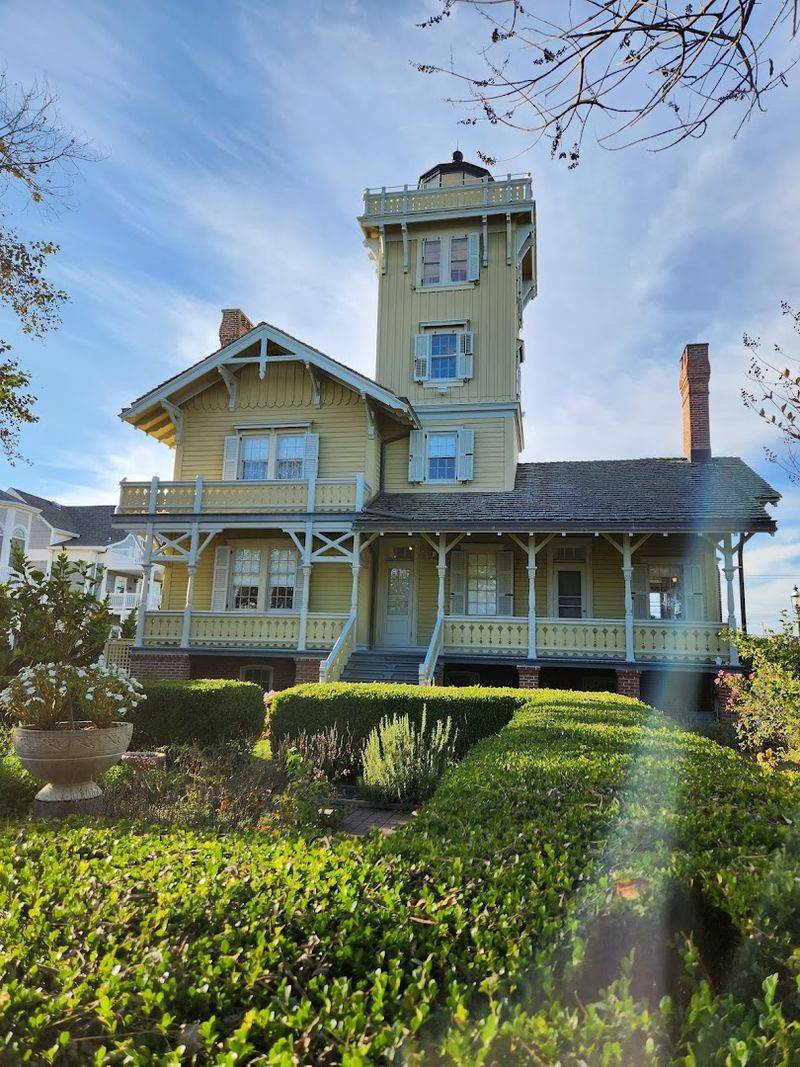
The structure blends a residence with a light tower, and that shape turns function into a cohesive outline. Gabled rooflines and practical trim keep the profile tidy, while the attached lantern room signals the building’s original purpose without theatrical flourishes.
The result feels ready to work.
Closer in, the materials favor resilience. Shingled walls and sensible details handle coastal conditions, and the fittings read as tools rather than decoration.
Inside, rooms connect in a way that suits both family life and a strict duty schedule.
Architecture often tells you what a place values, and this one chooses clarity and efficiency. The style has charm, but not at the expense of tasks like watchkeeping, maintenance, and record-keeping.
That balance gives the lighthouse a personality grounded in usefulness.
Stories In Photos, Charts, And Artifacts
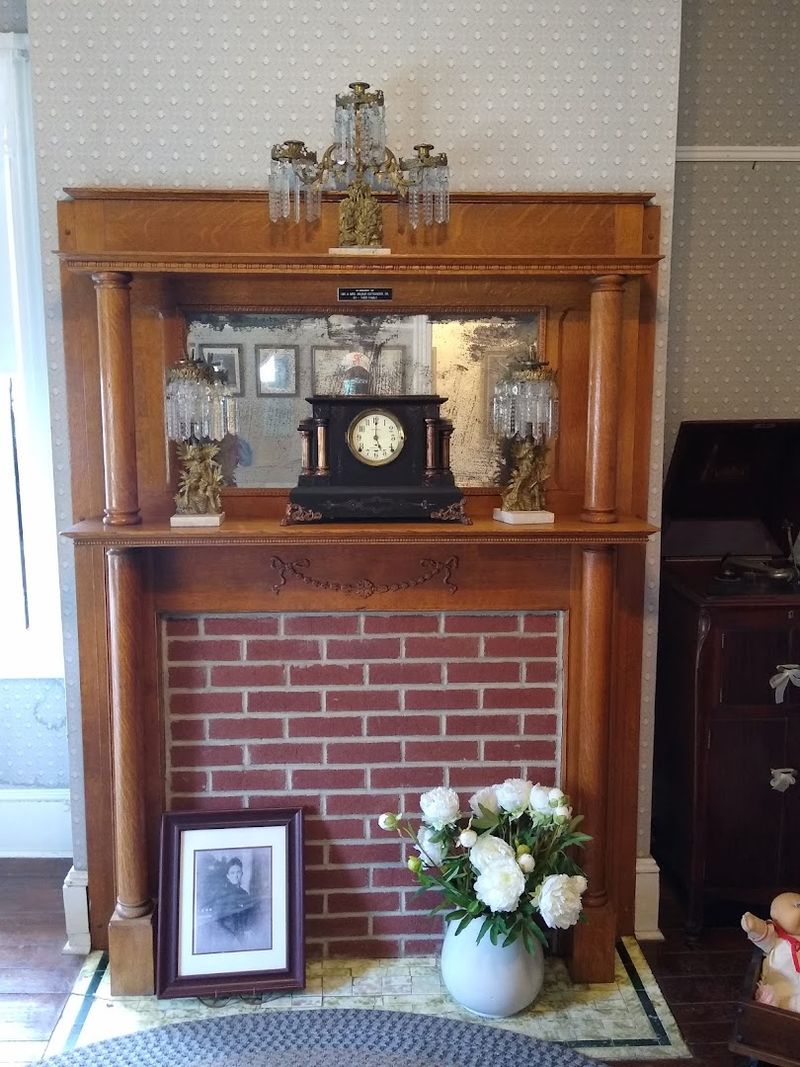
Exhibit rooms stitch together the region’s maritime patterns with a neat mix of objects and text. One wall presents charts marked with hazards and routes, while cases hold lantern parts and tools.
A binder of logs turns dates into decisions made in real time.
Photographs bring context without over-explaining. Crews, keepers, and shorelines appear across decades, and the captions keep the timeline steady.
Standing in front of those panels, I felt the years stack into a working archive rather than a nostalgic scrapbook.
Each display treats history as a reference, not a prop. The choice to present clear labels and measured storytelling keeps the focus on the craft of coastal navigation.
When I left that room, I had enough detail to describe the site’s role using facts that hold up in conversation.
The Tower Experience And Views Near The Top
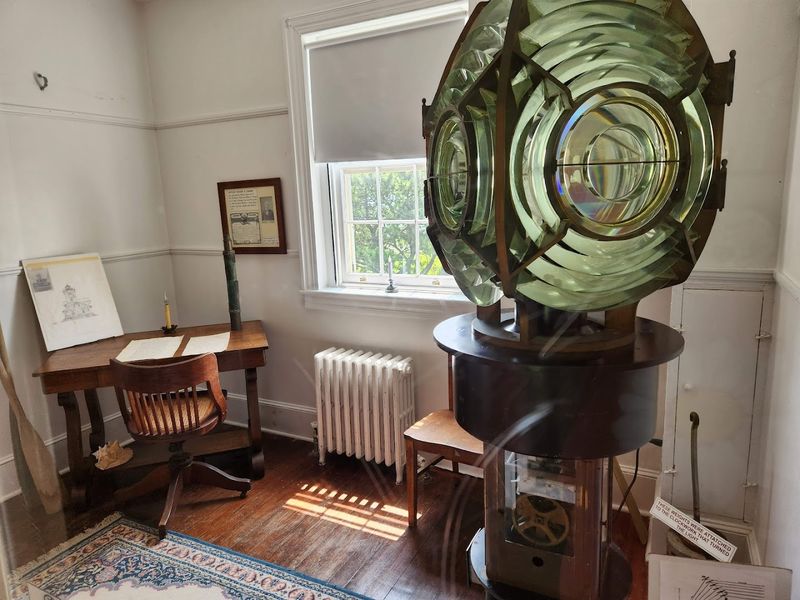
The self-guided path leads up to a higher landing with views, while the lantern area remains closed because the light still operates. That setup respects safety and function without blocking the sense of height and placement.
The stair climb is manageable with careful steps and short pauses.
Windows at the upper levels frame the coastline in a straightforward way. The angles give a practical perspective on channels and shoals that the exhibits describe downstairs.
I liked how the sightlines connect the museum’s maps to the real water outside.
On the way down, the steps double as a checklist. I mentally paired balcony angles with the period photographs I had just seen.
It made the return to ground level feel like finishing a loop rather than just exiting.
Butterfly Garden And Seasonal Highlights
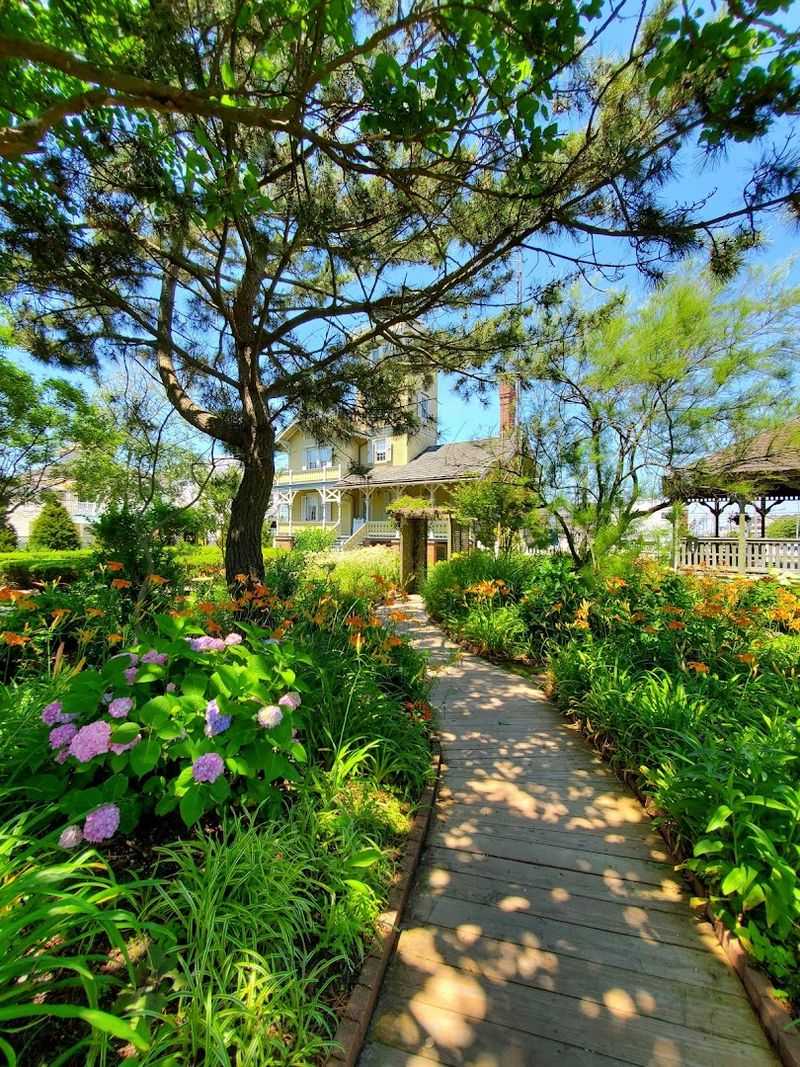
The butterfly garden adds an easy extra chapter to the visit. Plantings favor nectar-rich choices and host plants that draw winged visitors when the season is right.
Short markers make it simple to learn without breaking the flow of the walk.
Timing matters if you want the full effect. Late spring through early fall tends to deliver the most activity, and the wider grounds reach a visual peak around the same months.
I planned a return during midseason to catch a more active garden loop.
Even off peak, the space works as a quiet extension of the main paths. It connects the lighthouse narrative to the broader ecology in a compact way.
That crossover keeps the grounds relevant beyond pure architecture.
Link To The Seawall And Beachfront Walks
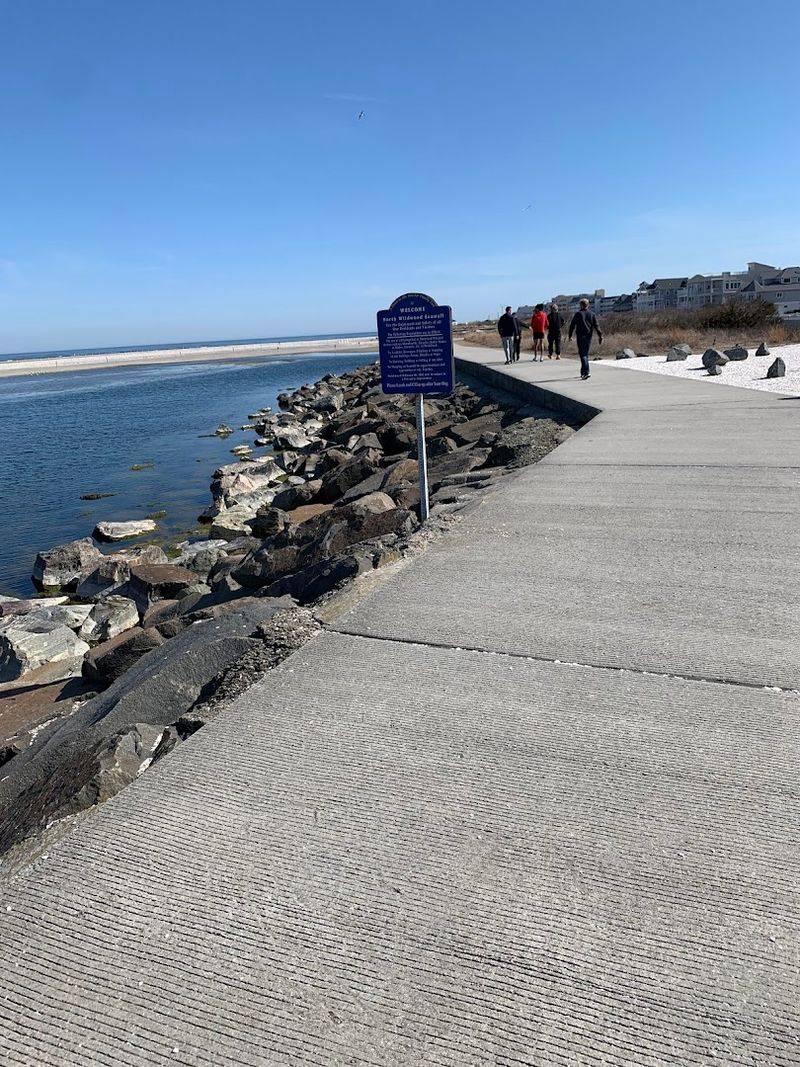
A short path from the back of the grounds leads to the seawall, and that link extends the visit into a longer walk. The paved route tracks the shoreline for a solid stretch and connects with quiet beach access points.
I liked pairing the museum with this simple stroll.
The seawall becomes a moving overlook, and it works for both quick loops and longer plans. Cyclists and walkers share the space politely, and benches appear at steady intervals.
If your schedule allows, a loop before or after the lighthouse tour rounds out the day without extra planning.
That add-on reinforces the site’s role within the neighborhood. The lighthouse anchors the corner, and the seawall braids it into the daily routine of North Wildwood locals and visitors.
It is a fitting partnership.
Volunteer Knowledge And Local Pride
Conversations with volunteers sharpened the details that the signs only hint at. One person explained the restoration timeline and pointed out furnishings that came from local families.
That sort of guidance turns a solid exhibit into a living project.
The tone is not salesy or scripted. Questions get straightforward answers, and if a detail needs checking, someone happily verifies it.
I left with a clearer understanding of how community groups and the city supported the building through different phases.
Local pride runs steady here. It shows in the way the gardens are groomed and in the depth of the archival materials.
A quick nod to those efforts feels earned, and it adds context to every room you walk through.
Planning Your Timing And Nearby Logistics
Getting here is straightforward via the Garden State Parkway with a local exit that feeds into North Wildwood. I aimed for a morning start to avoid midday crowds and found the rooms calm and easy to navigate.
The city grid near N Central Ave keeps turns uncomplicated.
Building a simple schedule pays off. I slotted one hour for the museum, thirty minutes for the gardens, and whatever remained for the seawall walk.
That plan left enough breathing room for the gift area and a second pass through a favorite display.
Wrap the visit with lunch or a casual bite nearby and you get a balanced half day. The lighthouse holds the focus, and the neighborhood supports it with parking, sidewalks, and a clean route back to the main roads.
It is a tidy loop with few loose ends.



