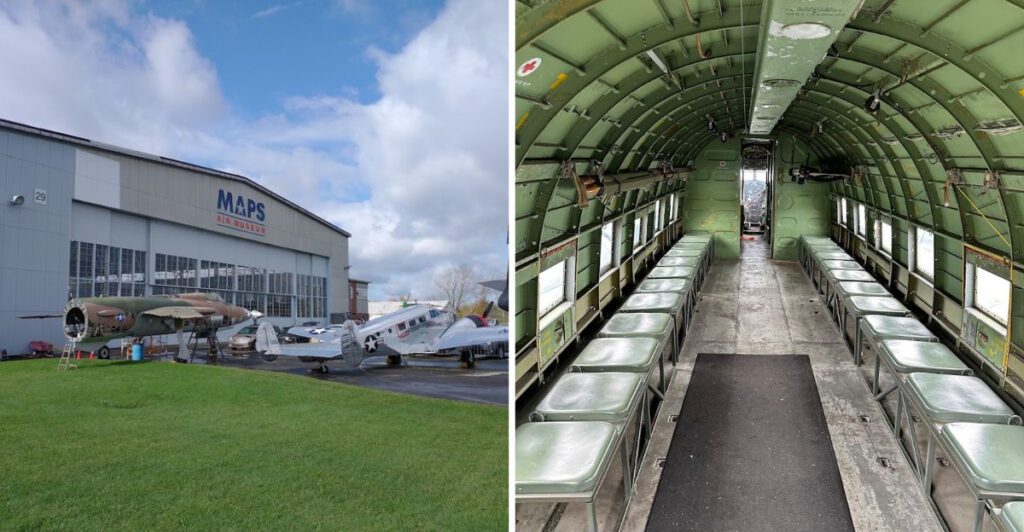
There is a place in northeastern Ohio where you can stand close enough to touch a World War II-era bomber, peer into the cockpit of a Cold War jet, and walk through aircraft that once roared across military skies. Most people drive past North Canton without a second thought, completely unaware that one of the most hands-on aviation museums in the Midwest is sitting right there.
MAPS Air Museum holds more than 55 historic aircraft, a remarkable collection of military memorabilia, and stories that connect local communities to some of the biggest moments in American history. Once you step inside that main hangar, three to five hours disappear faster than you would ever expect.
A Museum Built on Passion, Not Just Planes
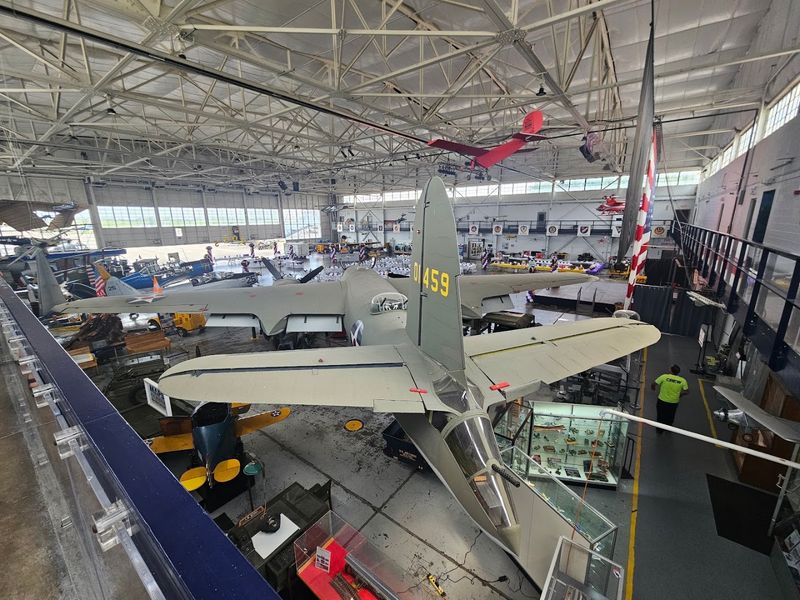
MAPS Air Museum did not start as a government project or a multimillion-dollar institution. It grew from a genuine love of aviation history, built largely through the efforts of dedicated volunteers who wanted to preserve military flight history for future generations.
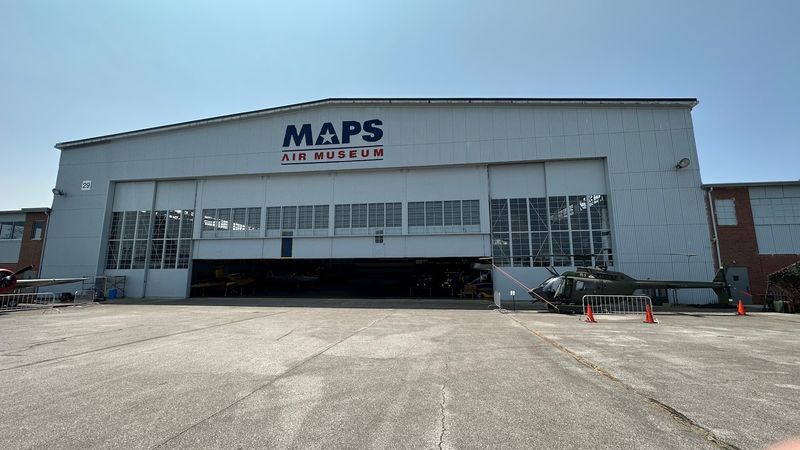
The museum is located at 2260 International Pkwy, North Canton, OH 44720, right next to Akron-Canton Airport, which gives the whole setting an authentic aviation atmosphere. That proximity to an active airport means you might hear real aircraft overhead while you are studying a historic one up close.
The name MAPS stands for Military Aviation Preservation Society, and that mission is visible in every corner of the complex. This is not a place where aircraft sit behind ropes collecting dust.
The team here actively restores, maintains, and expands the collection with clear pride in what they are building.
The Main Hangar and What Waits Inside
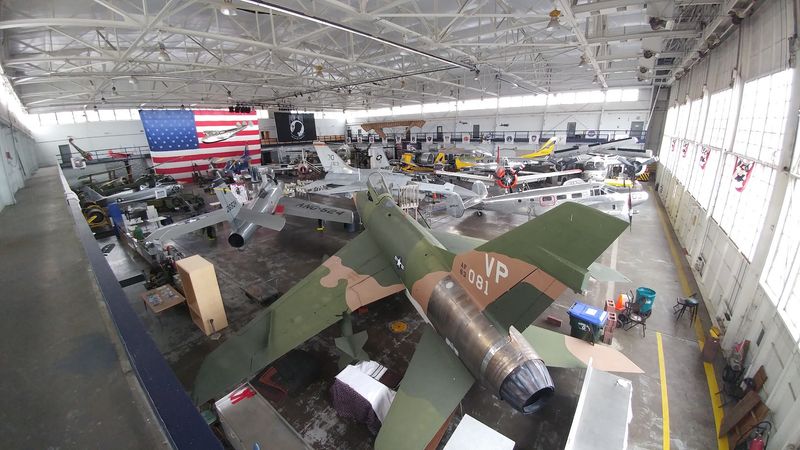
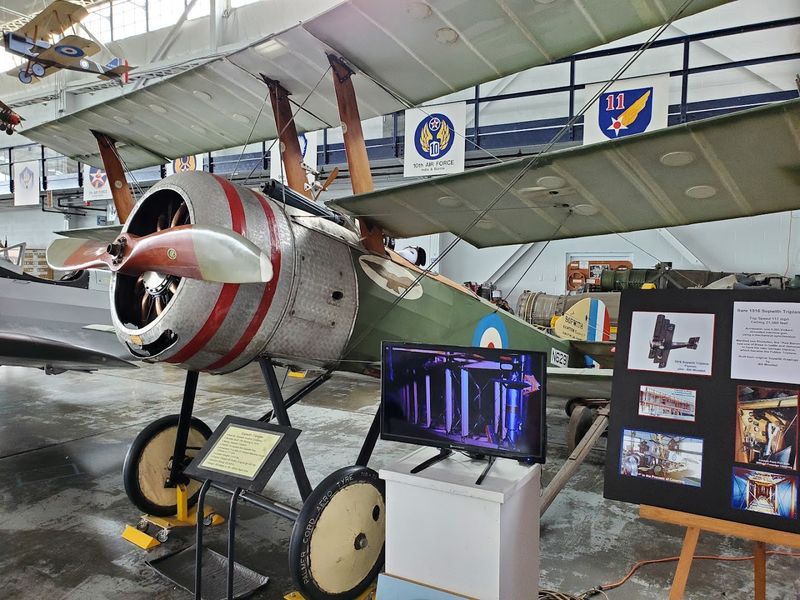
Walking into the main hangar for the first time is a genuinely surprising moment. The space is enormous, and it is filled with aircraft arranged so that visitors can walk completely around each one, study the details, and get close in a way that most large museums simply do not allow.
QR codes posted near most aircraft let you pull up additional information on your phone, which is a smart touch for anyone who wants to go deeper than the posted information boards. The layout gives each aircraft enough room to breathe, so nothing feels cramped or rushed.
Upper levels of the hangar are accessible by elevator and offer different vantage points for looking down at the collection. Some areas are still being developed, which means the museum keeps growing with each visit.
There is always something new to notice, even for people who have been before.
The 1908 Martin Glider That Started It All
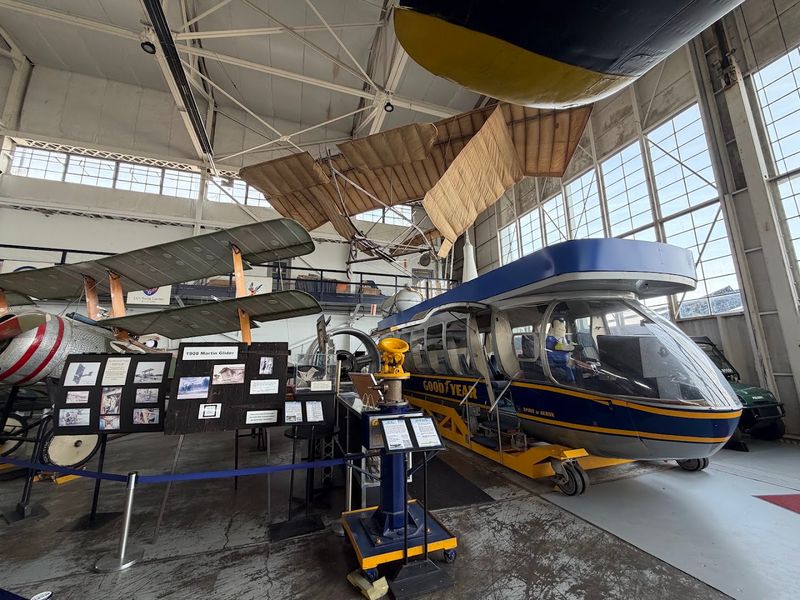
One of the most remarkable objects in the entire museum has nothing to do with jet engines or military combat. The 1908 Martin Glider on display at MAPS is considered one of the oldest surviving aircraft of its kind, and seeing it in person puts the entire history of aviation into sharp perspective.
Glenn L. Martin, who would go on to become a major figure in American aircraft manufacturing, built this glider in the early days of powered flight experimentation.
Holding that historical weight, the glider looks almost impossibly fragile compared to the steel and aluminum machines surrounding it.
The contrast between that 1908 glider and a nearby Cold War-era jet is one of the most visually striking moments in the museum. Within a single room, you can trace more than half a century of human ingenuity in aviation, which is something genuinely hard to find anywhere else.
The Oldest Surviving B-26 Bomber
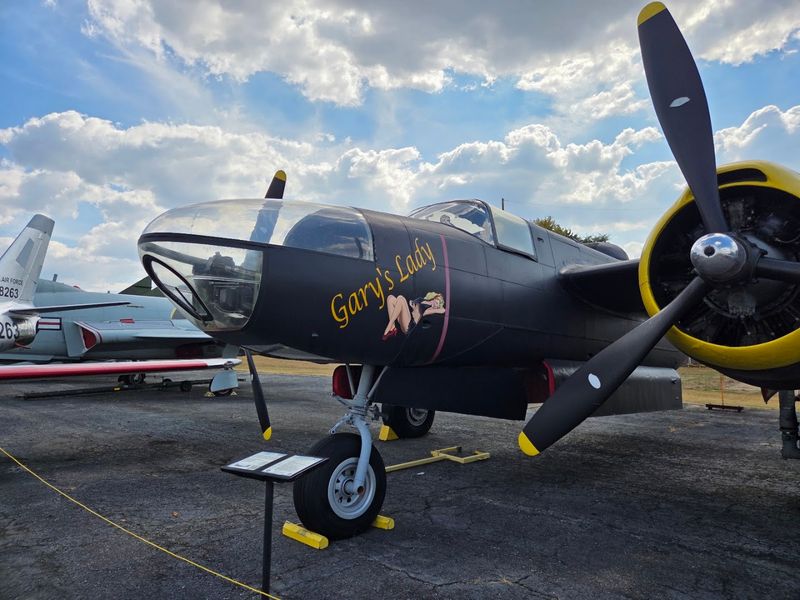
Aviation historians and World War II enthusiasts take special notice when they learn that MAPS Air Museum houses what is recognized as the oldest surviving B-26 bomber. The B-26 Marauder had a complicated reputation during the war, earning a difficult nickname early on before crews learned to trust its performance at the right altitudes.
Seeing this aircraft up close makes the history feel immediate. The sheer size of the fuselage, the weight of the engines, and the details of the restored markings give you a sense of what crews actually lived with during wartime missions.
It is one thing to read about these aircraft in a book and entirely another to stand underneath one.
The museum’s commitment to preserving this particular bomber is a testament to what MAPS does best. Rare aircraft that might otherwise be lost to time find a home here, carefully maintained and presented so visitors can understand their full significance.
Getting Up Close to Jets Most People Only See in Photos
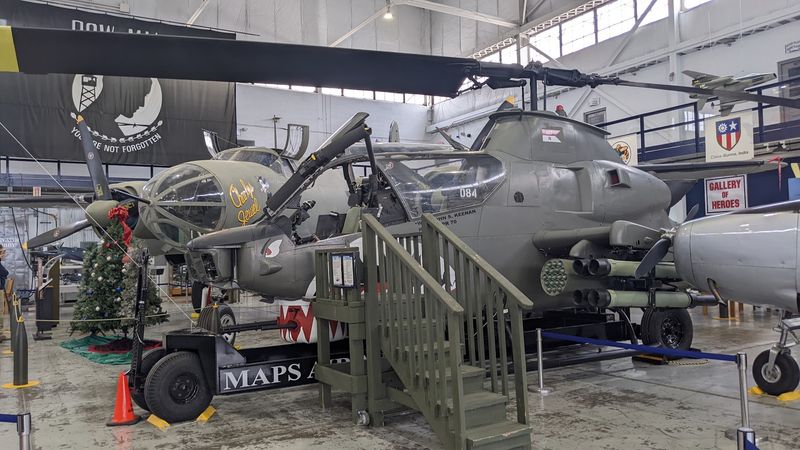
A big part of what separates MAPS from other aviation museums is the access. Some of the jets on display have steps and platforms that let visitors peer directly into the cockpits, which is an experience that tends to stop people in their tracks.
Looking into a cockpit built for combat is genuinely humbling. The instrumentation, the tight quarters, and the knowledge of where these aircraft actually flew combine into something that no photograph can fully capture.
Kids and adults alike tend to spend a long time at these access points, trying to take it all in.
The photo reconnaissance F9F-P on display is a particularly notable example. Unlike most museum aircraft where cameras have been removed over time, this one still has its original cameras inside the fuselage, which is a rare and specific detail that aviation enthusiasts consistently point out as a highlight of the collection.
Aircraft You Can Actually Walk Through
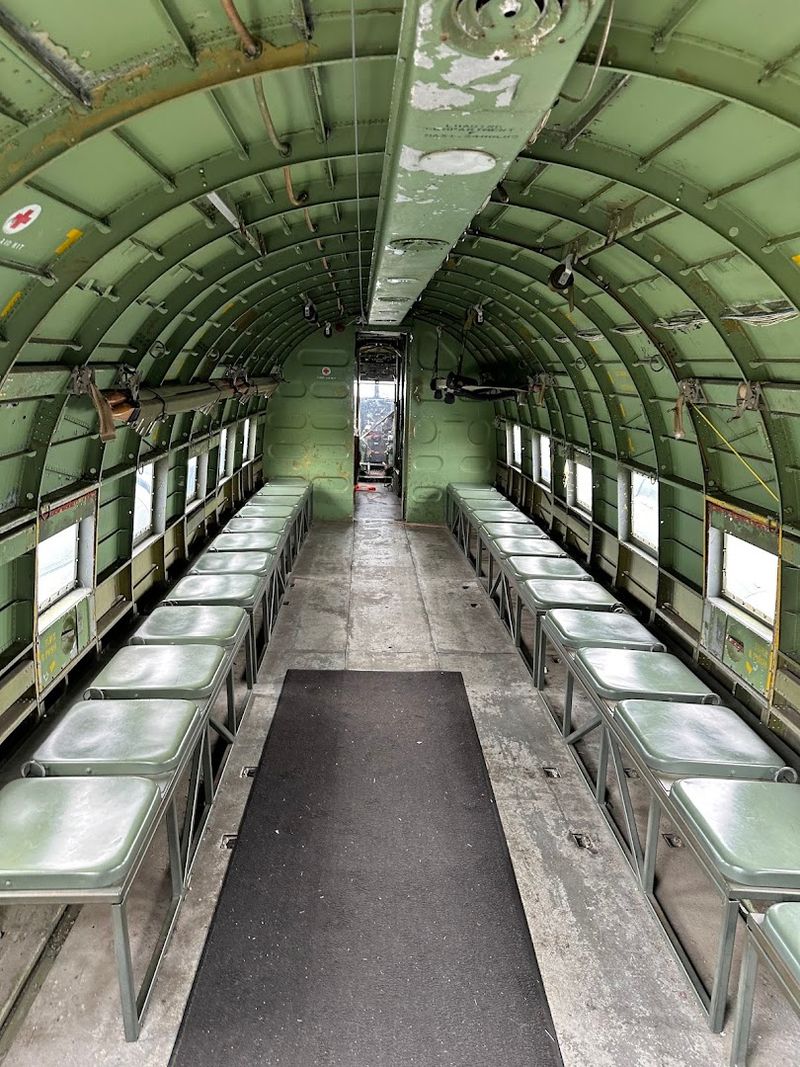
Not every aircraft at MAPS sits behind a barrier. Several of the larger planes allow visitors to walk through the interior, which transforms a museum visit into something closer to a hands-on history lesson.
Standing inside a military transport or bomber and looking at the actual space crews occupied during flight is a perspective that sticks with you.
The experience works especially well for younger visitors who might struggle to connect with static displays. Being physically inside one of these aircraft makes the history tangible in a way that information boards alone never quite achieve.
Adults tend to slow down considerably once they are inside, studying details, reading the posted information, and often pulling out their phones to scan the nearby QR codes for more context. Plan to spend more time at these walk-through aircraft than you think you will.
They consistently become the most talked-about part of any visit.
The Outdoor Aircraft Display That Gets You Moving
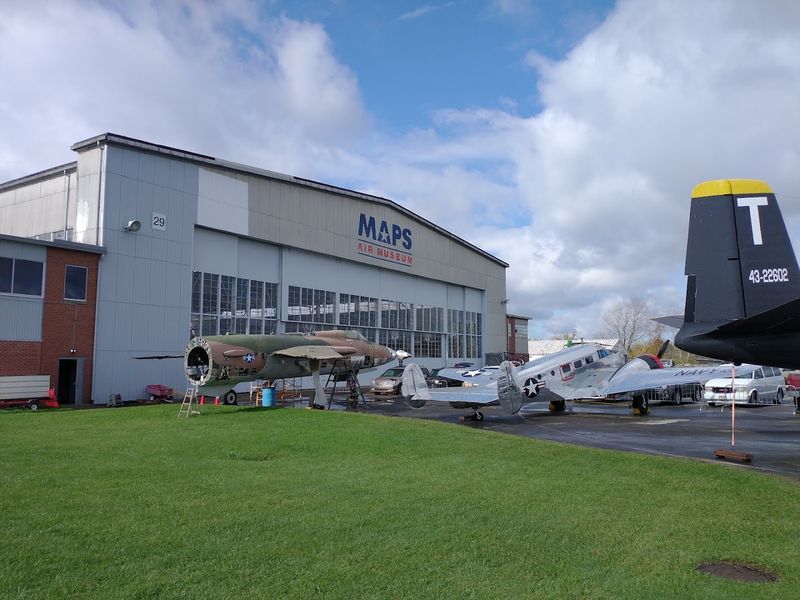
The collection does not stop at the hangar doors. Outside, more than twenty aircraft are spread across the ramp area, giving visitors a completely different experience from the indoor displays.
The open-air setting lets you appreciate the scale of these machines in a way that indoor lighting simply cannot replicate.
Freshly painted aircraft catch the sunlight in striking ways, and the variety of types on display means there is something new to look at with every few steps. Military jets, propeller aircraft, and helicopters are all represented, arranged with enough space between them that you can walk around each one comfortably.
The outdoor section also means you will get some real walking in during your visit, which feels appropriate given the setting. Comfortable shoes are a practical suggestion.
The outdoor ramp area connects naturally back to the indoor hangar, so moving between both sections feels seamless rather than like two separate experiences stitched together.
The Volunteer Tour Guides Who Make the Difference
Every visitor who walks through the front entrance is offered a free guided tour led by one of the museum’s volunteer guides. Accepting that offer turns out to be one of the best decisions you can make for the visit.
These volunteers carry an impressive depth of knowledge about individual aircraft, local connections, and the broader history of military aviation.
What makes their tours genuinely special is the personal storytelling. They do not just recite technical specifications.
They connect specific aircraft to real events, local communities, and human stories that bring the collection to life in a way that reading information boards never fully achieves on its own.
The guides are also patient with questions, including the ones visitors feel slightly embarrassed to ask. One guide reportedly described a visitor’s questions as perfectly reasonable while spending twenty minutes explaining the answer in fascinating detail.
That kind of generous engagement is what people remember long after the visit ends.
The Medal of Honor Room and Military Tribute Exhibits
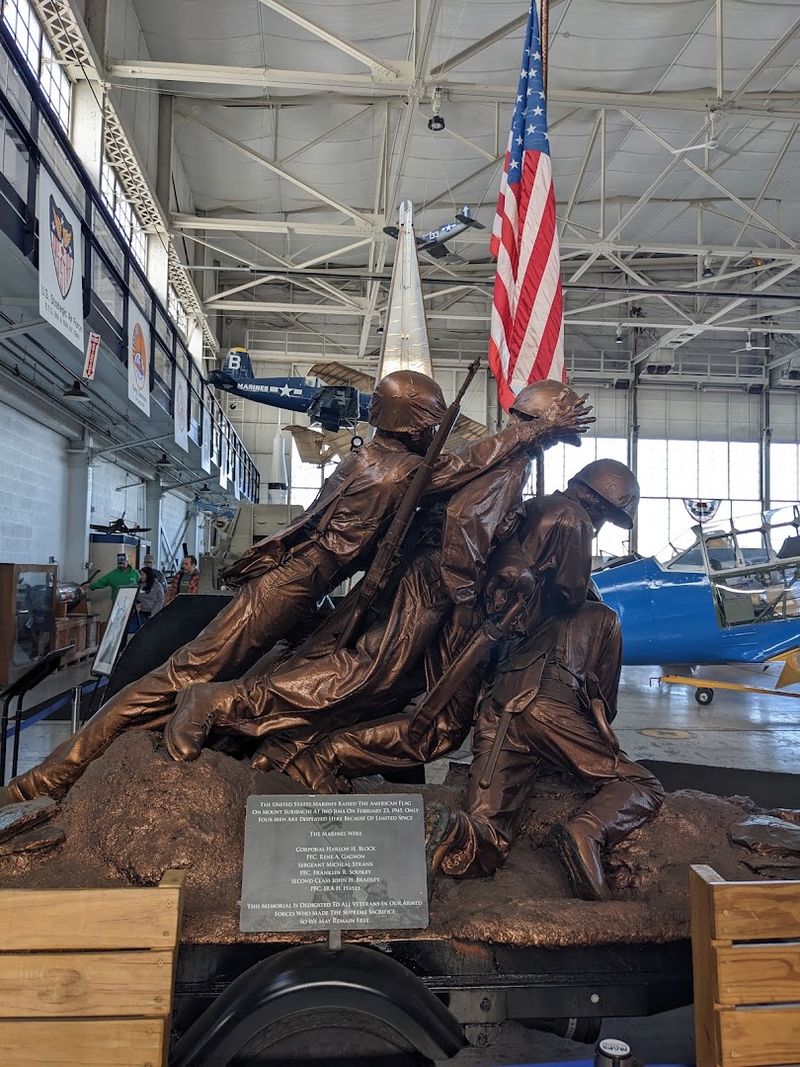
Beyond the aircraft, MAPS Air Museum contains several exhibit halls dedicated to honoring military service members. The Medal of Honor room is one of the most quietly powerful spaces in the entire complex, giving visitors a chance to pause and recognize the people behind the machines on display.
The exhibits here go beyond general military history. Many of them highlight local connections, featuring service members from the Akron and Canton area whose stories are woven into the broader narrative of American military aviation.
That regional focus gives the museum a personal quality that larger national institutions sometimes lack.
Military uniforms, weapons, artifacts, and memorabilia fill additional exhibit halls, rounding out the experience for anyone who wants more than just aircraft. The collection extends to naval history as well, with items connected to military operations across different branches of the armed forces.
Plan to set aside time for these rooms specifically.
The F-100 Super Sabre Room Worth Slowing Down For

The F-100 Super Sabre holds a significant place in Cold War aviation history as the first American supersonic jet capable of level flight. MAPS Air Museum dedicates notable exhibit space to this aircraft, and the surrounding displays give visitors the full context of what made this jet so important to military aviation development.
The room feels different from the main hangar floor. It is more focused, more detailed, and designed to let visitors really sit with the history of a single aircraft rather than moving quickly from one machine to the next.
That slower pace suits the subject matter well.
Aviation enthusiasts who know the Super Sabre’s history tend to spend considerable time in this section, while casual visitors often leave with a new appreciation for an aircraft they had never heard of before arriving. That kind of educational surprise is exactly what a great museum is supposed to deliver.
Ongoing Restorations Happening in Real Time
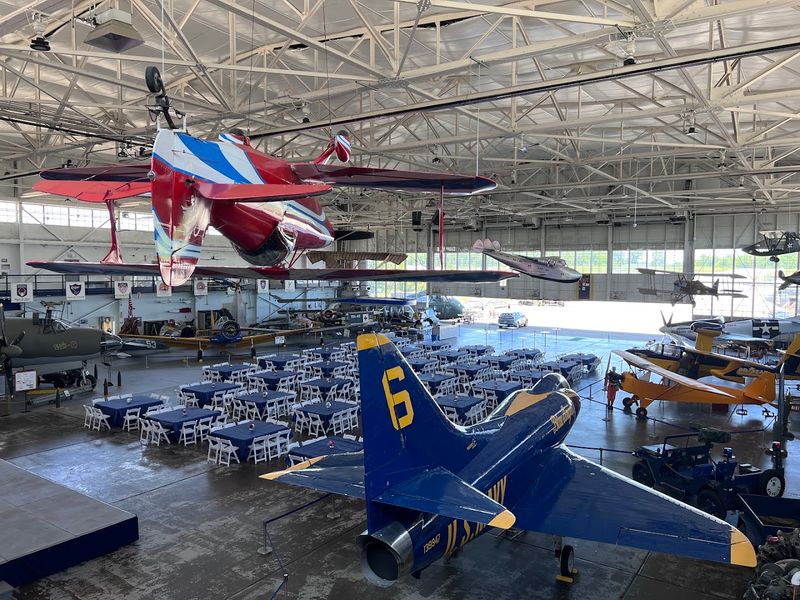
One of the more fascinating aspects of visiting MAPS is knowing that active restoration work is happening somewhere on the property at any given time. The museum is not a finished product sitting frozen in place.
It is a living operation where aircraft are regularly being brought back to display condition by skilled volunteers and restoration teams.
A Harrier jet has been noted as one of the aircraft recently receiving attention, and a Vought Cutlass restoration has been underway with the wings already visible to visitors while the full aircraft works toward completion. Seeing partially restored aircraft gives the museum an authenticity that polished-only collections cannot replicate.
Visitors who return after a year or two often find meaningful changes in what is on display, which gives MAPS genuine replay value. The museum openly encourages return visits, and with a constantly evolving collection, that invitation is easy to take seriously.
Admission Pricing and Practical Visit Tips
Adult admission is priced at approximately fifteen dollars, which makes MAPS one of the more reasonably priced aviation museums in the region given the scale and quality of what is on display. Discounts are available for first responders and other groups, so it is worth asking at the front desk before purchasing tickets.
One practical detail worth knowing is that admission is treated as an all-day pass. Visitors can leave the property and return later the same day with proof of purchase, which is helpful if you want to grab lunch nearby and come back to finish exploring without paying again.
The museum is open Tuesday through Saturday starting at 9 AM, with Sunday hours beginning at 11:30 AM. Monday is the only closed day.
Most visitors report needing between two and a half to five hours to feel satisfied with their visit, so arriving early gives you the best experience.
Why MAPS Keeps Drawing People Back

Some museums feel complete after one visit. MAPS Air Museum is not one of them.
The combination of an evolving collection, new restorations reaching completion, and the depth of knowledge that volunteer guides bring means that returning visitors consistently find something they missed or something new entirely.
The local flavor running through many exhibits also creates a sense of community ownership that is hard to manufacture. When a museum connects its aircraft and artifacts to the specific people and places of its surrounding region, it becomes more than a collection.
It becomes a record of real lives and real history.
Whether you are a dedicated aviation enthusiast or simply someone who stumbled across the museum while passing through northeastern Ohio, MAPS tends to leave a stronger impression than expected. The aircraft are extraordinary, but the stories wrapped around them are what make the visit genuinely memorable long after you drive away.
Share this story