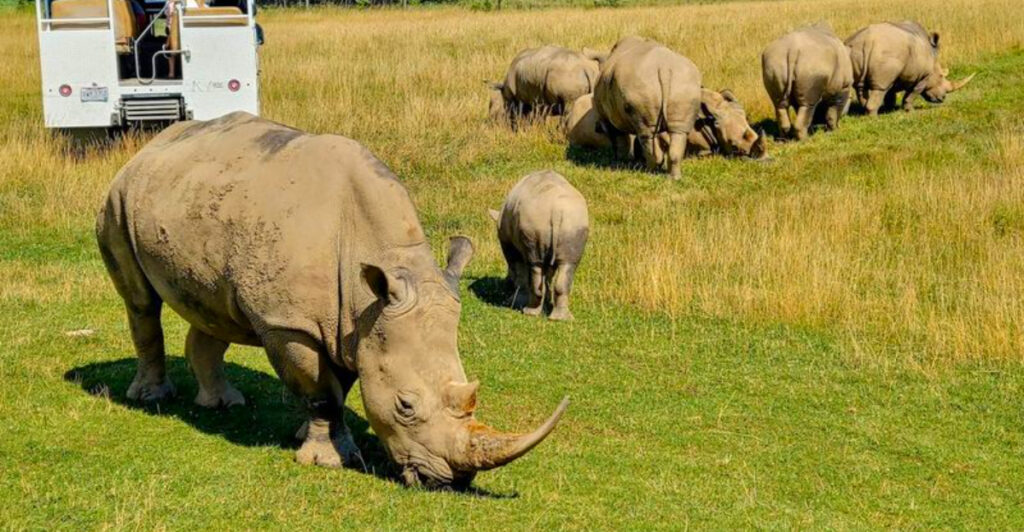
Most people drive through southeastern Ohio without expecting to spot a white rhino grazing just beyond the tree line. But that is exactly what happens at a wildlife conservation park so vast and surprising that first-time visitors often go quiet the moment the animals come into view.
Spread across 10,000 acres of reclaimed land, this place is home to hundreds of exotic animals from Africa, Asia, and beyond, all living in open pastures with room to roam freely. There is nothing quite like it anywhere else in the Midwest, and once you know it exists, you will wonder how it stayed off your radar for so long.
What The Wilds Actually Is
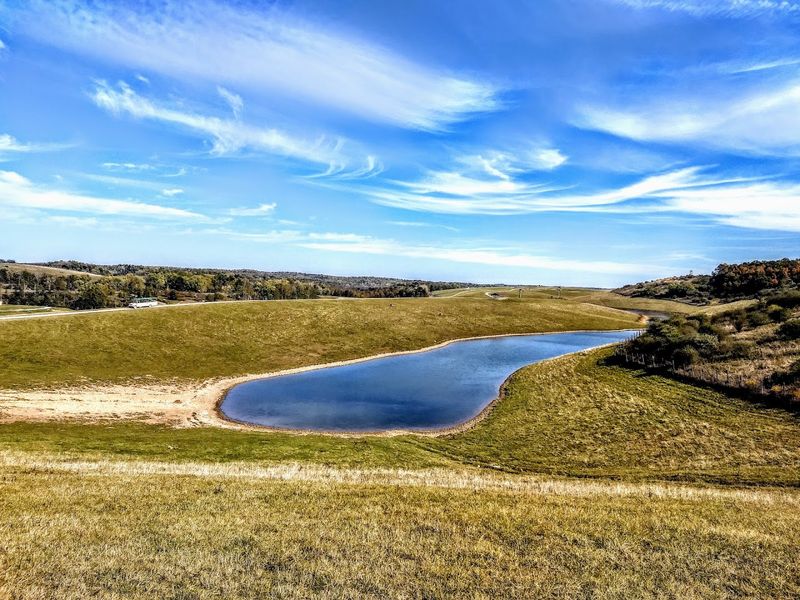
Most wildlife parks keep animals behind bars. The Wilds in Cumberland, Ohio, located at 14000 International Rd, Cumberland, OH 43732, operates on an entirely different philosophy.
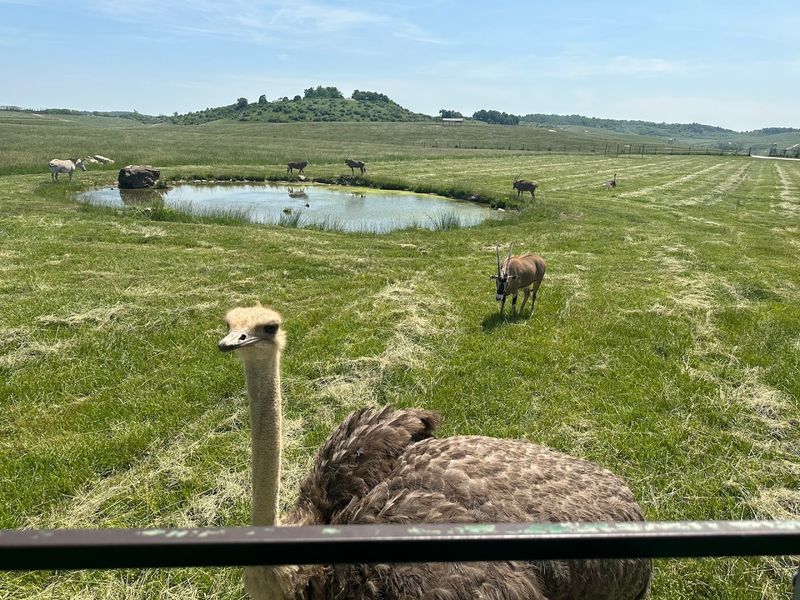
Animals here live across open pastures so wide you sometimes need binoculars to spot them on the horizon.
The park sits on land that was once a strip mine, transformed over decades into one of the largest wildlife conservation centers in North America. That backstory alone makes the place worth knowing about.
The Wilds is managed in partnership with the Columbus Zoo and Aquarium and focuses heavily on conservation breeding programs for endangered species. This is not a roadside attraction or a typical zoo experience.
The scale, the mission, and the sheer number of animals roaming freely make it something genuinely different from anything most Ohio visitors have ever seen.
The Open-Air Safari Bus Tour
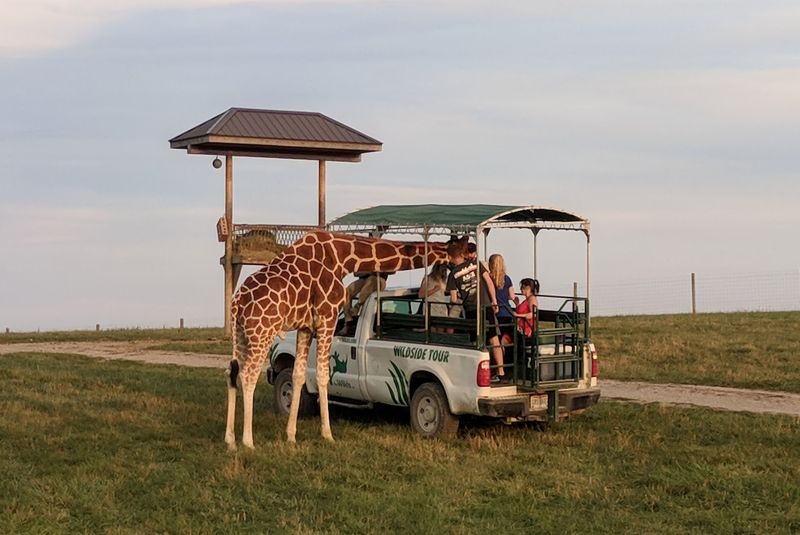
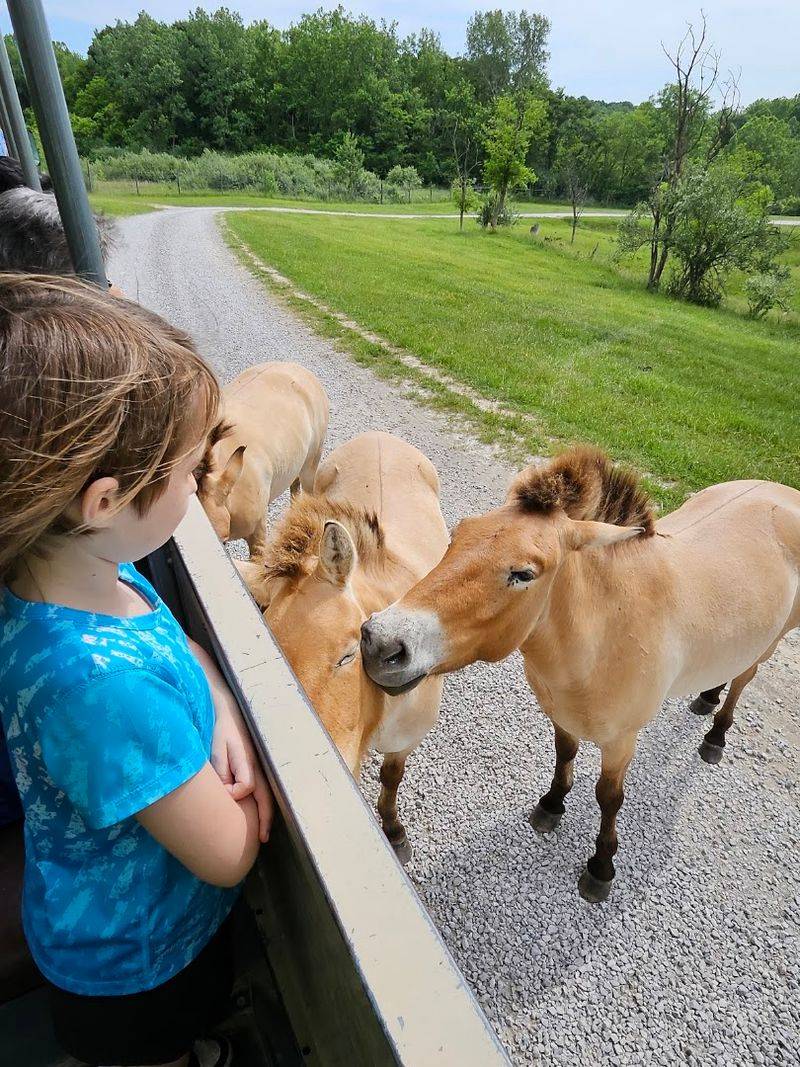
The open-air bus safari is the most popular way to experience The Wilds, and it earns that reputation fast. You board a converted open-air vehicle, settle in, and within minutes the landscape opens up into rolling grassland with animals grazing on both sides of the road.
Tours run approximately two and a half hours, which sounds like a lot until a zebra trots up to the fence line and a month-old white rhino starts doing zoomies nearby. Time moves differently out there.
Guides share conservation facts, animal behavior details, and genuine enthusiasm throughout the ride. Many visitors say the guide made the experience feel personal rather than scripted.
Booking in advance is strongly recommended, especially on weekends, and arriving early gives you time to explore the visitor area before your tour departs.
The Wildside Off-Road Safari Experience
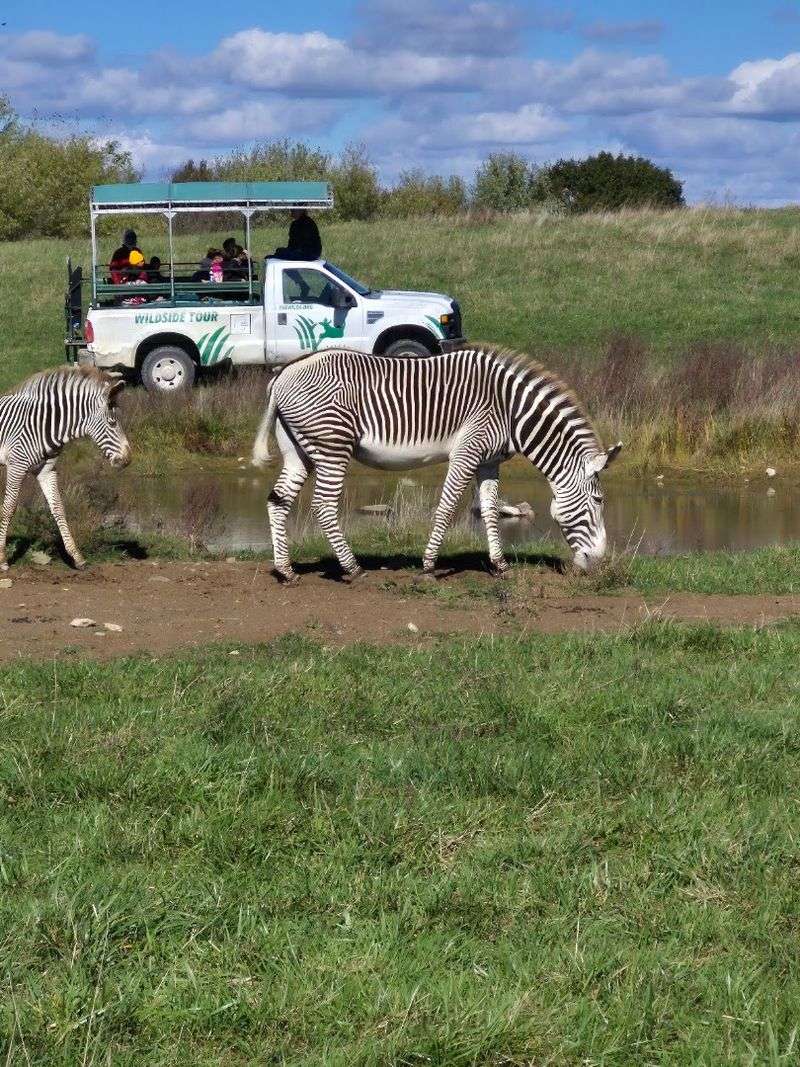
For visitors who want to get closer than the standard road allows, the Wildside Safari is a serious upgrade. You ride in a custom off-road truck with padded seats that takes you away from paved paths and into the actual habitat areas where animals spend most of their day.
The Wildside experience includes stops that the open-air tour does not offer, including a visit to the giraffe barn where you can hand-feed a giraffe directly. On cooler days when the giraffes are brought inside, that barn visit becomes one of the most memorable moments the park offers.
Guests have also petted rhinos during this tour, which is the kind of sentence that sounds made up until you are actually standing there with your hand on one. The Wildside tour costs more than the standard option but delivers a noticeably more immersive experience.
The Rhino Conservation Program
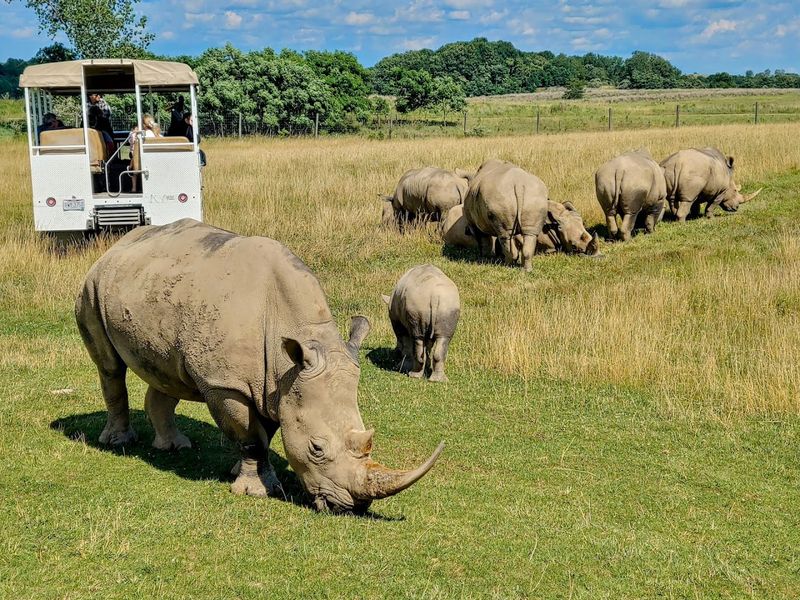
Outside of Africa, The Wilds is considered one of the most successful rhino conservation programs in existence. That is not a casual claim.
The park has contributed significantly to the survival of white rhino populations through carefully managed breeding efforts over many years.
Seeing rhinos in person is one thing. Watching them graze freely across hundreds of acres without a cage or concrete enclosure in sight is something else entirely.
Visitors on the evening tour have reported hearing rhinos grunting and moving through the pasture from their overnight camp, which adds a surreal quality to the experience.
The baby white rhino born at the park has become a particular crowd favorite, often spotted running alongside its mother near the tour road. Conservation programs like this one exist quietly in places most people never think to visit, which makes finding one this accessible feel genuinely lucky.
Overnight Stays in Yurts and Canvas Tents
Spending the night at The Wilds changes the experience completely. The park offers yurts and canvas tent accommodations at the Outpost, allowing guests to fall asleep with rhinos grunting somewhere in the dark nearby.
That is a sentence that belongs in a travel story, not a typical Ohio weekend itinerary.
Overnight packages include meals, which have been described as genuinely good rather than standard camp food. Upgraded dinner and breakfast options are available and worth the extra cost, especially if you are heading out on a morning safari tour afterward.
Evening campfires, s’mores, and sunset views over the open pastures come with the overnight stay. Guests are encouraged to bring bug spray, a simple game or book for downtime, and their own sense of wonder.
Staying overnight is the only way to experience the park after the day tours have ended, and that quiet is remarkable.
Horseback Riding Tours Through the Property
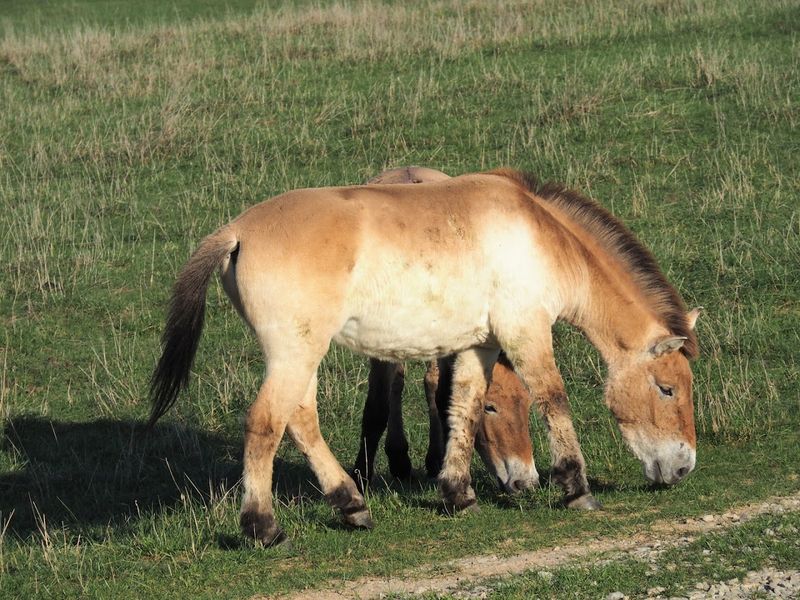
Horseback riding at The Wilds is not a short trail loop around a paddock. Tours take riders through the actual property, offering a slower and quieter way to experience the landscape than the motorized safari options provide.
The pace of a horse changes how you notice things around you.
This activity tends to appeal to visitors who want something more personal and unhurried. Moving through open land on horseback with exotic animals visible in the distance creates a mood that is hard to replicate with any other tour format the park offers.
Advance reservations are required, and availability can be limited depending on the season. Riders with varying experience levels are typically accommodated, though it is worth checking current requirements when booking.
For anyone who has always wanted to combine horseback riding with a genuine wildlife experience, The Wilds offers that combination in a setting few places can match.
The Animals That Call The Wilds Home
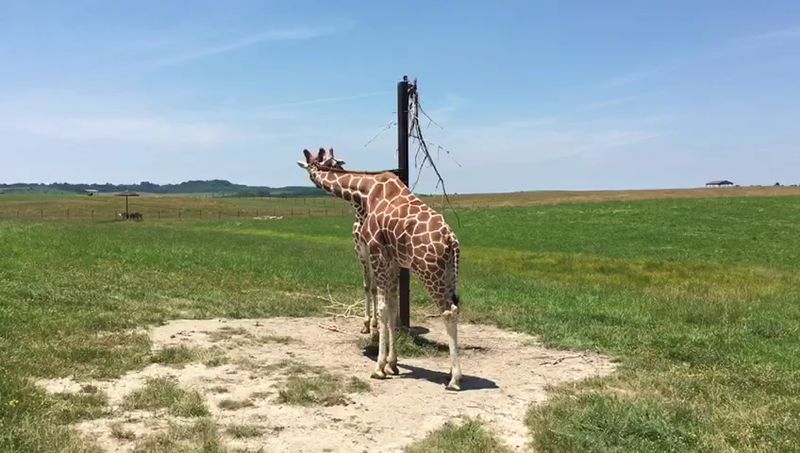
The species list at The Wilds reads like a globe-spanning tour. African and Asian animals share the landscape, including giraffes, zebras, camels, cheetahs, sable antelopes, and multiple rhino species.
The variety is wide enough that repeat visitors consistently report seeing something new each time.
Cheetahs are viewable from a boardwalk that allows guests to look down into the habitat without a fence blocking the sightline. That design detail makes a genuine difference in how close and natural the encounter feels.
Giraffes and camels are weather-dependent, so warmer visits tend to offer the fullest animal lineup.
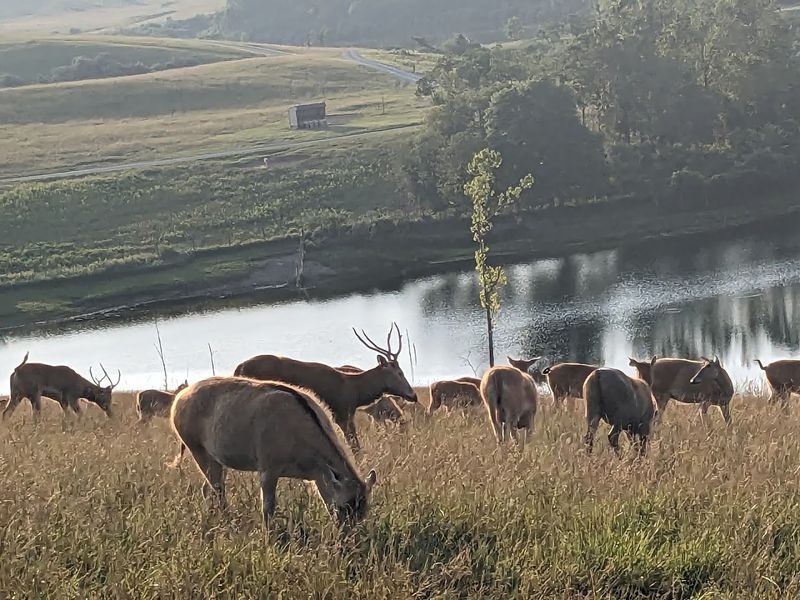
One visitor witnessed a deer giving birth in the tall grass during a tour, with the guide pausing so everyone could watch the fawn take its first drink. Moments like that happen because the animals are living naturally rather than performing.
That authenticity is what separates The Wilds from a conventional zoo setting.
The Hellbender Exhibit
Not everything at The Wilds involves large African mammals. The park also houses a curated collection of Eastern hellbenders, which are among the largest salamanders in North America and one of the more fascinating freshwater creatures most people have never heard of.
Hellbenders are native to Ohio and several other eastern states, but their populations have declined significantly due to habitat loss and water quality issues. The Wilds participates in conservation efforts for these animals alongside its more internationally recognized species.
The hellbender exhibit tends to be a quiet stop that visitors who arrive early get to enjoy before their main tour begins. The animals like to hide among rocks, which makes spotting them a small but satisfying challenge.
It is the kind of exhibit that reminds you the park’s conservation mission extends beyond the dramatic open-pasture species most people come expecting to see.
The History of the Land Itself
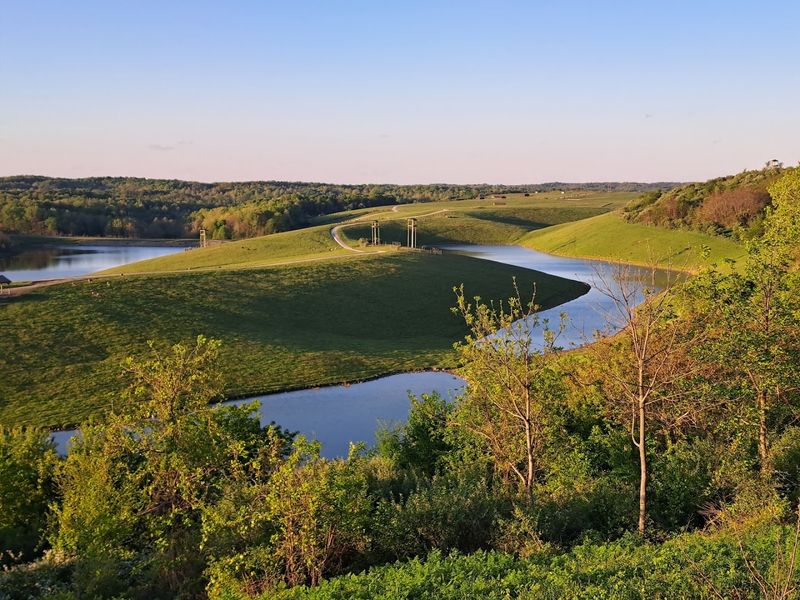
The land The Wilds sits on was not always a thriving wildlife habitat. The property was previously a strip mine, and what you see today is the result of decades of careful environmental reclamation work.
That transformation is one of the most compelling parts of the entire story.
American Electric Power donated the land in the 1980s, and the Columbus Zoo helped develop it into what eventually became The Wilds. The idea that hundreds of endangered animals now roam freely across land that was once stripped of its natural character is the kind of environmental turnaround that deserves more attention than it typically gets.
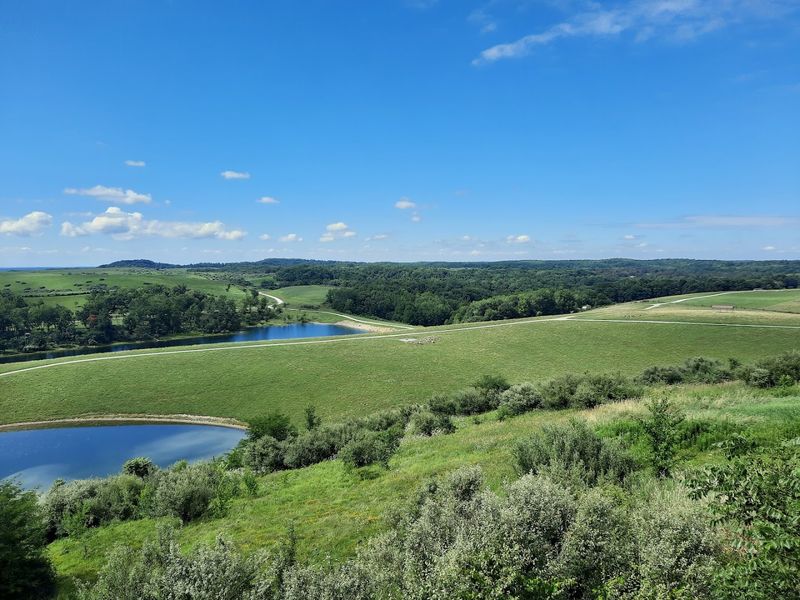
The rolling hills and open meadows look completely natural to first-time visitors, which is part of what makes the history so striking once you learn it. The landscape itself is a conservation achievement, not just the animals living on it.
Practical Tips for Planning Your Visit
The Wilds is genuinely remote. The nearest gas station is roughly 17 miles away, and the drive in is rural enough that you should fill your tank before heading out.
The park itself is clear about this when guests book, which is helpful information to take seriously.
Booking tours at least four hours in advance is recommended to avoid availability issues, and arriving early gives you time to explore the visitor area, gift shop, and any exhibits before your scheduled tour. Binoculars are a smart addition to your bag, especially for observation decks and distant animal sightings.
Warmer weather brings out the full animal lineup, including giraffes and camels. Cooler fall visits are still worthwhile but may mean some animals are kept indoors.
A poncho or light rain layer is worth packing if there is any chance of rain. The park also has shuttle buses to move guests between areas.
Why The Wilds Keeps Drawing People Back
Some places are worth visiting once. The Wilds is the kind of place people return to, sometimes for years, because the experience changes with every visit.
New animals are born, new exhibits open, and the seasons shift what is visible and where the animals tend to gather.
One visitor mentioned coming since third grade and still finding something new each time. That kind of long-term connection to a place is rare, and it says something meaningful about what The Wilds consistently delivers.
The combination of conservation purpose, open landscape, and genuine wildlife encounters creates something that sticks with people.
The surrounding area in southeastern Ohio also has its own quiet appeal, with Zanesville about 30 minutes away offering lodging and additional stops for those making a full weekend of the trip. The Wilds works as a day visit, but spending the night makes it something you will be talking about for a long time after.
Share this story