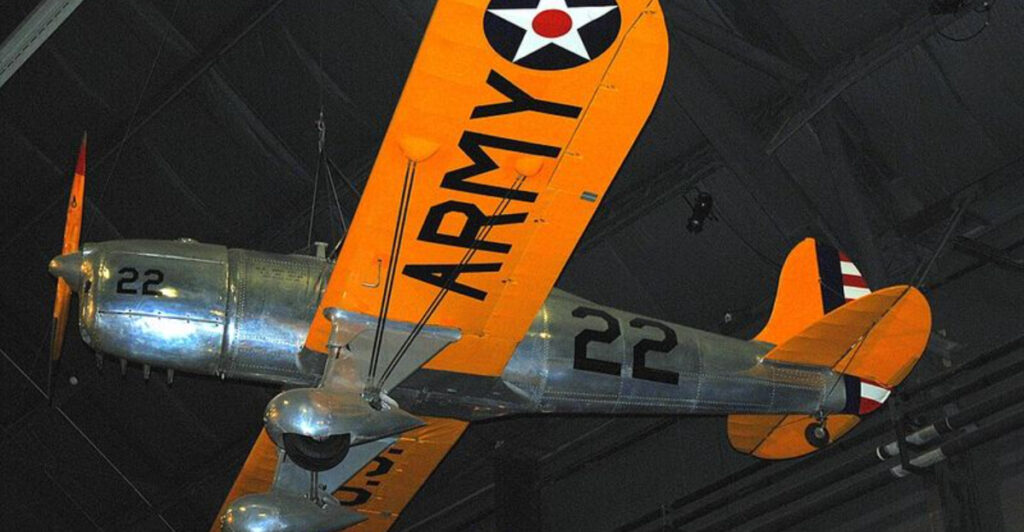
There is a place in Ohio where you can stand next to a real B-52 bomber, walk through a presidential aircraft, and watch a 3D film about aerial combat, all without spending a single dollar. The collection is so massive that visitors routinely spend four to six hours exploring and still feel like they missed something.
Four enormous hangars packed with over 360 aircraft take you from the earliest days of powered flight all the way to modern stealth technology and space exploration. Whether you are a history buff, a curious kid, or someone who just wants a jaw-dropping day trip, this free museum in Dayton, Ohio delivers an experience that rivals any paid attraction in the country.
Keep reading to find out everything you need to know before your visit.
A World-Class Museum That Costs You Nothing
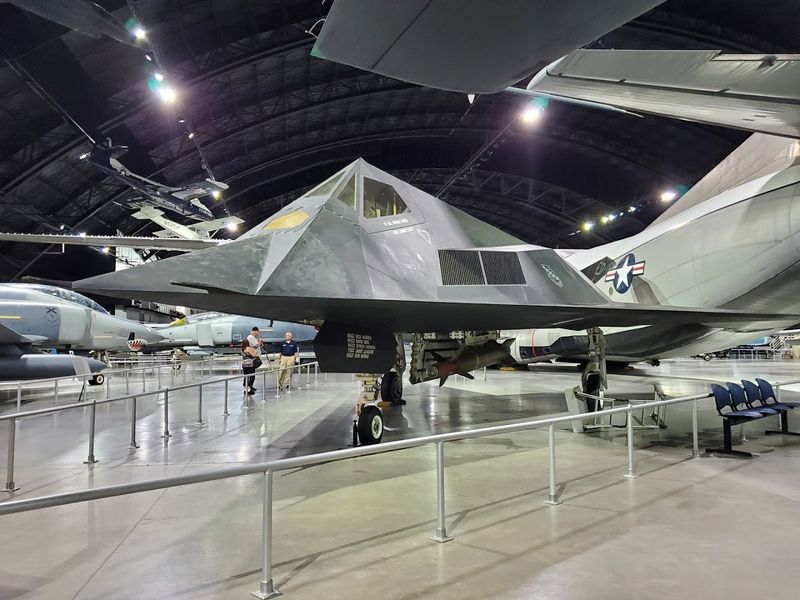
Not many world-class museums can honestly say that admission is completely free, but this one does exactly that. The National Museum of the US Air Force, located at 1100 Spaatz St, Dayton, OH 45433, opens its doors to every visitor at no charge, and parking is free as well.
That is a remarkable offer considering the sheer scale and quality of what is inside. You will find over 360 aircraft on display, each one carefully restored and presented with detailed information.
The museum sits on Wright-Patterson Air Force Base, making it not just a cultural institution but a living part of American military history. A small donation is appreciated and earns you a map of the facility, which trust me, you will want given how spread out everything is.
Plan for a full day and wear your most comfortable shoes.
Four Massive Hangars, Each One Its Own Universe
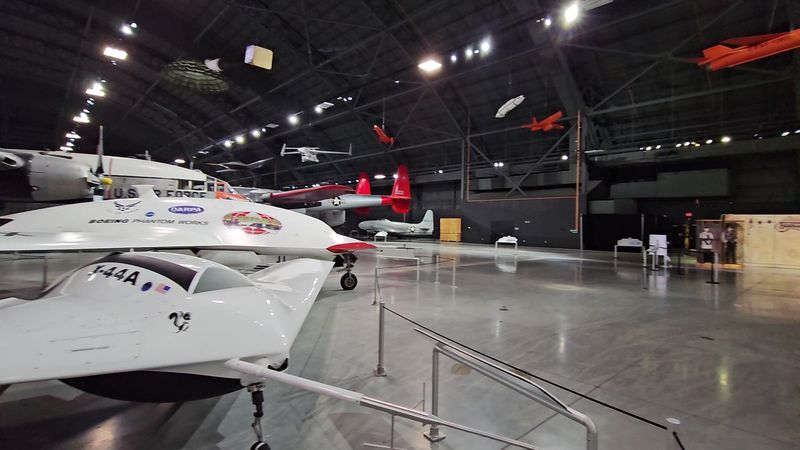
The layout of this museum is one of the first things that will genuinely catch you off guard. Four enormous hangar-style buildings, each roughly the size of an indoor football stadium, house the aircraft by era and theme.
You move through them in a logical sequence, starting with early aviation and World War I, then progressing through World War II, the Cold War, and eventually into modern and experimental aircraft. The flow feels natural, and you never feel like you are jumping around without context.
Each building has its own atmosphere. The early aviation gallery feels almost intimate compared to the Cold War hangar, where massive bombers dominate the space overhead.
Upstairs areas, outdoor exhibits, and specialty galleries add even more layers to explore.
The sheer variety of what you encounter from one building to the next keeps the experience fresh throughout the entire visit.
Over 360 Aircraft Spanning More Than a Century of Flight
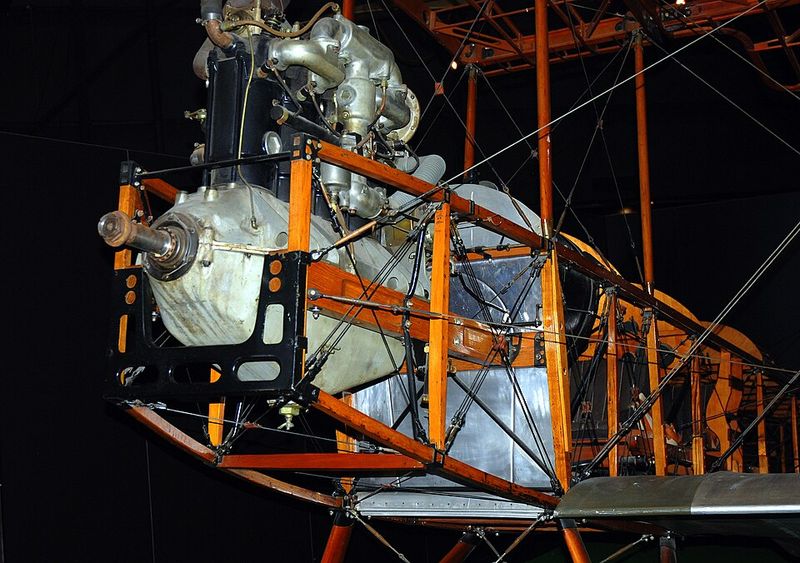
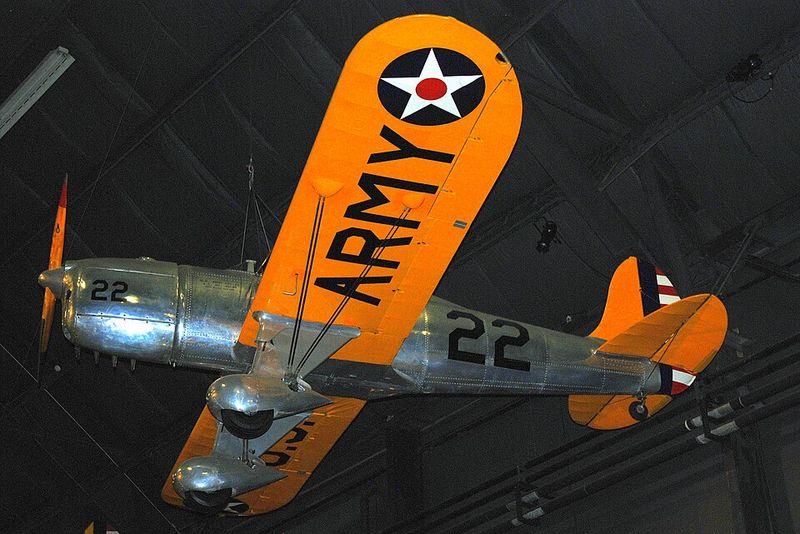
Few aviation collections in the world come close to matching the depth and breadth on display here. From fragile biplanes that barely cleared the treetops to sleek stealth aircraft that seem pulled from science fiction, the range is extraordinary.
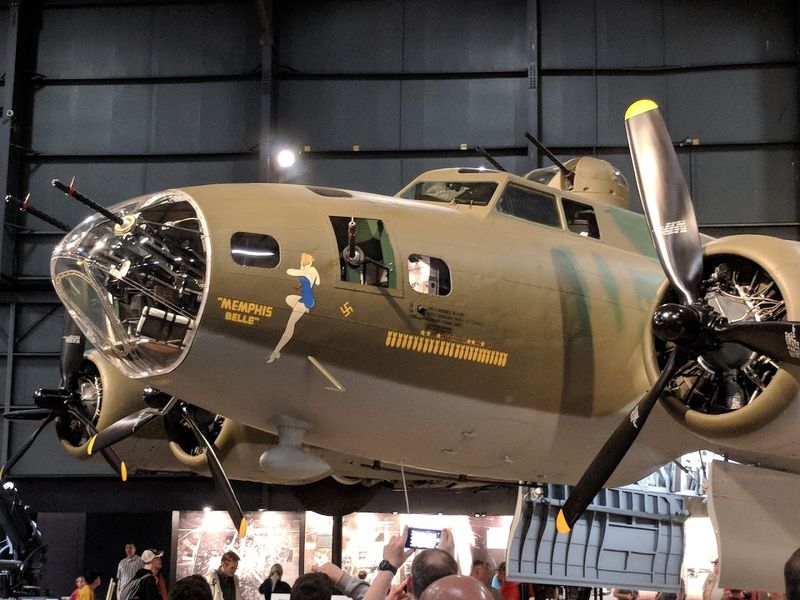
Among the standout pieces is the famous B-17 Flying Fortress known as the Memphis Belle, one of the most historically significant aircraft in American military history. The XB-70 Valkyrie, a massive experimental supersonic bomber, is another showstopper that seems almost too large to be real.
Each aircraft comes with detailed placards explaining its history, specifications, and role in conflicts or programs. Many of the planes also include context about the broader wars and missions they were part of, so the experience never feels like you are just looking at metal and machinery.
The stories behind each aircraft are what make this collection truly unforgettable.
The Presidential Aircraft Gallery Is Unlike Anything Else
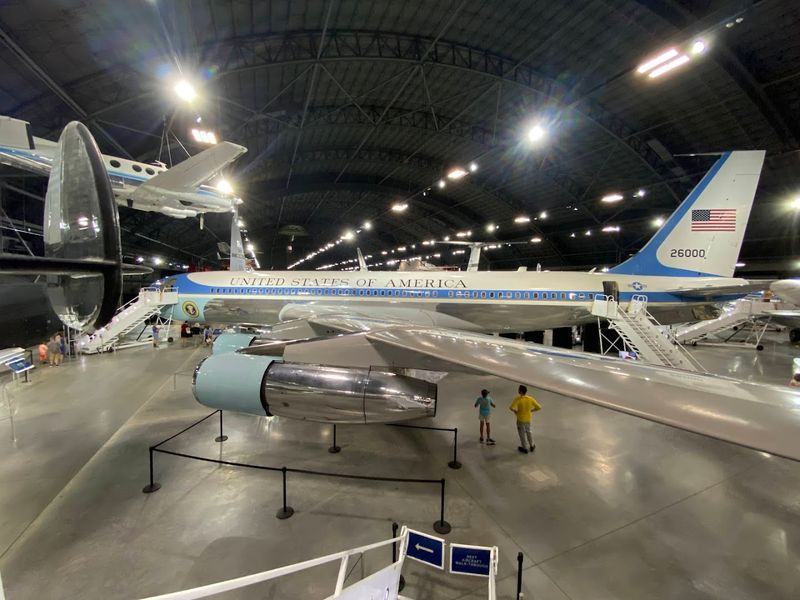
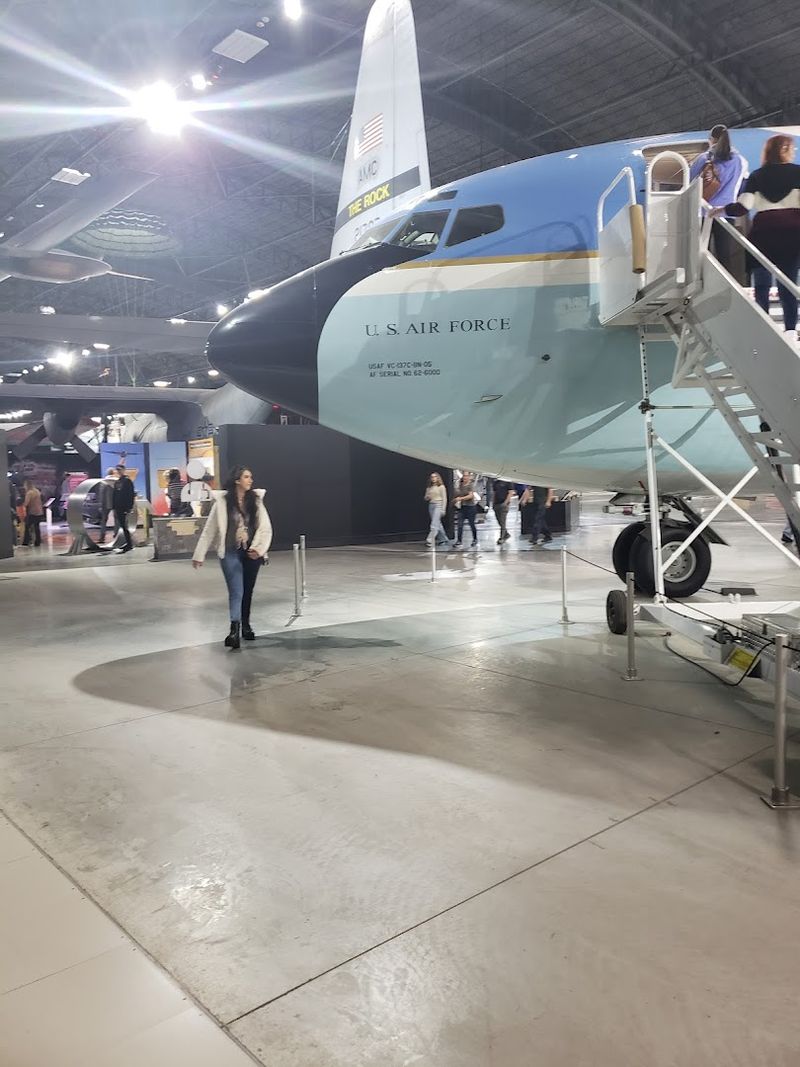
One of the most talked-about sections of the museum is the Presidential Aircraft Gallery, and it absolutely earns that reputation. Here you can walk through actual aircraft that carried US presidents, including the planes associated with Kennedy, Johnson, and Nixon.
A spot on the floor marks exactly where President Lyndon B. Johnson took the oath of office aboard Air Force One following the events of November 22, 1963.
Standing in that spot carries a weight that is hard to describe.
The gallery is thoughtfully curated, with context provided about each administration and the role these aircraft played in historic moments. You can step inside several of the planes and see the cabins, communications equipment, and seating arrangements used by some of the most powerful figures in American history.
It is one of those rare museum experiences that genuinely makes history feel tangible and close.
Flight Simulators That Put You in the Cockpit
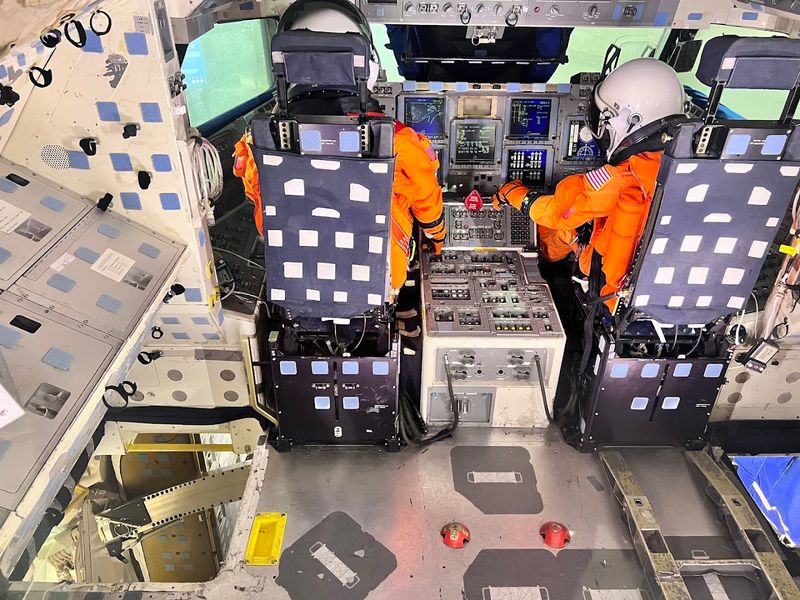
For visitors who want more than just looking, the flight simulators offer a genuinely thrilling hands-on experience. These are not basic arcade-style setups.
The simulators replicate the feel of actual aircraft maneuvers, and the feedback from multiple visitors confirms they are comparable to rides at major theme parks.
Both kids and adults tend to line up for these, so arriving earlier in the day gives you the best shot at shorter wait times. There is a modest fee for the simulators, making them one of the very few paid experiences in an otherwise completely free attraction.
The simulators are a great way to break up the walking and give younger visitors an interactive burst of energy mid-visit. After hours of reading placards and admiring aircraft from below, getting a firsthand sense of what it might feel like to pilot one of these machines adds a whole new dimension to the day.
The 3D Theater and Big-Screen Films Worth Catching
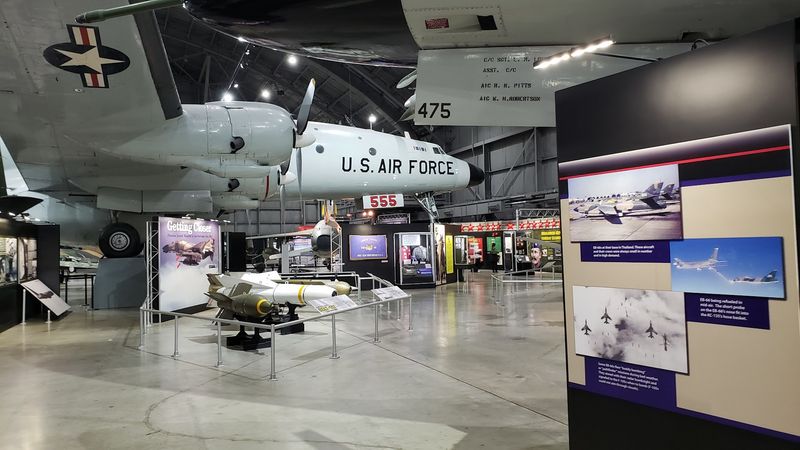
Built into the museum experience is a 3D theater that screens films focused on aviation history and military operations. Titles like D-Day and Fighter Pilot have drawn consistent praise from visitors who call them more engaging than expected, even for those who came in with modest expectations.
The theater is a great mid-visit stop, giving your feet a rest while your mind stays fully engaged. The films are produced with high production values and use the large format screen to dramatic effect, especially during aerial sequences.
A small but fun detail: a robot barista near the theater area makes coffee, which has become something of a conversation piece among visitors. It is easy to walk past without noticing, but worth seeking out for a quick caffeine break between galleries.
The combination of the films and the surrounding exhibits makes this corner of the museum feel like its own mini attraction within a much larger one.
The Space and Missile Gallery Takes Things Beyond Earth
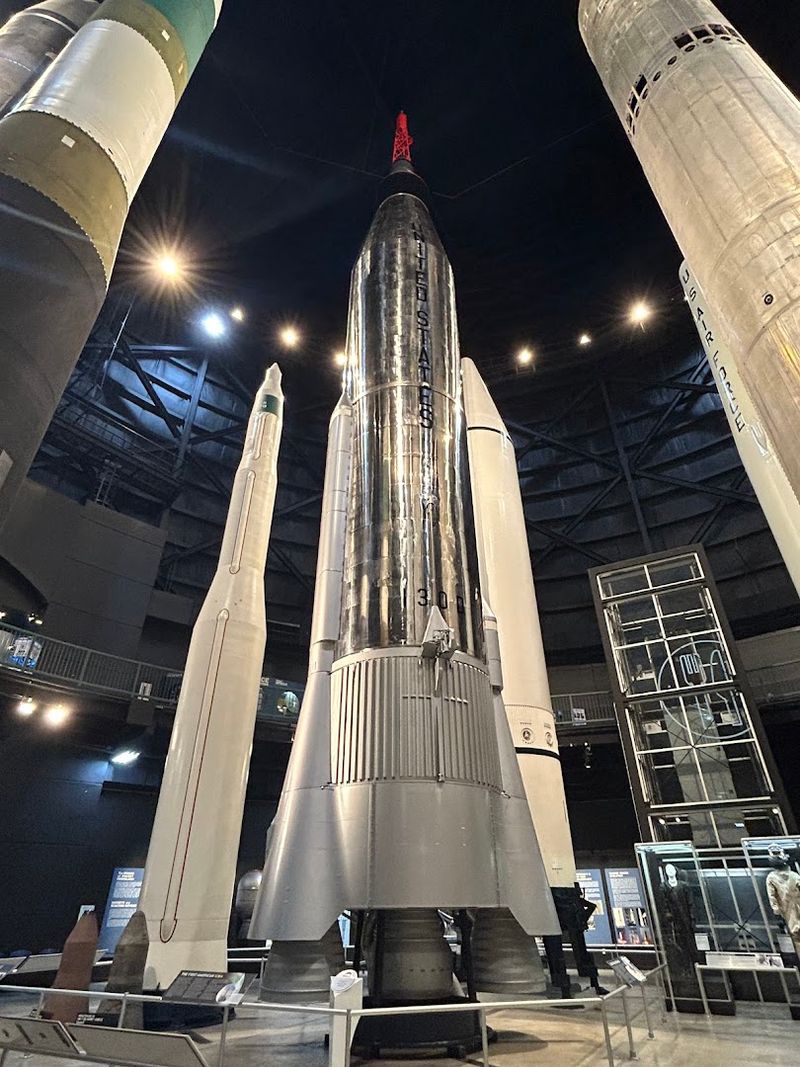
Aviation history does not stop at the atmosphere, and neither does this museum. A dedicated space and missile gallery covers the US Air Force’s role in the space race, ballistic missile development, and the early days of NASA partnerships.
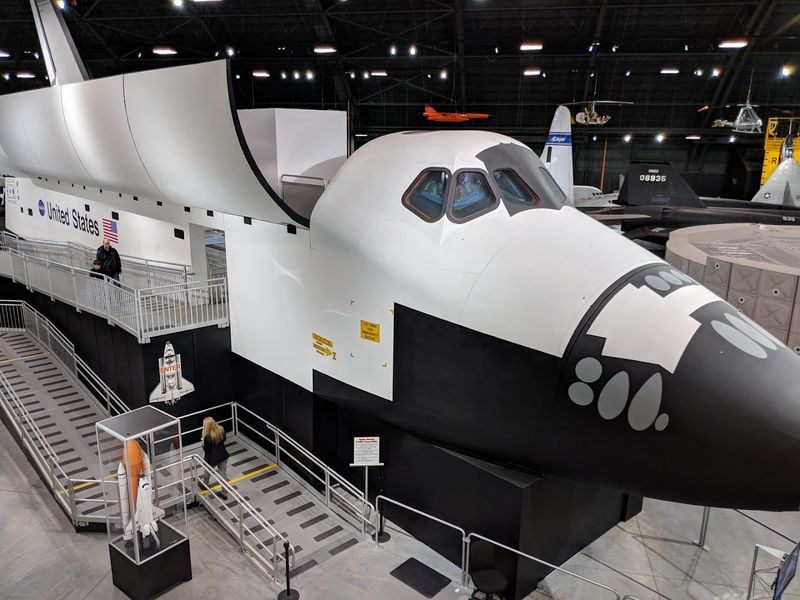
Rockets, capsules, and spacecraft are on display alongside exhibits that explain how military aviation technology evolved into the hardware that carried humans beyond Earth. The scale of some of these objects, particularly the large ballistic missiles, is genuinely humbling when you are standing directly beneath them.
A snack area near this section of the museum offers a convenient place to grab something to eat between galleries. Above the missile silo area, there is a small shop where you can pick up a coffee and a souvenir.
The space gallery tends to draw a slightly different crowd than the aircraft hangars, making it a quieter spot to slow down and absorb the details.
Free Guided Tours That Bring History to Life
One of the best-kept secrets about this museum is the availability of free guided tours led by knowledgeable volunteers. These are not scripted recitations.
Many of the volunteers are veterans or retired military personnel with personal connections to the aircraft and events on display.
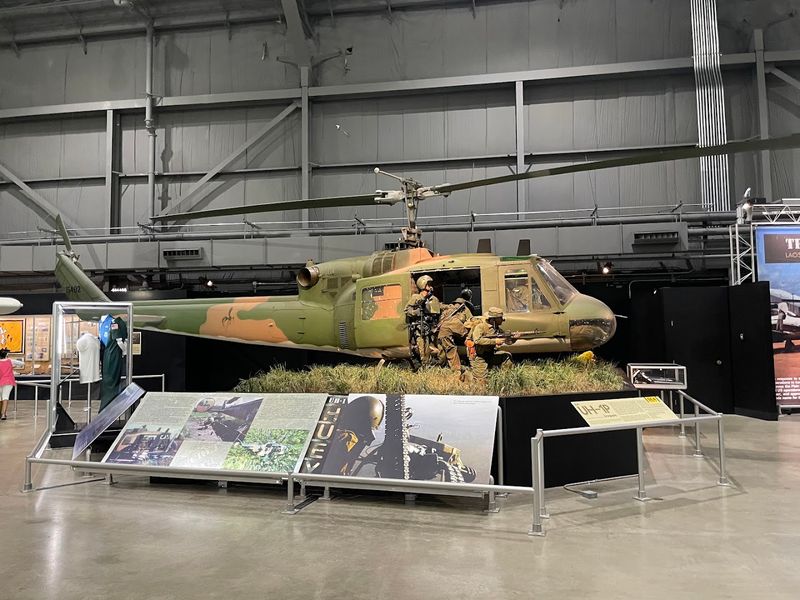
A tour through the Vietnam-era section with a former helicopter pilot, for example, turns a collection of machines into a vivid, human story. The depth of knowledge these guides carry is remarkable, and their enthusiasm for sharing it is clear from the moment they start talking.
Tours typically run in the morning, so arriving at opening time gives you the best chance of joining one at the start. Even if you prefer exploring on your own, do not hesitate to ask a volunteer a question.
They are approachable, eager to engage, and genuinely passionate about preserving and sharing the history they represent.
Accessibility Features That Make the Visit Comfortable for Everyone
With four buildings to cover and miles of concrete floor underfoot, accessibility is a genuine concern for many visitors. The museum addresses this thoughtfully.
Free electric scooters are available at the entrance, and reports suggest at least 20 or more are on hand at any given time.
Even during busy spring and summer months, securing one does not typically require arriving at the crack of dawn. The pathways between aircraft are wide and well-maintained, making navigation smooth whether you are in a scooter, a wheelchair, or pushing a stroller.
Families with young children should plan for the walking demands accordingly. A carrier or stroller for toddlers is a smart idea given the distances involved.
The museum’s commitment to making the experience accessible to everyone, regardless of physical ability, is one of the details that sets it apart from many other large-scale attractions across the country.
Dining Options to Fuel Your Full-Day Exploration
Spending a full day at this museum means you will need to eat at some point, and the on-site dining options make that easy without requiring you to leave the grounds. The Valkyrie Cafe is the main dining spot, offering cafeteria-style food that covers the basics well enough to keep you going through the afternoon galleries.
The food is straightforward and reasonably priced, not a gourmet destination, but solid for a museum setting. A secondary snack area between the third and fourth buildings provides a convenient mid-route pit stop for lighter bites and beverages.
The robot coffee maker near the theater area has become a minor attraction in its own right, worth a stop purely for the novelty. Overall, the dining setup is practical and well-placed throughout the facility, meaning you never have to walk too far from the exhibits to find something to eat or drink during your visit.
Special Events and Plane Talk Programs
Beyond the permanent collection, the museum hosts a rotating calendar of special events that add another layer of value to a visit. One of the most popular recurring programs is called Plane Talk, where retired crew members and veterans gather to share firsthand accounts of their service and the aircraft they flew.
These events are rare opportunities to hear stories that go far beyond what any placard or exhibit panel can convey. Meeting someone who actually flew a specific aircraft on display creates a connection between the object and the human experience behind it that is genuinely moving.
Checking the museum’s official website at nationalmuseum.af.mil before your visit is a smart move to see what events might be scheduled during your trip. The museum also occasionally hosts educational programs, film screenings, and community events throughout the year, making repeat visits worthwhile even for those who have already explored the full permanent collection.
Practical Tips to Make the Most of Your Visit
A few practical notes can make the difference between a good visit and a great one. Plan to spend a minimum of four to five hours, and if aviation history genuinely excites you, a full day or even two separate visits may be needed to cover everything thoroughly.
Wear comfortable, supportive footwear. The floors are solid concrete throughout, and the distances between exhibits add up quickly.
Dressing in layers is also a smart call, as the temperature inside the hangars can vary depending on the season and the time of day.
Arriving close to the 9 AM opening time gives you the best experience before crowds build. The museum is open seven days a week from 9 AM to 5 PM, and both admission and parking remain completely free.
A small donation at the entrance earns you a detailed map of the facility, which is genuinely useful given the size of the complex.
Share this story