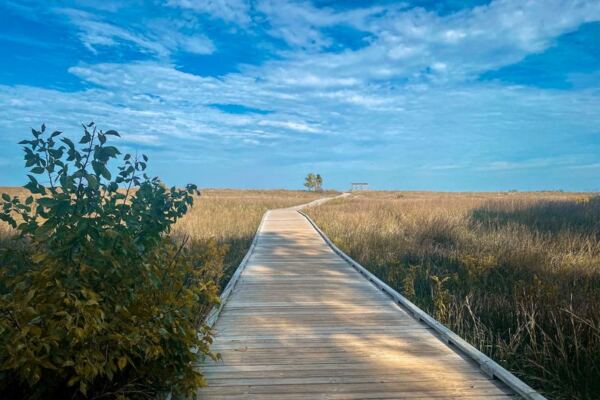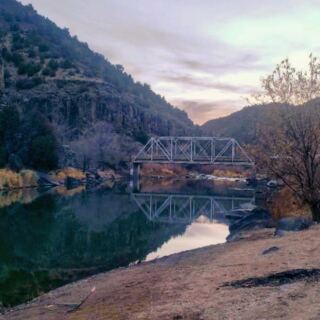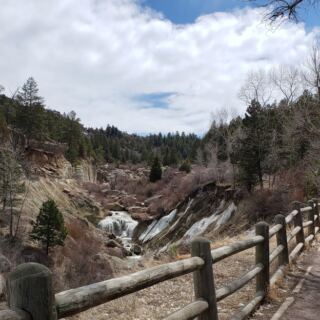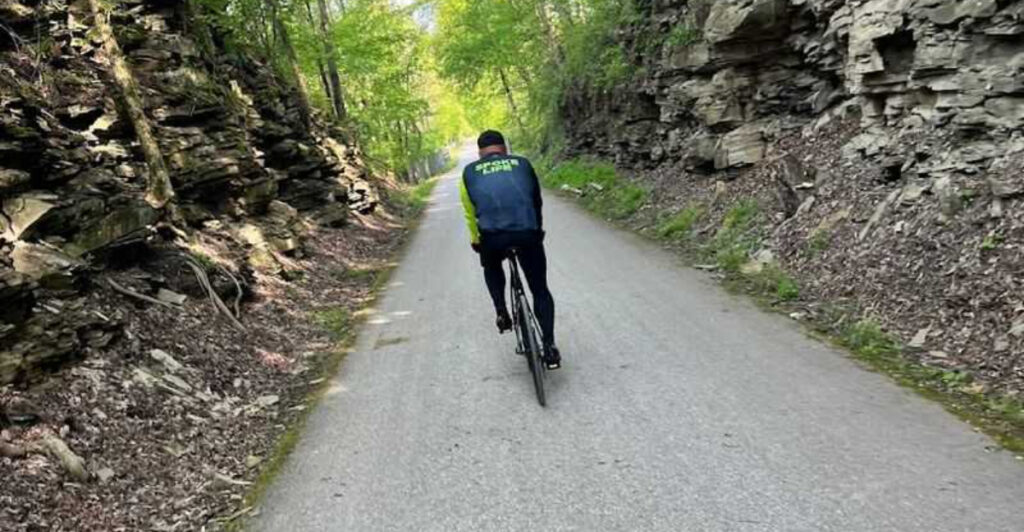
There is a bike trail in central Ohio that makes you forget you are anywhere near civilization. Tall limestone cliffs rise on one side, the Kokosing River glides along the other, and the only sound competing with birdsong is the soft crunch of gravel under your tires.
This is not your average paved path through a parking lot. The Kokosing Gap Trail runs roughly 14 miles through Knox County, starting in Mount Vernon and winding through small towns and open countryside, and it has quietly become one of the most beloved rail-trail conversions in the entire state.
Whether you are a seasoned cyclist or someone who just dusted off a bike from the garage, this trail has a way of pulling you in and making you want to ride every inch of it.
Where the Trail Begins: Mount Vernon, Ohio
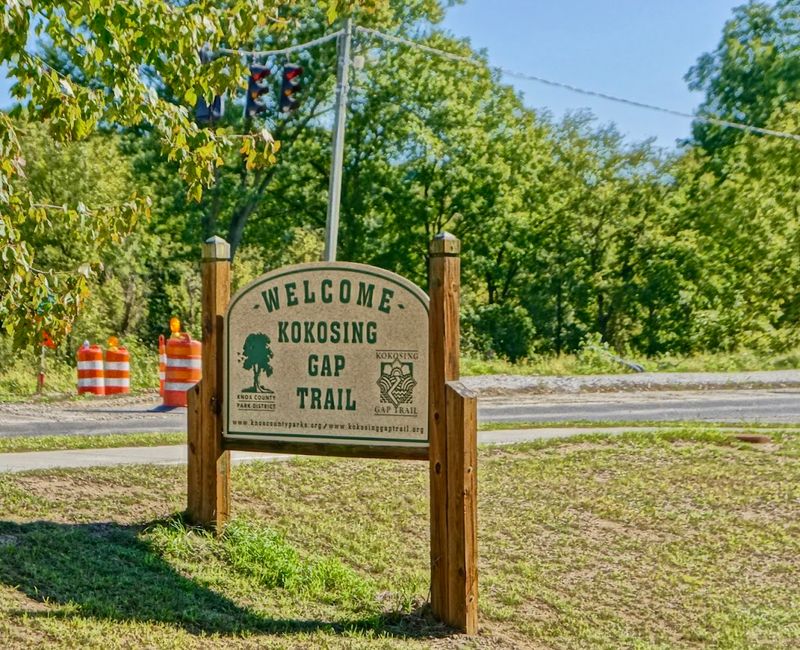
The Kokosing Gap Trail officially begins in Mount Vernon, Ohio, a charming small city that serves as the Knox County seat. The main trailhead is located near the intersection of Kokosing Gap Trail and Wiggin Street, with a well-maintained parking area that makes getting started easy.
Mount Vernon has a classic Midwestern downtown feel, with brick storefronts and a central square just a short ride from where you park. It is the kind of place where locals wave at strangers and coffee shops know your name by the second visit.
Starting here means you get the full trail experience right from the beginning. The path transitions quickly from the edge of town into open countryside, and within just a few minutes of pedaling, the urban noise fades and nature takes over completely.
The Rail-Trail History Behind the Route
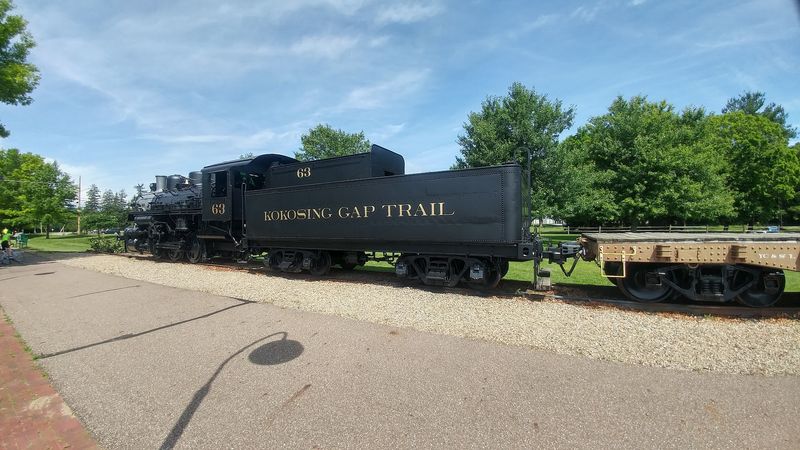
Before this trail existed, these same miles were covered in steel rails. The Kokosing Gap Trail was built on a former Pennsylvania Railroad corridor, a line that once carried freight and passengers through the heart of Knox County.
Rail-to-trail conversions like this one are a big deal in Ohio, and this particular corridor was transformed thanks to the efforts of the Kokosing Gap Trail organization and dedicated local volunteers. The gentle grade of the original railroad makes for an almost perfectly flat ride, which is exactly why cyclists of all ages enjoy it so much.
That railroad history is still visible in small ways along the trail. Old bridge structures, stone culverts, and the straight-as-an-arrow path alignment all hint at the industrial past hiding underneath this peaceful green corridor.
History, it turns out, can be a pretty comfortable thing to ride on.
The Kokosing River: A Constant, Beautiful Companion
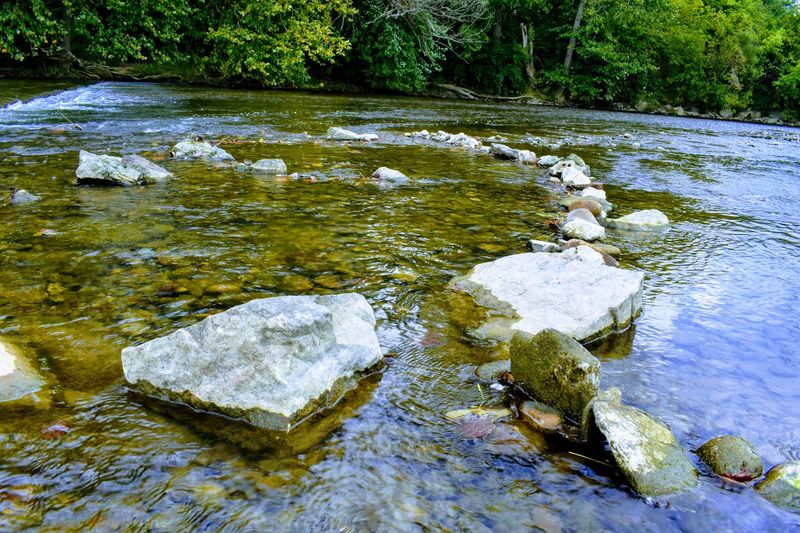
The river is what sets this trail apart from so many others. The Kokosing River runs parallel to the trail for much of its length, offering a constantly changing view of rippling water, sandy banks, and overhanging tree branches that dip toward the surface.
The Kokosing is a designated State Scenic River in Ohio, which means it has been recognized for its natural beauty and ecological value. That official status is well earned.
The water is remarkably clear in many stretches, and on calm mornings it reflects the surrounding hills like a mirror.
Fishing is popular along the banks, and it is common to spot great blue herons standing motionless in the shallows, waiting patiently for their next meal. The river does not just run beside the trail; it gives the whole experience a living, breathing rhythm that keeps you company the entire way.
Limestone Cliffs and the Drama They Bring
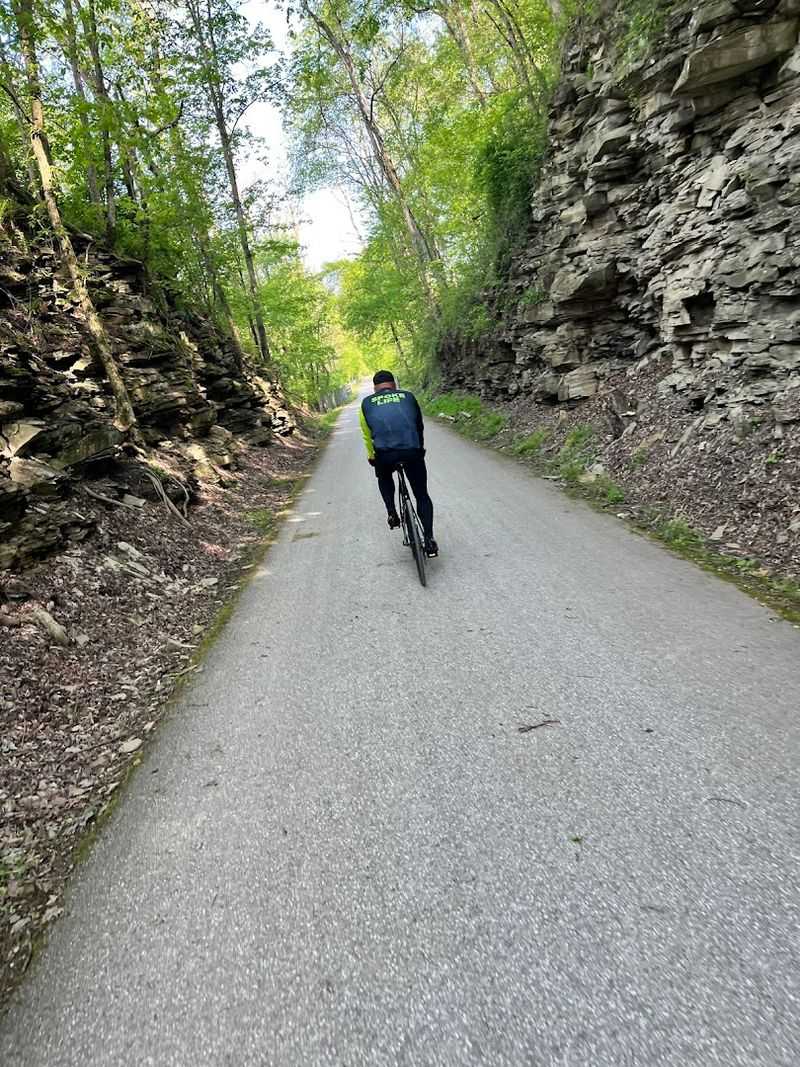
Not many bike trails in the Midwest can claim a backdrop of real limestone cliffs, but the Kokosing Gap Trail can. As you ride east from Mount Vernon, the terrain shifts and the valley walls begin to close in, revealing tall rocky outcroppings that rise sharply above the path.
These cliffs were carved out over thousands of years by the Kokosing River cutting through the bedrock. The result is a natural corridor that feels more dramatic than anything you might expect from a quiet Ohio county.
In autumn, the contrast between golden foliage and pale grey rock is genuinely stunning.
Moss clings to the lower sections of the cliffs, and small springs sometimes trickle down the rock face after heavy rain. Riders often slow down or stop entirely in these sections, not because the trail gets difficult, but because the scenery demands a longer look.
Trail Surface and Overall Difficulty Level
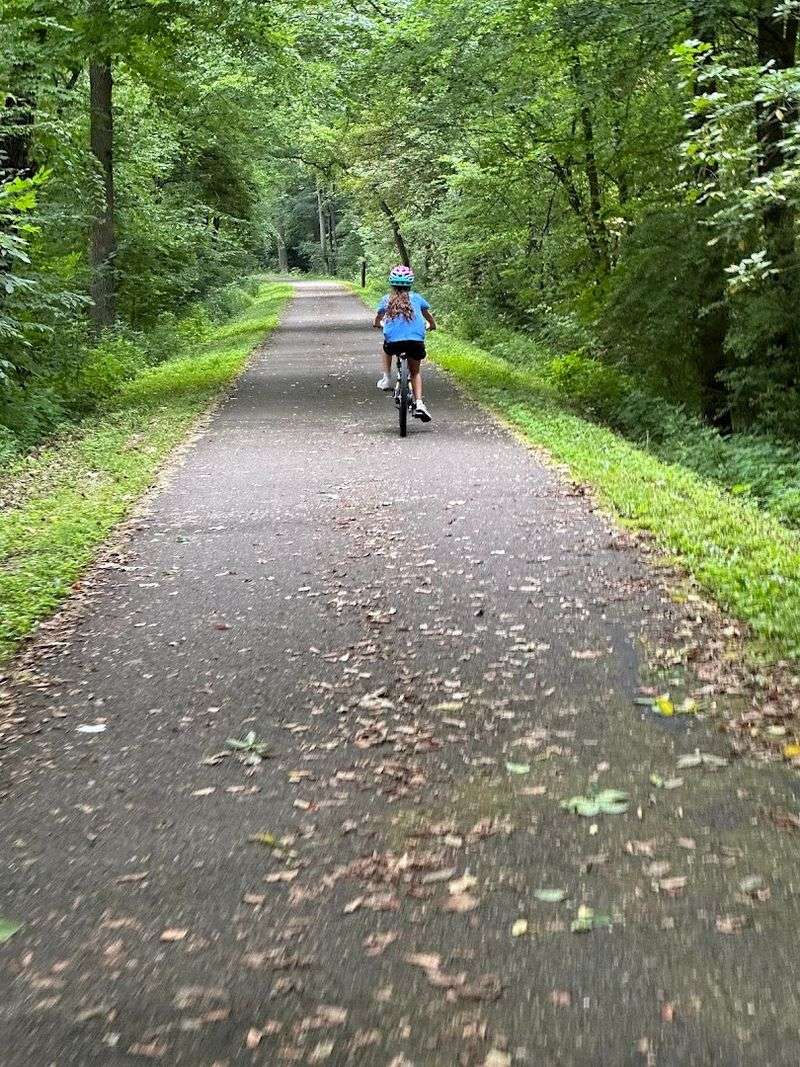
One of the most practical things to know before heading out is that the Kokosing Gap Trail is surfaced with crushed limestone gravel for most of its length. It is not a fully paved trail, so a hybrid or mountain bike handles it more comfortably than a road bike with skinny tires.
The grade is exceptionally gentle throughout, thanks to that old railroad alignment. The total elevation change over the full 14-mile stretch is minimal, making it accessible for beginners, older riders, and families with young children in tow.
A few sections near the western end have been paved, and the surface is generally well-maintained by the trail association. Puddles can form after rain, and the gravel can get a bit loose in dry stretches, but neither issue is serious enough to slow most riders down for long.
It is a genuinely approachable trail.
Gambier: The College Town Pit Stop
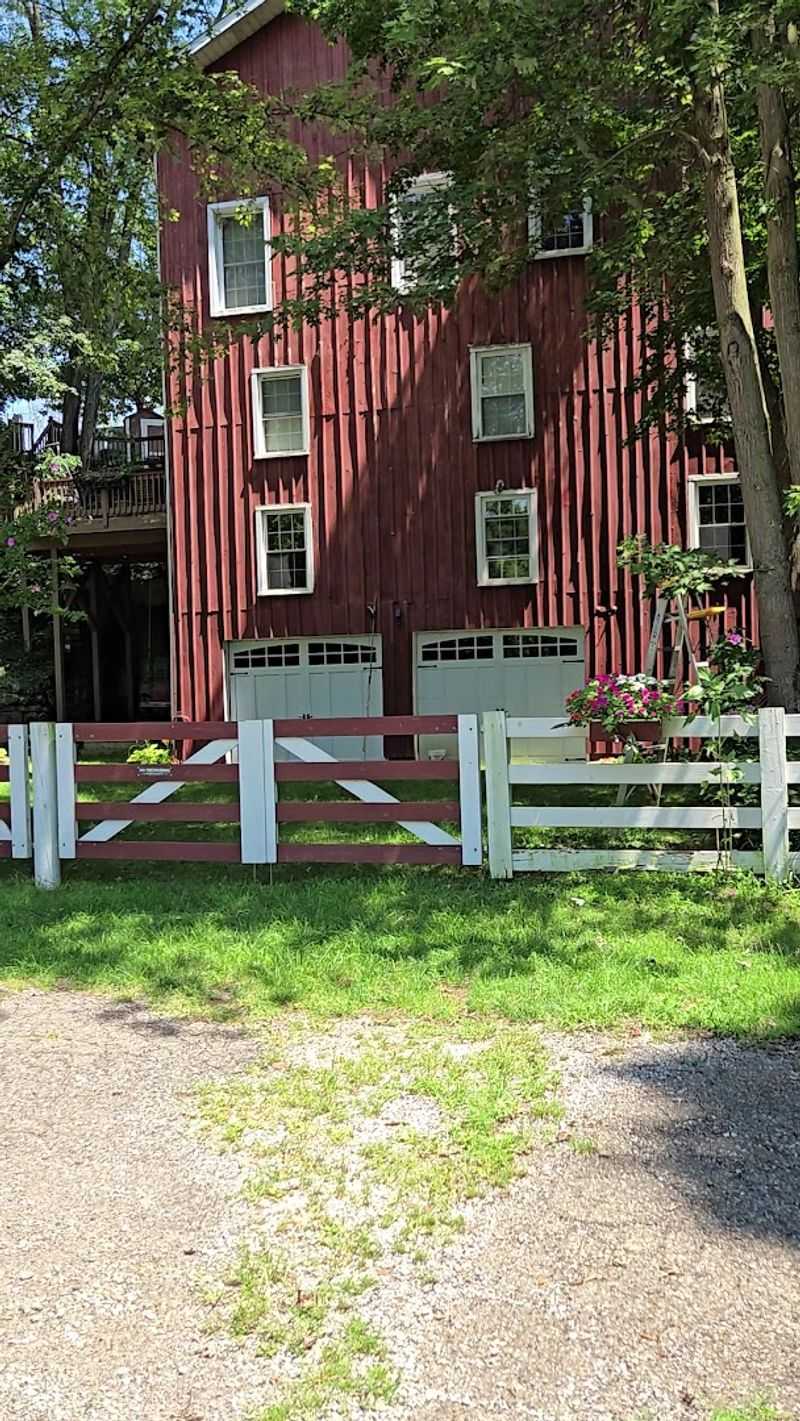
About halfway along the trail, you roll into Gambier, and the whole vibe shifts in the most delightful way. Gambier is home to Kenyon College, one of the oldest private liberal arts colleges in the United States, founded back in 1824.
The campus architecture is gorgeous, with old stone buildings and tree-canopied walkways that make you feel like you have pedaled into an English countryside novel. The village itself is tiny but has a couple of spots to grab a snack, refill a water bottle, and rest your legs before heading back or continuing forward.
Kenyon College also has a strong literary tradition, having produced notable writers and hosted the respected Kenyon Review literary journal. There is a certain creative energy in the air here that feels different from the rest of the trail towns, and it adds an unexpected cultural layer to what is already a memorable ride.
Howard: A Quiet Village Worth a Stop
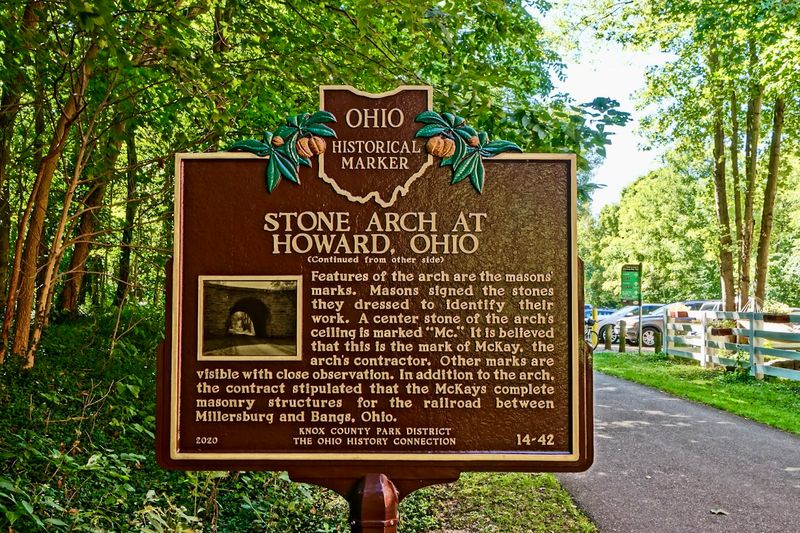
Further along the trail, the small village of Howard offers another natural resting point. Howard is the kind of place that barely shows up on most maps, but trail users have made it a reliable waypoint over the years.
There is a trailhead parking area in Howard that serves as an alternative starting point for those who want a shorter out-and-back ride. The surrounding area has a peaceful, unhurried quality that feels genuinely off the beaten path, even though the trail runs right through the center of it.
Local residents are accustomed to seeing cyclists pass through, and the community has embraced the trail as part of its identity. A small park area near the trailhead gives riders a chance to stretch, eat a packed lunch, and enjoy the countryside before turning around or pushing on toward Danville.
Small towns like Howard are what make rail trails feel personal.
Danville: The Eastern End of the Line
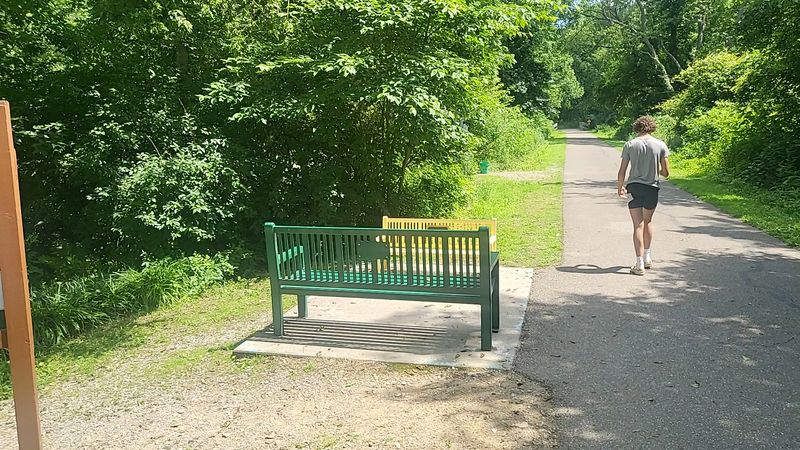
The eastern terminus of the Kokosing Gap Trail sits in Danville, a small rural community about 14 miles from Mount Vernon. Reaching Danville on a bike feels like a genuine accomplishment, even though the ride itself never gets brutally hard.
The Danville trailhead has parking and basic amenities, making it a popular starting point for riders who prefer to ride west toward the cliffs and river scenery before turning back. Some visitors drive a second car here to set up a one-way shuttle ride, which is a smart way to cover the full trail without doubling back.
The countryside around Danville is quietly beautiful, with farm fields, old barns, and rolling hills visible from the trail. After the drama of the limestone cliffs and river views earlier in the ride, this eastern stretch offers a softer, more pastoral kind of scenery that has its own understated charm.
Wildlife You Might Spot Along the Way
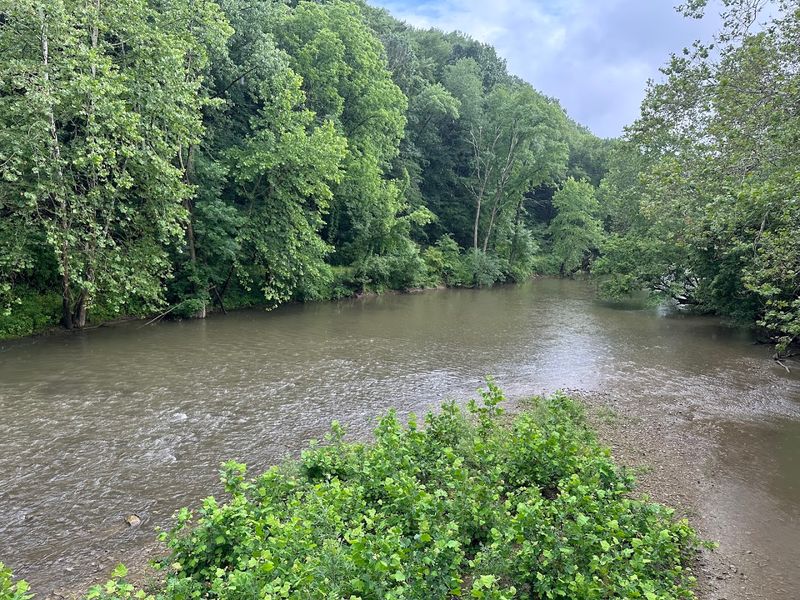
The Kokosing Gap Trail corridor is alive with wildlife, and paying attention to the edges of the path rewards riders with some genuinely memorable sightings. Great blue herons are practically a guarantee near the river sections, standing tall and impossibly still in the shallows.
White-tailed deer are commonly seen in the early morning and late afternoon, especially in the wooded stretches between towns. Turtles sun themselves on logs in the river, and in warmer months, a wide variety of butterflies and dragonflies hover above the trailside wildflowers.
Birdwatchers will find the trail particularly rewarding in spring and fall migration seasons, when warblers, vireos, and other songbirds move through the valley in large numbers. Bringing a small pair of binoculars along is worth the extra weight.
The trail doubles as a wildlife corridor, and nature here has clearly gotten comfortable with the steady flow of quiet, respectful visitors passing through.
Best Seasons to Ride and What to Expect
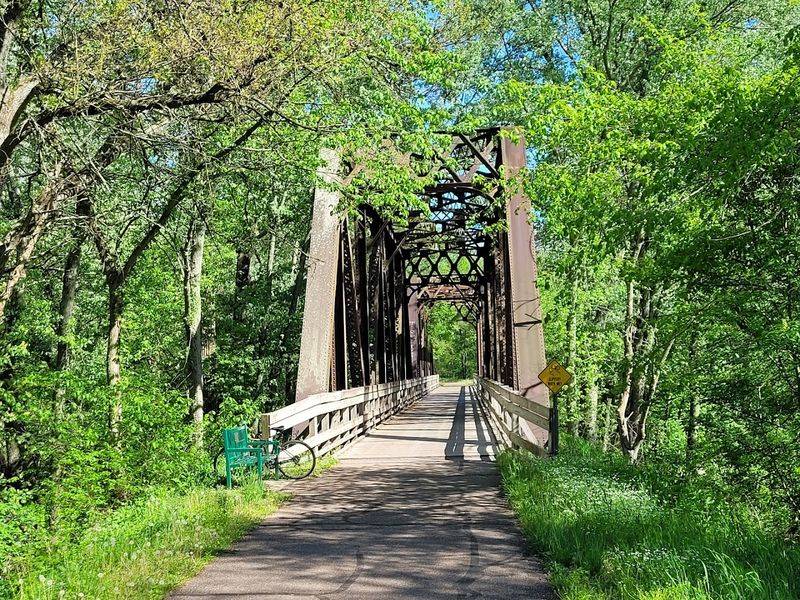
Each season brings something different to the Kokosing Gap Trail, and honestly, there is not a bad time to visit. Spring brings fresh green foliage and wildflowers blooming along the riverbanks, along with the cheerful noise of returning songbirds filling the tree canopy overhead.
Summer is the busiest season, with families, casual cyclists, and fitness riders all sharing the path. The tree cover keeps sections of the trail pleasantly shaded even on warm days, which makes a big difference during July and August.
Autumn is widely considered the most spectacular time to ride. The mix of maples, oaks, and sycamores along the corridor turns brilliant shades of orange, red, and gold, and the contrast against the limestone cliffs is genuinely hard to beat.
Winter sees far fewer visitors, but a crisp December morning ride on a dry trail has its own quiet magic that regular users will happily describe to anyone who asks.
Bringing the Whole Family Along
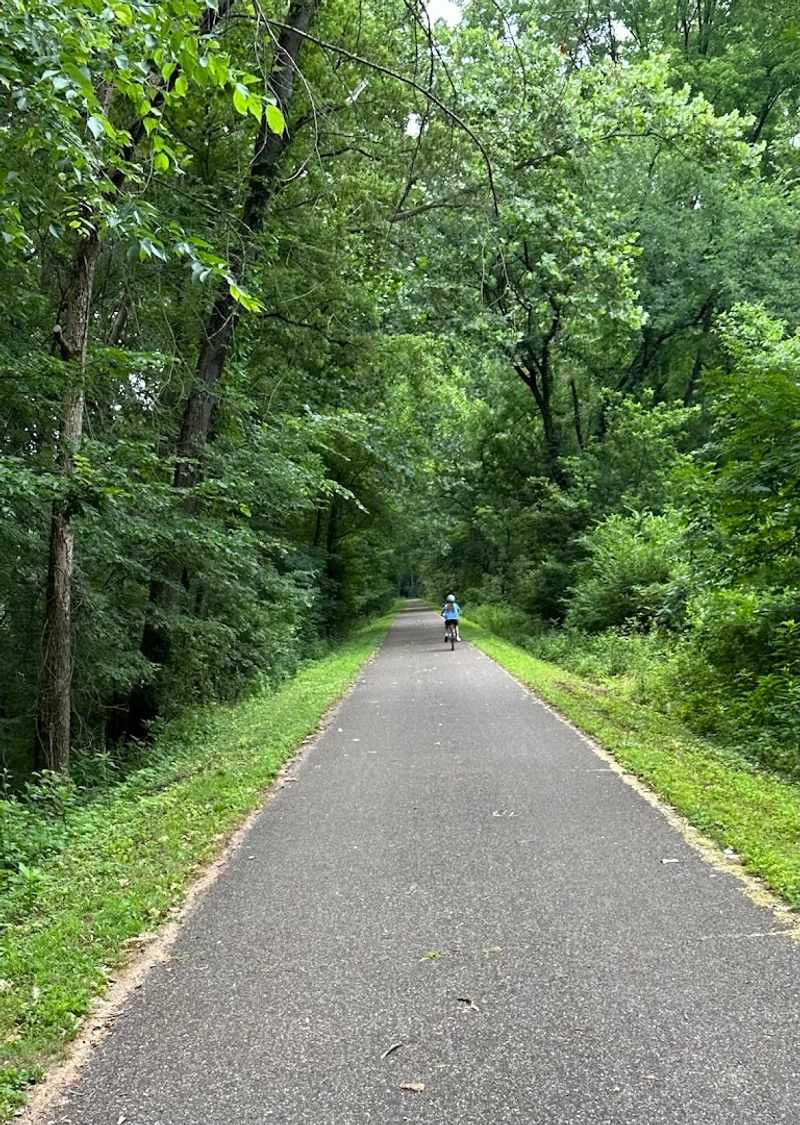
The Kokosing Gap Trail is one of those rare outdoor spaces that genuinely works for every age group. The flat grade and wide path mean that even young children on small bikes or in bike trailers can handle the full experience without trouble.
Parents often describe it as one of the easiest family bike outings in central Ohio, precisely because there are no steep hills, no dangerous road crossings in the middle sections, and plenty of interesting things to look at along the way to keep kids engaged.
The multiple trailheads in Mount Vernon, Howard, and Danville make it easy to plan shorter rides suited to younger or less experienced riders. Starting in Howard for a simple out-and-back toward the river cliffs covers some of the most scenic ground without requiring anyone to commit to the full 14-mile distance.
Flexibility is one of this trail’s greatest strengths.
Trail Etiquette and Sharing the Path
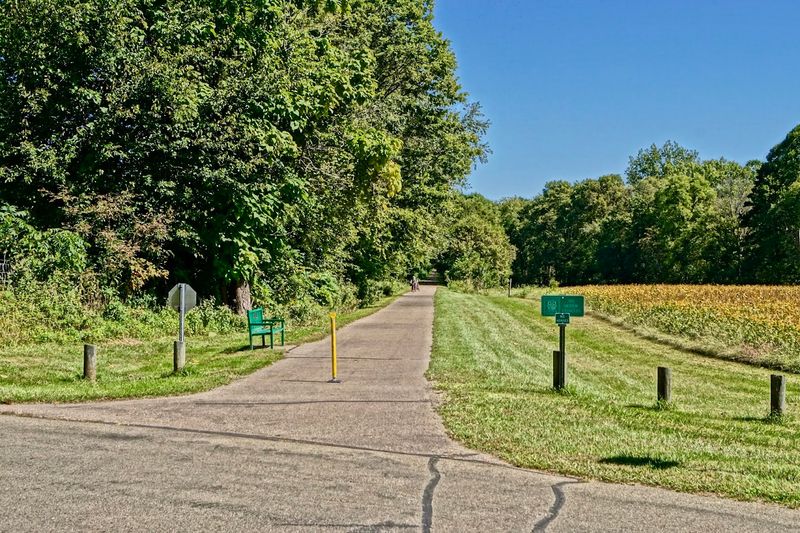
The Kokosing Gap Trail is open to more than just cyclists. Walkers, joggers, and even horseback riders in designated sections all use the corridor, which means a little awareness goes a long way toward keeping things pleasant for everyone.
The general rule is to stay to the right, pass on the left, and give an audible signal before overtaking slower users. A simple “on your left” called out in a friendly tone works perfectly and is far better than startling someone mid-stride.
Dogs are welcome on the trail but must be kept on a leash at all times. Picking up after pets is both a rule and a basic courtesy that keeps the trail enjoyable for the next visitor.
The trail association works hard to maintain this corridor, and the best way to support that effort is simply to treat the space with respect every single time you use it.
Parking, Access Points, and Getting There
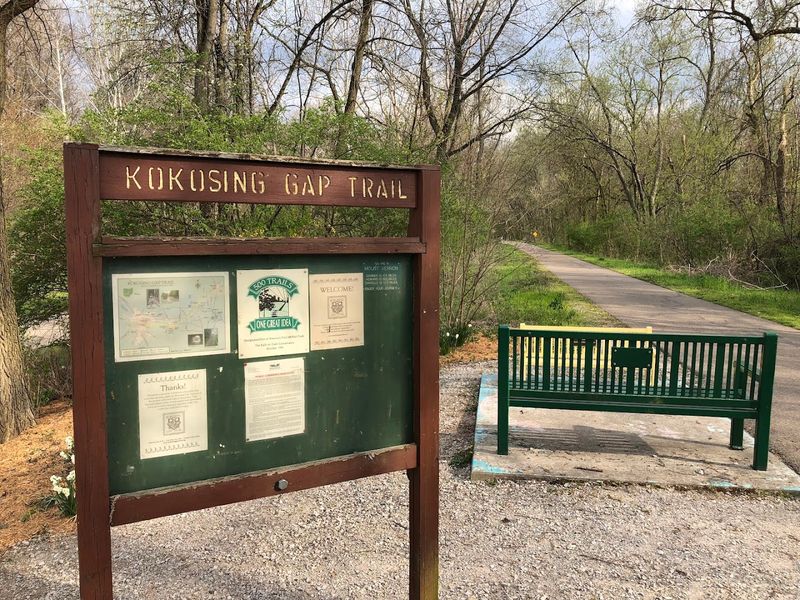
Getting to the Kokosing Gap Trail is straightforward, with multiple access points spread along the route. The main trailhead in Mount Vernon is the most developed, with a larger parking lot and easy access from the city center, making it the go-to starting point for most first-time visitors.
The Howard trailhead sits roughly in the middle of the route and is a great option for those coming from the eastern side of Knox County. Danville has its own parking area at the far eastern end, which works well for shuttle rides or shorter western-facing excursions.
The trail is free to use, and no reservation or permit is required. Most parking areas are unpaved gravel lots with enough space to accommodate a reasonable number of vehicles on busy weekends.
Arriving early on fall weekends is a smart move, as the combination of peak foliage and comfortable temperatures draws noticeably larger crowds than usual.
What to Pack for a Day on the Trail
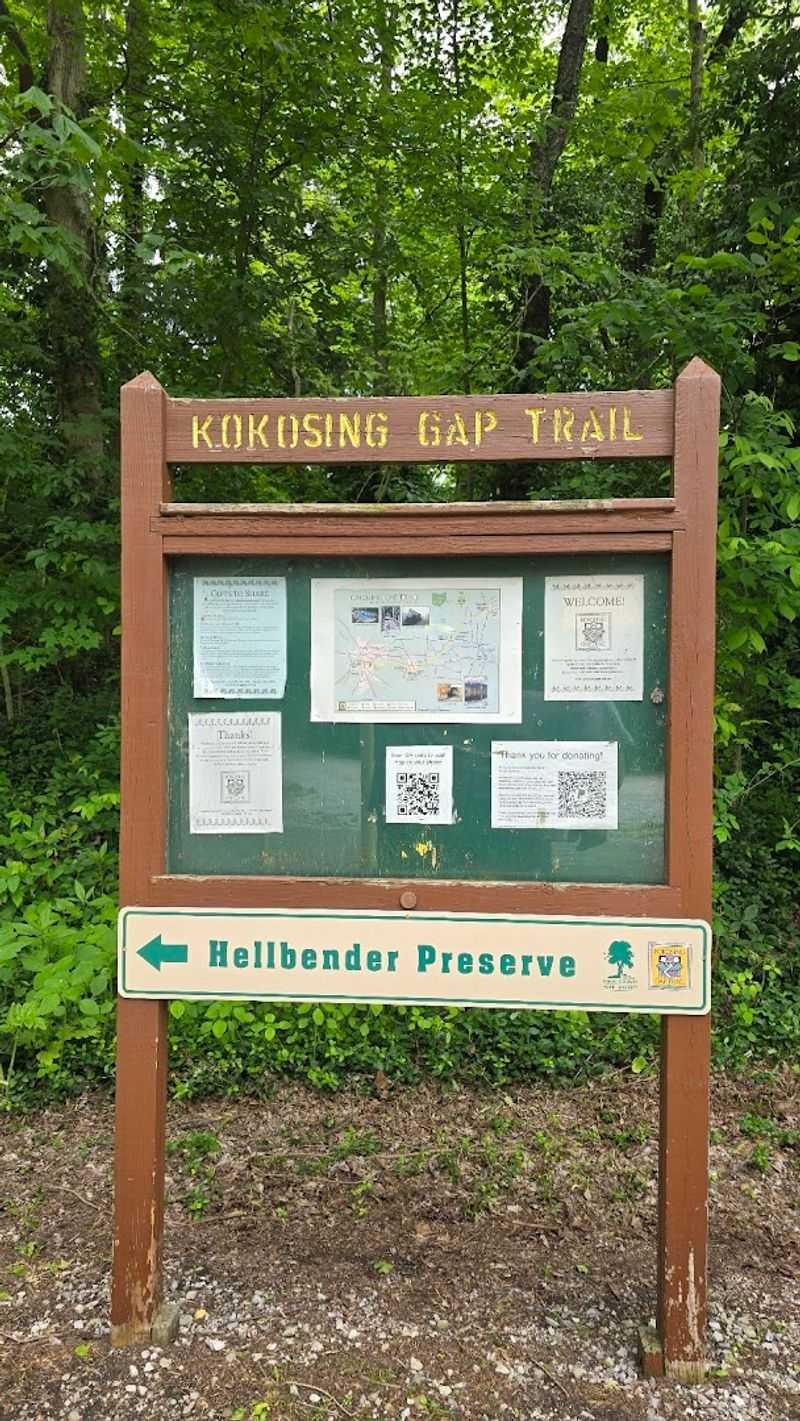
A successful day on the Kokosing Gap Trail does not require much gear, but a few basics make the experience noticeably more comfortable. Water is the most important thing to bring, especially in summer, since there are limited refill stations along the route outside of the towns.
Snacks and a packed lunch are worth the effort because food options along the trail are limited to what you find in Gambier or at the trailheads. Energy bars, fruit, and sandwiches travel well in a small backpack or handlebar bag without adding much weight.
A helmet is a must, sunscreen is highly recommended for the open sections between tree cover, and bug spray comes in handy near the river during warmer months. A basic bike repair kit with a spare tube and a small pump rounds out the essentials.
Preparation here is minimal but genuinely matters when you are 7 miles from the car.
Share this story