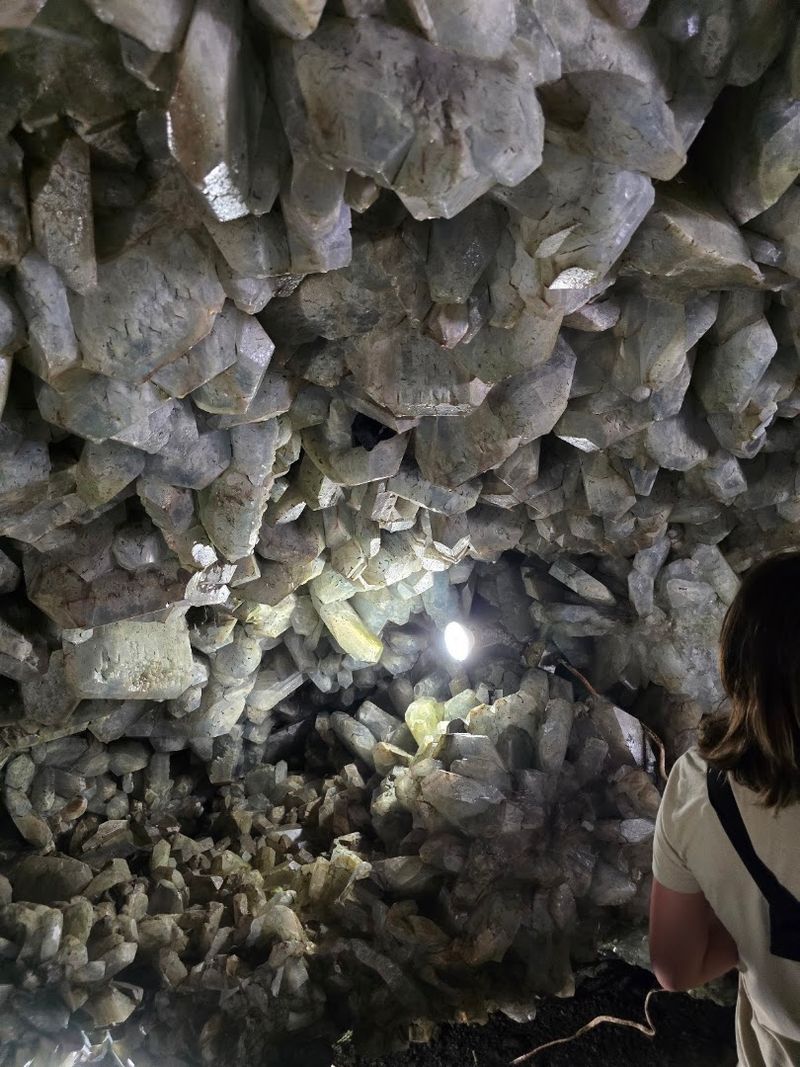
Deep beneath a small island in Lake Erie, there is a room lined entirely with pale blue crystals stretching up to 18 inches long. Most people have never heard of it, yet scientists recognize it as the largest known geode on Earth.
It was not discovered by geologists on an expedition. It was found by workers digging a well on a family-owned winery in the early 1900s.
That accidental discovery turned a quiet Ohio island into home to one of the most genuinely surprising geological wonders in the entire United States.
The Accidental Discovery That Started It All
Back in 1897, workers at Heineman’s Winery on South Bass Island were digging what they expected to be a simple water well. What they found instead stopped everyone in their tracks.
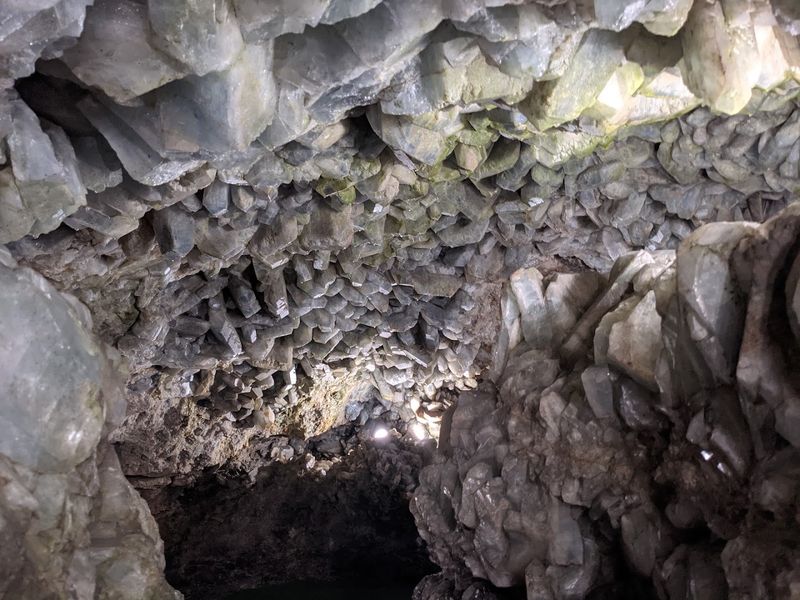
About 40 feet below the surface, their tools broke through into a chamber covered wall to wall with glittering blue-white crystals.
Nobody had planned to find a cave. Nobody expected anything unusual beneath that patch of Ohio ground.
Yet there it was, a massive hollow pocket inside the earth, lined with celestite crystals that had been forming quietly for millions of years without a single human eye ever seeing them.
The Heineman family quickly recognized that what sat beneath their property was extraordinary. Rather than filling it back in, they opened it to the public.
That decision, made well over a century ago, is why visitors still make the trip to Put-In-Bay today.
Where Exactly You Will Find This Place

Crystal Cave sits at 978 Catawba Ave, Put-In-Bay, OH 43456, on South Bass Island in the western basin of Lake Erie. Getting there is part of the adventure.
You cannot simply drive up from the mainland because the island requires a ferry ride across the lake.
South Bass Island is small enough that you can explore most of it in a single day. The cave is located on the grounds of Heineman’s Winery, which makes it easy to pair a geology experience with a look at how Ohio grape juice and wine are produced right on the island.
The address sits along one of the island’s main roads, so once you arrive by ferry, finding the property is straightforward. Hours vary by season, so checking ahead before your visit saves you from making the trip only to find the gates closed for the day.
What Makes a Geode and Why This One Is Record-Breaking
A geode starts as a hollow bubble inside rock. Over millions of years, mineral-rich water seeps through tiny cracks and slowly deposits crystals on the interior walls.
Most geodes you see in gift shops are small enough to hold in one hand, with crystals the size of a pencil eraser.
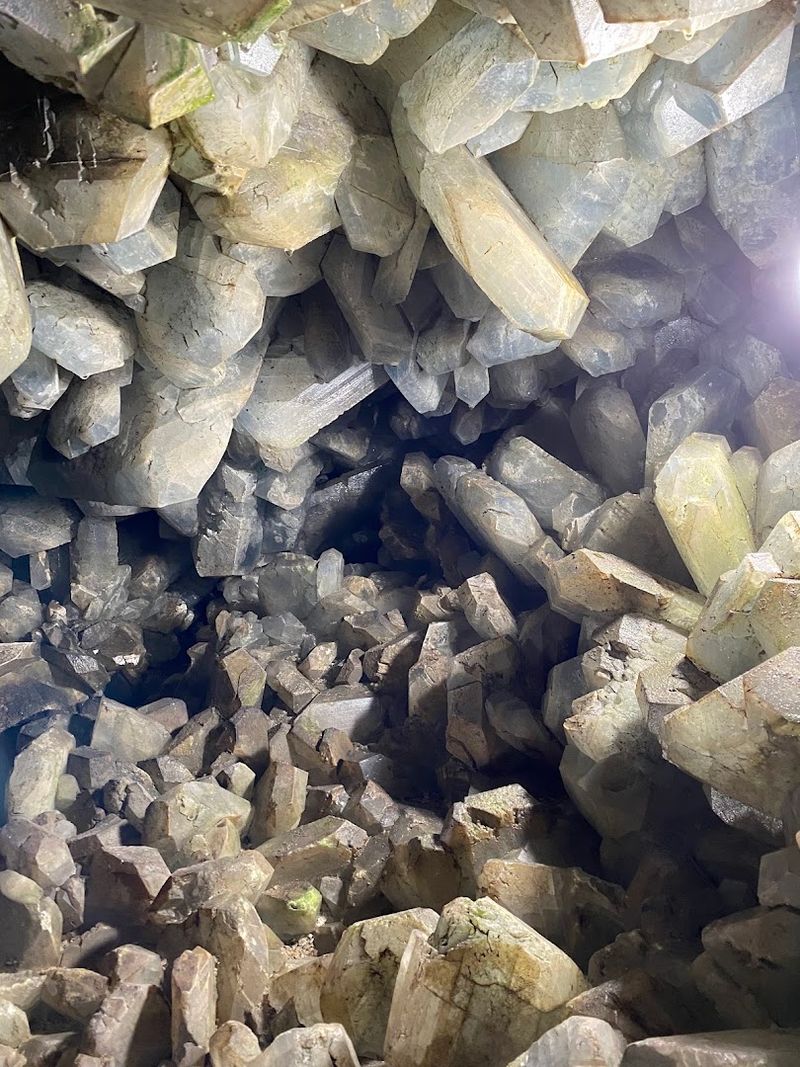
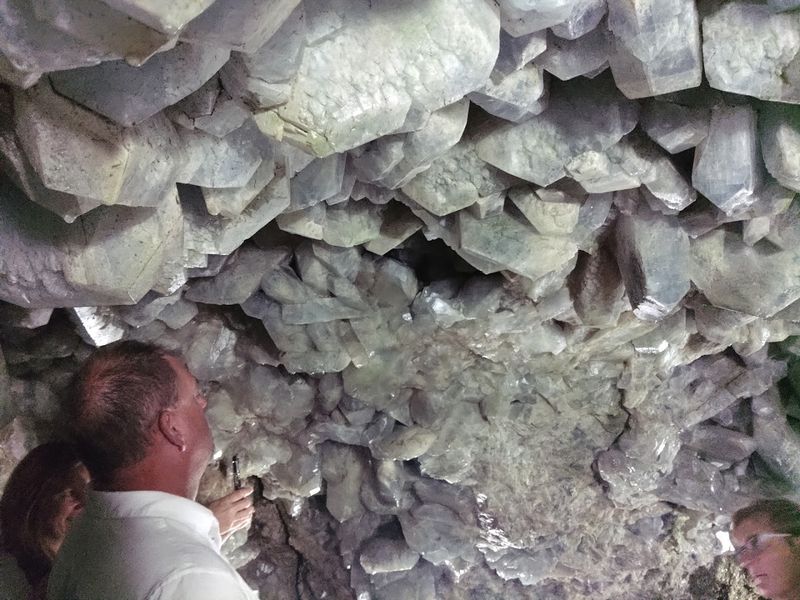
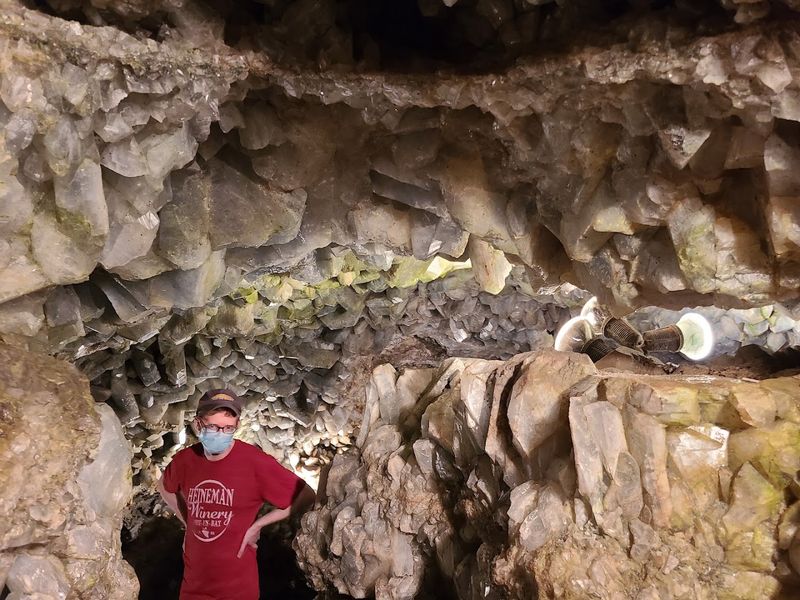
Crystal Cave is something else entirely. The chamber measures roughly 35 feet wide at its widest point, and the celestite crystals covering its walls range from 8 to 18 inches in length.
That scale is what earns it the title of the world’s largest known geode.
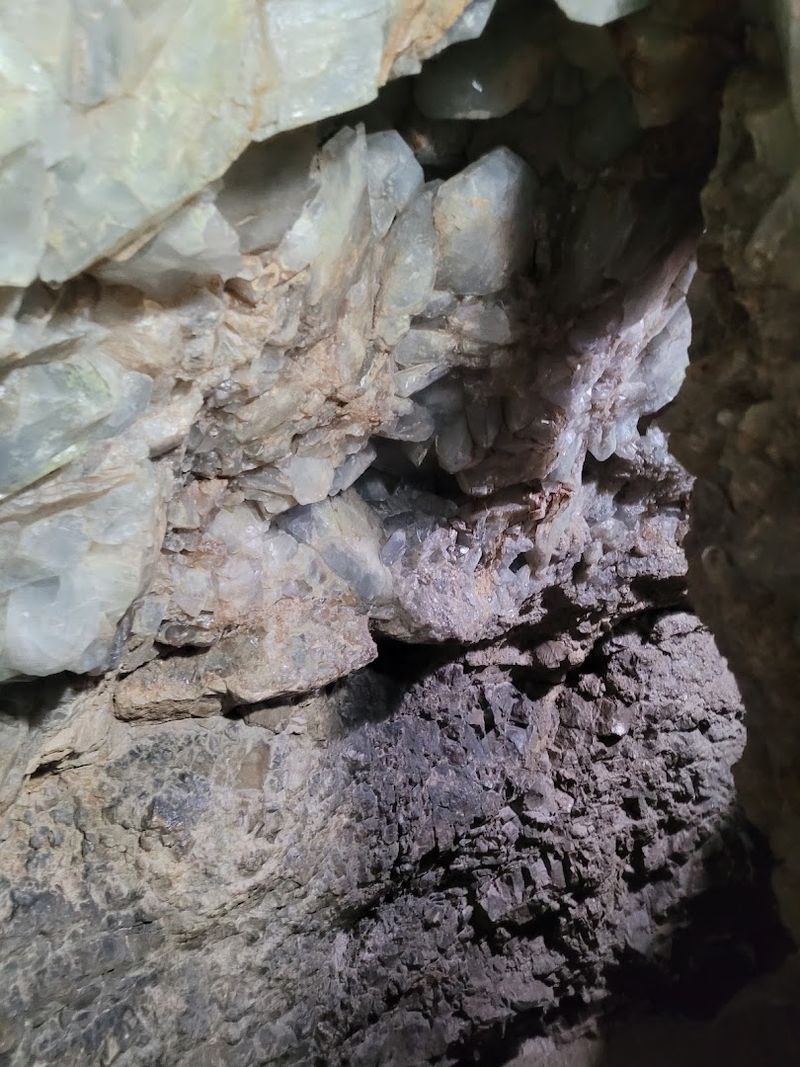
Celestite, also called celestine, is a strontium sulfate mineral that forms in exactly these kinds of sedimentary rock environments. Its soft blue-gray color gives the cave walls an almost otherworldly appearance, like standing inside a giant cracked-open Easter egg filled with gemstones rather than candy.
The Climb Down and What Greets You at the Bottom
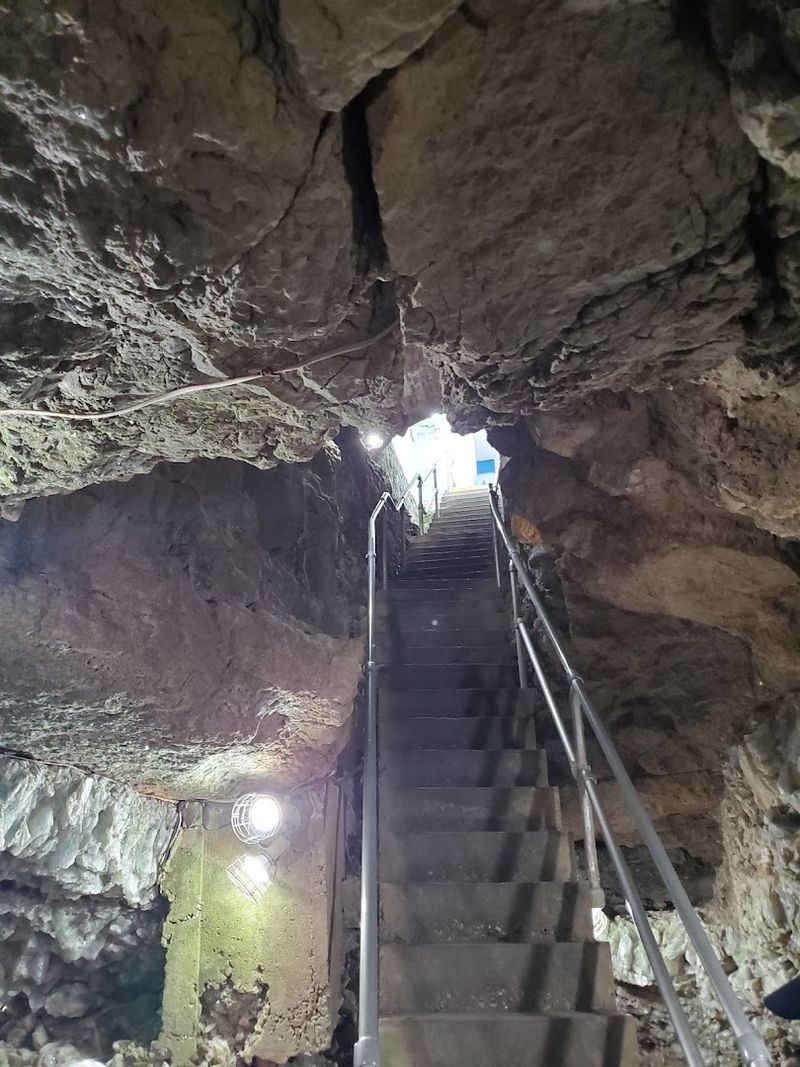
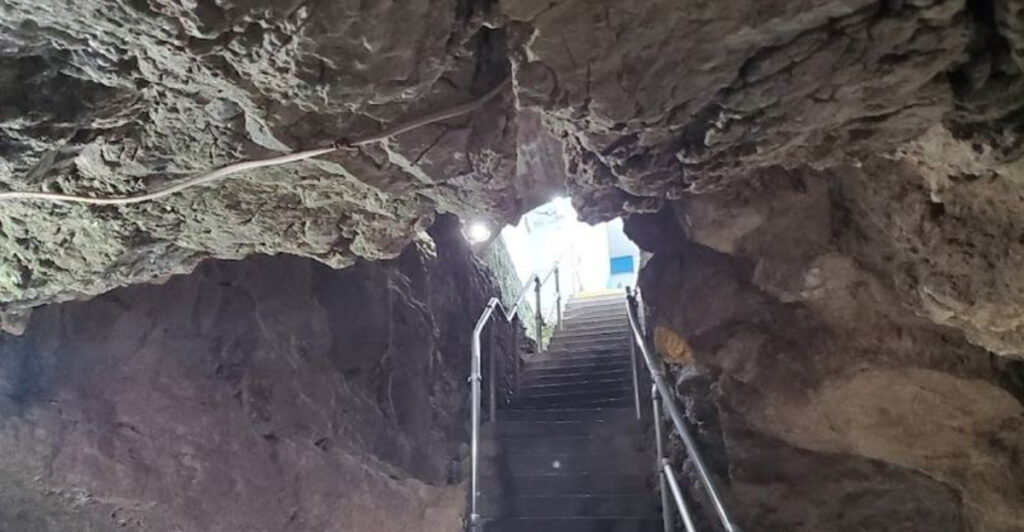
Getting into Crystal Cave requires commitment. Visitors descend more than 100 steps down a steep staircase to reach the chamber floor.
The steps are narrow and the descent is noticeable, so anyone with mobility concerns should factor that in before purchasing a ticket.
Coming back up is the part that surprises people most. More than one visitor has joked about needing a moment to catch their breath after the climb out.
Wear comfortable shoes and take your time, especially if you are visiting with younger children or older family members.
Once you reach the bottom, the effort disappears the moment you look up. The walls and ceiling are covered in crystals that catch the cave lighting and reflect it back in soft blue-gray tones.
The temperature underground stays noticeably cooler than the surface, which feels especially welcome during a warm Ohio summer afternoon on the island.
The Celestite Crystals Up Close
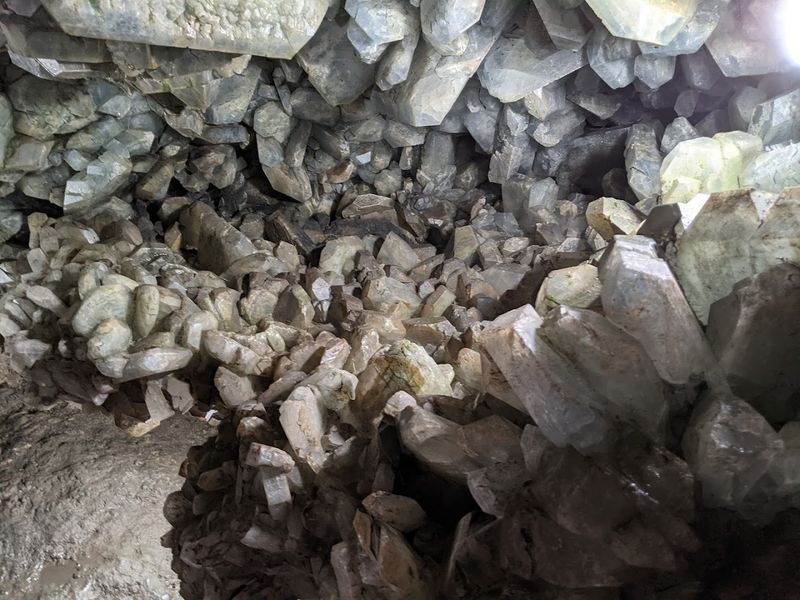
Standing inside the cave and looking at the crystals up close is a genuinely different experience from seeing photos of them. The pale blue-gray color of celestite has a softness to it that photographs struggle to fully capture.
In person, the crystals seem almost translucent under the cave lighting.
The largest crystal in the cave is pointed out during the guided tour, and it is hard to miss once your guide draws attention to it. Knowing that each of those formations grew slowly over millions of years inside a sealed rock chamber makes the whole room feel more significant than its physical size suggests.
Touching the crystals is not permitted, which is standard practice for caves worldwide to protect fragile mineral formations from oils and damage. That rule exists for good reason here, since these formations took far longer to grow than any of us will be around to appreciate.
How the Cave Tour Actually Works
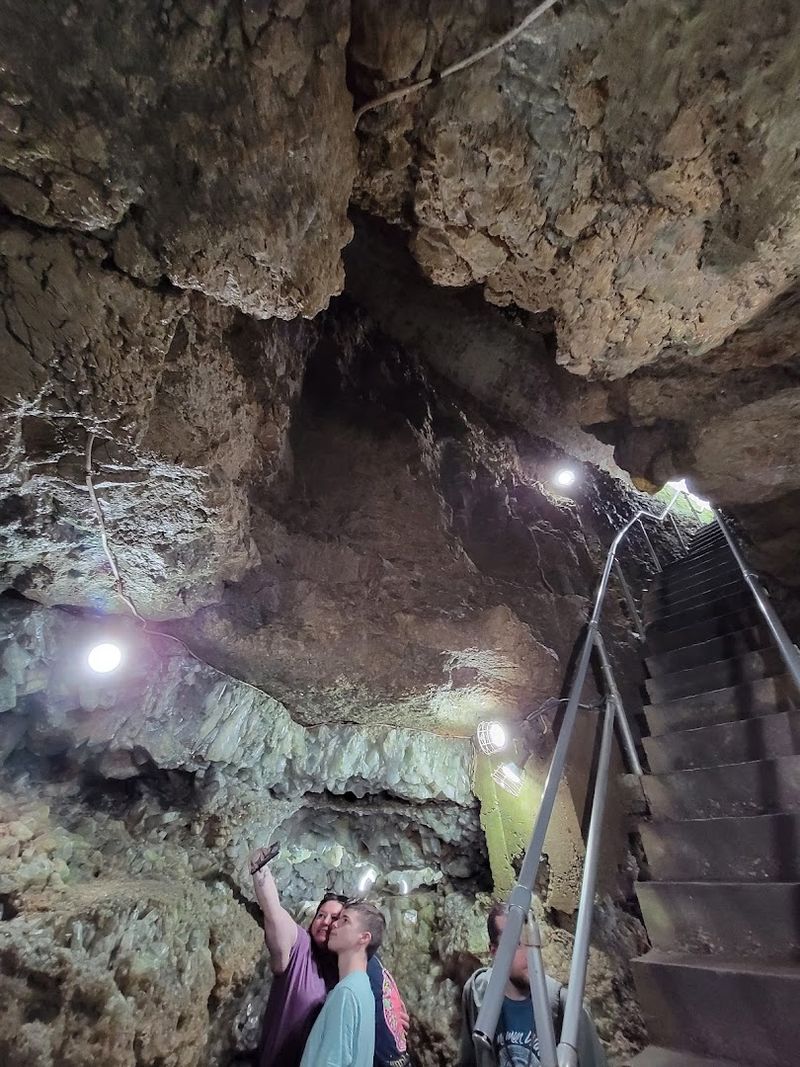
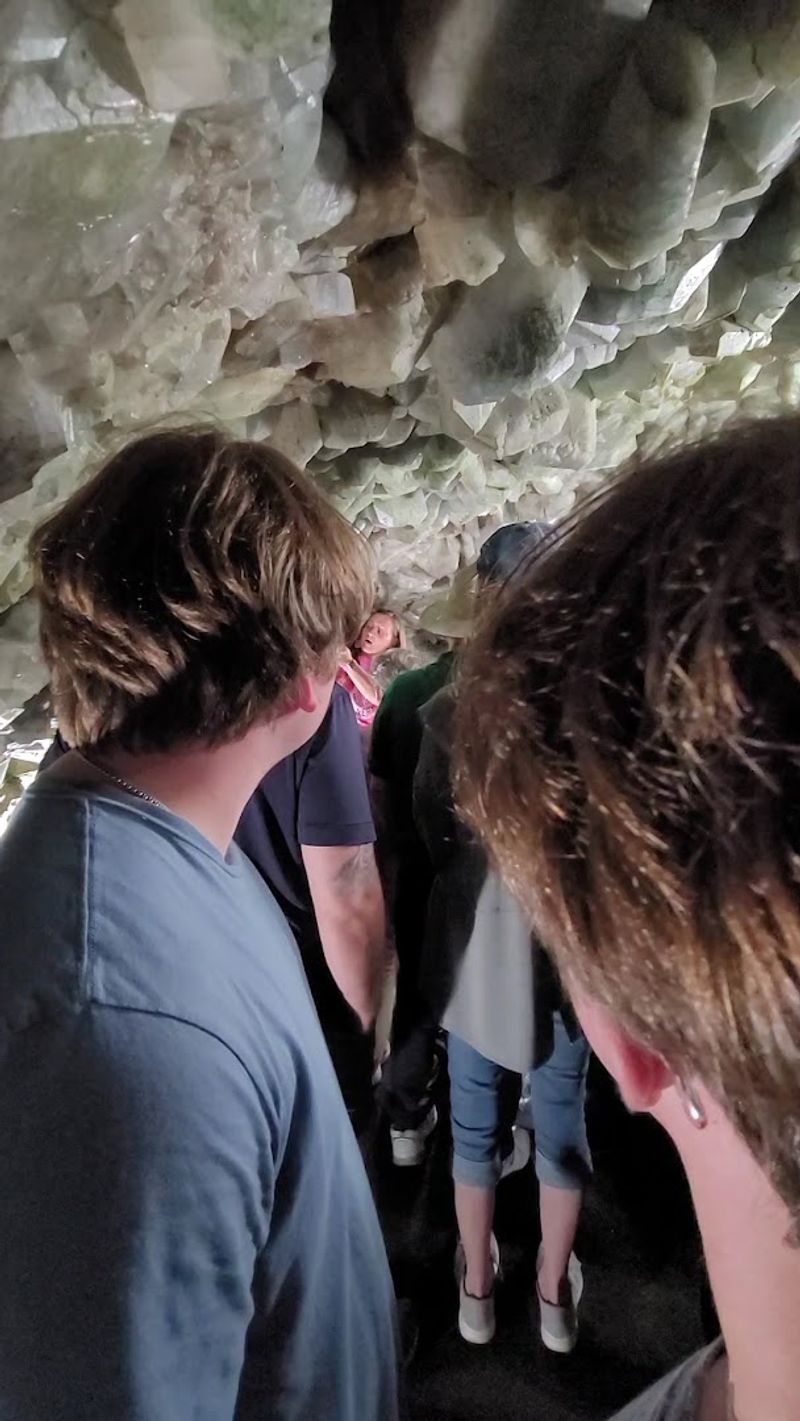
Tours at Crystal Cave are guided, which means you move through the experience with a group and a knowledgeable guide leading the way. The cave itself is compact, accommodating roughly 15 or more visitors at a time comfortably in the circular space that wraps around the central staircase.
The tour runs approximately 5 to 10 minutes inside the cave, which surprises visitors expecting a longer underground walk. But the cave is not trying to be Mammoth Cave.
It is one remarkable room, and the guide uses that time to explain the geology, the discovery story, and the significance of what you are looking at.
One fun detail that guides sometimes mention is something called a “cave kiss,” which refers to accidentally brushing against a crystal on the wall. It has become a lighthearted part of the tour experience that keeps the atmosphere playful rather than overly formal inside such a tight space.
The Winery Tour That Comes With Your Ticket
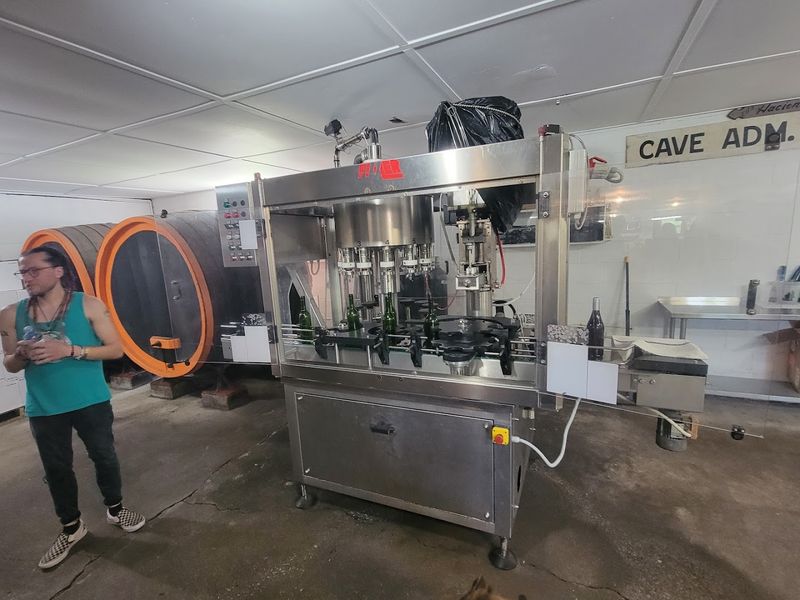
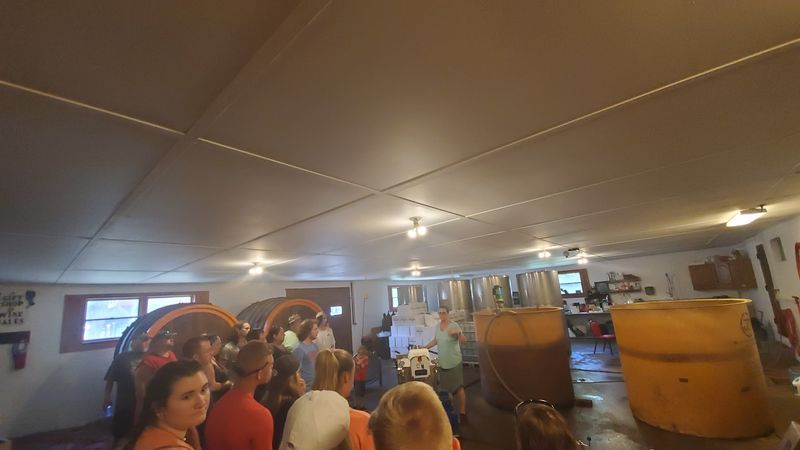
One of the most pleasant surprises about visiting Crystal Cave is that the ticket covers more than just the cave. Every admission includes a guided tour of Heineman’s Winery, which takes visitors through the actual process of how the family produces their grape juice and wines on the island.
The winery tour walks through each stage of production, from the grape pressing equipment to the fermentation drums and bottling operation. It is a compact operation, which makes it easy to understand and follow even if you have never thought much about how wine is made before visiting.
After the winery portion, each visitor receives a token redeemable for a complimentary drink at the wine bar. Kids and non-drinkers can opt for the grape juice that Heineman’s produces on-site, which several visitors have noted is genuinely good on its own.
The outdoor seating area near the bar is a relaxed spot to enjoy your sample before heading back out to explore the island.
What the Ticket Price Gets You
Value is something visitors consistently mention when they talk about Crystal Cave. For around $14 per person, the ticket covers the guided cave tour, the winery production tour, and a complimentary drink token.
For a Lake Erie island attraction, that combination represents a solid deal compared to many tourist stops in the area.
The gift shop on the property adds another layer to the visit without requiring any additional spending. It carries crystals, gemstones, and island-themed clothing, often at prices visitors describe as more reasonable than other shops around Put-In-Bay.
Families with children appreciate that kids can participate fully, sampling the grape juice instead of wine and enjoying the cave experience alongside adults. The ticket structure makes it easy for mixed-age groups to get genuine value from the stop without anyone feeling left out of the experience.
The Geological Significance Beyond the Record
Holding a world record is impressive, but the geological story behind Crystal Cave goes deeper than a single superlative. The Lake Erie region sits on ancient sedimentary rock that formed when a shallow sea covered this part of North America hundreds of millions of years ago.
That history created the exact conditions needed for celestite geodes to form.
Celestite deposits are found in several parts of Ohio, but none have produced a hollow chamber anywhere close to the scale of what sits beneath South Bass Island. Geologists recognize the cave as a genuinely rare example of how mineral-rich groundwater can hollow out and fill a void over an extraordinary span of time.
The fact that it survived intact underground for so long before being accidentally discovered adds to its significance. Many similar formations are found only in fragments.
This one remained sealed and undisturbed until a well-digging crew broke through the ceiling more than a century ago.
What Makes This Cave Different From Perry’s Cave Nearby
South Bass Island has more than one cave worth knowing about. Perry’s Cave sits directly across the street from Crystal Cave, and visitors sometimes wonder which one to choose if time is limited.
The two experiences are genuinely different from each other in character and scale.
Perry’s Cave is a natural limestone cave with a larger floor area and an underground lake inside it. Crystal Cave is a geode, not a traditional cave in the geological sense, which makes its crystal-lined walls unlike anything you will find at Perry’s or most other caves in the Midwest.
One visitor noted that Crystal Cave runs warmer underground than Perry’s Cave, which is worth knowing depending on the season. Choosing between them is less a competition and more a matter of what you want to experience.
Many visitors simply do both, since the two properties sit close enough together to visit on the same afternoon.
Visiting With Kids and Family Groups
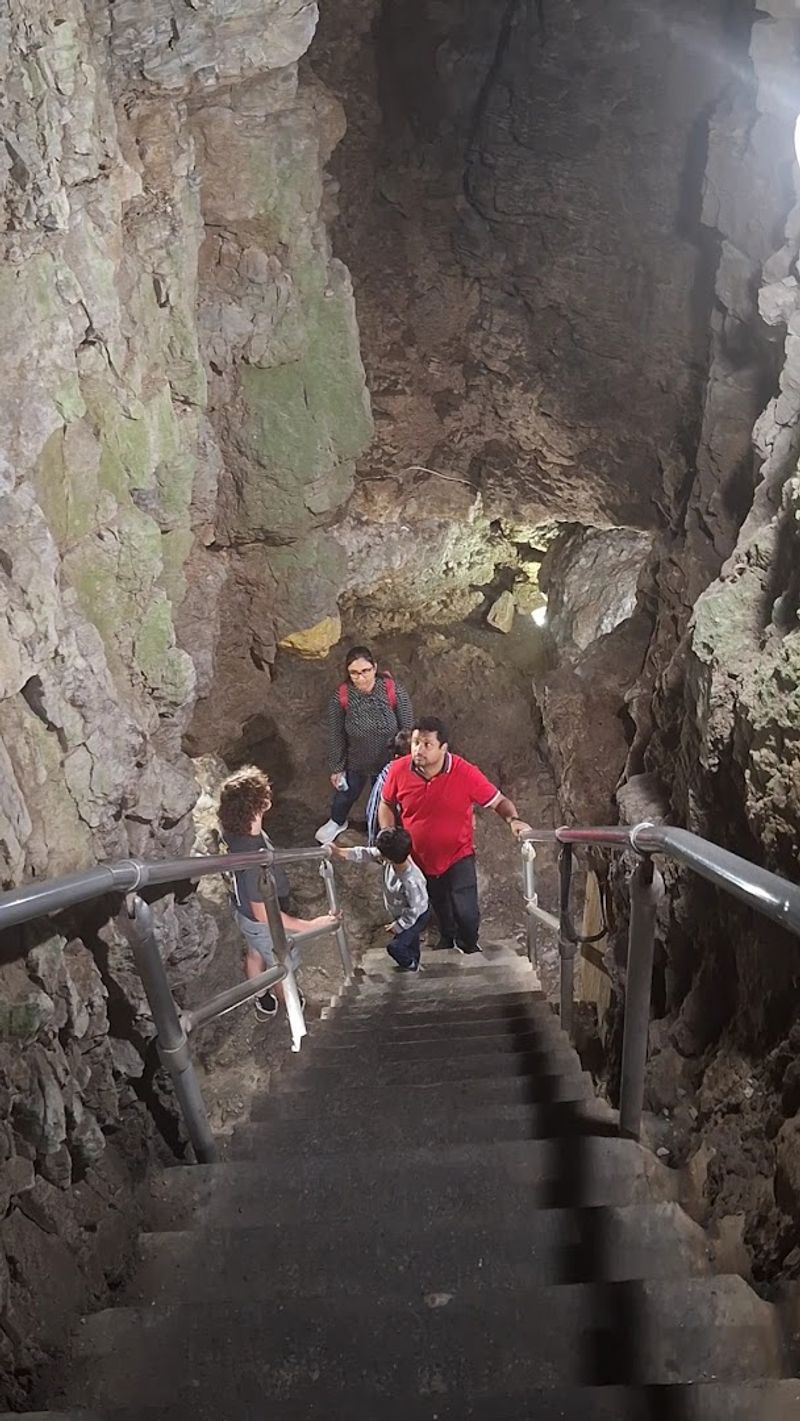
Crystal Cave works well as a family stop, though parents should know a few things before heading down those stairs with little ones in tow. The steep descent requires children to be steady on their feet, and the narrow staircase means holding hands on the way down is a good idea for younger kids.
Once inside, the cave holds children’s attention in a way that few indoor attractions manage. There is something about being surrounded by giant crystals underground that sparks genuine curiosity rather than the glazed-over boredom that sometimes hits kids at museum-style exhibits.
The grape juice sampling at the end of the tour gives younger visitors their own version of the adult wine experience, which several families have called a highlight of the whole stop. Kids who receive their own sample cup and get to taste something made right on the island tend to remember that detail long after the visit ends.
Practical Tips for Getting the Most Out of Your Visit
A few simple preparations make the Crystal Cave experience noticeably smoother. Wear closed-toe shoes with good grip, since the steps and cave floor can be wet, especially after rain.
One visitor mentioned arriving during a rainy day and finding the cave floor damp enough to soak through thin footwear.
Arriving earlier in the day tends to mean shorter waits and smaller tour groups. The cave is compact, and larger crowds can make it harder to move around freely or hear your guide clearly.
Weekday visits during summer are generally less busy than weekend afternoons.
Check the current operating hours before making the trip over on the ferry, since seasonal hours shift and the cave does not operate year-round. The winery website lists current hours and any closures.
Building the cave visit into the morning portion of an island day leaves plenty of afternoon time to explore the rest of Put-In-Bay at a relaxed pace.
The Gift Shop and What You Can Take Home
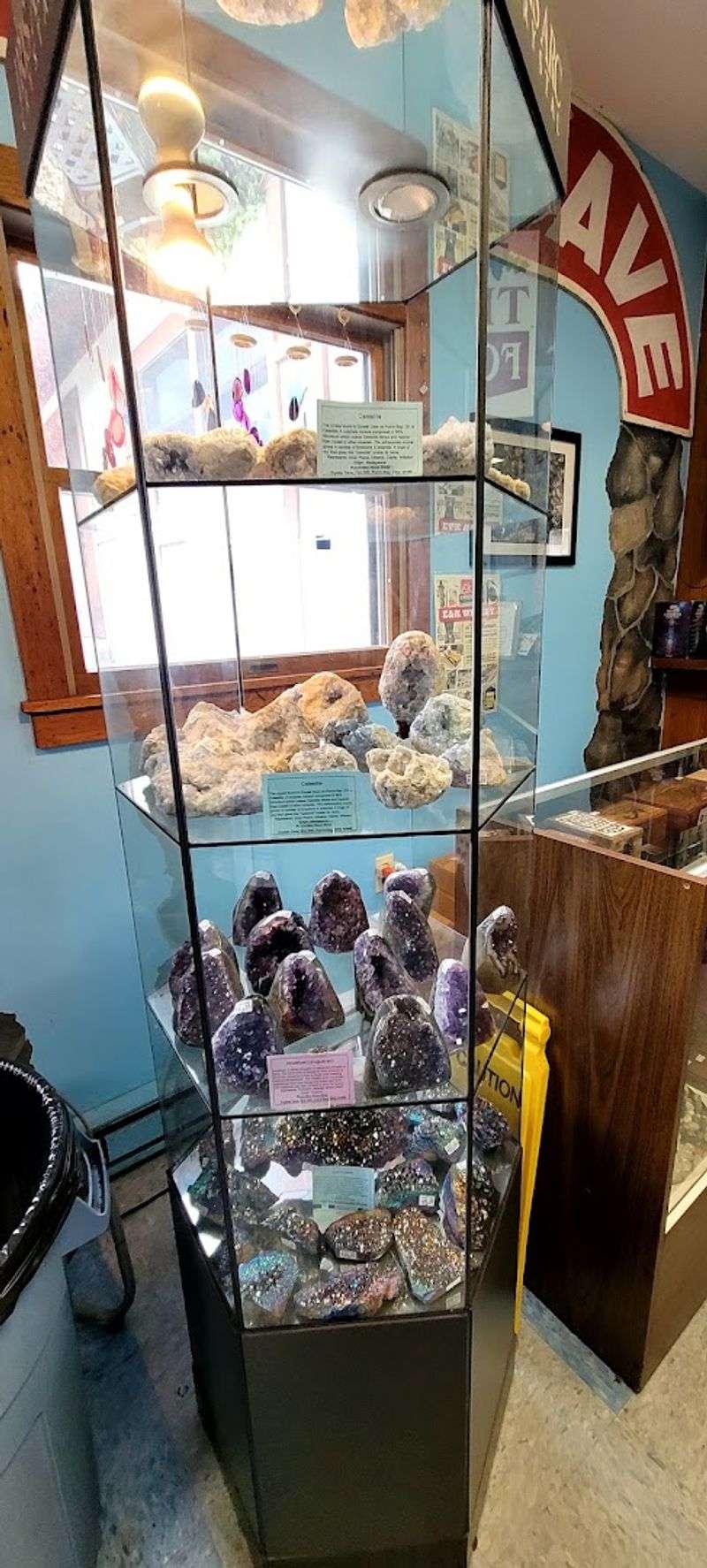
The gift shop at Crystal Cave leans into the geological theme in a way that feels fitting rather than forced. Shelves carry raw and polished crystals, small geodes, celestite specimens, and gemstone pieces sourced from various locations.
It is the kind of shop where curious shoppers tend to spend more time than they planned.
Prices in the shop have earned consistent praise from visitors who compare them favorably to other retail spots around Put-In-Bay. Island tourist areas often carry a noticeable markup on souvenirs, so finding reasonably priced merchandise near a major attraction is worth noting.
Beyond the geological items, the shop carries island-themed clothing and other keepsakes. For anyone who wants to bring home something that connects directly to what they saw underground, a small celestite specimen or raw geode from the shop makes a more meaningful souvenir than a standard magnet or keychain from elsewhere on the island.
The Broader Context of Put-In-Bay as a Destination
Crystal Cave does not exist in isolation. It sits within Put-In-Bay, a small island community that draws visitors to Lake Erie every summer for a mix of history, natural scenery, and outdoor activity.
The island itself is compact enough to explore thoroughly in a single day, which makes planning a visit straightforward.
Perry’s Victory and International Peace Memorial stands as one of the most recognizable landmarks on the island, commemorating the Battle of Lake Erie during the War of 1812. That historical context adds depth to a visit that might otherwise focus entirely on the cave and winery.
Getting to the island requires a ferry from either Port Clinton or Catawba Island on the mainland. The ferry ride itself is part of the experience, offering open water views of Lake Erie that set the tone for a day that feels genuinely removed from everyday mainland routines.
Crystal Cave fits naturally into that kind of unhurried island day.
Why Crystal Cave Stays With You After You Leave
Some places are impressive in the moment and fade quickly from memory once you are back home. Crystal Cave tends to work differently.
The combination of the unexpected discovery story, the unusual geology, and the sheer strangeness of standing inside the world’s largest known geode creates a mental image that sticks.
Part of what makes it memorable is the contrast between expectation and reality. Visitors who arrive expecting a grand cave network and find instead a single glittering room often leave more moved by it than they anticipated.
The intimacy of the space, surrounded on all sides by crystals that formed over millions of years, carries a quiet weight that larger attractions sometimes lack.
Whether you visit Put-In-Bay primarily for the history, the lake views, or the island atmosphere, Crystal Cave earns its place as the stop that most visitors end up talking about on the ferry ride back to the mainland.
Share this story