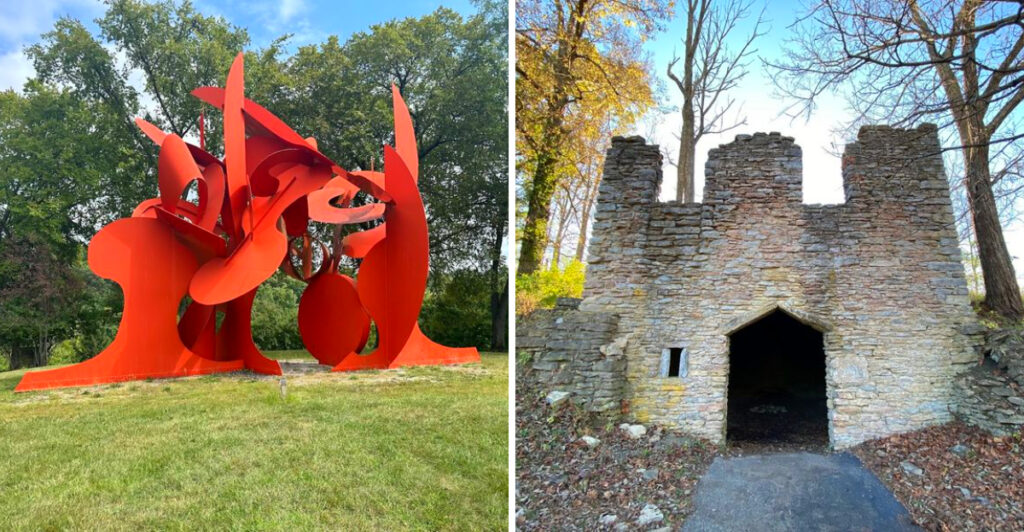
Most art museums ask you to whisper and tiptoe around their collections. This one in southwestern Ohio lets you roll down your car windows, breathe in fresh country air, and cruise past towering sculptures spread across 400 acres of meadows and wooded hills.
Some pieces stand taller than a house. Others seem to appear out of nowhere as you round a bend in the road.
What makes this place genuinely surprising is that you can experience the entire collection from behind the wheel of your car, from a rented golf cart, or on foot along winding trails. There is also an unexpected museum inside a former private home that holds ancient artifacts most visitors never see coming.
Once you know this place exists, you will wonder how it stayed off your radar for so long.
What Pyramid Hill Sculpture Park Actually Is
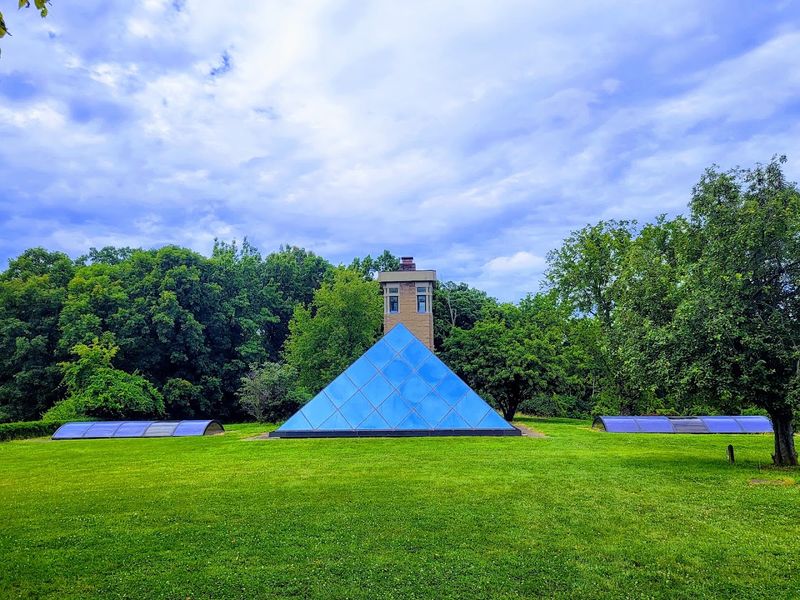
Tucked into the rolling landscape just outside Hamilton, Ohio, Pyramid Hill Sculpture Park sits at 1763 Hamilton Cleves Road, Hamilton, OH 45013. The park spans 400 acres of meadows, forest, and garden settings, making it one of the larger outdoor sculpture venues in the Midwest.
The property functions as an outdoor museum where large-scale sculptures are placed throughout the natural landscape rather than inside gallery walls. Visitors can drive their own vehicles along paved paths, rent a golf cart called an Art Cart, or walk the trails on foot.
General admission is $10 per person, which gives you access to the grounds and the on-site museums. The park is open most days of the week, with extended hours on Fridays, Saturdays, and Sundays.
It is a genuinely flexible experience that works at whatever pace suits your group best.
The Story Behind Harry T. Wilks and the Park’s Origins
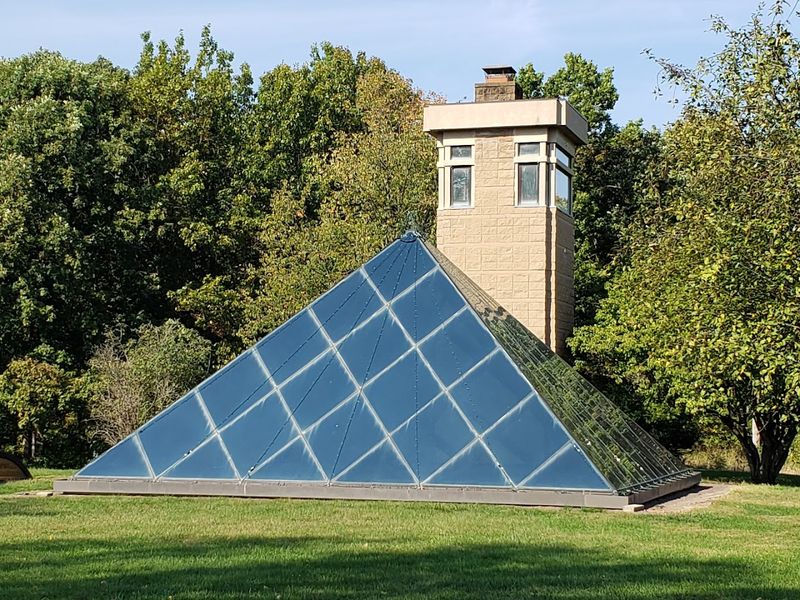
The entire park exists because of one man’s remarkable vision. Harry T.
Wilks, a Hamilton-area attorney and art collector, founded Pyramid Hill Sculpture Park and used his personal estate as its foundation. His former home, known as the Pyramid House, still stands on the property and is now open to the public as a museum.
Wilks had a passion for large-scale sculpture and ancient art that went far beyond casual collecting. He assembled an extraordinary private collection and eventually opened the grounds so others could share in what he had built over decades.
Touring the Pyramid House gives visitors a rare look at how Wilks actually lived alongside his collection. His books, furnishings, and art pieces remain in place, creating an atmosphere that feels more like a personal discovery than a formal museum visit.
It is genuinely one of the most unusual experiences the park offers.
Driving and Riding Through a Living Gallery
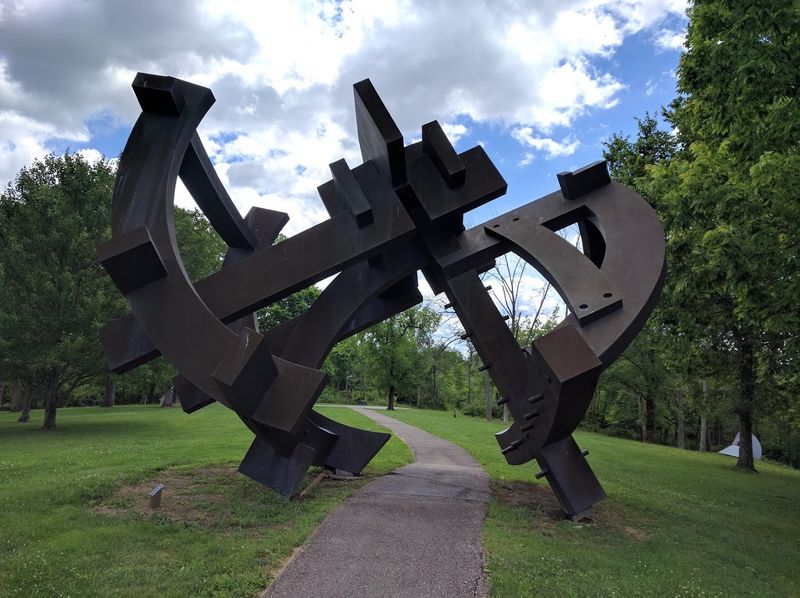
One of the most practical and enjoyable ways to see Pyramid Hill is from the seat of a rented Art Cart. These golf carts allow visitors to cover the expansive grounds without spending the entire day on foot.
The rental fee is $25 for the first hour and $20 for each additional hour, with the second hour prorated based on actual use.
The cart paths wind through open meadows and along hillsides where sculptures appear at regular intervals. Some pieces are enormous, visible from a long distance as you approach.
Others are more subtle and reward a slower pace and a closer look.
Driving your own car is also permitted along certain routes, which makes the park genuinely accessible for visitors who have mobility limitations. Either way, the experience of rolling through a landscape dotted with massive works of art feels completely different from anything a traditional gallery can offer.
The Scale and Variety of the Sculpture Collection
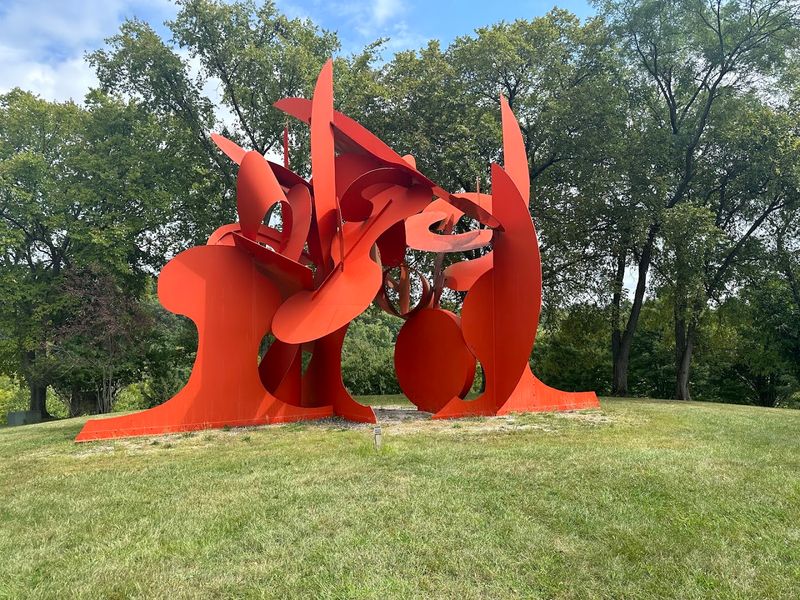
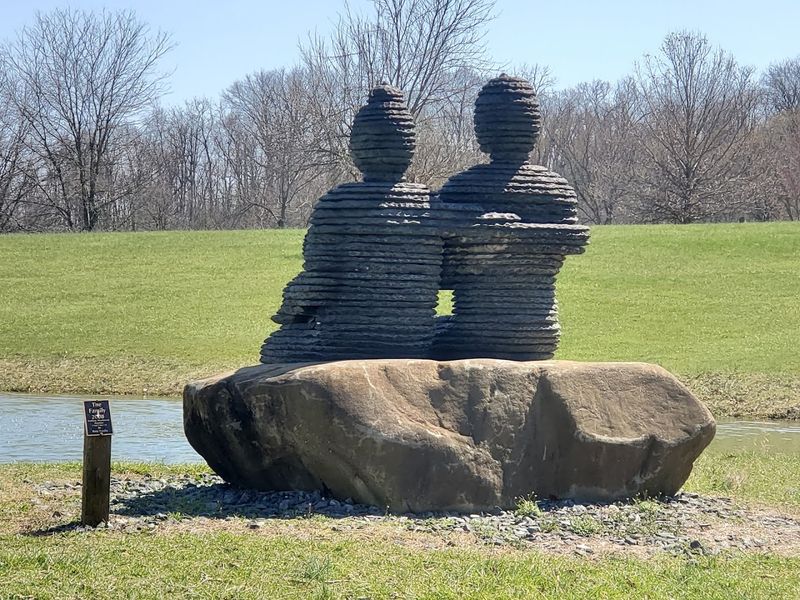
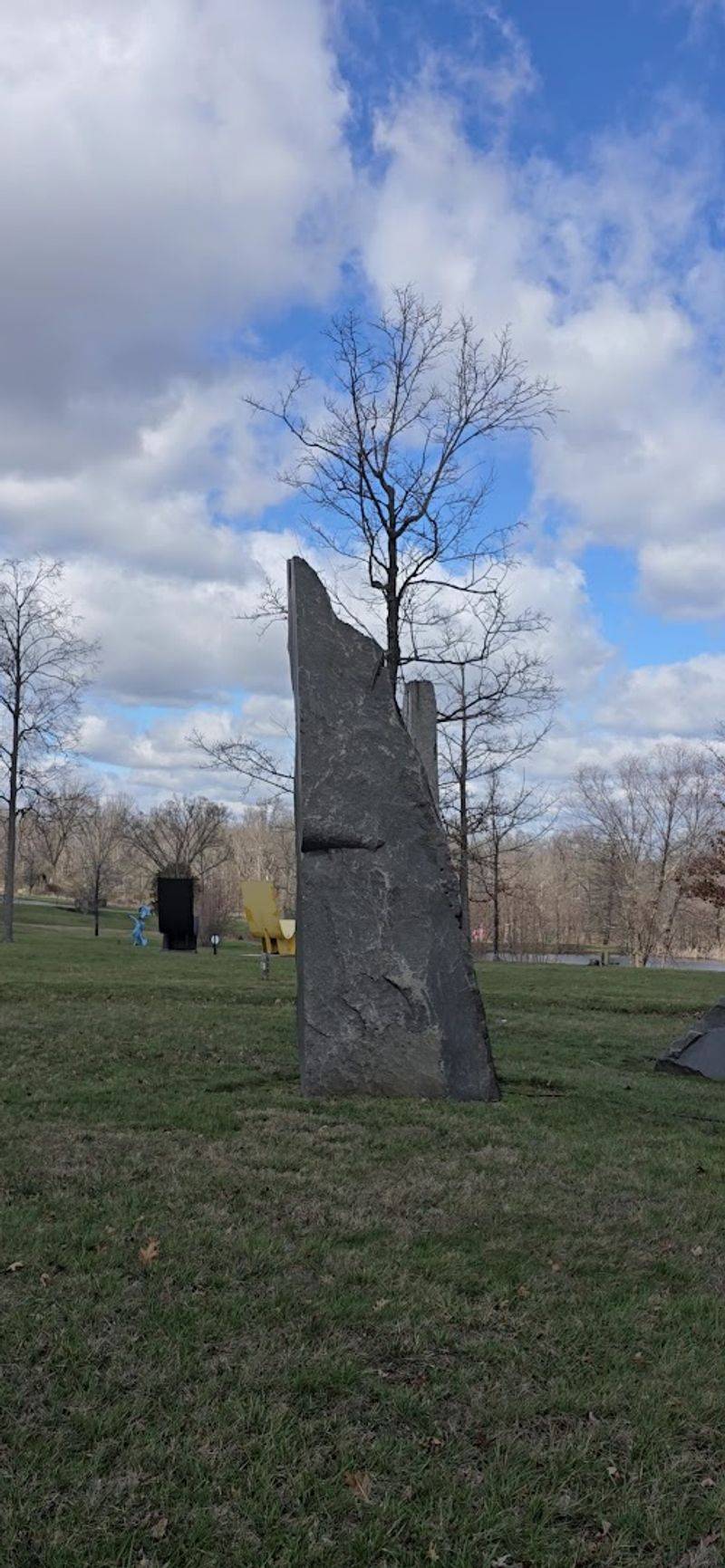
The sculptures at Pyramid Hill range widely in style, material, and size. Many are large metallic and abstract works that catch the light differently depending on the time of day.
Some pieces are bold and industrial in character, while others are more delicate and figurative.
What keeps the collection interesting is how unpredictable it feels. You might round a curve and find something that looks almost architectural, then spot something entirely organic and flowing just a few hundred yards away.
The variety prevents the experience from ever feeling repetitive.
New sculptures are added periodically, so returning visitors often find pieces they have not seen before. The park also rotates works at times, which means the map and the actual landscape do not always match perfectly.
Treat that as part of the adventure rather than a frustration, and you will get a lot more out of the visit.
Walking the Trails for a Closer Look
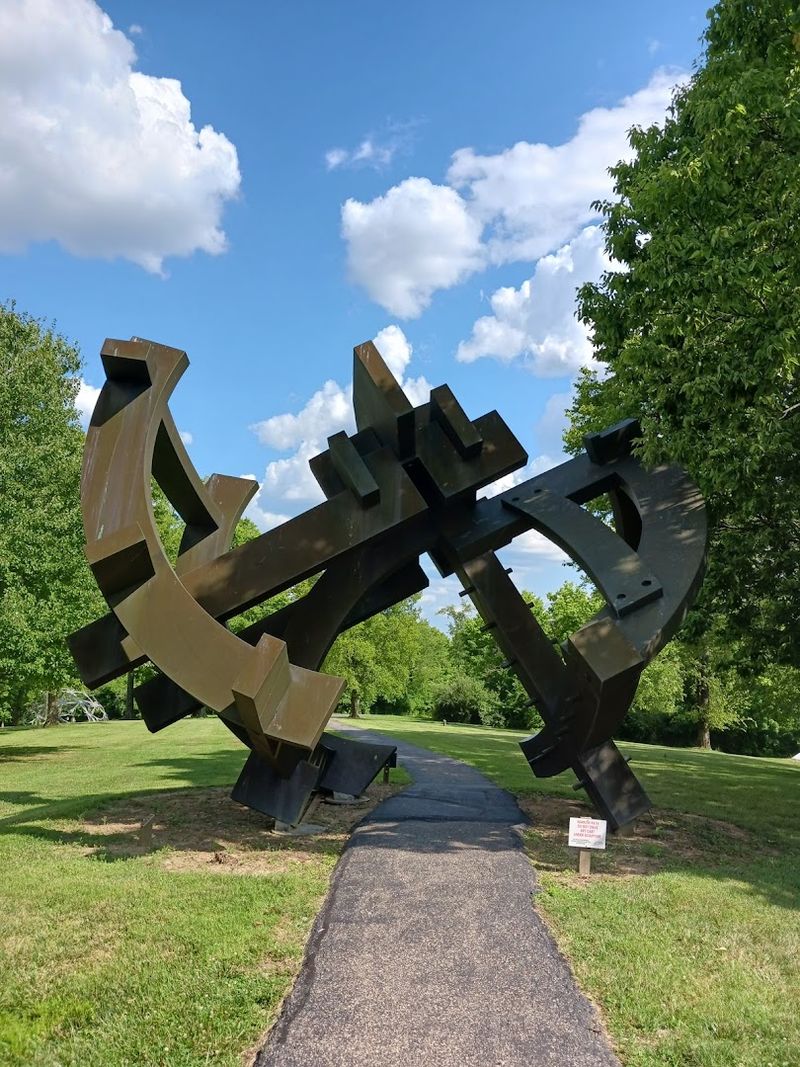
Walking the park on foot offers a completely different experience from riding or driving. The Gallery Loop is the main walking route and covers roughly two miles of paved path that passes near many of the major sculptures.
It is the best option for visitors who want to slow down and spend real time with each piece.
There are also smaller wooded trails that cut through forested sections of the property. These paths feel quieter and more secluded, and they give the visit a natural-hike quality that complements the art experience nicely.
A few practical notes worth keeping in mind: the trails are shared with golf carts and sometimes cars, so staying aware of your surroundings is important. Bringing water is a smart move, especially on warm days when the open meadow sections offer little shade.
Comfortable shoes make a real difference across the rolling terrain.
The Pyramid House Museum and Its Ancient Art Collection
The Pyramid House is the kind of discovery that stops visitors mid-sentence. Inside the former home of Harry T.
Wilks, the park displays an ancient art collection spanning roughly from 2000 BCE to 1000 CE. The pieces include Roman and Egyptian artifacts, and they are presented without the glass barriers that typically separate viewers from objects in major museums.
That accessibility is genuinely striking. Being able to stand close to artifacts that are thousands of years old, inside a private home rather than a formal institution, creates a sense of immediacy that is hard to replicate elsewhere.
Wilks’s personal library and furnishings remain in the house alongside the collection, which adds a layer of context that enriches the entire experience. Guided tours of the Pyramid House are available, and the guides bring considerable knowledge about both the art and the history of the man who assembled it all.
The Ancient Fortified Structure on the Property
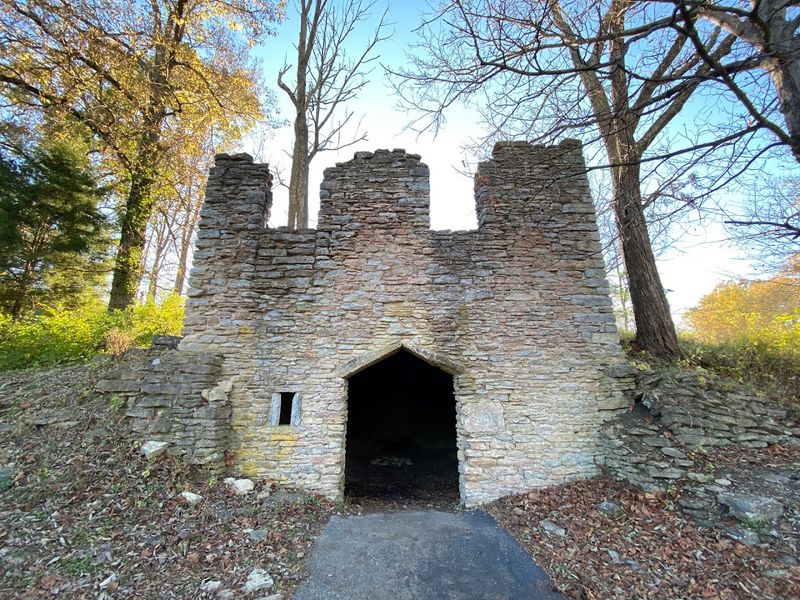
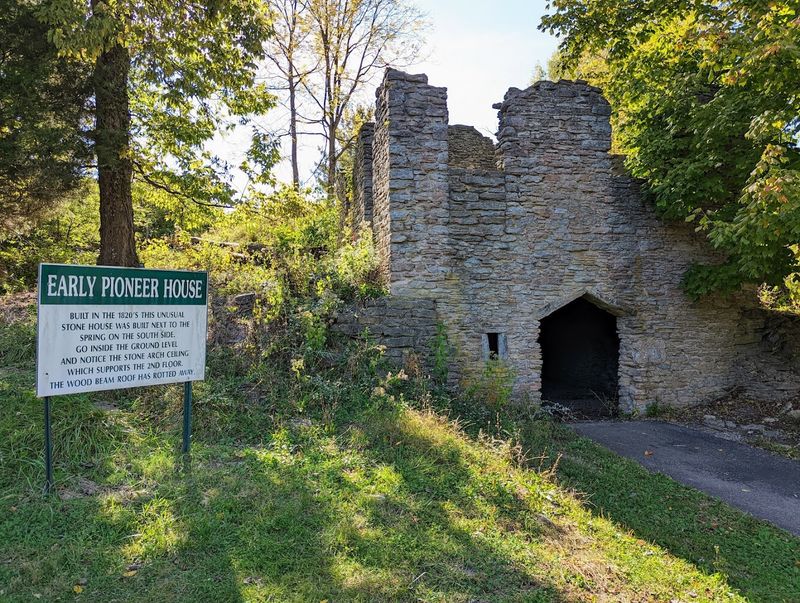
Many visitors focus entirely on the sculptures and the Pyramid House, but the park also protects something far older on its grounds. A Native American fortified structure is preserved within the property, and the park takes its role as steward of that site seriously.
Access to this feature is not self-guided. Scheduled tours must be purchased in advance, which helps protect the integrity of the site while still making it available to curious visitors.
The tours provide historical context that transforms the visit from a simple walk to something more layered and meaningful.
Knowing that the land beneath the sculptures carries thousands of years of human history adds a quiet weight to the whole experience. The park sits at an intersection of art, nature, and deep history that most visitors do not fully appreciate until they start exploring beyond the main gallery loop.
This is one of those details worth planning around before you arrive.
Picnicking and Spending a Full Day on the Grounds
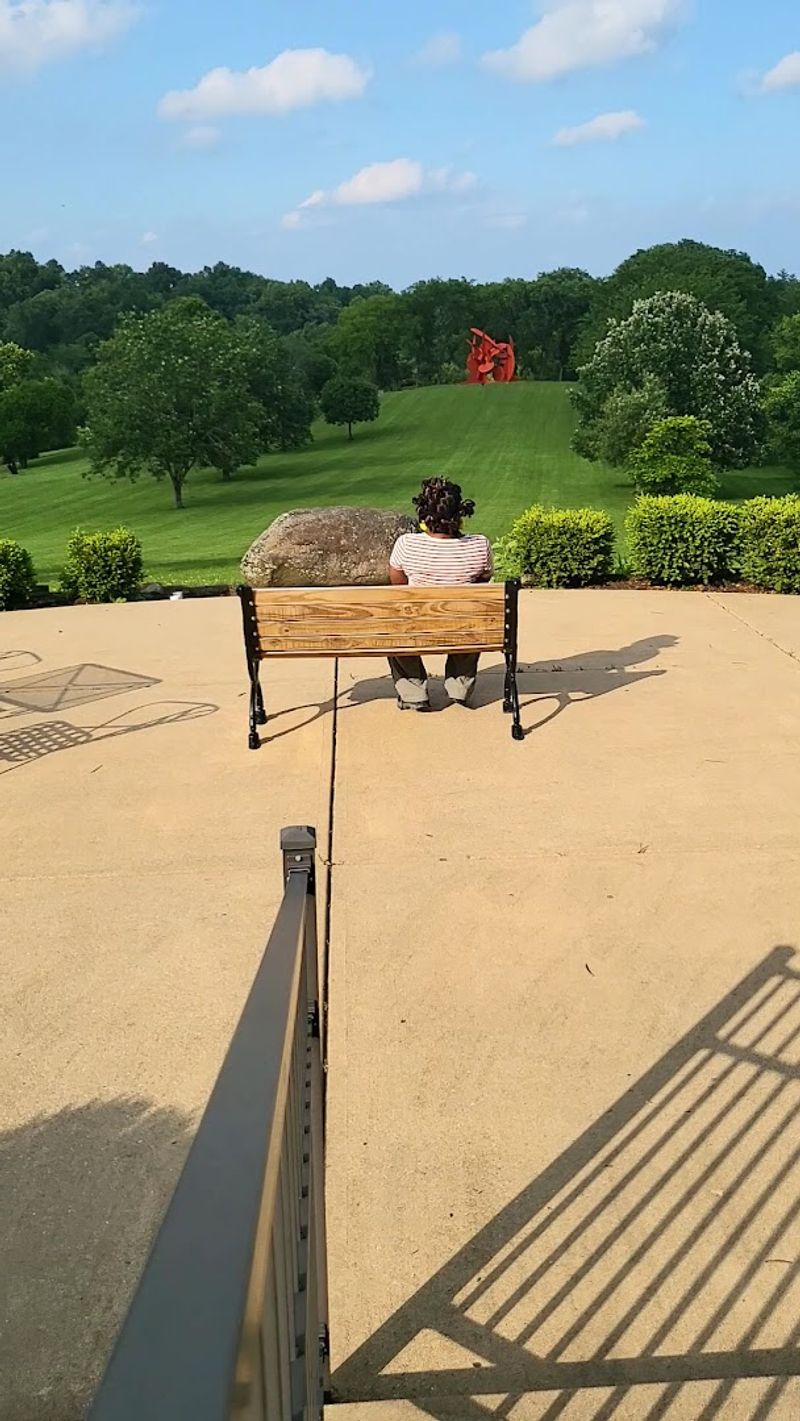
Pyramid Hill is the kind of place that rewards visitors who arrive without a tight schedule. The grounds are large enough that spending three or four hours there feels natural rather than forced, and the park is well set up for a relaxed full-day visit.
Picnicking is genuinely encouraged. The open meadows and hillside views provide a beautiful backdrop for a packed lunch, and several visitors make a point of finding a favorite spot to sit and take in the landscape before continuing their tour.
A pavilion is also available on the property for groups who want a shaded gathering space.
The park is also dog-friendly, which makes it a popular outing for pet owners who want to combine a nature walk with an art experience. Bringing water for both yourself and your dog is a practical step, particularly during the warmer months when the open sections of the park heat up quickly.
Birding and Wildlife Watching Between the Sculptures
The natural setting at Pyramid Hill does more than just frame the artwork. The park’s mix of open meadows, wooded sections, and several small ponds creates a surprisingly rich environment for wildlife watching.
Birding in particular has become a recognized draw for visitors who appreciate both art and the natural world.
The variety of habitats across 400 acres means different bird species show up depending on the season and the time of day. Visitors who bring binoculars often find that a walk through the park doubles as a rewarding birding excursion alongside the sculpture experience.
The ponds add a reflective quality to the landscape and attract waterfowl that move through the area throughout the year. Even visitors who are not dedicated birders tend to notice the wildlife activity.
It gives the park a living, breathing quality that purely built environments simply cannot replicate, no matter how impressive the art collection becomes.
The Holiday Lights Drive-Through Event

When the weather turns cold and the sculpture season winds down, Pyramid Hill transforms into something completely different. The park hosts a holiday lights drive-through event called Pyramid Hill Lights, where visitors stay inside their vehicles and drive through an illuminated display set across the grounds.
The drive takes roughly 20 to 30 minutes depending on traffic, which gives visitors enough time to genuinely enjoy the display rather than rushing through it. The combination of outdoor sculptures, rolling hills, and seasonal lighting creates a visual experience that works particularly well for families with young children or visitors who prefer a warm, comfortable way to enjoy the park in winter.
The event has drawn visitors from well outside the Hamilton area, with some making it an annual tradition. Taking hot drinks and snacks along for the drive has become an unofficial part of the experience for many returning guests.
It is a smart use of the park’s unique landscape in a season when most outdoor venues simply close.
Practical Tips for Planning Your Visit
A few details make the difference between a smooth visit and a frustrating one at Pyramid Hill. The park is open Tuesday through Sunday during regular season hours, with Tuesday being the one consistent closure day.
Extended hours run on Fridays, Saturdays, and Sundays until 8 PM, which gives visitors more flexibility than a typical daytime-only attraction.
Tickets are purchased at the entrance gate, and the park accepts credit cards. Art Cart rentals are available on a first-come basis, so arriving earlier in the day gives you a better chance of securing one, especially on busy weekends.
The park map is useful but works best if you take a moment to orient yourself before heading out.
Membership is an option worth considering if you plan to visit more than once. The membership fee is not dramatically higher than a single-day admission for a group, and it includes free general admission for future visits along with discounts on special events throughout the year.
Share this story