Somewhere in northeastern Ohio, a small village quietly holds onto a way of life that most of the country has long forgotten. More than 200 German immigrants arrived here in 1817 with nothing but their faith, their tools, and a determination to build something lasting on American soil.
What they created together survived for nearly 80 years and left behind an extraordinary collection of original buildings, gardens, and stories that still stand today. This is one of the most complete and authentic 19th-century communal settlements in the United States, and most people have never heard of it.
The German Separatists Who Built Zoar From Scratch
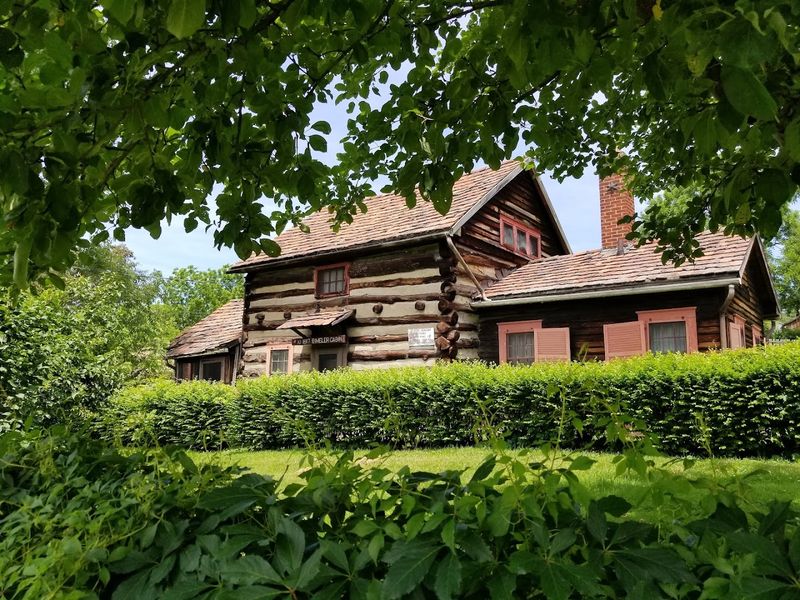
Few American origin stories carry the weight of what happened in a quiet Ohio valley in 1817. A group of roughly 200 German Separatists, fleeing religious persecution back home, pooled their resources and purchased land in what would become Tuscarawas County, Ohio.
They called their new home Zoar, a name drawn from the Bible referencing a place of refuge. Historic Zoar Village, located at 198 Main St, Zoar, OH 44697, preserves what they built with remarkable integrity.
These were not wealthy settlers. Many arrived in debt and quickly realized that survival required cooperation.
Within a few years, they formally organized as a communal society, sharing property, labor, and resources equally among all members.
That decision to work collectively transformed a struggling frontier settlement into one of the most prosperous communal experiments in American history, and the physical evidence of that success is still visible today.
What Makes Zoar Different From Other Living History Sites
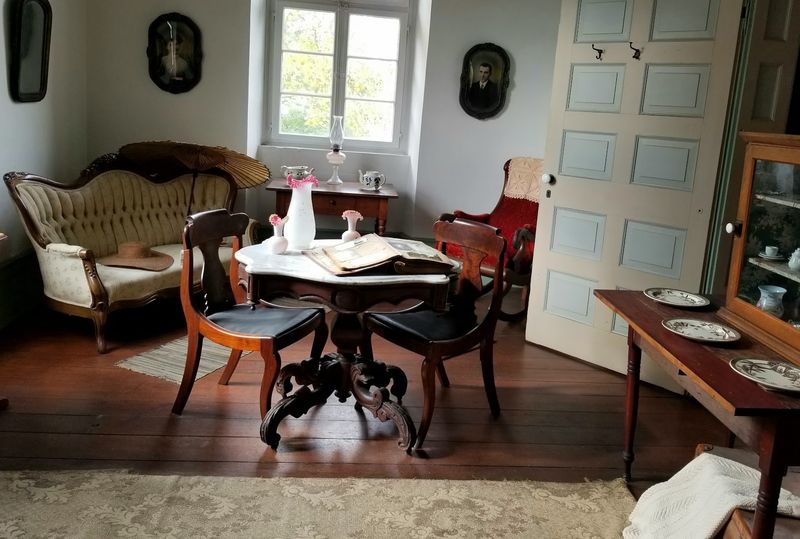
Most living history museums gather artifacts from various locations and arrange them to suggest authenticity. Zoar takes a different approach entirely, and that difference is immediately noticeable.
The furniture, tools, household items, and decorative objects inside the historic buildings here actually belonged to the Zoarites themselves. These are not reproductions or donations from unrelated collections.
They are the real possessions of the people who lived and worked in this village.
That layer of genuine ownership changes how visitors experience each room. There is a quiet intimacy in seeing a chair that a real Zoarite sat in, or a kitchen tool that was used to prepare meals for the entire community.
Several visitors have described feeling as though they genuinely traveled back in time rather than simply viewing a recreation. That emotional response is not an accident.
It comes directly from the authenticity that sets Zoar apart from similar sites across the region.
The Symbolic Garden at the Heart of the Village
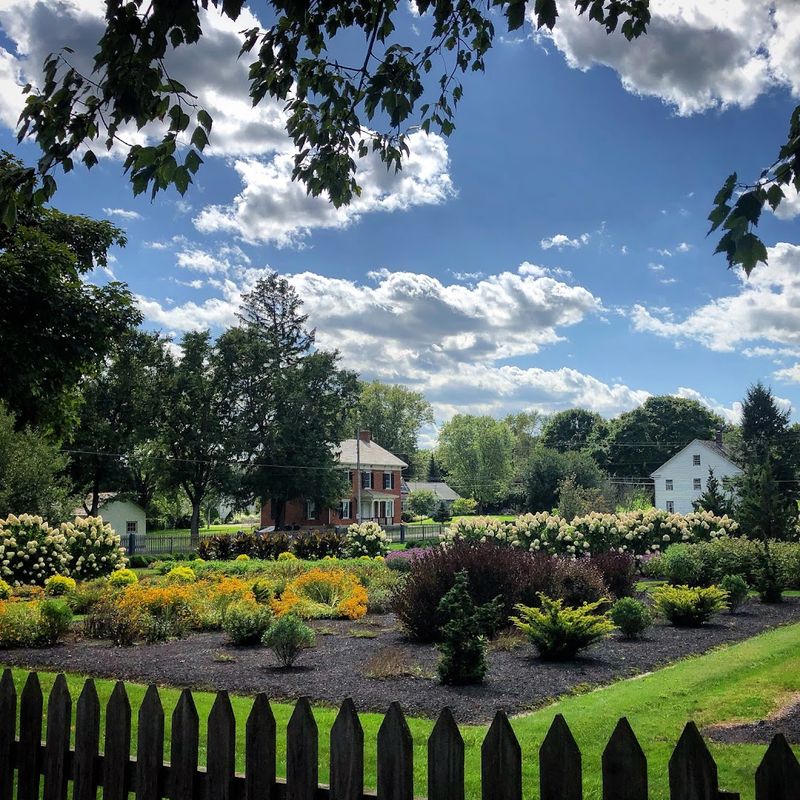
The large community garden at the center of Zoar is one of the most visually striking features of the entire village, and it carries a meaning that goes far deeper than landscaping. The garden was designed in a circular pattern with a central tree representing the Tree of Life, a layout with direct theological significance to the Separatist faith.
The overall design has been maintained in its original form since the community first planted it in the 19th century, though the central tree has been replaced over time. Walking through its manicured paths during the warmer months, surrounded by flowering beds and the occasional butterfly, feels genuinely peaceful.
Visitors who arrive when the historic buildings are closed can still enjoy the garden at no cost, making it one of the most accessible parts of the experience. The herb sections, seasonal blooms, and heated solarium nearby add visual depth to every visit throughout the year.
Number One House and the Story of Joseph Bimeler
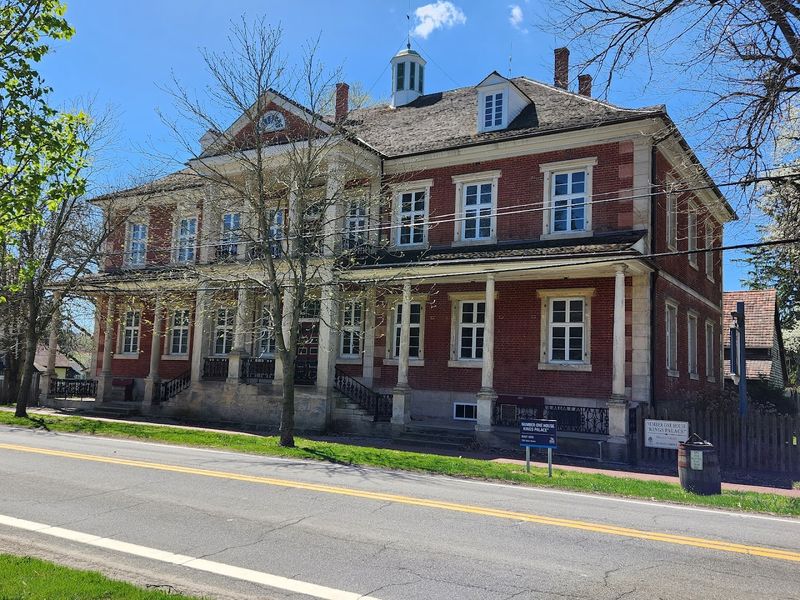
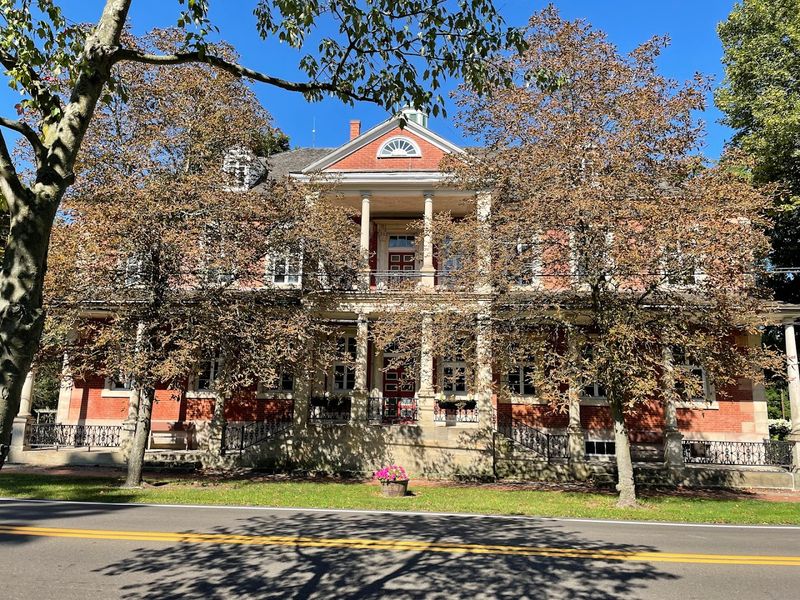
Not all members of the Zoar Society lived equally, and Number One House tells that story with remarkable candor. This large, well-appointed residence was home to Joseph Bimeler, the charismatic leader who guided the Separatist community from its earliest and most difficult years through its period of greatest prosperity.
Bimeler arrived with the original group of settlers and quickly emerged as the community’s spiritual and administrative leader. His home reflects the elevated status he held within a society that otherwise practiced collective ownership and shared resources.
Touring Number One House gives visitors a direct window into the internal dynamics of the Zoar Society. The rooms are furnished with original pieces, and the contrast between this residence and the simpler homes of ordinary Zoarites is thought-provoking.
It raises real questions about leadership, equality, and community that feel surprisingly relevant today. The building itself is one of the most architecturally impressive structures remaining in the village.
The Zoar Store and Where Every Visit Begins
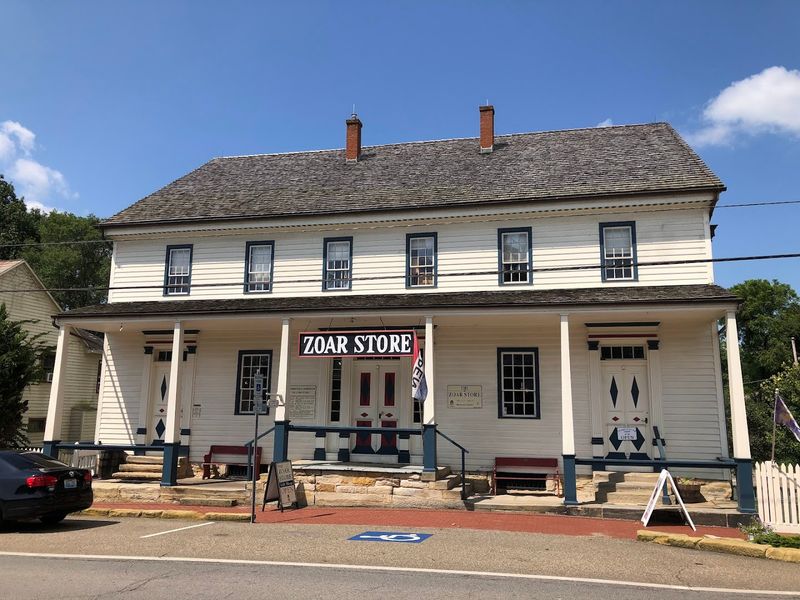
Every guided tour of Historic Zoar Village begins at the Zoar Store, and this is genuinely the right place to start. The store functions as the visitor center, ticket counter, and informal gathering point for anyone curious about what the village has to offer.
The staff and volunteers here are remarkably knowledgeable about local history, and more than one visitor has found themselves spending thirty minutes or more in conversation before even stepping outside. The store also carries a selection of books, gifts, and locally relevant items that make for meaningful souvenirs.
Guided tours depart from this location and cover the key historic buildings with context that would be difficult to piece together independently. For visitors with mobility considerations, staff can suggest a driving route that allows access to the most scenic and historically significant parts of the village without requiring a full walking tour.
The store is the natural anchor of the entire Zoar experience.
The Bakery and the Taste of Communal Life
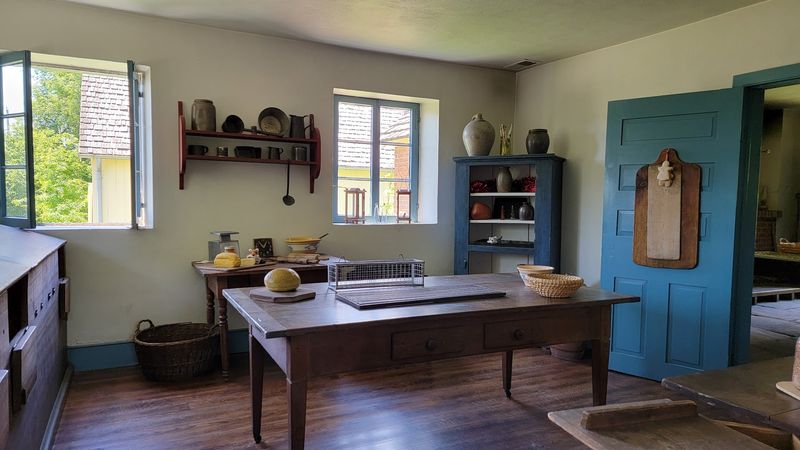
There is something deeply satisfying about visiting a bakery that operates inside a building where Zoarites once baked for an entire community. The bakery at Historic Zoar Village is one of the more sensory experiences the site offers, and it connects visitors to daily communal life in a way that reading about it simply cannot.
Baked goods are available for purchase during operating hours, giving the space a lively, functional energy rather than a purely museum-like atmosphere. The smell alone is worth the stop.
In the original Zoar Society, baking was a collective responsibility. Food production was organized communally, with designated members handling specific tasks for the benefit of everyone.
The bakery building reflects that practical, no-waste philosophy that defined how the community operated for decades.
Pairing a visit to the bakery with a walk through the garden nearby makes for a genuinely enjoyable afternoon that balances history with something a little more sensory and immediate.
How the Communal Society Thrived and Why It Ended
The Zoar Society thrived for roughly 80 years, which makes it one of the longer-lasting communal experiments in American history. At its peak, the community operated farms, a hotel, mills, and various trades that generated considerable prosperity for its members.
But by the 1890s, the forces that had once made communal living necessary were fading. Electricity, improved transportation, and shifting social attitudes made the outside world far more accessible and appealing, especially to younger Zoarites who had grown up with more opportunities than their grandparents could have imagined.
In 1898, the membership voted to dissolve the Society entirely. Property was divided among the members, and Zoar transitioned from a communal village into an ordinary Ohio town almost overnight.
That voluntary, peaceful ending is itself a remarkable part of the story. The community did not collapse under conflict or scandal.
It simply outlived the conditions that had made it necessary, which is a genuinely unusual outcome in American communal history.
Original Architecture That Has Survived Two Centuries
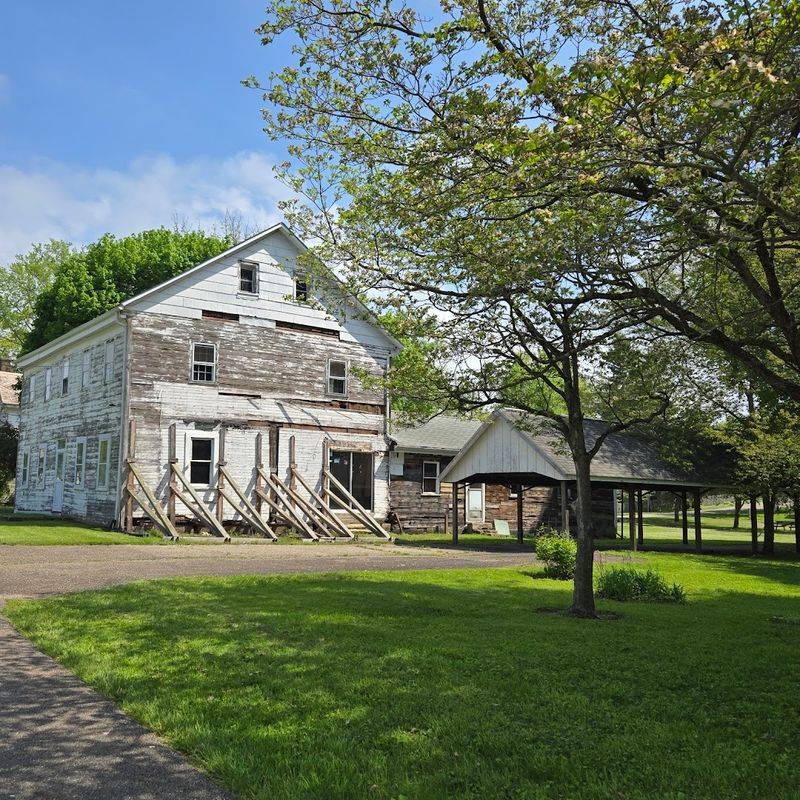
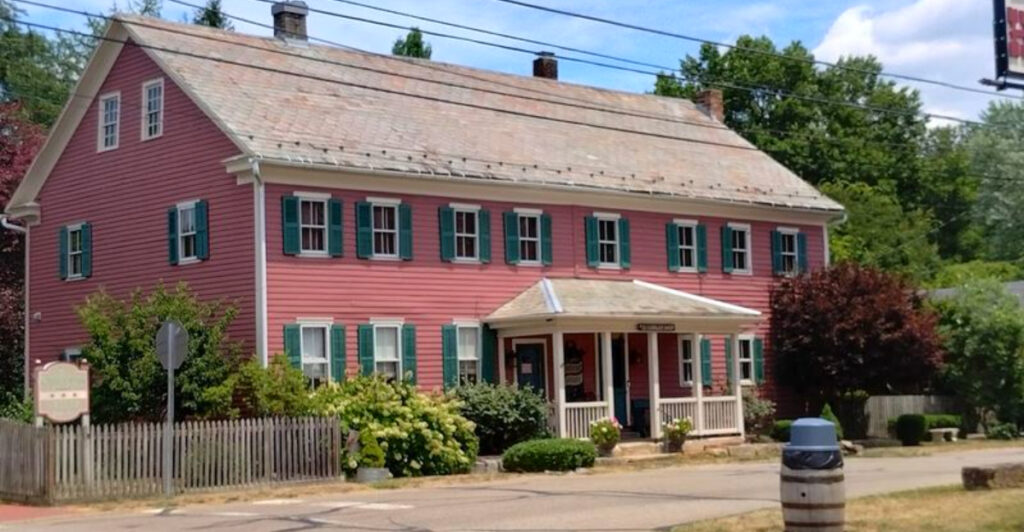
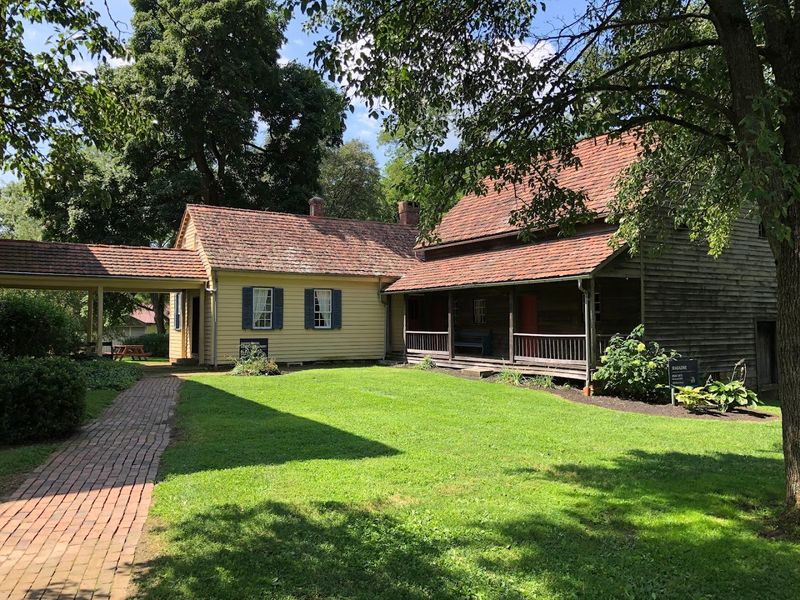
One of the most striking things about walking through Zoar is how much of the original built environment has actually survived. Many of the structures date to the early and mid-1800s, and several have been carefully restored while retaining their historic character.
The village contains one of the oldest surviving buildings in Ohio, a detail that puts the age of this place in sharp perspective. Standing next to a structure that has weathered more than two centuries of Ohio winters while remaining structurally sound is a quietly humbling experience.
Not every building in the village is part of the official historic site. Some are privately owned residences, and touring guides typically encourage visitors to walk through the broader village to appreciate the full scope of what remains.
The architectural variety, ranging from modest worker cottages to the more substantial Number One House, reflects the layered social structure of a community that preached equality while navigating the practical realities of leadership and labor.
Seasonal Events and the Christmas in Zoar Tradition
Historic Zoar Village comes alive in distinctive ways throughout the year, and the seasonal programming adds a layer of experience that a standard weekday visit simply cannot replicate. Christmas in Zoar is among the most anticipated events on the village calendar, drawing visitors from across the region.
The holiday event transforms the village into a scene that feels genuinely removed from the modern world. Period decorations, demonstrations, and the atmosphere of the historic buildings combine to create something that feels more like stepping into a 19th-century December than attending a typical holiday festival.
Reenactment events also draw participants from as far away as New York, Virginia, and Pennsylvania, reflecting the national interest in what Zoar represents historically.
Checking the official schedule before planning a visit is always worthwhile. Arriving during a special event adds considerable depth to the experience and often includes programming not available during standard operating hours throughout the regular season.
Planning Your Visit to Historic Zoar Village
Getting the most out of a trip to Zoar takes a little planning, and the effort pays off considerably. The village is open Wednesday through Saturday from 10 AM to 5 PM, and on Sundays from noon to 5 PM.
It is closed on Mondays and Tuesdays, so timing matters.
Guided tours are available and widely recommended. The depth of context a knowledgeable guide provides makes the buildings, objects, and stories far more meaningful than a self-guided walk alone.
Tour pricing has historically been very reasonable relative to what visitors receive in return.
Comfortable walking shoes are a practical necessity since the village tour covers outdoor terrain between buildings. The site is not particularly stroller-friendly on certain paths, though the staff has always been welcoming to families with young children.
The nearby Towpath Trail offers a pleasant extension for visitors who want to spend more time outdoors after exploring the historic buildings. Zoar rewards visitors who give it a full afternoon.
Share this story