There is a small village in Ohio where horse-drawn buggies share the road with cars, handmade quilts hang in storefront windows, and the smell of freshly baked bread drifts down the main street on a quiet Tuesday morning. It does not have a stoplight.
It does not have a chain restaurant on every corner. What it does have is something increasingly rare in modern America: a way of life that has stayed largely unchanged for generations, drawing hundreds of thousands of visitors every single year who want to see it for themselves.
This corner of Holmes County, Ohio, is one of the most visited rural communities in the entire state, and once you spend a few hours there, it becomes very clear why people keep coming back.
Welcome to Berlin, Ohio
Most people have never heard of Berlin, Ohio, and that is part of what makes arriving there feel like discovering something genuinely special. The village sits in Berlin Township, Holmes County, Ohio, at the center of one of the largest Amish settlements in the world.
With a population of just over 1,400 people at the 2020 census, Berlin is technically an unincorporated community and census-designated place. But its size on paper says almost nothing about its cultural weight.
Holmes County is home to a remarkable Amish population, and Berlin sits right at the heart of that community. The village draws visitors from across the country who want to experience Amish culture, local craftsmanship, and a slower, quieter pace of life.
What greets you when you arrive is not a theme park version of rural Ohio. It is the real thing, and the difference is immediately obvious.
The Amish Roots That Shape Everything
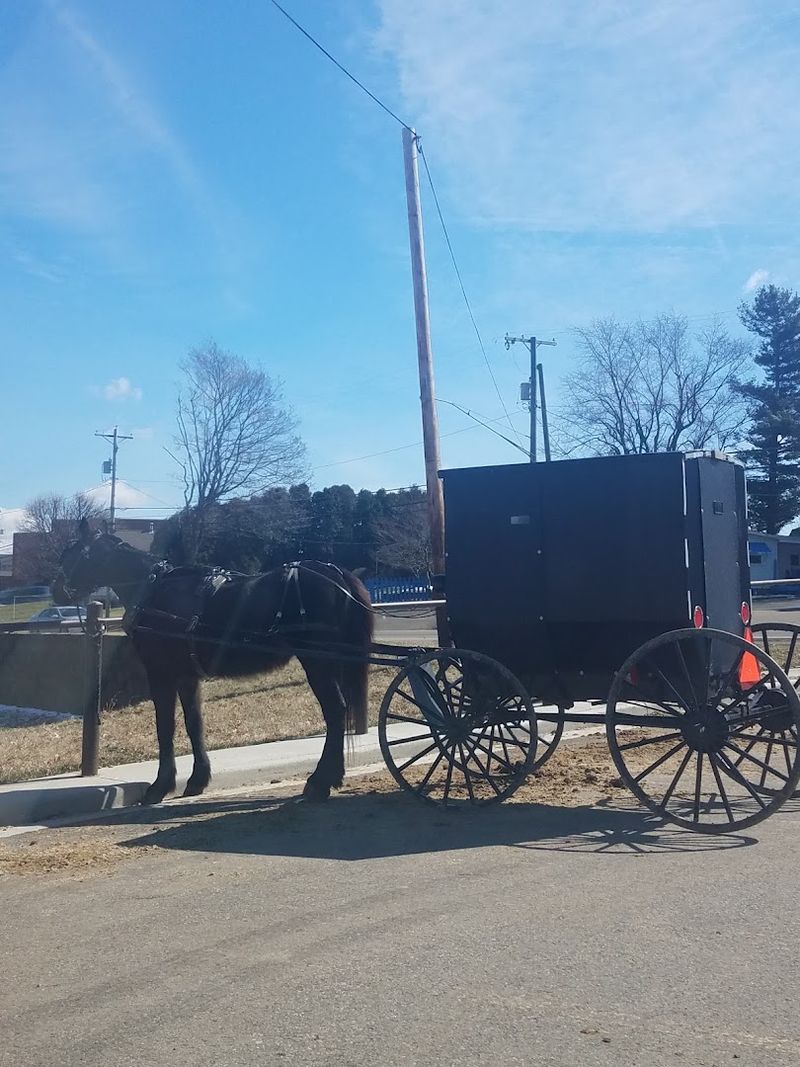
Holmes County, Ohio, is home to one of the largest Amish communities in the entire world. That fact alone changes the character of every road, every shop, and every meal you encounter in Berlin.
The Amish presence here is not decorative. Families have farmed this land for generations, maintaining traditions rooted in faith, simplicity, and community.
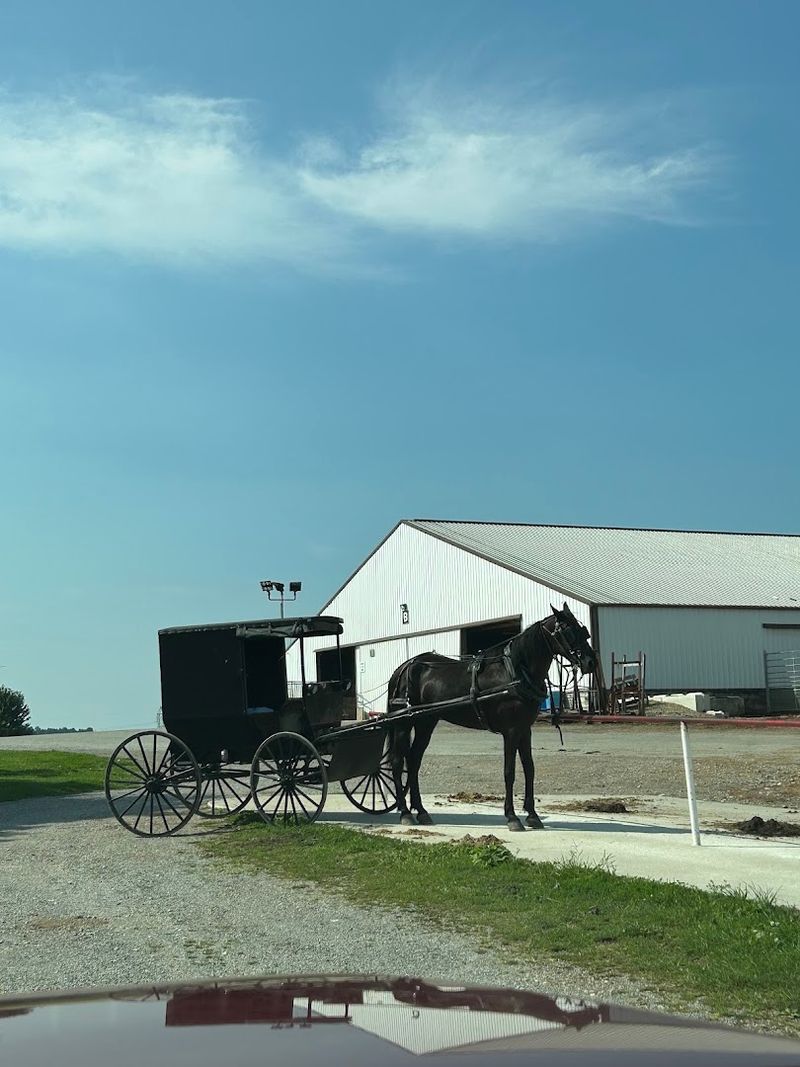
You will see working farms with no utility lines running to the house. You will pass buggies moving at a steady, unhurried pace along roads that also carry modern traffic.
What strikes you most is how naturally it all coexists. There is no tension between the old and the new here, at least not one that a visitor can easily sense.
The Amish community has shaped the culture, economy, and identity of Berlin in ways that go far deeper than what you see on the surface.
A Main Street Unlike Any Other
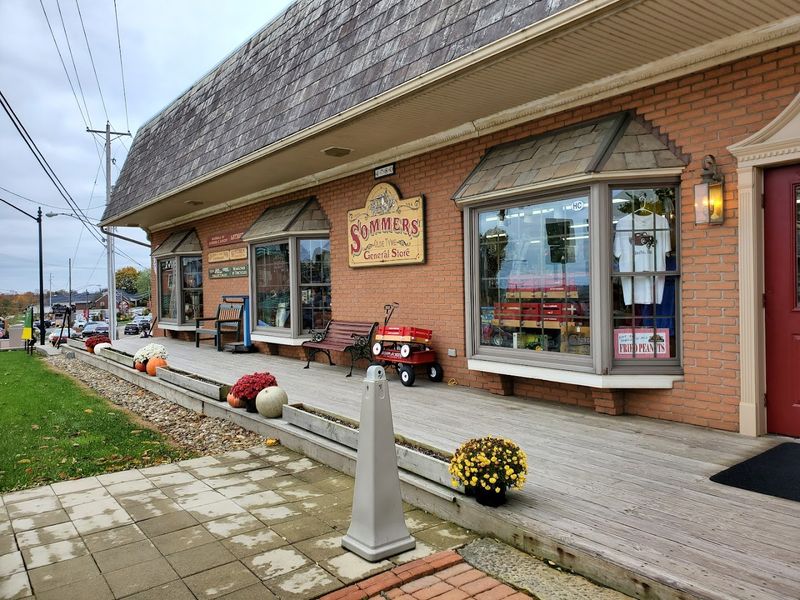
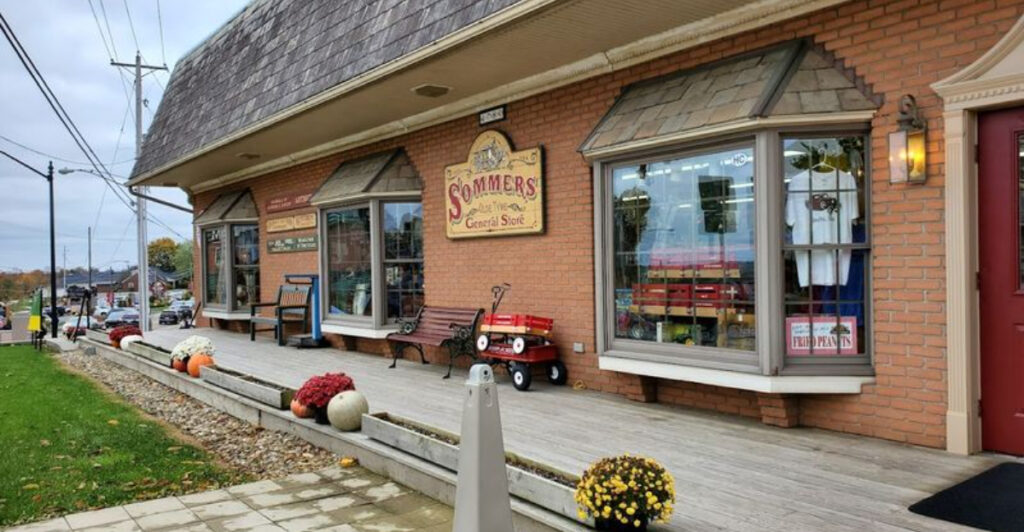
Berlin’s main street has a character that is hard to find anywhere else in Ohio. The storefronts are mostly small, independently owned, and packed with things that were actually made nearby.
Quilts. Wooden furniture.
Handcrafted candles. Jams and jellies in glass jars lined up on wooden shelves.
Walking through town feels unhurried in the best possible way. There are no neon signs competing for your attention.
Most shops have a front porch feel, and the staff inside are usually happy to tell you where something was made or who made it.
The mix of shops covers a wide range, from clothing and home goods to specialty foods and artwork. But the common thread running through nearly all of them is craftsmanship.
Things are made well here, and that shows in both the products and the prices. Plan to spend more time browsing than you expect.
Handmade Quilts That Tell a Story
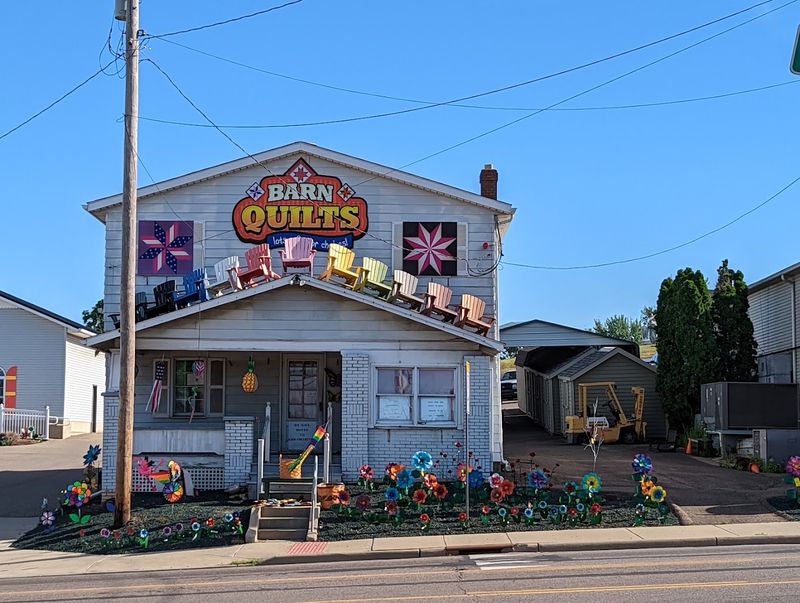
Few things in Berlin stop visitors in their tracks quite like the quilts. The Amish tradition of quiltmaking is alive and thriving here, and the work on display in Berlin’s shops reflects generations of skill passed down without shortcuts.
Each quilt is made by hand, and the patterns are often complex geometric designs that require a level of precision that feels almost impossible without modern tools. Yet the results are consistently stunning.
Colors are bold, stitching is tight, and the finished pieces have a weight and warmth to them that machine-made blankets simply cannot replicate.
Some shops carry quilts made by specific local families, and you can sometimes learn a little about the maker when you ask. Prices reflect the hours of labor involved, so these are genuine investments.
Many visitors buy one and consider it among the best purchases they have ever made while traveling.
Locally Made Food Worth Seeking Out
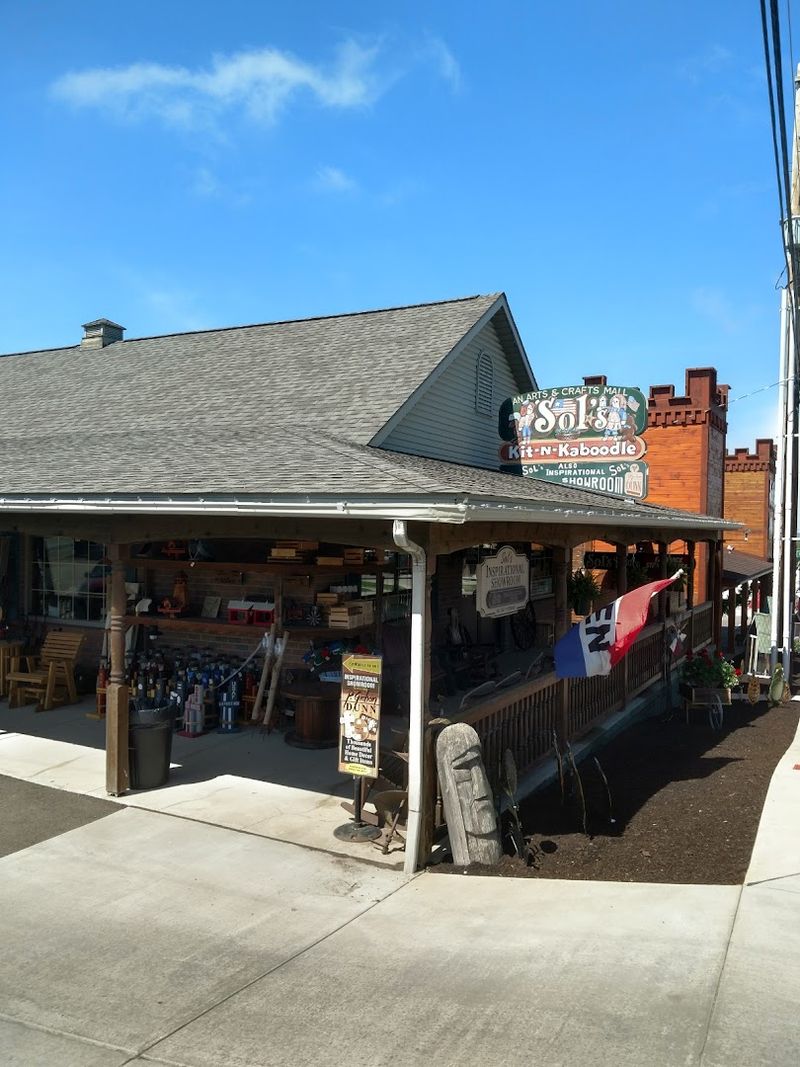
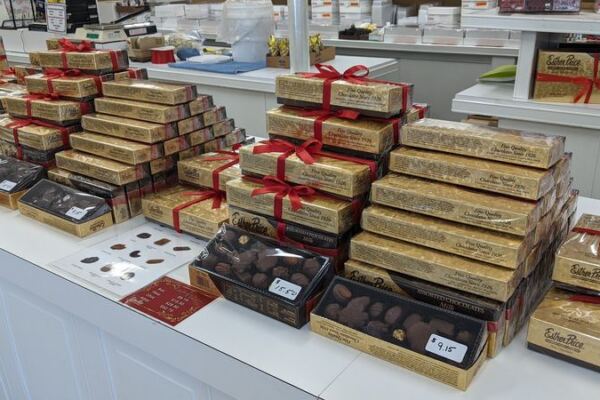
The food in Berlin leans heavily toward comfort and tradition. Bakeries in the area turn out pies, breads, and pastries made from recipes that have not changed in decades.
The crusts are thick, the fillings are generous, and nothing tastes like it came from a factory.
Local restaurants serve hearty, home-style meals that reflect the practical, nourishing food culture of the surrounding Amish community. Think roasted meats, fresh vegetables, homemade noodles, and desserts that make you seriously reconsider leaving room for them.
Farmers markets and roadside stands in and around Berlin offer fresh produce, honey, cheese, and other locally sourced items that are worth picking up before you head home. The food here is not trendy.
It is not trying to be. It is simply good, honest cooking made with care, and that is exactly what makes it memorable long after the drive home is over.
The Charm of Slow Travel in Holmes County
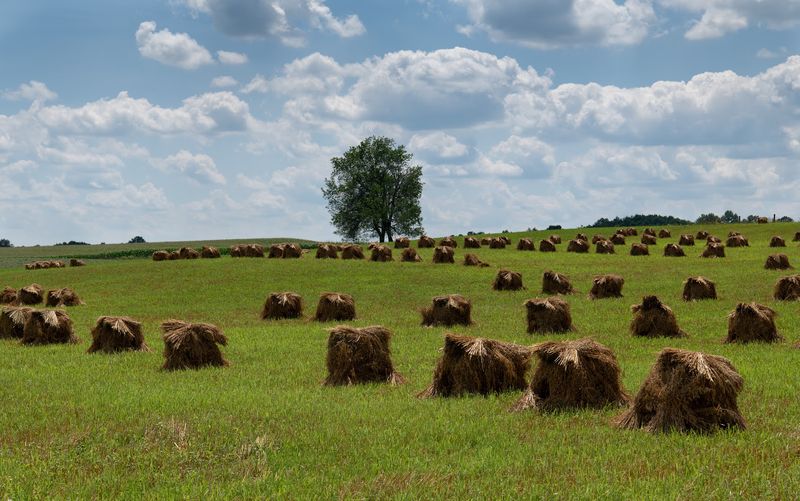
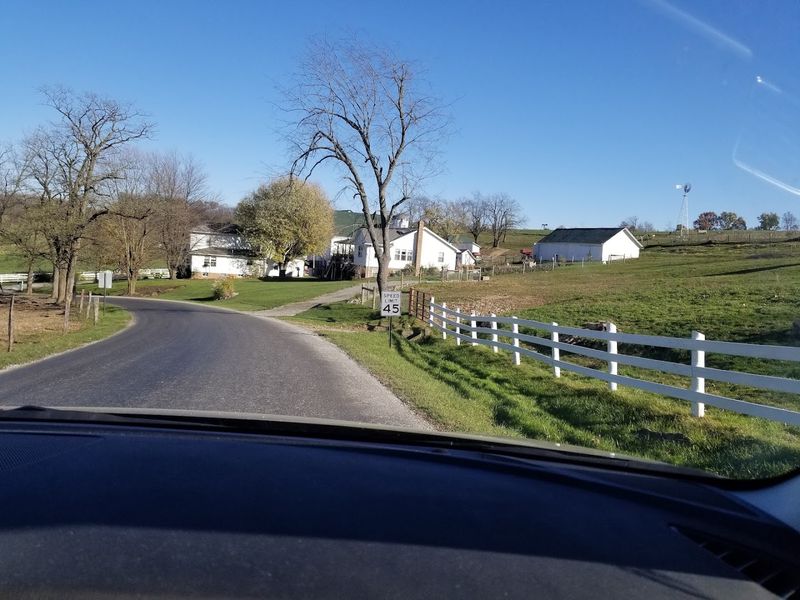
One of the most underrated parts of visiting Berlin is simply driving through Holmes County. The roads wind through rolling farmland, past white farmhouses and red barns, through small crossroads communities where a general store might be the only business for miles.
There is a rhythm to this landscape that slows you down naturally. You find yourself taking turns down gravel roads just to see where they lead.
You stop at a farm stand because the sign is handwritten and the strawberries look too good to pass up.
Holmes County rewards the kind of traveler who is willing to put the GPS away for an hour and just explore. The scenery is genuinely beautiful, especially in spring when the fields are green and the orchards are blooming.
Slow travel is not a concept here. It is simply the way things work, and it turns out that suits most visitors just fine.
Furniture Built to Last a Lifetime
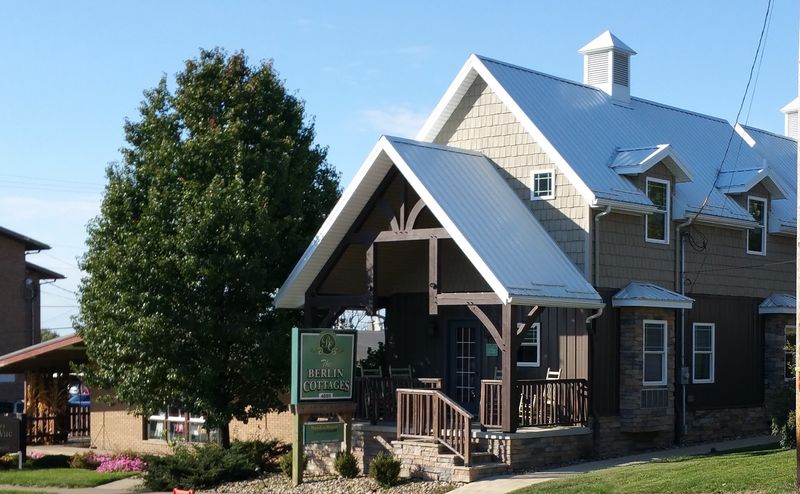
Berlin is known throughout Ohio and beyond for its handcrafted wooden furniture. The Amish woodworking tradition produces pieces built with joinery techniques and solid hardwoods that most modern furniture simply cannot match for durability or beauty.
Several shops in and around Berlin carry furniture made locally, ranging from dining tables and bedroom sets to rocking chairs and custom cabinetry. You can often watch craftsmen at work, which adds a layer of appreciation for what goes into each piece.
Buying furniture in Berlin is not an impulse purchase. These are items people plan trips around, sometimes driving hours specifically to select a piece they intend to keep for decades.
Many shops offer custom orders, so you can choose the wood type, finish, and dimensions to fit your home exactly. The wait time for a custom piece is worth it, and most buyers will tell you that without any hesitation.
The Broad Run Cheese House and Local Dairy Traditions
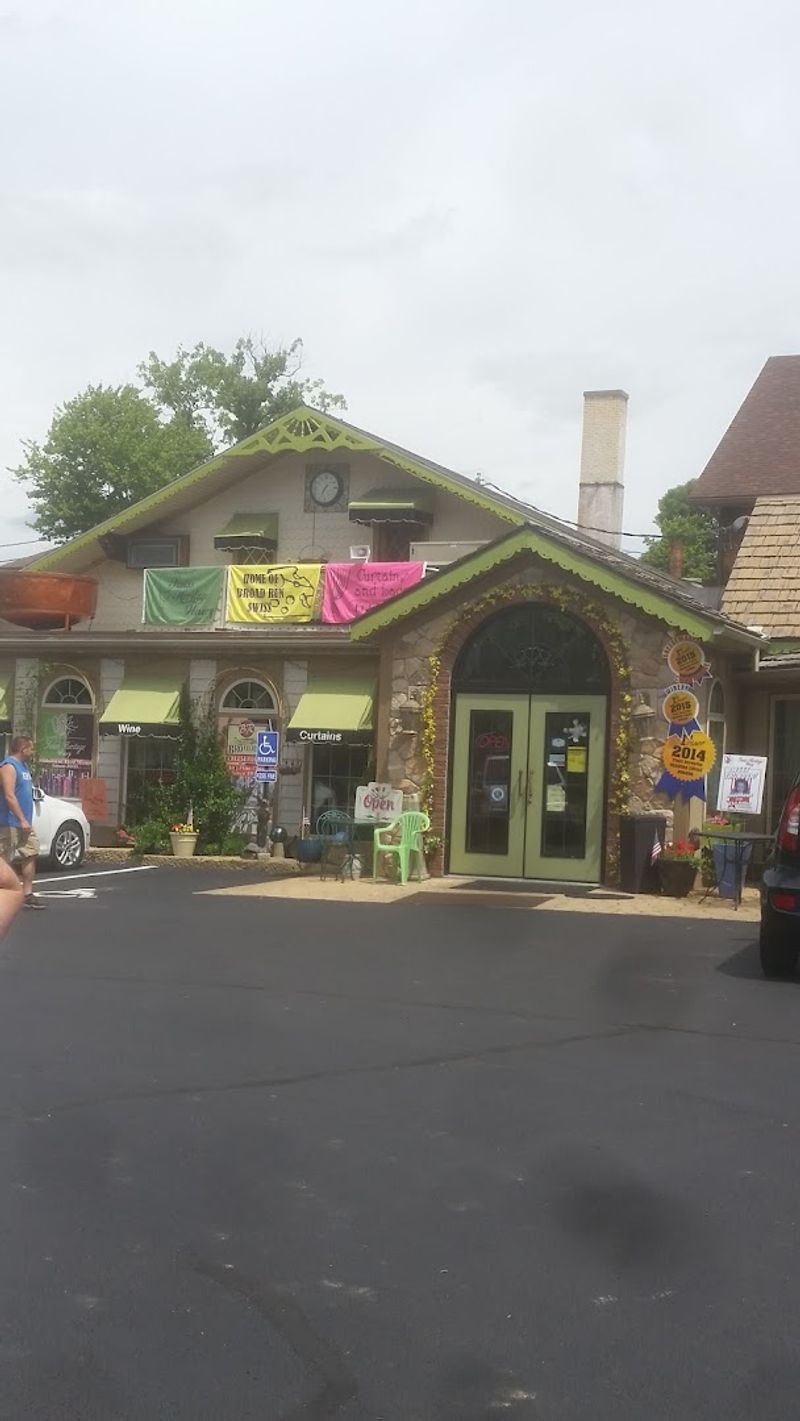
Holmes County has a strong dairy farming tradition, and that shows up clearly in the quality of locally made cheese available in and around Berlin. The Broad Run Cheesehouse, located nearby, has been producing cheese in the area for years and draws visitors who want to taste something made close to the source.
The variety available reflects the agricultural richness of the region. Swiss cheese is a local specialty, shaped by the heritage of the area’s early settlers.
But you will also find smoked varieties, sharp cheddars, and seasonal options that change throughout the year.
Picking up cheese in Berlin is one of those small travel pleasures that pays off long after the trip ends. A wedge of locally made Swiss wrapped in paper and tucked into a cooler for the drive home is the kind of souvenir that disappears quickly and leaves you wishing you had bought more.
Seasonal Reasons to Visit All Year Long
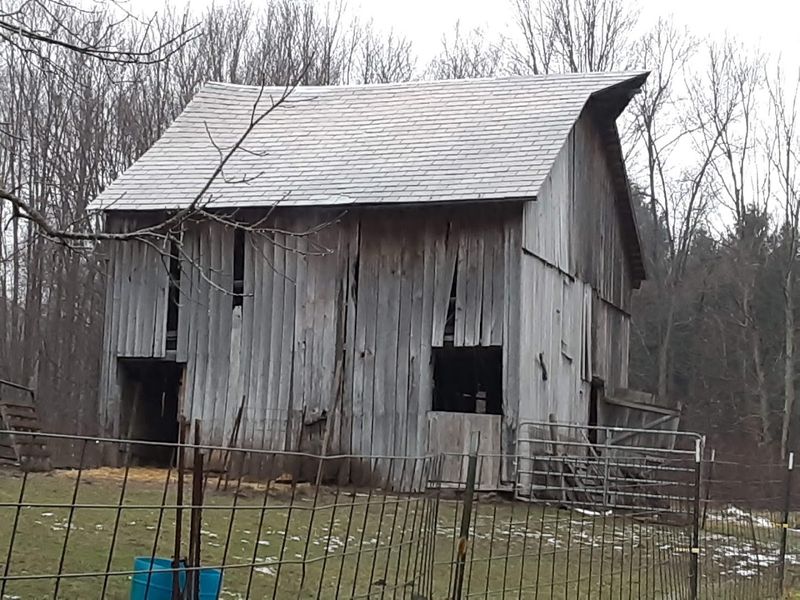
Berlin looks different in every season, and each one offers a distinct reason to make the drive. Spring brings blooming orchards and the return of farmers markets after the quieter winter months.
Summer fills the streets with visitors and the farm stands with the best produce of the year.
Fall is arguably the most spectacular time to visit. The hills around Holmes County turn vivid shades of red, orange, and gold, and the cooler temperatures make walking through town especially pleasant.
Harvest season also means apple cider, pumpkins, and seasonal baked goods that feel perfectly matched to the landscape.
Winter is quieter but has its own appeal. The crowds thin out, the pace slows even further, and the snow-covered farmland has a stillness to it that is genuinely beautiful.
For visitors who prefer a more peaceful experience, a winter trip to Berlin offers something the summer months simply cannot provide.
Shopping for Handcrafted Goods Beyond the Obvious
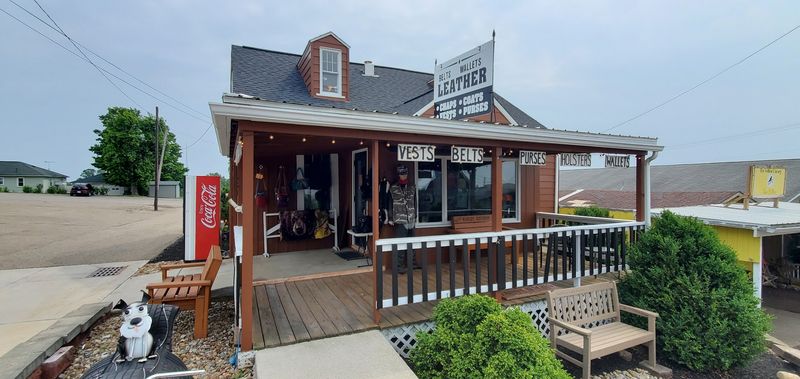
Beyond quilts and furniture, Berlin’s shops carry a surprising range of handcrafted goods that reflect the creativity and skill of the local community. Pottery, candles, woven baskets, leather goods, and hand-stitched clothing all appear in various shops throughout the village.
What makes shopping here different from most tourist towns is that the goods feel intentional. Nothing seems mass-produced or shipped in from a warehouse.
Even the smaller items, like a set of wooden spoons or a hand-dipped beeswax candle, carry a sense of care in their making.
Many visitors find themselves buying things they had no intention of purchasing simply because the craftsmanship is hard to walk away from. That is not a complaint.
It is one of the more pleasant surprises Berlin offers. The town has a way of making you appreciate objects made by hand in a way that lingers after you leave.
What Makes Berlin Different from Other Amish Country Towns
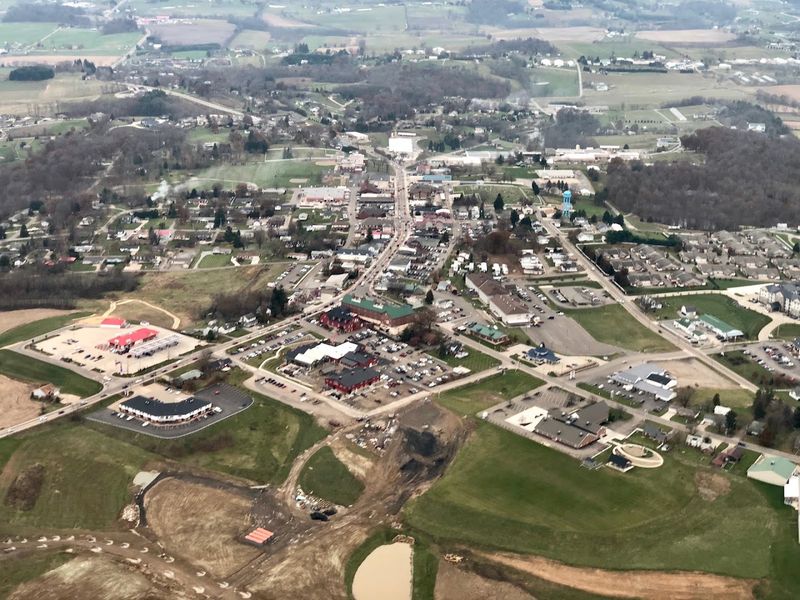
Ohio has several communities near Amish settlements, but Berlin stands apart for a specific reason. It sits directly within one of the most densely populated Amish communities in the world, not on its edges.
That proximity means the culture you encounter here is not curated for tourism. It is simply the everyday life of the people who live and work here.
You are not watching Amish life through a window. You are sharing the road, the shops, and the sidewalks with people for whom this way of living is completely ordinary.
That distinction matters more than it might seem at first.
Other towns offer Amish-themed experiences. Berlin offers something closer to actual contact with a living, working community.
Visitors who come expecting a performance often leave surprised by how authentic and unscripted the whole experience feels. That realness is what keeps people returning year after year.
Planning Your Visit to Berlin, Ohio
Getting to Berlin, Ohio, is straightforward from most parts of the state. The village sits in Holmes County, roughly between Columbus and Cleveland, making it a reasonable day trip from either city.
The roads leading into town pass through some of the most scenic farmland in the region, so the drive itself is part of the experience.
Weekends draw larger crowds, especially during summer and fall. If you prefer a quieter visit, a weekday trip gives you more room to browse shops and move through town at your own pace.
Many shops keep traditional business hours and may be closed on Sundays, so checking ahead before you go is a smart move.
Wear comfortable shoes, bring a cooler for perishables, and leave more time than you think you need. Berlin has a way of stretching a planned two-hour stop into a full day without anyone minding even slightly.
Share this story