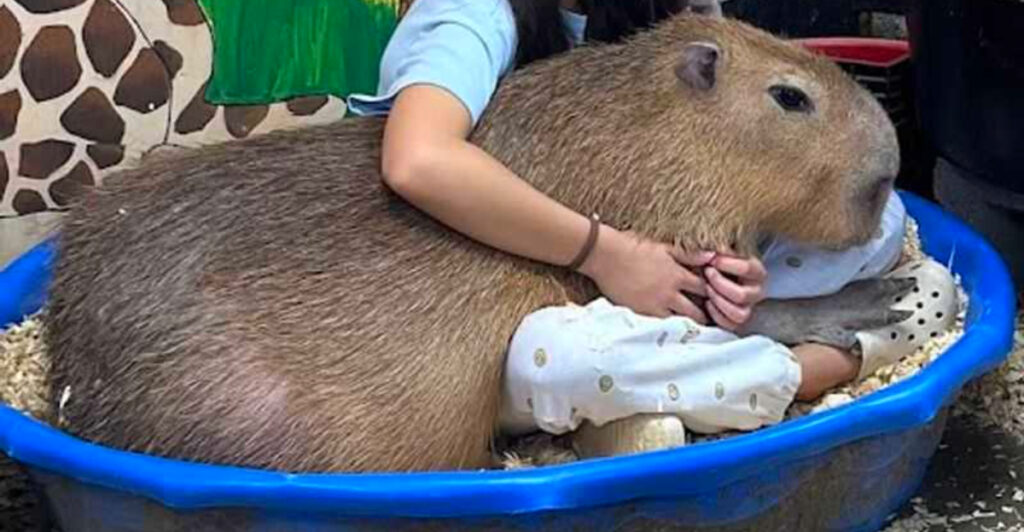
There is a small town in southern Oklahoma where you can walk up to a sloth, lock eyes with a ring-tailed lemur, and hand-feed a capybara named Katie, all before lunch. Most people drive right through Atoka without a second thought, but those who stop at this particular spot on West 13th Street tend to leave with muddy shoes, a camera roll full of animal selfies, and a serious urge to come back.
The place has earned a 4.8-star rating from nearly 200 visitors, which is not something that happens by accident. This article takes you inside one of the most surprisingly entertaining animal encounter spots in the entire region, covering everything from the animals you will meet to tips that will make your visit a whole lot smoother.
Where PAWsitively Wild Animal Encounters Is and What to Expect on Arrival
The address is 767 W 13th St, Atoka, OK 74525, and the drive in is refreshingly low-key. There is no massive parking structure or ticket booth with a long line snaking around the building.
What you get instead is a friendly, family-run setup that feels more like visiting someone who really loves animals than touring a commercial zoo.
Atoka sits in southern Oklahoma, about 90 miles southeast of Oklahoma City, and the town itself is worth knowing for being the hometown of country music legend Reba McEntire. PAWsitively Wild is open Tuesday through Saturday from 11 AM to 5 PM, and on Sundays from 1 PM to 5 PM.
The phone number is +1 509-750-9123, and you can check their website at pawsitivelywild.square.site for updates before your visit.
The layout is approachable, with clear walkways that make it easy to navigate between enclosures. One group of visitors noted that two members with serious visual impairments had no trouble getting around, which says a lot about how well the space is organized.
First-timers often describe the arrival experience as casual and welcoming, with staff ready to orient you before you start exploring.
The Star Animals: Sloths and Lemurs That Steal the Show
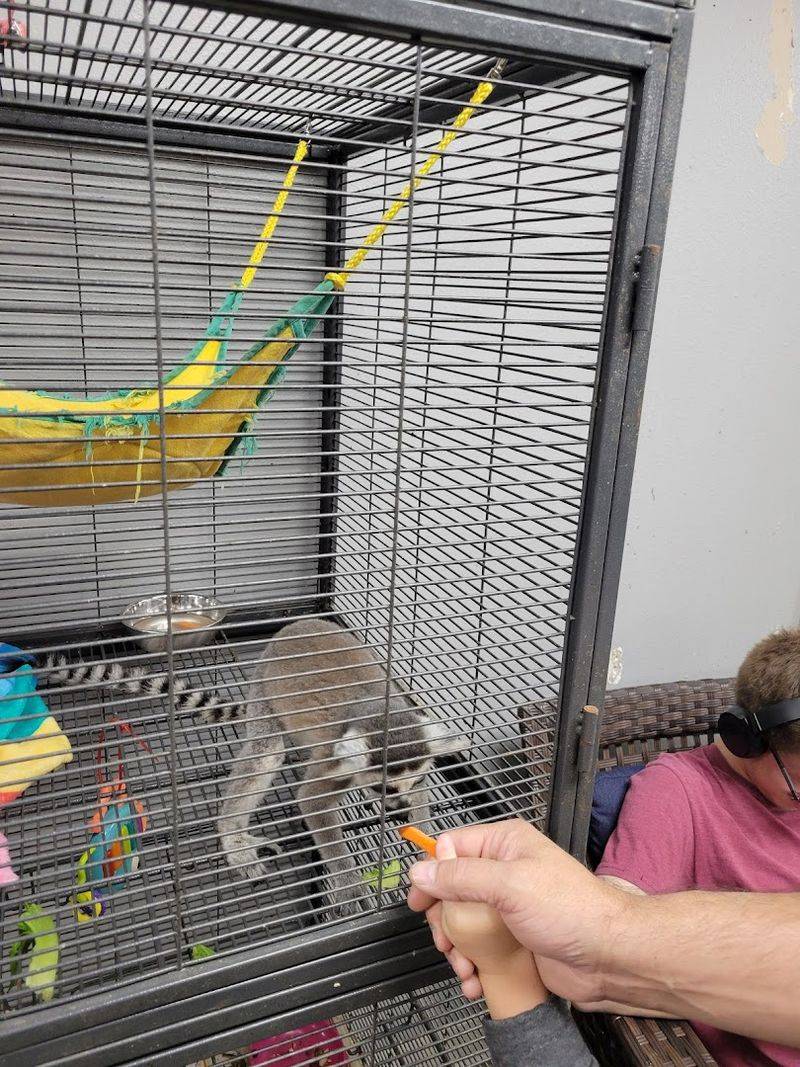
Sloths are not animals most people expect to encounter outside of a nature documentary, and yet here they are in Atoka, Oklahoma, moving at their famously unhurried pace while visitors try to process the fact that they are actually this close to one. The slow-motion charm of a sloth in person is genuinely hard to put into words.
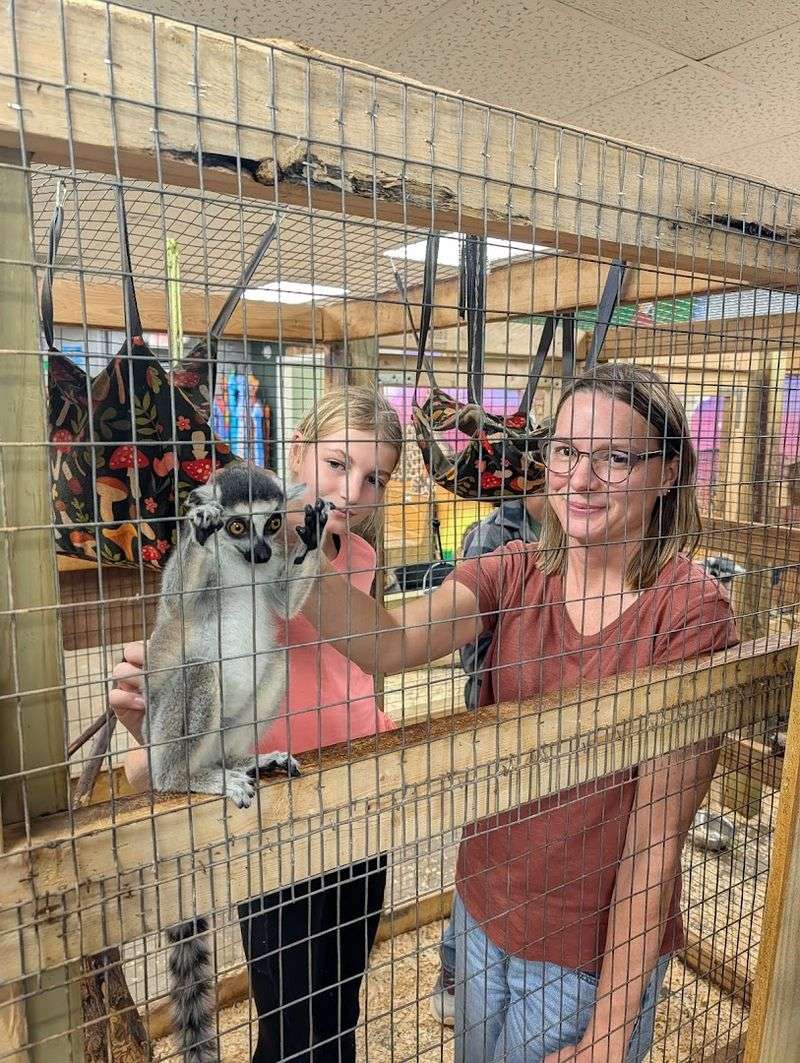
Ring-tailed lemurs add a completely different kind of energy to the mix. Where sloths are meditative and still, lemurs are bright-eyed and curious, often watching you just as intently as you are watching them.
Their striped tails and wide amber eyes make them look like they belong in a storybook, and getting up close to one is a moment most visitors remember long after the trip.
One thing worth knowing is that some of the more popular encounters, including the lemur interaction, can fill up early on busy days. An experienced visitor noted that arriving by 3 PM can mean missing out if the morning crowd was large.
Getting there closer to opening time gives you the best shot at the full experience without any disappointment waiting at the end of the walkthrough.
The Capybara Named Katie and Other Unforgettable Residents
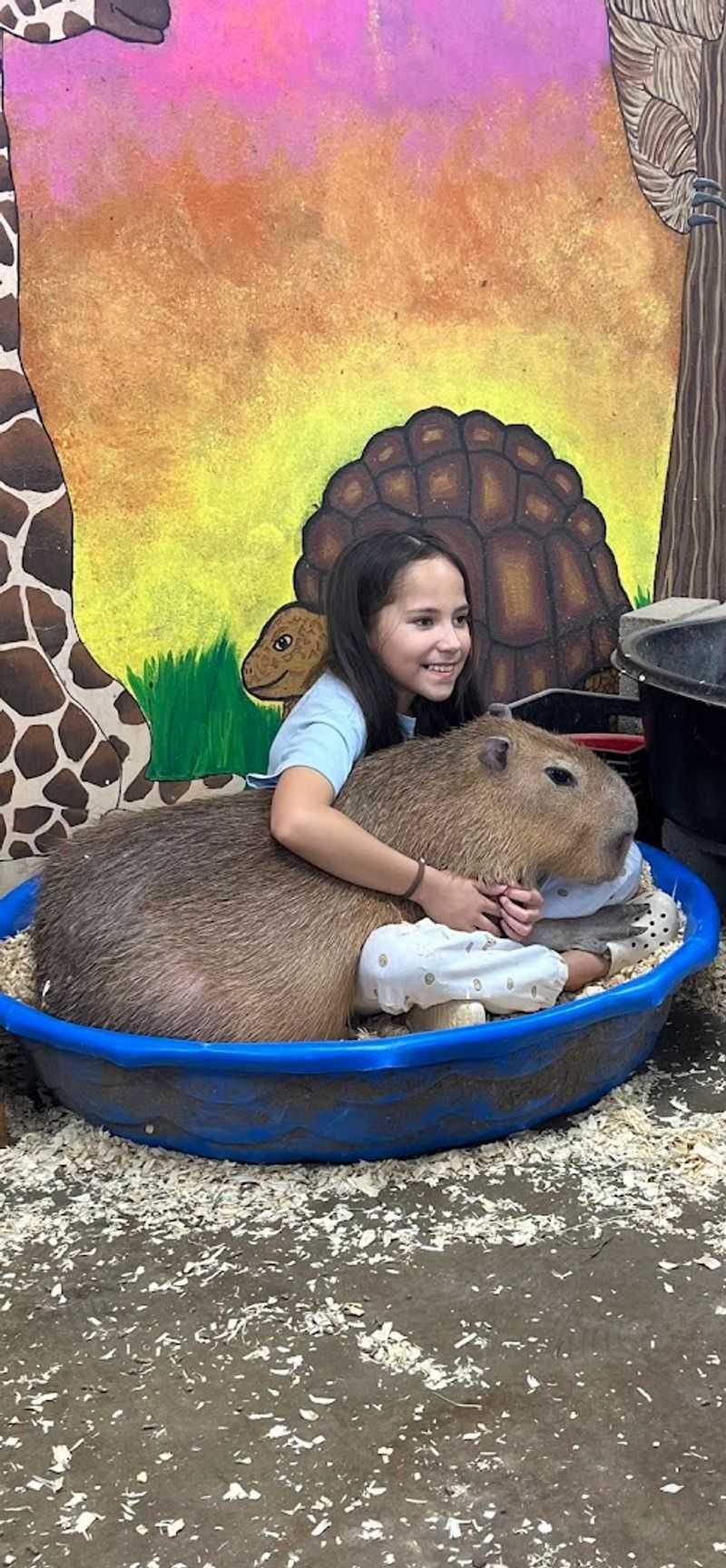
Katie the capybara has her own fan base. Multiple visitors have mentioned her by name in reviews, which is not something that happens for every animal at every attraction.
Capybaras are the world’s largest rodents, and they carry themselves with a calm, almost philosophical dignity that makes them oddly compelling to spend time with.
The roster of animals at PAWsitively Wild goes well beyond the headliners. Fennec foxes, with their oversized ears and tiny frames, are among the most photogenic residents.
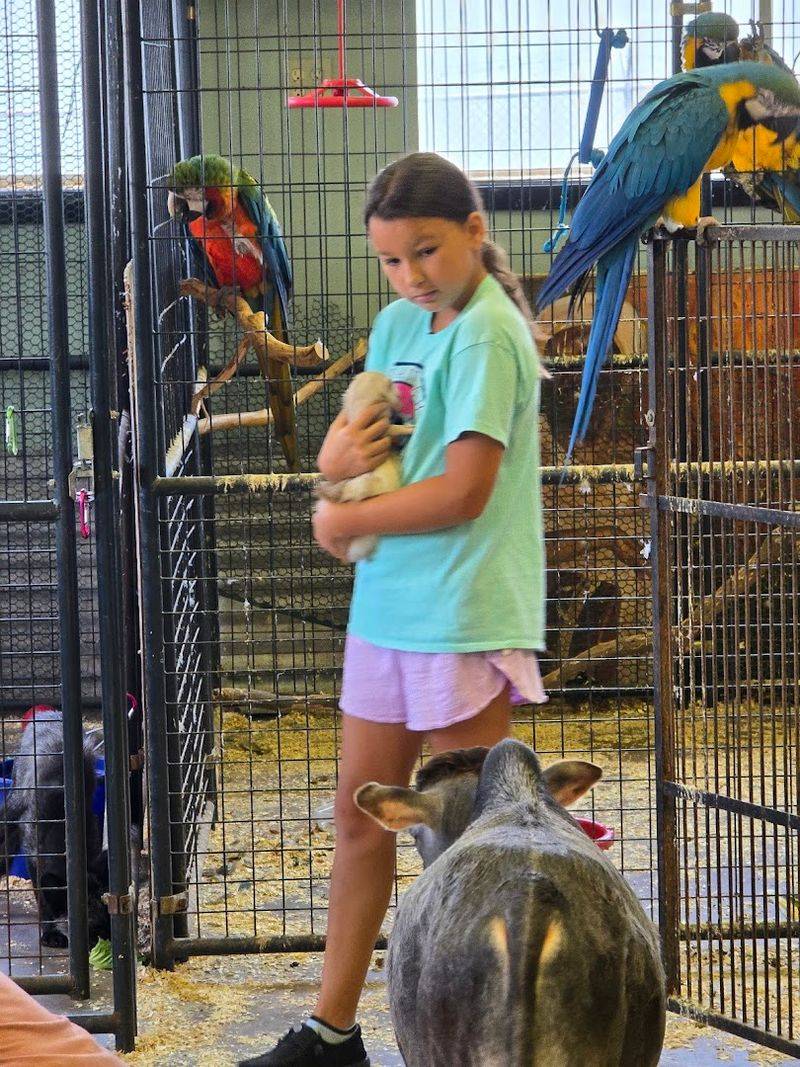
Baby kangaroos, or joeys, have been spotted being carried in pouches by staff members, and visitors have had the chance to get very close to them. Bobcat kittens, ferrets, raccoons, tortoises, baby goats, donkeys, and a variety of birds round out a collection that feels genuinely diverse.
Animal food is available for purchase on-site, with a cup of pellets running about one dollar and carrots or lettuce available for three dollars. Feeding the animals directly is one of the highlights of the visit, and the capybara in particular seems to appreciate the attention with a level of enthusiasm that matches her fan mail reputation perfectly.
The Hands-On Experience That Sets This Place Apart
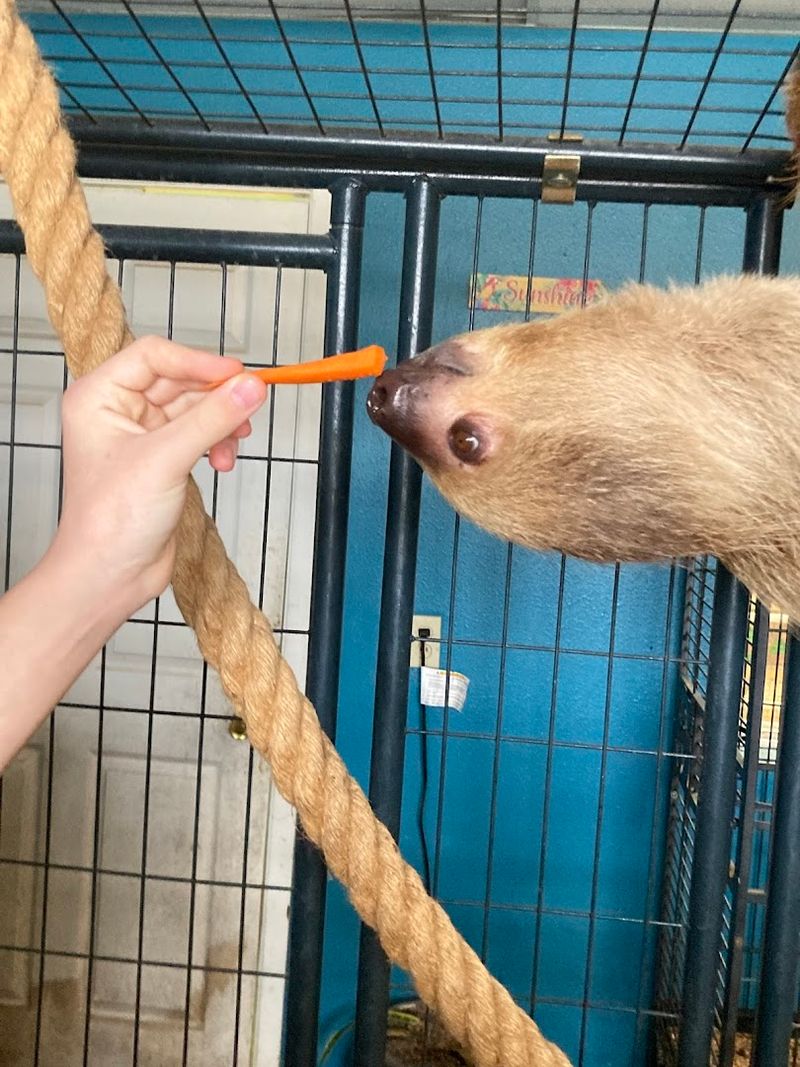
Most zoos keep a respectful distance between visitors and animals. PAWsitively Wild operates on a different philosophy entirely.
Here, holding a fennec fox is a real possibility, not a VIP upgrade you have to pay extra for. The level of direct animal interaction available is genuinely unusual, and it is the main reason people drive from as far as California and Texas to visit a small town in Oklahoma.
Visitors have described holding fennec foxes, feeding the capybara, petting baby kangaroos, and getting up close to a baby bobcat. The accessibility of these encounters is what separates this place from a typical petting zoo.
Staff members are actively involved, walking visitors through the space and making introductions where needed.
That said, the hands-on nature of the experience does come with a few things to keep in mind. Some animals are marked as off-limits for petting, and it is worth paying attention to any posted signs or staff guidance.
Young children should be supervised closely, since the animals are real, lively, and occasionally unpredictable in the way that living creatures tend to be. The spontaneity is part of the charm, but a watchful eye keeps everyone comfortable.
The Staff and the Family-Run Spirit Behind the Operation
There is a particular kind of warmth that comes with family-run attractions, and PAWsitively Wild has it in full supply. The owner is described across multiple visits as knowledgeable, approachable, and genuinely passionate about the animals in his care.
That passion tends to be contagious, and it shapes the entire atmosphere of the place.
Staff members, many of them young and enthusiastic, are present throughout the visit and willing to share stories about the animals. The owner in particular has been noted for giving guests interesting background on individual animals, from how they came to be at the facility to quirks of their personalities.
One long-time visitor reportedly came back every Thursday just for the experience, which is the kind of loyalty that speaks for itself.
The family-run nature of the operation also means the experience can feel a little different depending on the day and the crowd. Busier days might mean fewer staff per visitor, so patience and self-guided curiosity are helpful traits to bring along.
The genuine care that the team has for their animals comes through clearly, and that sense of real investment in the well-being of each resident is something visitors consistently notice and appreciate.
Rescue Animals and the Stories They Carry
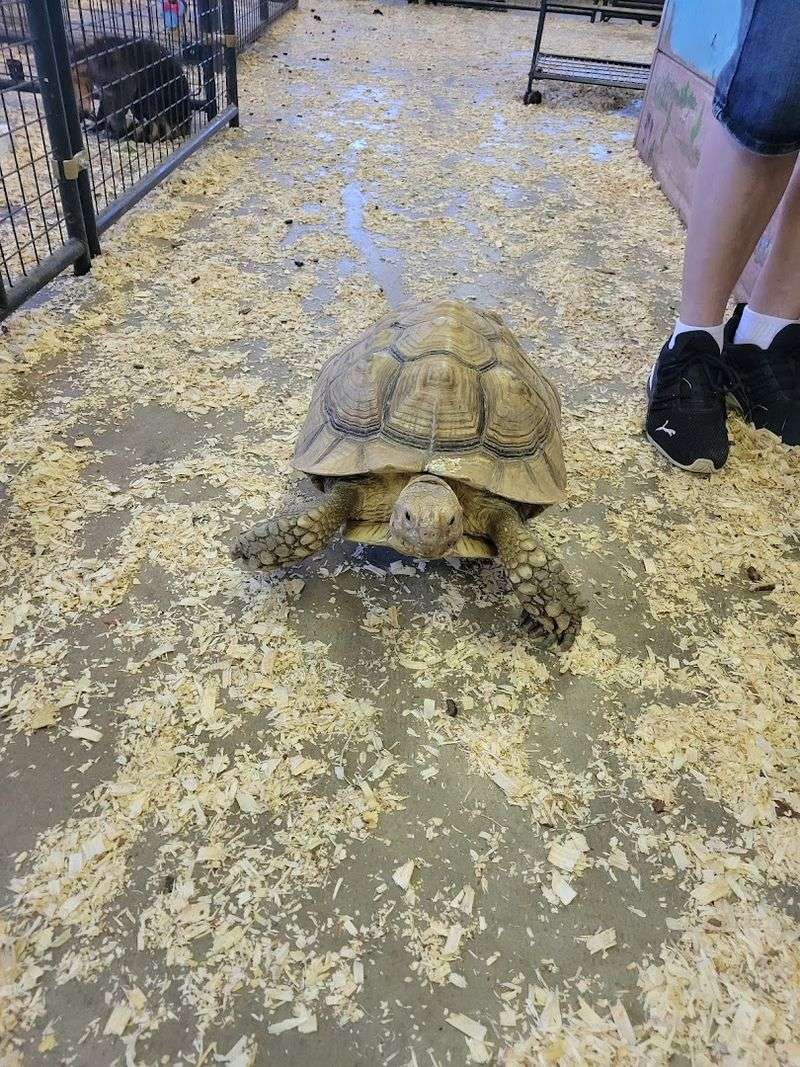
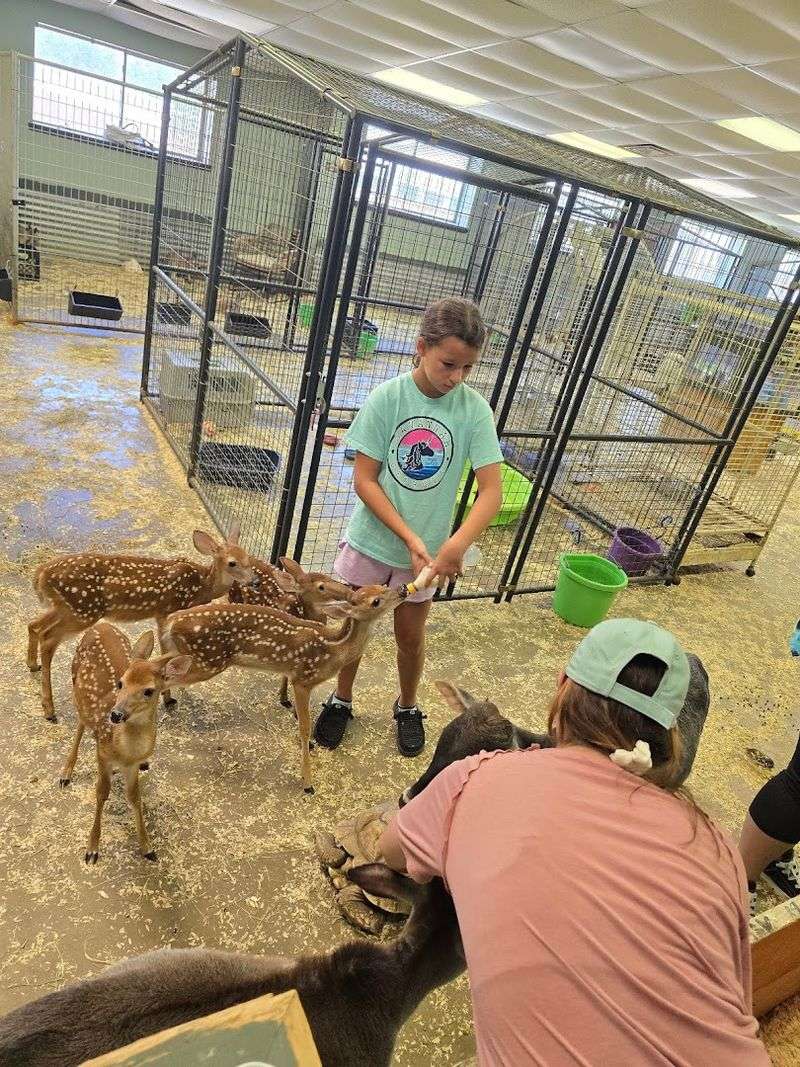
A meaningful portion of the animals at PAWsitively Wild are rescues, and that fact adds a layer of substance to what might otherwise be a purely recreational visit. Knowing that the tortoise slowly crossing its enclosure or the fawns in the back corner came from circumstances that required intervention makes the encounter feel more purposeful.
The facility appears to take in animals that need care and rehabilitation, from bottle-fed fawns to various exotic species that ended up needing a home. This is not an uncommon model for smaller animal attractions, and it gives the place a mission beyond entertainment.
The animals seem settled and comfortable in their environment, and the staff clearly knows each one individually.
Visitors who ask questions about specific animals tend to get genuine, detailed answers. The owner and staff are willing to explain the backstory of individual residents when asked, and those conversations can turn a quick stop into a much richer experience.
If you have kids who are curious about where animals come from or what happens to rescued wildlife, this is a place where those questions get real answers rather than vague reassurances. The rescue angle gives the whole visit a quietly meaningful undercurrent.
Accessibility and Who This Place Works Best For
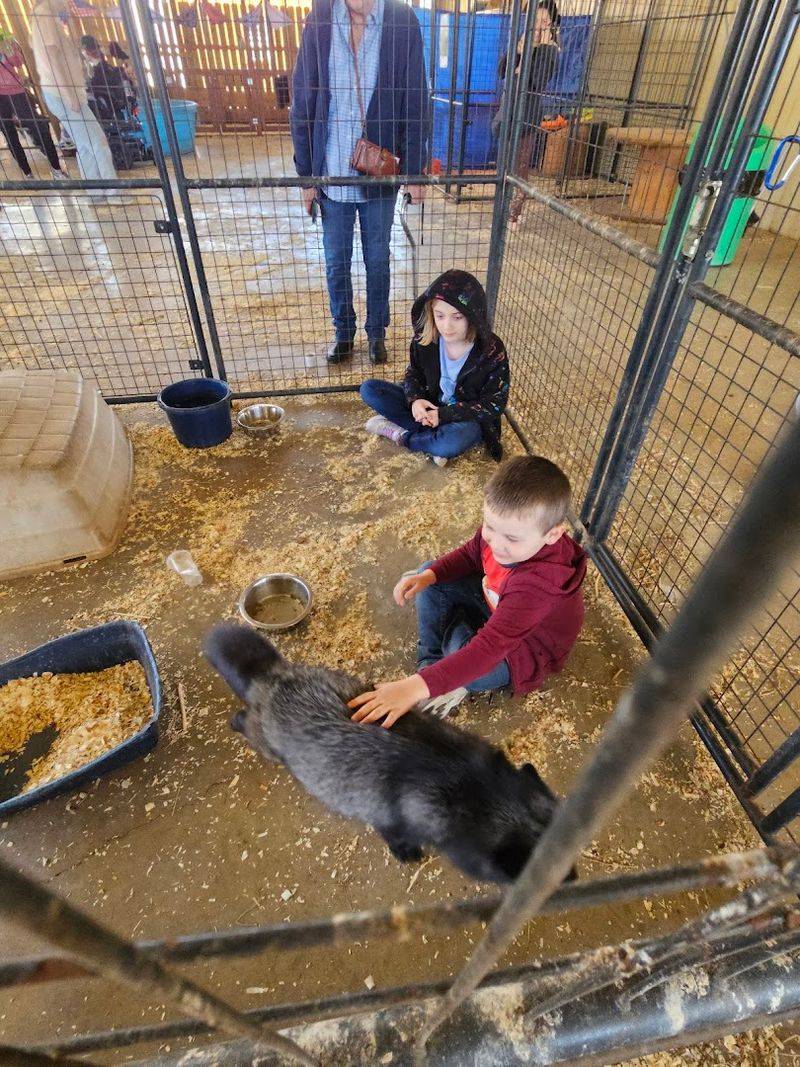
One of the more surprising details that emerged from visitor accounts is how well PAWsitively Wild works for people with physical limitations. The walkways between enclosures are clear and well-maintained, and at least two visitors with significant visual impairments were able to navigate the entire space without difficulty.
The tactile nature of the experience, where hearing and touch are just as central as sight, makes it unusually inclusive.
The attraction works well for a wide range of ages and group types. Families with young children are the most common visitors, but solo travelers, couples, and groups of adults have all found it worthwhile.
A pair of visitors from Austin, Texas, described it as the best animal encounter spot they had ever visited, and they were already planning a return trip before they had even left the parking area.
Season ticket options are available for locals, which is a detail worth knowing if you live within driving distance of Atoka. The pricing overall is described as very affordable, making it an accessible outing for families watching a budget.
The combination of low cost, high interaction, and genuine variety of animals makes PAWsitively Wild a strong option for anyone passing through southern Oklahoma looking for something genuinely memorable.
The Barn Area and Outdoor Spaces
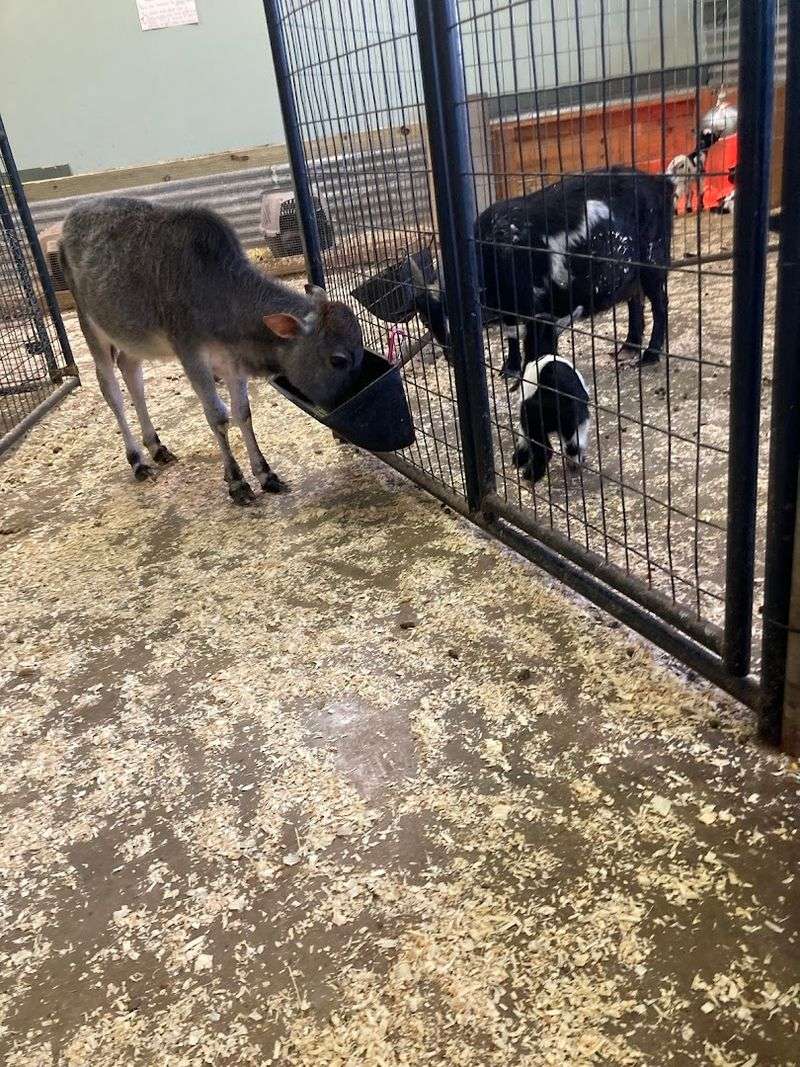
Beyond the main indoor enclosure area, PAWsitively Wild extends into a barn space that houses a different category of residents. Farm animals make up a larger part of this section, giving the overall visit a nice contrast between the exotic and the familiar.
Going from a fennec fox to a donkey in the span of five minutes is a uniquely Oklahoma kind of afternoon.
The barn area tends to have a slightly different atmosphere, a bit more open and pastoral, which can be a welcome change of pace after the more concentrated indoor section. Animals here are generally calmer and easier for younger visitors to approach, making it a good spot to bring nervous kids who might be overwhelmed by the more exotic residents inside.
Free-roaming calves have been spotted in this area, and the general vibe is relaxed and unhurried. The outdoor and barn sections also give the visit a natural sense of progression, moving from the wow-factor exotic animals toward a more grounded, farm-style finish.
It is the kind of layout that keeps the energy varied throughout the visit rather than front-loading all the excitement and leaving visitors feeling like the second half was an afterthought.
Tips for Making the Most of Your Visit
Arriving early is the single most useful piece of advice for a visit to PAWsitively Wild. Popular encounters like the lemur interaction can become unavailable later in the day if morning crowds have already used up the available time with those animals.
Getting there close to the 11 AM opening on weekdays gives you the best chance at the full lineup.
Wearing clothes you do not mind getting a little dirty is a practical call. Animals are animals, and close contact means the occasional slobber, fur, or muddy paw print is part of the deal.
Closed-toe shoes are a better choice than sandals, especially in the barn area where the ground can be uneven or damp.
Bringing small children requires a bit more active supervision than at a traditional zoo. The open, interactive format is what makes the place special, but it also means kids need to stay close and follow staff guidance about which animals to approach and how.
The experience is safe and rewarding when visitors engage thoughtfully, and the staff is genuinely helpful when you have questions. A little preparation goes a long way toward making the visit run smoothly from start to finish.
Why PAWsitively Wild Keeps Drawing Visitors Back to Atoka
Repeat visitors are one of the clearest signs that a place is doing something right. PAWsitively Wild has them in abundance, from locals who pick up season tickets to out-of-state travelers who plan return road trips specifically to come back.
That kind of loyalty does not come from a slick marketing campaign; it comes from a genuinely good experience.
The combination of affordable pricing, rare animal access, and a staff that clearly loves what they do creates something that is hard to replicate. You can find bigger zoos with more polished facilities, but finding a place where you can hold a fennec fox, feed a capybara, and stand next to a sloth in the same afternoon is a much shorter list.
Atoka, Oklahoma, is not a destination most people have on their travel radar, but PAWsitively Wild is quietly changing that one visitor at a time. The attraction has drawn people from across the state, from neighboring states, and even from the West Coast, all converging on a small building on West 13th Street for something they could not find closer to home.
That, more than any single animal encounter, is what makes this place worth the detour.
Share this story