 Unearth The Voyage
There is a lake in northeastern Oklahoma that stretches so far you could spend an entire week on it and still not see every cove, inlet, or quiet stretch of shoreline. Grand Lake O’ the Cherokees runs 66 miles through the rolling Ozark hills, and its 1,300 miles of shoreline make it one of the most expansive recreational lakes in the entire region.
Anglers love it for the trophy catfish and paddlefish, families return every summer for the tubing and swimming, and first-time visitors almost always leave already planning their next trip. Whether you are chasing a big catch or just a beautiful sunset over the water, this lake has a way of getting under your skin.
Where the Lake Begins: Location and Overview
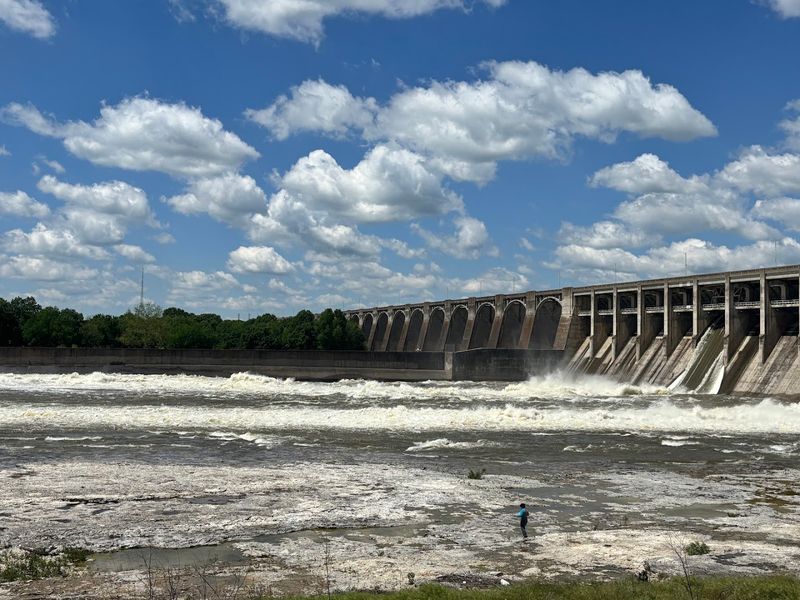
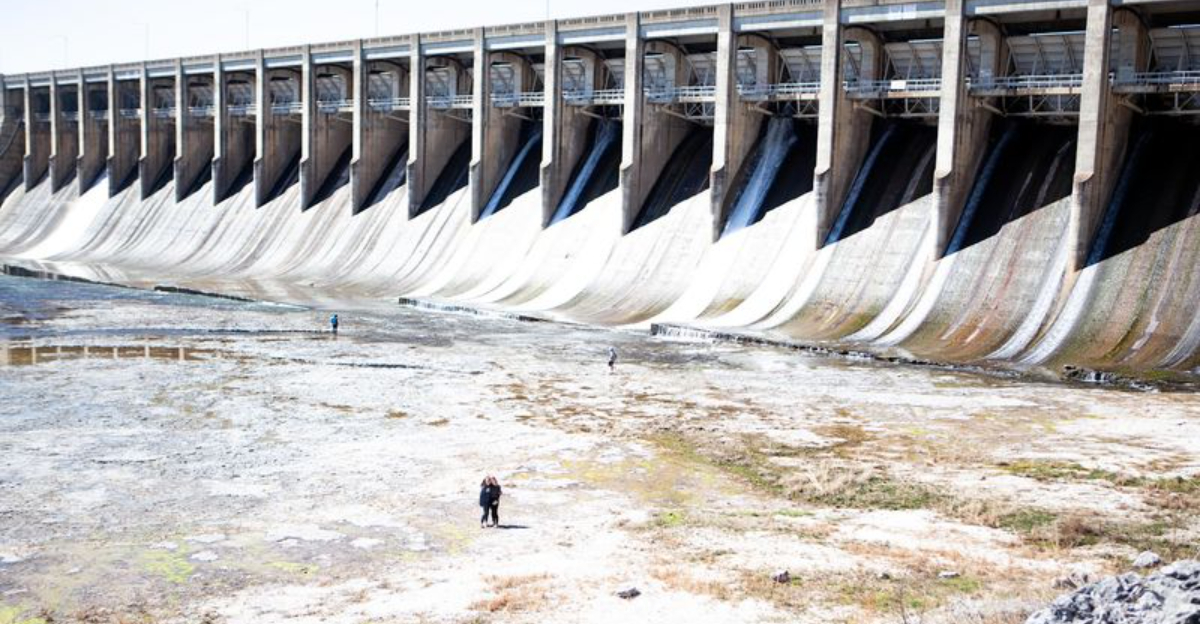
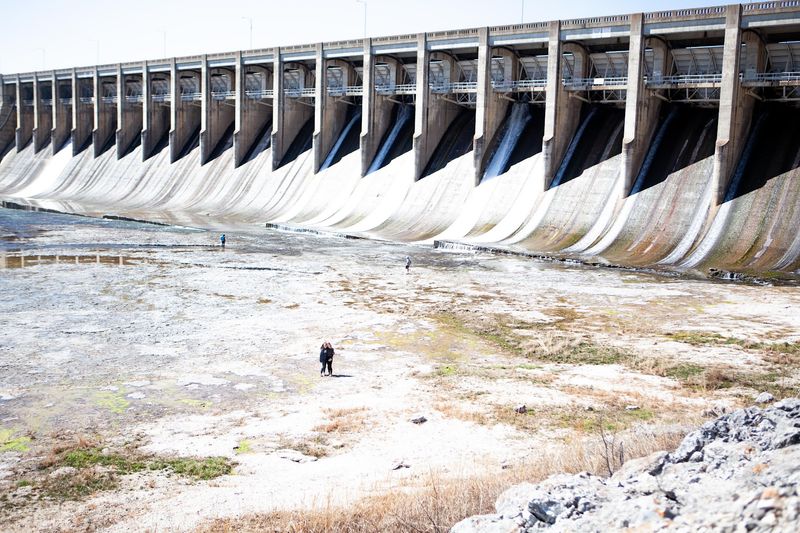
Grand Lake O’ the Cherokees sits in the northeastern corner of Oklahoma, created by the Pensacola Dam on the Grand (Neosho) River. The dam, completed in 1940, is considered the longest multiple-arch dam in the world, stretching over 6,500 feet across the river valley.
The lake covers approximately 46,500 acres of surface water and winds 66 miles through the Ozark foothills, giving it a long, narrow, and wonderfully irregular shape. That shape is part of what makes it so special, because no two stretches of shoreline look quite the same.
The surrounding towns of Grove, Disney, Afton, and Langley all sit close to the water and serve as practical bases for visitors. Grove, in particular, functions as the main hub, offering lodging, restaurants, and boat rentals within easy reach of several public access points.
The coordinates place the heart of the lake at roughly 36.60 degrees north, 94.90 degrees west, deep in Oklahoma’s Green Country region. First-time visitors often underestimate how big the lake really is until they are out on the water and realize the far shore is barely visible.
A History Rooted in the Grand River
Long before the lake existed, the Grand River carved its way through the Ozark plateau, sustaining communities and wildlife for centuries. The Cherokee Nation, for whom the lake is named, had deep cultural and historical ties to this river valley long before Oklahoma achieved statehood in 1907.
The Pensacola Dam project began in 1938 and was completed in 1940, a remarkable feat of engineering for its era. The Grand River Dam Authority, still the governing body today, was created specifically to manage hydroelectric power generation and water resources for the region.
When the dam closed and the waters rose, the Grand River valley transformed into one of the largest man-made lakes in the United States at the time of its creation. Communities adapted, the shoreline filled with docks and cabins, and a new chapter for northeastern Oklahoma began.
That history gives the lake a layered identity, part natural wonder, part human achievement, and part living cultural landmark. Understanding that backstory makes a visit feel richer, like you are not just floating on water but on decades of ambition and hard work.
The Fishing Is Something Else Entirely
Ask anyone who has spent time on this lake what keeps them coming back, and the answer is almost always the fishing. Grand Lake O’ the Cherokees has earned a serious reputation among anglers across the region, and that reputation is completely justified.
The lake holds healthy populations of largemouth bass, white bass, crappie, catfish, and the legendary paddlefish, a prehistoric-looking species that can exceed 60 pounds. Paddlefish snagging season draws dedicated fishermen from multiple states, and guided tours with services like BZ Guide Service make the experience accessible even for newcomers.
Bass fishing tournaments are held on the lake throughout the year, drawing competitive anglers who appreciate the deep water, open channels, and hidden coves that give fish excellent habitat. The east side near the Zena area is particularly known for quieter, more secluded fishing spots.
Catfish pulls from this lake routinely reach impressive sizes, with some anglers reporting catches that take two people to lift. The variety of species, the size of the fish, and the sheer amount of water to explore make every trip feel like a new adventure on the line.
Watersports That Fill Up the Whole Day
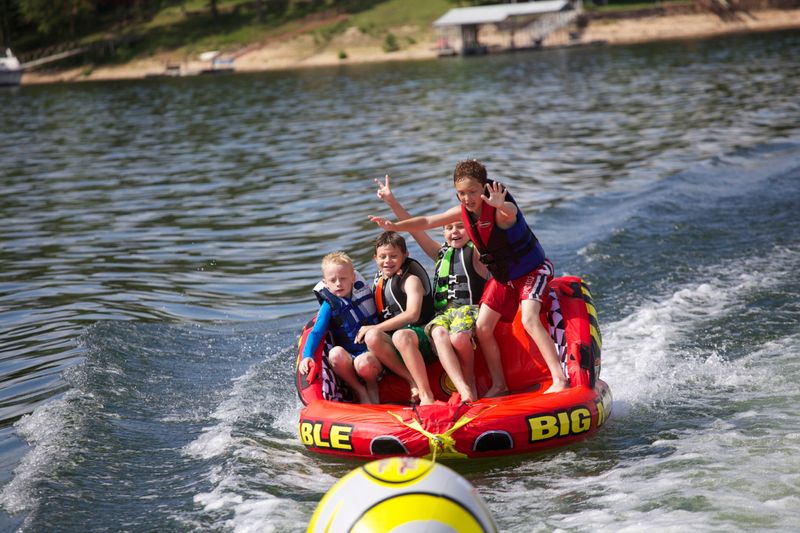
The 66-mile length of Grand Lake O’ the Cherokees is not just a fun fact to drop at dinner parties. It means there is genuinely enough room on the water for every kind of watercraft and every kind of water enthusiast to coexist without feeling crowded.
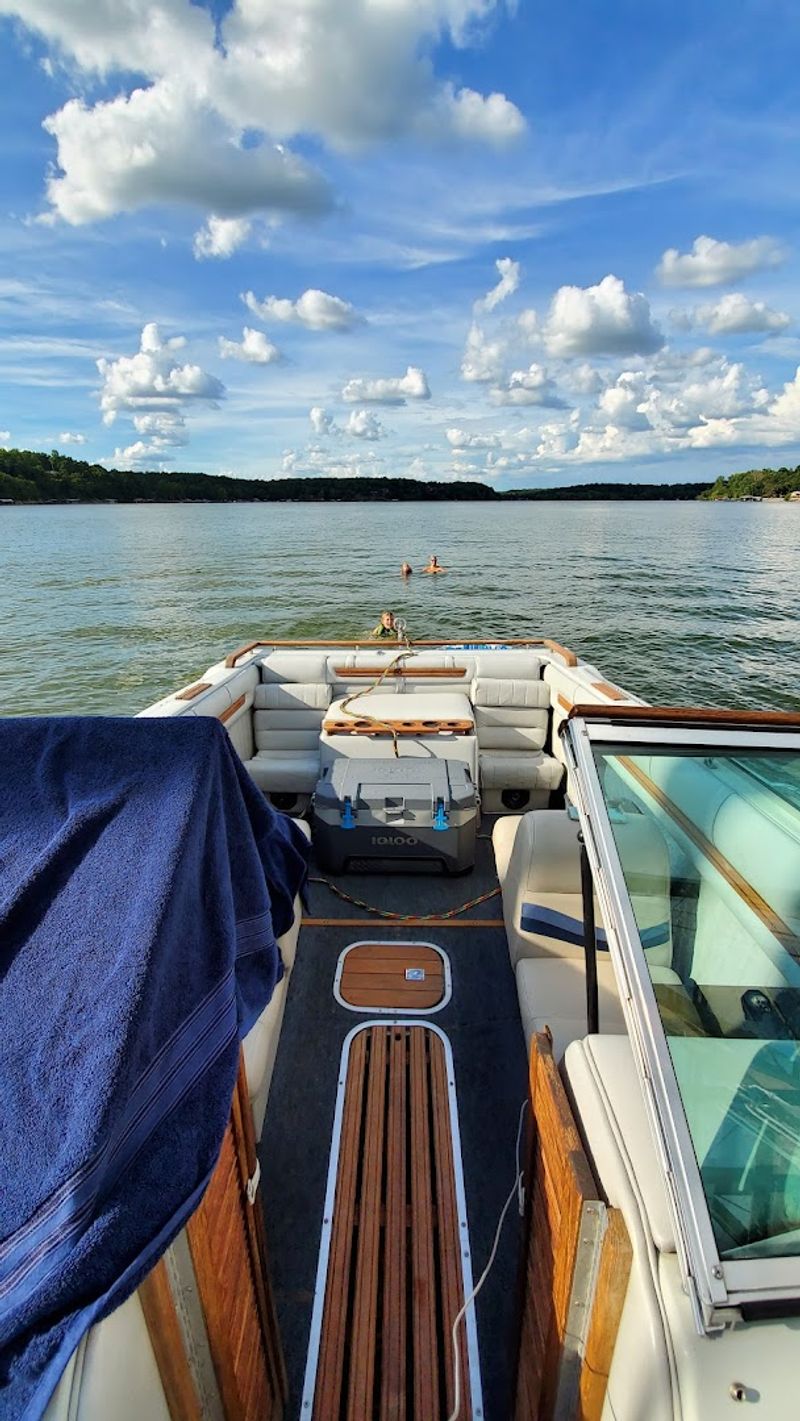
Tritoon boats are a popular rental choice for families because they combine the stability of a pontoon with extra speed and performance, making them ideal for tubing and skiing. Pontoons work just as well for a slower, more relaxed cruise along the shoreline, especially in the coves where the water calms down.
Parasailing is available on the lake, giving thrill-seekers a bird’s-eye view of the Ozark hills and the shimmering water below. Swimming from anchored boats is a beloved summertime tradition, and the open coves provide natural swimming spots with enough depth to feel refreshing without being intimidating.
Kayaking and paddleboarding have also grown in popularity, particularly in the quieter northern sections of the lake. Regardless of how you choose to get on the water, the sheer scale of Grand Lake means you will never run out of new territory to explore before the sun goes down.
The Shoreline That Never Runs Straight
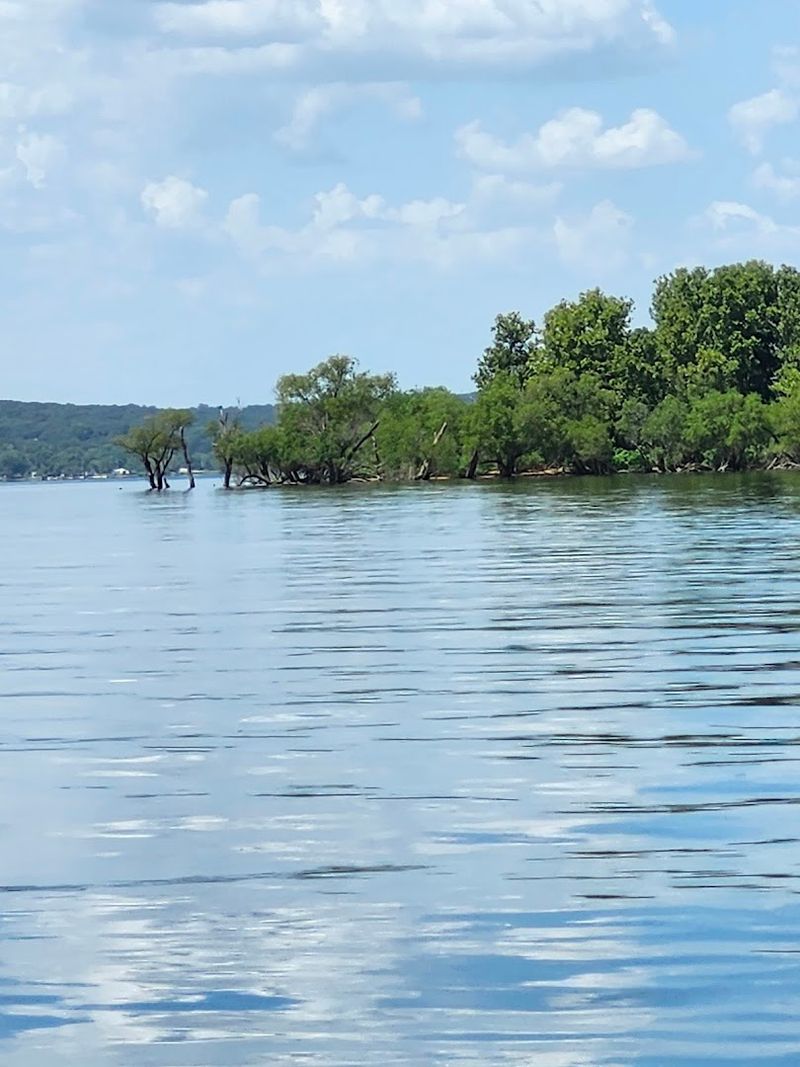
One of the most visually striking things about Grand Lake O’ the Cherokees is how the shoreline refuses to behave in any predictable way. With 1,300 miles of shoreline packed around a 66-mile-long lake, the math alone tells you that the edges of this lake twist and turn constantly.
Coves tuck in between rocky outcroppings and forested hillsides. Peninsulas jut out unexpectedly, creating sheltered pockets of calm water that feel like private swimming holes.
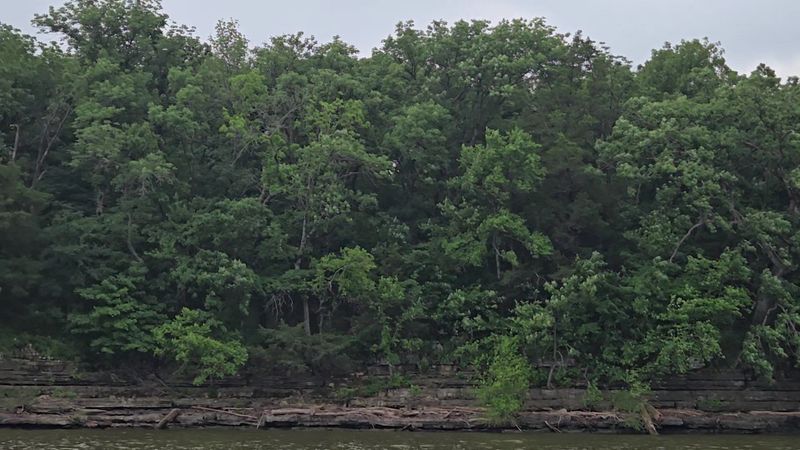
The Ozark hills rise above the waterline and give the whole scene a green, layered depth that photographs simply cannot capture fully.
Some stretches of shoreline are lined with elaborate lakefront homes and private docks, giving the lake a refined, resort-like atmosphere in certain areas. Other sections feel completely untouched, with native trees growing right to the water’s edge and no sign of development in sight.
That contrast keeps the scenery interesting no matter how many miles you cover on the water. One minute you are admiring a stunning lakefront property with a multi-level dock, and the next you are drifting past a quiet cove that looks like it has not changed in decades.
Sunsets Worth Planning Your Evening Around
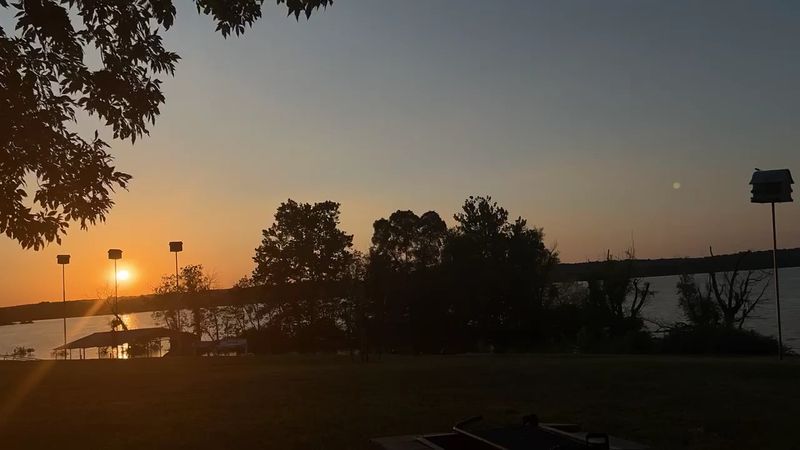
There is a specific kind of quiet that settles over Grand Lake O’ the Cherokees in the last hour before dark. The boat traffic thins out, the water flattens, and the sky starts doing things that make you reach for your phone even if you are not normally a photo person.
Sunsets here are genuinely spectacular, and that is not an overstatement. The Ozark hills create a layered horizon that catches the fading light in shades of orange, pink, and deep purple, and the lake surface mirrors it all back in a way that doubles the visual impact.
Families who have been coming to the lake for generations often talk about watching sunsets from the water as one of their most treasured memories. There is something about being anchored in a quiet cove, watching the light change, that slows everything down in the best possible way.
The southeastern section near the Pensacola Dam offers particularly open views of the western sky, making it a favorite spot for sunset watchers. Arriving by boat about 45 minutes before dusk and simply letting the evening unfold is one of the simplest and most rewarding things you can do at this lake.
Dining and Local Flavor Around the Lake
Food around Grand Lake O’ the Cherokees is part of the experience, not just a practical necessity between activities. The lake’s surrounding towns and marinas have developed a dining culture that caters to hungry boaters, families on vacation, and locals who know exactly where to go.
Several restaurants are boat-accessible, meaning you can pull up to a dock, tie off, and walk straight in for a meal without ever touching dry land. Pizza is a recurring favorite at lakeside spots, with crispy crusts and generous toppings that taste even better after a long day on the water.
Grove serves as the largest nearby town and has the widest selection of dining options, from casual diners to waterfront spots with full menus. The marina areas also tend to have small shops and vendors selling snacks, gear, and locally made souvenirs.
Cowboy Cove is one local spot that has earned a loyal following for its Grand Lake souvenirs and solid pizza, giving it a dual identity as both a gift shop and a place to grab a meal. The combination of convenience, local flavor, and lakeside atmosphere makes eating around Grand Lake a genuinely enjoyable part of any visit.
Camping Along the Water’s Edge
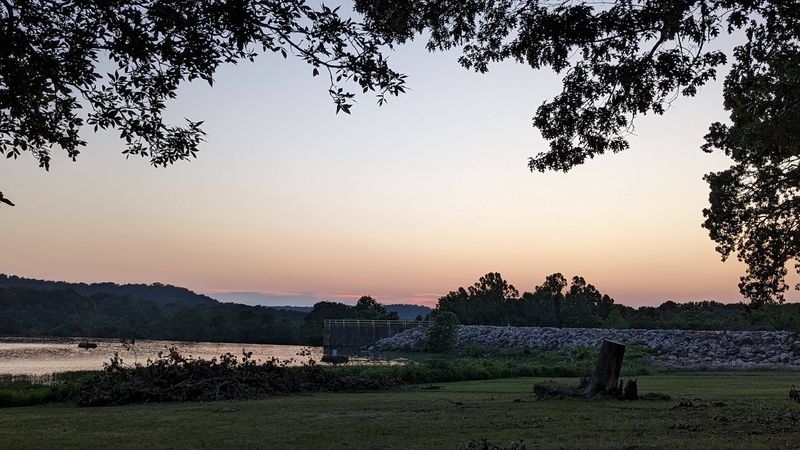
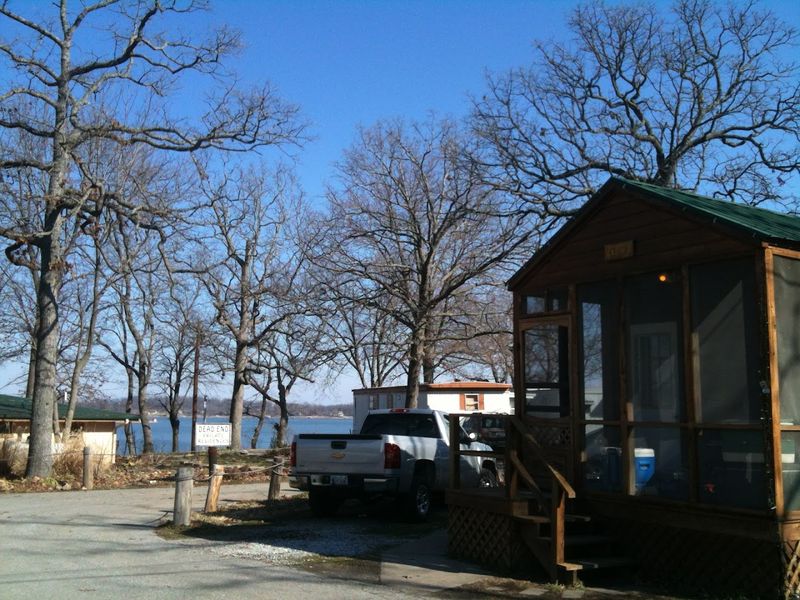
Camping at Grand Lake O’ the Cherokees is one of those experiences that rewards people who like their nature with a side of flexibility. The lake and its surrounding area offer a range of camping options, from developed campgrounds with full hookups to quieter, more rustic spots near the dam that require a capable off-road vehicle to reach.
Off-season camping near the Pensacola Dam area tends to be particularly peaceful, with fewer visitors and a stillness that makes the lake feel like it belongs entirely to you. The sunsets and early morning mist over the water during those quieter months are worth the extra effort to get there.
Several state parks and public recreation areas around the lake provide designated camping spots with basic amenities, making it easy to set up for a multi-day stay. Waking up to the sound of water and birdsong, with a fishing rod already rigged and waiting, is the kind of morning that reminds you why camping exists.
Campfire evenings at the lake have a long tradition among families who return year after year, gathering around the fire after a full day on the water and letting the night settle in slowly around them.
Wildlife and Natural Beauty Beyond the Water
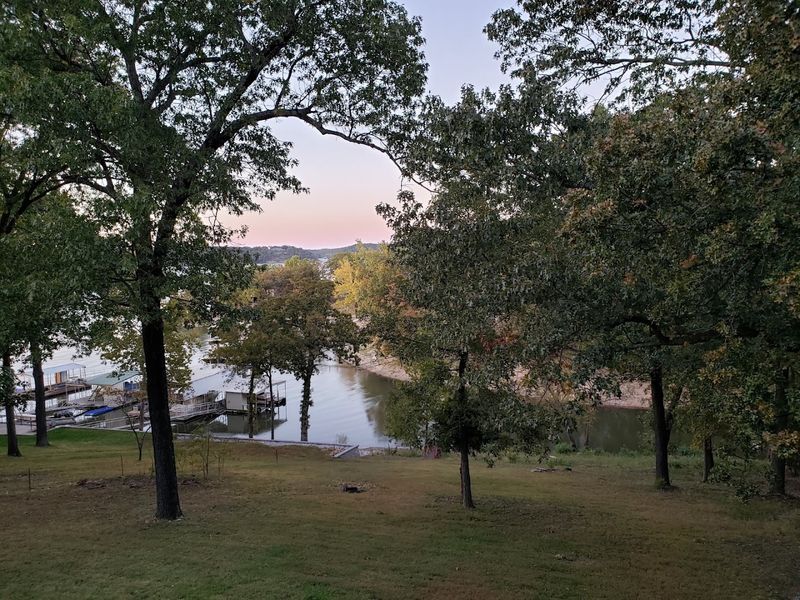
The lake itself gets most of the attention, but the natural landscape surrounding Grand Lake O’ the Cherokees deserves equal recognition. The Ozark foothills create a backdrop of rolling, tree-covered ridges that shift color with the seasons, from the lush green of summer to the warm reds and oranges of fall.
Wildlife is abundant throughout the area. Great blue herons patrol the shallower coves, ospreys circle overhead looking for fish, and white-tailed deer are a common sight in the wooded sections near the shoreline, especially in the early morning and at dusk.
The lake’s varied habitat, which includes deep open water, shallow coves, rocky banks, and forested shores, supports a wide range of species beyond just the fish that anglers target. Turtles sun themselves on logs, bald eagles have been spotted in the area during winter months, and the tree canopy along the eastern shores provides excellent birding opportunities.
Fall is an especially rewarding time to visit from a purely visual standpoint. The foliage along the Ozark hillsides turns brilliant shades of amber and crimson, and the reflection of those colors on the lake’s surface creates a scene that feels almost too vivid to be real.
The Pensacola Dam: An Engineering Marvel Worth Seeing
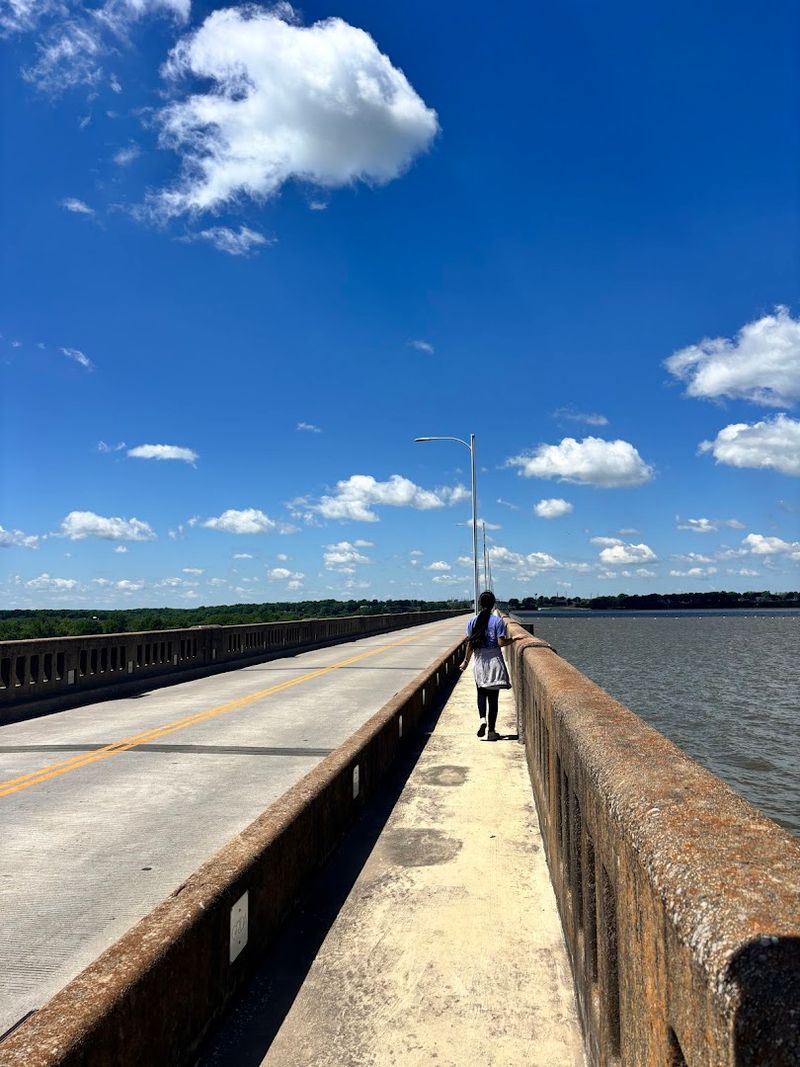
Most people come to Grand Lake O’ the Cherokees for the water, but the structure that made all of it possible is worth a visit on its own terms. The Pensacola Dam is recognized as the longest multiple-arch dam in the world, stretching more than 6,500 feet across the Grand River valley.
Completed in 1940, the dam was a major engineering achievement that took thousands of workers and several years to finish. It was built to generate hydroelectric power for northeastern Oklahoma, a mission it continues to fulfill today through the Grand River Dam Authority.
The scale of the dam is genuinely impressive when you see it up close. Standing near the base and looking up at the arched concrete spans gives you a real sense of how much effort went into reshaping this corner of Oklahoma’s landscape.
The area around the dam also offers some of the more scenic and less-visited parts of the lake, with views of the open water on one side and the river channel below on the other. For visitors who appreciate the intersection of history, engineering, and natural scenery, the Pensacola Dam is the kind of stop that adds real depth to a Grand Lake trip.
Family Traditions That Keep People Coming Back
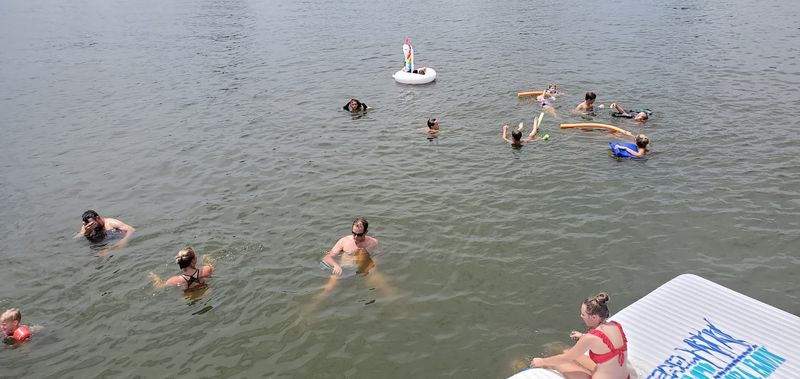
Some lakes are places you visit once and check off a list. Grand Lake O’ the Cherokees is the kind of place that turns into a family tradition, the lake where grandparents taught parents to ski, and where those same parents are now teaching their own kids to fish.
The lake’s combination of size, variety, and accessibility makes it genuinely suitable for all ages. Young children enjoy the calmer coves for swimming, teenagers gravitate toward the tubing and watersports, and older visitors appreciate the fishing, the scenery, and the slower pace of a morning spent drifting in a quiet bay.
Multi-generational visits are common here, with extended families renting large pontoons or tritoons for the day and spending hours on the water together. Those shared days out on the lake have a way of creating memories that stick around long after the sunburns fade.
Visitors from as far as England have made the trip specifically to experience the lake when visiting family in Oklahoma, which says something meaningful about its reputation. Grand Lake O’ the Cherokees is the kind of place that earns loyalty, not because it is flashy, but because it reliably delivers exactly what people come for, year after year.
Tips for Planning Your Visit
A few practical details can make the difference between a good trip to Grand Lake O’ the Cherokees and a great one. The lake is located in northeastern Oklahoma, with the town of Grove serving as the most convenient base for most visitors, offering a solid selection of lodging, restaurants, and rental services.
Summer is the busiest season, particularly around the Fourth of July, when the lake fills with boats and the surrounding towns buzz with activity. If you prefer more elbow room on the water, late spring and early fall offer excellent conditions with noticeably smaller crowds.
Boat rentals are widely available through several marinas, and reserving in advance during peak season is strongly recommended. If you plan to fish for paddlefish, check the Oklahoma Department of Wildlife Conservation website for current season dates and regulations before you go.
The eastern side of the lake near the Zena area is worth exploring specifically if you want a quieter, more secluded experience. Road conditions in some of the more remote areas near the dam can be rough, so a vehicle with decent ground clearance is helpful if you plan to venture off the main routes.
Pack sunscreen, bring more water than you think you need, and give yourself at least two full days to do the lake justice.



