 Unearth The Voyage
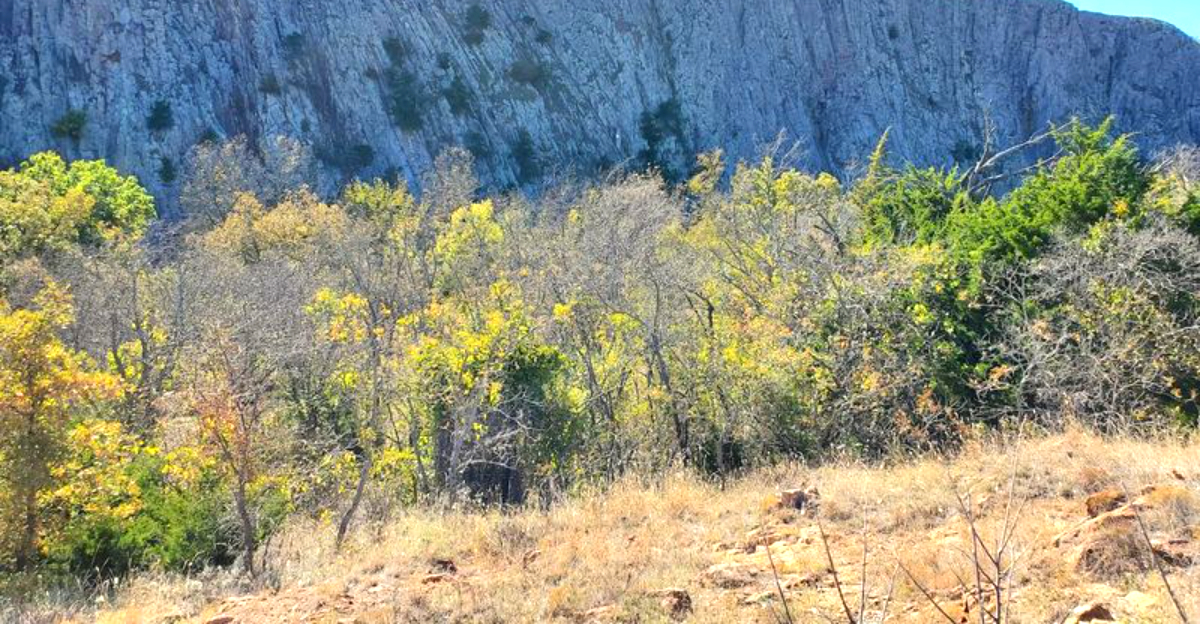
There is a place in southwestern Oklahoma where ancient red granite cliffs rise sharply above a quiet river, and the wind seems to carry something older than memory. Native American tribes once traveled great distances to reach this spot, believing its towering rock formations held powerful healing energy.
The U.S. Army later built a fort nearby, and soldiers trained on these very cliffs for decades.
Today, Medicine Bluffs stands as one of the most quietly remarkable landmarks in the entire state, and most people have never even heard of it. That is about to change.
Where Exactly Medicine Bluffs Stands
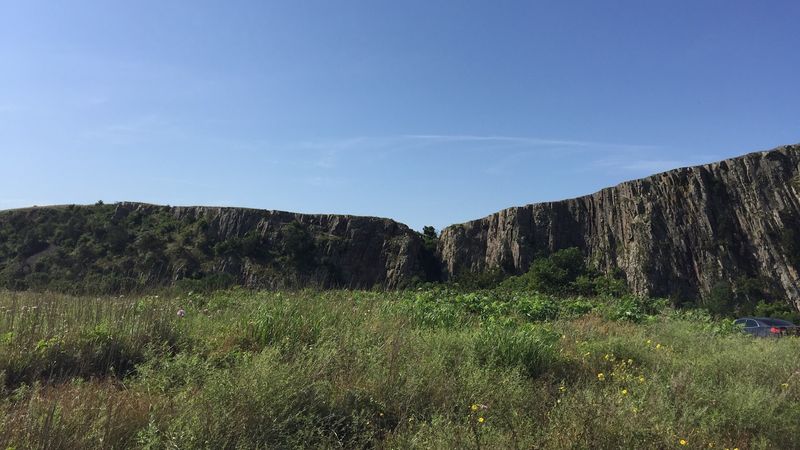
Medicine Bluffs sits within the boundaries of Fort Sill Military Reservation, near Lawton, OK 73503, tucked into the southwestern corner of Oklahoma close to the Wichita Mountains. The cliffs overlook Medicine Creek, and the address places you squarely in Comanche County, one of the most historically layered parts of the state.
Getting there requires a bit of planning since the site sits on active military land. Visitors typically need to enter through Fort Sill, which means passing through a security checkpoint at the base entrance.
Having a valid ID ready is a must, and civilian access policies can shift, so checking with Fort Sill ahead of your visit saves headaches.
The GPS coordinates place Medicine Bluffs at approximately 34.68 degrees north latitude, well within the rolling terrain that defines this part of Oklahoma. The surrounding landscape is open prairie dotted with scrub oak and granite outcroppings, a setting that feels genuinely remote even though Lawton is only a short drive away.
This combination of accessibility and wild character makes the location feel surprisingly special for a site so close to a city.
What the View From the Top Actually Feels Like
Reaching the summit of Medicine Bluffs takes some effort, and that effort pays off in a way that is hard to overstate. The view from the top stretches across open Oklahoma prairie in every direction, with the Wichita Mountains visible to the north and the flat expanse of Comanche County spreading out to the south and east.
Medicine Creek winds below like a thin ribbon, surprisingly narrow and shallow from that height, with cottonwood trees lining its banks in shades that shift with the season. In autumn, those trees turn gold and orange, creating a color contrast against the red granite that is genuinely photogenic without any effort on the photographer’s part.
The wind at the top is steady and often strong, carrying a dry, earthy scent that feels specific to this part of the southern Plains. There is very little sound beyond the wind and occasional birdsong, which gives the summit an atmosphere of genuine quiet that is rare in the modern world.
Standing up there, it becomes easy to understand why generations of people considered this spot something more than just a pile of very old rocks sticking out of the Oklahoma flatlands.
The Sacred Healing Tradition Behind the Name
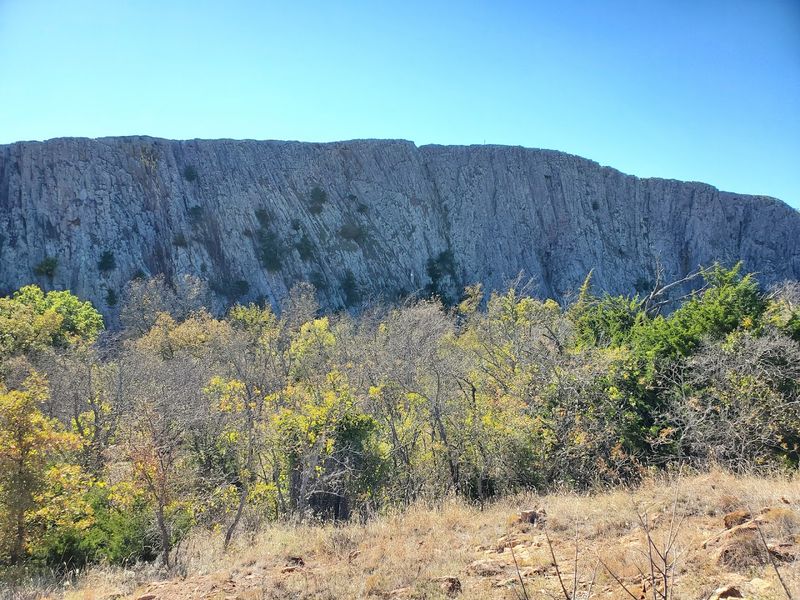
Long before any military installation existed here, the Comanche, Kiowa, and other Plains tribes regarded Medicine Bluffs as a place of deep spiritual significance. The word “medicine” in this context does not refer to pills or prescriptions but to a broader concept of spiritual power, healing energy, and connection to the natural world.
Tribal members traveled long distances to perform ceremonies at the base and summit of these cliffs. The belief was that the bluffs concentrated a kind of spiritual force that could restore health, provide guidance, and strengthen warriors before battle.
Healers and spiritual leaders held particular reverence for the site.
This tradition of sacred use stretched back generations before European contact, making Medicine Bluffs one of the older documented ceremonial sites in the southern Plains region. The physical presence of the cliffs, their dramatic height above the creek, and the enclosed feeling of the valley below all contributed to the atmosphere that made the location feel set apart from ordinary land.
That sense of quiet power is still noticeable when you stand at the base today and look upward at the ancient granite face.
Fort Sill and the Military History Woven Into the Rock
Fort Sill was established in 1869 by General Philip Sheridan, and from nearly the beginning, Medicine Bluffs played a role in military life at the post. The cliffs were used as a natural landmark for orientation, a training ground, and a backdrop for some of the earliest photographs taken at the fort.
Soldiers used the bluffs for physical training, and the tradition of rappelling down the granite face became a rite of passage for many units stationed there over the decades. Reviews from veterans who trained at Fort Sill frequently mention the bluffs with clear affection, recalling rappelling sessions in the 1980s as formative experiences that stayed with them long after their service ended.
The Army’s presence also helped preserve the site from commercial development, which is a genuinely fortunate outcome for a location this historically significant. Because the bluffs sit within a secure military reservation, they have avoided the kind of erosion from heavy public foot traffic that affects many similar natural landmarks.
That protection, unintentional as it may have been, is a big reason Medicine Bluffs still looks today much as it did a century ago.
The Geology That Makes These Cliffs So Striking
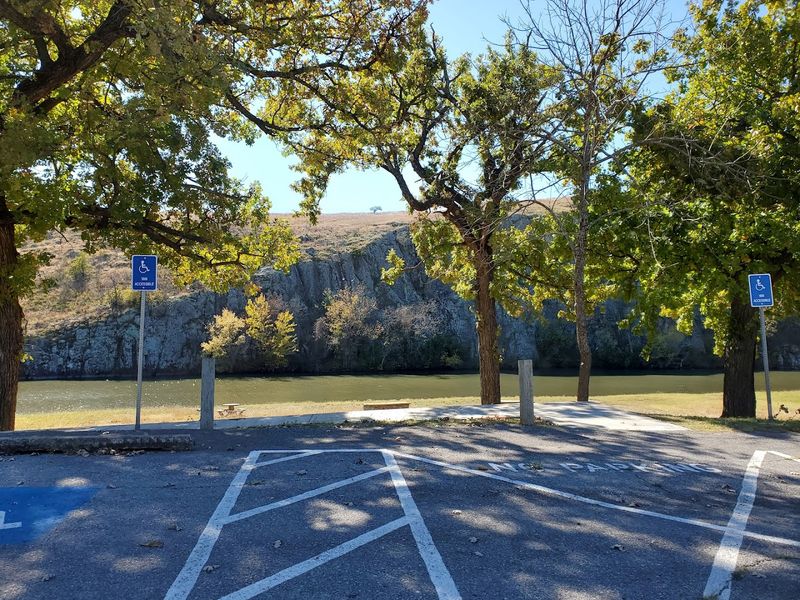
The rock at Medicine Bluffs is not sandstone or limestone but granite, one of the hardest and oldest rock types on Earth. This particular granite formed hundreds of millions of years ago during a period of intense volcanic activity, and the subsequent erosion of softer surrounding rock left these dramatic cliffs standing proud above the creek valley.
The color ranges from deep reddish-brown to warm orange depending on the angle of sunlight, and the surface is rough and textured with natural fractures and ledges. Those ledges are part of what makes the bluffs so appealing to both rock climbers and the military personnel who have used them for rappelling training over the years.
Four distinct bluffs make up the formation, each separated by small gaps and varying in height. The tallest sections rise roughly 300 feet above the valley floor, which is a genuinely impressive drop when you are standing at the top looking down at Medicine Creek winding below.
The Wichita Mountains nearby share similar geology, but Medicine Bluffs has a concentrated, dramatic quality that stands apart from the broader mountain range just to the north.
Wildlife You Might Spot Around the Bluffs
The area around Medicine Bluffs supports a surprisingly diverse range of wildlife, partly because the military reservation functions as an informal wildlife refuge by limiting human access. White-tailed deer are common sights near the base of the cliffs, often grazing in the early morning hours when visitor traffic is lowest.
Wild turkeys wander through the scrub oak thickets that line the creek, and various hawk species use the cliff faces as perches and nesting sites. Red-tailed hawks are particularly visible, riding thermals above the bluffs on warm afternoons with a casual confidence that suggests they know exactly who owns this piece of sky.
The creek itself supports catfish, bass, and various smaller fish species, along with turtles that sun themselves on exposed rocks near the water’s edge. During spring migration, the cottonwood corridor along Medicine Creek becomes a brief but busy highway for warblers and other small birds moving through Oklahoma on their way north.
Bringing binoculars is a genuinely good idea for anyone with even a mild interest in birds, because the variety during peak migration can be unexpectedly rewarding for such a compact stretch of habitat.
Geronimo and the Legendary Connection to This Place

Few names carry as much historical weight in this region as Geronimo, the legendary Apache leader who spent the final years of his life as a prisoner of war at Fort Sill. His connection to Medicine Bluffs is one of the most talked-about pieces of local folklore tied to the site.
Stories passed down through generations describe Geronimo visiting or being near the bluffs during his time at Fort Sill between 1894 and 1909. One account, echoed in visitor recollections, involves a fall from the cliffs that would have been extraordinary for any person to survive.
Whether that specific story is documented history or embellished legend, it captures something true about Geronimo’s reputation as a man of remarkable endurance.
Geronimo passed away at Fort Sill in 1909 and is buried in the Apache cemetery on the base, just a short distance from Medicine Bluffs. The proximity of his grave to the sacred site he reportedly visited adds a layer of meaning to both locations.
Visiting the bluffs and then paying respects at the Apache cemetery makes for a genuinely moving afternoon that connects the landscape to the people who shaped it.
The Best Time of Year to Make the Trip
Oklahoma weather is famously unpredictable, but Medicine Bluffs has a best season, and it runs from late September through early November. The heat of summer has backed off by then, the cottonwoods along the creek are turning color, and the light in the afternoon hits the red granite at an angle that makes the whole formation glow.
Spring is a close second, particularly April and May when wildflowers bloom across the surrounding prairie and the creek runs higher from winter snowmelt in the Wichita Mountains. The downside of spring is that Oklahoma storm season overlaps with those months, so keeping an eye on the forecast before heading out is simply practical advice.
Summer visits are possible but come with the full weight of southwestern Oklahoma heat, which regularly pushes past 100 degrees Fahrenheit and makes any outdoor activity a careful negotiation with hydration. Winter visits have their own stark appeal, with bare trees and low-angle light creating a more austere version of the landscape.
Whatever month you choose, arriving in the morning rather than midday gives you better light, cooler temperatures, and a better chance of spotting wildlife before the day heats up and everything retreats to shade.



