 Unearth The Voyage
There is a children’s museum in a small Oklahoma city that has been quietly blowing families’ minds for decades, and most people outside the region have never heard of it. The place earns a 4.7-star rating from over 1,200 reviews, and that number tells only part of the story.
Kids walk in expecting a quiet, hands-off museum experience and instead find a sprawling world of role-play stations, outdoor adventures, train rides, and a petting zoo tucked in the back. Adults end up having just as much fun as the children, which is either a great sign or a mild warning depending on your dignity level.
Read on to find out why this spot deserves a spot on every Oklahoma family’s road trip list.
Where You Will Find This Hidden Treasure
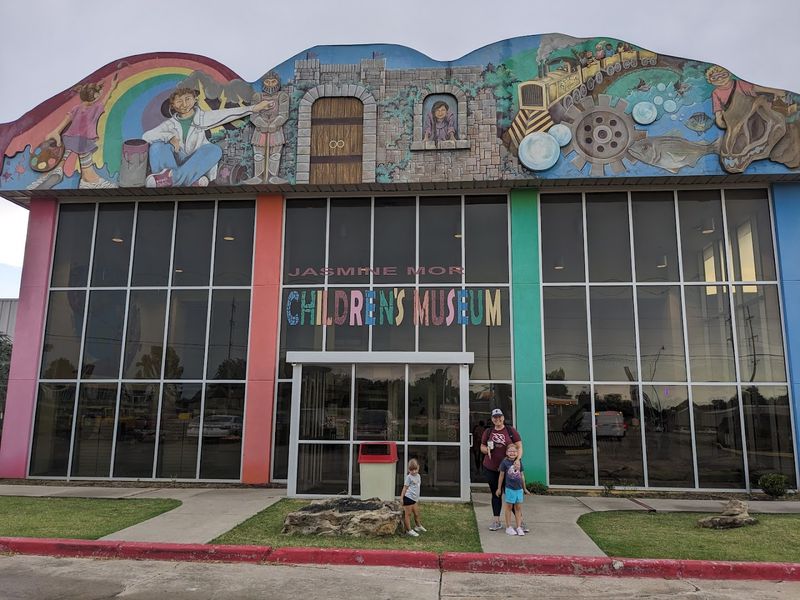
The address is 1714 W Wrangler Blvd, Seminole, OK 74868, and yes, Seminole is a smaller city, but do not let that fool you into thinking the museum feels small.
Seminole sits in central Oklahoma, roughly an hour’s drive from the Oklahoma City metro area, and the museum has become a genuine destination that draws families from all over the state and beyond.
The building itself is larger than most people expect when they pull up for the first time. From the outside, it looks like a solid community facility, but the moment you step through the doors, the scale of what is inside becomes clear fast.
The phone number is +1 405-382-0950, and the website at jasminemoran.com keeps hours and event info updated regularly. The museum is open Tuesday through Saturday from 9 AM to 4 PM and on Sundays from 1 to 5 PM, and it is closed on Mondays.
Plan accordingly, and give yourself a full day because a quick visit is nearly impossible here.
The Story Behind the Museum’s Name
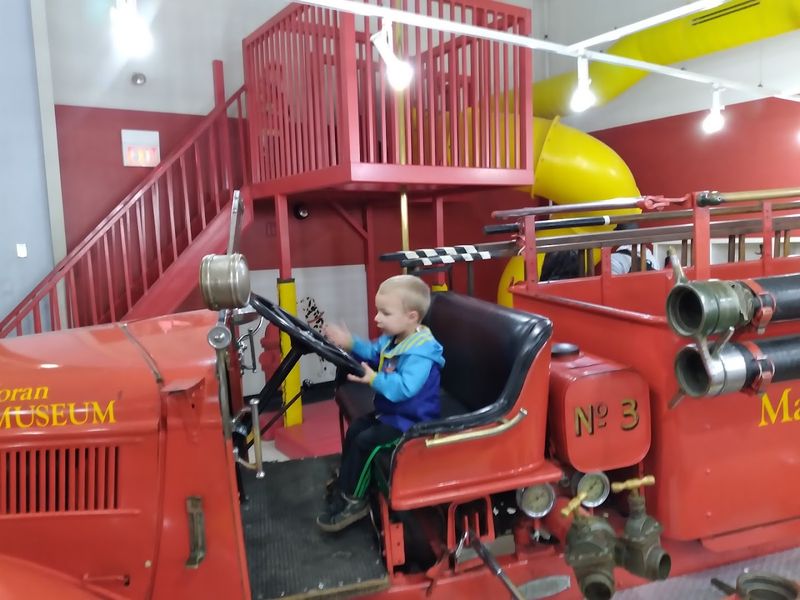
Not every children’s museum carries a personal name, and when one does, there is usually a meaningful story attached to it. Jasmine Moran Children’s Museum is named in honor of Jasmine Moran, a beloved community figure whose family played a central role in bringing this institution to life in Seminole, Oklahoma.
The museum opened its doors in 1993, and in the years since, it has grown from a regional curiosity into one of the most respected children’s museums in the entire state. Families who visited as children are now bringing their own kids, which says everything about the kind of lasting impression this place makes.
That multigenerational loyalty is not an accident. The museum has continuously reinvested in new exhibits, outdoor spaces, and programming to stay relevant and exciting for each new generation of visitors.
The commitment to honoring its founding vision while evolving with the times gives the museum a rare kind of soul that you can actually feel when you are walking through it. It feels cared for, and that care shows in every corner of the building.
Main Street and the Role-Play Zones Inside
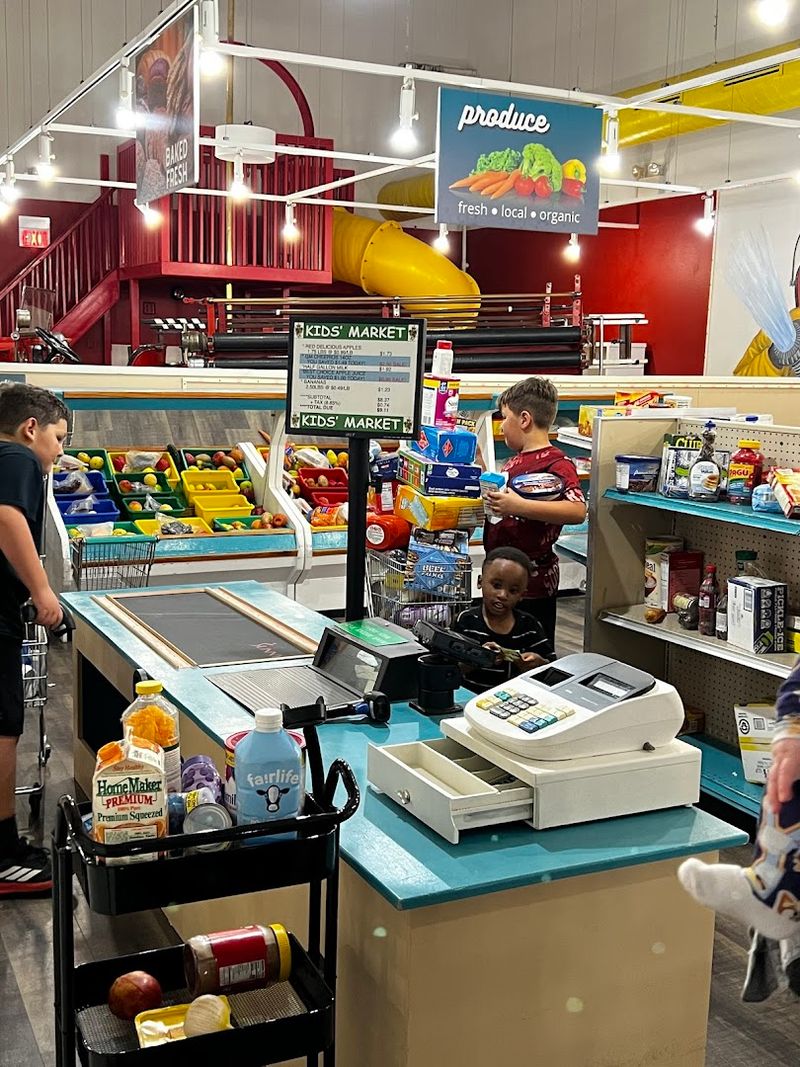
The heart of the indoor experience is a section that visitors often call Main Street, a collection of imaginative role-play stations that let kids try on different careers and life scenarios without any of the actual paperwork involved.
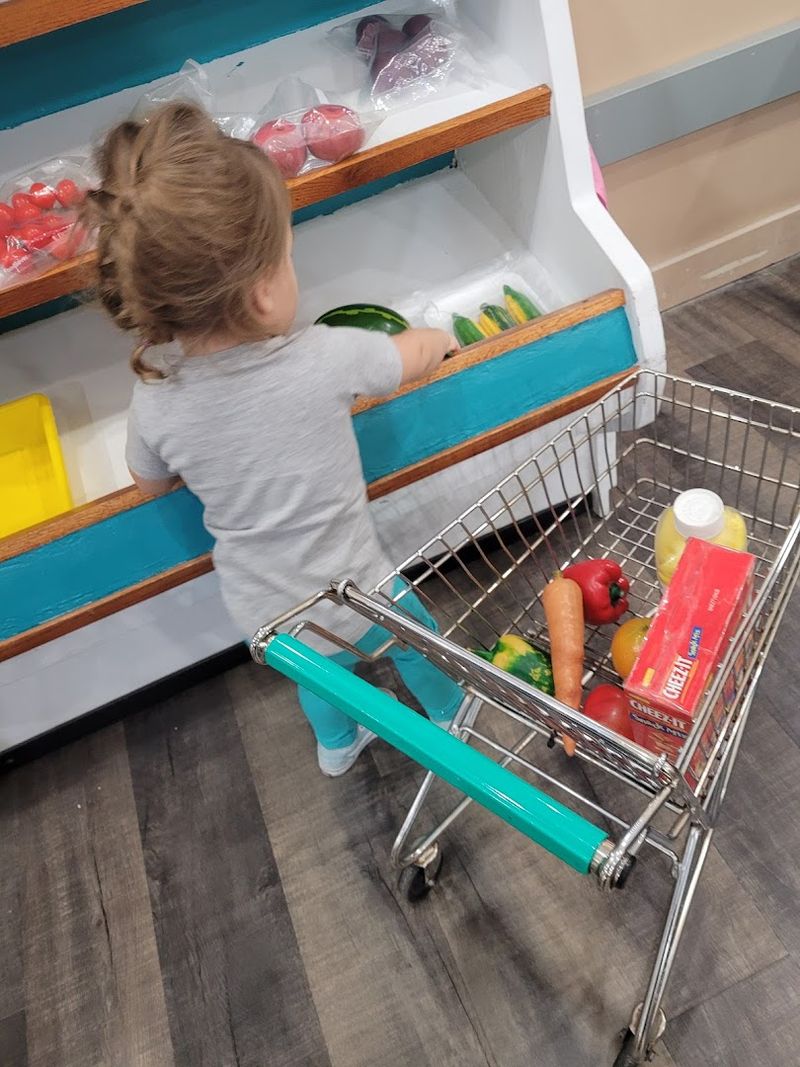
There is a pretend grocery store where kids can stock shelves and run a checkout line, a construction zone where they can put on hard hats and get to work, a nursery, an auto shop, and an art studio that actually gets used rather than just admired behind glass.
Each area is designed with enough detail to spark real imaginative play, and most stations are large enough to accommodate several kids at once without anyone feeling crowded out.
The courtroom exhibit is a standout for older kids who are curious about how the legal system works, giving them a chance to play judge, lawyer, or jury member in a surprisingly well-designed space. Adults wandering through often find themselves getting pulled into the play right alongside the kids, which is exactly the kind of museum magic that keeps everyone smiling long after the drive home.
Science and STEM Activities That Actually Excite Kids
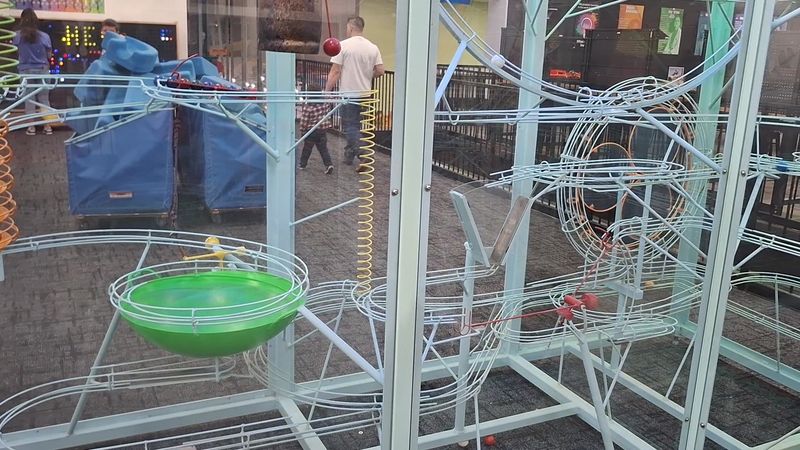
Science exhibits at children’s museums can sometimes feel like a watered-down classroom, but that is not the case here. The STEM programming at this museum has a way of making kids forget they are learning anything at all.
There is a free STEM activity offered during visits, which families consistently highlight as one of the best surprises of the day. The activity changes periodically, so repeat visitors get something fresh each time rather than the same experience on a loop.
The build-a-bug station is a quirky favorite that combines creativity with basic science concepts, and kids tend to linger there far longer than expected. The workout area upstairs adds a physical element that keeps energy levels moving in a productive direction rather than turning into the kind of chaos that makes parents reach for aspirin.
There is also an interactive game room that blends technology and movement in a way that feels genuinely current. Oklahoma families driving an hour or more to get here consistently say the STEM offerings alone make the trip worth every mile on the odometer.
The Outdoor Space That Doubles the Fun
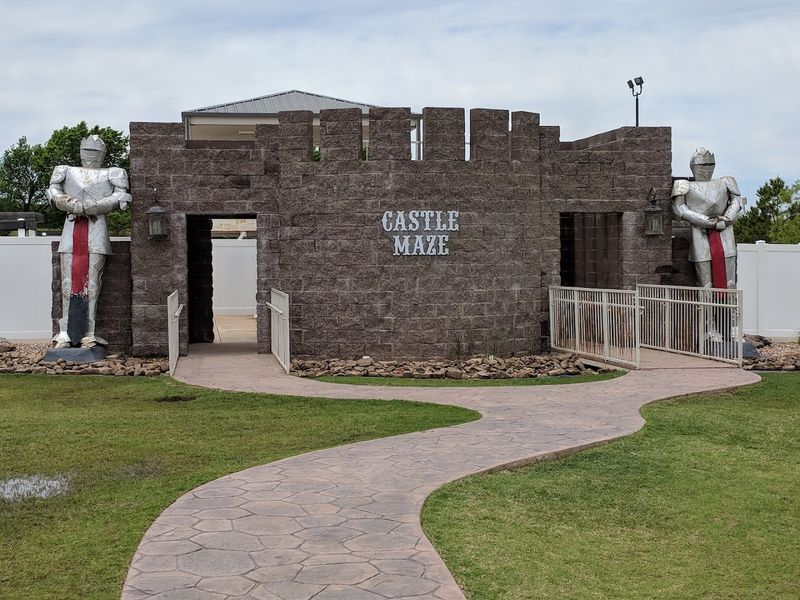
Many families arrive focused on the indoor exhibits and are genuinely caught off guard when they discover how much is waiting for them outside. The outdoor area at this museum is a full extension of the fun, not just a grassy patch with a bench.
There are multiple play sets, a sensory garden designed to engage kids through touch, smell, and exploration, and a castle maze that kids treat like their personal fortress. The ropes course is one of the newer additions and has quickly become a crowd favorite, giving older kids a physical challenge that keeps them occupied while younger siblings explore at ground level.
A word of practical wisdom: visit when the Oklahoma heat is manageable. The outdoor space is wonderful, but shaded rest areas are limited, so a summer afternoon can get uncomfortable quickly.
Spring and fall visits are the sweet spot for getting the most out of everything outside.
The outdoor area flows naturally from the building, so families can move between inside and outside without losing track of where they are or where their kids have wandered off to, which is a bigger comfort than it sounds.
The Train Ride That Earns Its Own Fan Club
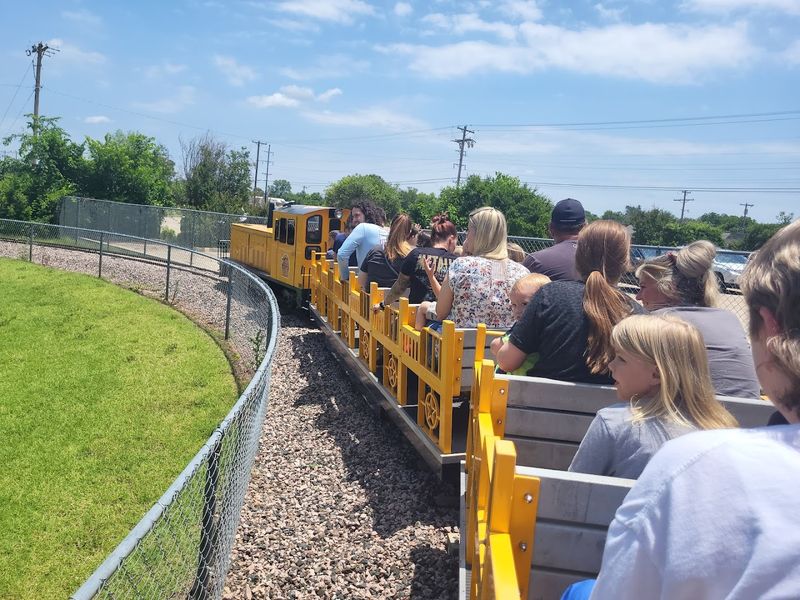
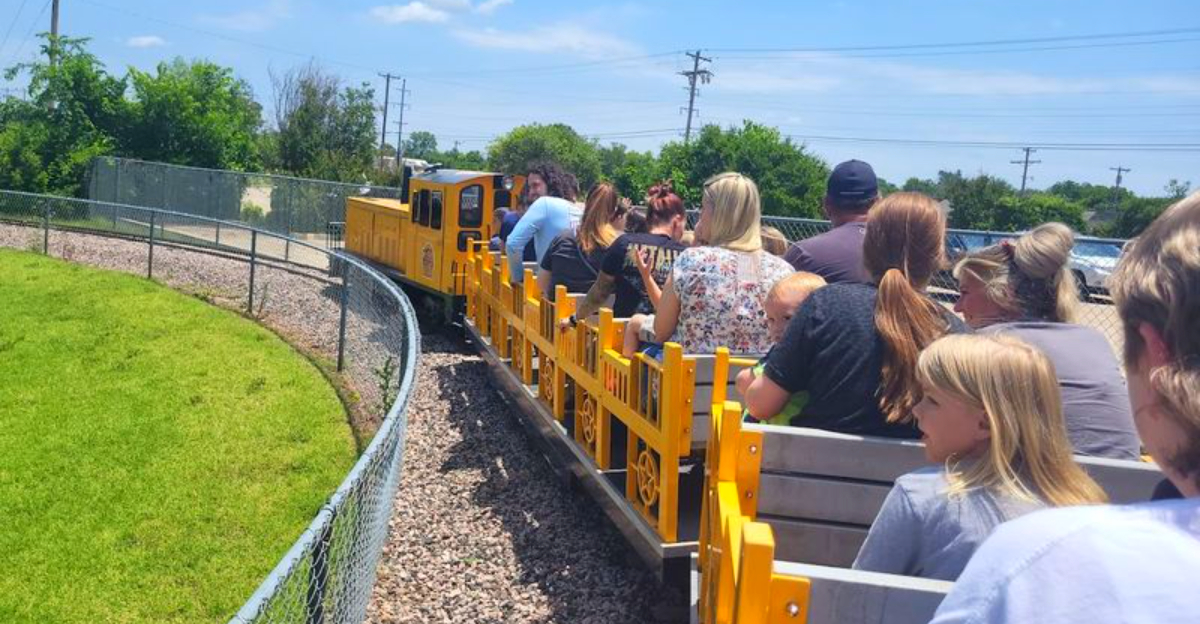
There are exhibits, and then there are experiences that kids talk about on the entire drive home. The train ride at this museum falls firmly into the second category, and it has been charming visitors for years.
The ride is short, but it winds through a pleasant path that gives families a chance to catch their breath and take in the surroundings from a moving seat rather than on foot. Kids who are train-obsessed treat it like the highlight of the entire day, and even those who had no particular feelings about trains beforehand tend to leave converted.
The train runs on a schedule, so it is worth checking in at guest services when you arrive to find out the timing. Missing the ride because nobody mentioned it at check-in is a real disappointment, and the museum has acknowledged this in responses to visitor feedback, noting that they are working to communicate train times more clearly.
Bringing a camera for the train ride is a genuinely good idea. The combination of happy kids and a moving train produces the kind of spontaneous, candid photos that end up as phone wallpapers for months afterward.
Animals, a Petting Zoo, and Reading With Maggie
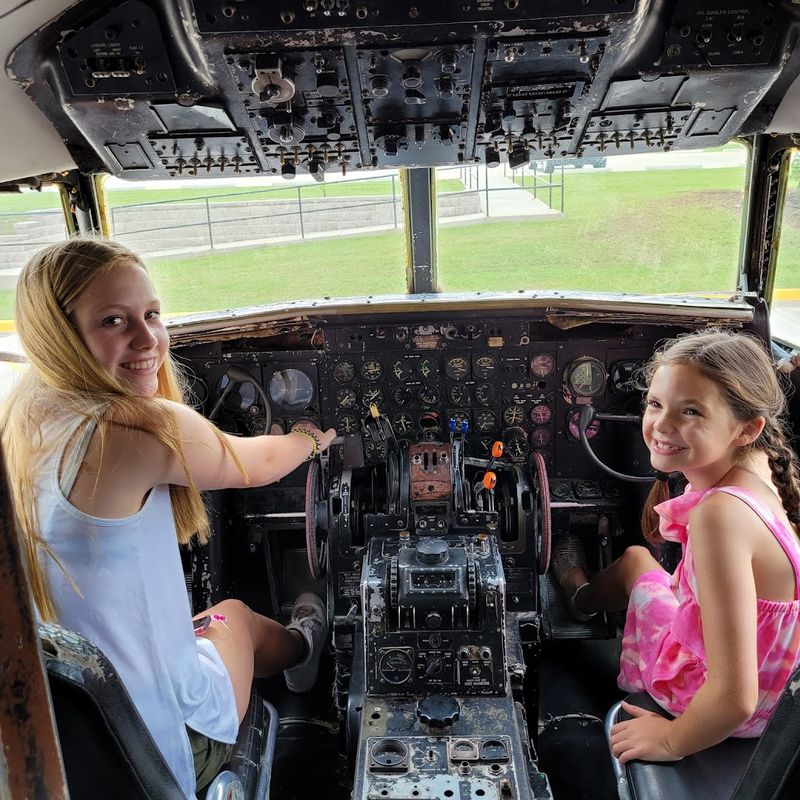
Hidden in the very back of the outdoor area is one of the most unexpected and delightful features of the entire visit: a petting zoo. It is the kind of discovery that makes kids sprint ahead while parents try to keep pace without losing a shoe.
The animals add a completely different texture to the day, giving children a hands-on connection with living creatures that no exhibit can fully replicate. For younger kids especially, this interaction tends to be the emotional peak of the whole trip.
There is also a program where kids can read to a dog named Maggie, and the response to this activity has been overwhelmingly warm. Reading aloud to a calm, attentive dog is a well-established method for building reading confidence in children, and the fact that this museum has incorporated it into the outdoor experience shows real thoughtfulness in its programming.
The combination of a petting zoo and a reading dog in one outdoor space is the kind of detail that sets this Oklahoma museum apart from more conventional children’s museums that rely entirely on manufactured exhibits to keep kids engaged. Nature, as it turns out, is still a pretty compelling attraction.
Dino Dig, Camping Area, and Other Themed Zones
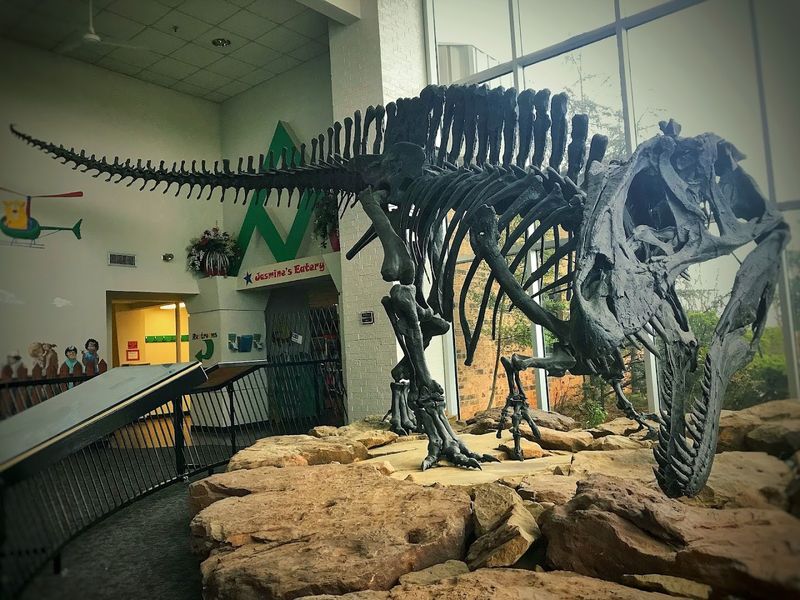
One of the things that makes this museum genuinely hard to summarize is how many distinct themed zones are packed into the space. Each section has its own personality, and moving from one to the next feels like flipping to a new chapter in a very entertaining book.
The dinosaur dig is a perennial favorite, giving kids the chance to brush away sand and uncover replica fossils in a setup that scratches the same itch as a real archaeological site, minus the sunburn and the academic credentials required. Kids who have been through a dinosaur phase treat this exhibit with the kind of seriousness usually reserved for actual scientists.
The camping-themed area brings the outdoors indoors in a creative way, complete with enough detail to make kids feel like they are genuinely setting up camp. It works especially well for families who love the idea of camping but live in a world where actual camping requires a lot more planning than anyone wants to admit on a Tuesday.
The variety of themed zones means that siblings with completely different interests can each find their own corner of the museum to obsess over, which dramatically reduces the number of arguments about what to do next.
Food, the Gift Shop, and Practical Family Logistics
Keeping a family fed and functional during a long museum visit is a logistical challenge that this place has clearly thought about. There is a designated eating area large enough to accommodate groups comfortably, and families are welcome to bring their own lunch and eat there without any fuss.
A cafe on-site offers kid-friendly food and drinks for those who prefer not to pack a cooler, and the options are straightforward and reasonably priced. The water table exhibit is a heads-up situation: kids get genuinely soaked at this station, so packing an extra set of clothes is practical advice that experienced visitors pass along freely.
Admission runs around $12 per person, which is a remarkable value given how many hours of entertainment the museum delivers. Comparing that price to what a family would spend at a theme park for a fraction of the experience makes the math feel almost too good to be true.
The gift shop carries small toys and educational items that make for decent souvenirs without the aggressive price tags that haunt similar shops at bigger attractions. Hand sanitizer is worth keeping in a pocket throughout the visit, especially after high-touch exhibit areas.
Why This Museum Keeps Bringing Families Back
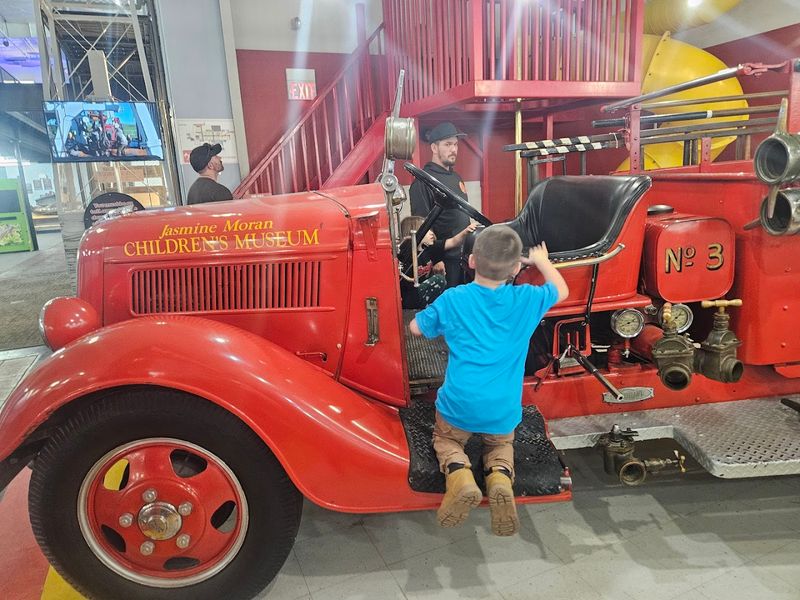
A museum that earns repeat visits from the same families across multiple generations is doing something right that goes beyond just having good exhibits. This Oklahoma institution has managed to build that kind of loyalty, and the reasons for it are not hard to spot once you spend a day there.
The staff keeps the space clean and well-managed, and the museum continues to add new features rather than letting the experience calcify. The ropes course and updated outdoor areas are recent additions that give even longtime visitors something new to look forward to each time they return.
Special events like the Noon Years Eve celebration show that the museum thinks beyond its regular hours and sees itself as a community gathering place rather than just a building full of exhibits. That community spirit is something families genuinely feel when they are there.
At the end of a visit, kids leave tired in the best possible way, the kind of deep, satisfying tired that comes from a full day of running, creating, exploring, and pretending. That feeling is exactly what a great children’s museum is supposed to deliver, and this one earns it every single time.



