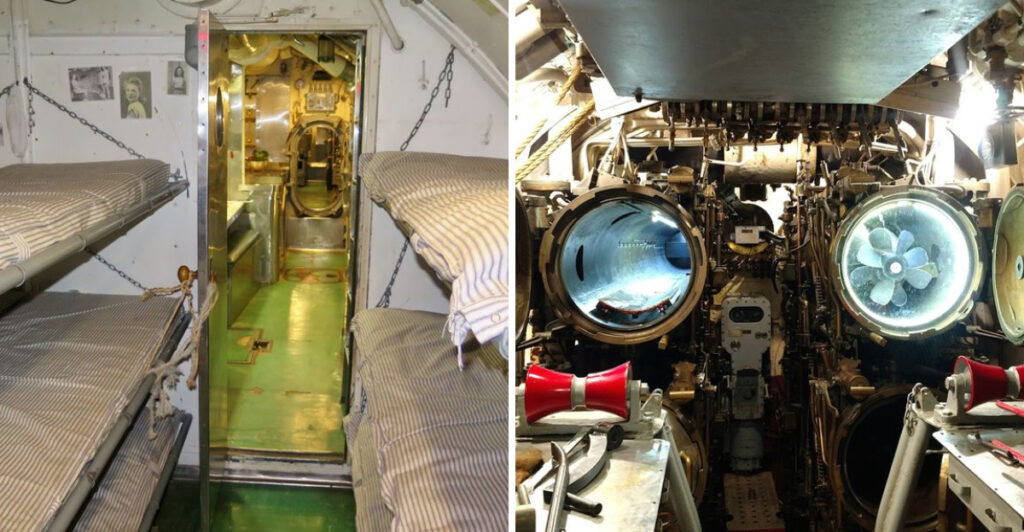
There is a place in Oklahoma where a real World War II submarine sits on dry land, waiting to tell its story. It sounds like something out of a movie, but it is completely real, and thousands of visitors have walked through its narrow corridors and touched the very controls that once helped win a war.
The Muskogee War Memorial Park is one of those rare destinations that surprises you with how much history is packed into one spot. From torpedoes and naval guns to personal stories of bravery, this park offers a hands-on connection to the past that very few places in the country can match.
Where History Parks Itself: The Location and Setting
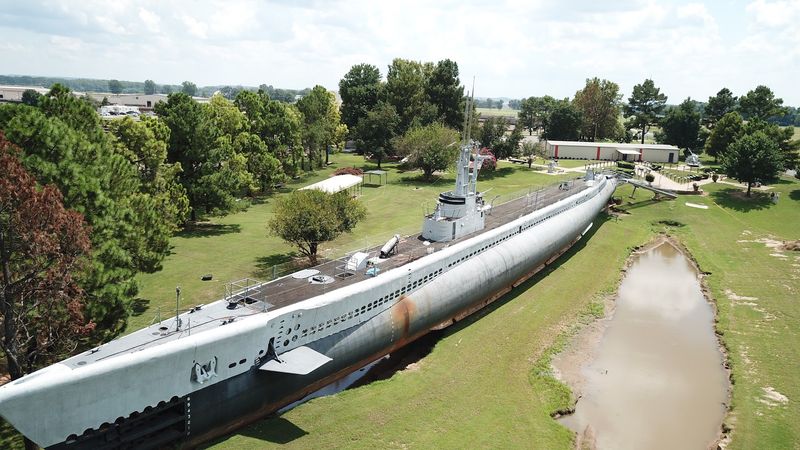
Right off Batfish Road in Muskogee, Oklahoma, you will find one of the most unexpected roadside attractions in the entire state. The full address is 3500 Batfish Rd, Muskogee, OK 74403, and while the drive through the area might not look like much at first, the moment the silhouette of a full-sized submarine comes into view, everything changes.
The park sits near the Arkansas River, which gives it a fitting waterfront feel even though it is firmly landlocked. The grounds are open and well-maintained, with plenty of space to walk around and take in the scale of the military hardware on display.
The park is only open Friday through Sunday, so planning your visit around those days is essential. Admission is just three dollars per person, which is one of the best deals in Oklahoma for the amount of history you get to experience.
Parking is easy, the layout is accessible, and the whole atmosphere feels respectful and welcoming from the moment you arrive.
The Story Behind the USS Batfish
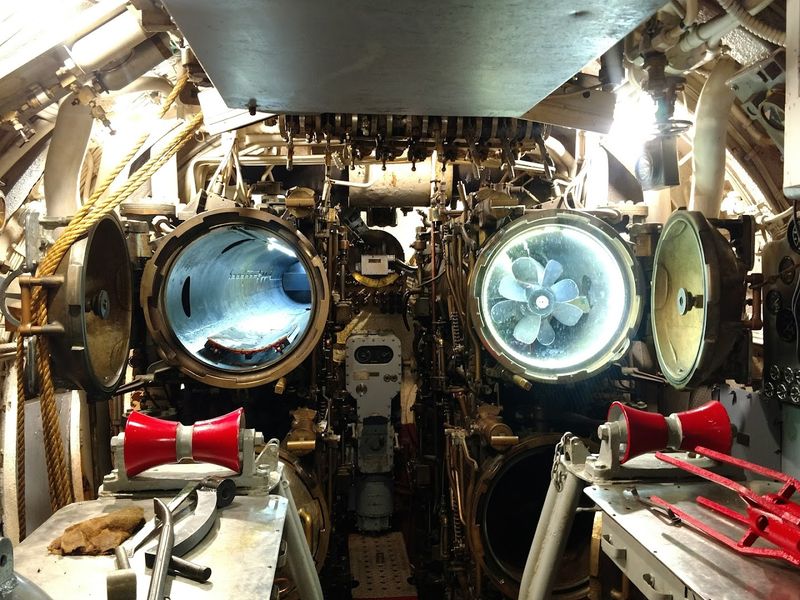
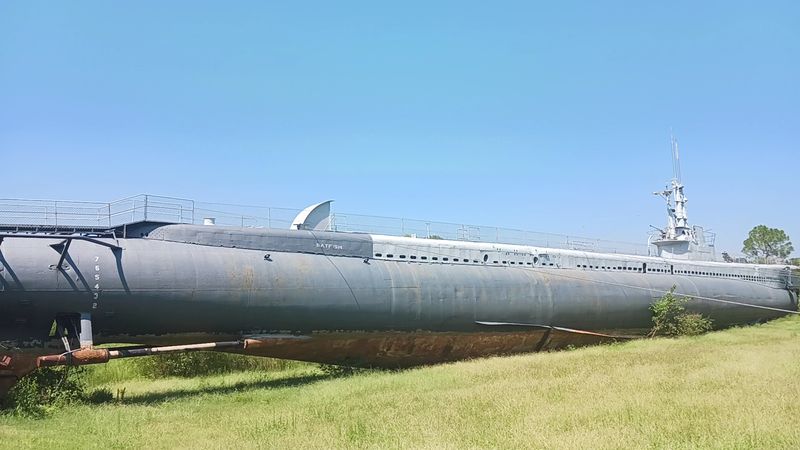
The USS Batfish earned a reputation during World War II that very few submarines can claim. Over the course of her active service, she completed seven war patrols and is best known for a remarkable three-day stretch in February 1945 when she sank three Japanese submarines in a row, a record that has never been matched by any other American submarine.
That kind of combat history is not easy to wrap your head around until you are standing right next to the vessel. The Batfish was commissioned in 1943 and served with distinction throughout the Pacific theater before being decommissioned after the war ended.
She was eventually brought to Muskogee in 1972 and has been a centerpiece of the memorial park ever since. The submarine is a Balao-class vessel, which was one of the most successful designs used by the U.S.
Navy during the war. Learning about her missions while standing just a few feet from the actual hull makes the history feel immediate and real in a way that no textbook can replicate.
Spending the Night Onboard: The Overnight Experience
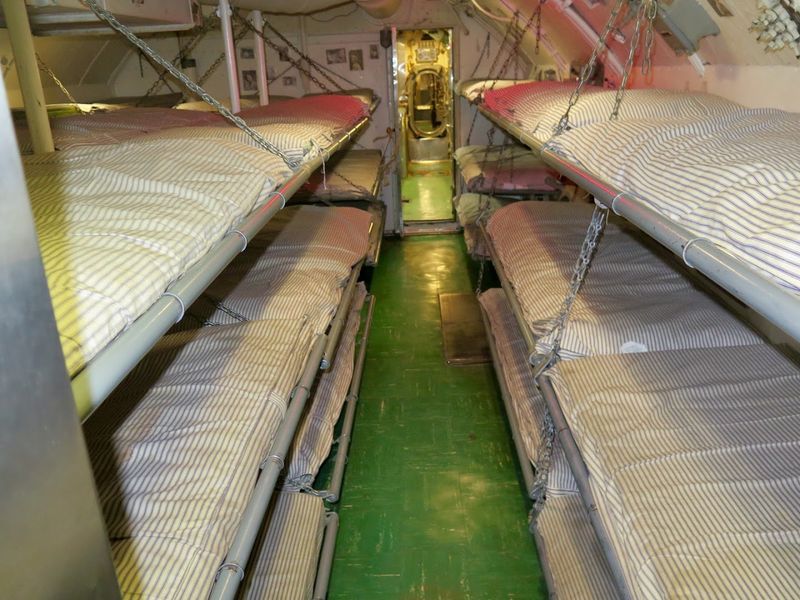
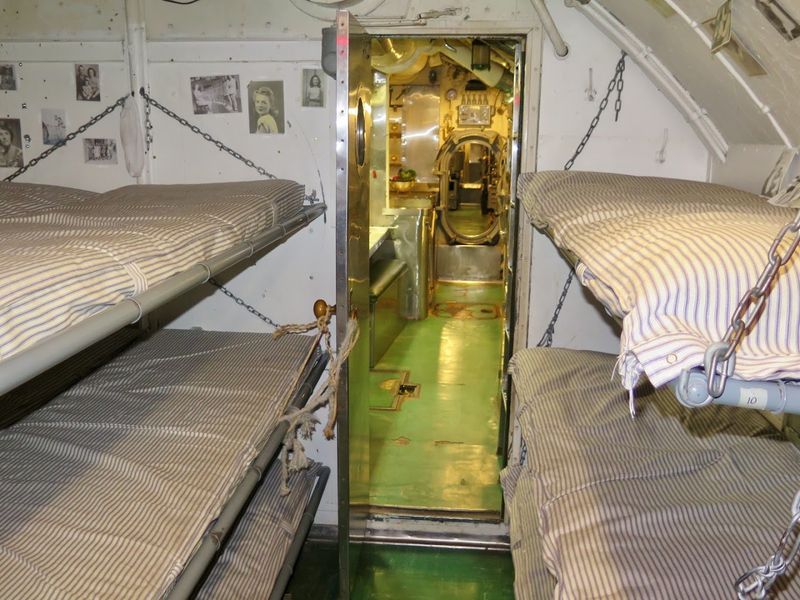
Before the 2019 flooding caused structural concerns, the USS Batfish offered one of the most unusual overnight experiences in the country. Visitors, especially scout groups and school groups, could actually spend the night inside the submarine, sleeping in the same tight bunks that the original crew used during wartime patrols.
The experience was every bit as cramped and fascinating as you might expect. The narrow passageways, the low ceilings, and the smell of aged metal all combined to create something genuinely immersive.
A private tour guide would lead groups through the vessel, explaining how the crew lived, worked, and operated in such a confined space.
A WWII cooking demonstration was even part of the overnight program, giving participants a taste of what daily life on a submarine felt like. The museum staff has been working to restore the Batfish to a condition where public tours and overnight visits can resume.
Once those repairs are complete and a safer, permanent location is secured along the Arkansas River, that extraordinary overnight experience is expected to return for future visitors.
The Museum Building: More Than Just a Waiting Room
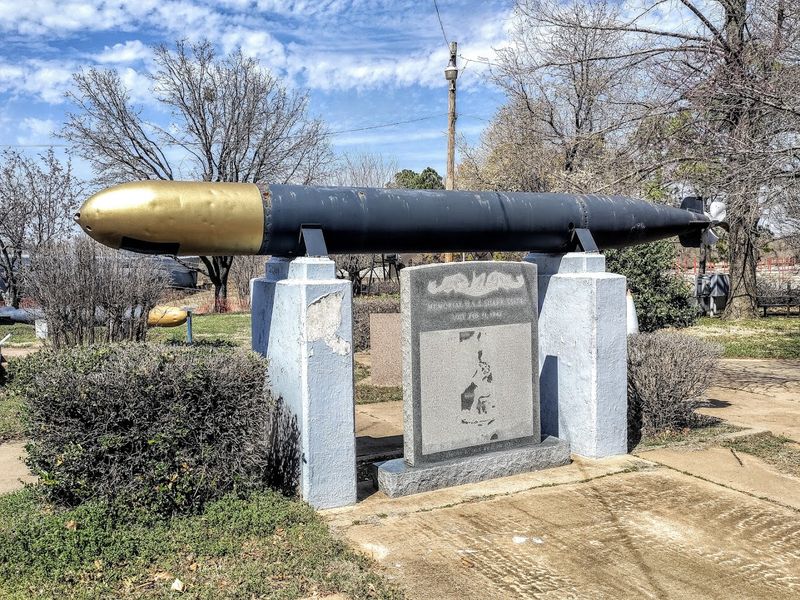
Most people come for the submarine, but the museum building itself deserves serious attention. The main room covers military history from the Civil War all the way to the present day, with original memorabilia, uniforms, photographs, and equipment filling the display cases.
A second room shifts the focus specifically to submarines, with detailed information about the Batfish and the broader history of U.S. submarine warfare. The exhibits were largely built by the museum’s own dedicated staff, which gives them a personal, handcrafted quality that feels very different from a corporate museum experience.
There is also a small hands-on section where visitors can interact with certain displays, making it a great stop for younger guests who learn better by touching and doing rather than just reading. A gift shop near the entrance carries souvenirs and educational materials, and restrooms are available inside the building.
The whole space is compact enough to tour in under an hour, but rich enough in content that you will not feel rushed or shortchanged by the time you finish.
Outdoor Artifacts: A Yard Full of Military Muscle
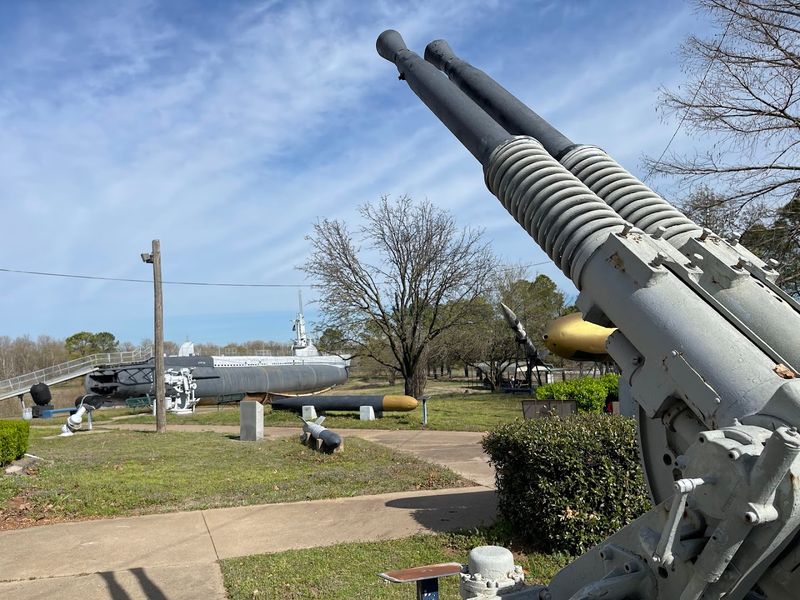
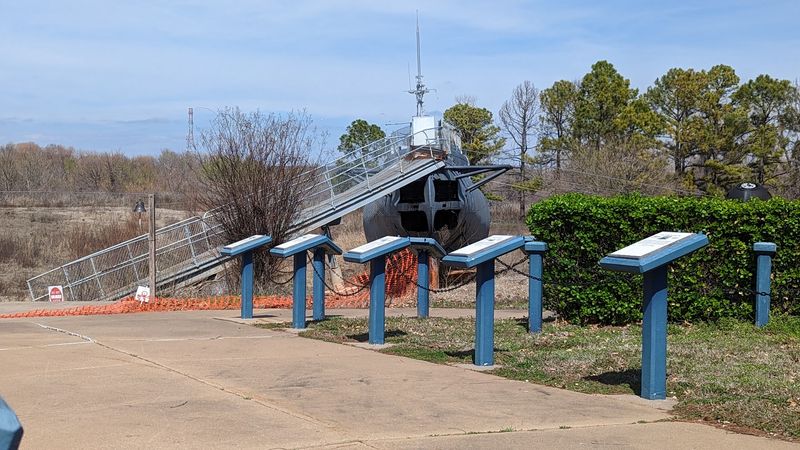
The outdoor grounds at this park are packed with hardware that would make any military history fan stop in their tracks. Spread across the open yard are more than a dozen large artifacts, including torpedoes, naval mines, and five-inch naval guns that look just as powerful today as they did decades ago.
Kids are especially drawn to the outdoor area, and in earlier years, climbing on the machinery was part of the fun. The sheer size of everything on display gives you a visceral sense of the scale of naval warfare in a way that photographs simply cannot convey.
One of the most striking outdoor pieces is a mast support from the USS Oklahoma, the battleship that was sunk during the attack on Pearl Harbor. Having a physical piece of that vessel right there in the park adds a layer of historical weight that is hard to put into words.
The grounds are well-kept and easy to walk through, and the open layout means you can move at your own pace without feeling crowded, even on a busy weekend afternoon.
A Tribute to Every Submarine Lost in WWII
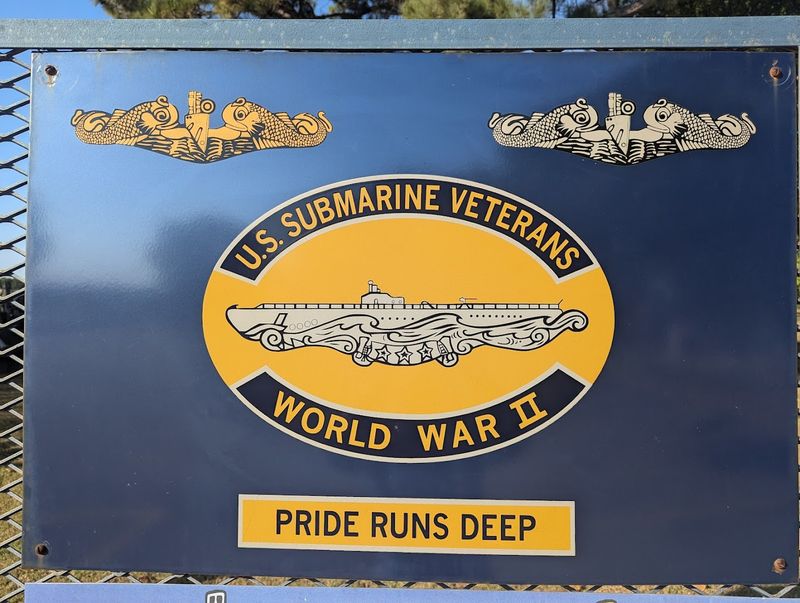
One section of the park is dedicated entirely to honoring every U.S. submarine that was lost during World War II, and it is quietly one of the most powerful parts of the entire visit. Each lost vessel is represented with a detailed account of the ship’s service record and the story of her crew.
The phrase used in the submarine community for vessels that never returned is “eternal patrol,” and seeing it used here in a formal memorial context gives it a weight that stays with you long after you leave. There are dozens of submarines represented, and reading through even a handful of the individual histories makes the cost of the war feel very personal.
This section also includes a tribute to POW survivors, and if you are lucky enough to visit when a knowledgeable volunteer or guest with firsthand experience is present, hearing those stories directly adds an entirely different dimension to the memorial. The combination of personal narrative and historical documentation makes this corner of the park one of the most genuinely moving stops in all of Oklahoma, and it deserves more time than most visitors give it.
The Volunteer Staff: Heart of the Operation
A museum is only as good as the people running it, and the volunteers at this park are genuinely exceptional. Every visit seems to come with a story about a staff member who went above and beyond, whether that meant staying late to answer questions, offering a discount without being asked, or simply sitting down and sharing a personal connection to the history on display.
The level of knowledge these volunteers carry is impressive. The man who built many of the exhibits by hand is also one of the most informed guides you will find anywhere in the state, and his passion for submarine history comes through in every explanation he gives.
Past visitors have encountered POW survivors among the volunteer ranks, and hearing a firsthand account from someone who actually lived through wartime events is the kind of experience you cannot plan for but will never forget. The staff operates entirely on a volunteer basis, which makes their dedication even more admirable.
Tipping generously or making a donation beyond the three-dollar entry fee is a small way to support the enormous effort they pour into keeping this memorial alive and accessible.
The 2019 Flood and the Road to Recovery
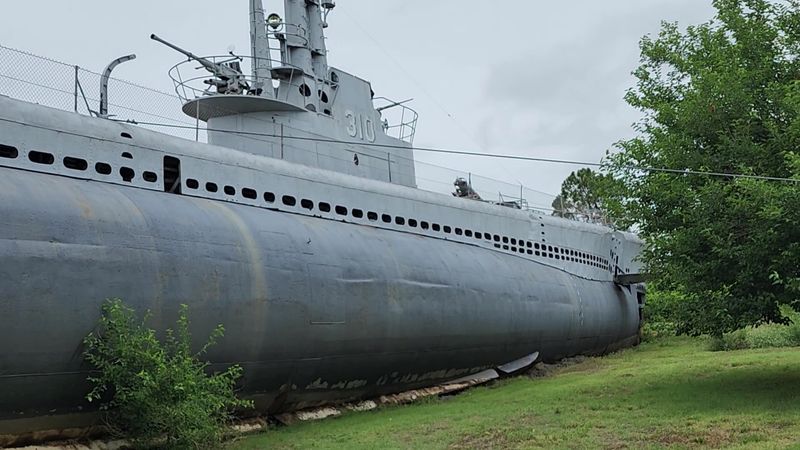
In 2019, severe flooding along the Arkansas River caused serious damage to the park and shifted the USS Batfish off its secured position. The flood physically moved the submarine, which is an extraordinary thing to consider given how massive the vessel is, and the resulting structural concerns forced the park to close the submarine to public tours.
Entry prices were reduced to three dollars as a result, and the museum has been transparent with visitors about the situation, explaining the ongoing recovery efforts and the plans to relocate the Batfish to a more permanent and flood-resistant home along the river.
Federal funds have been discussed as part of the solution, and various government agencies have been involved in the recovery process. The museum team has handled the setback with remarkable resilience, keeping the park open on weekends and continuing to provide an educational experience even without full submarine access.
The whole story of the flood and the recovery effort has itself become part of the park’s narrative, a reminder that preserving history takes ongoing commitment and community support. The Batfish survived a war, and her supporters are determined she will survive this challenge too.
Tips for Planning Your Visit
Getting the most out of a trip to this park starts with knowing the basics. The museum is open Friday through Sunday only, and it closes at 5 p.m., so arriving early gives you enough time to explore both the indoor exhibits and the outdoor grounds without feeling rushed.
The three-dollar admission fee covers access to the full museum and the outdoor memorial area, and the staff genuinely appreciates extra donations, which go directly toward restoring and relocating the Batfish. Cash is always a safe option to bring along, and picking up something from the gift shop is another easy way to support the cause.
The outdoor grounds involve some uneven terrain, and the submarine itself, when tours resume, requires navigating narrow stairs and tight doorways, so comfortable shoes are a must. Families with kids will find the outdoor hardware especially engaging, and history buffs of any age will want to budget extra time for the indoor exhibits.
The phone number for the museum is 918-682-6294, and checking in before your visit is smart if you have questions about current access to the submarine or any special events happening that weekend.
Why This Park Deserves a Spot on Your Oklahoma Road Trip
There are plenty of museums across Oklahoma, but very few offer the combination of authentic military hardware, personal storytelling, and raw historical significance that this park delivers. The USS Batfish is not a replica or a model; she is the real vessel that served in a real war, and standing next to her makes that history feel immediate in a way that is hard to find anywhere else.
The park holds a 4.7-star rating across hundreds of reviews, and the consistent praise points to the same things: knowledgeable volunteers, meaningful exhibits, and an atmosphere that treats the subject with the respect it deserves. For three dollars, the value is almost absurd.
Whether you are a military history enthusiast, a curious traveler passing through eastern Oklahoma, or a parent looking for an educational outing that actually holds a kid’s attention, this park checks every box. The ongoing restoration of the Batfish means the experience will only get better over time, and visiting now means you get to be part of the story as this remarkable memorial works its way back to full strength.
Some places are worth the detour, and this is absolutely one of them.
Share this story