There is a road in America that carries more stories per mile than almost any other stretch of pavement in the country. Route 66 cuts through eight states, and Oklahoma claims a proud chunk of it, complete with roadside history that still feels alive today.
One museum in Clinton, Oklahoma, has made it its mission to keep every chapter of that story front and center, from the dusty Depression-era caravans to the neon-lit road trips of the 1960s. I made the stop on a weekday morning, expecting a quick walk-through, and ended up spending nearly two hours completely absorbed in the exhibits, the vintage cars, the music, and the warm welcome from the staff.
Here is everything worth knowing before you go.
Where the Mother Road Tells Its Own Story
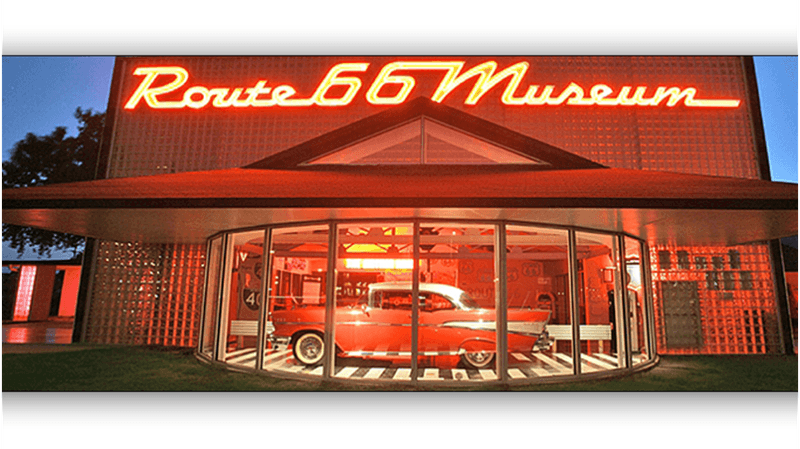
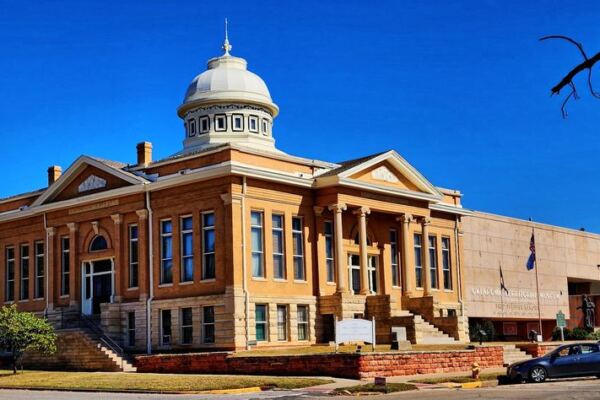
The Oklahoma Route 66 Museum sits at 2229 W Gary Blvd, Clinton, Oklahoma 73601, right along the original alignment of Route 66 in western Oklahoma. Clinton is a small city in Custer County, about 85 miles west of Oklahoma City, and the museum is easy to spot from the road.
The building itself is well-maintained and surprisingly spacious once you step inside. Admission runs around $10 for adults, which feels like a bargain given how much is packed into the space.
Military members get in free, which is a genuinely appreciated gesture.
The museum is operated under the Oklahoma Historical Society, so the research and curation behind each exhibit reflects a serious commitment to accuracy. Hours run Monday through Saturday, 9 AM to 5 PM, and the museum is closed on Sundays, so plan accordingly.
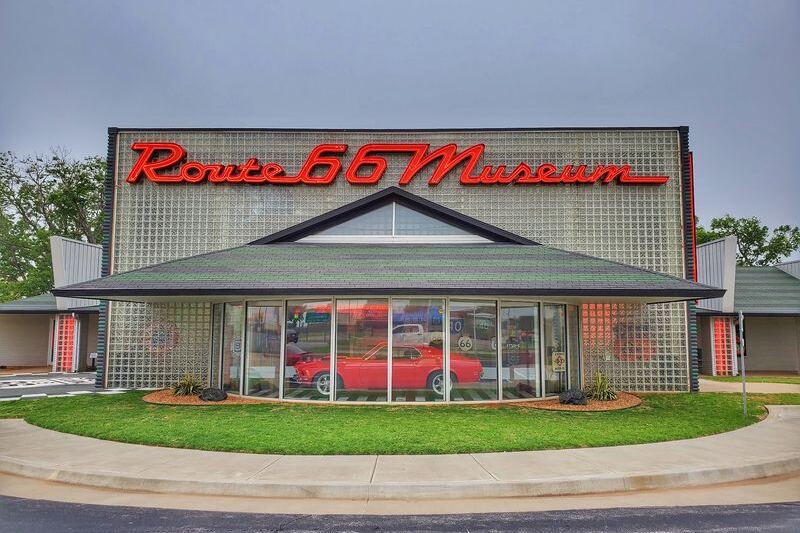
The parking lot is easy to navigate, and the front entrance gives you a clear sense of the scale of what is waiting inside. A road trip that includes this stop will feel noticeably more complete for having made the detour.
A Timeline You Can Actually Walk Through
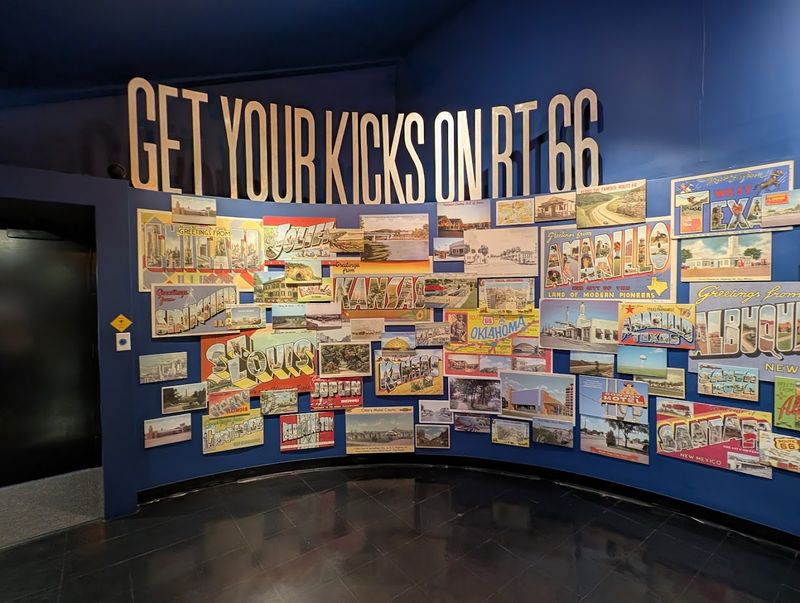
One of the most thoughtful design choices in this museum is the way the exhibits are arranged by decade. You move through rooms that each represent a different era of Route 66 history, starting from the road’s official designation in 1926 and continuing forward through the decades.
Each room has a button near the entrance that plays a song from that particular time period. It sounds like a small detail, but hearing a 1940s tune while reading about wartime travel on Route 66 adds a layer of atmosphere that purely visual displays cannot match.
The walls in several sections are covered with newspaper articles from the relevant era, and the ceiling above you continues the theme. You genuinely feel surrounded by history rather than just observing it from a distance.
The layout is self-guided and easy to follow, with clear signage that keeps you oriented without feeling rushed. Whether you spend 30 minutes or two full hours here depends entirely on how long you linger, and lingering is absolutely worth it.
The Dust Bowl Exhibit and the Weight of Migration
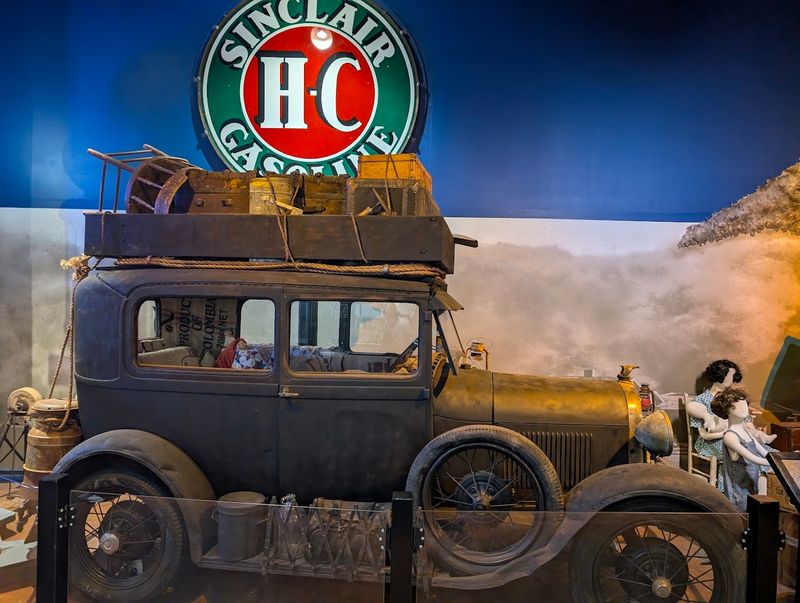
Few chapters in American history carry as much raw human weight as the Dust Bowl years, and the exhibit dedicated to this period at the Oklahoma Route 66 Museum handles it with real care. Thousands of families packed everything they owned and headed west on Route 66 during the 1930s, and this section brings that journey to life.
Photographs, maps, and personal accounts fill the display cases and wall panels. The exhibit traces how Route 66 became the literal road to survival for displaced Oklahoma and Texas families who had lost their farms to drought and economic collapse.
What makes this section stand out is the human scale of the storytelling. These are not abstract statistics but portraits of real communities and real choices made under impossible pressure.
The connection between Oklahoma’s identity and this road becomes very clear here.
After spending time with this exhibit, the rest of the museum takes on a deeper meaning. Route 66 was never just a highway for road trippers; it was a lifeline, and this room makes sure that fact is never forgotten.
Vintage Cars and Classic Americana on Display
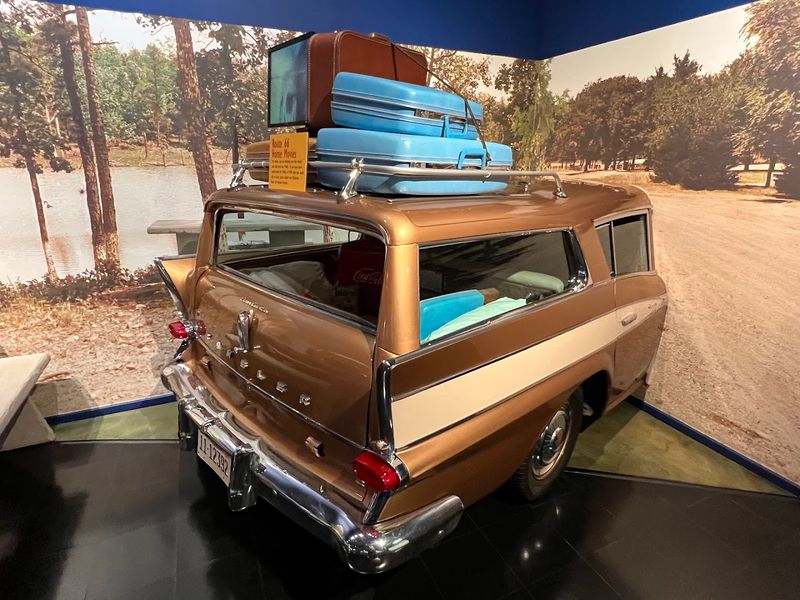
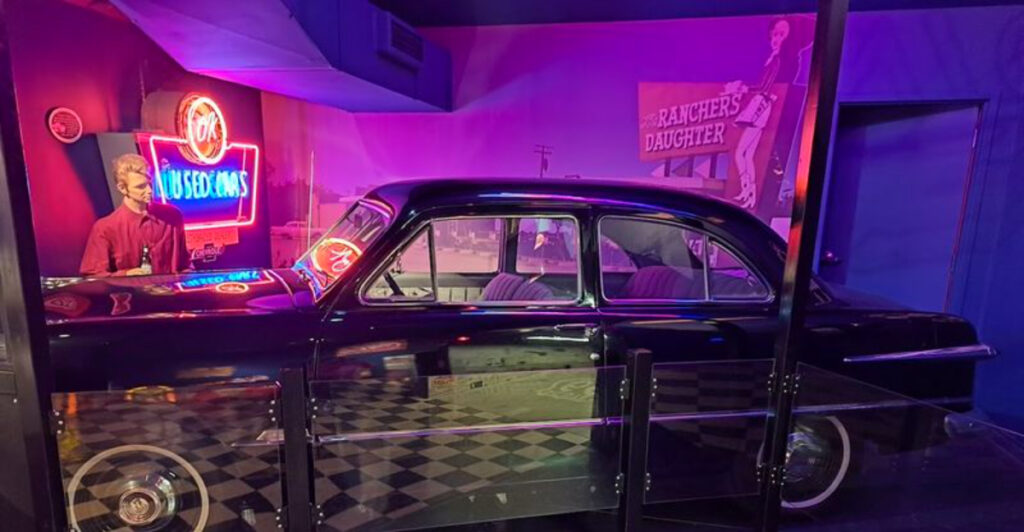
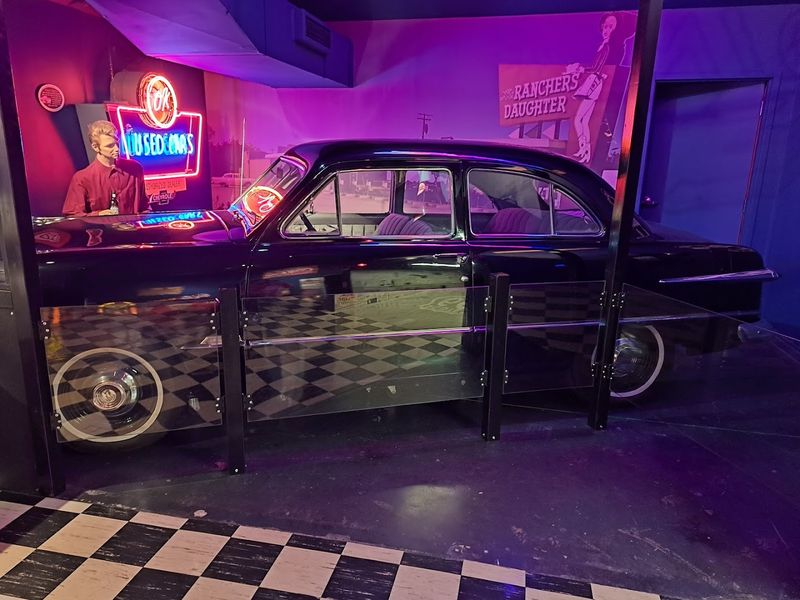
Car culture and Route 66 are inseparable, and the museum leans into that relationship with a solid collection of vintage vehicles and automotive memorabilia. A few standout cars are displayed throughout the museum in ways that feel integrated into the broader story rather than just parked for show.
The chrome, the tail fins, and the dashboard details on these old machines are genuinely impressive up close. Each vehicle comes with context about the era it represents and the role cars played in shaping how Americans experienced the open road.
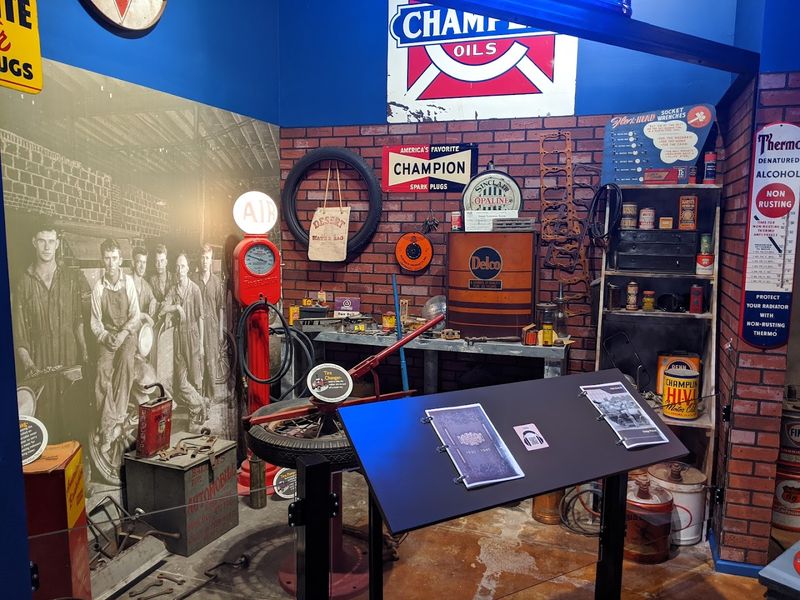
Beyond the full vehicles, there are smaller automotive artifacts scattered through the exhibits: old gas station signs, road maps, service station memorabilia, and advertising materials that capture how driving culture evolved across the decades. The nostalgia hits hard, even if you did not personally live through those years.
For anyone who grew up watching classic car shows or flipping through old road trip photographs, this part of the museum delivers exactly the kind of tactile, visual satisfaction that makes a museum visit feel worthwhile. The cars alone justify the price of admission.
The Diner Replica That Puts You Back in Time
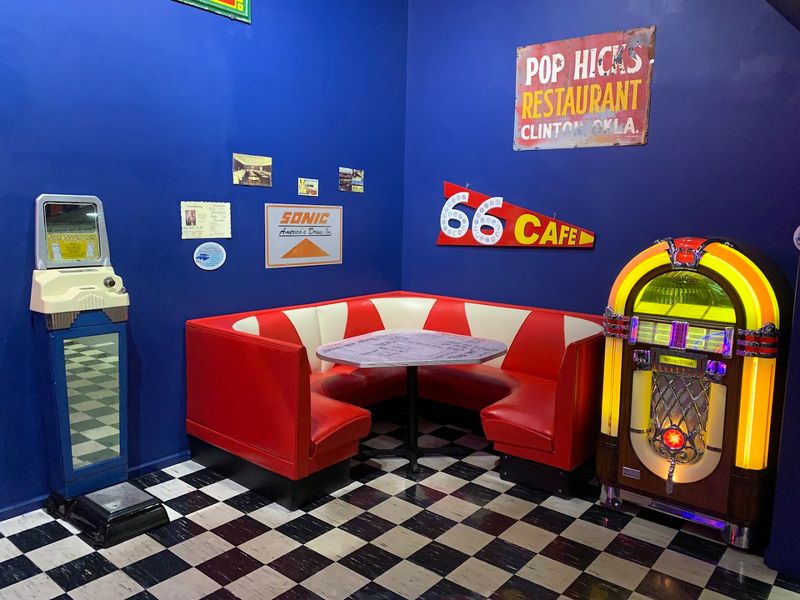
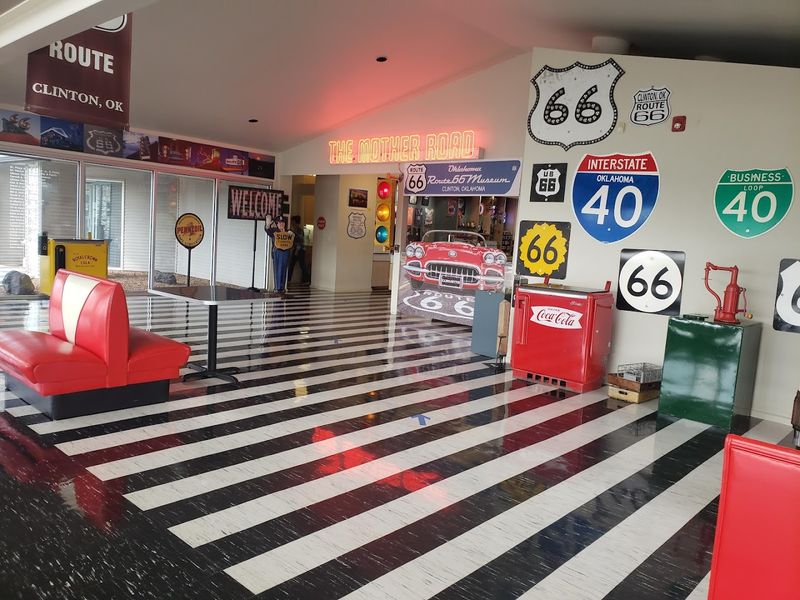
One of the most beloved features of the Oklahoma Route 66 Museum is the replica roadside diner built right inside the building. It is not a working restaurant, but the attention to detail makes it feel like one that closed only yesterday.
Red vinyl booths, a classic counter, period signage, and the general layout of a mid-century roadside stop are all faithfully recreated.
Visitors can sit in the booths, which adds an interactive quality that purely hands-off exhibits cannot replicate. There is something about settling into one of those seats that makes the whole Route 66 story feel personal rather than historical.
The diner also serves as a great backdrop for photographs, and plenty of visitors take full advantage of that. It captures the essence of the roadside dining culture that made Route 66 famous, where a hot meal and a friendly face were reliable constants on a long drive through unfamiliar territory.
The replica is positioned well within the museum’s flow, so it does not feel tacked on. It earns its place as a genuine centerpiece of the visitor experience.
Music That Moves Through Every Decade
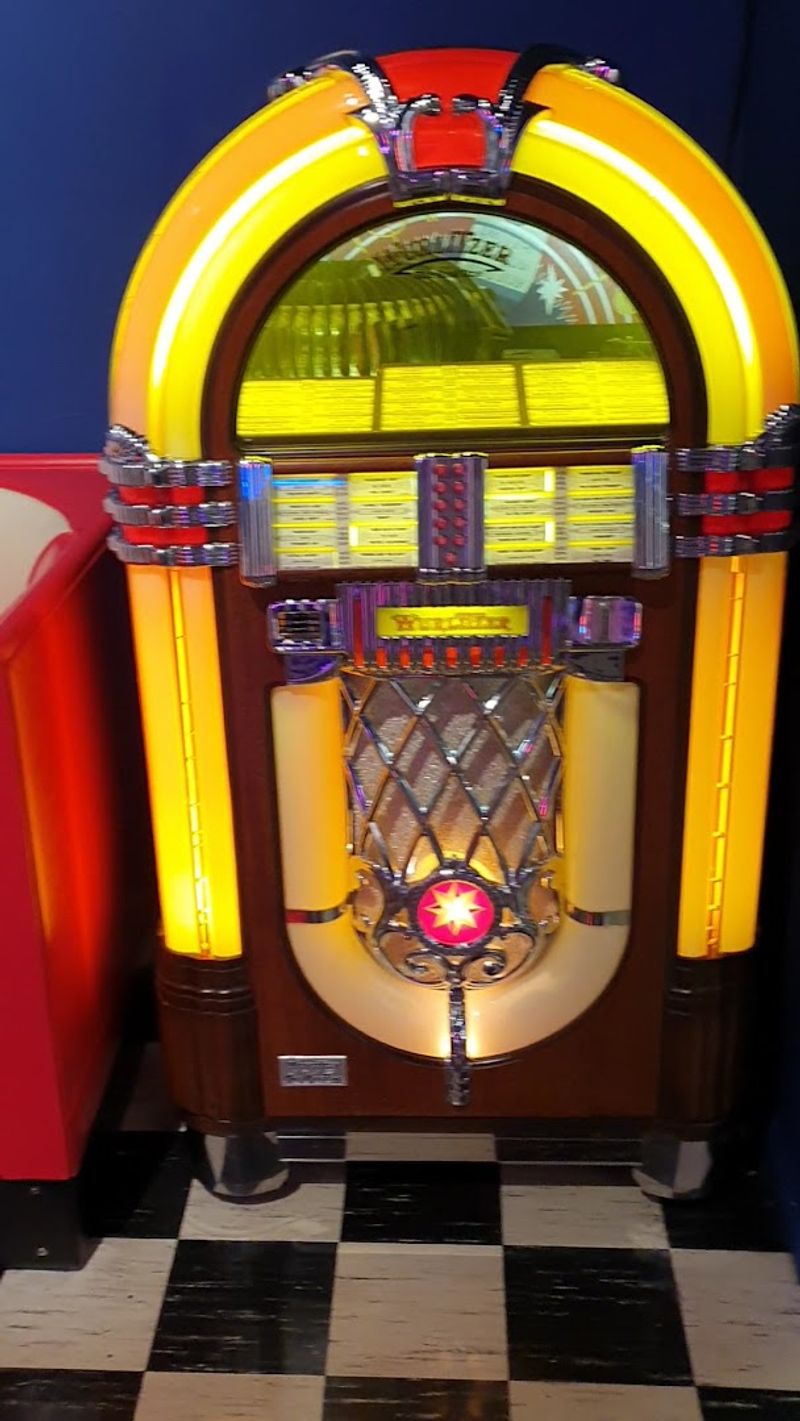
Music has always been woven into the fabric of Route 66, and the museum gives it proper attention throughout the exhibits. From early country and folk songs about the road to the rock and roll era and beyond, the musical dimension of Route 66 culture gets real space here.
The decade-by-decade room design means the soundtrack changes as you move through the museum. Press the button at the entrance of each room and the music shifts to match the era.
It is a simple mechanism, but it works beautifully as a way of grounding you in a specific moment in time.
Bobby Troup’s famous song “Get Your Kicks on Route 66” is referenced throughout the museum, and the exhibit traces how popular music helped cement the road’s iconic status in American culture. The connection between the highway and the soundtrack of American life is handled with genuine depth.
By the time you reach the later decades, you realize the museum has quietly given you a music history lesson alongside the road history, and the two feel completely natural together.
Old Film Reels and the Moving Image of the Road
The museum includes areas where visitors can sit down and watch archival footage of Route 66. Old film reels show cars traveling the highway in earlier decades, and the grainy, black-and-white quality of some of the footage gives it an authenticity that no modern recreation could match.
These viewing spots are genuinely restful after walking through the denser exhibit sections, and the footage is engaging enough to hold your attention. Watching actual cars from the 1940s and 1950s roll down the Mother Road is a different kind of history lesson than reading a panel or studying a photograph.
The seating areas are comfortable and unhurried, which fits the overall pace of the museum perfectly. There is no pressure to keep moving, and the staff seems to understand that visitors come here to absorb, not just to tick a box on a road trip itinerary.
For families traveling with kids, the film sections provide a natural pause point that keeps younger visitors engaged while giving adults a chance to settle in and appreciate the broader context of what they are seeing around them.
The Gift Shop That Road Trip Fans Will Love
The gift shop at the Oklahoma Route 66 Museum has a reputation that precedes it, and it fully earns the praise. It is well-stocked, thoughtfully curated, and covers a wide range of Route 66 merchandise that goes well beyond the generic souvenir options you find at highway rest stops.
Books about Route 66 history, vintage-style signs, branded apparel, postcards, magnets, and specialty items line the shelves. The museum has been actively expanding the shop’s inventory, and the variety shows.
Whether you are shopping for yourself or picking up gifts for people back home, there is genuinely something for every budget.
The staff in the gift shop are as friendly as the rest of the team, and they are happy to make recommendations if you are not sure what to pick. The shop is accessible without purchasing a museum ticket, though most visitors pass through it naturally at the end of their tour.
Road trip culture is about collecting memories as much as covering miles, and the gift shop here understands that. You will leave with something that actually reminds you of the experience rather than just a generic trinket.
The Staff Who Make the Experience Personal
A museum is only as good as the people running it, and the team at the Oklahoma Route 66 Museum sets a high bar. The staff are consistently described as warm, knowledgeable, and genuinely happy to be there, and that energy is noticeable from the moment you walk in.
There are documented cases of visitors arriving close to closing time and being welcomed in anyway, with staff patiently waiting while guests took their time moving through the exhibits. That kind of hospitality is not something you can manufacture; it reflects a real pride in what the museum represents.
The team is also happy to share context and personal insights about the exhibits, which adds value beyond what the signage provides. A casual conversation with one of the staff members can turn a good visit into a great one.
For a museum that sits on one of America’s most storied roads, the human element matters enormously. The staff here seem to genuinely understand that they are custodians of something meaningful, and they treat every visitor as someone worth taking care of.
That attitude makes a real difference.
Planning Your Visit and Making the Most of the Stop
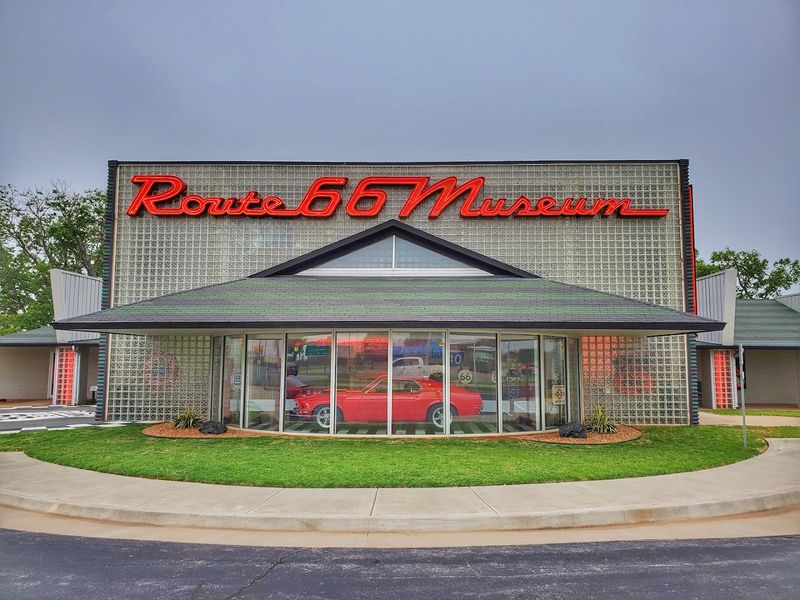
Getting the most out of a visit to the Oklahoma Route 66 Museum comes down to a few practical details worth knowing in advance. The museum is open Monday through Saturday from 9 AM to 5 PM and is closed on Sundays, so adjust your road trip schedule accordingly if you are traveling over a weekend.
Admission is approximately $10 for adults, and active military members enter free of charge. The self-guided tour can take anywhere from 30 minutes to several hours, depending on how deeply you engage with the exhibits.
Bringing a little extra time is always the right call here.
The museum is located on the original Route 66 corridor in Clinton, so it fits naturally into a larger Mother Road road trip through Oklahoma. Pairing the museum visit with other Route 66 stops in the state creates a full and satisfying day of travel.
You can reach the museum by phone at 580-323-7866, and additional information is available through the Oklahoma Historical Society website. The 100th anniversary of Route 66 makes this a particularly meaningful year to make the trip.
Share this story