 Unearth The Voyage
Tucked away in the small town of Wakita, Oklahoma, sits a museum that celebrates one of the most thrilling disaster films ever made. The Twister Movie Museum brings the excitement of the 1996 blockbuster back to life with authentic props, memorabilia, and stories from the filming.
Whether you’re a die-hard fan of the movie or just curious about Hollywood magic, this unique attraction offers an unforgettable journey into tornado-chasing history.
The Museum Lives Inside a Real Wakita Building
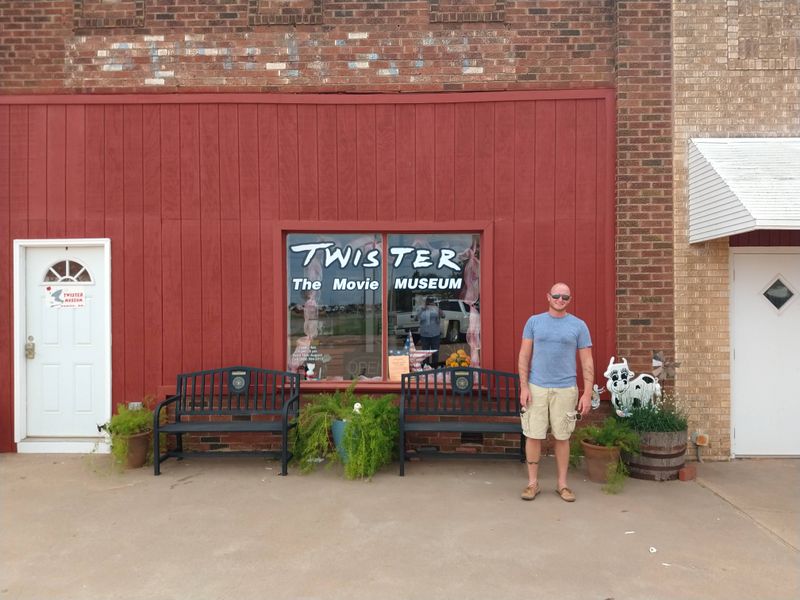
Located at 101 W Main Street, the museum occupies an actual building that stood during the filming of Twister in 1995. Wakita was chosen as a filming location because of its authentic small-town charm and wide-open landscapes perfect for tornado scenes.
The production crew transformed this quiet community into a disaster zone, and locals still remember the excitement.
Today, the museum preserves that magical time when Hollywood came to town. Visitors can walk through the same streets where Helen Hunt and Bill Paxton filmed their iconic scenes.
The building itself serves as a reminder of how a tiny Oklahoma town became part of cinema history.
Open from 1 to 5 PM on Saturdays, the museum welcomes guests year-round. With a stellar 4.8-star rating, it’s clear that visitors appreciate the dedication to preserving Twister’s legacy.
You can reach them at 580-554-0382 or visit their website at twistermuseum.org for more information about special events and group tours.
Authentic Props From the Film Are on Display
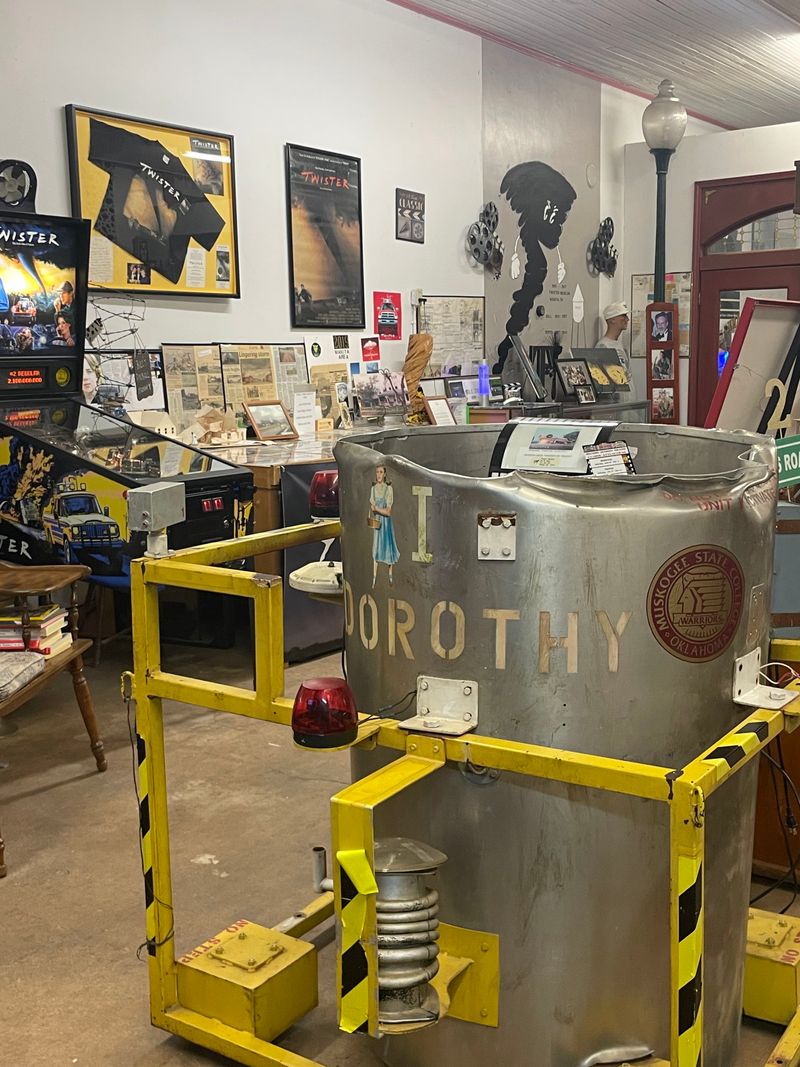
Walking into the museum feels like stepping onto the movie set itself. Original props used during filming line the walls and fill display cases, giving fans a tangible connection to their favorite scenes.
From debris that was hurled by movie magic tornadoes to equipment used by the storm-chasing team, every item tells a story.
Some props show the wear and tear of intense action sequences. Others look surprisingly pristine, preserved carefully by museum curators and local volunteers.
Each piece represents countless hours of work by the film crew who brought the tornado terror to life.
Photographs accompany many displays, showing how the props were used during filming. These behind-the-scenes glimpses reveal the impressive coordination required to create convincing disaster scenes.
Fans often spend hours examining every detail, discovering new connections to memorable moments from the movie.
The collection continues to grow as cast members and crew occasionally donate additional items. This ongoing expansion ensures that return visitors always find something new to appreciate and explore.
Photos Document the Entire Filming Experience
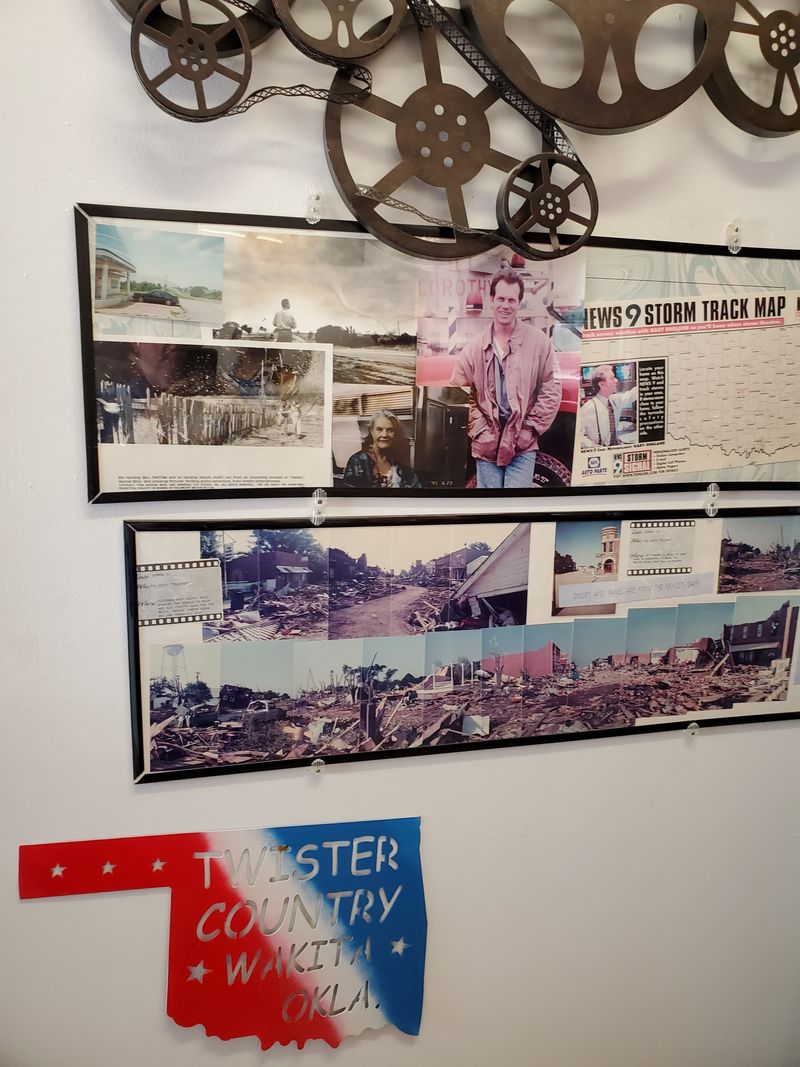
Hundreds of photographs capture the chaos and excitement when Twister took over Wakita in 1995. These images show Helen Hunt, Bill Paxton, and other cast members between takes, often chatting with starstruck locals.
The candid shots reveal the human side of big-budget filmmaking, showing actors laughing, eating lunch, and preparing for dramatic scenes.
Many photos were taken by Wakita residents who witnessed history in the making. Their unique perspectives provide glimpses that professional set photographers might have missed.
You’ll see the massive equipment trucks, special effects setups, and the incredible transformation of ordinary streets into tornado-ravaged landscapes.
Before-and-after comparisons are particularly fascinating. One photo shows a peaceful Main Street, while the next displays the same location covered in fake debris and overturned cars.
The dramatic changes demonstrate the movie magic that convinced audiences they were watching real destruction.
Local volunteers who worked as extras also contributed their personal snapshots. These treasured memories now help visitors understand what it was like to be part of such an ambitious production.
Meet the Locals Who Became Part of the Story
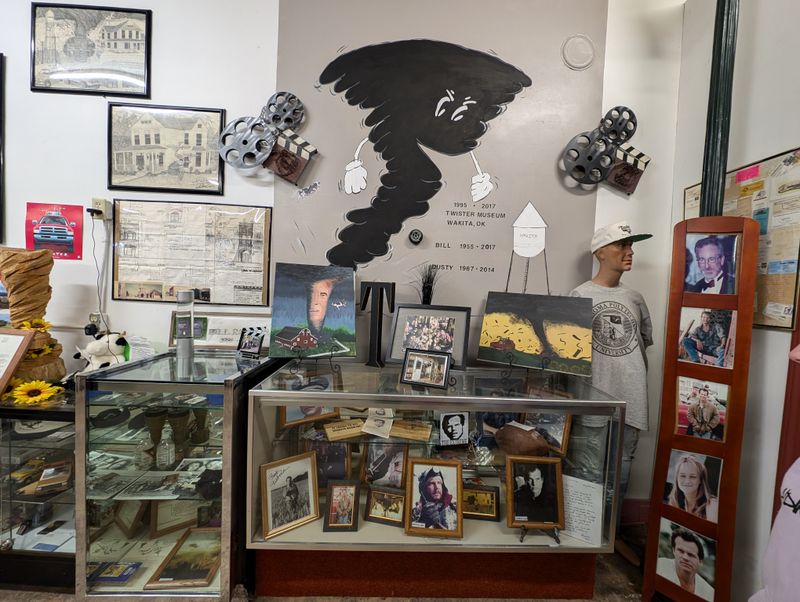
Wakita residents didn’t just watch the filming—they became part of it. Many townspeople worked as extras, appearing in crowd scenes and background shots.
The museum honors these local celebrities with dedicated displays featuring their stories and experiences.
One section highlights interviews with residents who shared meals with the cast. Others describe the surreal experience of watching their town get deliberately destroyed (with movie magic, of course).
These personal accounts add warmth and humor to the museum experience, showing how the production brought the community together.
Some locals even had their homes used for interior shots or as crew staging areas. Imagine opening your living room to Hollywood’s finest!
The museum preserves these memories through photographs, signed memorabilia, and handwritten notes from grateful cast members.
Children who were young during filming now bring their own kids to share stories of meeting movie stars. This intergenerational connection keeps Twister’s legacy alive in Wakita.
The pride residents feel in their town’s cinematic moment shines through every display and every conversation with museum volunteers.
Dorothy the Tornado Sensor Takes Center Stage
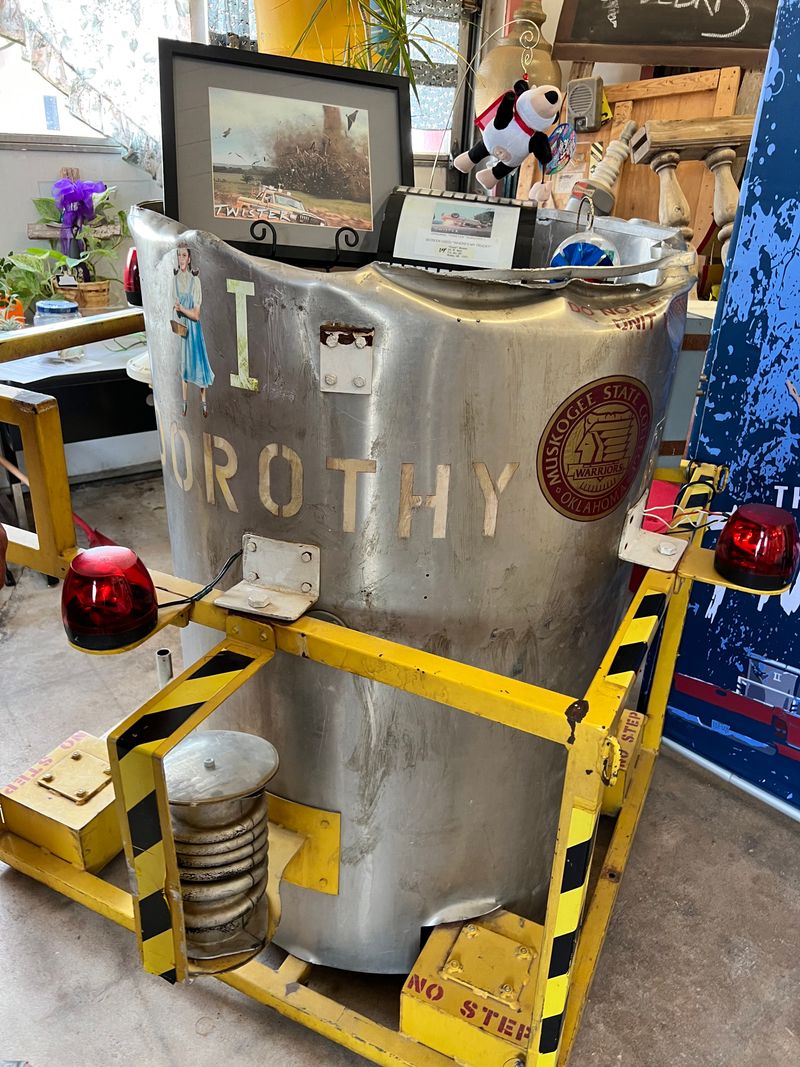
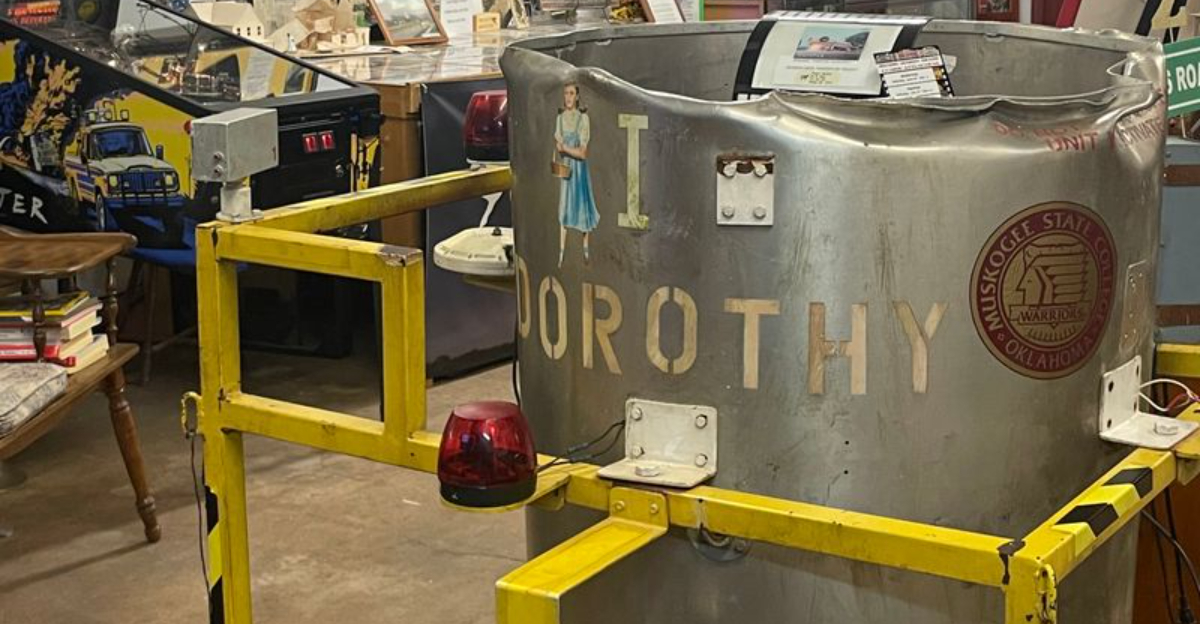
Movie fans instantly recognize Dorothy, the revolutionary tornado-sensing device that drives Twister’s plot. The museum features replicas and information about this fictional invention that captured imaginations worldwide.
Though not a real scientific instrument, Dorothy was inspired by actual meteorological equipment used by storm researchers.
The device’s design combined practicality with visual drama. Hundreds of small sensors were meant to be released into a tornado’s path, gathering data from inside the storm.
This concept, while exaggerated for entertainment, reflected genuine scientific curiosity about understanding tornadoes better.
Visitors learn about the real technology that influenced Dorothy’s creation. Actual storm-chasing equipment from the 1990s is displayed alongside movie props, showing how filmmakers blended fact with fiction.
The comparison helps guests appreciate both Hollywood creativity and legitimate meteorological research.
Interactive displays explain how tornadoes form and why studying them matters. Kids especially enjoy learning about storm science through the lens of their favorite action sequences.
Dorothy serves as an entertaining gateway to understanding severe weather and the brave scientists who study it.
The Destroyed Wakita Set Comes Back to Life
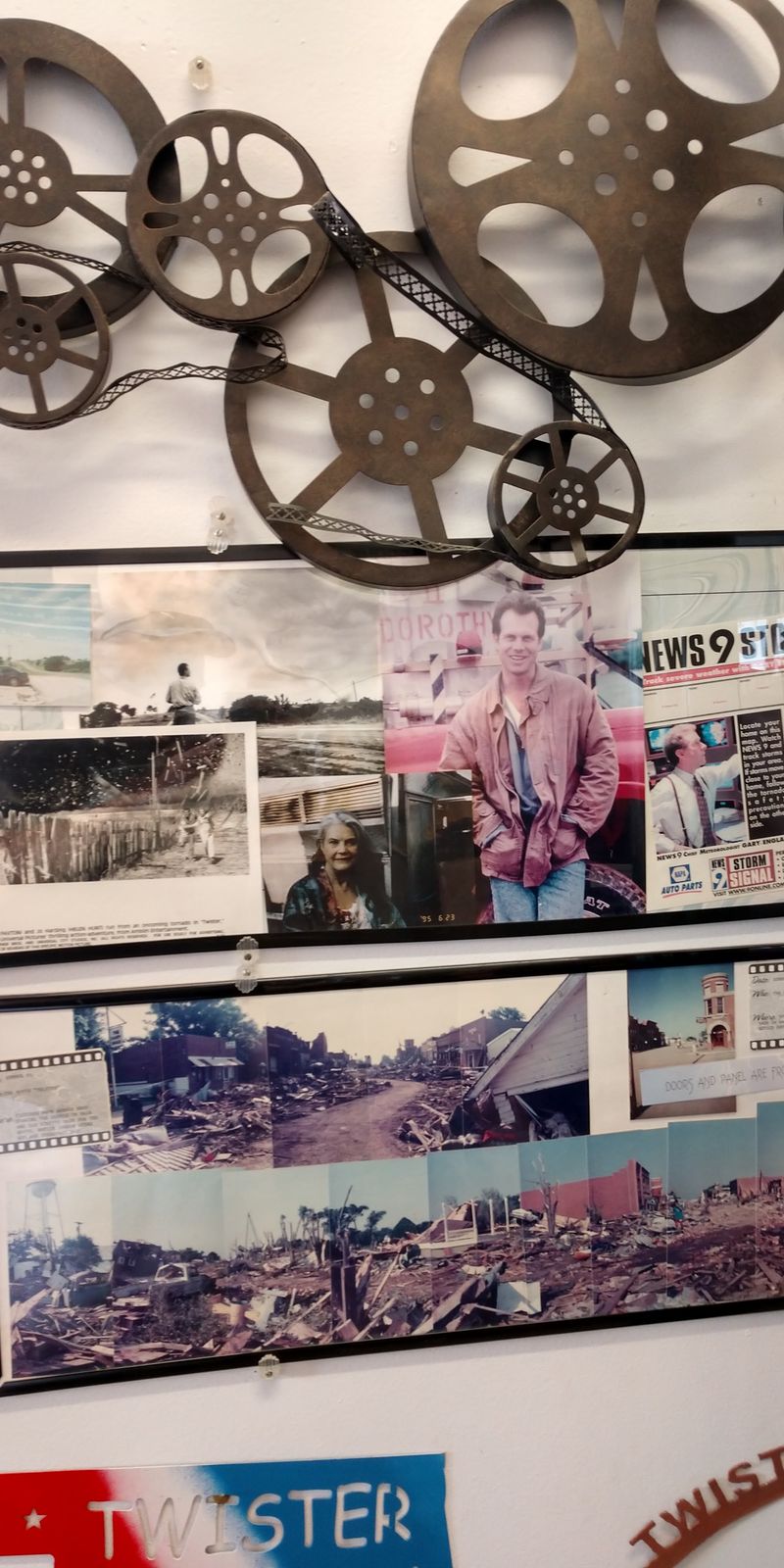
Seeing your hometown demolished—even for a movie—creates lasting memories. The museum showcases dramatic images of Wakita’s transformation into a tornado-devastated community.
Streets were littered with carefully placed debris, buildings received artificial damage, and vehicles were strategically overturned to create convincing destruction.
What looks like chaos on screen required meticulous planning. Every piece of scattered lumber, every broken window, and every displaced object was deliberately positioned by the art department.
The museum’s displays reveal this hidden order within apparent disorder, helping visitors appreciate the artistry behind disaster scenes.
Cleanup after filming became a community effort. Residents pitched in to restore their town, collecting props and souvenirs along the way.
Many of these salvaged items now reside in the museum, complete with stories about their discovery and preservation.
The contrast between movie destruction and Wakita’s peaceful present-day appearance fascinates visitors. You can stand on the same corner where a CGI tornado once raged, now calm and quiet.
This juxtaposition makes the museum experience feel almost magical, blending reality with cinematic fantasy.
Costumes and Wardrobe Tell Character Stories
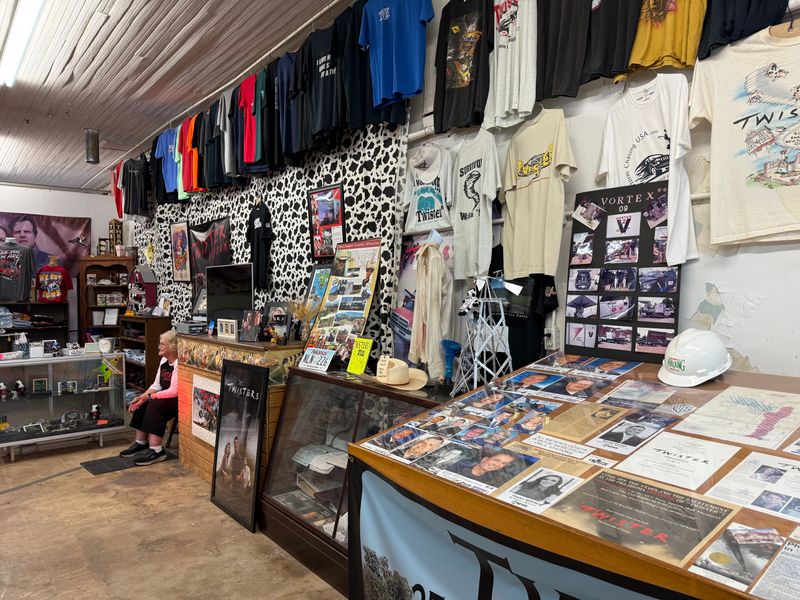
Clothing might seem insignificant compared to tornado effects, but wardrobe choices helped define Twister’s characters. The museum displays costumes that show the practical, weathered look of professional storm chasers.
These weren’t glamorous outfits—they were functional clothes designed to withstand harsh conditions.
Helen Hunt’s character Jo wore sturdy jeans, practical boots, and layers that could handle sudden weather changes. Her wardrobe reflected her serious, no-nonsense approach to tornado research.
By contrast, the rival storm-chasing team sported slicker, more corporate-looking gear, visually signaling their different priorities and funding sources.
Examining these garments up close reveals interesting details. Intentional wear patterns, strategic dirt placement, and careful aging techniques made new clothes look authentically used.
Costume designers spent hours creating realistic weathering effects that would read convincingly on camera.
The museum also features crew jackets and other production wardrobe items. These behind-the-scenes pieces remind visitors that dozens of people worked tirelessly to bring Twister to life.
Even the clothes worn by extras received careful attention, ensuring visual consistency throughout the film.
Original Posters and Marketing Materials Shine
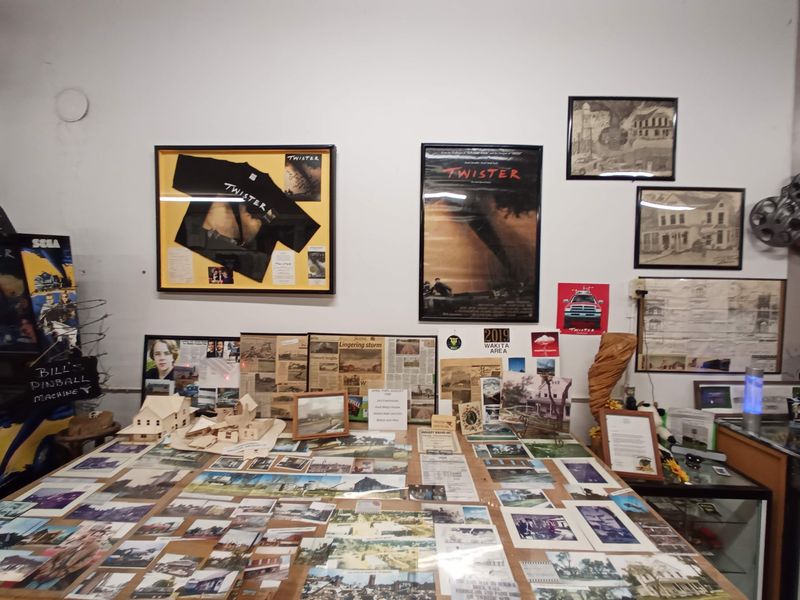
Movie marketing in 1996 looked very different from today’s digital campaigns. The museum preserves original theatrical posters, lobby cards, and promotional materials that advertised Twister’s release.
These vintage items showcase the bold graphics and dramatic imagery used to attract audiences to theaters.
The iconic poster featuring a massive tornado bearing down on storm chasers became instantly recognizable. Its design captured the film’s tension and spectacle perfectly, promising edge-of-your-seat thrills.
Multiple international versions show how different countries marketed the same film, with varied taglines and visual emphases.
Press kits, production notes, and media guides provide fascinating insights into how studios promoted major releases. Reading the original descriptions and cast biographies feels like time travel to the pre-internet entertainment world.
Journalists received these materials to help them write accurate, engaging articles about the film.
Limited edition items, including premiere invitations and cast-signed promotional photos, represent rare treasures. Collectors travel from across the country hoping to photograph these unique pieces.
The museum’s commitment to preserving marketing history helps document how Twister became a cultural phenomenon beyond just its box office success.
Storm-Chasing Science Gets Educational Spotlight
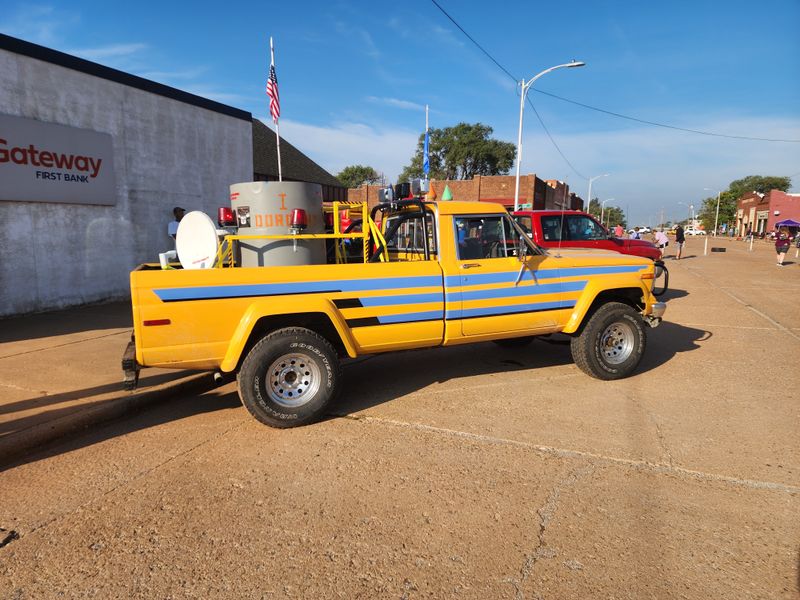
Beyond Hollywood glamour, the museum educates visitors about legitimate tornado research. Real meteorologists use sophisticated equipment to study severe weather, risking their safety to gather life-saving data.
Displays explain how tornado warnings have improved dramatically since the 1990s, thanks partly to research depicted in films like Twister.
Actual storm-chasing vehicles carry weather instruments, communication equipment, and protective modifications. The museum showcases examples of this specialized gear, comparing it to the fictional equipment seen in the movie.
Understanding the reality makes the film’s creative liberties more apparent and more forgivable.
Tornado formation science is presented in kid-friendly terms. Diagrams show how warm and cold air masses collide, creating the rotating columns that become tornadoes.
Interactive elements let visitors explore different storm types and severity scales, making meteorology accessible and engaging.
Oklahoma’s location in Tornado Alley makes this educational content especially relevant. Residents live with severe weather threats regularly, so understanding tornado safety isn’t just interesting—it’s essential.
The museum balances entertainment with practical information that could genuinely help visitors stay safe during actual storms.
Community Pride Fuels the Museum’s Mission
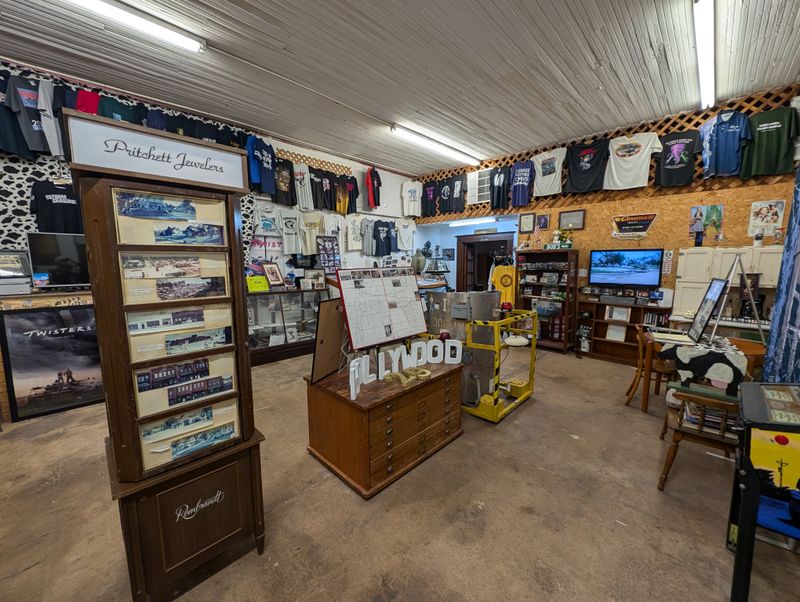
Every museum needs passionate people to survive, and Wakita residents provide that dedication in abundance. Volunteers staff the museum, maintain displays, and share stories with visitors who travel from around the world.
Their enthusiasm transforms a simple collection of movie memorabilia into a living celebration of community achievement.
Funding comes primarily from donations, admission fees, and local fundraising efforts. Unlike major metropolitan museums with large endowments, this small-town attraction operates on tight budgets and volunteer labor.
Yet the quality of curation and visitor experience rivals much larger institutions, proving that passion matters more than money.
Annual events and special screenings bring the community together while attracting tourists. Some visitors plan entire vacations around visiting Wakita during these celebrations.
The economic impact helps support local businesses, from restaurants to gas stations, showing how one movie’s legacy can sustain a small town decades later.
For Wakita residents, the museum represents more than nostalgia—it symbolizes their town’s unique place in entertainment history. That pride ensures the museum will continue welcoming Twister fans for generations, keeping the spirit of adventure and excitement alive.



