 Unearth The Voyage
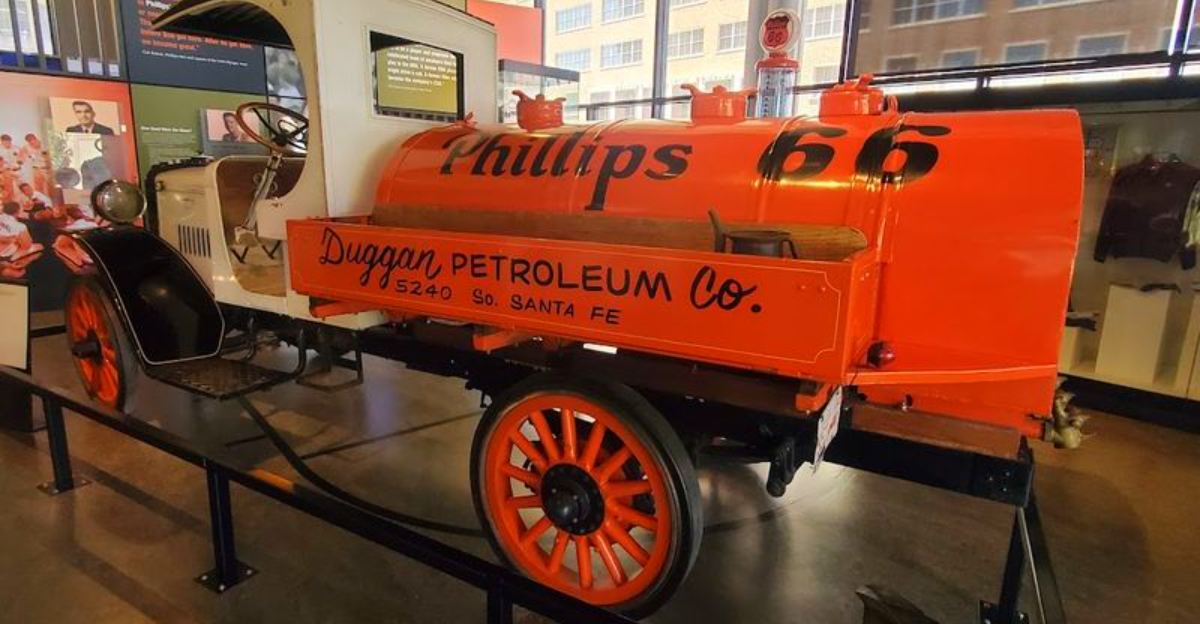
There is a small city in northeastern Oklahoma where the story of one of America’s most recognizable fuel brands comes to life in a way that no textbook ever could. Two brothers from Iowa packed their ambitions and headed south, struck oil on their fourth try, and built a company that would eventually touch nearly every corner of daily American life.
The Phillips Petroleum Company Museum in Bartlesville preserves that journey across three floors of exhibits, vintage artifacts, race cars, aircraft gear, and more. The best part?
Admission is completely free, and the experience is genuinely surprising for first-time visitors who expect something dry and corporate but get something far more captivating instead.
Where the Story Begins: Address and Setting
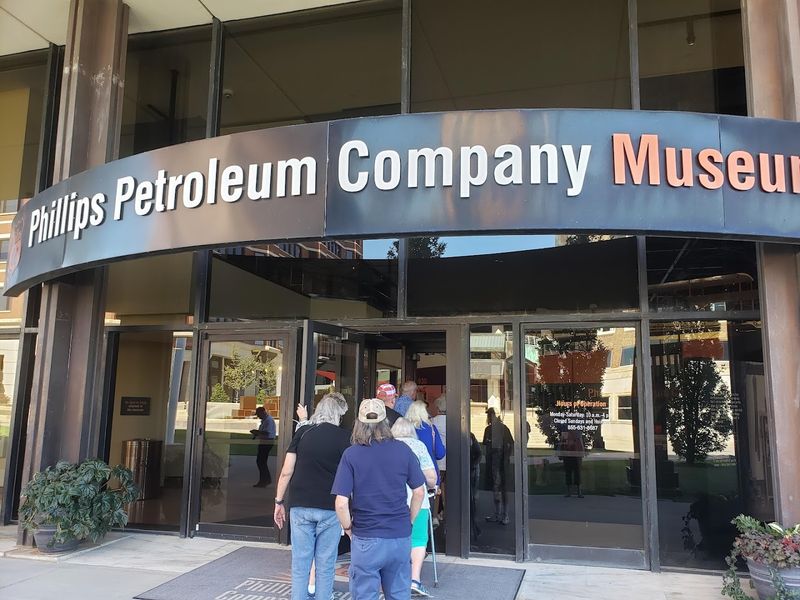
Right in the heart of Bartlesville, Oklahoma, at 410 S Keeler Ave, the Phillips Petroleum Company Museum sits in a clean, well-maintained building that gives no hint of just how much history waits inside. Bartlesville is a small city in Osage County, about 47 miles north of Tulsa, and it has long been tied to the oil industry in ways that shaped its entire identity.
The museum is easy to find and offers free parking nearby, which makes the whole visit feel relaxed from the start. There is no admission fee, so families, solo travelers, and curious road-trippers can walk in without any financial pressure.
The building spans three full floors, each dedicated to a different chapter of the Phillips legacy. The layout is thoughtful and well-organized, so moving from one exhibit to the next feels natural rather than confusing.
Tours are available, and at certain times reservations are required, so checking the museum’s website before your visit is a smart move that saves potential disappointment at the door.
Frank and Lee Phillips: The Brothers Behind the Brand
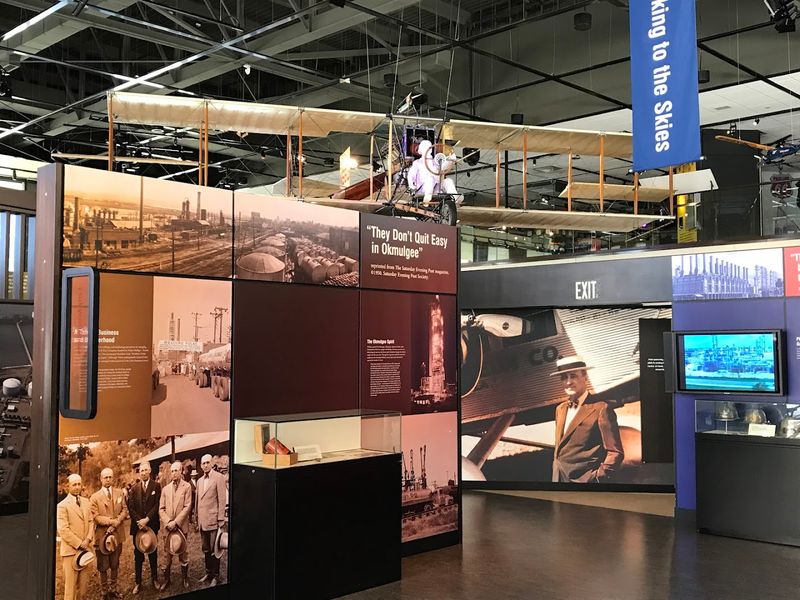
Not every great American business story starts with a sure thing. Frank and Lee Phillips were originally from Creston, Iowa, and they tried four times before their oil well finally came in as a gusher in the Indian Territory that would become Oklahoma.
That persistence is a central theme throughout the museum. The exhibits do an excellent job of showing who these men were beyond their business accomplishments, including their personalities, their community investments, and the culture they built around their company.
Frank Phillips in particular comes across as a larger-than-life figure who genuinely loved people and spectacle in equal measure.
A short film shown at the museum gives a solid nine-minute overview of the brothers’ journey, and it works well as a starting point before exploring the rest of the exhibits. The film covers the early days of the company, the risks the brothers took, and the way their decisions rippled outward across entire industries.
Watching it first gives every display that follows a richer layer of context that makes the artifacts feel personal rather than just decorative.
Three Floors of Unexpected Surprises
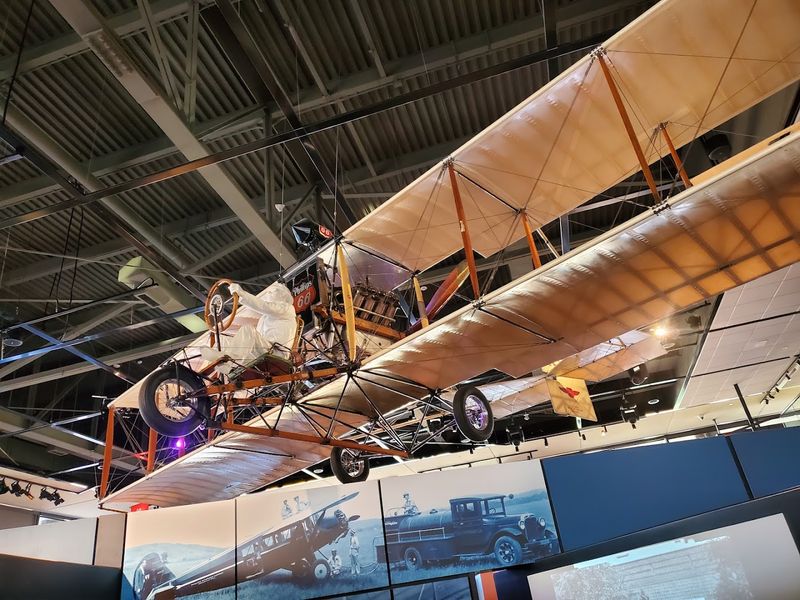
Most people expect a corporate museum to feel a little stiff, but this one keeps throwing curveballs in the best way possible. The three floors cover far more ground than just oil rigs and refinery history, and the variety of exhibits is genuinely impressive for a free attraction.
On one floor you might find vintage dentist equipment used at company facilities, and on another you can stand next to actual race cars from the Phillips racing team. There are aircraft-related displays, chemistry glassware, research innovations, and even a rotary telephone that makes for a great conversation starter with younger visitors who have never seen one in real life.
The layout encourages exploration rather than rushing. Each station connects naturally to the next, so the whole experience feels like following a thread rather than bouncing between disconnected topics.
Families with kids will find plenty to look at, though it is worth keeping an eye on little ones near the more delicate displays. Adults with no prior interest in petroleum history have reported spending well over an hour there without ever feeling bored, which says a lot about how the exhibits are designed.
The Oil Innovation Exhibits
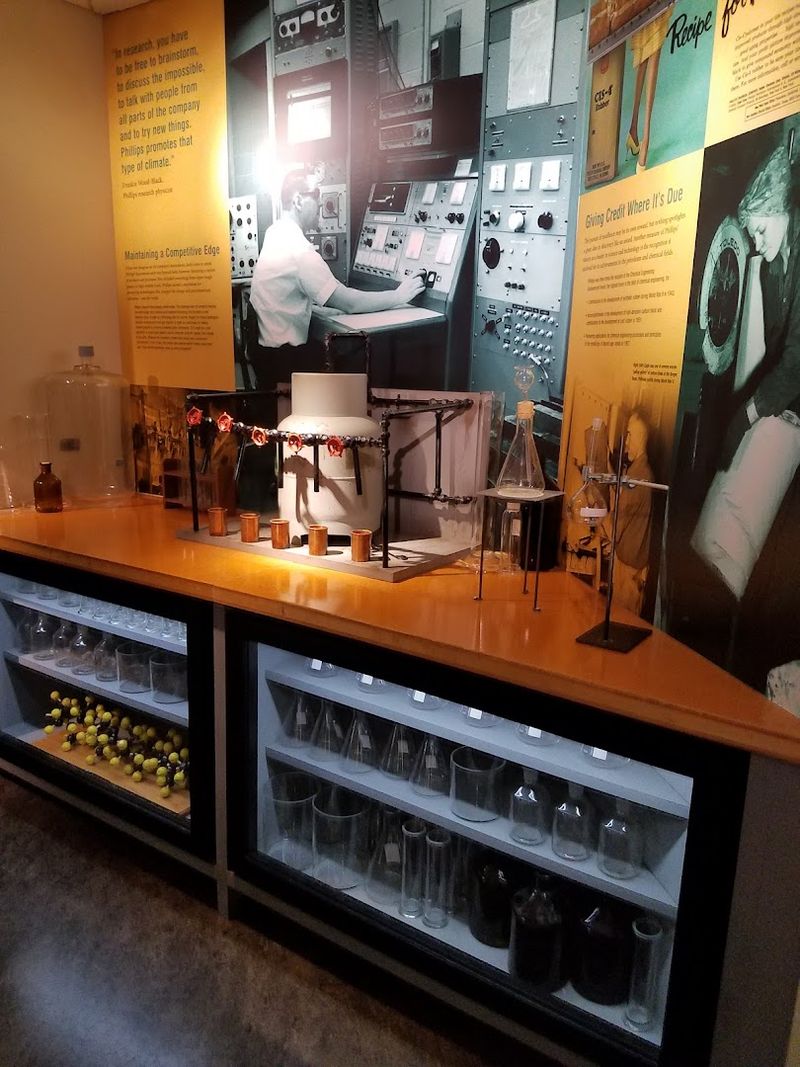
Few companies in American history have held as many patents as Phillips Petroleum, and the museum makes sure you understand exactly what that means in practical terms. With around 15,000 patents to its name, the company contributed to technologies that most people use without ever connecting back to their source.
The research and innovation section of the museum is particularly eye-opening. Phillips scientists played a role in developing materials and chemicals that found their way into everyday products across multiple industries.
The hula hoop, for example, is one of the more surprising items connected to Phillips research, and the exhibit presents that fact with just enough flair to make visitors do a double-take.
The displays explain complex chemical and industrial processes in ways that are accessible without being oversimplified. Diagrams, physical models, and well-written panel text work together to make the science feel approachable.
Visitors who spent careers in petrochemical fields have called this section especially satisfying, since it validates knowledge they built over decades and fills in historical gaps they never had the chance to explore before.
Race Cars and High-Altitude Gear
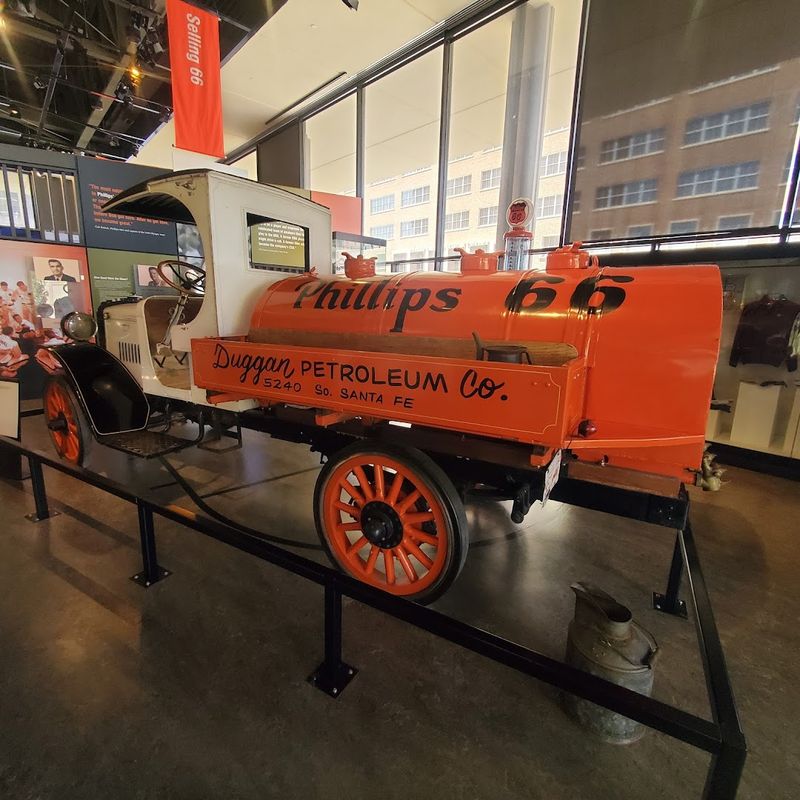
Speed and science collide in one of the most visually striking sections of the museum. The Phillips racing team cars are displayed with obvious pride, and they draw attention from visitors who might not have expected motorsport history to be part of this story at all.
The cars are well-preserved and presented with enough context to explain why racing mattered to the Phillips brand. Sponsoring a competitive racing team was a bold marketing move in the mid-twentieth century, and the exhibits show how that connection helped shape public perception of the company’s fuel products as high-performance and reliable.
Equally fascinating is the display related to high-altitude aviation. Phillips developed a suit designed for pilots flying at extreme elevations, roughly ten miles above the Earth’s surface, where standard oxygen levels simply cannot sustain human life.
The engineering behind that suit reflects the kind of boundary-pushing research culture that defined the company at its peak. Seeing actual equipment from that era up close, rather than just reading about it in a book, gives the achievement a weight that photographs alone cannot fully capture.
The Volunteer Staff Who Bring It to Life
A museum is only as good as the people inside it, and this one benefits enormously from a staff that actually lived the history on display. Many of the volunteers are retired Phillips employees who spent decades with the company, and their firsthand knowledge adds a layer of authenticity that no exhibit panel can fully replicate.
One standout figure that multiple visitors have mentioned is a woman who worked for Phillips for 55 years. She has a way of drawing people into conversation that makes the whole visit feel like a personal tour rather than a self-guided wander through a corporate archive.
A 15-minute chat with someone like that is worth more than most guided tours you could pay for elsewhere.
The staff is consistently described as helpful, warm, and genuinely enthusiastic about sharing the company’s history. Whether you arrive with deep knowledge of the petroleum industry or zero background in it, the volunteers meet you where you are and tailor their explanations accordingly.
That kind of human connection is what separates a good museum visit from one you actually remember years later.
Advertising History and Brand Identity on Display
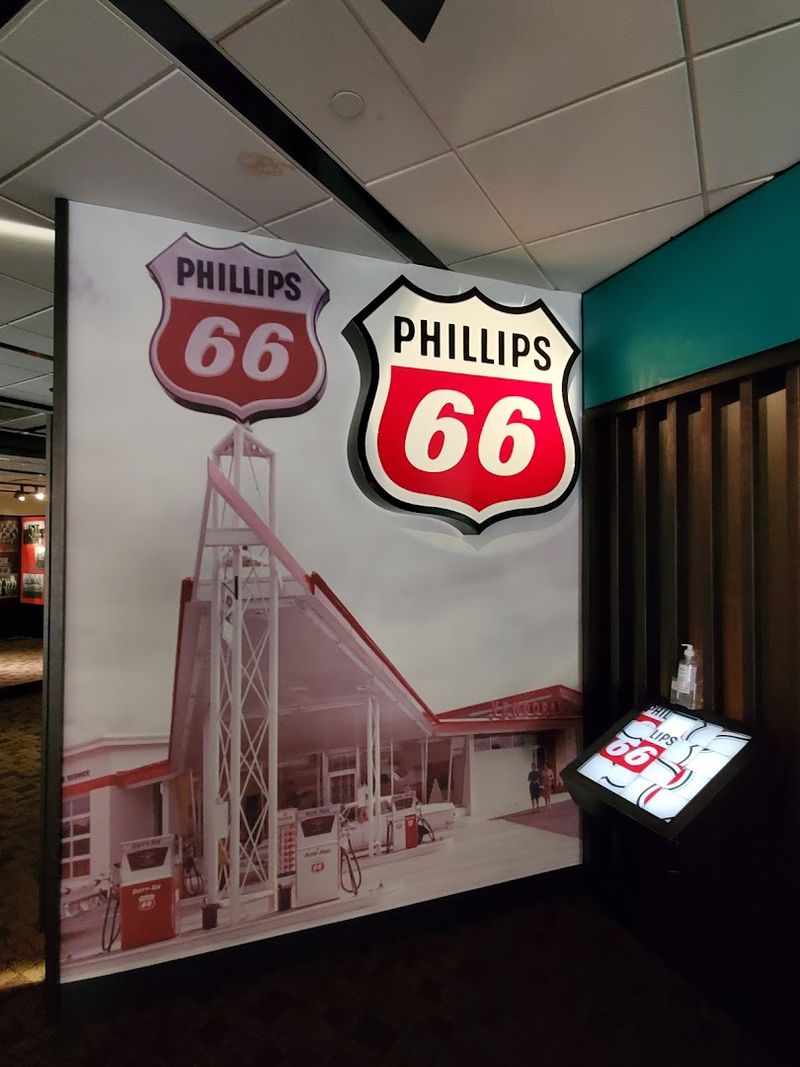
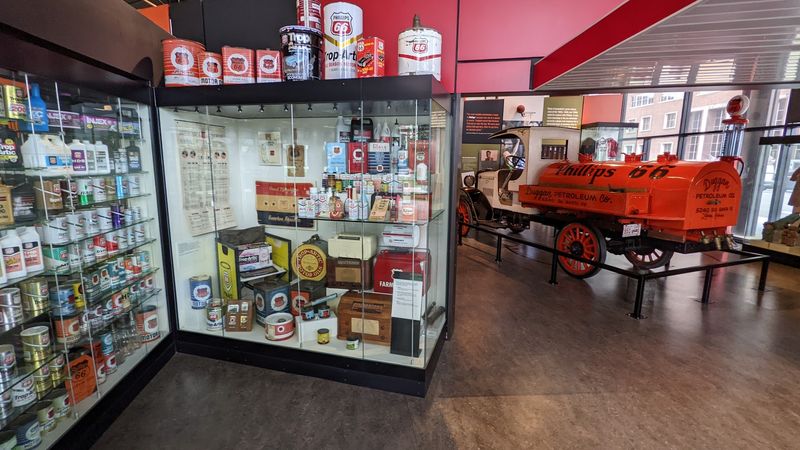
Brand collectors and advertising history enthusiasts will find this section of the museum particularly satisfying. Decades of Phillips 66 marketing materials are displayed throughout the building, from early roadside signage to promotional items that capture how the brand evolved visually over time.
The iconic Phillips 66 shield logo has one of the more interesting origin stories in American corporate history. The name itself reportedly came from the fact that the fuel was first tested on Route 66, and the speed of the car during that test happened to be 66 miles per hour.
Whether or not every detail of that story is perfectly accurate, the museum presents the brand’s history with enough depth to make the logo feel like more than just a gas station sign.
Seeing decades of advertising laid out in sequence reveals how the company adapted its messaging to changing American culture, from post-war optimism to the energy-conscious decades that followed. For anyone who grew up seeing that red, white, and black shield on road trips across the country, the advertising exhibits carry a quiet nostalgia that sneaks up on you mid-exhibit.
Connections to Bartlesville and the Local Community
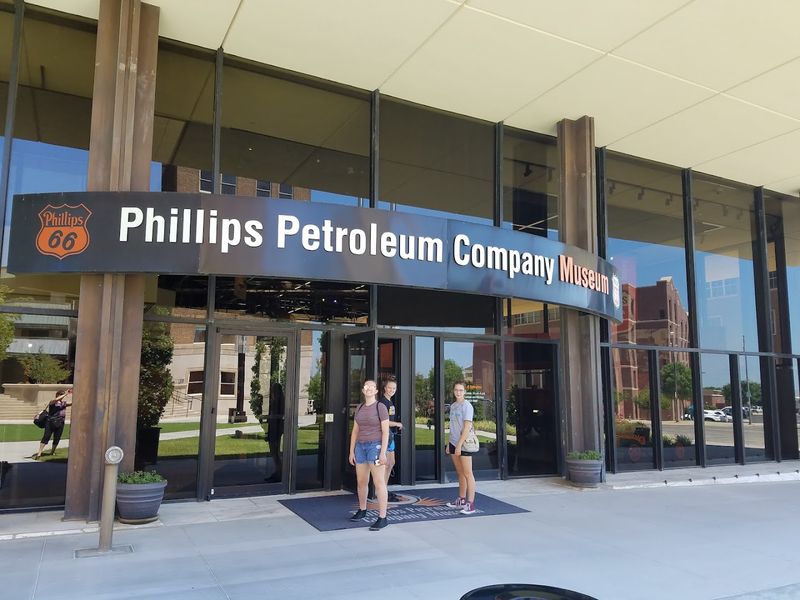
The museum does not exist in isolation. It is deeply woven into the fabric of Bartlesville, a city that owes much of its development and character to the Phillips Petroleum Company.
The company built infrastructure, supported arts and culture, and employed generations of local families, all of which the museum acknowledges throughout its exhibits.
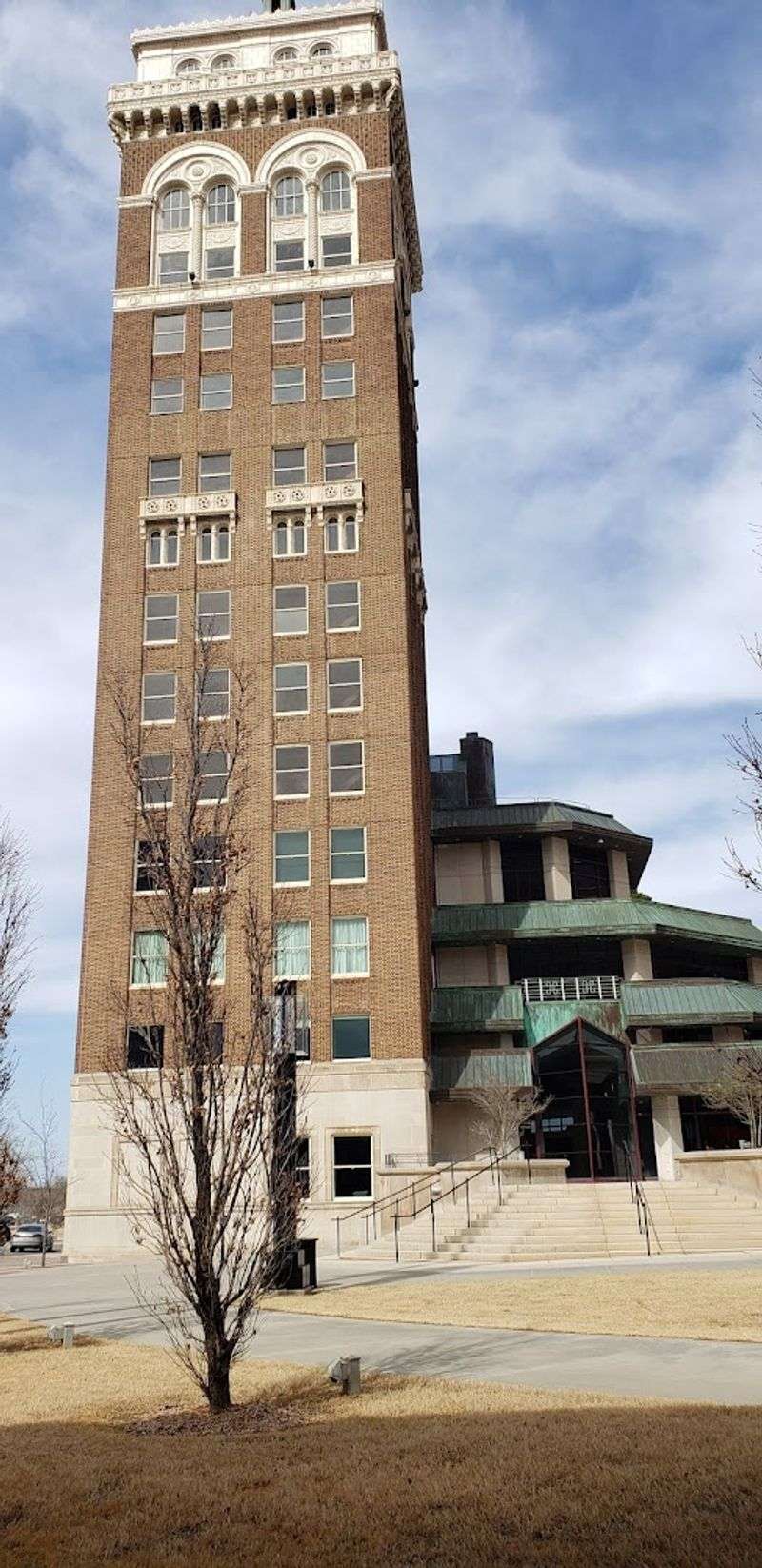
Bartlesville is also home to the Frank Lloyd Wright-designed Price Tower, and many visitors combine both stops into a single trip. The two destinations complement each other well, since both reflect the ambition and forward-thinking energy that defined the city during its most prosperous decades.
The museum’s exhibits on Bartlesville’s history show how a single company can shape an entire community’s identity, economy, and sense of pride. That relationship between corporate history and local culture is handled with care here, giving the museum a sense of place that goes beyond just celebrating one brand.
Oklahoma has no shortage of history worth preserving, and this museum contributes meaningfully to that broader effort by keeping a significant chapter of the state’s economic story accessible and alive for future generations.
Planning Your Visit: Tips and What to Expect
A few practical details can make the difference between a smooth visit and a frustrating one. Tours at the Phillips Petroleum Company Museum are sometimes available by reservation only, with bookings required up to seven days in advance.
Checking the museum’s official website before arriving is strongly recommended, especially if you are traveling from out of town.
Parking is free and easy to find near the building, which is a small but welcome detail that reduces stress before you even walk in. The museum is clean, well-maintained, and the restrooms are consistently praised by visitors, which matters more than people usually admit when planning a day out.
Families with young children can absolutely enjoy the visit, though the more delicate chemistry and research displays require a watchful eye. Adults with backgrounds in engineering, chemistry, or business history tend to find the exhibits particularly rewarding, but no prior knowledge is needed to have a great time.
The staff is ready to fill in any gaps. Budget at least an hour, but do not be surprised if you end up staying closer to two, because Oklahoma history has a way of holding your attention once it gets started.



