There is a corner of southeastern Oklahoma that most people have never heard of, and that is honestly part of its appeal. Tucked away near Broken Bow, a federally protected wildlife refuge quietly shelters one of the rarest natural features in the entire state: a sprawling, ancient cypress swamp covering roughly 1,000 acres.
Bald cypress trees rise from dark, still water, their knobby knees poking up from the surface like something out of a prehistoric scene. This is not your typical Oklahoma landscape, and that contrast is exactly what makes it so worth the drive.
Where the Refuge Actually Is
Not every nature destination comes with a dramatic front entrance, and Little River National Wildlife Refuge keeps things refreshingly humble. The refuge is located near Broken Bow, Oklahoma 74728, in the far southeastern corner of the state, a region often called “Little Dixie” for its lush, forested character that feels more like the Deep South than the Oklahoma most people picture.
The refuge is managed by the U.S. Fish and Wildlife Service and sits within McCurtain County, one of the most biologically rich counties in the state.
You can reach the refuge office by calling +1 580-584-6211, and more information is available at the official FWS website.
Getting here requires navigating gravel roads that stretch for several miles, so a high-clearance vehicle like an SUV, truck, or jeep is strongly recommended. Low-riding cars have made the trip before, but the ride can feel nerve-wracking on the rougher stretches.
Plan your route ahead of time, because cell service gets spotty the closer you get to the refuge boundary.
The 1,000-Acre Cypress Swamp
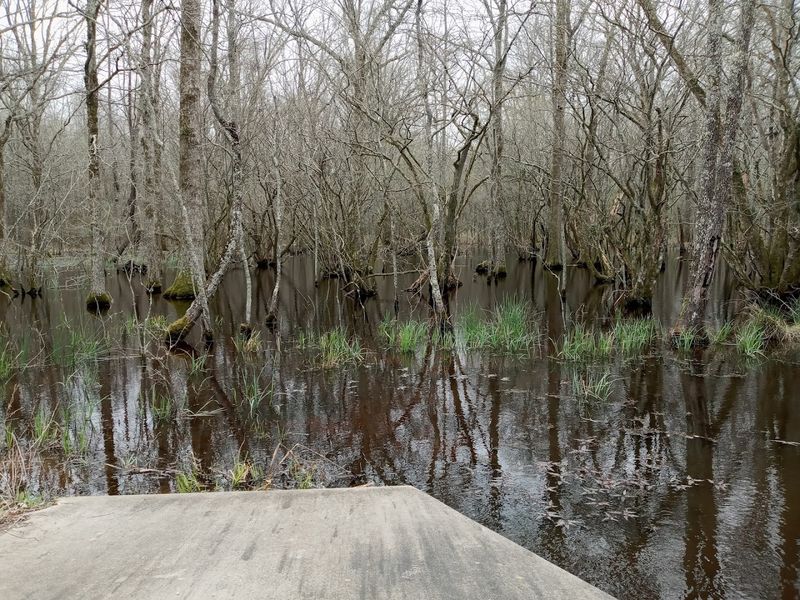
The centerpiece of the refuge is genuinely unlike anything else in Oklahoma. A roughly 1,000-acre bald cypress swamp spreads across the floodplain of the Little River, creating a wetland ecosystem that is extraordinarily rare this far west of the Mississippi Delta region.
Bald cypress trees are ancient survivors. They thrive in flooded conditions that would suffocate most other trees, and they do it by growing those distinctive knobby structures called “knees” that poke up through the waterline.
Scientists believe these knees help the tree breathe in waterlogged soil, though the exact function is still studied today.
The swamp has a moody, atmospheric quality that photographers absolutely love. Dark, tannin-stained water reflects the canopy above, and the silence feels intentional, like the whole place is holding its breath.
Visiting during early morning light gives you the most dramatic reflection shots, when mist sometimes hangs low over the water between the towering trunks. It is the kind of scene that makes you stop walking and just look for a while.
The State Champion Bald Cypress Tree
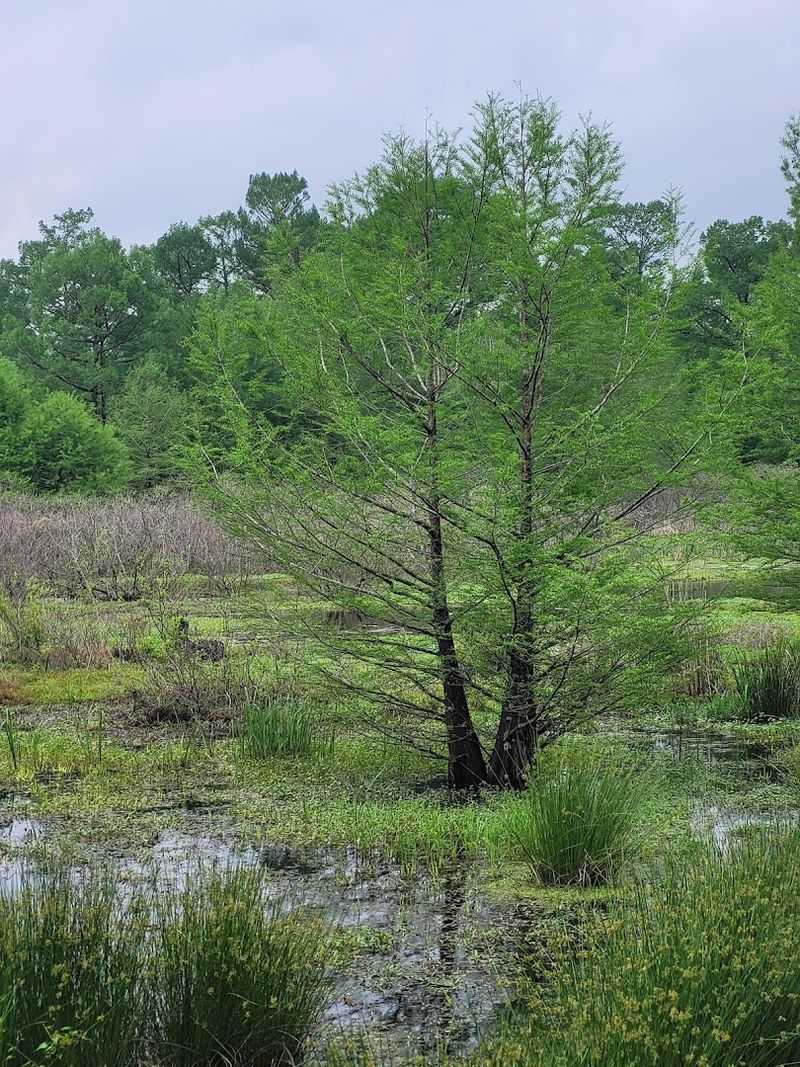
Among all the remarkable trees growing in this swamp, one stands above the rest in a very official way. The refuge is believed to be home to the state champion bald cypress tree in Oklahoma, a living record-holder recognized for its extraordinary size and age.
Visitors who have tracked it down report cypress knees standing roughly four and a half feet tall around its base, which gives you a sense of just how massive and ancient this particular tree is. Standing next to it puts the scale of natural time into perspective in a way that no photograph can fully capture.
Finding the champion tree is part of the adventure. There are no neon signs pointing the way, so you will need to explore the cypress slough with some patience and a decent sense of direction.
Wearing waterproof boots is a smart call, since the ground around the swamp can be soggy even during dry spells. The payoff for the effort is the kind of quiet satisfaction that comes from finding something genuinely extraordinary tucked away in a place most people overlook.
Wildlife You Can Actually Spot Here
The refuge was established primarily to protect habitat for migratory waterfowl and resident wildlife, and it delivers on that promise in a very real way. The combination of bottomland hardwood forest, wetlands, and open water creates a layered habitat that supports an impressive variety of species throughout the year.
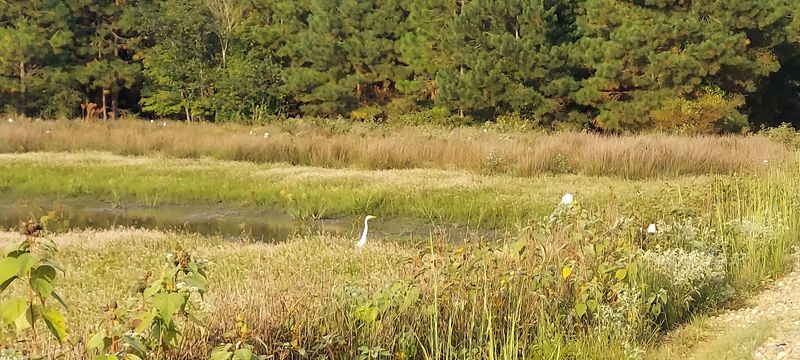
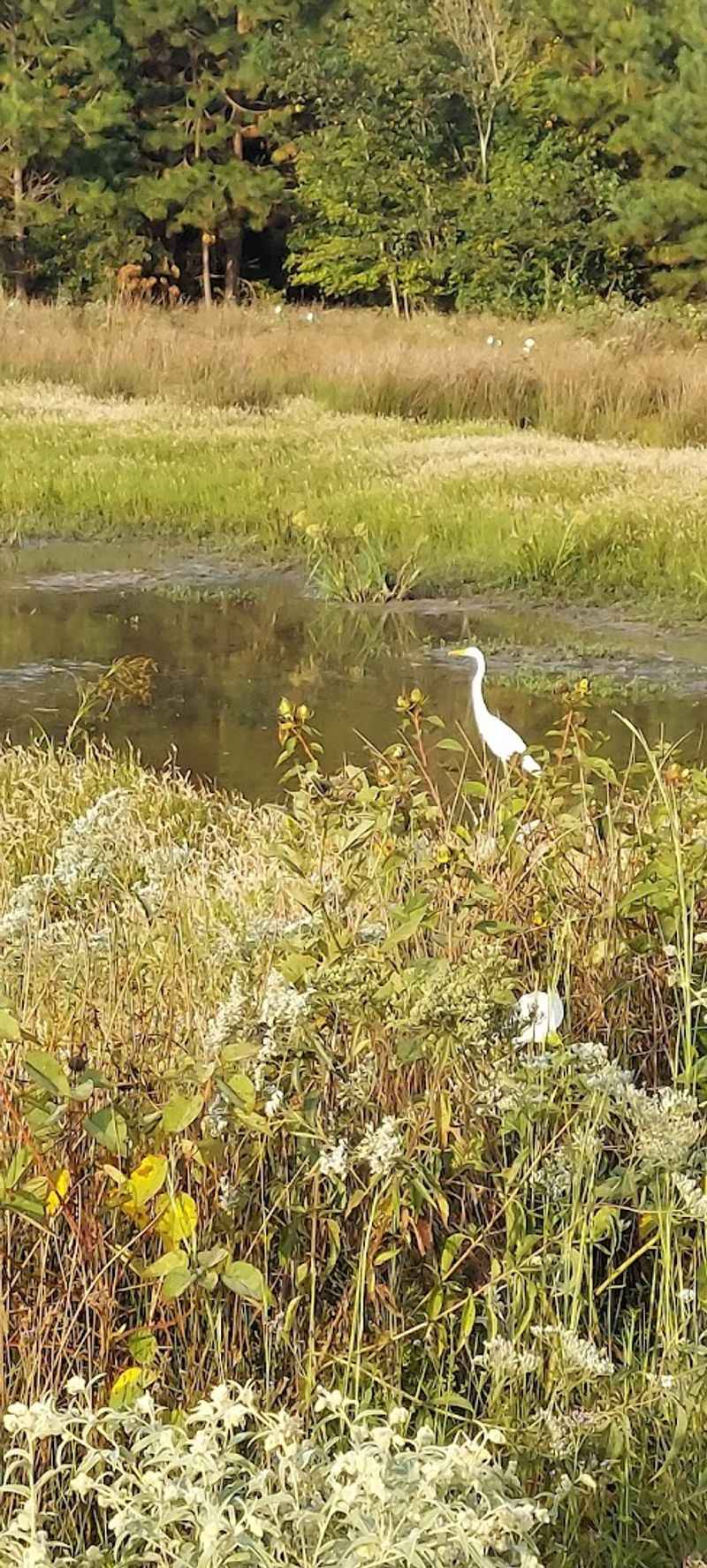
Waterfowl use the refuge heavily during migration season, making fall and winter particularly active times for bird watching. Wading birds like great blue herons and egrets work the shallows year-round, and the patient observer can spot them standing motionless in the dark water before striking with surprising speed.
Mammals are well represented here too. White-tailed deer move through the forest edges at dawn and dusk, and river otters have been spotted in the waterways.
One visitor even reported seeing a possum during their family outing, which honestly sounds like a perfectly on-brand wildlife encounter for a swamp refuge. The biodiversity here is a direct result of how undisturbed the habitat remains, and that undisturbed quality is one of the refuge’s greatest strengths.
Kayaking and Paddling the Little River
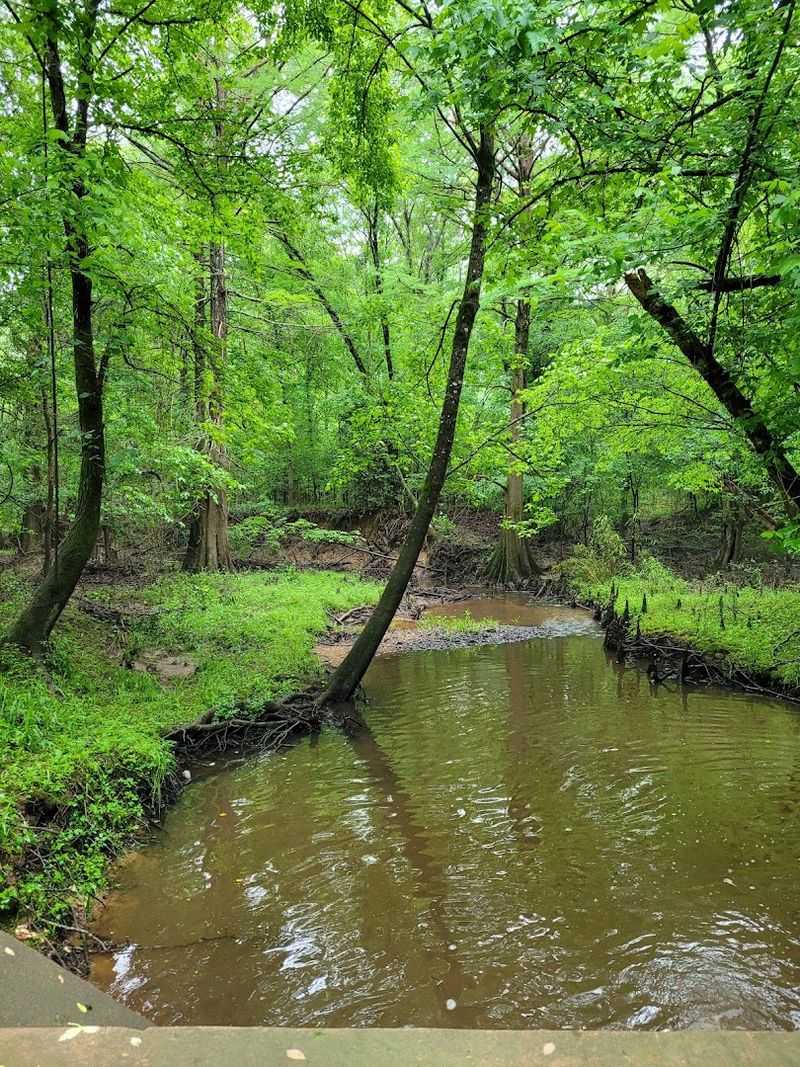
One of the most rewarding ways to experience the refuge is from the water. The Little River winds through the refuge, and paddling its channels puts you at eye level with the cypress knees and bottomland forest in a way that a trail hike simply cannot replicate.
Church groups, families, and solo paddlers have all made the trip out here specifically for the kayaking experience. The river moves at a gentle pace through most of the refuge, making it accessible even for people who are newer to paddling.
That said, water levels can vary significantly with seasonal rainfall, so checking conditions before you launch is always a smart move.
Renting a kayak or canoe and bringing it in is the standard approach, since there are no on-site rental facilities at the refuge itself. The payoff for that extra planning step is a paddle route where you might drift under a canopy of cypress branches with no engine noise, no crowds, and nothing but the sound of water and birds.
It is the kind of quiet that most people do not realize they have been craving until they are right in the middle of it.
The Observation Deck and Boardwalk Experience
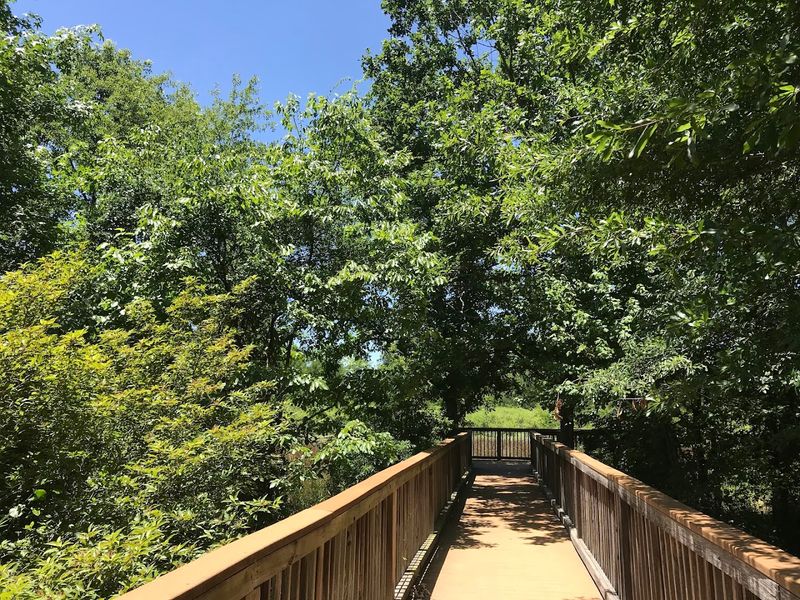
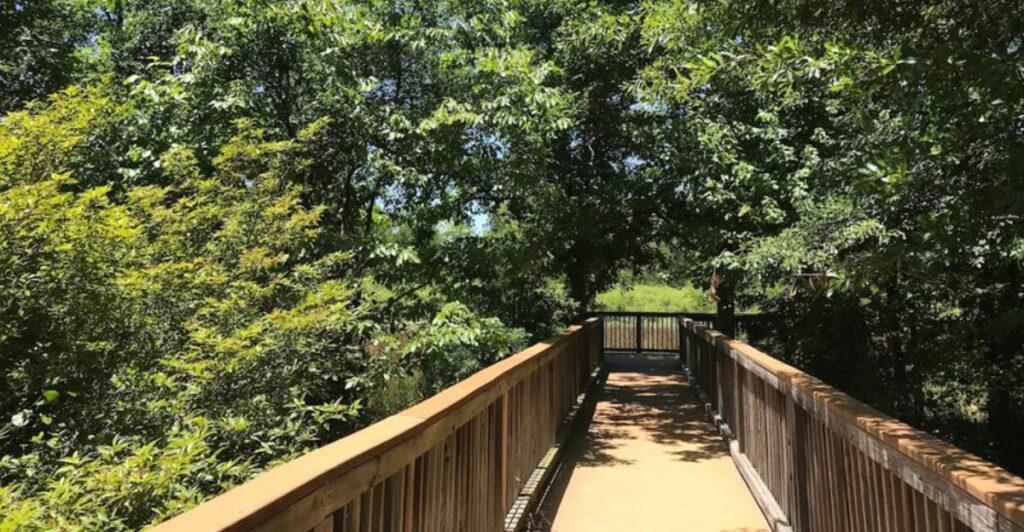
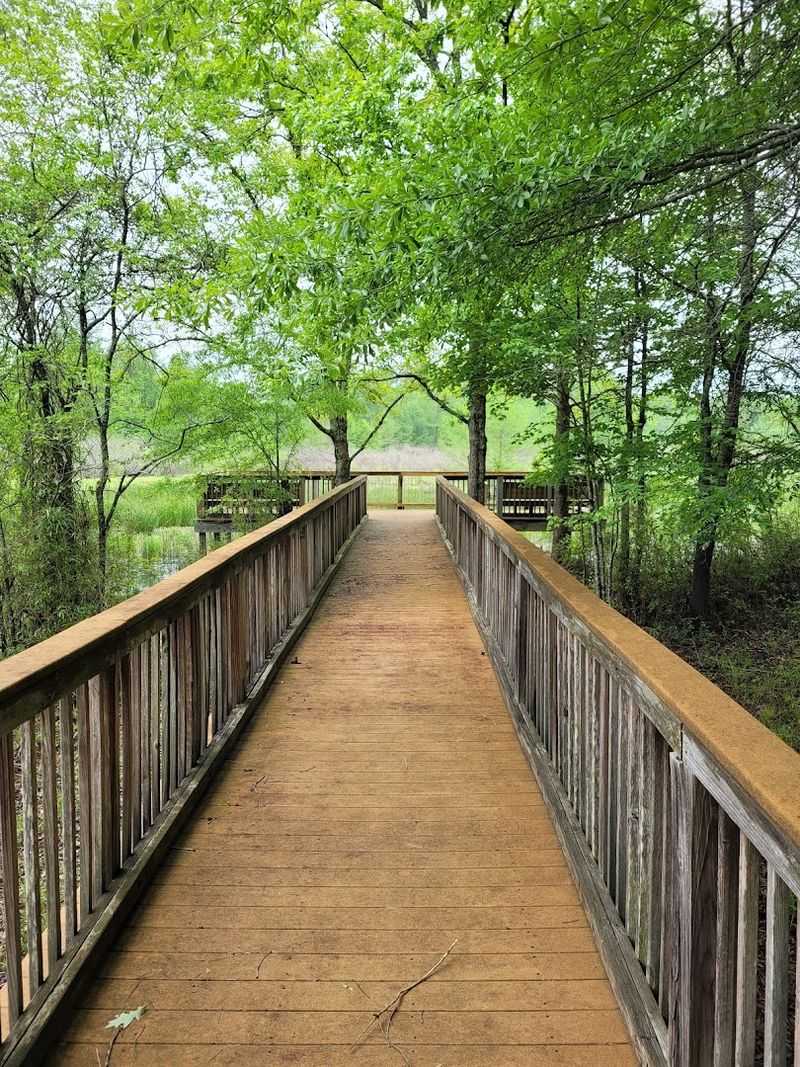
For visitors who prefer to keep their feet dry, the refuge offers an observation deck that overlooks the wetland area. The deck provides an elevated vantage point that is particularly useful for bird watching, giving you a clear line of sight across the water without disturbing the wildlife below.
The area around the observation deck has been called the “duck walk” by some visitors, and it lives up to that nickname during waterfowl season when ducks and other waterbirds congregate in the open water. Even outside of peak migration periods, the deck offers a peaceful place to sit, scan the treeline, and let the sounds of the refuge wash over you.
It is worth noting that the pier or deck has occasionally been closed for maintenance, so checking ahead with the refuge office before making a long drive is genuinely good advice. The gravel road leading to this area can take 30 minutes or more to navigate, and arriving to find the access point closed is a frustration that a quick phone call can easily prevent.
The refuge staff at +1 580-584-6211 can give you current access information.
The Bottomland Hardwood Forest
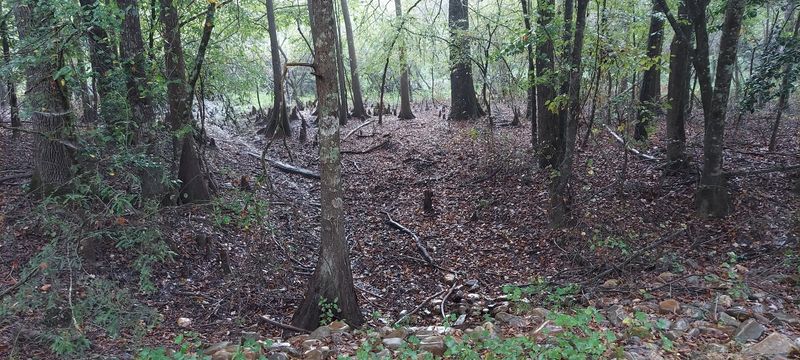
The cypress swamp gets most of the attention, and rightfully so, but the broader landscape of the refuge is equally compelling. Surrounding the swamp and river channels is a rich bottomland hardwood forest dominated by species like overcup oak, water hickory, green ash, and sweetgum.
This type of forest once covered vast stretches of river floodplains across the southern United States, but agricultural clearing and development have reduced it to scattered fragments. The Little River refuge protects one of the more intact examples of this habitat type remaining in Oklahoma, which gives it an ecological significance that goes well beyond its relatively modest size.
Walking through the bottomland forest feels genuinely different from hiking in upland woods. The canopy is dense and layered, the understory is lush, and the ground is often soft and rich with leaf litter that has been composting for decades.
Fallen logs become mini-ecosystems of their own, hosting fungi, insects, and small amphibians. The forest feels alive in every direction, and that constant low-level activity makes even a slow, quiet walk feel like a full sensory experience worth savoring.
Best Time to Visit the Refuge
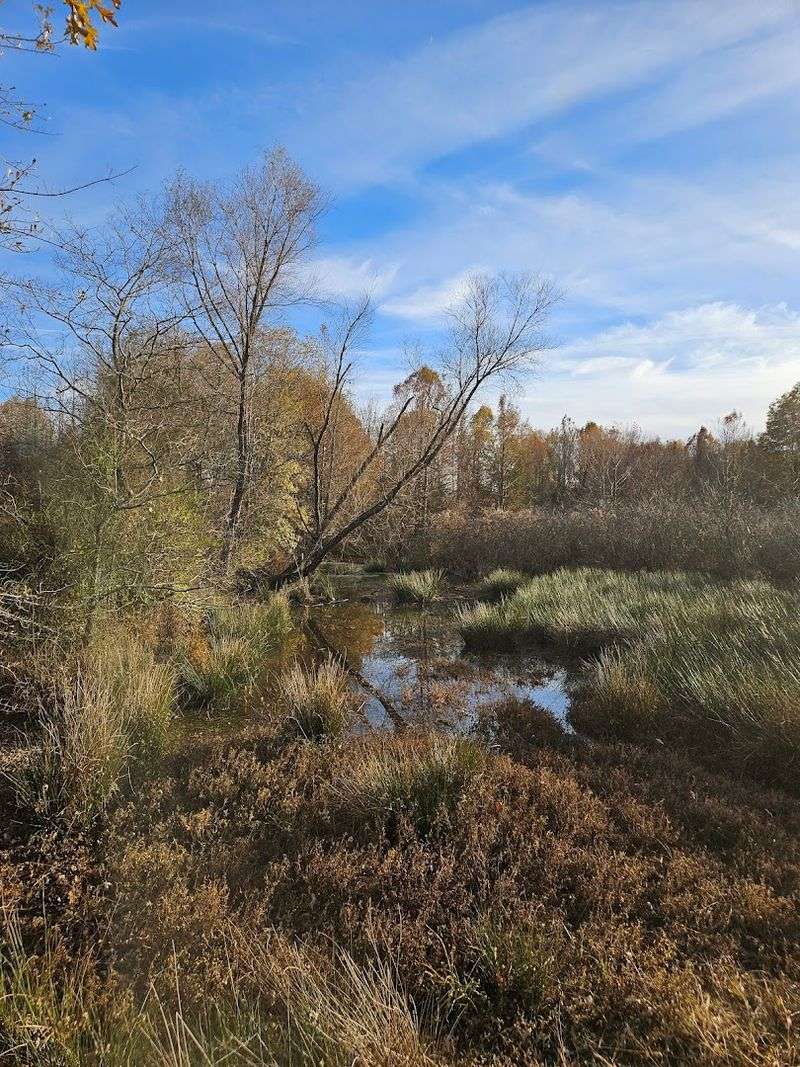
Timing your visit to this refuge can make a significant difference in what you experience. Each season brings something distinct, and knowing what to expect helps you choose the window that matches what you are hoping to see.
Fall is widely considered the prime season for a visit. Migratory waterfowl begin arriving in October and November, bald cypress trees turn a warm russet-orange before dropping their needles, and the cooler temperatures make hiking and paddling genuinely comfortable.
The combination of color and wildlife activity during October is hard to beat.
Spring is the second-best option, when the forest greens up quickly and resident birds become vocal and active during nesting season. Summer brings lush, thick vegetation and the highest chance of spotting reptiles and amphibians, but the heat and humidity in southeastern Oklahoma can be serious, so early morning visits are essential.
Winter offers the quietest experience of all, with bare trees opening up longer sightlines through the forest and the occasional cold-weather waterfowl concentration making the chill worthwhile for dedicated birders.
Practical Tips for Planning Your Trip
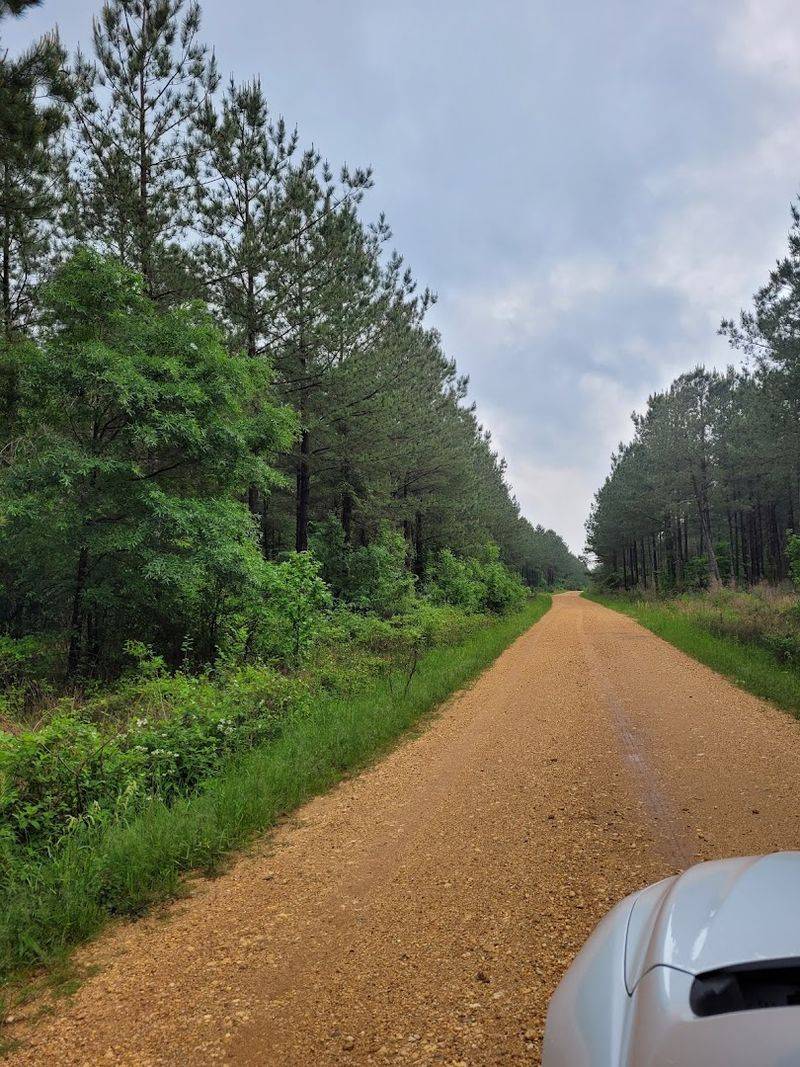
A few practical details can be the difference between a smooth outing and a frustrating one at this refuge. The road conditions are the first thing to understand: the access route is a long gravel road that can feel rough and remote, and multiple visitors have noted that low-clearance vehicles struggle on it.
Bringing an SUV, truck, or similarly equipped vehicle is not just a suggestion here; it is genuinely practical advice.
The refuge is free to visit, which makes it an outstanding value for a day trip from Broken Bow or the surrounding area. No permit is required for general wildlife observation and hiking, though hunting regulations apply during designated seasons and require appropriate licensing.
Cell service is limited to nonexistent once you are deep inside the refuge, so downloading offline maps before you leave town is a smart habit. Bring more water than you think you need, pack insect repellent especially from spring through fall, and wear sturdy footwear that can handle wet or muddy ground.
The refuge has no on-site concessions or facilities beyond basic access points, so self-sufficiency is the operating principle for a comfortable visit here.
Why This Refuge Matters Beyond Oklahoma
The significance of Little River National Wildlife Refuge extends well beyond state lines. Cypress swamps of this scale are genuinely rare in the interior United States, and the fact that one has been preserved and protected here in southeastern Oklahoma is a conservation achievement worth understanding in full context.
The refuge serves as a critical stopover and wintering area for migratory birds traveling along the Central Flyway, one of North America’s major bird migration corridors. Protecting the wetland and forest habitat here supports species that breed as far north as Canada and winter as far south as Central America, making the refuge a small but meaningful link in a continental chain.
Beyond birds, the intact floodplain ecosystem filters water, reduces flood peaks, sequesters carbon in its ancient soils, and maintains biodiversity that took thousands of years to develop. These are not abstract environmental benefits; they are measurable, ongoing services that the landscape provides simply by being left intact.
Visiting the refuge and supporting its mission, even just by showing up and appreciating what is there, is a small act that connects you to something much larger than a single swamp in a quiet corner of Oklahoma.
Share this story