 Unearth The Voyage
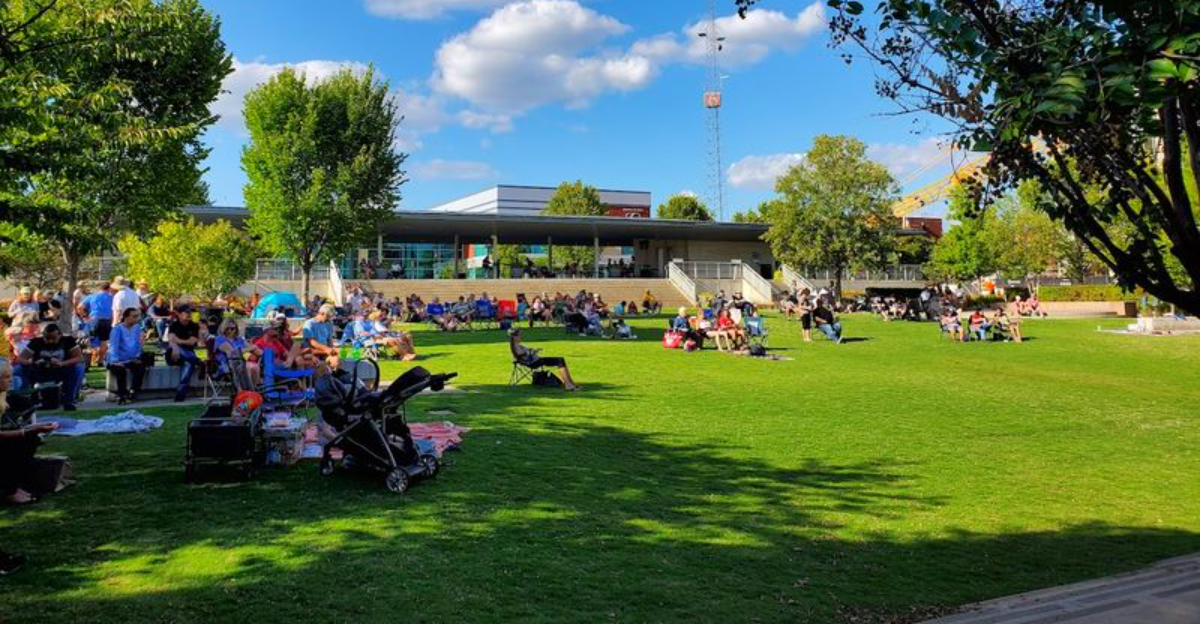
There is a park in downtown Tulsa, Oklahoma, that does not feel like most city parks. It has a wide open lawn, a proper performance stage, food trucks rolling in on weekdays, and a calendar packed with festivals, markets, and community events year-round.
The kind of place where you can spread out a blanket on the grass, let the kids splash around in a water feature, and catch live music without paying a dime. Once you know about this spot, you will wonder how you ever spent a weekend in the city without it.
Where You Will Find It: Address and Setting
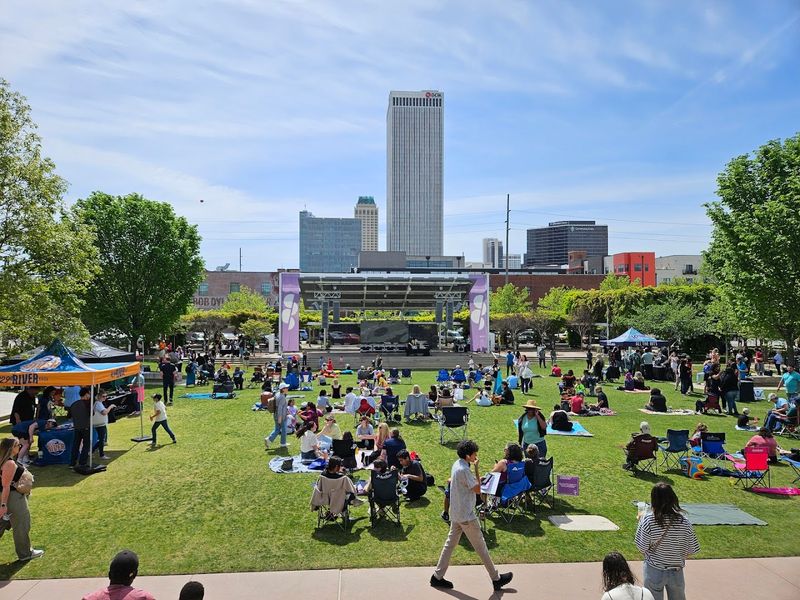
Right in the heart of Tulsa’s Brady Arts District, this urban park sits at 111 Reconciliation Way, Tulsa, OK 74103, and it takes up an entire city block. Bordered by Brady Street to the south, Cincinnati Avenue to the east, Cameron Street to the north, and Boston Avenue to the west, the layout is clean, open, and easy to navigate on foot.
The George Kaiser Family Foundation purchased the former industrial and commercial site back in 2007, and the park officially opened on September 7, 2012. Underneath it all, a geothermal heating system serves the neighboring Matthews Warehouse complex, which means this green space has some serious infrastructure beneath those lush blades of grass.
The park is open every day from 6 AM to 11 PM, so whether you are an early morning walker or a late evening concertgoer, the schedule works in your favor. Knowing the layout before you arrive makes the whole visit feel more relaxed and purposeful from the moment you get there.
The Story Behind the Space
Not every city park has a founding story worth telling, but this one does. The George Kaiser Family Foundation, a Tulsa-based philanthropic organization, saw potential in a neglected block of the Brady Arts District and decided to turn it into something the whole community could use.
That vision became Guthrie Green, named in part to honor the spirit of Oklahoma’s own folk music legacy.
The transformation from an old industrial and commercial lot to a thriving public park took years of planning, investment, and collaboration. When it finally opened in the fall of 2012, it quickly became a gathering point for residents, artists, food vendors, and families across the city.
The foundation continues to support the park’s programming, which is a big reason why so many events remain free and accessible to the public. Community investment on that scale is rare, and it shows in the quality of everything from the sound system to the landscaping.
This park did not happen by accident, and the care that went into building it is still visible in every corner of the space today.
The Lawn, the Stage, and the Layout
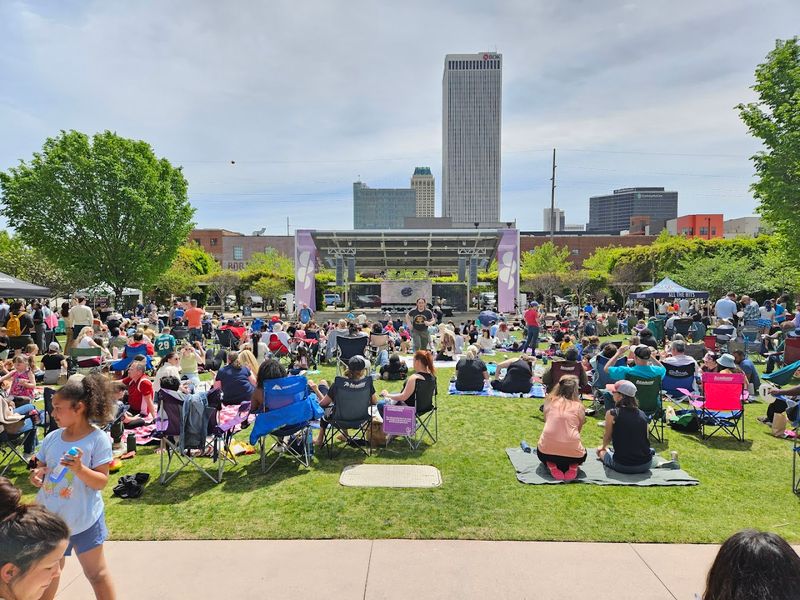
The centerpiece of the park is the wide, well-maintained grass lawn that opens up directly in front of a proper outdoor performance stage. The setup is generous enough that even on a busy event night, there is room to find a comfortable spot without feeling crowded.
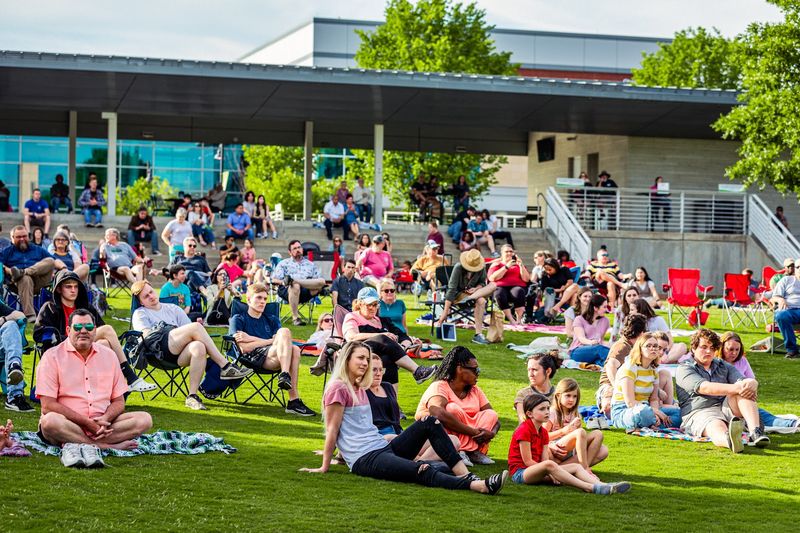
Families bring blankets, groups of friends claim patches of grass, and the whole scene feels relaxed rather than rushed.
The sound system is genuinely impressive for an outdoor public space. No matter where you sit on that lawn, the audio is clear and well-balanced, which makes a real difference when you are trying to enjoy a live performance from the back of the crowd.
Beyond the main lawn and stage, there is a cafe with an adjoining patio, open seating areas, and stairs that double as casual bleacher-style spots during shows. The park also features a dancing water attraction that is a favorite among younger visitors.
The overall layout feels intentional rather than accidental, with each zone serving a clear purpose and connecting naturally to the next.
Live Music and Performances
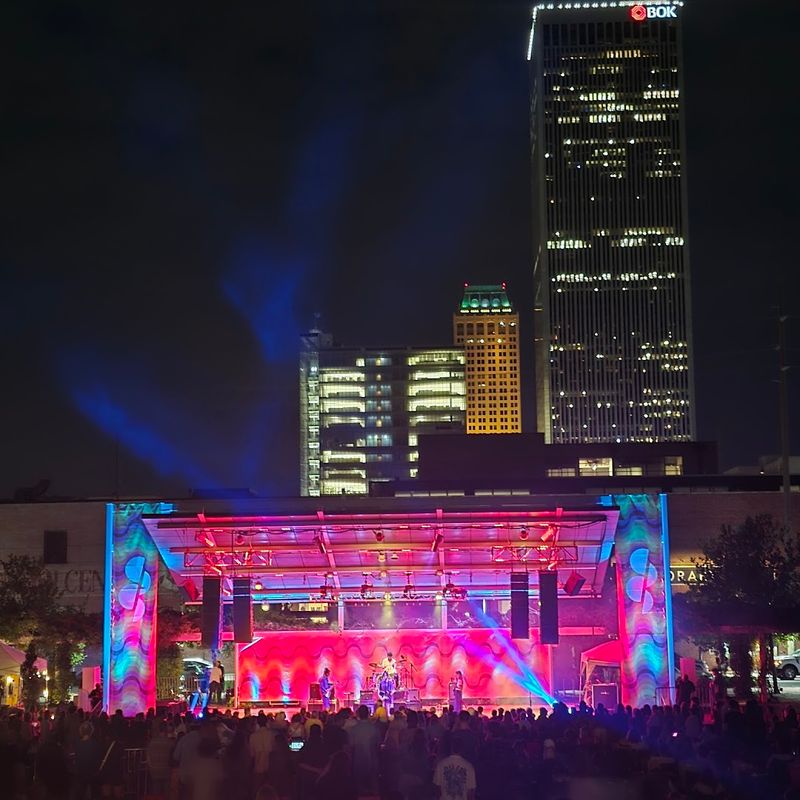
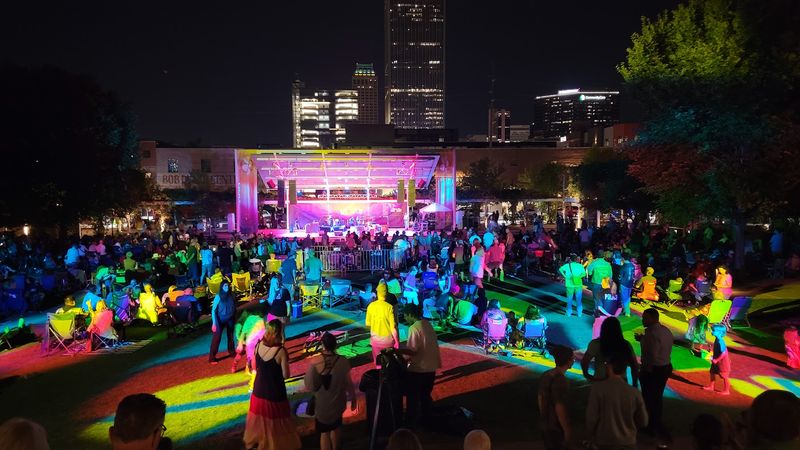
Live music is the heartbeat of this park, and the programming reflects that seriously. From local bands testing new material to larger festival headliners, the stage at this Tulsa destination sees a steady rotation of talent throughout the year.
The T.E.G. International Jazz Fest, presented by SpiritBank, is one of the signature annual events, drawing jazz fans from across Oklahoma and beyond.
The Feel Good Festival is another crowd favorite that brings out a wide mix of attendees and performers. Both events are part of what makes the park feel like more than just a green space, turning it into a cultural hub with a real identity.
On quieter evenings, smaller acoustic sets or local performances fill the stage, and the relaxed atmosphere makes it easy to enjoy the music without any pressure. You can come with a full group or show up solo and still feel completely at home.
The park’s reputation for quality sound and well-organized events keeps people coming back season after season, and that loyalty says everything about what the experience consistently delivers.
Food Trucks and Weekly Vendors
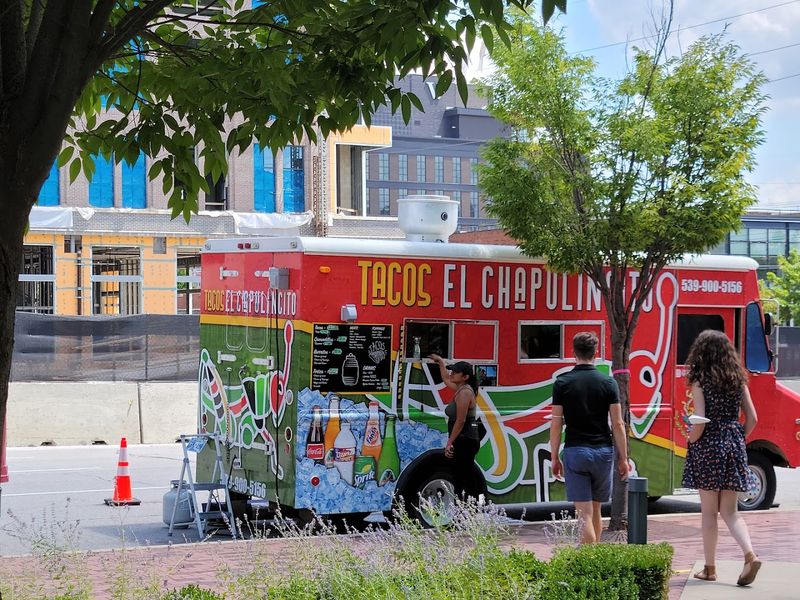
Food truck Wednesdays have become a genuine weekly tradition at this park, drawing in office workers, students, and curious visitors who want something better than a desk lunch. The variety of trucks shifts regularly, but the energy is always the same: casual, social, and centered around good food eaten outdoors.
During larger events and festivals, the vendor lineup expands to include merchandise sellers, local artisans, and specialty food options that go well beyond the usual fare. Crab boil, chicken wings, fresh lemonade, and other crowd-pleasers have all made appearances, and the aroma alone is enough to pull you toward the park from a block away.
The park’s proximity to restaurants and cafes along the surrounding streets adds even more options for visitors who want to explore beyond the green. Having the cafe right on the property also means you can grab something quick without leaving the space entirely.
All of these food options together create an atmosphere that feels festive even on an ordinary weekday afternoon, which is a rare quality for any public park to pull off consistently.
Family-Friendly Features and the Splash Pad
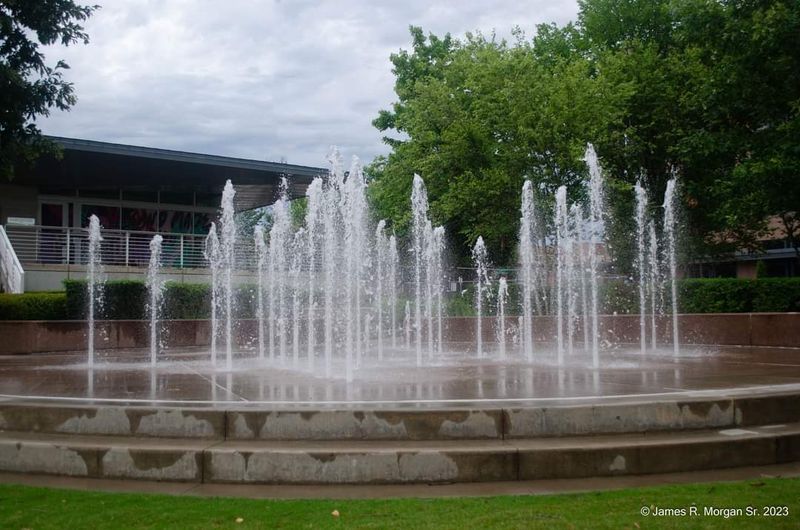
The dancing water attraction at this park is one of those features that stops kids mid-stride and pulls them straight in. Jets of water shoot up from the ground in playful patterns, and on a hot Oklahoma afternoon, the splash pad becomes the most popular spot in the entire park.
It is free to use, easy to supervise, and genuinely fun to watch even from a distance.
Beyond the water feature, the large open lawn gives kids plenty of room to run, roll around, and burn off energy while parents relax nearby. There is no formal playground structure, but the open space more than compensates for that, especially during events when entertainment is already happening on stage.
Holiday events bring additional family-focused activities to the park, including Christmas lights displays, bounce houses, and visits from seasonal characters that younger kids absolutely love. The park has a knack for programming events that work for multiple generations at once, so no one in the group feels left out.
That balance between adult enjoyment and kid-friendly fun is harder to achieve than it looks, and this park manages it well.
Seasonal Events and Holiday Highlights
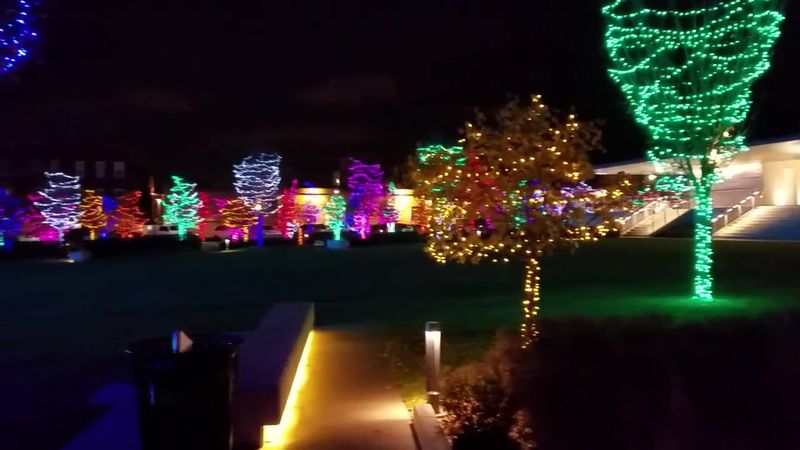
Few things in Tulsa draw a winter crowd quite like the Christmas lights display at this park. The combination of the illuminated trees, the city skyline as a backdrop, and the festive atmosphere creates a setting that feels genuinely special rather than just decorative.
Families come out specifically for the lights, and the park makes it easy to enjoy the experience with plenty of open space and well-organized activities.
Throughout the rest of the year, the event calendar stays active with green markets, fitness classes, pop-up holiday events, and community gatherings that reflect the neighborhood’s diverse character. First Fridays in the Arts District often spill over into the park, adding an art-focused dimension to the usual programming mix.
Each season brings something different, which means repeat visitors rarely experience the same park twice. Spring markets feel light and energetic, summer concerts draw large evening crowds, fall events carry a cozy community feel, and winter transforms the space into something visually dramatic.
That year-round variety is one of the main reasons this Oklahoma park has built such a loyal following among Tulsa residents and visitors alike.
The Brady Arts District Connection
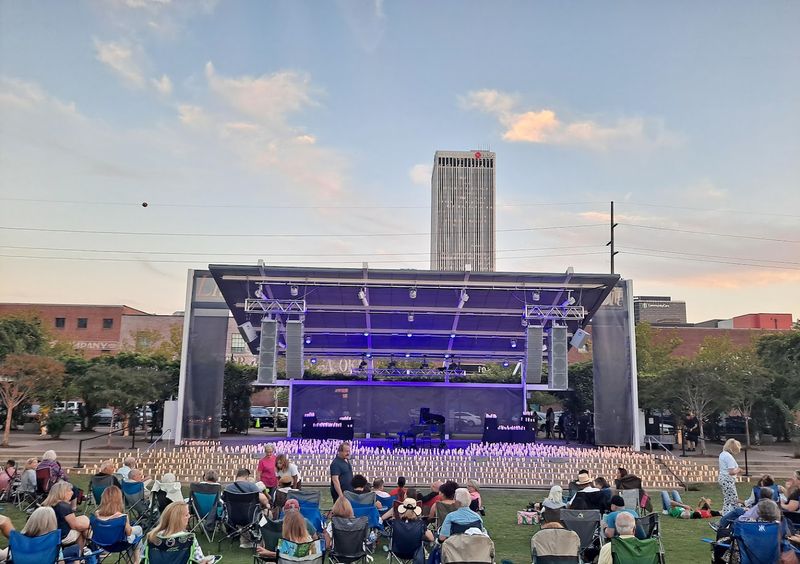
The park does not exist in isolation. It sits squarely within Tulsa’s Brady Arts District, one of the most creatively active neighborhoods in the state, and that context shapes the entire experience of visiting.
Galleries, studios, performance venues, and independent restaurants surround the green on all sides, making it easy to turn a park visit into a full afternoon or evening out.
The Bob Dylan and Woody Guthrie museums are both within easy reach of the park, and plenty of visitors combine a museum trip with time on the lawn, effectively building a full cultural day without ever needing to drive across town. That kind of walkable, layered itinerary is something that not many Oklahoma neighborhoods can offer.
The Arts District energy bleeds into the park’s programming too, with events that celebrate local artists, musicians, and makers alongside more mainstream entertainment. The result is a space that feels rooted in the creative identity of the neighborhood rather than generic or corporate.
Spending time here gives you a real sense of what makes downtown Tulsa distinct, and that sense of place is something you carry with you long after the visit ends.
Community Gatherings and Social Energy
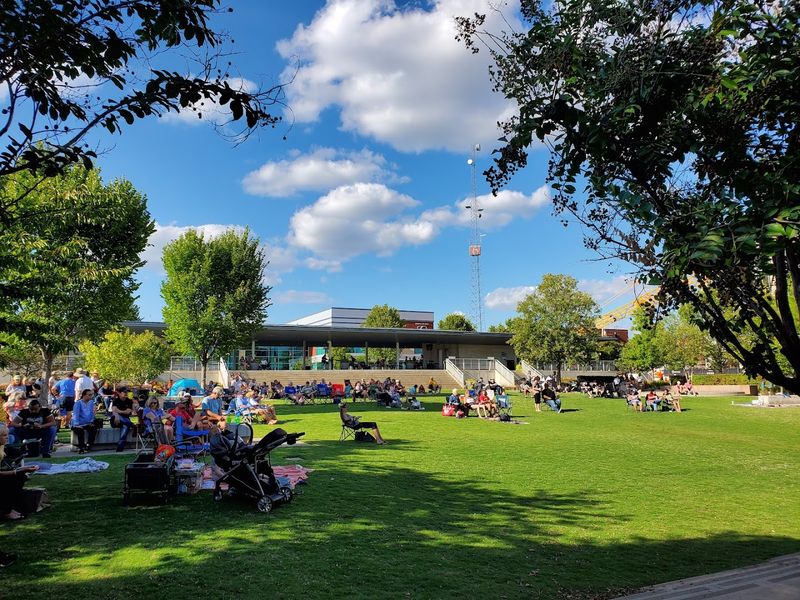
There is a phrase that keeps coming up when people talk about this park: the collective front yard of downtown Tulsa. That description is accurate in a way that goes beyond just the physical space.
The park has a way of bringing together people from different backgrounds, neighborhoods, and walks of life and making them feel like they all belong to the same place for a few hours.
Professional meetups, casual family outings, memorial gatherings, fitness groups, and first-time visitors all share the same lawn without any friction. The open layout encourages that kind of easy coexistence, and the programming supports it by offering events broad enough to appeal to a genuinely diverse audience.
The staff and volunteers who manage the space contribute to that welcoming atmosphere too. The audio team, the event coordinators, and the general crew are consistently described as kind and helpful, which matters more than people often realize when it comes to how comfortable a public space actually feels.
A park is only as good as the community it serves and reflects, and this one reflects Tulsa at its most open and engaged.
Practical Tips for Your Visit
A few practical details can make the difference between a good visit and a great one. The park is open daily from 6 AM to 11 PM, which gives you a lot of flexibility depending on whether you prefer a quiet morning walk or an evening concert.
Arriving early on event days is a smart move, since the lawn fills up faster than you might expect and the best spots go quickly.
Parking in the Brady Arts District is generally manageable, especially if you arrive before the peak hours of a major event. Street parking and nearby lots are both available, and the walkable nature of the neighborhood means you can park once and explore multiple destinations on foot.
Checking the park’s website at guthriegreen.com before you visit is worth the two minutes it takes, since the event calendar updates regularly and some programming requires advance planning. You can also reach the park directly at 918-574-2421 for specific questions.
Bringing a blanket, comfortable shoes, and a light layer for evening events covers most situations and sets you up for a relaxed, enjoyable time at one of Oklahoma’s most welcoming public spaces.



