 Unearth The Voyage
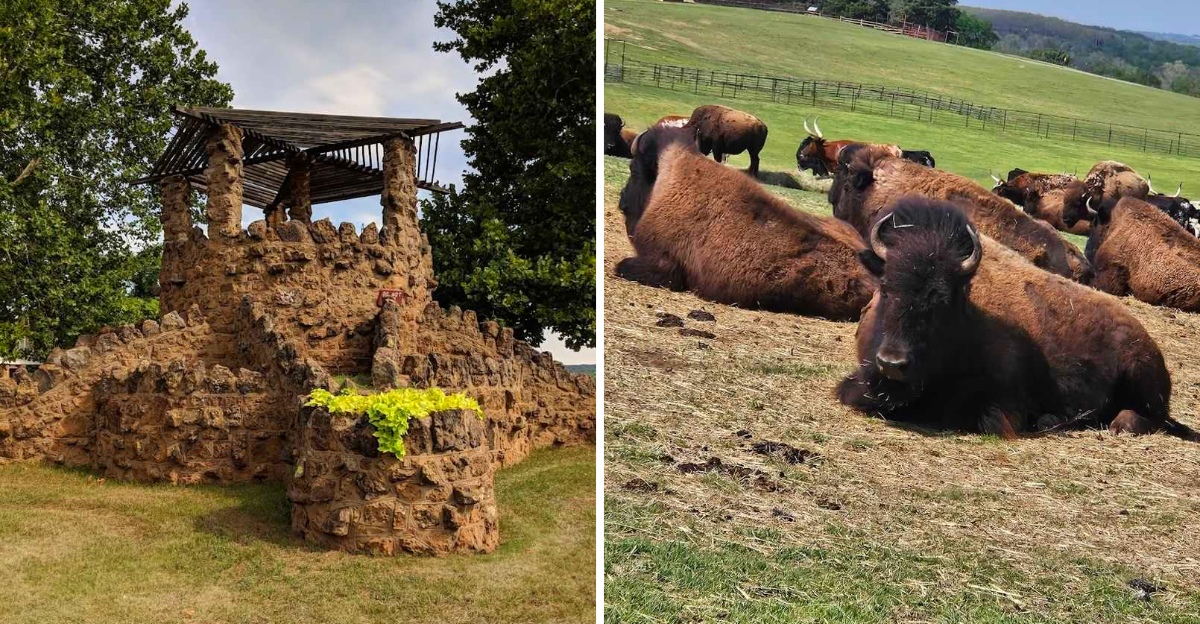
There is a place in northeastern Oklahoma where bison roam free along the roadside, a 1910 mansion sits on a hilltop with sweeping views, and the spirit of the Wild West feels completely alive. I had no idea what to expect when I first drove toward the small town of Pawnee, but what I found there genuinely surprised me.
The whole property looks and feels like a film crew just packed up and left, except everything is real, original, and full of actual history. From the guided mansion tour to the longhorn cattle grazing nearby, this ranch delivers the kind of experience that sticks with you long after you leave.
A Ranch With Deep Roots in Pawnee, Oklahoma
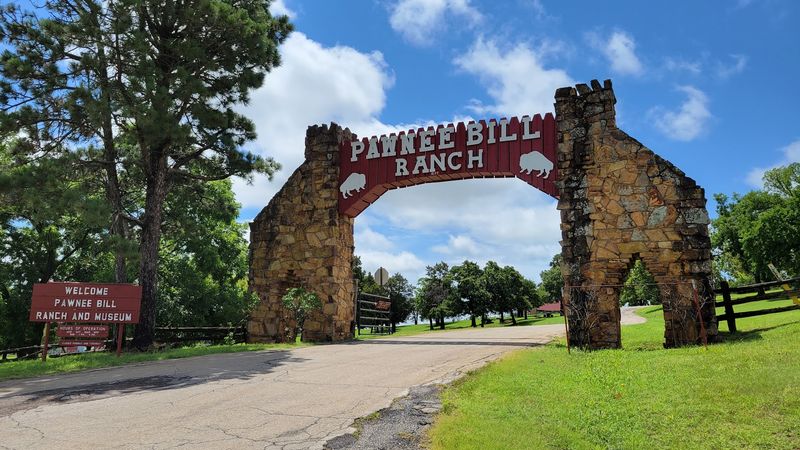
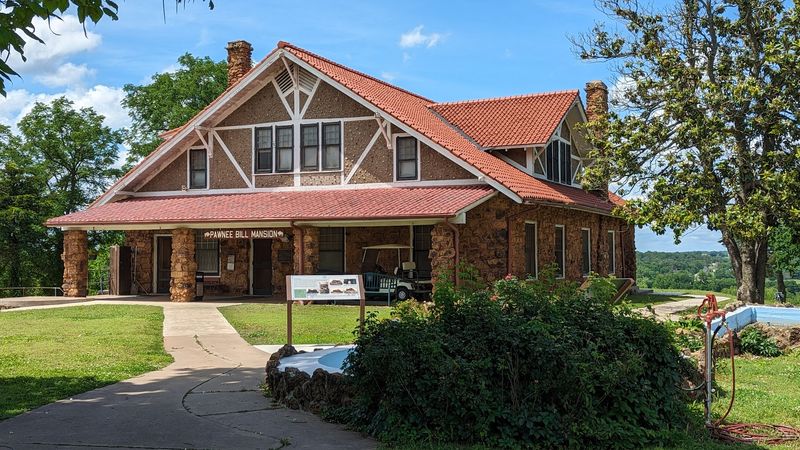
The full address is 1141 Pawnee Bill Rd, Pawnee, OK 74058, and the moment you turn onto that road, the modern world starts to fade behind you. The property belongs to the Oklahoma Historical Society and is operated as a state historic site, which means it is professionally maintained and genuinely educational.
Major Gordon W. “Pawnee Bill” Lillie was a real figure in American frontier history. He ran famous Wild West shows, befriended Native American communities, and eventually settled here on what became known as Blue Hawk Peak, a gentle rise in the Oklahoma landscape with views stretching for miles.
The ranch is open Wednesday through Saturday from 10 AM to 5 PM, and on Sundays from 1 to 4 PM. Monday and Tuesday are closed days.
You can reach the site at 918-762-2513 or visit the Oklahoma Historical Society website for updated event schedules and tour information before making the trip.
The Story Behind the Man Called Pawnee Bill
Gordon W. Lillie earned his nickname through years spent among the Pawnee Nation, learning their language and earning genuine respect from tribal members.
That connection was rare for the era and set him apart from other frontier personalities of his time.
He went on to co-produce the famous “Buffalo Bill’s Wild West and Pawnee Bill’s Great Far East” show, a traveling spectacle that toured the country and drew enormous crowds. His showmanship was real, but so was his ranching life.
He and his wife May settled here permanently and built a home that reflected both their adventurous careers and their desire for a peaceful, rooted life.
May Lillie was no sideline figure either. She was a skilled markswoman and performed in the shows herself, making the couple one of the most dynamic duos of the Wild West era.
Learning their full story during the guided tour adds a richness to the visit that no amount of reading beforehand can fully prepare you for. Their legacy feels personal here, not just historical.
The 1910 Mansion on Blue Hawk Peak
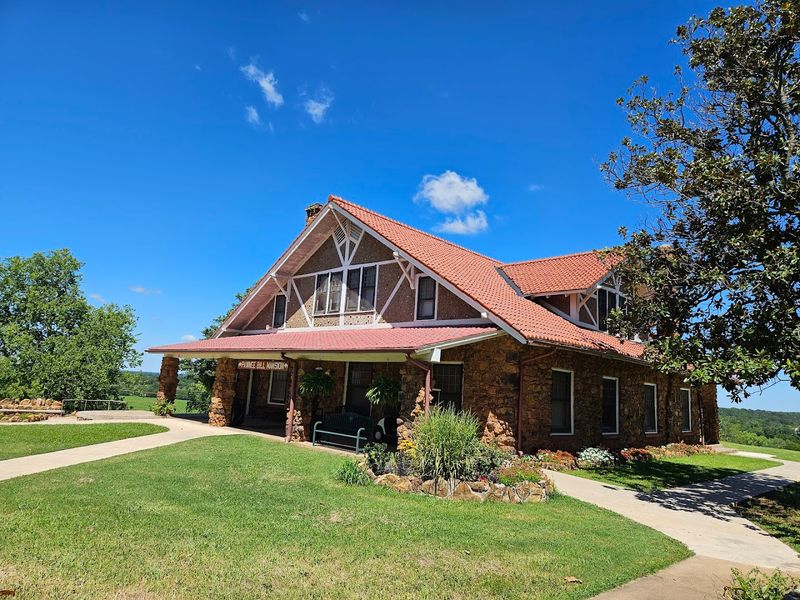
The house itself is the crown of the entire visit. Built in 1910 and perched on Blue Hawk Peak, the mansion offers a panoramic view of the surrounding Oklahoma countryside that feels genuinely dramatic on a clear day.
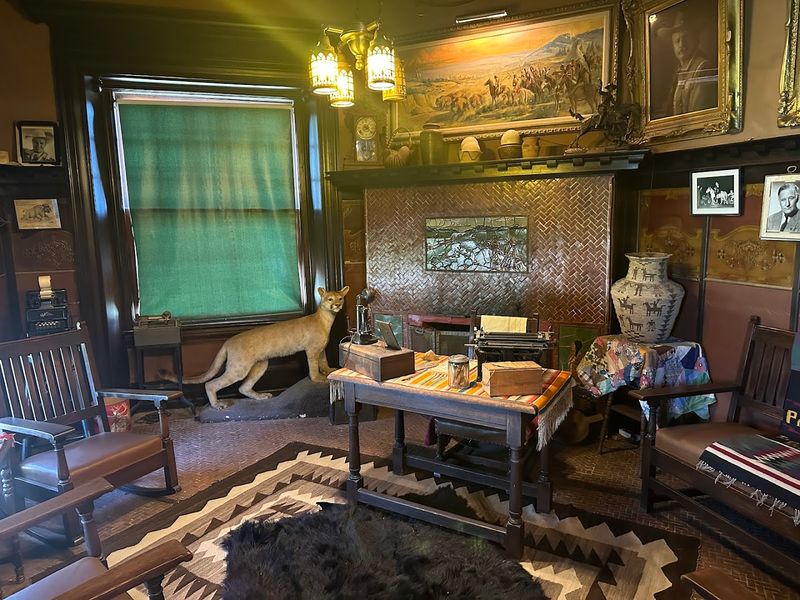
Most of the furniture and decorations inside are original to the home, which makes walking through the rooms feel surprisingly intimate. You are not looking at reproductions or staged displays.
You are standing in the actual space where Pawnee Bill and May Lillie lived, entertained guests, and spent their later years.
Guided tours run about 30 to 45 minutes and are the only way to access the interior. Tickets are purchased at the museum first, so plan to stop there before heading up to the house.
The tour guides bring real passion to the stories they share, and the details they reveal about the couple’s daily life, personal relationships, and the ranch’s history make every minute of the tour worth the stop. The house rewards curiosity generously.
The Painting on the Staircase Wall
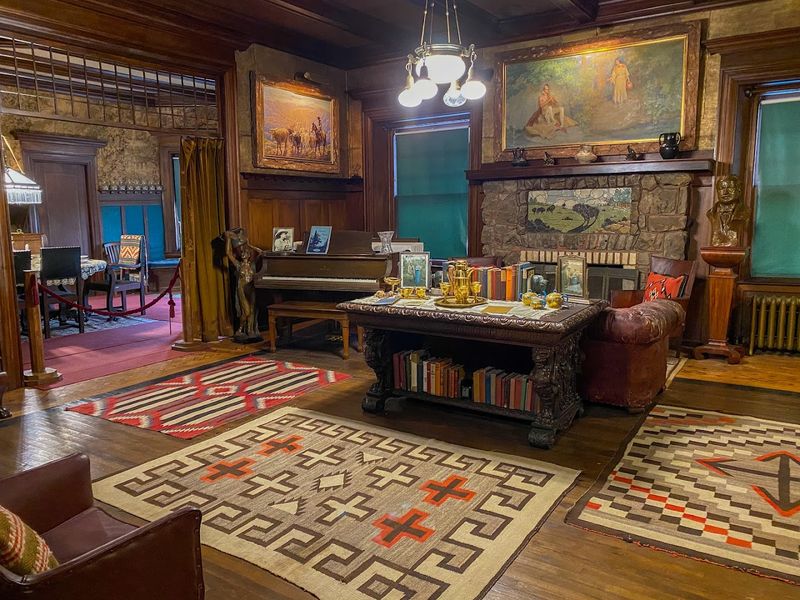
One of the most talked-about moments on the mansion tour happens on the staircase. There is a painting on the wall that the tour guides describe with particular care, and the story attached to it involves what some call a hidden ghost figure within the artwork itself.
Whether you believe in that sort of thing or not, the telling of it is genuinely entertaining. The guides deliver the story with just the right amount of dramatic flair, and the painting itself is old and detailed enough that your eyes naturally start searching for something unexpected once you know to look.
It is the kind of small, specific detail that transforms a history tour into something more memorable. You could visit a dozen museums in a week and forget most of them, but a story like that one tends to stay with you.
The staircase moment alone has become something of a signature feature of the mansion tour, and it consistently gets mentioned by visitors as a highlight they did not see coming. That painting earns its reputation.
Bison, Longhorns, and the Drive-Through Pasture
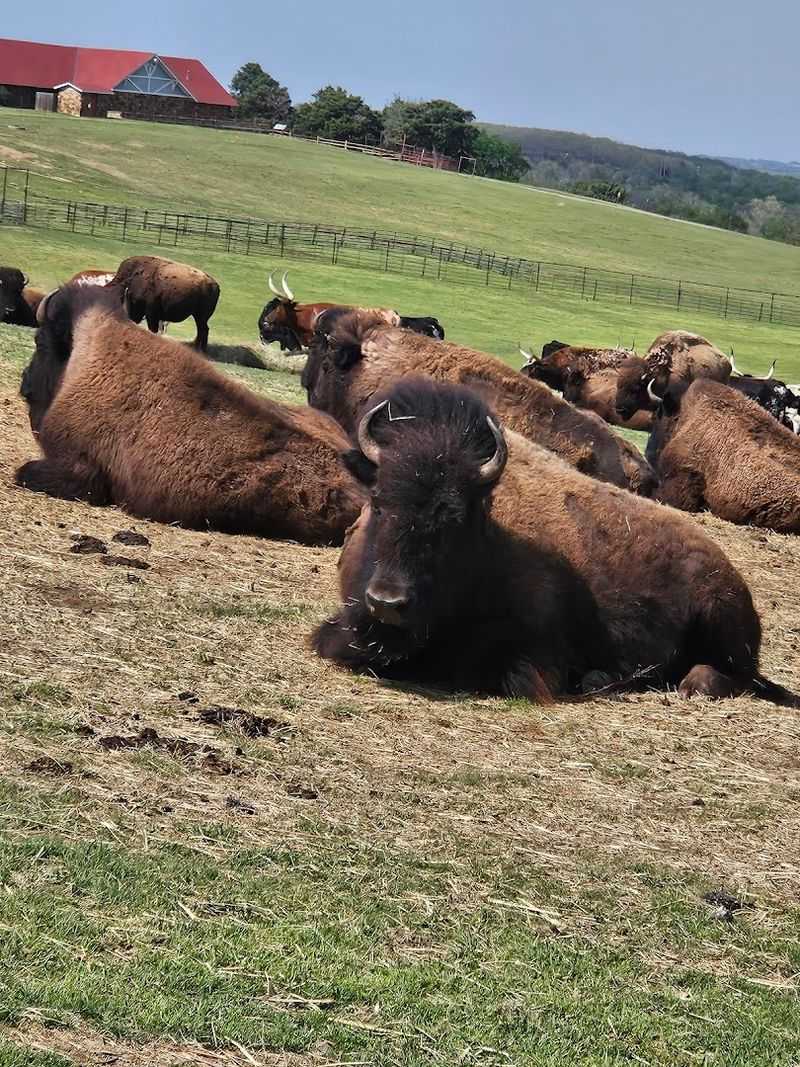
Before I even reached the museum building, a bison was standing in the middle of the road staring directly at my car. That is not a sentence I expected to write about a museum visit, but here we are.
The drive-through pasture is one of the most unexpectedly thrilling parts of the entire property.
The ranch maintains a live bison herd along with longhorn cattle, and the road that winds through their grazing area puts you genuinely close to these animals. The bison are large, unhurried, and completely indifferent to your vehicle in a way that is both reassuring and slightly unnerving at the same time.
A word of practical advice: some of the bulls are not fans of cars on their turf, so moving slowly and keeping windows up is a smart approach. The bison are not always near the ranch buildings, so spotting them along the road on the way in can sometimes be the best chance you get.
Either way, the experience of sharing a road with these animals in open Oklahoma land is hard to replicate anywhere else nearby.
The Museum Building and Its Exhibits
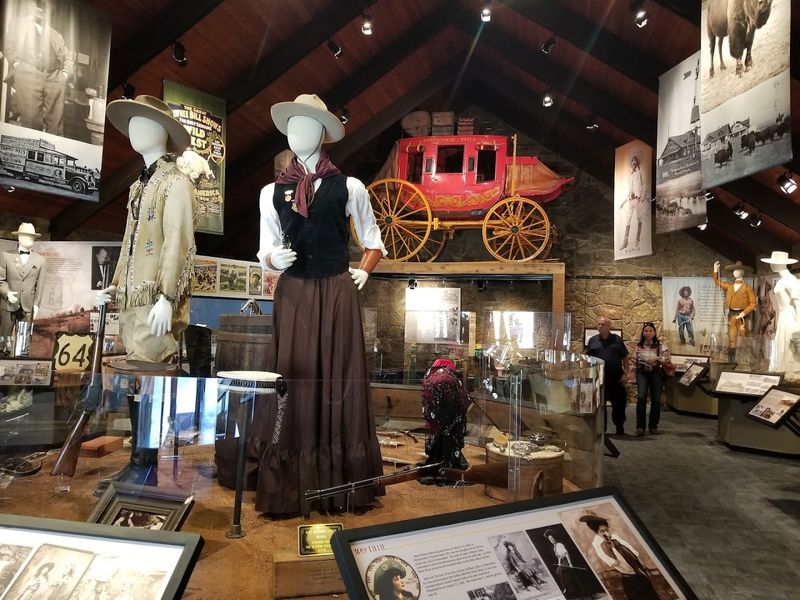
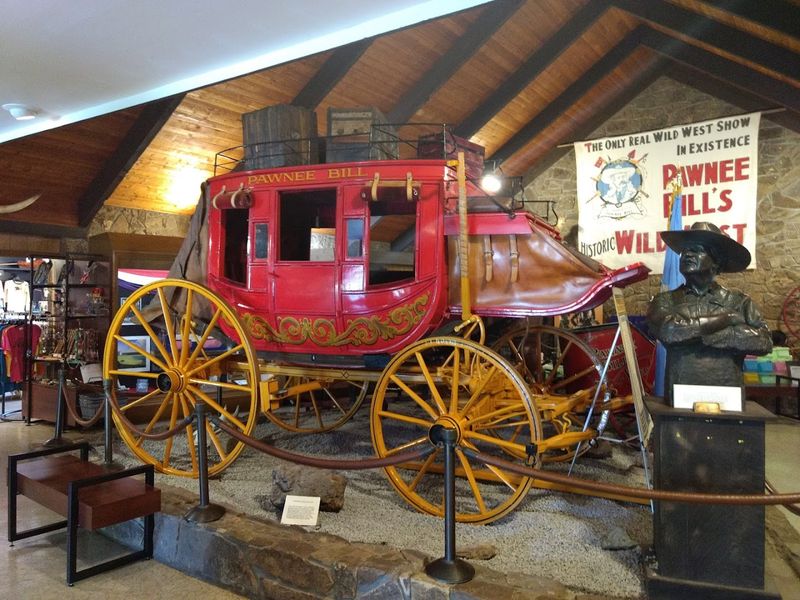
The museum at the base of the hill serves as both the starting point and a destination in its own right. Inside, you will find photographs, period clothing, Wild West show memorabilia, and exhibits that tell the broader story of Pawnee Bill’s career and the era he lived through.
There is a children’s area inside the museum that makes the visit accessible for younger visitors, which is a genuinely thoughtful touch. School field trips are a regular occurrence here, and the layout supports that kind of group experience well.
The gift shop is also worth a browse for those who want something tangible to take home.
Tickets for the mansion tour are purchased here, so arriving at the museum first is the logical starting point for your visit. The staff are knowledgeable and approachable, and they can help orient you to the full site so you do not miss anything.
The exhibits provide enough context that even visitors with no prior knowledge of Pawnee Bill will feel oriented and engaged by the time they head up the hill toward the mansion. It sets the tone well.
The Observation Tower and Ranch Grounds
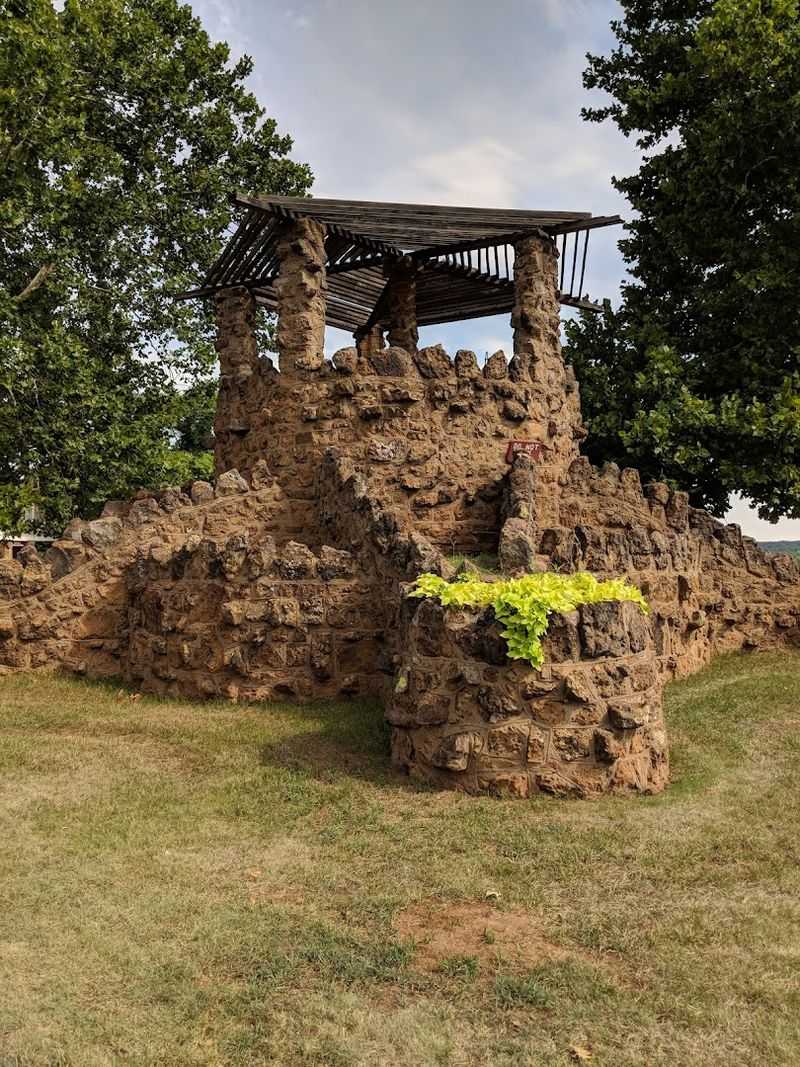
Hidden among the ranch’s outdoor features is a stone observation tower that does not get as much attention as the mansion but absolutely deserves a visit. It stands about one story tall and offers an elevated view of the surrounding property that helps you appreciate just how much land this ranch actually covers.
The grounds also include a blacksmith shop and a barn that visitors can enter, a small log cabin-style structure, a pavilion available for private event rentals, and a pond surrounded by picnic tables. The whole outdoor area has a relaxed, unhurried quality that makes it easy to spend more time there than you originally planned.
A friendly ranch dog has been known to greet visitors on the grounds, which is either a charming bonus or a delightful surprise depending on whether you are expecting it. The grounds are well maintained and easy to navigate on foot, though new interpretive signage has been added throughout the site in recent years to help visitors identify buildings and understand what they are looking at.
The outdoor areas alone justify arriving with extra time on your hands.
The Annual Wild West Show Event
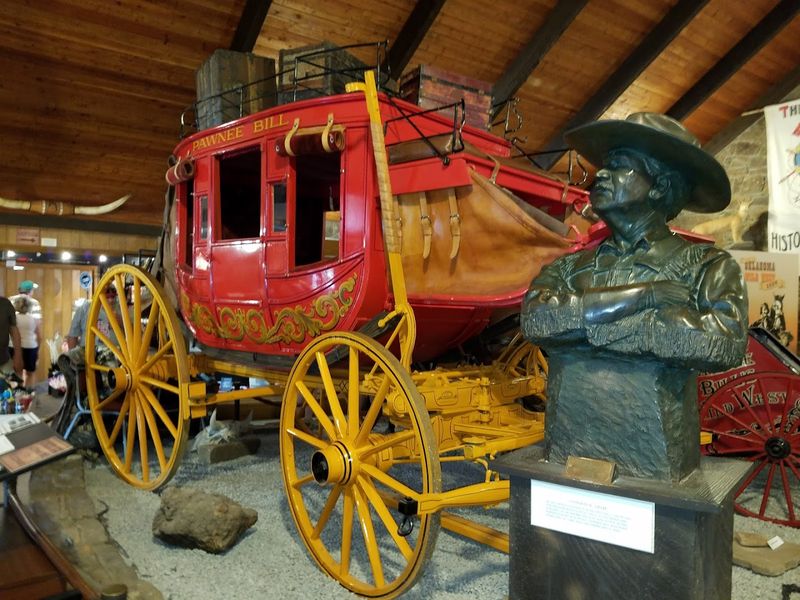
Once a year, the ranch hosts its signature event: the Original Pawnee Bill Wild West Show. It is a full-scale reenactment celebration held on the grounds, and it draws visitors from well beyond the immediate area.
The event typically takes place on a Saturday in June, with pre-show activities starting in the afternoon and the main show beginning in the evening.
The show itself is a tribute to the kind of traveling spectacle that made Pawnee Bill famous in the first place. There are performances, activities for families, and a festive atmosphere that transforms the ranch into something closer to what it must have felt like during its operational heyday in the early 1900s.
For anyone planning a visit specifically around the Wild West Show, checking the Oklahoma Historical Society website ahead of time for exact dates and ticketing details is highly recommended. The 2025 show is scheduled for Saturday, June 14, which also falls on Flag Day, adding an extra layer of celebration to the event.
Attending the show is widely considered the most complete way to experience everything the ranch has to offer in a single visit.
Will Rogers and the Ranch’s Famous Connections
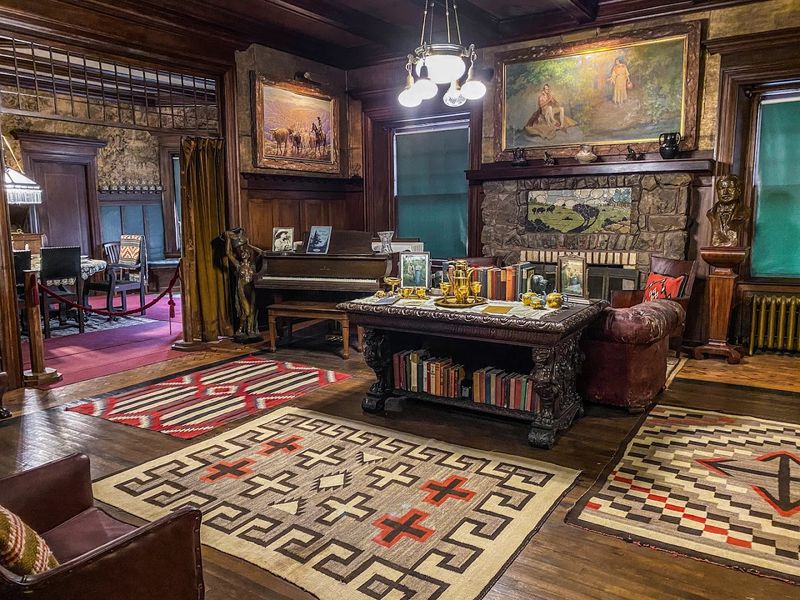
The mansion tour reveals a detail that tends to catch visitors off guard: Will Rogers, one of the most beloved figures in American entertainment history, once lived at the ranch. That connection places the property at an intersection of multiple major American cultural figures from the same era.
Rogers and Pawnee Bill moved in overlapping circles, both rooted in Oklahoma identity and both deeply connected to the performance culture of the early twentieth century. Having that link confirmed while standing inside the actual house makes the history feel layered in a way that a simple exhibit panel cannot fully convey.
The ranch’s connections to figures like Rogers are part of what makes it more than just a preserved homestead. It is a node in a larger network of American frontier and entertainment history, and the guided tour does a good job of drawing those threads together without turning the experience into a dry lecture.
The best tour guides here seem to genuinely enjoy the material, and that enthusiasm is contagious in the best possible way. History told with warmth lands differently than history read from a plaque.
Practical Tips for Planning Your Visit
A few logistical details can make the difference between a smooth visit and a frustrating one. The site is open Wednesday through Saturday from 10 AM to 5 PM and on Sundays from 1 to 4 PM, with Monday and Tuesday being closed.
Arriving at least an hour before closing gives you enough time for a mansion tour without feeling rushed.
The mansion tour itself runs 30 to 45 minutes, and the last tour of the day typically begins about 30 to 45 minutes before the site closes at 5 PM. Purchasing your tour ticket at the museum as soon as you arrive lets you plan the rest of your time on the grounds around your scheduled slot.
Driving through the bison pasture is free and accessible during regular site hours, but patience helps since the animals move on their own schedule. Comfortable walking shoes are a good idea given the outdoor terrain.
The phone number for the site is 918-762-2513 if you want to confirm hours or ask about upcoming events before making the drive to Pawnee. A little preparation goes a long way here.
Why This Ranch Stays With You Long After You Leave
Some places check the boxes of a decent day trip and then fade from memory within a week. This ranch is not one of those places.
The combination of the hilltop setting, the original furnishings, the live animals, and the well-told human story behind the property creates an experience that holds its shape in your memory.
The 4.7-star rating across hundreds of reviews is not the result of clever marketing. It reflects what happens when a historic site is genuinely cared for by people who understand its value.
The staff’s enthusiasm for the material comes through in every interaction, from the museum floor to the mansion staircase.
Oklahoma has no shortage of interesting history, but few sites present it with this much texture and personality. The ranch earns its reputation as a top western museum not by being flashy but by being honest, specific, and deeply rooted in a real story.
Blue Hawk Peak on a clear afternoon, with bison in the distance and the original home standing quietly at the top of the hill, is exactly the kind of scene that reminds you why travel to places like this still matters.



