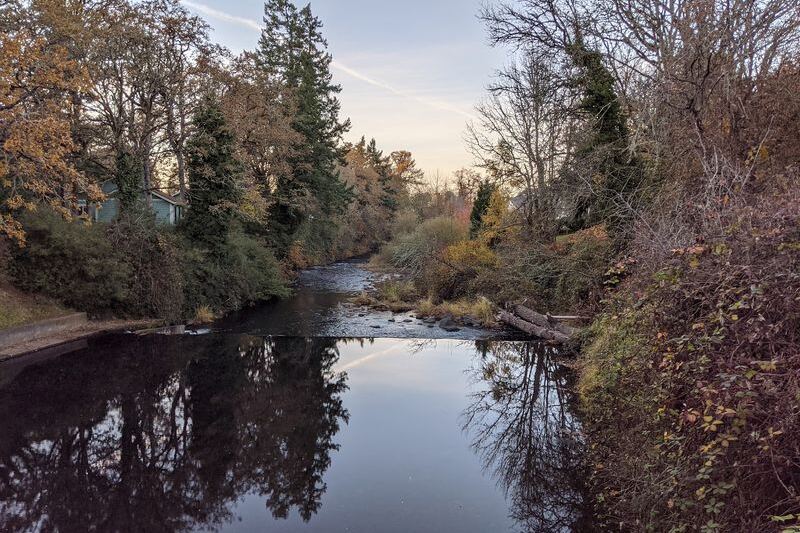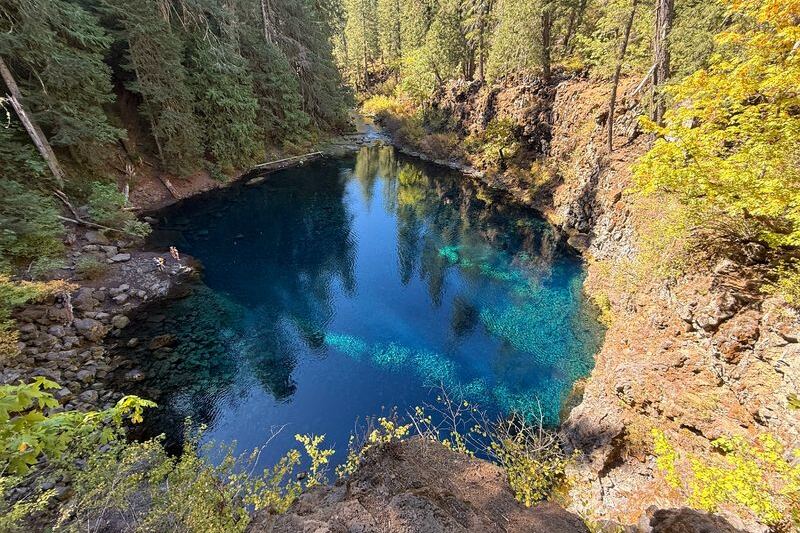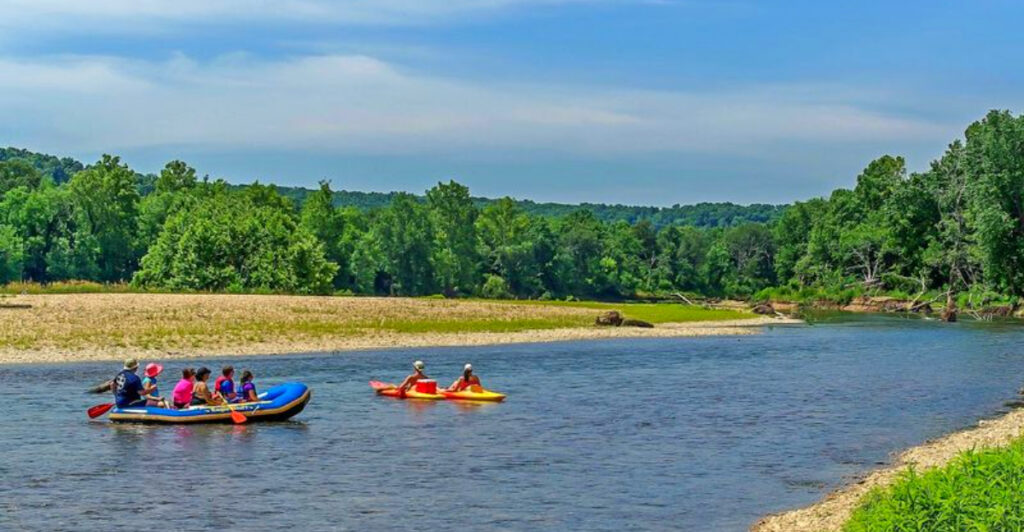
There is a river in eastern Oklahoma that has been pulling families back summer after summer for generations, and once you see it, you will understand exactly why. The water runs so clear you can watch the gravel shifting beneath your canoe, and the tree-covered hills on either side make the whole scene feel like a painting that somehow got wet.
The Illinois River winds through the Ozark foothills near Tenkiller and Tahlequah, offering one of the most beloved float trip experiences in the entire state. Whether you are a first-timer nervously gripping a paddle or a seasoned river rat who already knows every bend, this stretch of Oklahoma has a way of slowing everything down in the best possible way.
Where the River Begins: Location and Setting
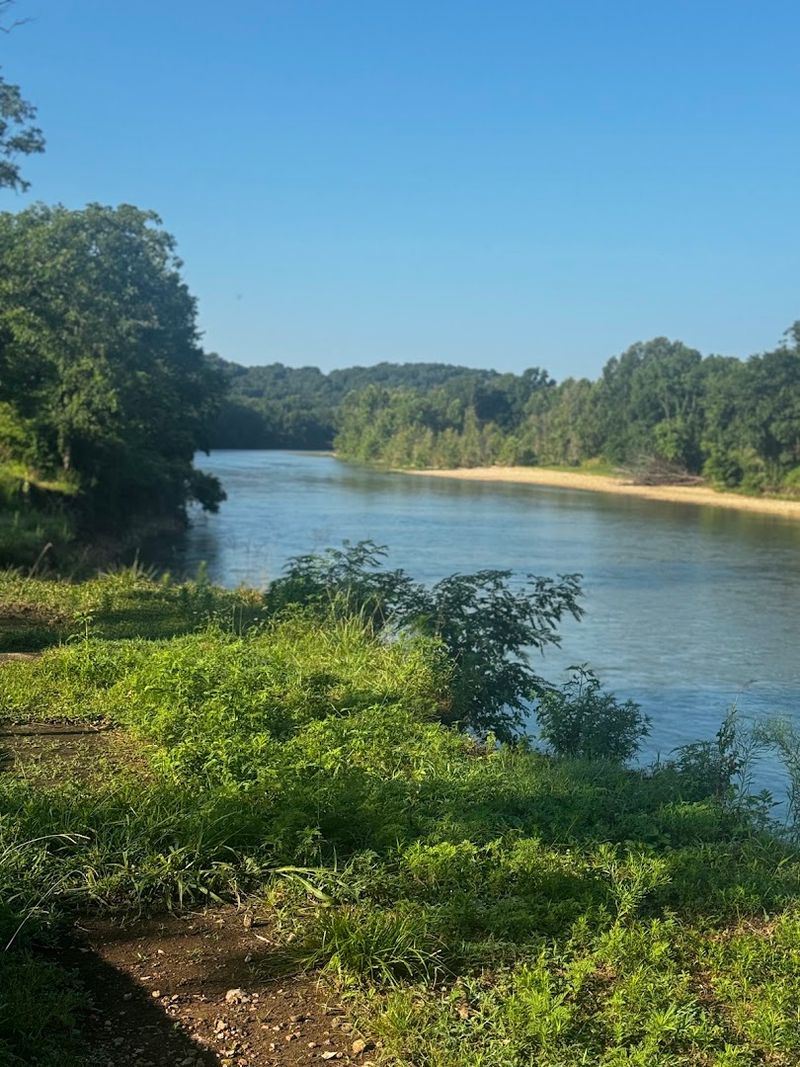
The Illinois River runs through Cherokee County in eastern Oklahoma, with the most popular float sections concentrated near Tahlequah, Oklahoma 74435, a town that sits at the heart of the Cherokee Nation and serves as the unofficial gateway to the river experience.
The river flows southward through the Ozark foothills, carving a path between limestone bluffs and dense hardwood forests. The terrain here is genuinely different from the flat plains most people picture when they think of Oklahoma, and that contrast catches first-time visitors completely off guard.
The elevation changes bring cooler temperatures, shaded banks, and that famously clear water that makes the Illinois River stand out from most other Oklahoma waterways. The river corridor spans roughly 60 miles of floatable water, though the stretch between Tenkiller Ferry Lake and Tahlequah draws the largest crowds.
Spring and early summer bring the best water levels, when recent rainfall keeps the current moving at a comfortable pace. The surrounding landscape stays lush and green well into late summer, making every bend in the river feel like a reward for showing up.
A River With Deep Roots: The History Behind the Water
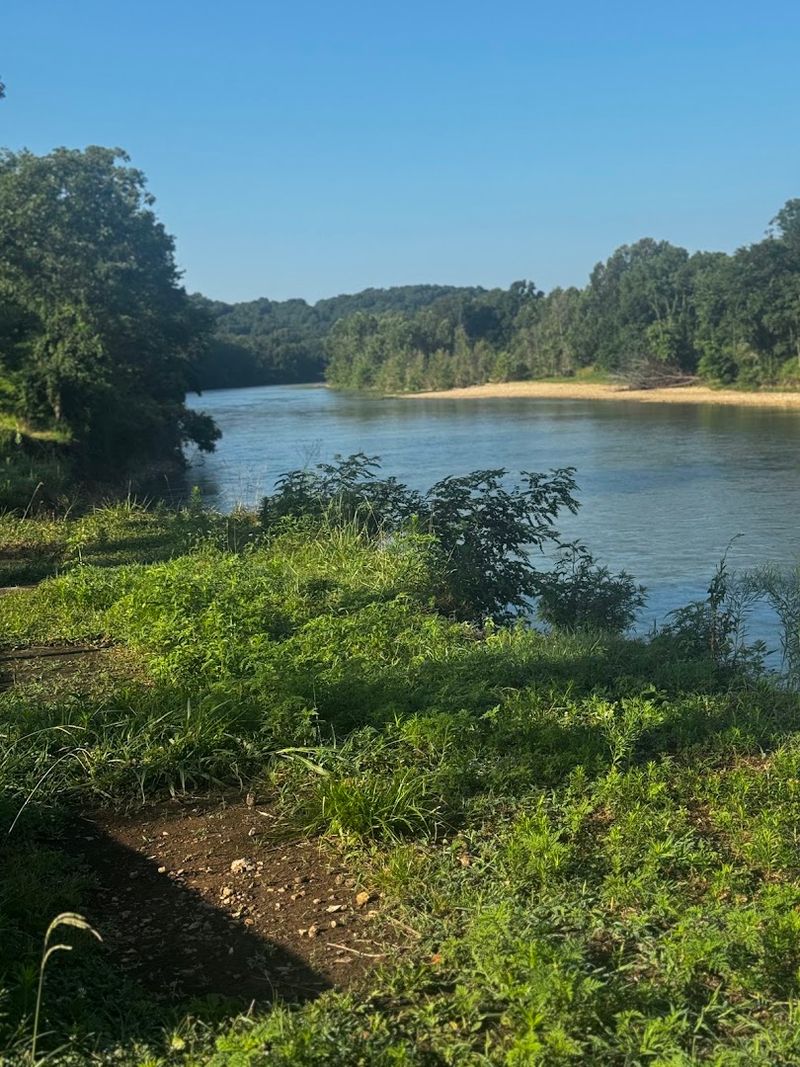
Long before float trips and canoe rentals became part of the picture, the Illinois River moved through land that belonged to the Cherokee Nation, and that history is still present in the names, the culture, and the landscape all around you.
The river takes its name from early European explorers and traders who passed through the region, but the land itself has Cherokee roots that stretch back to the Trail of Tears era, when thousands of Cherokee people were forcibly relocated to Indian Territory in the 1830s. Tahlequah, the nearest major town, became the capital of the Cherokee Nation in 1839 and remains so today.
The river also holds a special place in Oklahoma literary history. The beloved novel “Where the Red Fern Grows” by Wilson Rawls is set in the hills and river bottoms near this area, and locals are quick to point that out with obvious pride.
That connection between the land, the water, and the stories told about both gives the Illinois River a cultural weight that goes well beyond recreation. Floating it feels like moving through a place that actually means something to the people who call it home.
Crystal-Clear Water: What Makes This River Special
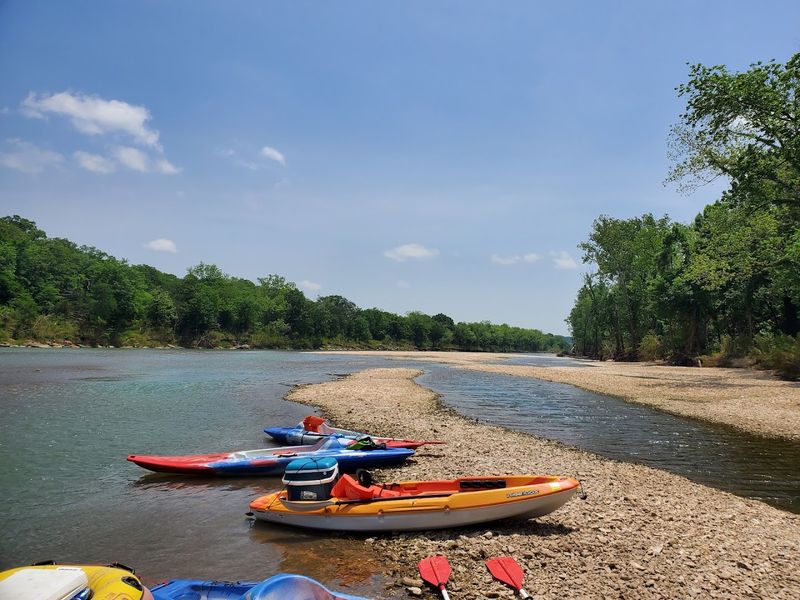
The water clarity on the Illinois River is genuinely remarkable, and it is the first thing most visitors comment on when they climb out of their canoe at the end of a float. You can see straight to the bottom in most sections, watching fish dart between rocks and your own shadow moving across the gravel below.
This clarity comes from the river’s spring-fed sources and the relatively undeveloped watershed that surrounds it. The Ozark geology filters water naturally through limestone and chert, which keeps sediment low and visibility high even after moderate rainfall.
The temperature stays noticeably cool compared to other Oklahoma bodies of water, which makes a summer float feel refreshing rather than soupy. On a hot July afternoon, slipping into that water is one of the most straightforward pleasures the state has to offer.
Water levels do vary by season, and during dry stretches in late summer, some sections become shallow enough that paddling takes more effort. Checking recent rainfall totals before you book a trip is a smart move that experienced floaters always recommend, and it can be the difference between a smooth glide and a gravel-dragging workout.
Float Trips: Canoes, Kayaks, and Tubes on the Move
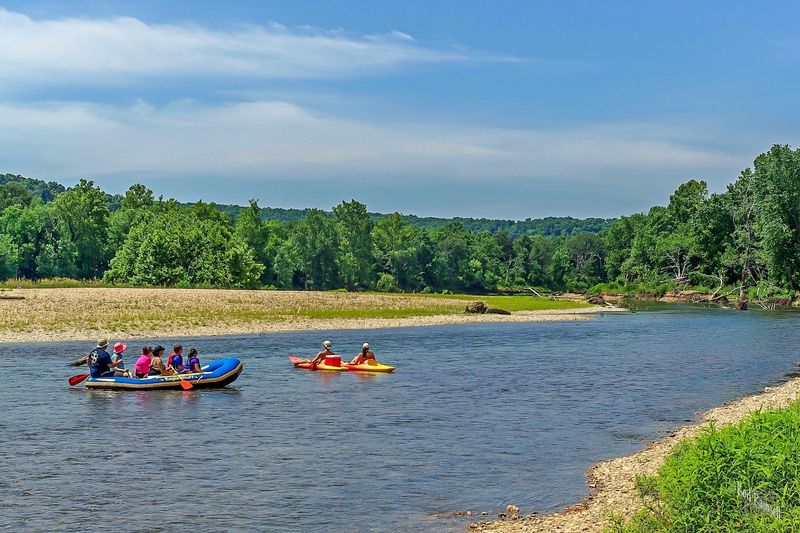
The float trip is the main event on the Illinois River, and the options available give everyone from young children to experienced paddlers something to enjoy. Most outfitters offer canoe rentals, kayak rentals, and tube rentals, with shuttle service included so you do not have to worry about getting back to your starting point.
The six-mile float is the most popular choice, taking most groups between three and five hours depending on pace and how many times they stop to cool off in the shallows. Longer routes of eight to twelve miles are available for those who want a full day on the water without rushing.
Tubes are the most relaxed option, perfect for people who prefer drifting along without much effort. Canoes offer more control and are better suited for families with younger kids who need stability and a little extra space for snacks and sunscreen.
Outfitters along the river are well-organized and experienced at getting large groups on the water efficiently. Reservations are strongly recommended during peak summer weekends, when the river fills up fast and wait times at popular launch points can stretch longer than anyone planned for.
Camping Along the Banks: Overnight Options on the River
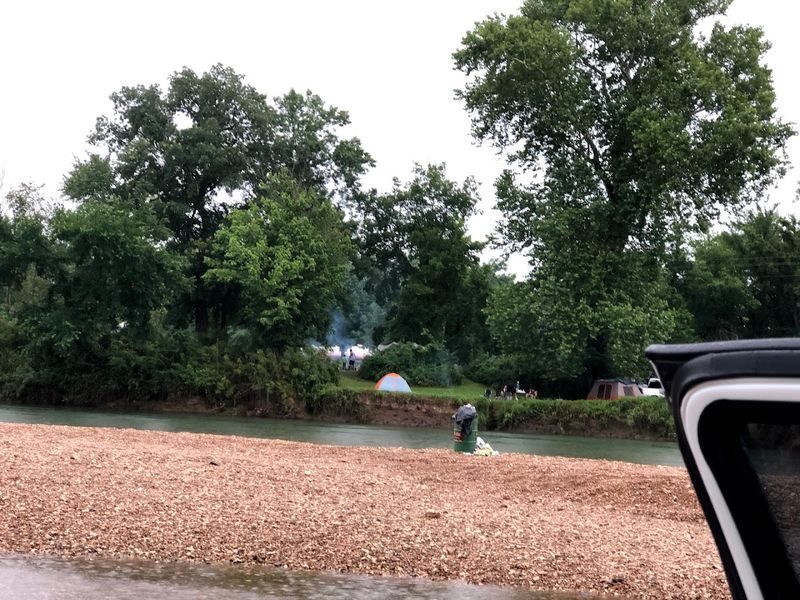
Spending a night along the Illinois River turns a day trip into a full experience, and the camping options range from basic tent sites right on the water to more developed resort-style setups with amenities that make roughing it feel considerably less rough.
Several private resorts and outfitters operate campgrounds along the river corridor, offering everything from primitive gravel bars to electric hookup sites with restrooms and shower facilities nearby. Diamond Head Resort is one of the better-known names along this stretch, popular with large groups and family reunions who want to book multiple sites in the same area.
Gravel bar camping directly on the river is a favorite among experienced visitors who want to fall asleep to the sound of moving water and wake up with their canoe just a few feet away. These spots fill quickly on holiday weekends, so planning ahead is essential.
Most campgrounds have quiet hours policies that go into effect late at night, which is worth knowing if you are traveling with younger children who need a full night of sleep before a long float the next morning. The river rewards early risers with calm water and cooler air.
Fishing the Illinois: What Is Biting and When
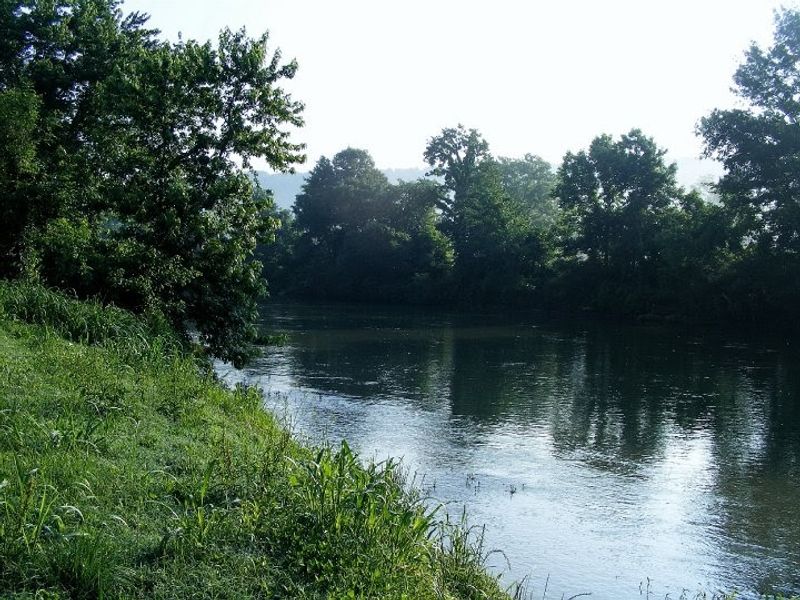
The Illinois River has a solid reputation among Oklahoma anglers, and the fish populations in this stretch of water give both casual and serious fishermen plenty of reasons to bring a rod along on any visit.
Smallmouth bass are the river’s most celebrated catch, thriving in the clear, cool, oxygen-rich water that the Ozark geology produces. Largemouth bass, catfish, and sunfish are also common, making the river productive for anglers with different preferences and skill levels.
Trout fishing is another draw, particularly in cooler months when water temperatures drop to levels that trout find comfortable. Some sections of the river receive stocking from the Oklahoma Department of Wildlife Conservation, which improves the odds considerably during late fall and early spring.
The stretch near Tenkiller is known among locals as a particularly reliable fishing spot, and early morning hours before the float trip crowds arrive tend to produce the best results. A valid Oklahoma fishing license is required for anyone 16 and older, and regulations around catch limits and protected species are posted at most outfitter locations along the river for easy reference.
Wildlife and Nature: What You Will See Along the Banks
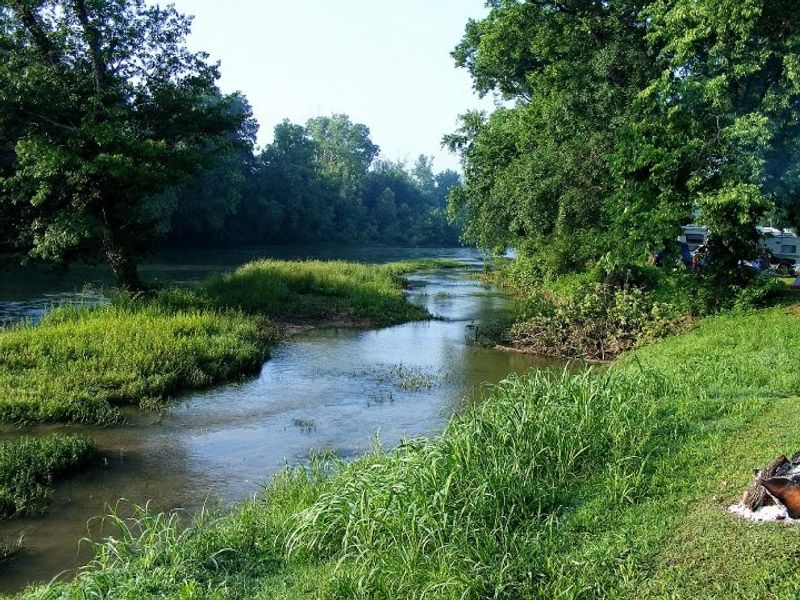
The Illinois River corridor is one of the more wildlife-rich stretches of water in Oklahoma, and keeping your eyes open while you float rewards you with sightings that feel genuinely wild rather than staged.
Great blue herons are a constant presence, standing motionless in the shallows before lifting off with that slow, prehistoric wingbeat that makes everyone on the canoe go quiet for a moment. Kingfishers dart between branches overhead, and osprey are occasionally spotted hovering above the water before dropping into a fast, clean dive.
White-tailed deer come to the banks in early morning and late afternoon, particularly in the quieter stretches far from the busiest launch points. River otters have also been documented in this watershed, though spotting one requires patience and a fair amount of luck.
The birdwatching along this river is genuinely excellent, and it attracts birders who come specifically for the species diversity that the Ozark habitat supports. The combination of forested hillsides, open water, rocky banks, and gravel bars creates multiple habitat types within a single float, which keeps the wildlife variety high from start to finish.
Tips for First-Timers: How to Make the Most of Your Visit
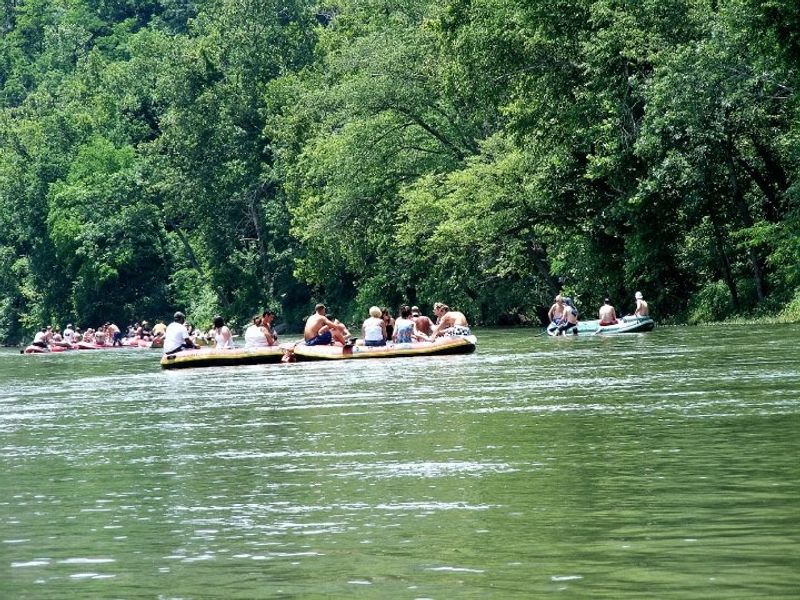
A first trip to the Illinois River is a genuinely fun experience, and a little preparation goes a long way toward making sure it stays that way from launch to takeout.
Sunscreen is non-negotiable. The combination of direct sun, reflective water, and several hours on the river creates the perfect conditions for a burn that will remind you of your trip for days longer than you planned.
Reapplying every couple of hours is a habit worth building quickly.
Bring more water than you think you need, especially during summer months when temperatures along the river corridor can climb into the upper 90s. Staying hydrated keeps energy levels up and makes the paddle-heavy sections of the float feel much more manageable.
Waterproof bags or dry boxes are essential for protecting phones, car keys, and anything else that cannot get wet. Even calm sections of the river can surprise you, and a tipped canoe in shallow water feels funny until your phone is at the bottom.
Booking your outfitter rental and campsite well in advance for summer weekends is the single most important logistical move you can make. The river gets busy fast, and showing up without a reservation on a holiday weekend is a gamble that rarely pays off.
Share this story