There is a waterfall in southern Oklahoma that has been drawing visitors for generations, and lately, the crowds have reached a whole new level. Locals who grew up splashing around its natural swimming holes and exploring its stone castle now show up on summer weekends and barely recognize the place.
The parking lots fill before noon, the creek banks get packed shoulder to shoulder, and the quiet that once made this spot feel like a personal treasure has mostly disappeared. Turner Falls Park in Davis, Oklahoma, has become one of the state’s most talked-about outdoor destinations, and that popularity comes with some very real trade-offs worth knowing before you go.
Where Turner Falls Park Actually Is
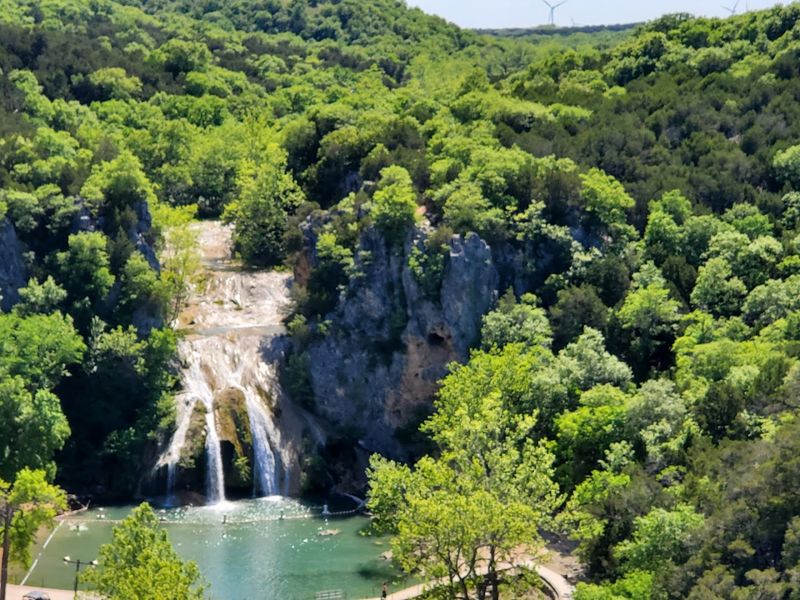
Turner Falls Park sits at the intersection of I-35 and US-77 in Davis, Oklahoma 73030, right in the heart of the Arbuckle Mountains. The phone number for the park is (580) 369-2988, and more details are available at turnerfallspark.com.
Davis is a small town in Murray County, and the park itself has been part of the community’s identity for well over a century.
The drive down from Oklahoma City takes roughly an hour and a half, and the approach through the Arbuckles gives you a preview of the rugged, layered limestone terrain that makes this region so visually distinct from the flat plains most people associate with Oklahoma.
The park entrance sits right off the highway, which makes it easy to find but also means traffic can back up significantly on busy summer weekends. Arriving early, ideally before 9 a.m., gives you the best shot at a smooth entry and a decent parking spot.
The surrounding town of Davis has a handful of restaurants and shops, making it a reasonable base if you plan to spend more than one day exploring the area.
The Waterfall That Started It All
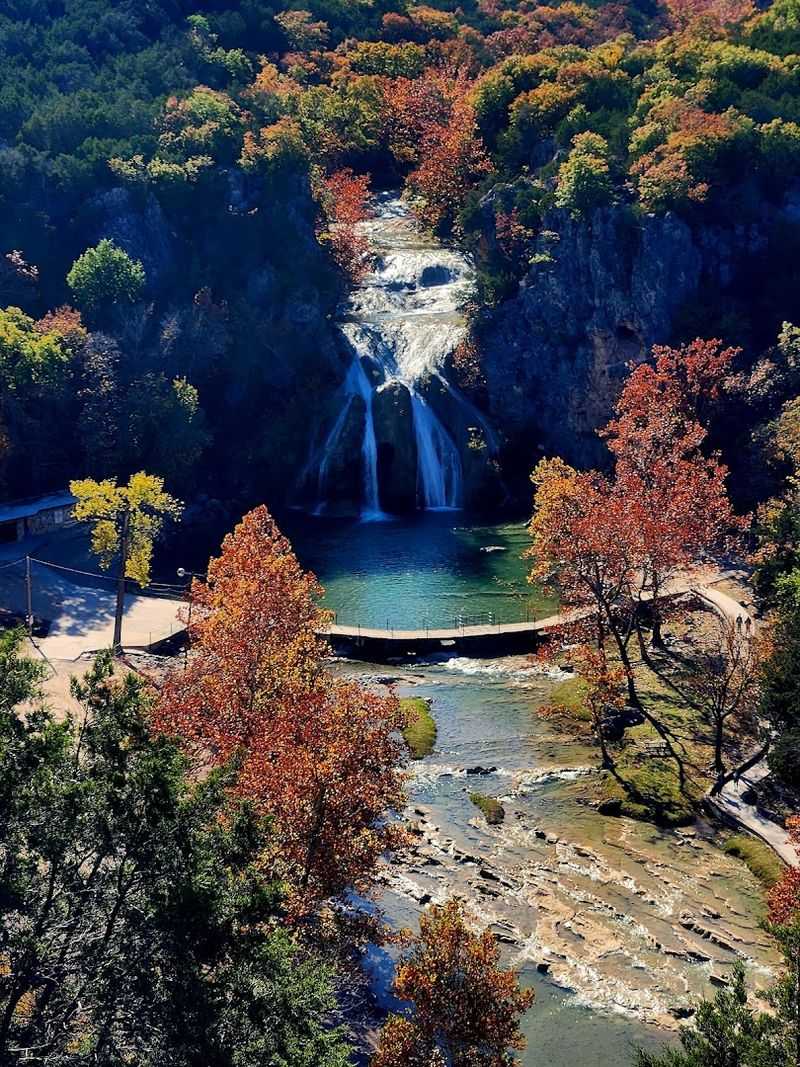
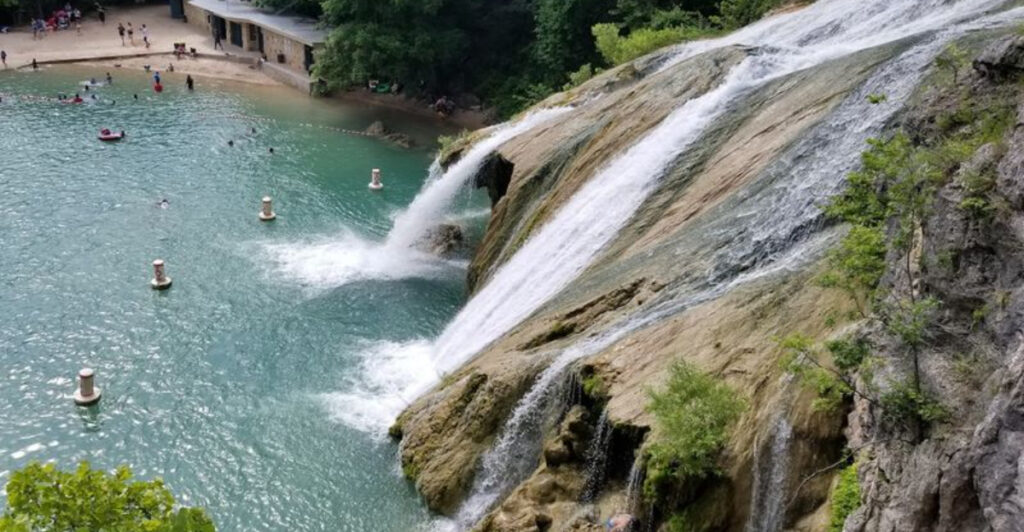
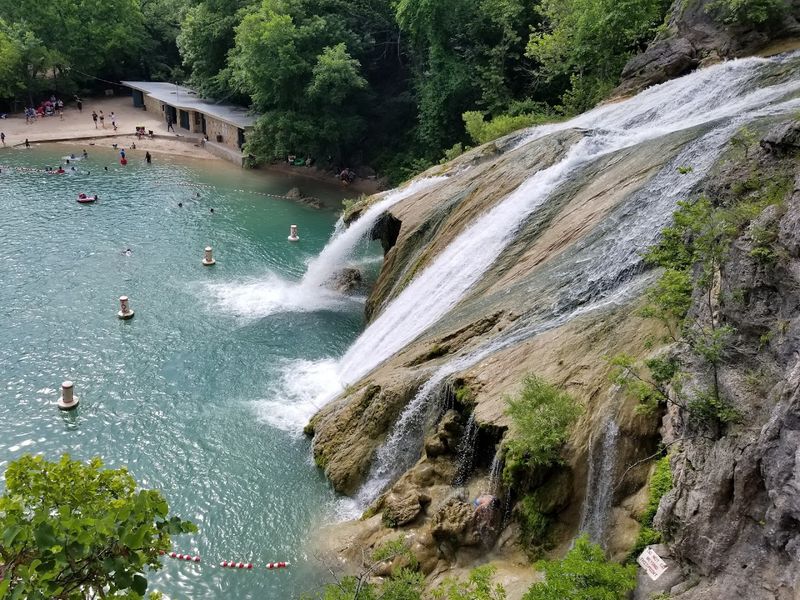
At 77 feet tall, Turner Falls is the largest natural waterfall in Oklahoma, and seeing it in person makes that fact feel completely earned. The water rushes over a wide shelf of ancient limestone and drops into a clear, spring-fed pool below, creating the kind of scene that makes people stop mid-sentence.
The falls were named after Mazeppa Turner, a Scottish immigrant who settled in the area in the 1870s and built a grist mill nearby. That long history adds a layer of meaning to the place that goes beyond just a pretty photo backdrop.
The pool at the base of the falls is the main swimming area, and it stays naturally cool even during Oklahoma’s brutal summer heat. Lifeguards are on duty during peak season, which is a genuine comfort for families with young children.
The rocks around the falls can get slippery, so water shoes are a smart call. On a weekday morning in spring or early fall, this spot feels almost magical.
On a Saturday in July, it feels more like a very scenic public pool.
Collings Castle and Its Surprising Story
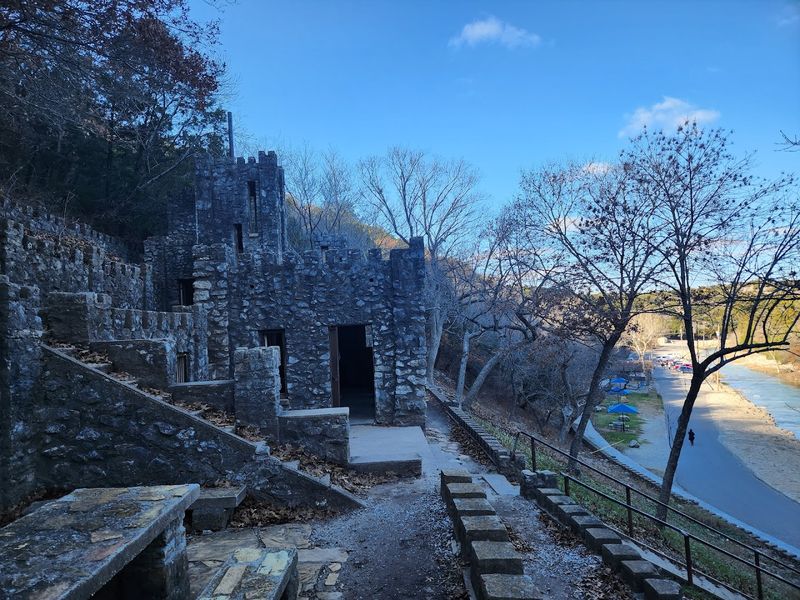
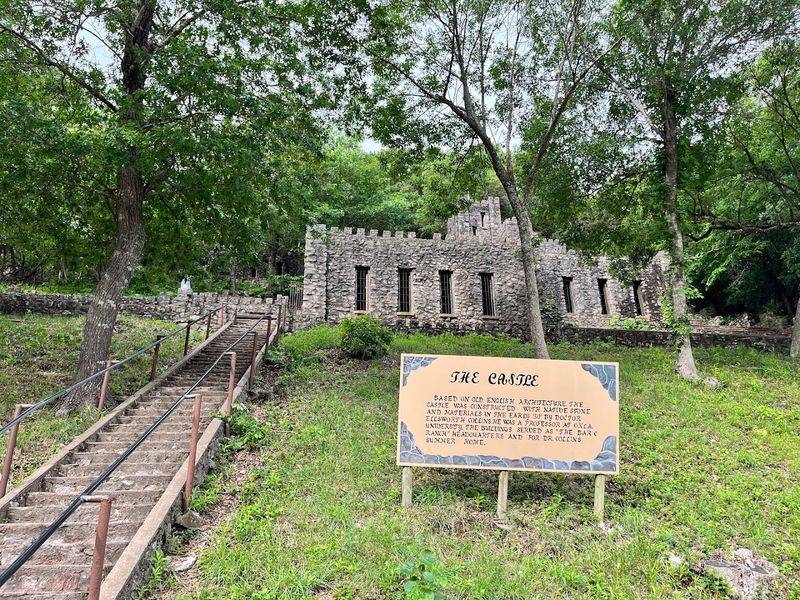
Most people come to Turner Falls for the water, but the stone castle perched on the hillside above the creek is the detail that tends to stick with visitors long after the visit. Known as Collings Castle, the structure was built by a local dentist named Dr. Ellsworth Collings during the 1930s and 1940s using native limestone.
Dr. Collings built the castle as a personal retreat, and while it was never fully completed, what remains is genuinely impressive. Stone benches, arched doorways, and multi-level walls give the ruins a quality that feels more European than Oklahoman, which is exactly what makes it so unexpected.
Kids tend to go absolutely wild exploring the rooms and climbing the walls, and the castle makes for outstanding photos at any time of day. The hike up to the castle from the main parking area is short but involves some uneven terrain, so solid footwear matters.
A visit to Collings Castle rounds out the Turner Falls experience in a way that swimming alone never could, turning a simple waterfall trip into something that feels like a full-scale adventure with a bit of history layered in.
The Caves That Add Extra Adventure
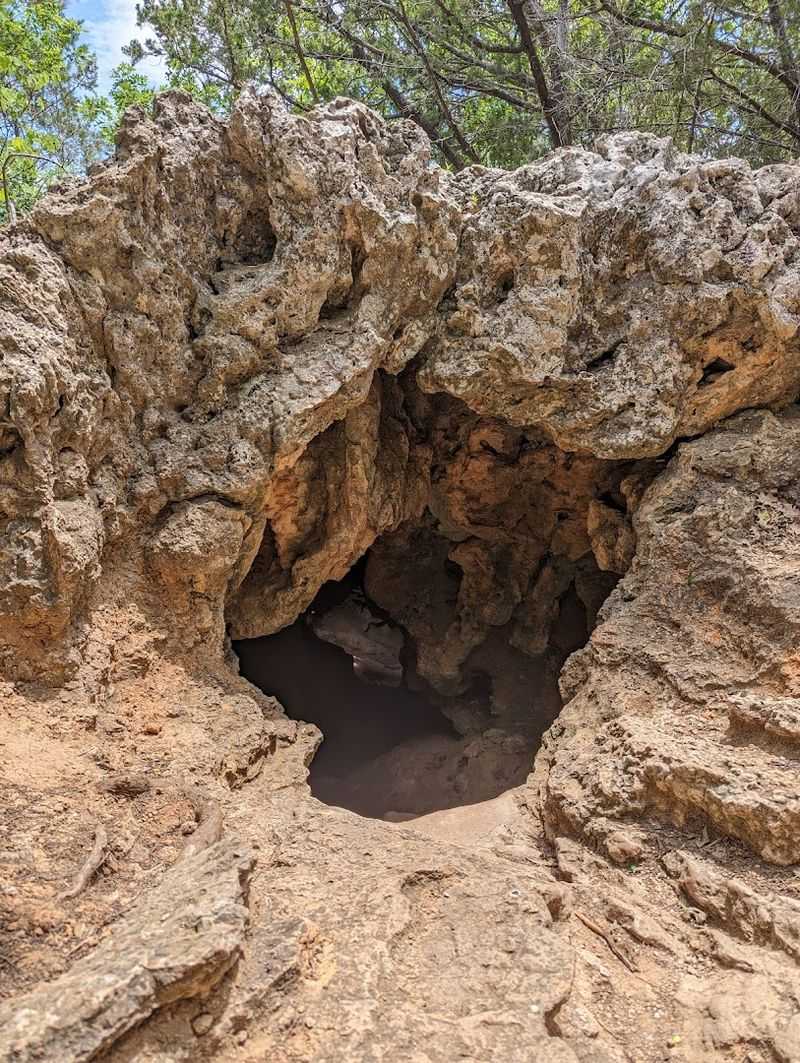
Scattered across the hillside near the castle and along the main waterfall trail, a series of natural limestone caves gives Turner Falls Park a genuinely adventurous edge that many visitors do not expect. The caves are not formally marked on most maps, which means finding them feels like a small personal discovery each time.
The caves range from shallow rock overhangs to deeper passages that require some crouching and careful footing. Bringing a small flashlight or using your phone’s torch makes the experience much more enjoyable, especially for kids who want to push a little deeper into the darkness.
One of the most popular cave routes runs along the path from Lot A down toward the waterfall, and following it adds a genuinely fun dimension to what might otherwise be a straightforward walk. The limestone formations inside are a reminder that the Arbuckle Mountains are among the oldest exposed rock formations in North America, with some layers dating back over 500 million years.
That kind of geological context transforms a casual cave crawl into something that actually teaches you something, which is a bonus most visitors do not see coming.
Swimming and Creek Life at the Park
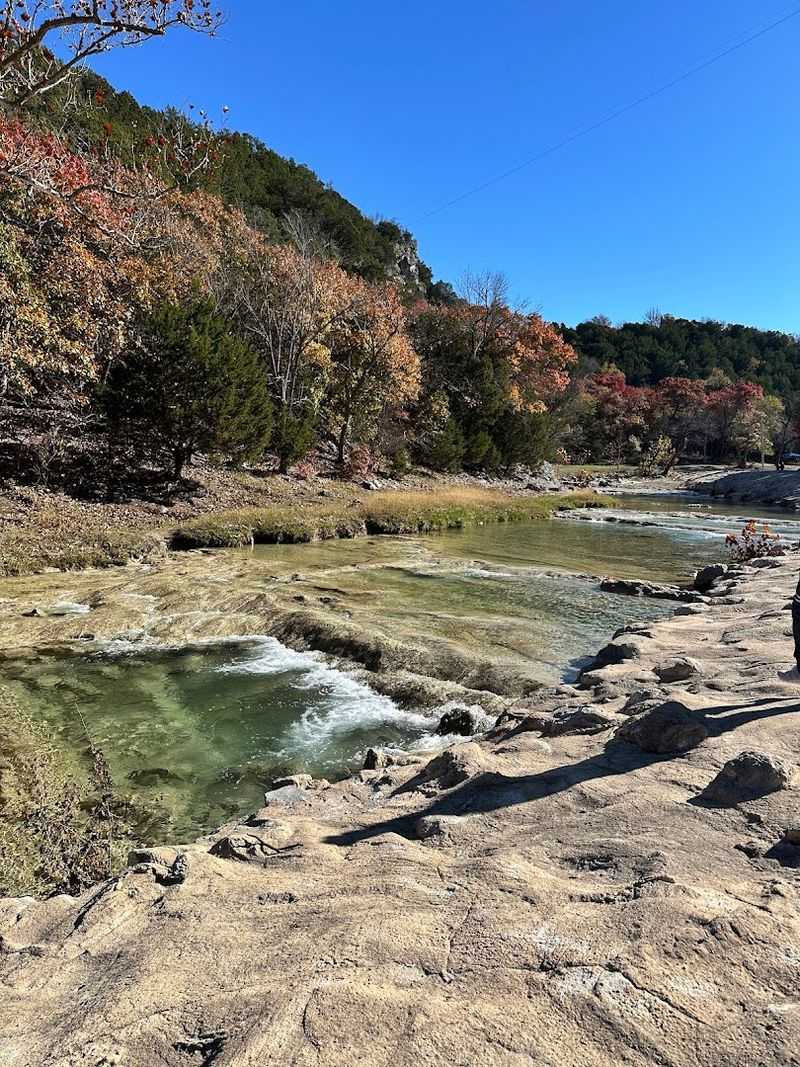
Beyond the main waterfall pool, the creek that runs through Turner Falls Park offers miles of shallow, clear water that families use for wading, floating, and general splashing around. Honey Creek, which feeds the falls, winds through the park in a way that creates multiple distinct swimming spots, each with its own character.
The water stays naturally cool thanks to the spring-fed source, which is a serious selling point during Oklahoma summers when temperatures regularly push past 100 degrees. Some sections of the creek are calm enough for toddlers, while others have small rock drops and deeper pools that older kids and adults tend to claim.
The park store near the entrance sells life vests, water shoes, and basic supplies, which is genuinely helpful for anyone who forgot to pack essentials. Nose clips are worth bringing if you are sensitive to natural water, since the creek is a living ecosystem and not a chlorinated pool.
On busy summer weekends, the creek banks fill up fast, so staking out a good spot early in the day makes a real difference in how relaxed the whole experience feels.
Camping Options From Primitive to Covered Wagons
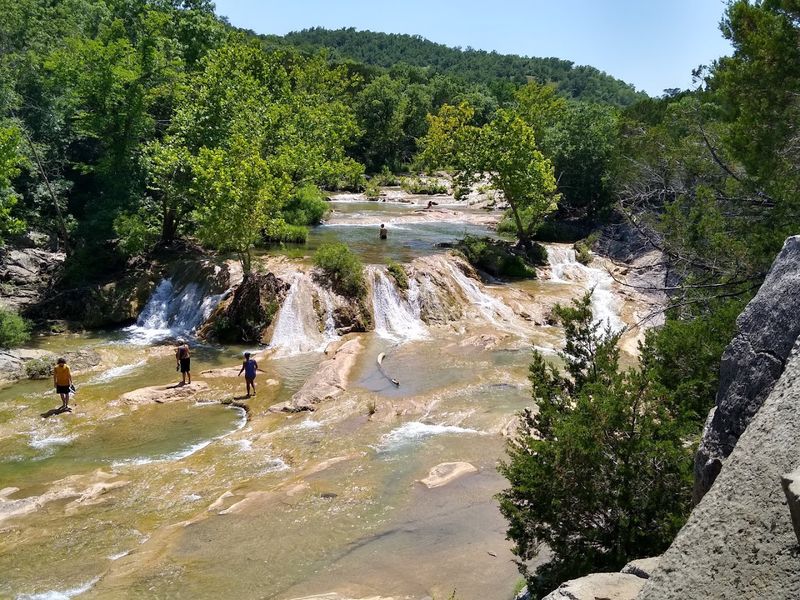
Turner Falls Park offers a surprisingly wide range of overnight options, from primitive tent camping along Honey Creek to cabin rentals and even covered wagon accommodations that feel like a step back in time. The primitive campsites are first-come, first-served, which means the early arrivals get the best spots, especially on holiday weekends.
The tent camping areas near Level 3, which sit close to the creek, are beautiful but worth researching before you commit. The area sits in a flood-prone zone, and flash flood warnings in Oklahoma can escalate quickly.
Checking the weather forecast and having a clear exit plan before settling in is genuinely important, not just cautious overthinking.
The covered wagon rentals are a fan favorite among families looking for something more memorable than a standard tent setup, and guests who have stayed in them often describe the experience as surprisingly comfortable and refreshingly quiet. Cabins offer a more traditional lodging option with a bit more shelter and privacy.
Whichever option you choose, booking well in advance for summer stays is essentially non-negotiable, because availability disappears fast once the warm months arrive.
The Crowds That Changed Everything
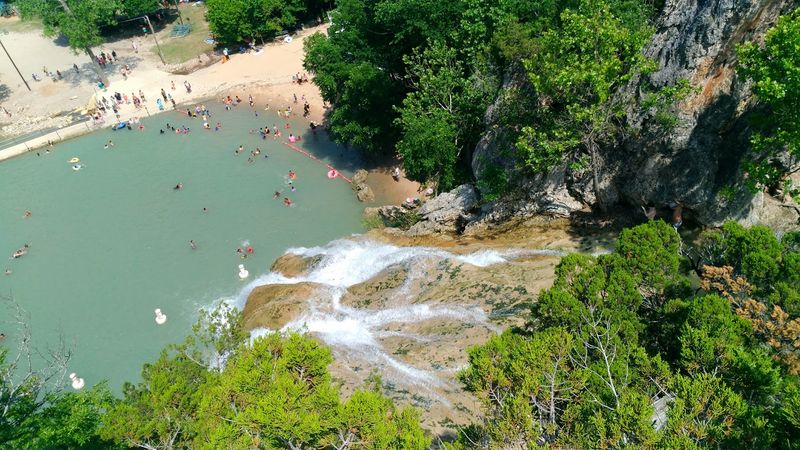
Turner Falls has always been popular, but the level of foot traffic the park now sees during summer weekends has genuinely shifted the atmosphere. Locals who grew up visiting in the 1980s and 1990s describe a place that felt personal and unhurried, a spot where you could find a quiet rock to sit on and hear nothing but the falls.
Today, the parking lots fill before 10 a.m. on peak summer weekends, the shuttle buses between park areas run behind schedule, and the creek banks look more like a beach resort than a wild Oklahoma waterfall. The entry fees have also climbed, with some visitors reporting costs of $40 to $50 or more per vehicle depending on the season and parking level chosen.
None of this means the park has lost its beauty. The waterfall is still stunning, the castle is still fascinating, and the creek is still cold and clear.
What has changed is the expectation. Visiting with the mindset that this is now a well-known destination rather than a quiet local retreat makes the experience far more enjoyable.
Timing matters more than ever, and a midweek visit in spring or fall is a completely different experience from a summer Saturday.
Honest Talk About Fees and Facilities
One of the most consistent themes in recent visitor feedback about Turner Falls is the tension between the entry cost and the condition of the facilities. Admission prices vary by season and group size, but many visitors report paying between $12 and $15 per person for day entry, with parking fees added on top of that.
For a family of four, that total can climb past $80 before anyone has touched the water, which raises fair questions about what that money is maintaining. Restroom cleanliness has been a recurring complaint, with some facilities described as poorly maintained during peak season.
Trash management on busy weekends is another area where the park has drawn criticism.
The natural beauty of the place is not in question. The limestone canyon, the waterfall, and the creek are as spectacular as ever.
The gap between the price of admission and the standard of upkeep is where visitors feel the friction most sharply. Bringing your own supplies, including hand sanitizer, extra trash bags, and any snacks you want, is a practical way to manage expectations.
The park store does carry basic necessities, but being self-sufficient makes the whole day run more smoothly.
Best Times to Visit for a Better Experience
Timing a visit to Turner Falls Park well is probably the single biggest factor in whether the trip feels magical or exhausting. The park draws its heaviest crowds from Memorial Day through Labor Day, with July 4th weekend being the most intense period of the year.
Summer visits are not bad, but they require real preparation and early arrival.
Spring and fall are when the park genuinely shines for visitors who want a more relaxed pace. March through May brings wildflowers, cooler temperatures, and noticeably thinner crowds.
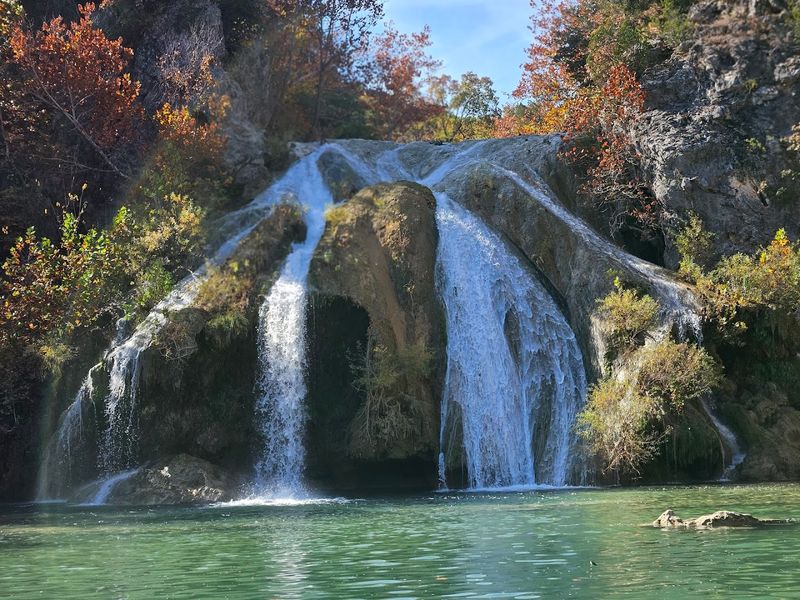
The waterfall runs strong after spring rains, and the whole canyon feels lush and alive. Fall foliage in October transforms the limestone walls and creek corridor into something worth photographing from every angle.
Winter visits are possible and surprisingly peaceful, though some facilities and amenities operate on reduced schedules. A weekday visit in any off-peak season cuts the crowd density dramatically and lets you explore the caves, castle, and creek at a pace that actually allows you to absorb what you are seeing.
The park is genuinely beautiful year-round, and matching the right season to your expectations makes all the difference between a stressful outing and a memorable one.
What Locals Want Visitors to Know
People who grew up in Murray County and the surrounding areas have a complicated relationship with Turner Falls right now. They are proud of the place, genuinely proud, because it is one of the most visually striking natural spots in the entire state.
But watching it get overwhelmed by visitors who treat it carelessly has stung in ways that are hard to articulate without sounding territorial.
The ask from locals is pretty straightforward. Pack out your trash.
Respect the water. Be patient with the staff, even when things are not running perfectly.
Understand that this creek and these rocks have been here for millions of years and deserve more care than a single afternoon visit might naturally inspire.
There is also a practical side to what long-time visitors suggest. Use the Level 1 parking area if the castle and main waterfall are your priorities.
Use Level 2 Lot A if you want to pass through the caves on the way down to the creek. Arrive before 9 a.m. in summer.
Check the weather before camping near the creek. And if you can, visit on a Tuesday in October when the leaves are turning and the park feels like it belongs to everyone again, quietly and without a wait.
Share this story