Most people think of Oklahoma as flat, windy, and wide open, so it catches visitors completely off guard when they stumble onto a park tucked into rugged canyon country that feels nothing like the surrounding prairie. Red-rock bluffs rise sharply above cedar-lined trails, a natural spring feeds a pool that stays surprisingly cool even in summer, and the silence at night is deep enough to hear coyotes calling from the ridge.
This is the kind of place that makes you slow down, look up, and wonder how you never knew it existed. The park sits about an hour west of Oklahoma City, and once you turn off the highway and drop into that canyon, the whole world changes.
Where Roman Nose State Park Actually Is
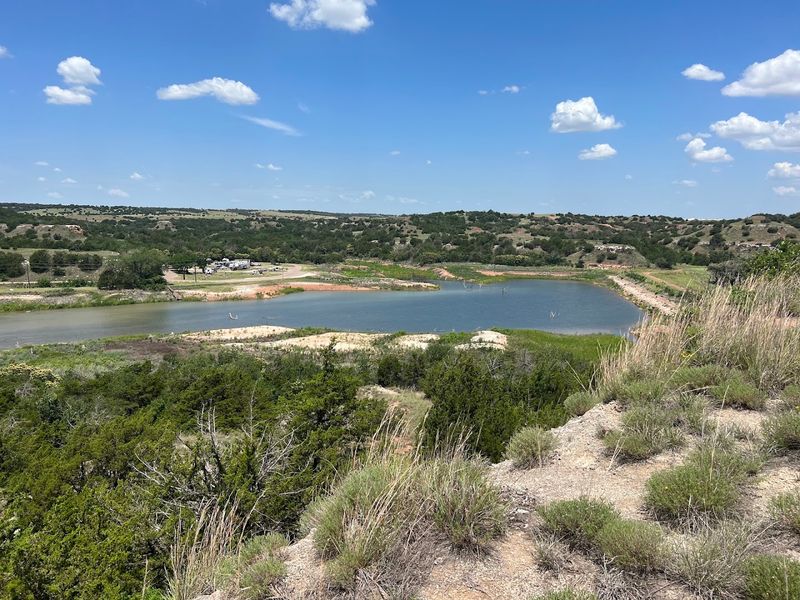
The address is 3236 OK-8A, Watonga, Oklahoma 73772, and that stretch of road does not prepare you for what waits at the end of it. The drive out from Watonga, a small town about seven miles away, rolls through flat farmland before the land suddenly breaks open into a series of sandstone and red-clay canyons.
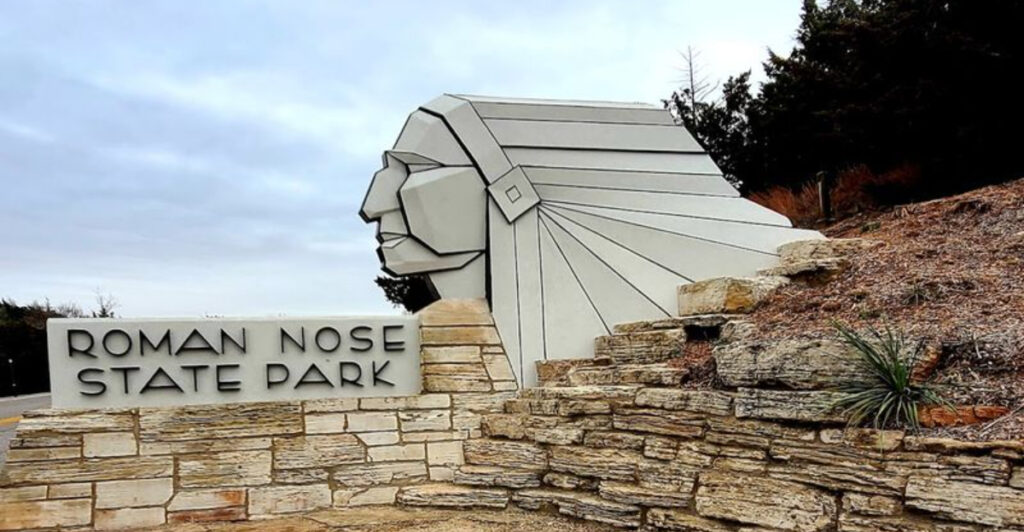
Roman Nose State Park sits in Blaine County in west-central Oklahoma, named after Henry Roman Nose, a respected Cheyenne chief who once camped in this area with his people. The park covers hundreds of acres of canyon terrain, cedar breaks, and open meadows that together create a landscape that feels genuinely dramatic by Oklahoma standards.
You can reach it in roughly an hour from Oklahoma City or Yukon, making it an easy weekend trip without a long haul on the interstate. The Watonga Regional Airport is only six miles away, which is surprisingly convenient for anyone flying in.
First-timers consistently say the approach through the canyon catches them completely by surprise.
The Canyon Setting That Steals the Show
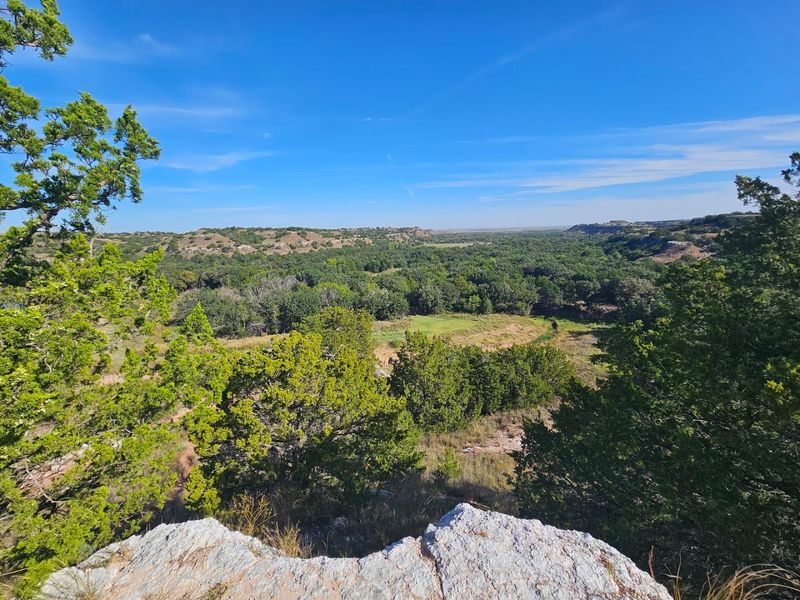
Red and cream-colored sandstone bluffs shoot up on both sides of the park’s central valley, and the contrast between those warm rock walls and the dark green cedar trees below is genuinely striking. The canyon geography here is the whole personality of the place, and it shapes everything from where the trails run to where the lodge was built.
Inspiration Point is one of the most talked-about spots in the park, and for good reason. The trail out to the overlook has some steep sections that will get your heart rate up, but the view from the top across the canyon floor makes every step worth the effort.
Because the canyon walls block wind and create their own microclimate, the air inside the park can feel noticeably cooler than the surrounding prairie on a hot summer afternoon. That natural shade and elevation change are part of why visitors keep comparing the experience to a mountain retreat rather than a typical Oklahoma state park.
The geology here tells a story that stretches back millions of years, and the rock layers are easy to read even without a science background.
The Lodge and Its Old-School Charm
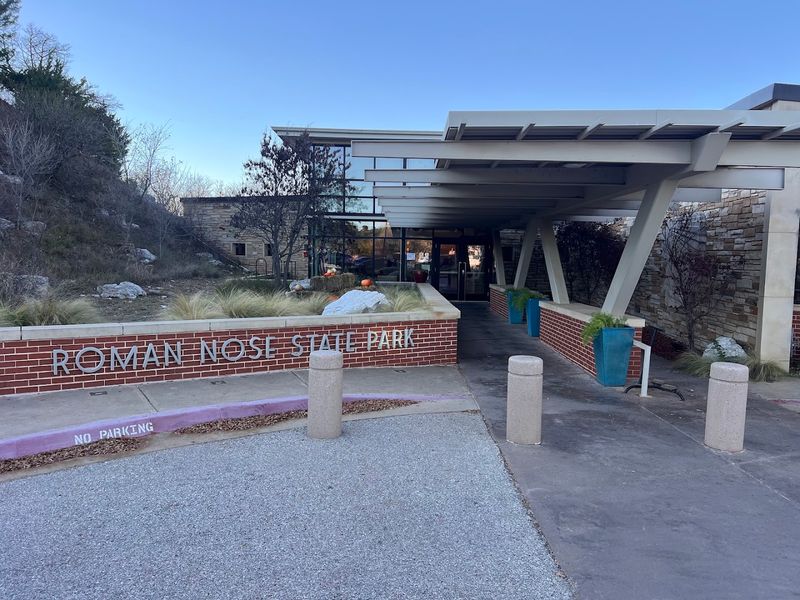
The lodge at Roman Nose has been here long enough to carry real history in its walls. Reviewers who visited decades ago and returned recently note that the building has been updated but still holds a local character that feels earned rather than manufactured.
Touches referencing the Cheyenne and Arapaho tribal heritage of the area appear throughout the interior, giving the space a sense of place that generic hotel lobbies never manage to pull off.
Rooms come with satellite TV, minifridges, and tea and coffeemakers, and upgraded options include sitting areas with views of the park, lake, or river. Cabins step things up further with living and dining areas plus kitchenettes, which makes them a solid pick for families who want a little more breathing room.
Free Wi-Fi is available throughout, and parking costs nothing, which is a small but appreciated detail when you are already budgeting a trip. The front desk staff consistently earn praise from visitors for being friendly, knowledgeable, and genuinely helpful.
The lodge dining room has changed over the years but still serves meals with a relaxed, unpretentious atmosphere that matches the park’s overall vibe perfectly.
Hiking Trails for Every Kind of Adventurer
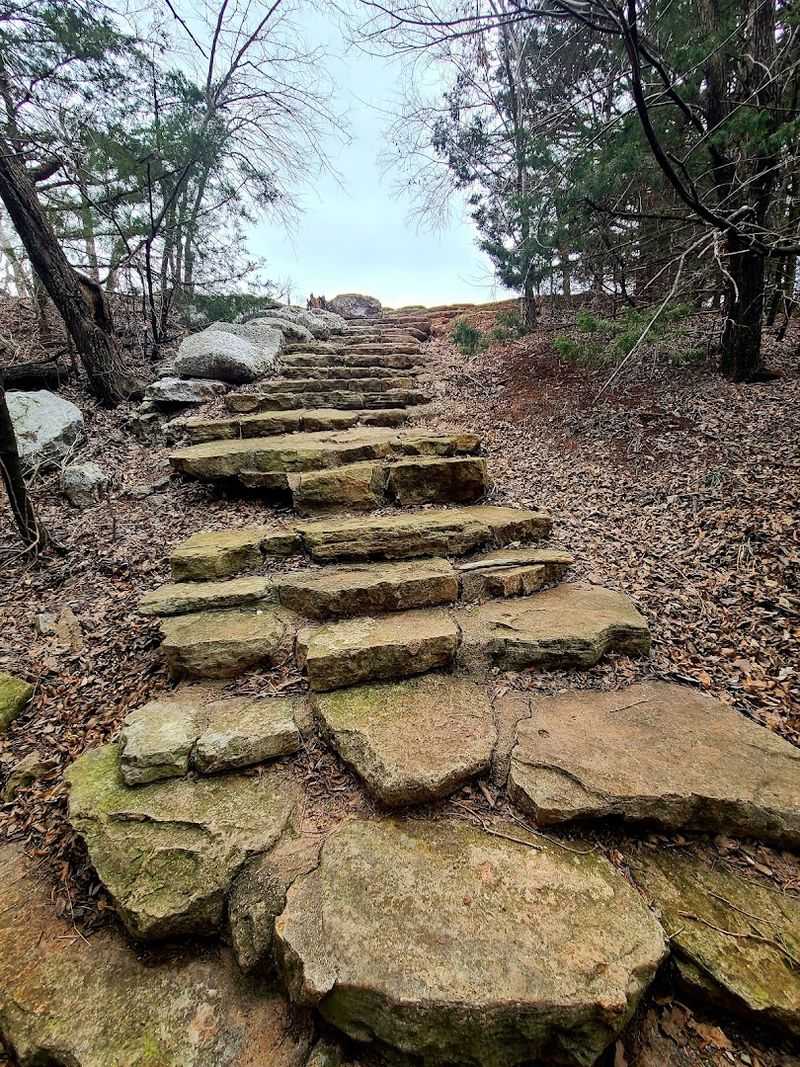
The trail system at Roman Nose covers a range of difficulty levels, which makes it genuinely welcoming for mixed groups. The ADA-accessible paved trail runs from the campground area up to the lodge and then continues out toward Inspiration Point, offering a route that wheelchair users and families with strollers can actually enjoy rather than just admire from a distance.
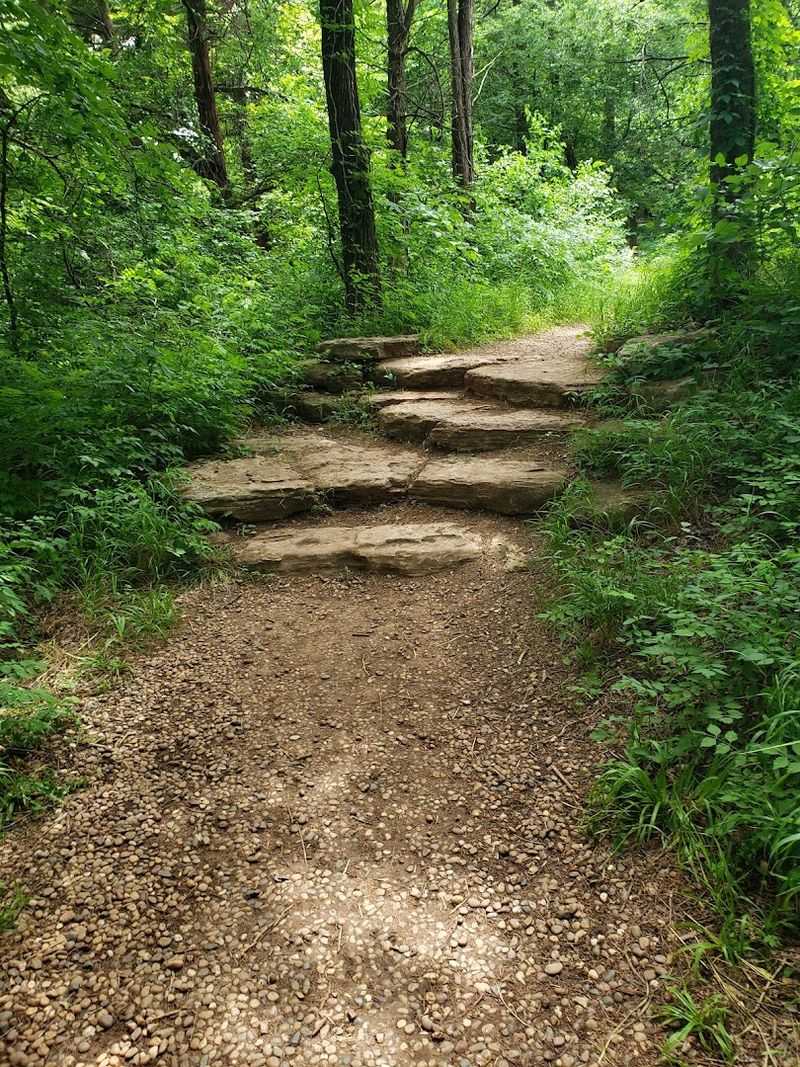
Beyond the paved path, natural dirt trails push deeper into the cedar breaks and canyon edges. The Switchback Trail earns its name honestly, zigzagging up the canyon walls with enough elevation change to make it feel like a real hike rather than a casual stroll.
Visitors who make it to the top report some of the best views in the park waiting for them there.
One honest heads-up worth mentioning: some trail signs have been inconsistent, and a few paths were temporarily closed during ongoing construction work related to the lakes. Checking with the front desk before heading out is genuinely useful rather than just a polite suggestion.
The staff know which routes are open and can point you toward the best options for your fitness level and how much time you have available.
The Natural Spring Pool That Keeps Its Cool
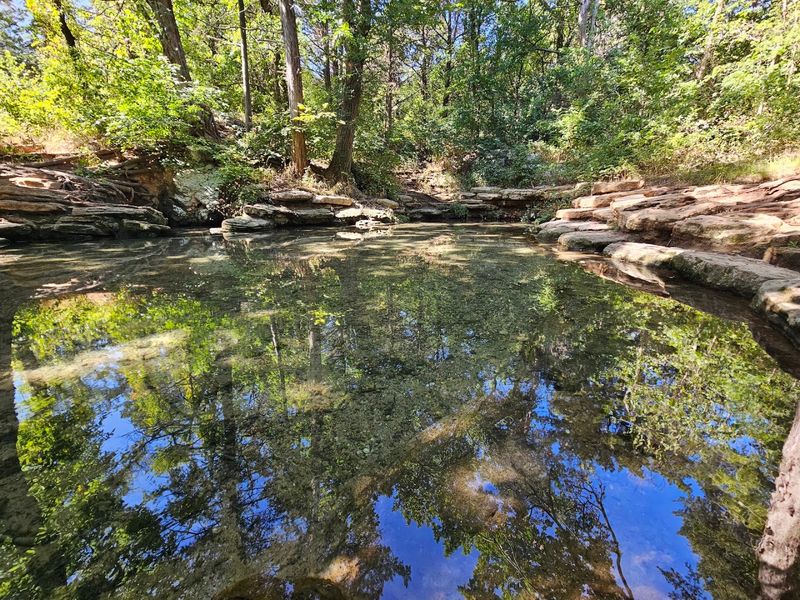
One of the most genuinely unusual features of Roman Nose State Park is its swimming pool fed by natural springs. The springs have been part of this park’s appeal for generations, and the water they push up stays notably cool compared to the surrounding air temperature, which in an Oklahoma July is a serious selling point.
The pool operates on a seasonal schedule and is typically open on weekends during summer months. Visitors planning a midweek trip should confirm hours in advance, since a few reviewers arrived expecting a swim and found the pool closed on a Tuesday.
That kind of planning detail makes the difference between a great day and a frustrating one.
The spring itself has a longer history than the park does. Long before the state developed the area, the Cheyenne knew about these springs and used the canyon as a campsite partly because of reliable access to fresh water.
That context makes a dip in the pool feel a little more interesting than your average public swim. The pool is one of the nearest spring-fed pools in the state, and on a blazing summer afternoon, that cold water hits like a reward for the drive out.
Golf Over Canyons, Which Is Exactly as Wild as It Sounds
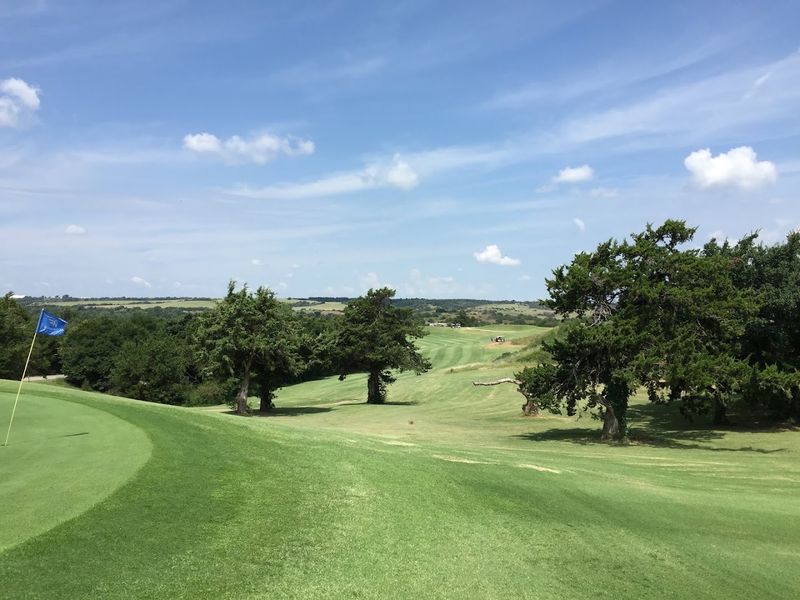
An 18-hole golf course sitting at the entrance to a rugged canyon park sounds like an odd combination, and honestly, it is. But the course at Roman Nose has developed a following among golfers who enjoy the added challenge and drama of playing beside actual canyon drop-offs rather than just manicured grass and sand traps.
The fairways run along and sometimes directly over canyon terrain, which means errant shots do not just land in the rough. They disappear into the cedar trees and rocky ledges below.
Locals joke that if your ball rolls into the deep rough near a canyon edge, you leave it for the wildlife and drop another. That attitude tells you everything about the spirit of this particular course.
The greens have been noted as being in good condition, and the course offers a layout that rewards accuracy over raw distance. It is not a championship-level facility, but it is a genuinely fun and memorable round that you cannot replicate anywhere else in the state.
For golfers who want something different from the usual suburban course experience, Roman Nose delivers a setting that earns a second visit just on atmosphere alone.
Camping Options from Tent Sites to Cozy Cabins
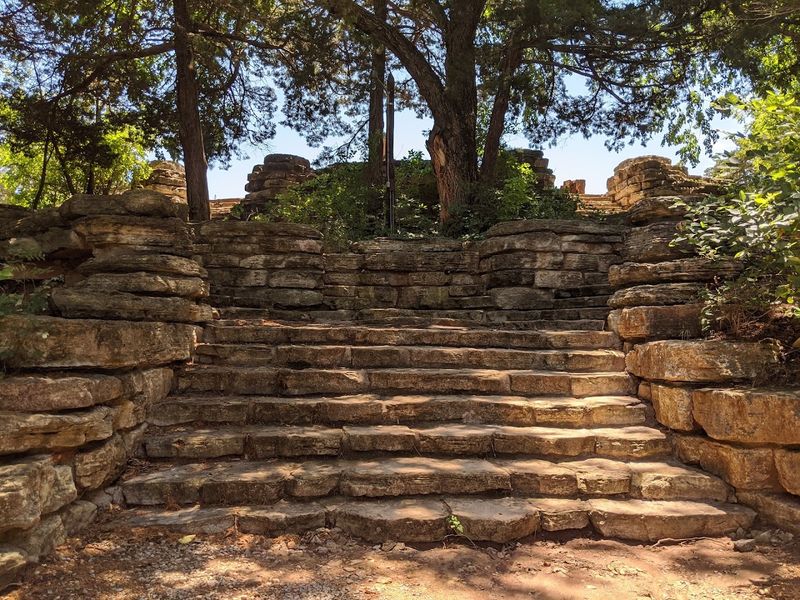
The campground at Roman Nose offers tent sites, RV hookups, and cabin rentals, giving visitors a range of options depending on how rustic they want their experience to be. The Beaver Dam Campground area has received consistently positive notes for clean bathrooms and showers, along with standard amenities like fire rings, grills, and picnic tables that make setting up camp feel straightforward rather than stressful.
The cabins are the sweet spot for families or anyone who wants a real bed and a roof without fully committing to hotel-style lodging. Clean, duplex-style cabins come with concrete driveways, outdoor grills, and fire pits, and they sit within a comfortable walk of the lodge.
Bringing your own pillows and extra bedding is a practical tip that experienced visitors pass along freely.
A few things worth knowing before you book: water hookup locations vary by site, and some spots require a longer hose than most people pack. Roads through the campground are narrow, so larger rigs should research their specific site dimensions ahead of time.
The park can get busy on fall weekends when the canyon scenery is at its most colorful, so booking early for those dates is a genuinely smart move.
Stargazing Far from City Lights
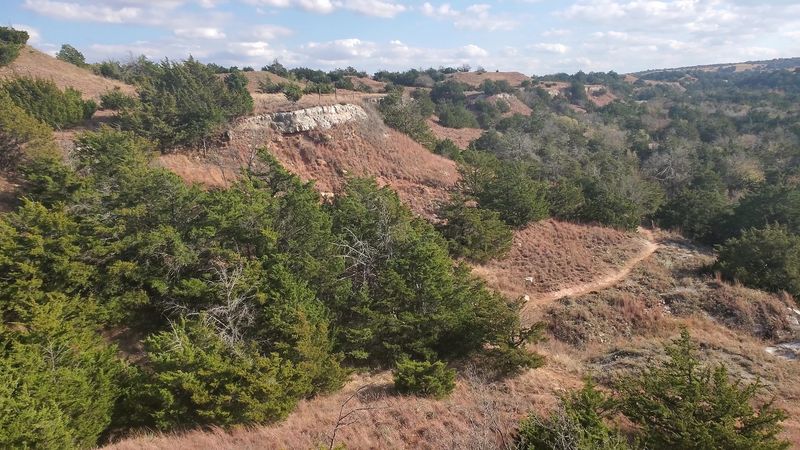
West-central Oklahoma does not get nearly enough credit for its dark skies, and Roman Nose State Park sits far enough from any major city that the nights here are genuinely dark. Visitors who bring cameras for astrophotography have described the conditions as excellent, with the Milky Way visible on clear nights and very little light pollution washing out the fainter stars.
The canyon walls actually help by blocking any distant glow from small towns on the horizon, creating a natural bowl of darkness that amplifies the effect. Campers who stay up past midnight report a sky that looks almost layered, with stars appearing at different depths rather than just a flat scatter of light.
Cell service in the park is inconsistent depending on your carrier, which some visitors find frustrating but which also contributes to the disconnected, off-grid feeling that makes the stargazing experience so effective. Without a glowing phone screen competing for your attention, the sky gets a fair chance to impress you.
A blanket, a reclining camp chair, and about twenty minutes of letting your eyes adjust to the dark are all the equipment you really need for a memorable night under Roman Nose skies.
The Cheyenne and Arapaho Heritage Behind the Name
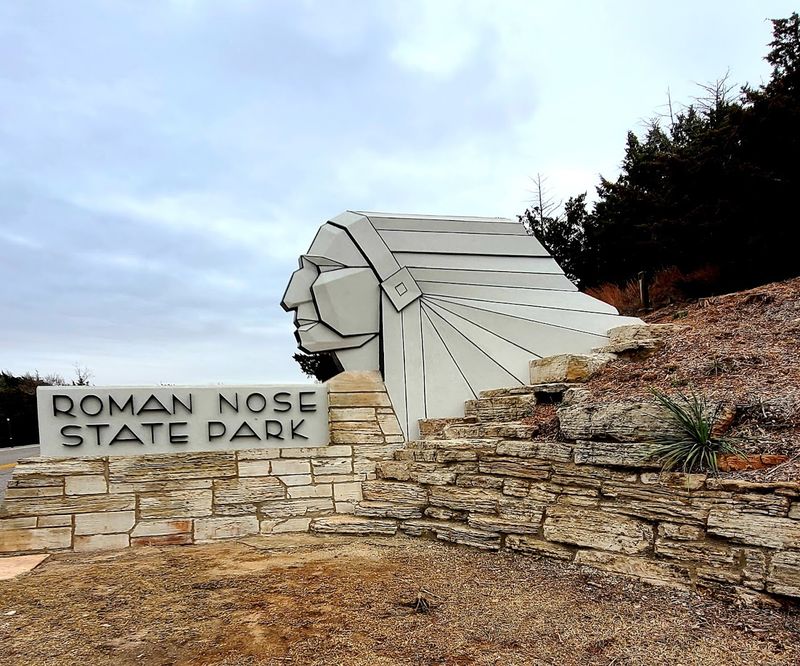
The park’s name carries real weight. Henry Roman Nose was a Cheyenne leader who lived in this region during the late 1800s, and the canyon that now bears his name was part of the traditional territory of the Cheyenne and Arapaho peoples long before Oklahoma became a state.
That history is not just a footnote here; it shapes the identity of the whole park.
The lodge interior reflects that heritage with decor and displays that reference the tribal history of the area. Visitors who take a few minutes to read the interpretive materials come away with a richer understanding of why this particular canyon held significance for generations of people before any campground or golf course existed here.
The Cheyenne and Arapaho Tribes are still an active presence in western Oklahoma today, and learning even a little about that connection before or during your visit adds a layer of meaning to the landscape that pure scenery cannot provide on its own. The T.B.
Ferguson Museum in Watonga, just seven miles from the park, covers related regional history and is worth a stop if you have a few extra hours on your trip itinerary.
Practical Tips Before You Pack the Car
A few honest pieces of advice can save you a lot of frustration on a trip to Roman Nose. The two lakes in the park, Lake Watonga and Boecher Lake, have been drained since around 2019 due to dam issues, and as of recent visits, construction to restore them is still ongoing with no firm reopening date confirmed.
Water activities like kayaking and fishing are currently not available, so planning your trip around those would lead to disappointment.
The general store and restaurant have had inconsistent hours depending on season and staffing, so calling ahead at 405-295-2770 before your visit is a genuinely useful step rather than optional. The park website at travelok.com also has current information, though some visitors note it does not always reflect real-time conditions on the ground.
Bring a longer water hose than you think you need if you are bringing an RV, and pack your own shower supplies since the bathrooms vary in quality across different campground areas. The park is most rewarding in spring and fall when temperatures are comfortable and the canyon light is at its best.
Despite the current limitations, the scenery, trails, staff friendliness, and natural spring pool still make Roman Nose worth the drive for the right kind of visitor.
Share this story