 Unearth The Voyage
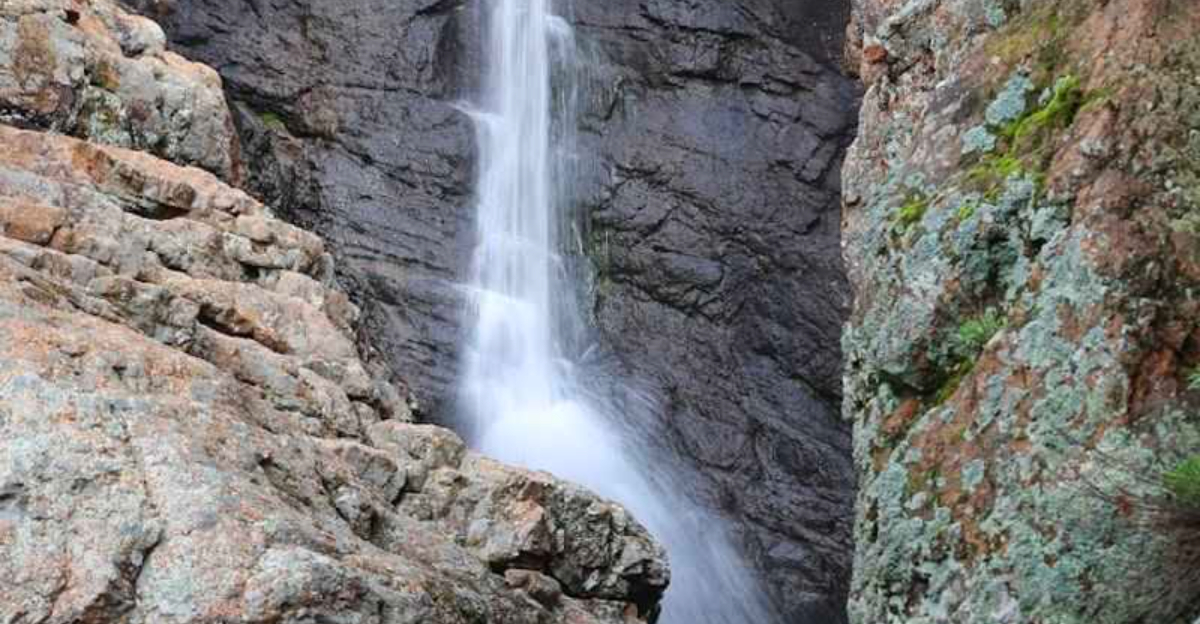
There is a trail in southwestern Oklahoma where the landscape shifts from open prairie to rugged granite boulders, and at the end of it, a hidden waterfall waits like a well-kept secret. The hike is not long, but it packs in valleys, rocky crossings, and enough wild scenery to make you forget you are still in the same state where the land is mostly flat.
The reward at the finish line is a cascade tucked behind ancient rock formations, cool and quiet in a way that feels almost private. This is the kind of place that earns a five-star rating from nearly everyone who shows up with good boots and a full phone battery.
Where the Trail Begins: Address and Location
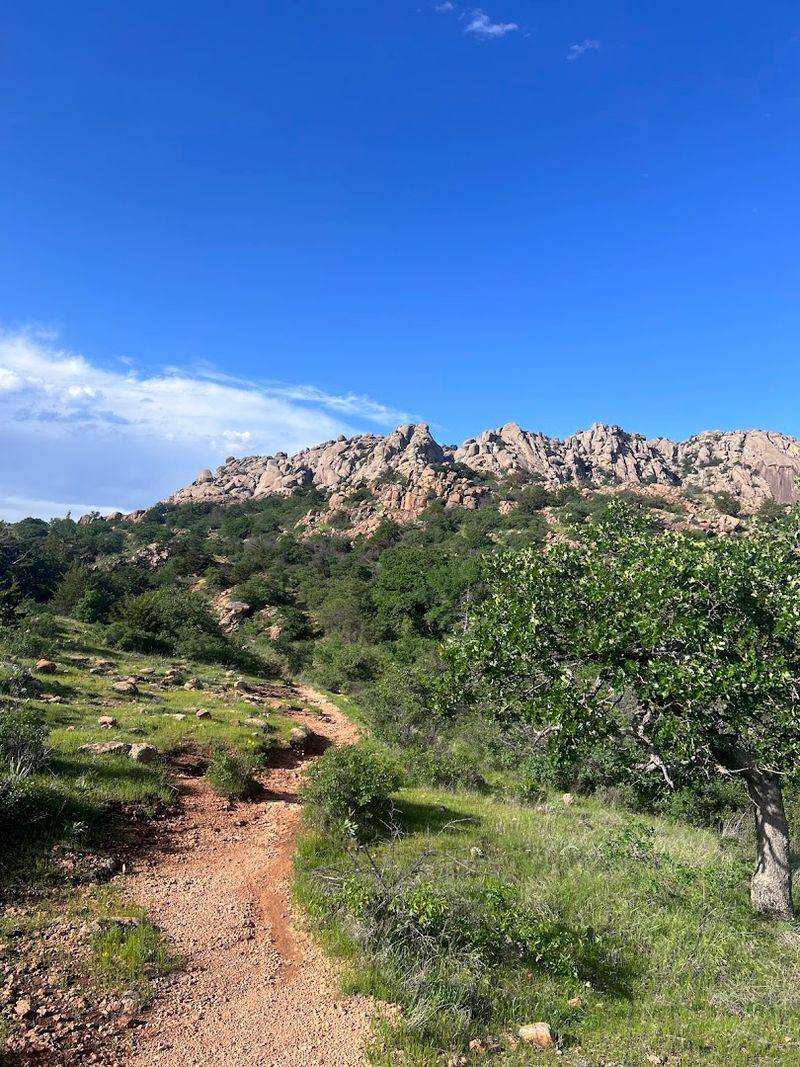
The trail that leads to Post Oak Waterfall starts at Charon’s Garden Trail, located in the Wichita Mountains Wildlife Refuge near Indiahoma, Oklahoma 73552. The full address is Charon’s Garden Trail, Indiahoma, OK 73552, and the refuge falls under the U.S.
Fish and Wildlife Service.
The Wichita Mountains Wildlife Refuge is one of the oldest managed wildlife refuges in the country, and it covers more than 59,000 acres of mixed-grass prairie, granite peaks, and hardwood canyons. Post Oak Waterfall sits within this protected land, which means the scenery surrounding the trail is just as impressive as the destination itself.
To reach the south parking lot, you will want to use a reliable map app, and keeping your phone charged is genuinely important because cell signal can be spotty in the area. The refuge is open year-round, though the waterfall itself is seasonal and flows best after rainfall or during spring.
Arriving early in the morning gives you the best chance of a quiet experience before other hikers fill the trail.
The Scenery Along the Way
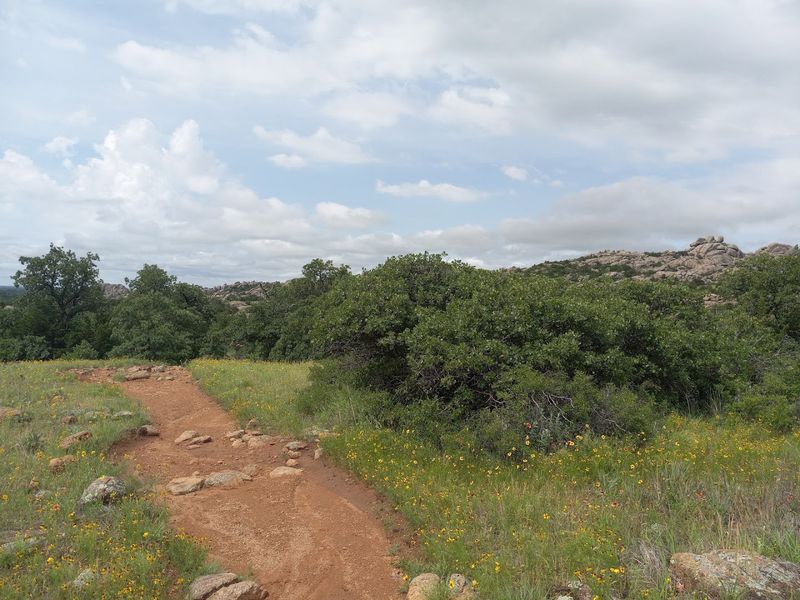
Before you even catch a glimpse of the waterfall, the trail earns its reputation through sheer variety of terrain. The path rolls through flat stretches, climbs short hills, drops into shaded valleys, and crosses rocky ground that keeps your feet honest every step of the way.
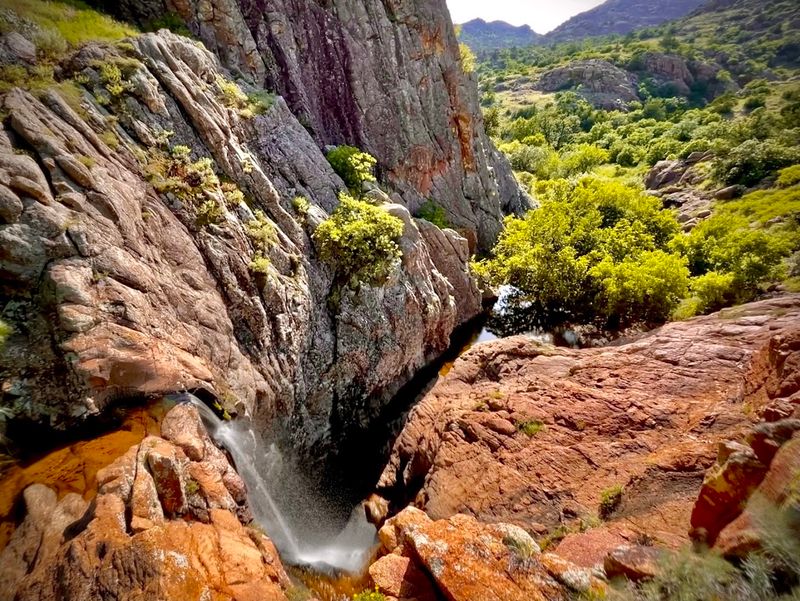
Granite boulders rise up along the sides of the trail, some of them enormous and smoothed by centuries of wind and rain. The vegetation shifts as you move between sun-drenched open sections and cooler, tree-lined corridors where the canopy closes in overhead.
Wildflowers pop up in unexpected spots, and the ground cover changes texture and color as the trail winds deeper into the refuge.
Water crossings add a fun challenge to the hike, and while some visitors manage to stay dry-footed, others simply accept that wet boots are part of the experience. The upper trail tends to be sunnier and more open, while the lower trail offers more shade and a slightly more demanding route.
Either way, the scenery makes every step worth taking and leaves a strong impression long after you return to the parking lot.
The Waterfall Itself
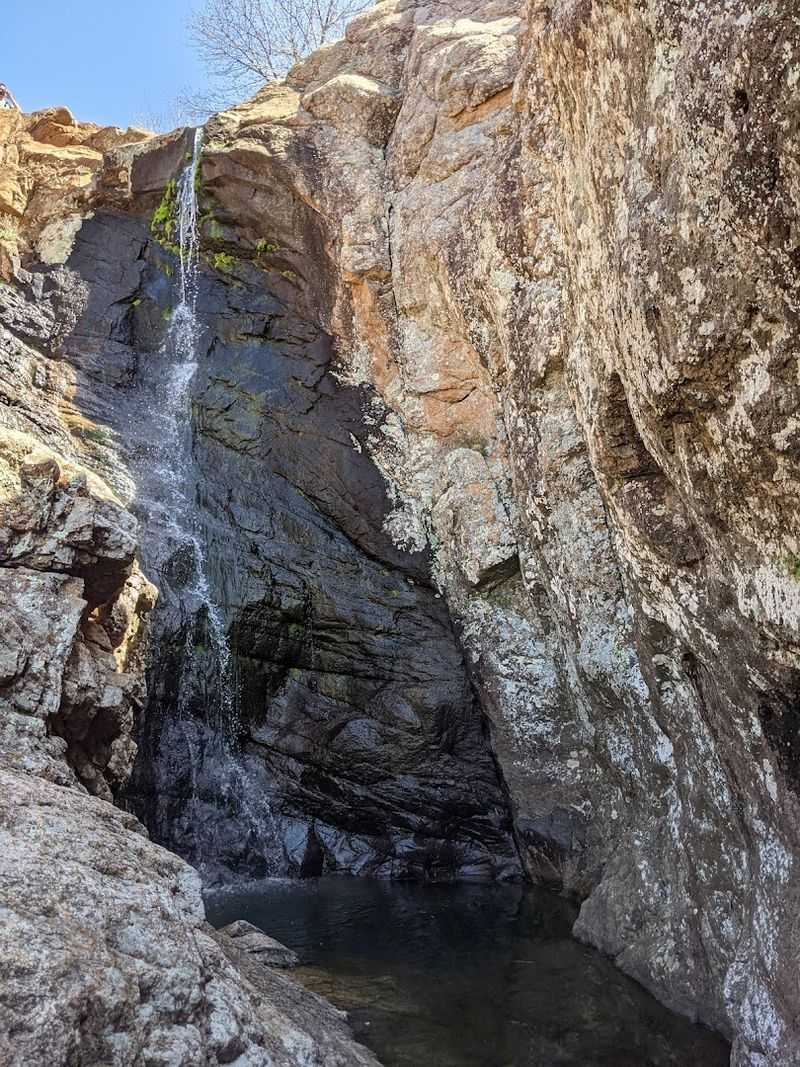
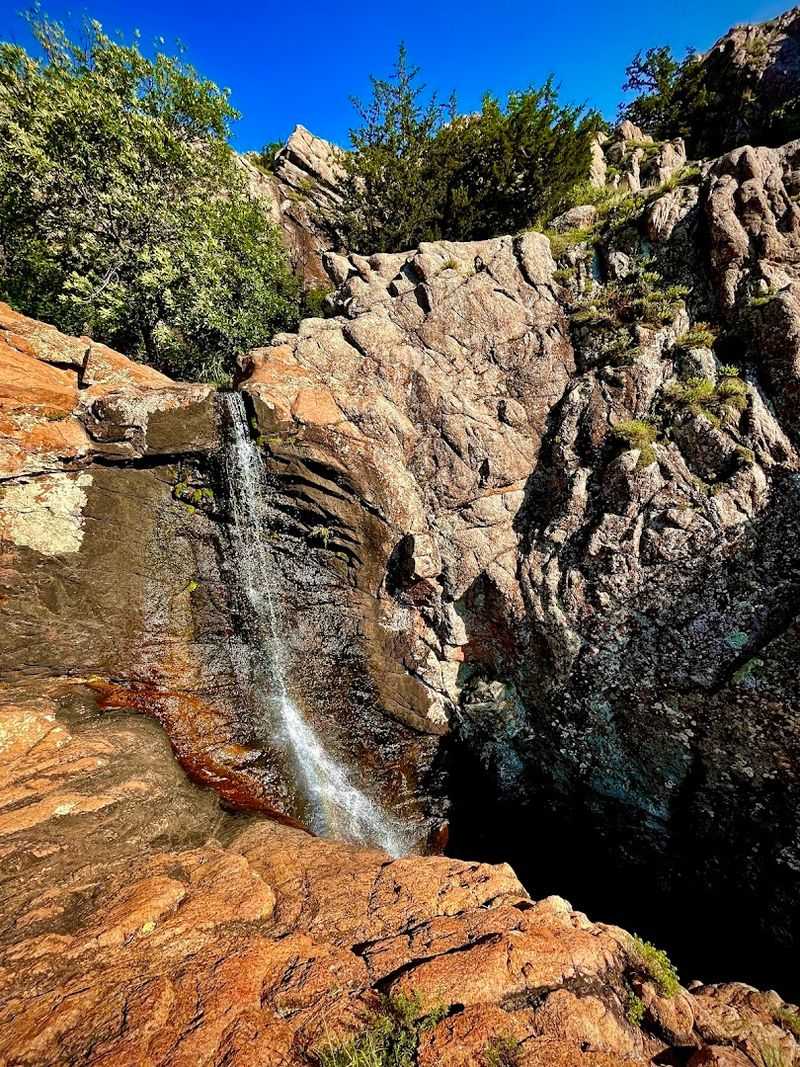
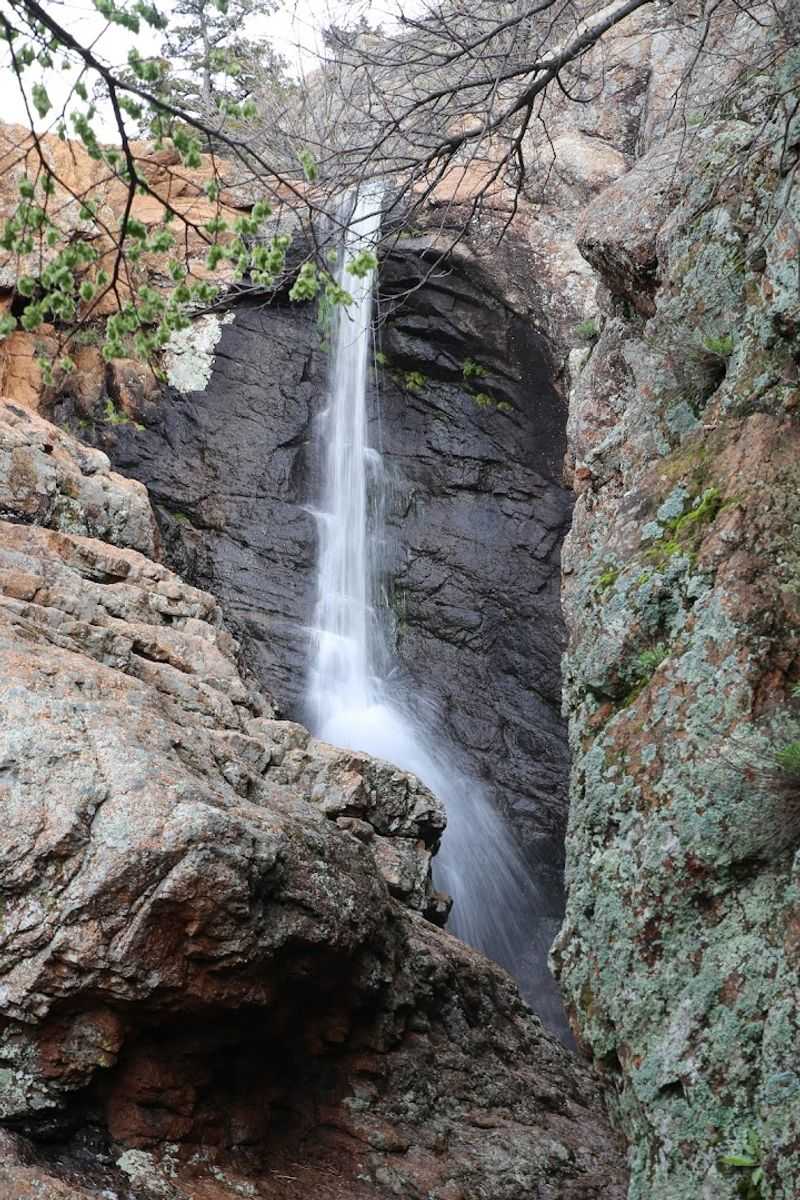
Tucked behind a wall of granite and hidden from the main trail until you are almost on top of it, the waterfall at the end of Charon’s Garden Trail has a quietly dramatic quality. It does not announce itself from a distance but reveals itself gradually as the rocks open up around a bend.
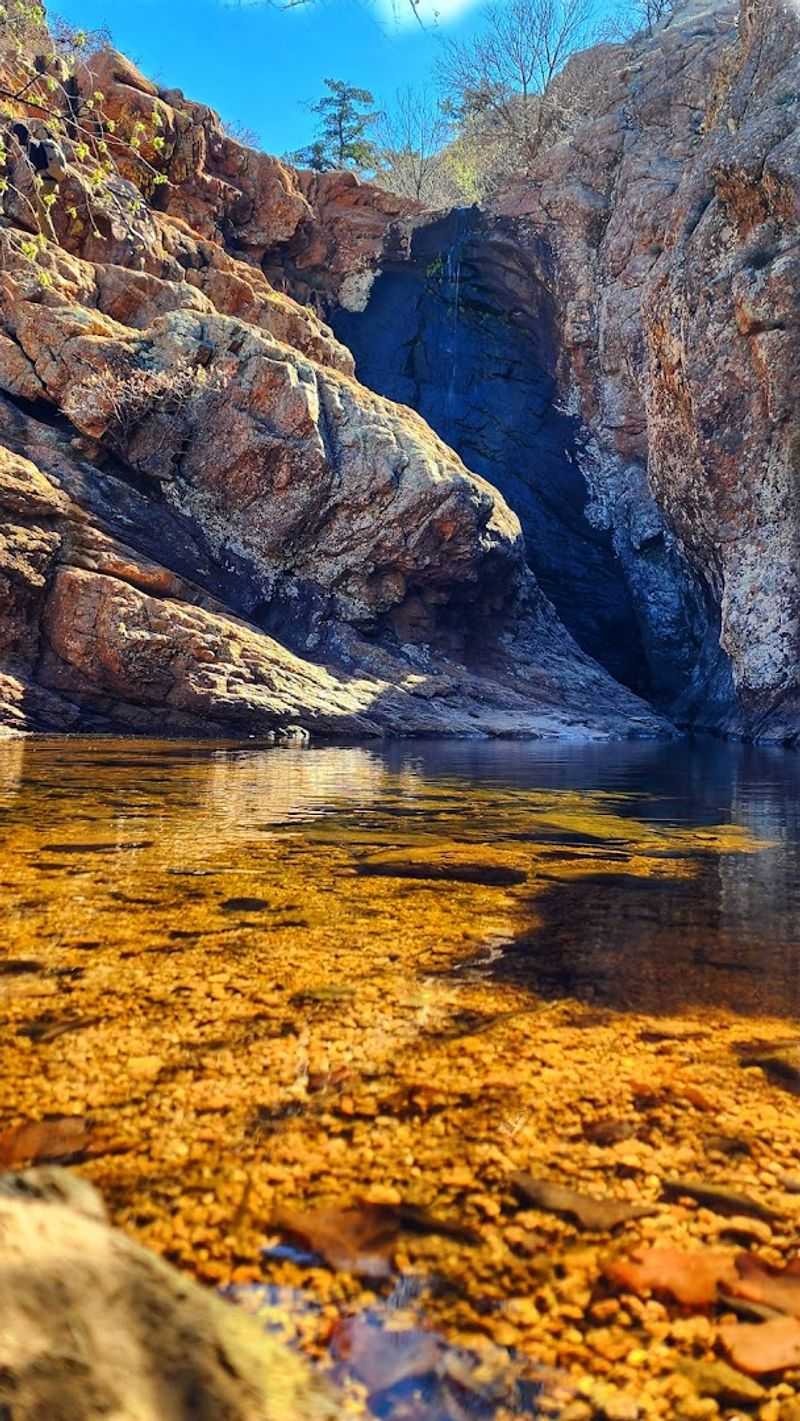
The fall drops over layered stone into a small pool below, and the sound of moving water is noticeably refreshing after a hike through open terrain. When the flow is strong after recent rainfall, the cascade takes on real force and the mist carries into the surrounding air.
During drier periods, the waterfall may slow to a trickle or stop altogether, so timing your visit after a good rain makes a significant difference.
Getting a close-up view requires a bit of scrambling over steep and slippery rocks, which is part of the fun for those who enjoy a physical challenge. A small sitting area near the base fits a handful of people comfortably.
The waterfall feels secretive and hidden in a way that makes the effort of reaching it feel genuinely earned.
Trail Difficulty and What to Expect
The round-trip distance on Charon’s Garden Trail to Post Oak Waterfall clocks in at roughly three miles, which puts it in a comfortable range for most hikers who are reasonably active. The difficulty sits at a medium level, meaning it is accessible to families and casual hikers while still offering enough challenge to keep things interesting.
The terrain includes uphill and downhill sections, flat stretches, rocky ground, and a small amount of easy bouldering near the waterfall. Water crossings appear along the route, and the footing can get tricky in spots, especially on wet rock near the falls.
Wearing proper footwear is not optional here since sneakers and sandals are genuinely poorly suited to the surface conditions.
There are multiple desire trails branching off the main path, which can cause confusion for first-time visitors. Sticking to the main stem of the trail and watching for the sign that directs you toward the waterfall helps keep navigation straightforward.
The hike is not extreme, but it does reward those who come prepared, and the terrain variety keeps the experience from ever feeling repetitive or dull from start to finish.
Best Time of Year to Visit
Timing matters a great deal when planning a visit to Post Oak Waterfall, and the difference between a full cascade and a dry rock face comes down almost entirely to recent weather. Spring and late fall tend to offer the most reliable water flow, especially in the weeks following heavy rainfall.
Summer visits, particularly in August, carry a real risk of finding the waterfall completely dry. The Oklahoma heat evaporates surface water quickly, and the creek feeding the falls can slow to nothing during extended dry spells.
That said, the surrounding landscape remains beautiful even when the water is absent, and the granite formations and canyon vegetation hold their visual appeal across all seasons.
Winter visits have their own quiet charm, with cooler temperatures making the hike more comfortable and the bare trees opening up longer sightlines through the terrain. The waterfall can still run in winter after rain, and the stillness of the refuge in the off-season creates a noticeably peaceful atmosphere.
Checking recent rainfall totals before heading out is the single most useful thing you can do to ensure the waterfall is actually flowing when you arrive.
Wildlife and Nature in the Refuge
The Wichita Mountains Wildlife Refuge is home to one of the most diverse collections of wildlife in Oklahoma, and the trail to Post Oak Waterfall passes through habitat that supports a wide range of species. Bison roam the refuge in significant numbers, and it is not unusual to spot them near the road or trail areas.
Longhorn cattle, white-tailed deer, elk, and wild turkey also live within the refuge boundaries, and the birdwatching opportunities are exceptional for anyone who takes a moment to slow down and look around. The rocky terrain near the waterfall provides habitat for several reptile species, and hikers are frequently reminded to watch where they step, particularly in warm months when snakes are active.
Wearing long pants and boots is genuinely practical advice here, not just for snakes but also for the prickly vegetation that lines portions of the trail. The biodiversity of the refuge adds a layer of richness to the hike that goes well beyond the waterfall itself.
Every visit to this corner of Oklahoma offers a slightly different wildlife encounter, which keeps the trail fresh and worth returning to again and again.
Gear and Preparation Tips
Coming prepared to Post Oak Waterfall is not something to leave until the last minute, and a few key items make the difference between a smooth hike and a frustrating one. Non-slip hiking boots are at the top of the list, given the rocky and sometimes wet surfaces along the trail and especially near the falls.
There are no restrooms, no drinking water stations, and no trash cans anywhere on the trail, so everything you bring in must come back out with you. Packing enough water for the full round trip is essential, and a small first-aid kit is a sensible addition to any pack.
Snacks, sunscreen, and insect repellent round out the basics for a comfortable outing.
A fully charged phone is more than just a convenience here since the trail has multiple branching paths and a downloaded offline map can save you from wandering off course. Long pants and boots protect against both prickly plants and the occasional reptile encounter along the rocky sections.
The trail rewards hikers who arrive ready, and the small effort of packing well pays off the moment you reach the waterfall and can simply enjoy the view without distraction.
Trail Navigation and Signage
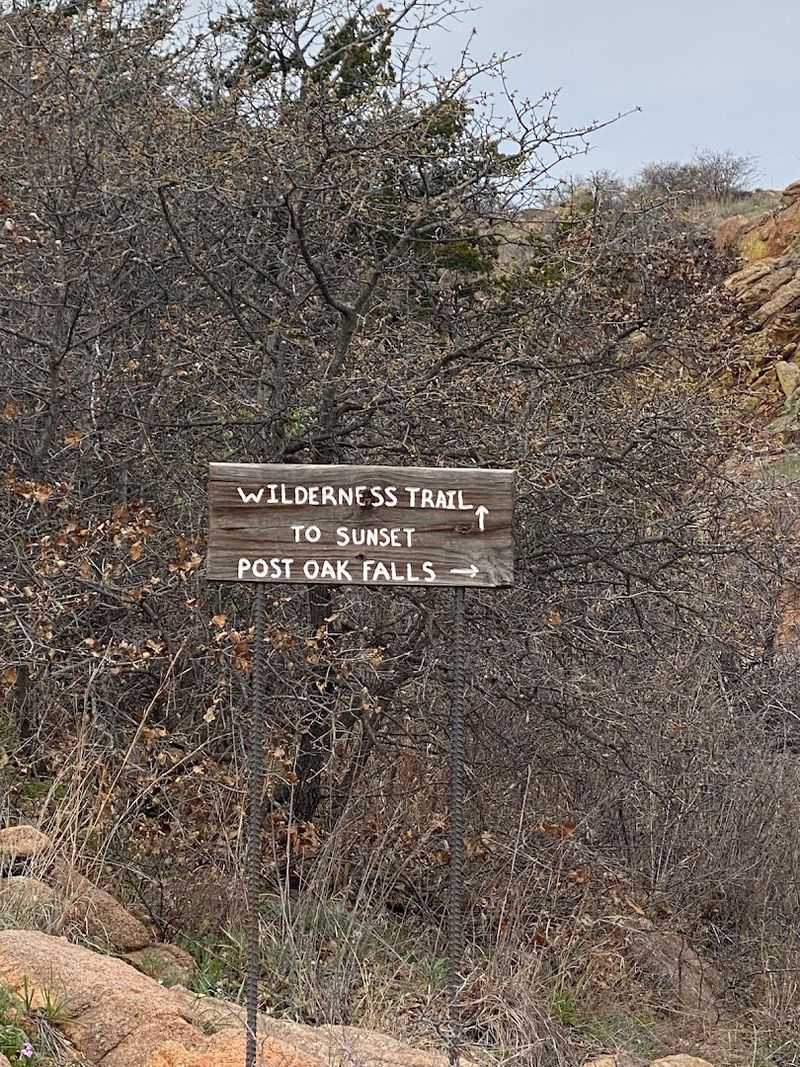
One of the most consistent pieces of feedback from hikers who have tackled Charon’s Garden Trail is that navigation requires a bit of attention. The trail is not heavily marked, and multiple side paths branch off the main route, which can send an unprepared hiker in the wrong direction without much warning.
The key strategy is to follow the main stem of the trail rather than the smaller desire paths that have been worn into the ground by hikers who wandered off course. A sign along the route points toward the waterfall, and reaching that sign is a reliable confirmation that you are on the right path.
Without a map, the junction points can be genuinely confusing, particularly for first-time visitors unfamiliar with the terrain.
Downloading an offline trail map before leaving cell service range is a smart move that takes about thirty seconds and prevents a lot of frustration. The south parking lot serves as a common starting point, and beginning from there with a clear map in hand makes the route much more manageable.
The trail is worth the navigational effort, and once you have hiked it once, the route becomes familiar and easy to follow on any return visit.
Swimming and Relaxing at the Base
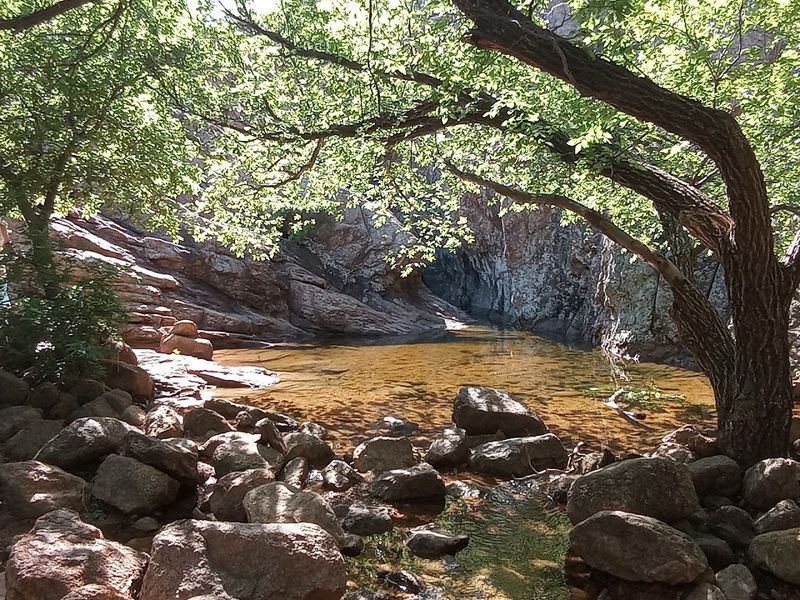
The pool at the base of Post Oak Waterfall is small but genuinely inviting on a warm day, and some hikers do take a quick swim after making the trek in. The sitting area near the water fits a modest group of four to six people comfortably, which keeps the atmosphere intimate rather than crowded.
The rock surfaces around the pool are smooth in places and slippery in others, so getting in and out of the water requires some care. The setting itself is the real draw, with granite walls framing the cascade and the sound of falling water creating a natural soundtrack that makes it easy to linger longer than planned.
A visit to the waterfall base is genuinely restorative in a way that is hard to manufacture anywhere else. The combination of cool water, rocky shade, and the relative quiet of the refuge creates a mood that feels removed from everyday life.
Most hikers spend at least a few minutes sitting and taking it all in before the walk back, and many report that the return trip feels shorter simply because the memory of the waterfall is still fresh and satisfying in their minds.
Closing Thoughts on the Trail
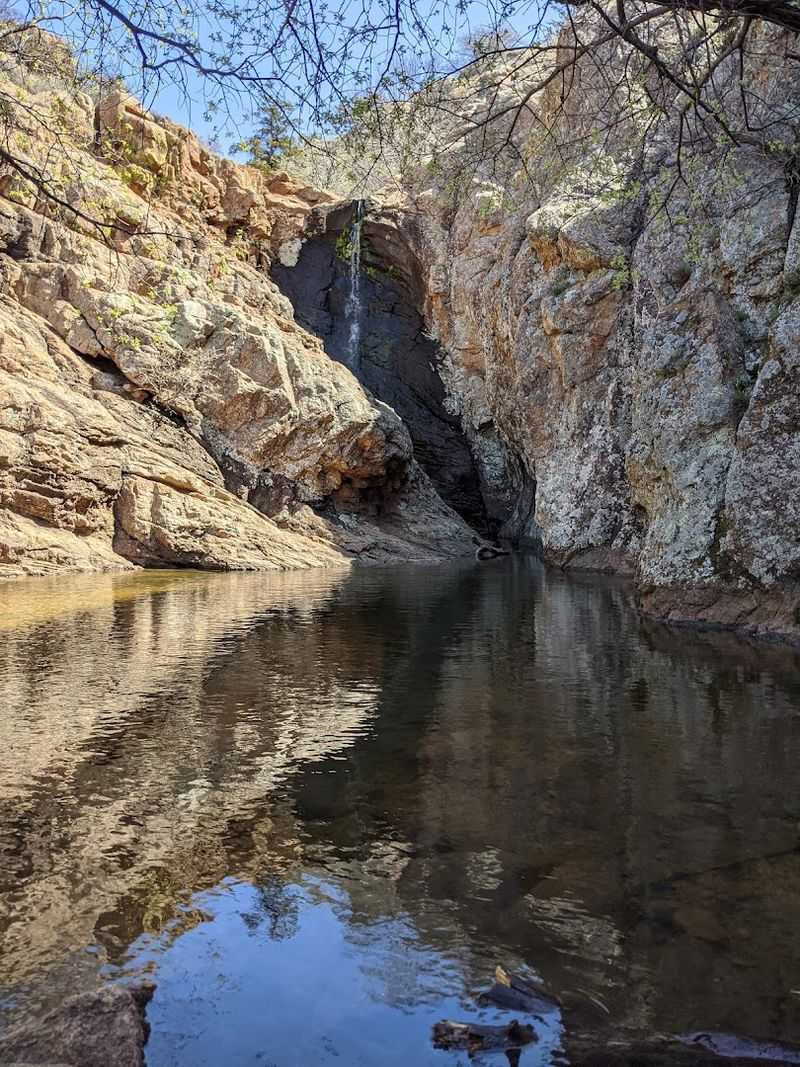
Post Oak Waterfall is the kind of destination that earns its reputation one visit at a time, and the hikers who make the trip consistently leave with something worth holding onto. The trail is not the longest or the most technically demanding in Oklahoma, but it delivers a complete outdoor experience that is hard to match in this part of the country.
The combination of varied terrain, wildlife, granite scenery, and a genuinely beautiful waterfall creates a hike that feels full from start to finish. Visiting after rainfall, wearing proper boots, and carrying a downloaded map are the three things that most reliably turn a good hike into a great one here.
The Wichita Mountains Wildlife Refuge as a whole is an underappreciated corner of Oklahoma that rewards explorers who are willing to step off the highway and spend a few hours on foot. Post Oak Waterfall sits at the heart of what makes this region special, hidden just far enough behind the rocks to feel like a discovery every single time.
The trail asks a little of you, and in return, it gives back something genuinely worth the effort.



