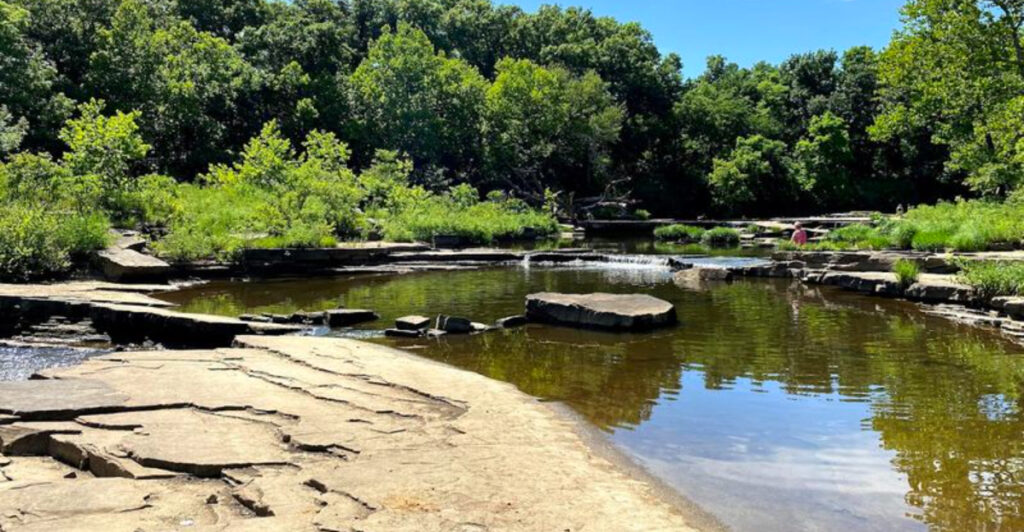
There is a trail in northeastern Oklahoma that quietly delivers more geological drama per mile than most parks manage across their entire property. On a single 4-mile loop, you can squeeze past cave openings, run your hands along towering sandstone walls, and peer down into a natural sinkhole that most visitors walk right past without noticing.
The park sits on land with deep Osage Nation history, and the landscape feels like it has been holding its breath for centuries. I went expecting a pleasant morning hike and came back with a full story to tell.
Where the Trail Begins: Park Location and First Impressions
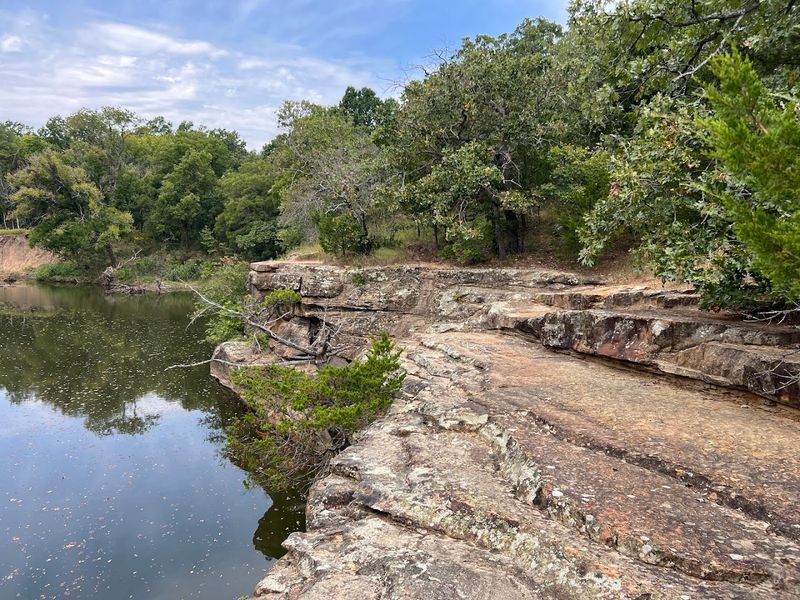
The address for Osage Hills State Park is 2131 Osage Hills Park Road, Pawhuska, Oklahoma 74056, and the drive there already sets the mood before you even park the car.
The road narrows as it winds through dense oak and blackjack trees, and the hills rise up on both sides in a way that feels like the land is closing in around you, in the best possible sense.
The park covers roughly 1,100 acres in Osage County, about 16 miles from the town of Pawhuska, which is also home to the famous Pioneer Woman Mercantile if you want to make a full day of the area.
The park office opens at 8:30 AM daily and closes at 5 PM, so arriving early gives you the best shot at a quiet trailhead and a helpful staff member who can point you toward the right route.
The phone number is 918-336-4141, and the staff there are genuinely friendly and well-informed about current trail conditions, which matters more than you might expect after a rainy stretch.
The Geology That Makes This Trail Unlike Anything Else in Oklahoma
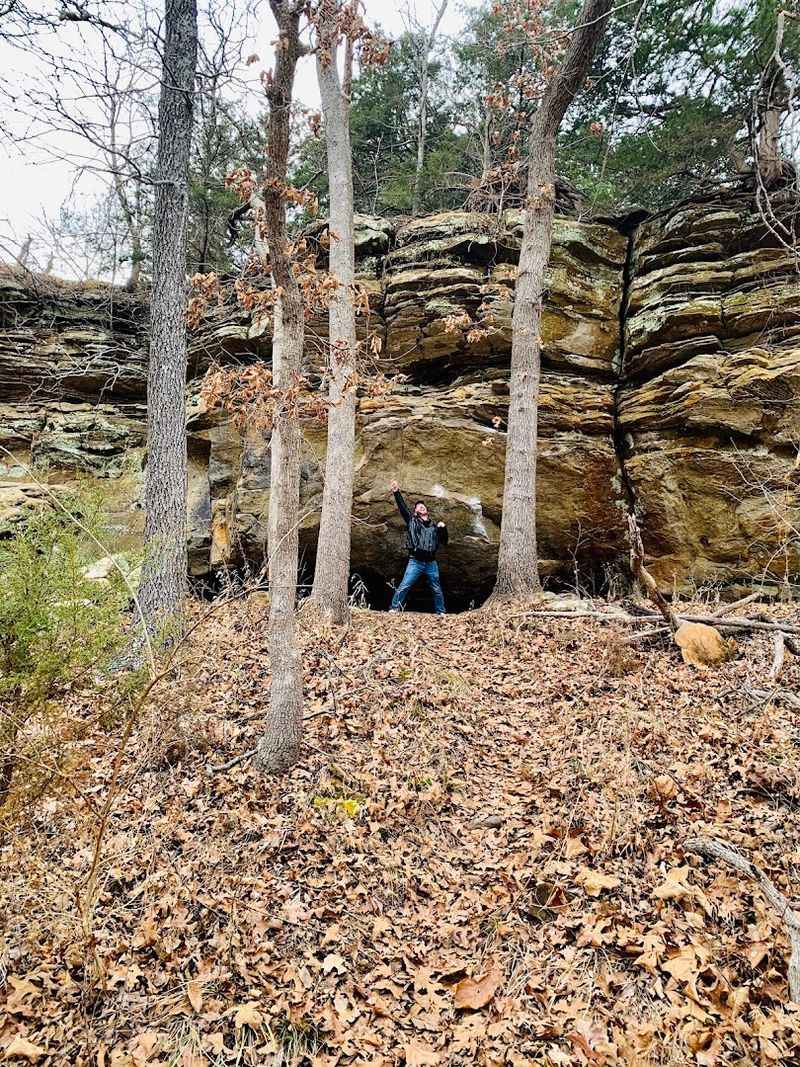
Most people do not picture towering rock walls when they think of Oklahoma, but the sandstone formations along the main trail here have a way of changing that assumption fast.
The walls rise in dramatic vertical faces, their surfaces layered in shades of amber, rust, and pale gold, with ferns and mosses tucked into every crack where moisture collects.
These formations are part of the Pennsylvanian-age sandstone that makes up much of the Osage Hills region, shaped over millions of years by water cutting through the softer rock beneath harder capstone layers.
Walking alongside them feels less like a hike and more like moving through an outdoor geology classroom, except the exhibits are 30 feet tall and genuinely impressive.
The trail hugs the base of several of these walls closely enough that you can press your palm flat against the stone and feel the texture of ancient sediment.
That kind of direct contact with something that old has a way of making the rest of the day feel a little more grounded and a lot more interesting.
The Cave Openings That Reward Curious Hikers
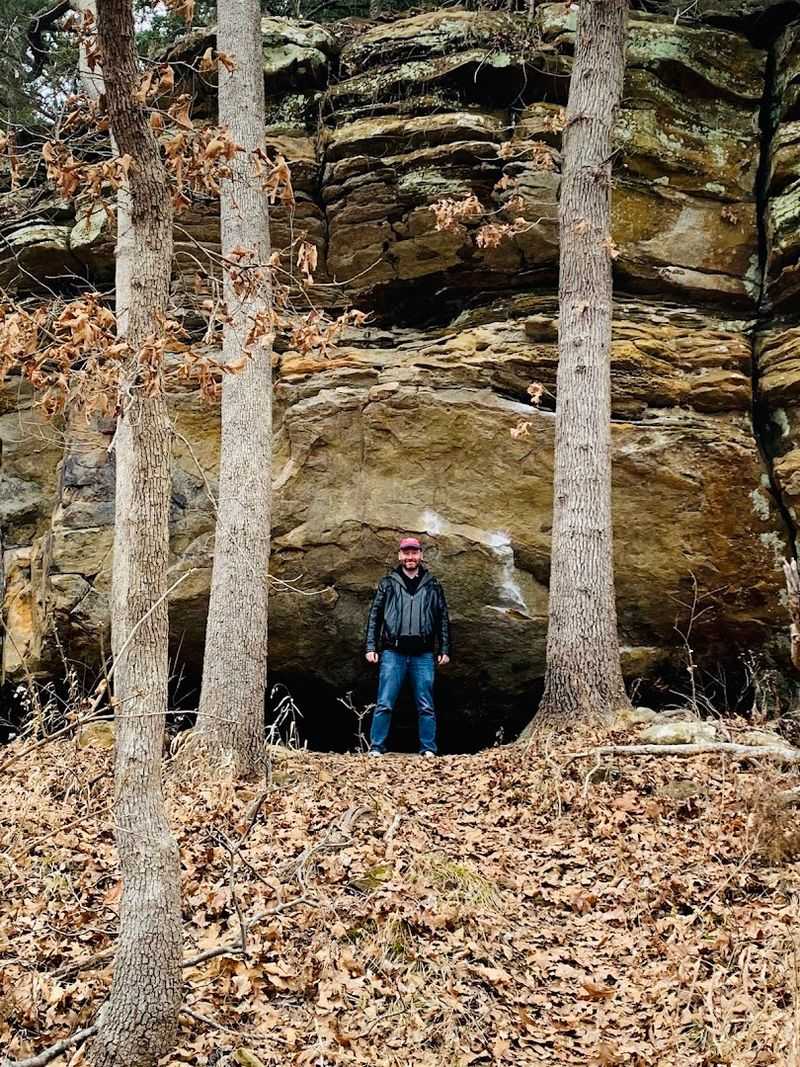
Not every trail in Oklahoma comes with caves, which is exactly why the ones along this route feel like such a genuine reward for showing up.
The cave openings here are carved into the sandstone hillsides, some shallow enough to peer into from the trail and others deep enough that the air coming out of them feels noticeably cooler than the surrounding forest.
These formations are the result of differential erosion, where softer rock layers wear away faster than harder ones above them, leaving hollow pockets and overhangs in the cliff faces.
None of the caves require spelunking gear or serious bravery to explore, but they do ask you to slow down, crouch a little, and pay attention to what the rock is doing around you.
Children find them absolutely fascinating, and the caves are one of the most consistently mentioned highlights among people who have hiked the full trail loop.
Bring a small flashlight even if you do not plan to go deep, because the shadows inside shift dramatically depending on the angle of the sun and the time of day you pass through.
The Hidden Sinkhole That Most Visitors Walk Right Past
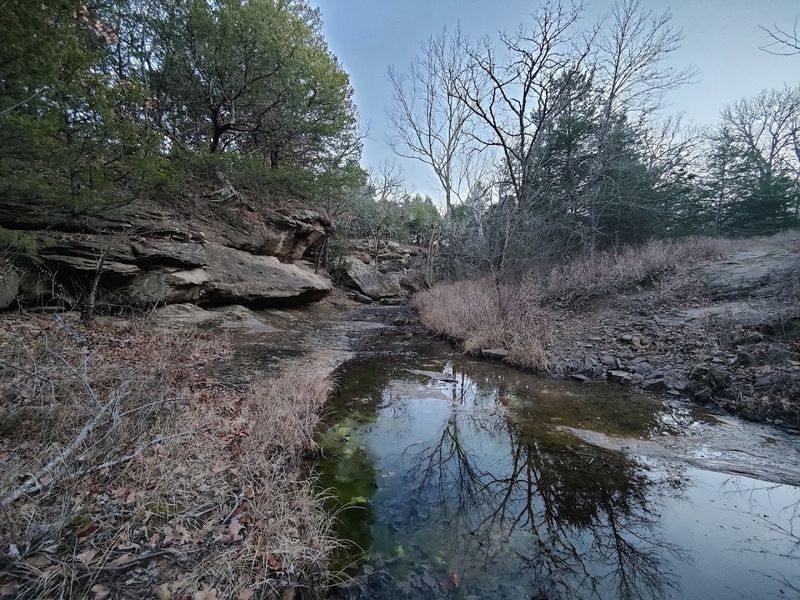
Somewhere along the 4-mile route, tucked just far enough off the obvious path that casual hikers often miss it entirely, there is a natural sinkhole that deserves its own moment of quiet appreciation.
Sinkholes form when underground rock dissolves over time and the surface above it collapses inward, creating a circular depression that looks like the earth simply decided to exhale.
This one sits in a forested section of the trail where the tree canopy thickens and the light drops, giving the whole area a slightly otherworldly quality that makes the discovery feel genuinely surprising.
The sinkhole is not enormous, but its edges are sharply defined and the depth is enough to make you glad you spotted it before stepping too close.
Standing at the rim and looking down into the leaf-covered bowl, you get a real sense of how much geological activity is still quietly happening beneath the surface of this landscape.
Keep your eyes open and your pace slow in this section, because the sinkhole rewards the kind of hiker who actually looks around rather than just covering ground as fast as possible.
The Full 4-Mile Loop and What to Expect Along the Way
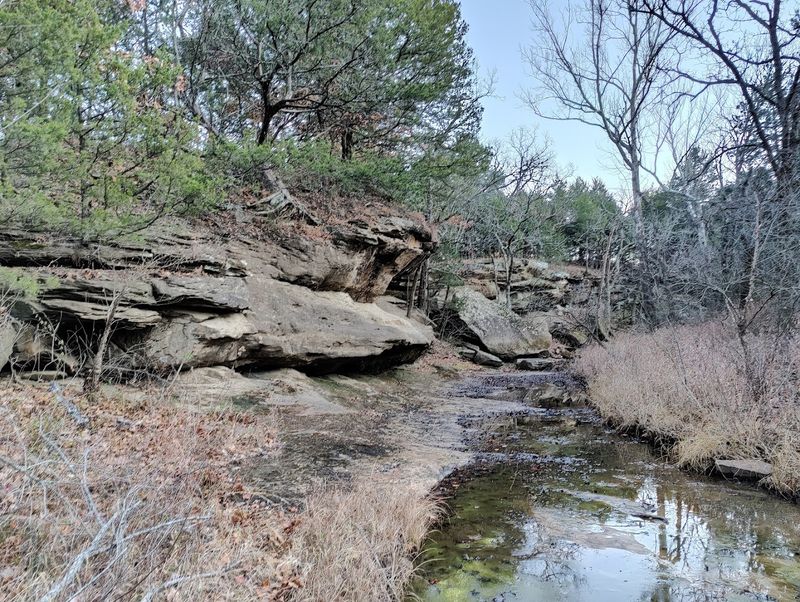
The main trail loop at Osage Hills covers approximately 4 miles and threads through a landscape that keeps changing just enough to hold your attention from start to finish.
You move through stretches of oak and hickory forest, past rocky creek crossings, along ridgelines with open views, and through the tighter, more dramatic sections where the sandstone walls close in on both sides of the path.
The elevation changes are real but manageable, and the trail is well-marked with maps available at the park office, which is worth stopping at before you head out.
Bring water, especially on warmer days, because the trail does not pass any water sources that are safe to drink from and the sun hits certain ridge sections with full force in the afternoon.
The trail is dog-friendly as long as your pet stays on a leash, and the surface is generally firm enough for trail shoes rather than heavy boots, though wet conditions can make some sections slippery near the creek crossings.
Plan for roughly two hours at a comfortable pace, or longer if you intend to stop and explore the caves and sinkhole properly.
Osage Nation History Woven Into the Landscape
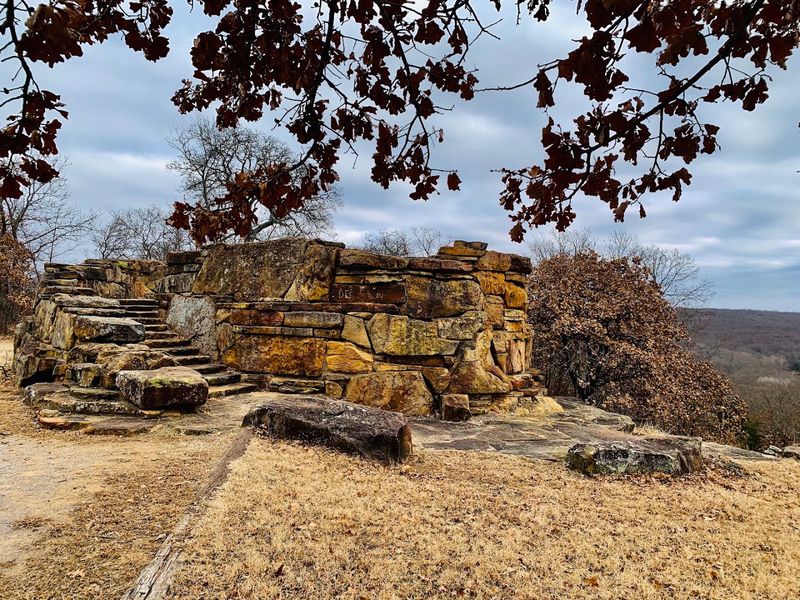
The land that makes up Osage Hills State Park sits within the boundaries of the Osage Nation, and that history is not just a footnote on a placard but something you can feel in the landscape itself.
The rimrock formations along the trail served as natural landmarks and lookout points for the Osage people long before the park was formally established, and standing on those same outcroppings today connects you to a much longer human story than most hiking trails can offer.
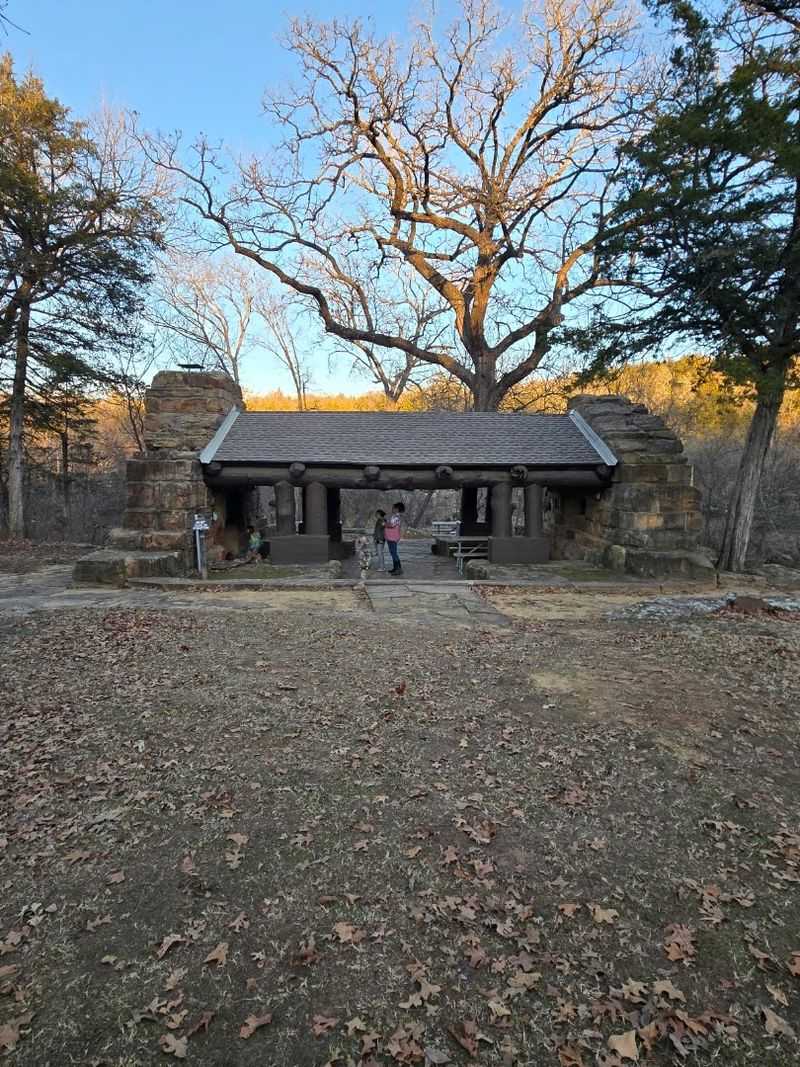
The park was developed in the 1930s through the Civilian Conservation Corps, which built many of the original stone structures and facilities that still stand throughout the property.
Those CCC-era buildings have a solidity and craftsmanship that modern construction rarely matches, and seeing them integrated into the landscape makes the park feel genuinely rooted rather than just dropped into the woods.
The combination of Indigenous history, Depression-era construction, and raw geological drama gives Osage Hills a layered quality that rewards visitors who take time to notice the details rather than just logging the mileage.
This is a place where the ground itself has memory, and the trail gives you access to all of it.
Wildlife and Natural Scenery Along the Route
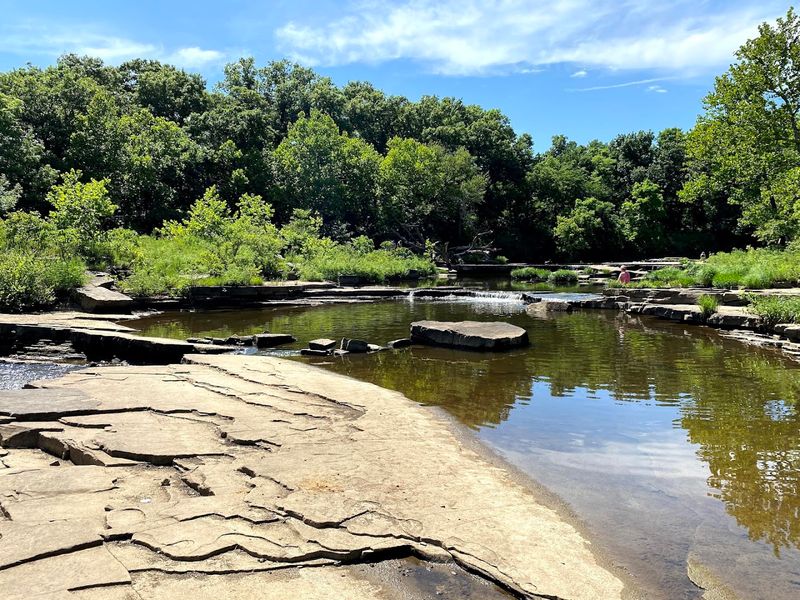
The forest along the trail is alive in ways that go well beyond the rocks and formations, and paying attention to the canopy and creek edges adds a whole extra layer to the hike.
White-tailed deer are common throughout the park, and the creek corridors are particularly good places to spot them in the early morning before the trail gets busy.
Catfish and other fish are visible in the lake near the park center, and the water is clear enough in calm conditions to watch them moving along the bottom from the bank.
Bird activity along the trail is steady, with woodpeckers working the dead snags, songbirds moving through the understory, and hawks riding the thermals above the open ridgeline sections.
The wildflower display in spring is genuinely worth timing a visit around, with patches of color appearing in the rocky clearings and along the creek banks in a way that feels spontaneous rather than manicured.
Fall brings a different kind of show, with the oaks and hickories turning in shades of copper and gold that make the sandstone walls look even warmer by comparison, and more than one visitor has said the autumn version of this trail is the best one.
The Lake, Canoes, and Water Features Inside the Park
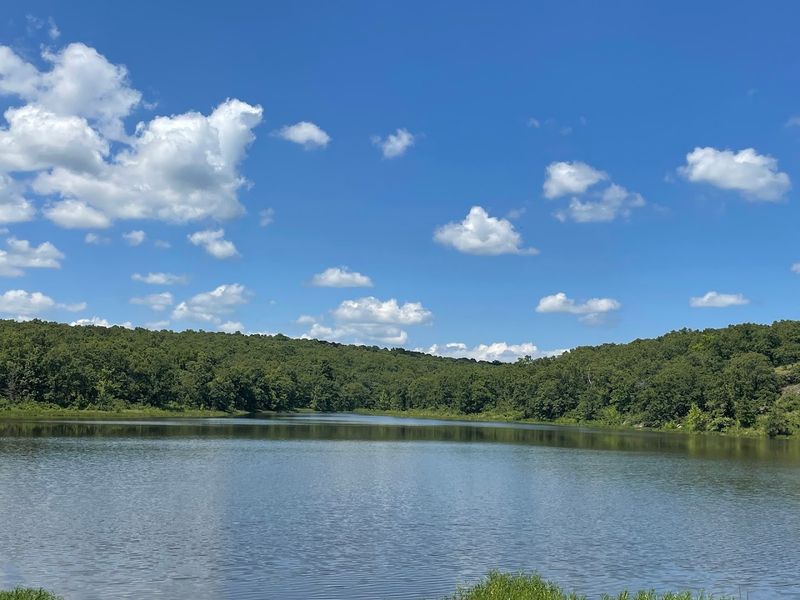
The hiking trail is the headliner, but the park has a lovely small lake tucked into a forested cove that deserves its own visit if you have extra time after the loop.
Canoes and kayaks are available to rent at the park office, and life jackets are provided at no extra charge, which is a genuinely thoughtful touch that makes the whole experience more accessible for families.
The lake is calm and sheltered, with the surrounding hills blocking most of the wind, so paddling here feels peaceful rather than challenging even for first-timers.
Catfish are visible in the shallows, and fishing from the bank is a popular option for visitors who prefer to stay dry while still enjoying the water.
A seasonal swimming pool is also available within the park during warmer months, giving families with younger children a structured water option alongside the more natural lake experience.
The combination of paddling, fishing, and swimming means the park can fill an entire day rather than just a morning, especially if you split the trail hike and the water activities across the cooler and warmer parts of the day.
Camping Options From RV Sites to Rustic Cabins
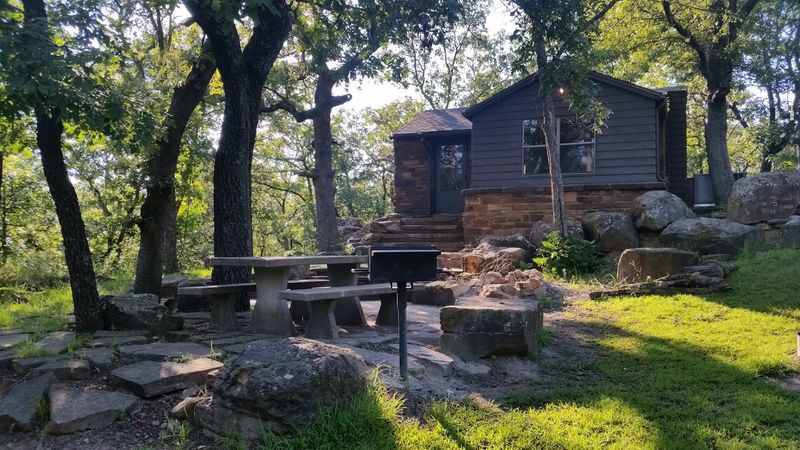
Spending a single day at Osage Hills is genuinely satisfying, but staying overnight shifts the whole experience into something richer and more relaxed.
The park offers 19 RV sites with electrical hookups, water access, level concrete pads, and dump station facilities, and the spacing between sites is comfortable enough that you do not feel like you are camping in a parking lot.
Tent sites are available as well, and the views from some of the elevated spots are worth requesting specifically when you book, since the overlook areas offer morning light that makes the surrounding hills look almost painted.
The cabins are a standout option for groups or families, accommodating up to four people with heating included, which makes them a practical choice even in cooler months.
Shower houses and restrooms are spread throughout the campground and are consistently described as clean and well-maintained, which matters more than people admit when they are planning a trip.
The park is notably quiet after dark, with the surrounding hills dampening outside noise and the ranger staff making regular loops through the campground to keep things running smoothly throughout the evening.
Best Time to Visit and Seasonal Highlights
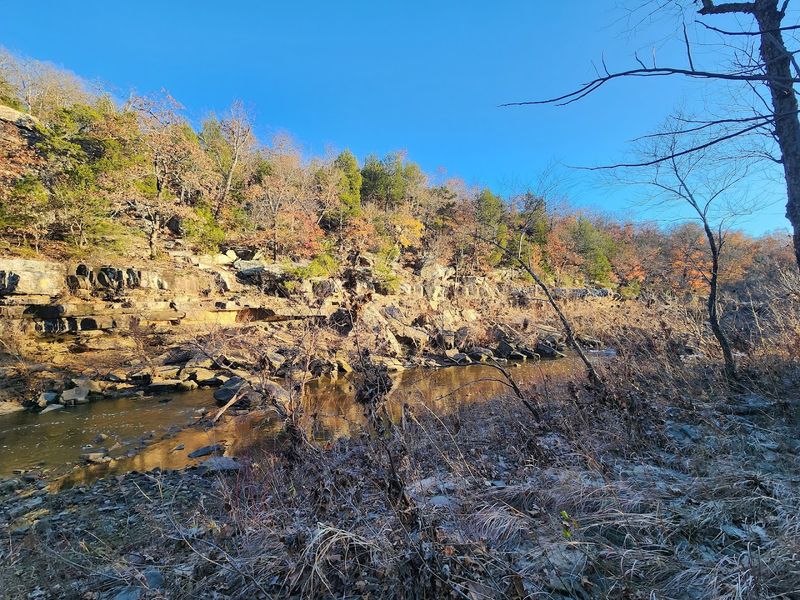
Every season at Osage Hills offers something different, but fall and spring consistently deliver the most dramatic versions of the landscape.
Spring brings wildflowers to the rocky clearings, creek levels rise enough to make the water features more dynamic, and the forest fills in quickly with new growth that softens the harder edges of the sandstone formations.
Fall is the season that draws the most repeat visitors, with the oak and hickory canopy turning in shades of copper, amber, and gold that make the already striking rock walls look even more vivid by contrast.
Summer hiking is entirely doable but requires an early start, since the trail has exposed ridge sections that get hot by midday and the humidity in northeastern Oklahoma can be significant from June through August.
Winter visits have their own appeal, with leafless trees opening up views that the full canopy hides during warmer months, and the caves and rock formations actually feel more dramatic when the surrounding vegetation is stripped back.
December and January visits tend to be very quiet, with the campground nearly empty and the trail almost entirely to yourself, which is a different kind of reward than the busier seasons offer.
Practical Tips for Getting the Most Out of Your Visit
A few practical details can make the difference between a smooth visit and a frustrating one, and this park has a handful of quirks worth knowing before you arrive.
The GPS coordinates available online do not always lead directly to the RV check-in area, so using the physical address and watching for park signage once you are on Park Road is a more reliable approach.
The office closes at 5 PM daily, so if you plan to arrive in the late afternoon for a same-day check-in, call ahead at 918-336-4141 to confirm availability and get any access instructions you might need.
Trail maps are available at the office and are worth picking up before you head out, since the route splits in several places and knowing the full layout in advance prevents unnecessary backtracking.
Pets are welcome on the trails and at campsites but must be leashed at all times, and the pet fee for overnight stays is worth factoring into your budget before you book.
Pack more water than you think you need, wear sturdy shoes with grip for the rocky sections, and give yourself at least half a day to cover the main trail without feeling rushed through the best parts.
Why This Trail Deserves a Spot on Your Oklahoma Bucket List
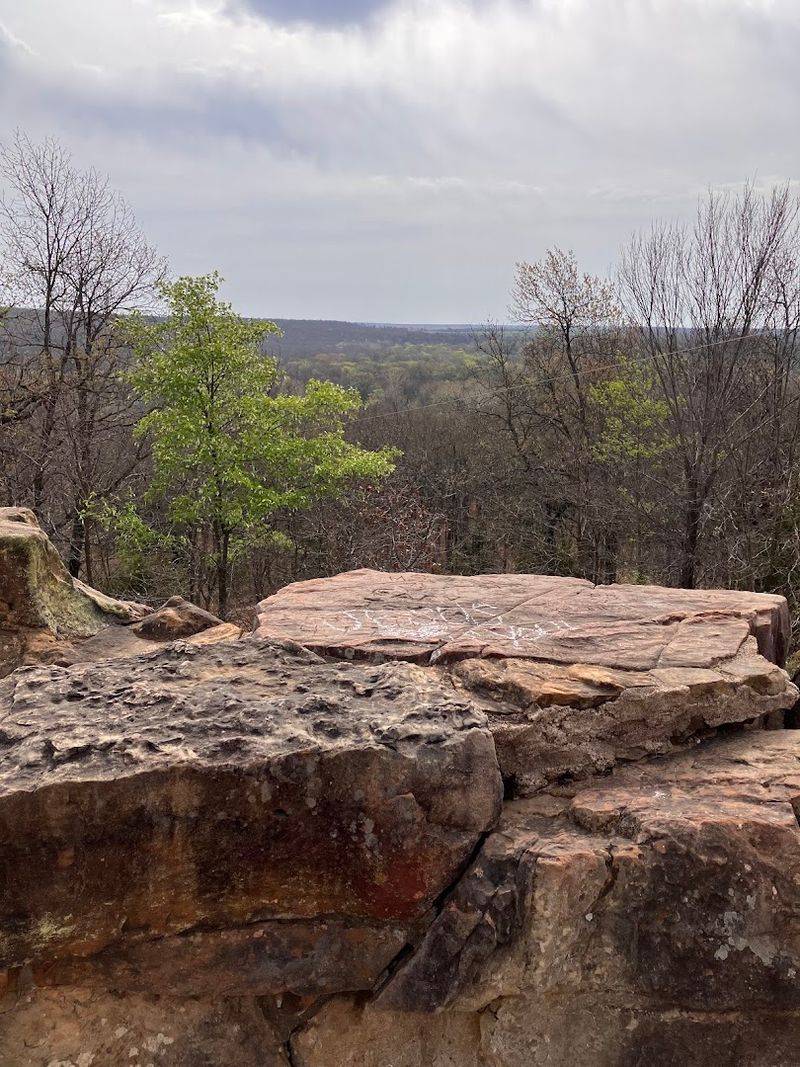
Oklahoma does not always get credit for dramatic landscapes, and that is precisely why a trail like this one carries such a satisfying punch when you actually walk it.
Within 4 miles, you get sandstone walls that rival anything you might see in more famous parks, cave openings that invite genuine exploration, a hidden sinkhole that rewards the observant hiker, and views from ridgeline overlooks that stretch across rolling hills in every direction.
The park has a 4.7-star rating from nearly 1,000 reviews, and the consistent theme across those reviews is surprise, as in, people did not expect this much from a state park in this part of the country.
That kind of genuine surprise is increasingly rare in an era when most destinations are thoroughly photographed and pre-experienced online before anyone actually visits.
Osage Hills offers something that still feels a little undiscovered, a trail that earns its reputation through the actual experience rather than through hype or heavy promotion.
Whether you are a seasoned hiker looking for a new route or a first-timer who just wants to see what all the fuss is about, this 4-mile loop has a way of making you want to turn around and do it again.
Share this story