 Unearth The Voyage
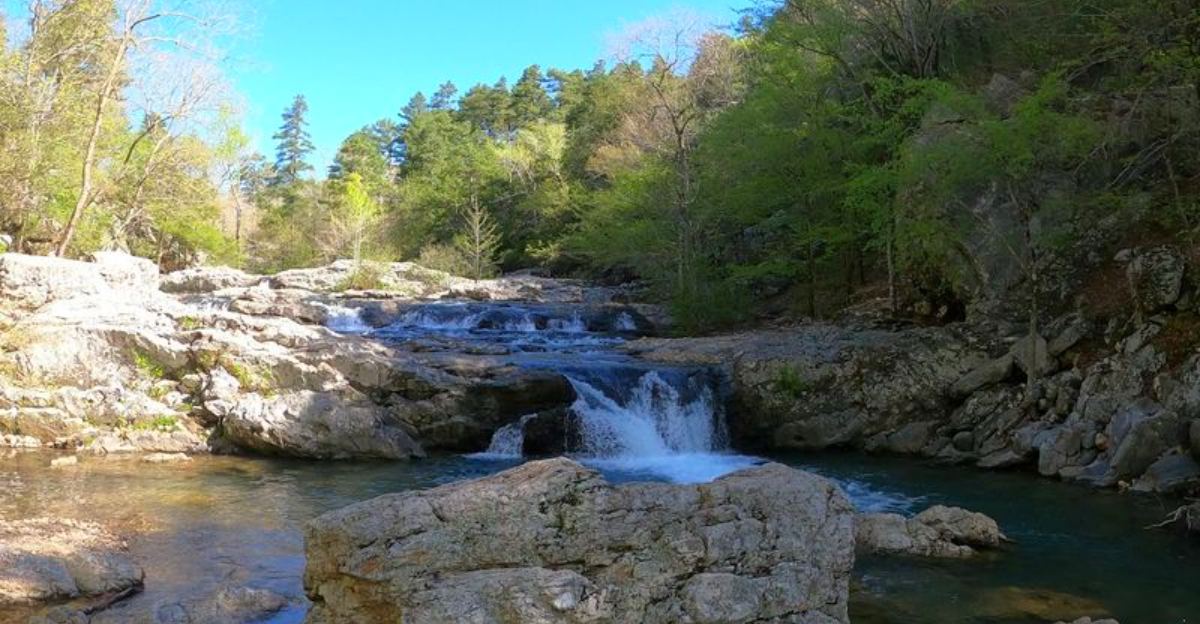
There is a stretch of rugged mountain wilderness just a short drive from Oklahoma City that most people have never fully explored, and that is a genuine shame. The trails wind through ancient ridgelines, past crystal-clear creeks, and into forests so quiet you can hear your own footsteps echoing off the hillsides.
Ouachita National Forest sits close enough to Oklahoma that it practically belongs to the state in spirit, drawing hikers, campers, and nature lovers from across the region every single year. Whether you are chasing long-distance trail challenges or just want to spend a weekend unplugged from everything, this place delivers in ways that are hard to put into words.
Where the Forest Begins: Location and Access
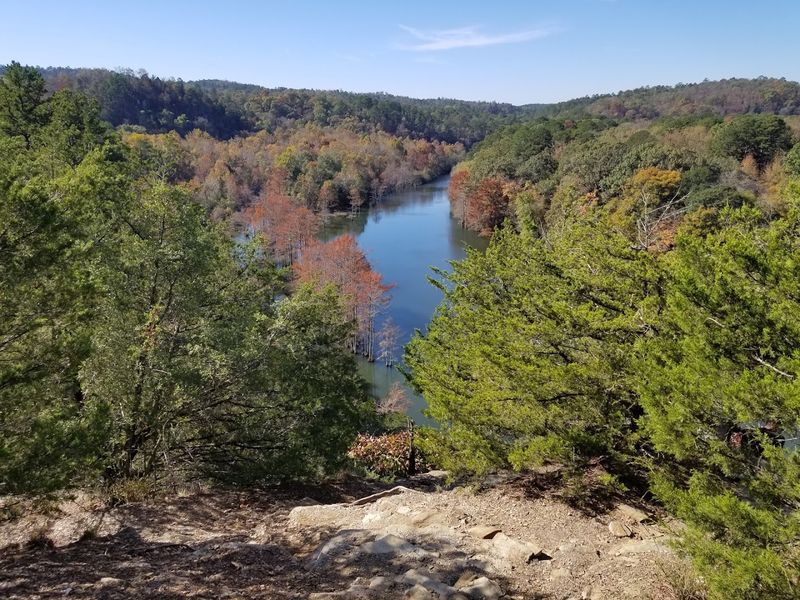
The Ouachita National Forest stretches across nearly three million acres, with its administrative headquarters at 100 Reserve Street in Hot Springs, Arkansas 71902, reachable at +1 501-321-5202. The forest spans both Arkansas and Oklahoma, making it one of the most accessible wilderness areas for residents of eastern Oklahoma.
From Oklahoma City, the drive takes roughly one hour and forty-five minutes, which means a weekend trip here requires almost zero serious planning. You can leave on a Friday evening and be setting up camp before dark.
The forest sits within the Ouachita Mountains, one of the oldest mountain ranges in the central United States. These are not the towering peaks of the Rockies, but they carry their own quiet authority.
The ridgelines roll in long, east-to-west waves that create dramatic views without requiring expert-level climbing ability. First-time visitors are often surprised by how genuinely wild and expansive the landscape feels once they get a few miles from the nearest road.
The Ouachita National Recreation Trail
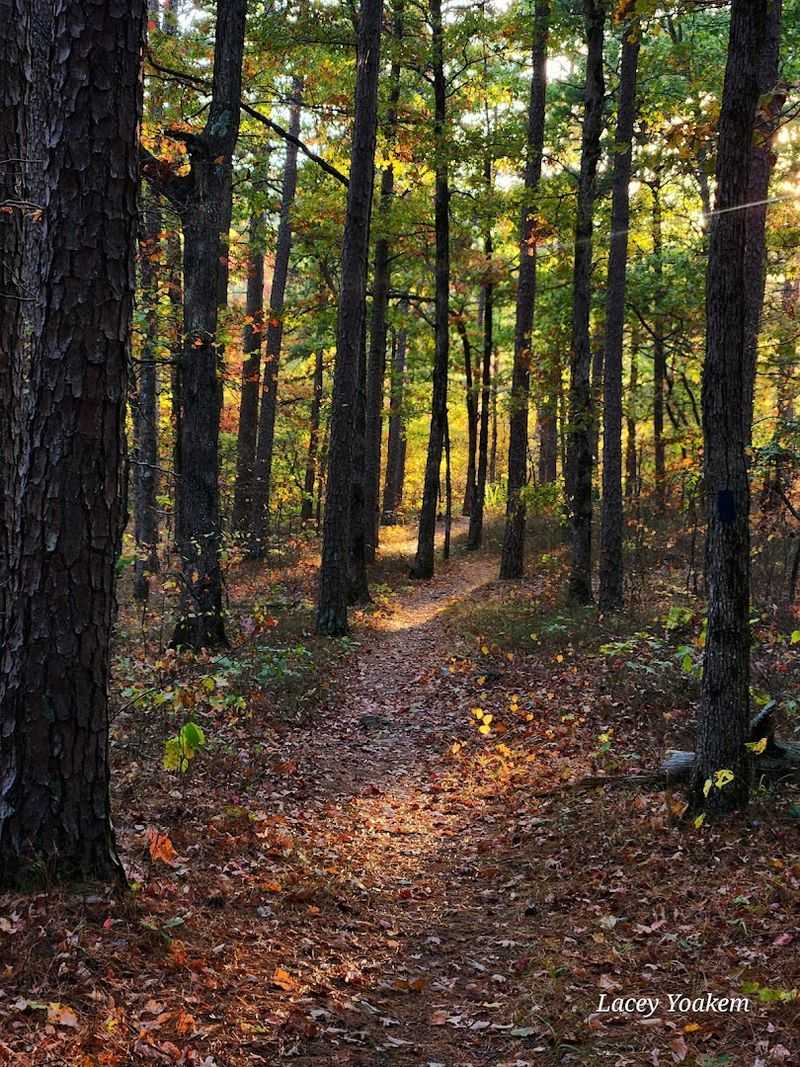
At 223 miles long, the Ouachita National Recreation Trail is the crown jewel of the entire forest trail system. It runs from Talimena State Park in Oklahoma all the way to Pinnacle Mountain State Park in Arkansas, crossing some of the most scenic terrain the region has to offer.
Most visitors do not tackle the whole thing in one go, but that is completely fine. The trail is broken into manageable sections, and many hikers pick a 10 to 20 mile stretch that suits their fitness level and available time.
The trail is well-marked and regularly maintained, with shuttle services available for those who want a one-way point-to-point experience.
The variety along the route keeps things interesting mile after mile. You move through open ridgelines with sweeping views, then drop into shaded creek hollows thick with ferns and moss-covered rocks.
In spring, the mountain slopes turn vivid green almost overnight. In winter, the bare trees open up long sightlines that summer hikers never get to see, making the cold-weather experience its own distinct reward.
Friends Trail: A Family Favorite
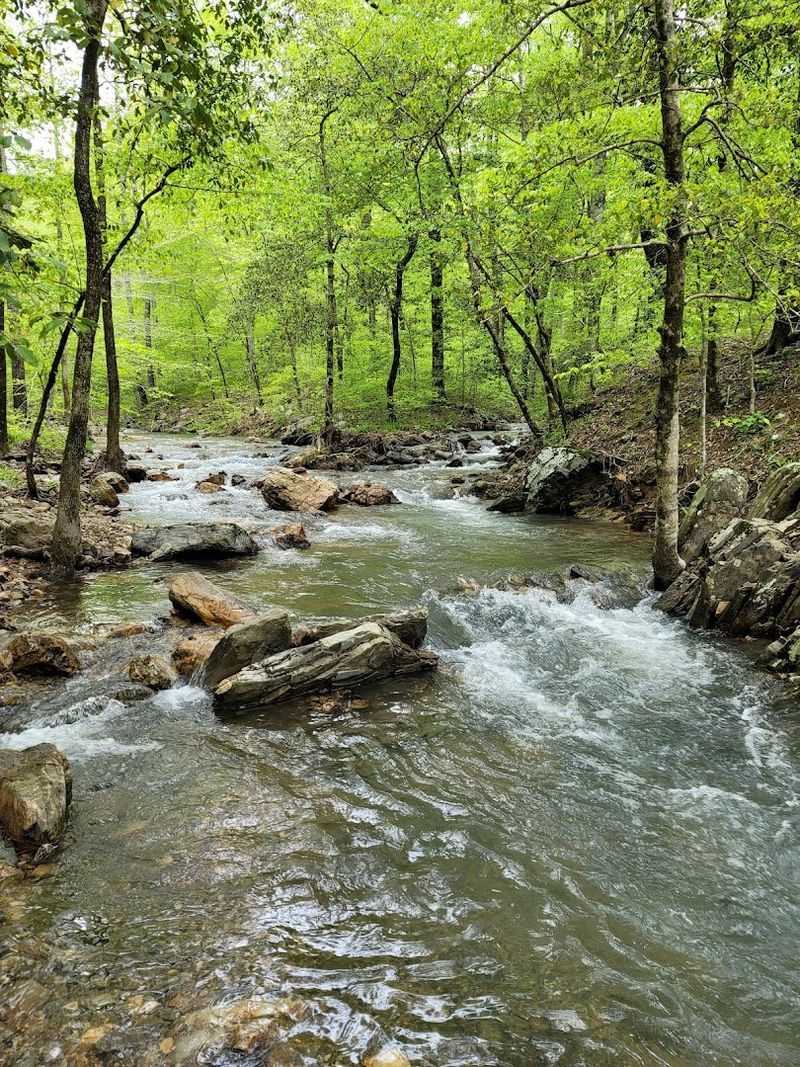
Not every great trail needs to be a grueling endurance test, and Friends Trail proves that point convincingly. This trail is popular with families and casual hikers who want real forest scenery without committing to an all-day physical challenge.
Visiting in January, when the crowds thin out and the temperatures drop to comfortable hiking range, gives you almost the whole trail to yourself. The cooler months strip away the heavy humidity that makes summer hiking here genuinely difficult, leaving behind crisp air and surprisingly clear views through the leafless canopy.
Kids handle the trail well, especially the 11 to 15 age range, who tend to get genuinely engaged with the rocky sections and stream crossings. The trail surface is firm and readable, with enough natural variety to hold attention without feeling like a treadmill through the woods.
Bring a good pair of trail shoes rather than casual sneakers, because some sections have uneven footing that rewards a bit of ankle support. The payoff at the overlook sections makes every uphill stretch feel completely worth the effort.
Skyline Trail and Its Dramatic Ridge Views
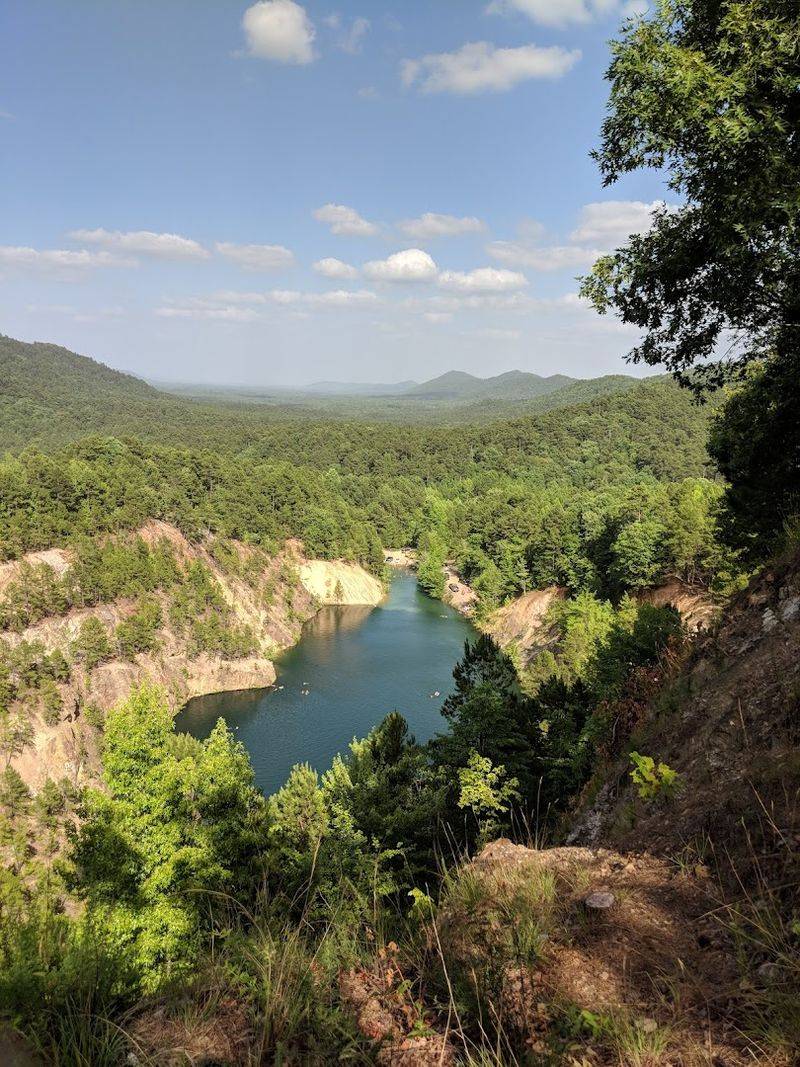
There are trails that meander pleasantly through flat woodland, and then there are trails that make you feel like you earned every view. Skyline Trail falls firmly into the second category, with a series of climbs and descents that keep your legs working and your eyes rewarded at every high point.
After heavy rain, the streams along the route run high and fast, adding a soundtrack to the hike that flat trails simply cannot match. The trail stays clean and passable even after wet weather, though the ups and downs become more pronounced when the ground is soft.
Early morning starts give you the best light for photography and the best chance of having the overlooks to yourself before midday.
The trail draws hikers who want a genuine physical challenge without needing technical climbing gear or expert navigation skills. Trail markers are consistent enough to keep you oriented, though carrying a downloaded map on your phone adds a useful layer of confidence on the longer stretches.
The Ouachita Mountains reward those who push a little further, and Skyline Trail is one of the clearest examples of that principle in the entire forest.
Camping Under the Ouachita Canopy
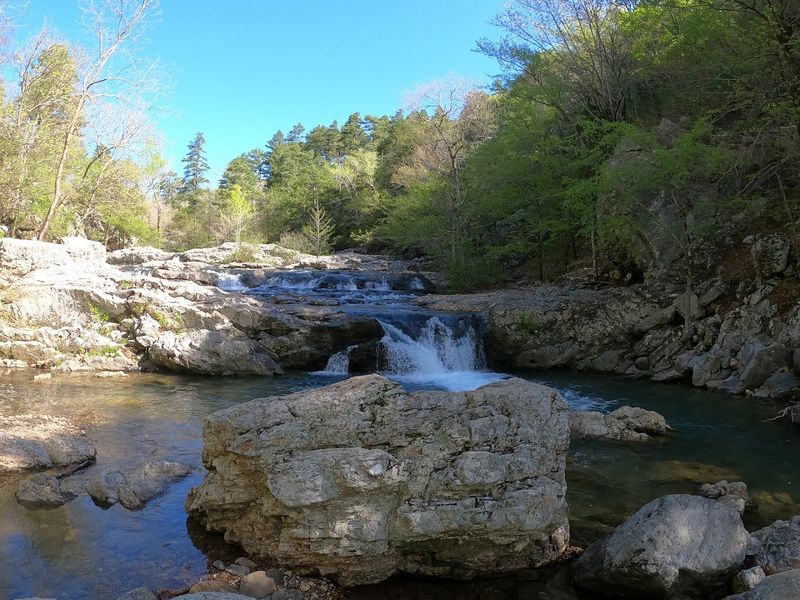
Camping in the Ouachita National Forest ranges from developed campgrounds with basic facilities to true primitive sites where the only infrastructure is the ground beneath your sleeping bag. Both options have their appeal, depending on how far from civilization you actually want to be.
Primitive sites near creek banks are particularly sought after, and for good reason. Falling asleep to the sound of moving water in a forest this quiet is a genuinely restorative experience.
Some of the best sites sit just steps from shallow, clear creeks that are calm enough for kids to splash around in safely during the warmer months.
Hammock camping is well-suited to this forest, given the density and spacing of the mature trees throughout most of the camping zones. The canopy overhead filters morning light in a way that makes waking up feel less like an alarm clock situation and more like a slow, pleasant return to consciousness.
Most developed sites are available without advance reservations, which makes spontaneous weekend trips far easier to pull off than at many other national forests across the country.
Quartz Crystals and Geological Wonders
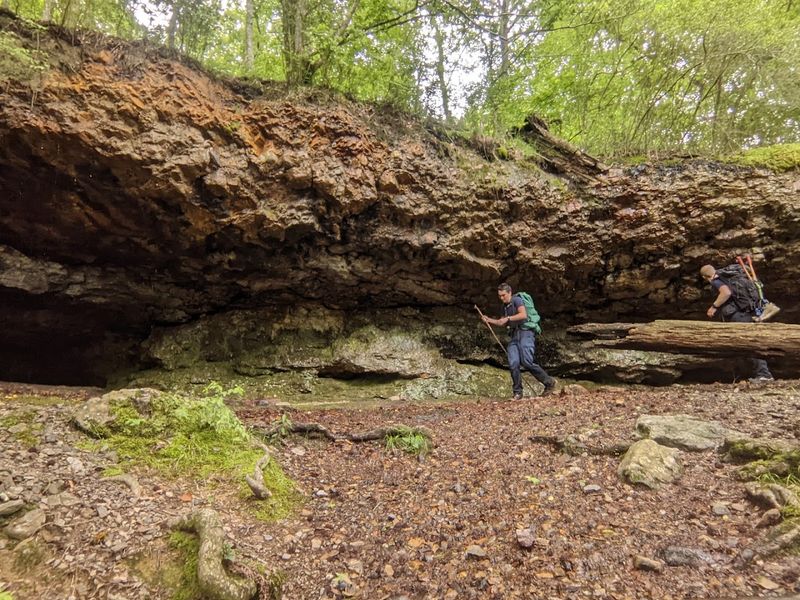
One thing that genuinely surprises first-time visitors to this forest is the geology. The Ouachita Mountains are rich in quartz crystals and quartz nodules, and finding them along certain trails feels less like a lucky accident and more like a built-in bonus feature of hiking here.
The region sits atop some of the most crystal-dense geology in the entire United States, and the Hot Springs area in particular has been famous for its quartz deposits for well over a century. Some spots within the forest allow recreational crystal digging, which turns a regular hiking day into something that kids and adults both find genuinely exciting.
Beyond the crystals, the rock formations visible along the ridgelines and creek beds tell a long geological story that predates almost every other mountain range in the central part of the country. The Ouachita Mountains formed through ancient tectonic compression, which pushed layers of sedimentary rock into the distinctive east-to-west ridge pattern that defines the landscape today.
Oklahoma shares this geological heritage, since the mountain range extends westward across the state border, connecting the two states through deep underground history.
Water Activities on the Caddo River and Forest Lakes
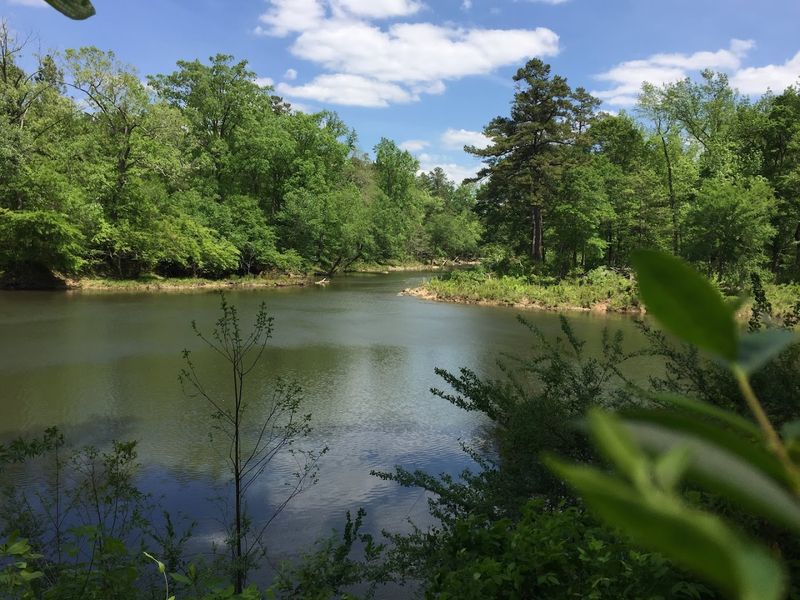
The Caddo River runs through the heart of the forest and has been drawing swimmers, anglers, and floaters for generations. The water is clear, the current is manageable for most skill levels, and the surrounding forest walls create a sense of total seclusion even on busier summer weekends.
Kayaking is particularly rewarding here, especially on the quieter tributary sections where you can paddle to small islands surrounded by shallow sandbars and overhanging hardwoods. The fishing is consistent throughout the season, with bass, catfish, and bream all present in good numbers across the forest lakes and river stretches.
Several lakes within the forest boundary offer calm flatwater paddling that suits beginners and families with younger children. The combination of accessible water and surrounding trail systems means you can structure a full weekend around both hiking and paddling without ever leaving the forest boundary.
Summer heat in this region can be significant, so planning water activities for the middle of the day and saving trail hiking for early mornings makes the whole experience considerably more comfortable and enjoyable.
Wildlife and Nature Watching Throughout the Seasons
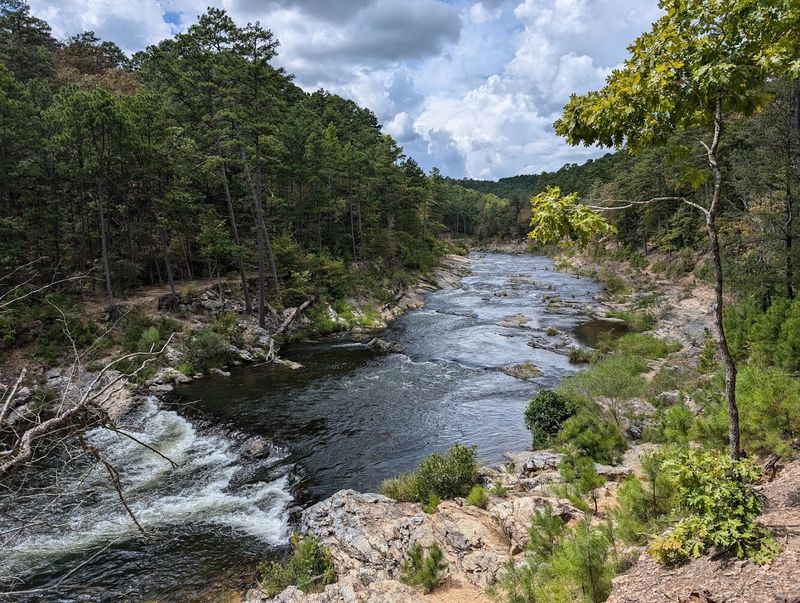
The wildlife in this forest has a way of showing up when you least expect it. Deer appear on trail edges at dusk, wild turkey cross forest roads in small groups, and the birdlife throughout the canopy is consistently active from early spring through late fall.
September brings one of the more unusual wildlife spectacles the forest has to offer: tarantula migration season. Male tarantulas cross roads and trails in noticeable numbers during this period, which catches most visitors completely off guard.
Seeing five or more in a single day is entirely possible, and the experience is far more fascinating than alarming once you get over the initial surprise.
Rattlesnakes are present during spring and summer, particularly on rocky, sun-warmed trail sections. Staying alert and watching where you step is basic trail etiquette here, and most hikers go years without any close calls.
The diversity of species throughout the forest reflects the range of habitats available, from dense upland pine forest to riparian creek corridors that support entirely different communities of plants and animals. Oklahoma visitors who make the short drive east are often surprised by how rich the biodiversity turns out to be.
Planning Your Visit: Practical Tips and Best Times to Go
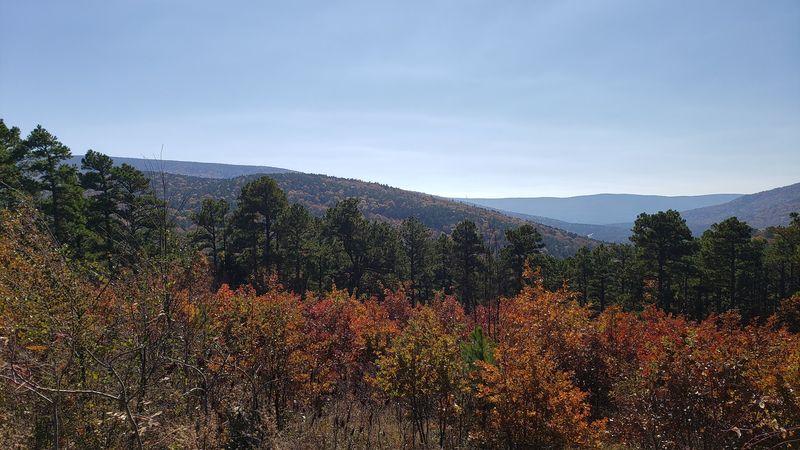
Late fall and early winter are widely considered the best times to hike this forest, and the reasoning is straightforward. The summer humidity in the Ouachita region can push heat indexes well above 100 degrees Fahrenheit, making long trail days genuinely taxing.
Once October arrives, temperatures drop to a far more manageable range, and the fall foliage adds serious visual appeal to every ridgeline view.
Carrying a detailed map is strongly recommended, whether paper or digital. Some internal forest roads use gates that may be closed on your return route, so knowing your options in advance saves significant time and frustration.
The forest website at fs.usda.gov/ouachita provides current road and trail conditions, which is worth checking before any trip.
Most trailheads and camping areas are free or very low cost, and many require no advance reservation. That accessibility makes the Ouachita National Forest one of the most practical outdoor destinations in the entire south-central United States.
For Oklahoma residents especially, having a wilderness area of this scale and quality within a two-hour drive is a resource worth using far more than most people currently do, and every season here offers something genuinely different from the last.



