 Unearth The Voyage
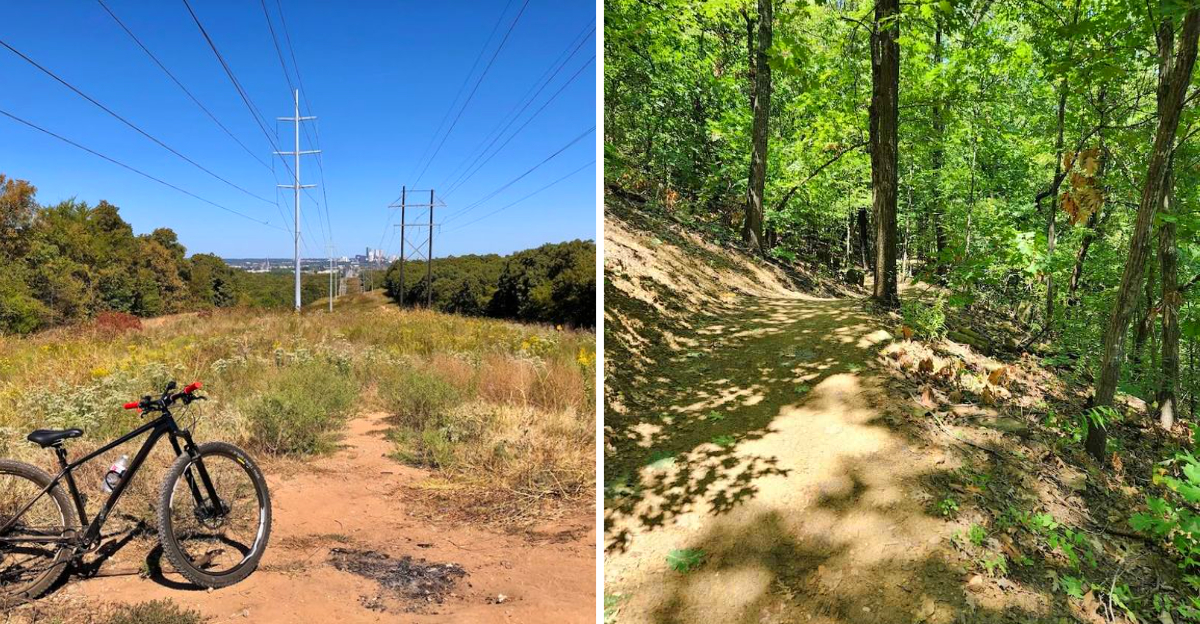
Right in the middle of one of Oklahoma’s busiest cities, there is a place where the trees close in around you, the trail gets steep under your boots, and the noise of traffic fades behind a ridge of sandstone rock. I had heard about it from a few locals who kept describing it with the kind of enthusiasm usually reserved for trips that require a plane ticket.
What I found was a sprawling urban wilderness that genuinely surprised me at every turn. This is the kind of place that makes you rethink what a city park can be, and once you visit, you will want to come back every single weekend.
Finding the Place: Address, Location, and First Impressions
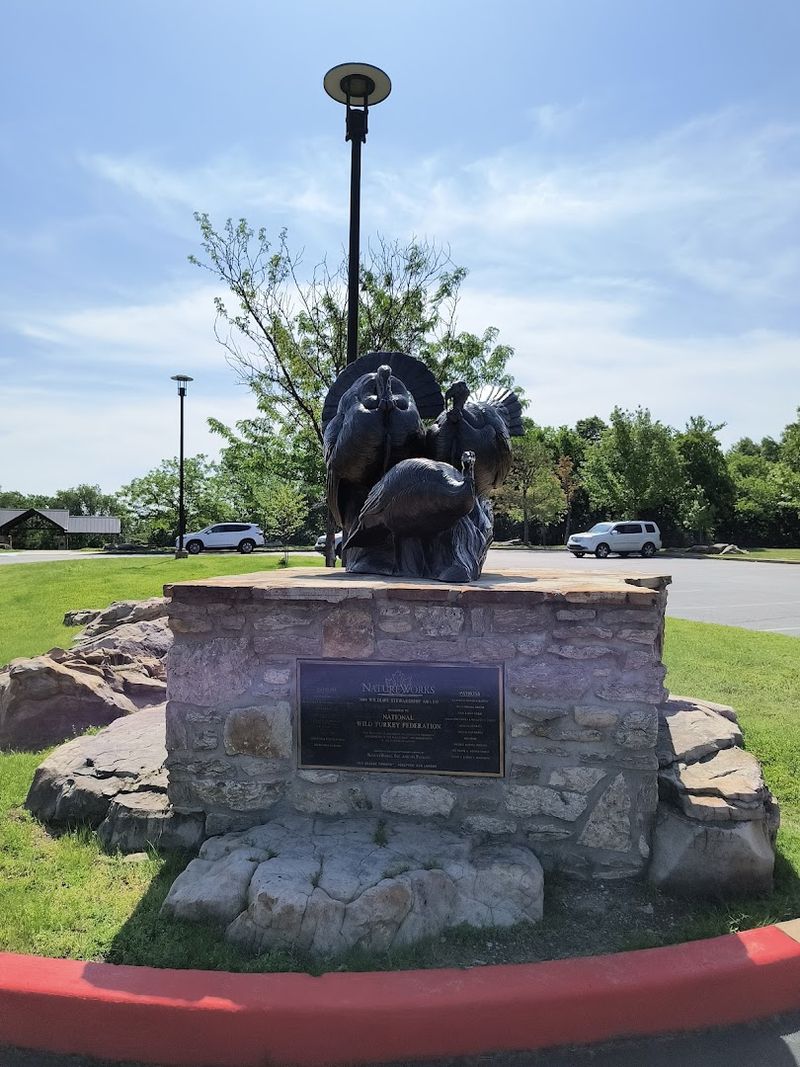
Turkey Mountain Urban Wilderness Area sits at the west side of Tulsa, Oklahoma, with the address falling within the 74132 ZIP code along the west bank of the Arkansas River. The trailhead is straightforward to find, and the parking lot is surprisingly large and well-paved, which sets a good tone before you even lace up your shoes.
My first thought pulling into that lot was that it looked almost too civilized for a wilderness area. Clean restrooms, animal statues near the entrance for photo opportunities, a posted trail map, and plenty of space for cars, bikes, and dog owners juggling leashes.
Yet just a few steps past the trailhead, the city disappears behind a curtain of oak trees and rocky outcroppings.
The park is managed by River City Parks and covers roughly 300 acres of natural terrain right inside city limits. That combination of easy access and genuine wild character is rare, and it makes Turkey Mountain a standout destination in the region.
Taking a photo of the trail map at the entrance is a smart move before heading in.
The Trail Network: More Routes Than You Can Tackle in One Visit

The trail system here is genuinely extensive, with multiple named routes weaving, crossing, and looping through the terrain in ways that keep even repeat visitors discovering something new. The UHF Trail, the Hochee Trail, and the Yellow Trail are among the most talked-about paths, each offering a distinct personality.
The Yellow Trail clocks in at around 4.4 miles and demands a solid level of fitness. Smooth stretches give way to steep climbs and very rocky sections without much warning, so your legs will definitely know they worked by the end.
Easier trails exist too, and they still deliver rewarding views without requiring the endurance of a seasoned trail runner.
Trail markers are posted clearly throughout the park, which helps a lot when the paths start intersecting every few hundred feet. On one visit, I simply picked a direction and wandered until my legs said otherwise, then navigated back toward the parking lot using the general slope of the land.
That kind of relaxed exploration is genuinely possible here, and it makes every trip feel a little different from the last one.
The Summit Experience: Views That Reward the Climb

Reaching the top of Turkey Mountain takes about thirty minutes at a moderate pace, and the payoff is a genuine overlook with wide views of Tulsa stretching out below. The stone stairway on one of the upper routes is a memorable feature, carved into the hillside and framed by trees that provide shade even on warm afternoons.
From the upper level, the Arkansas River comes into view on clear days, and at night the city lights spread out across the horizon in a way that feels completely unexpected for a park inside urban boundaries. Visitors who time their hike toward sunset get a particularly vivid version of that view.
The rocky terrain near the top also includes sandstone cliffs on the south side of the hill, which catch good light in the late afternoon and make for striking photographs. The sense of elevation feels bigger than the actual height suggests, partly because the surrounding landscape is relatively flat.
Standing up there, looking out over Oklahoma’s second-largest city, the whole experience clicks into place in a satisfying way.
Mountain Biking Trails: A Whole Different Kind of Adventure

Not everyone comes to Turkey Mountain on foot. The park has a dedicated set of mountain biking trails that cut through the woods with tight turns, natural obstacles, and enough technical challenge to keep experienced riders grinning and gripping their handlebars.
The bike-specific trails are separate from the main walking paths in many sections, which keeps the experience comfortable for both groups.
Some trails do share right-of-way between hikers and cyclists, and those shared sections require a bit of mutual awareness, but the layout generally works well. The biking trails wind through the middle of the woods in a way that feels genuinely remote, even though you are technically still inside Tulsa city limits.
One reviewer described the mountain bike trails as great for people who enjoy excitement and a physical challenge, which is a fair and honest summary. The terrain does not hold back.
Roots, rocks, and elevation changes keep riders engaged from start to finish, and the surrounding tree cover makes the whole experience feel like a proper backcountry ride rather than a manicured suburban path. Oklahoma does not always get credit for its trail systems, but this one earns it.
Wildlife and Nature: What You Might Encounter on the Trail

The wildlife at Turkey Mountain is one of those details that catches first-time visitors off guard. Squirrels are the most common sighting, darting between oaks with the kind of frantic energy that suggests they have somewhere very important to be.
Coyotes also pass through the park, and spotting one trotting across a trail is a genuinely exciting moment.
Birdwatchers find the park rewarding too. The tree canopy and varied terrain attract a solid range of species, and bringing a pair of binoculars or using a birding app like Merlin turns the hike into a nature study session.
Native plant life is equally diverse, and the Seek app works well for identifying the indigenous growth along the trails.
Mushroom foraging is possible in the right season for those who know what they are looking for. Snakes are present as well, as one visitor discovered on an otherwise beautiful day, so watching where you step in rocky areas is simply good practice.
The wildlife element adds a layer of genuine wildness to the experience that most urban parks cannot offer, and it keeps the trail feeling alive rather than just scenic.
Family-Friendly Features: Bringing the Kids and the Dogs

Turkey Mountain works well as a family destination, and the park clearly draws a crowd that includes parents with young children, dog owners, and groups spanning multiple generations. Dogs are welcome on the trails, which makes the park a weekend favorite for people who want to give their pets a proper outdoor run without driving far from home.
The easier trails are accessible enough for younger kids who are comfortable walking on uneven ground, and the mix of smooth paths and rocky sections means families can calibrate the difficulty based on who is in their group that day. The animal statues near the entrance are a reliable hit with smaller visitors who want a photo stop before the hike begins.
Clean restrooms at the trailhead remove one of the common concerns for families planning an outdoor outing. The park also has a picnic area, making it practical to pack a lunch and turn the visit into a longer afternoon.
Some families use the space for homeschool nature studies, identifying plants and birds along the way. The park genuinely earns its reputation as a clean, family-friendly outdoor space inside the city of Tulsa, Oklahoma.
The Atmosphere: What It Actually Feels Like to Be There

There is a specific quality to the atmosphere at Turkey Mountain that is hard to pin down until you experience it. The tree canopy is dense enough that even on hot Oklahoma summer afternoons, the trails stay noticeably cooler in the shade.
The sound of the city fades within a few minutes of walking, replaced by wind, birdsong, and the crunch of gravel underfoot.
The terrain shifts constantly, which keeps the sensory experience varied. One moment you are on a smooth, flat path through tall oaks, and the next you are scrambling over sandstone outcroppings with the city glinting through the branches below.
That contrast is what gives the park its distinctive character.
Solo hikers tend to find the upper trails quieter and more secluded, while the lower sections near the trailhead see more foot traffic. Even on busy weekend afternoons, it is possible to find stretches of trail where you go several minutes without seeing another person.
That sense of real solitude, inside a major city, is genuinely uncommon and genuinely valuable. The park carries a quality that keeps people coming back week after week, trail after trail.
River Views: The Arkansas River From the Upper Trails

One of the specific rewards of reaching the upper sections of the trail network is the view of the Arkansas River. The UHF Trail and the Hochee Trail both offer river views from elevated vantage points, and the sight of that wide, slow-moving water cutting through the landscape adds a geographic context to the hike that feels genuinely impressive.
The Arkansas River runs along the eastern boundary of Turkey Mountain’s general area, and the way it appears through gaps in the trees from the higher trails gives the park a sense of place that connects the wilderness experience to the broader landscape of Tulsa and Oklahoma. It is a reminder that the city was built around this river, and the park preserves a piece of the terrain that defined the region long before the urban grid arrived.
Timing a hike to reach the upper viewpoints in the late afternoon puts the river in golden light, which makes for particularly good photographs. The views are not obstructed by development on the river side, so the scene looks cleaner and more open than you might expect.
That unobstructed sightline feels like a small gift every time.
Practical Tips: What to Bring and How to Prepare

A few practical details make a real difference at Turkey Mountain, starting with water. The trails cover enough distance and elevation change that staying hydrated matters, especially during Oklahoma’s warm months when the temperature climbs well above comfortable.
Bringing more water than you think you need is always the right call.
A walking stick helps on the steeper and rockier sections of the upper trails, where the footing gets unpredictable. Sturdy footwear with good grip is worth wearing even if you plan to stick to the easier paths, because the terrain can shift quickly.
Taking a photo of the trail map at the entrance is a practical habit, since posted maps are not always available deeper into the park.
The park is generally well-maintained and the trails are clearly marked, but the interconnecting layout can feel disorienting on a first visit. Moving in the general direction of the parking lot when you are ready to finish works as a reliable navigation strategy.
Cell signal is usually available, which helps if you want to use a GPS app. Visiting during daylight hours and letting someone know your plans before heading out are sensible habits for any trail in an urban wilderness setting.
Why This Place Keeps Pulling People Back

Turkey Mountain Urban Wilderness Area has a 4.8-star rating across its reviews, and that number reflects something real rather than just enthusiasm. The combination of trail variety, genuine natural terrain, accessible location, and consistent maintenance creates a park that delivers on its promise every single time.
The fact that it sits inside Tulsa city limits makes it extraordinary by definition. Most urban parks offer a patch of grass, a few trees, and maybe a paved loop.
This one offers rocky summits, river views, mountain bike trails, wildlife sightings, and enough trail mileage to keep regular visitors exploring for months before they cover every route.
Oklahoma is not always the first state people think of when they plan an outdoor adventure, but Turkey Mountain is exactly the kind of place that shifts that perception. It is free to visit, open to dogs, welcoming to families, and challenging enough for serious trail runners and cyclists.
The park rewards effort without requiring a long drive or expensive gear. For anyone based in Tulsa, or just passing through, it represents the kind of outdoor experience that most cities quietly wish they had tucked inside their boundaries.



