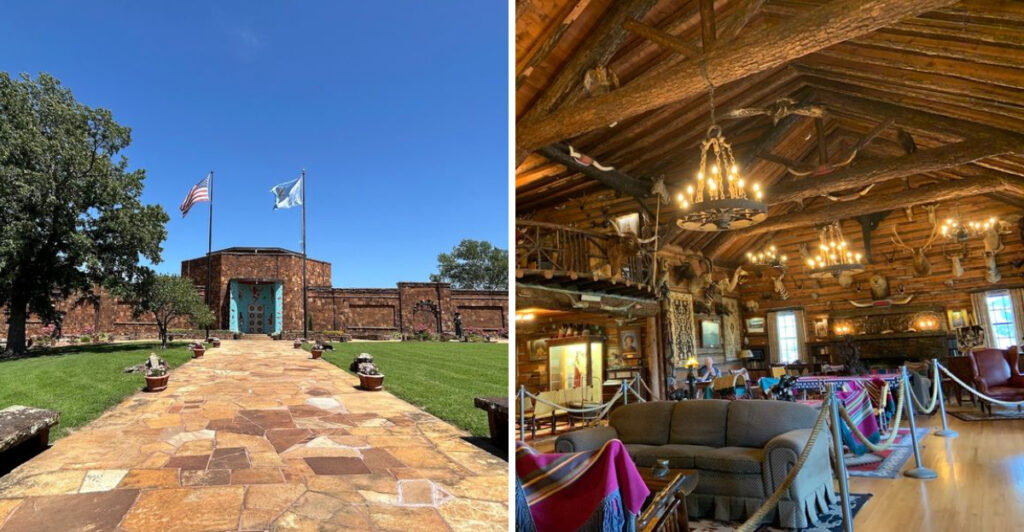
Out on the rolling Oklahoma plains, roughly 14 miles southwest of Bartlesville, there is a place that manages to be a wildlife preserve, a world-class art museum, a historic lodge, and a living piece of American history all at once. It was built by Frank Phillips, the oil tycoon behind Phillips 66, who turned his personal ranch into something far grander than most people ever dream of.
Bison roam freely, Southwest masterworks hang on museum walls, and a rustic lodge still stands exactly as Phillips left it. The sheer variety of things to see and do here would surprise even the most well-traveled visitor, and the price of admission makes it one of the best deals in the entire region.
Where the Adventure Begins: Address, Location, and Getting There
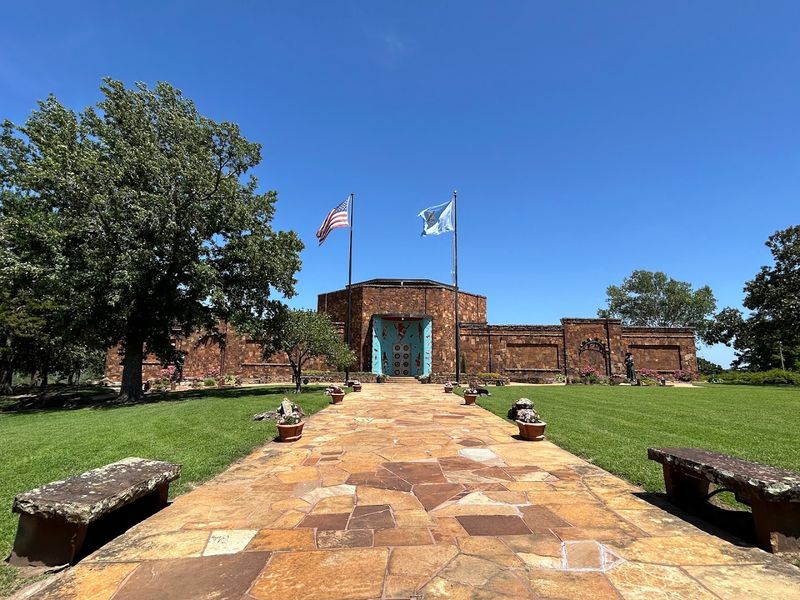
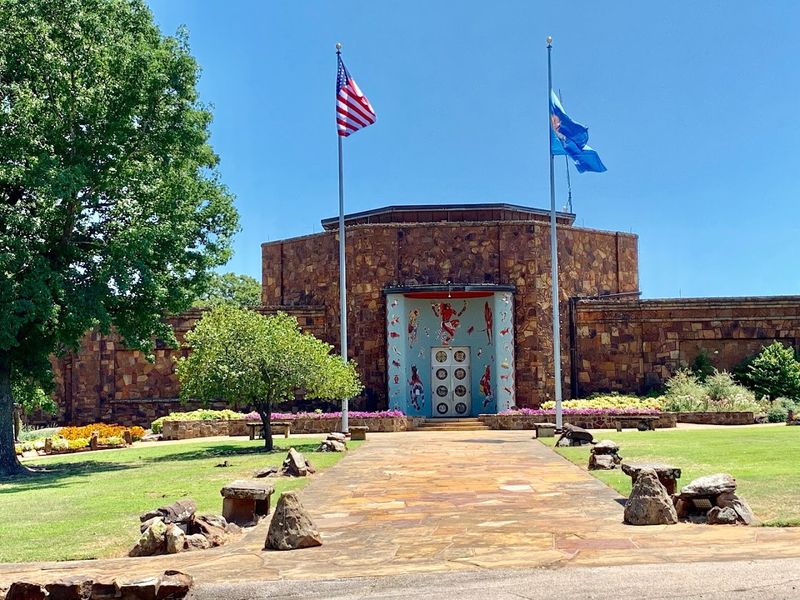
The moment you turn off the highway and approach the main gate, you already know this trip is going to be worth every mile of the drive. Woolaroc Museum and Wildlife Preserve sits at 1925 Woolaroc Ranch Rd, Bartlesville, OK 74003, nestled in the Osage Hills of northeastern Oklahoma.
The preserve is about 14 miles southwest of downtown Bartlesville and roughly 45 minutes north of Tulsa, making it an easy day trip from either city. The drive itself sets the mood beautifully, with wooded hills and open prairie unfolding on both sides of the road.
The property covers around 3,600 acres, so the scale of it starts to sink in before you even park the car. You can reach the team by phone at +1 918-336-0307, or plan your visit ahead of time at woolaroc.org.
The preserve is open Tuesday through Sunday from 10 AM to 5 PM, and it is closed on Mondays.
Frank Phillips and the Man Behind the Ranch
Frank Phillips was not the kind of man who did things halfway. Born in 1873, he went from being a barber in Iowa to founding one of the most powerful oil companies in American history, Phillips Petroleum, which eventually became Phillips 66.
He purchased the land that would become Woolaroc in the early 1920s and transformed it into a personal retreat that reflected his larger-than-life personality. The name itself is a mashup of the words woods, lakes, and rocks, which perfectly describes the natural features of the property.
Phillips used the ranch to entertain presidents, celebrities, and business leaders, turning it into a social hub unlike anything else in Oklahoma at the time. He had a genuine passion for Native American culture and Western art, and that passion drove him to build a collection that would eventually fill an entire world-class museum.
His legacy at Woolaroc is both personal and deeply rooted in the broader story of the American West.
The Wildlife Preserve: Roaming Free Across Thousands of Acres
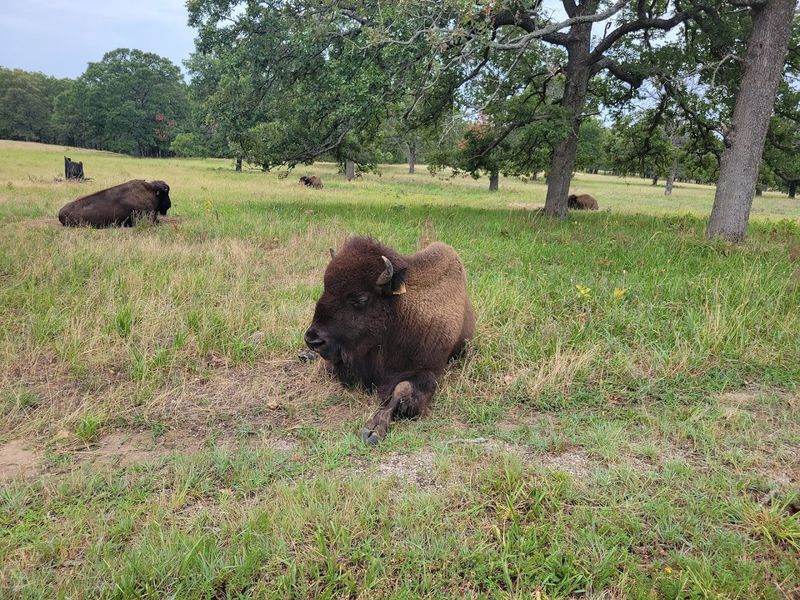
Few experiences at Woolaroc match the thrill of driving through the wildlife preserve and watching animals move freely across the open landscape. The property stretches across approximately 3,600 acres of Osage Hills terrain, giving the animals plenty of room to roam without cages or enclosures blocking your view.
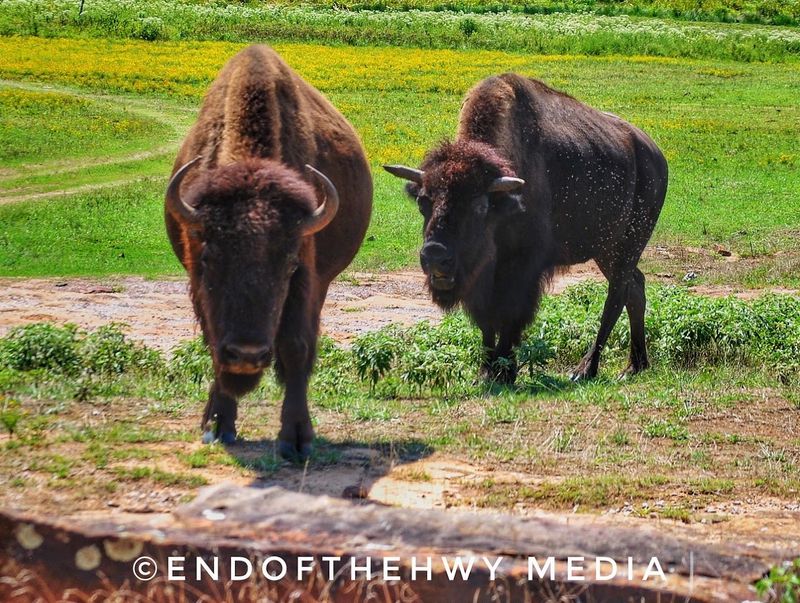
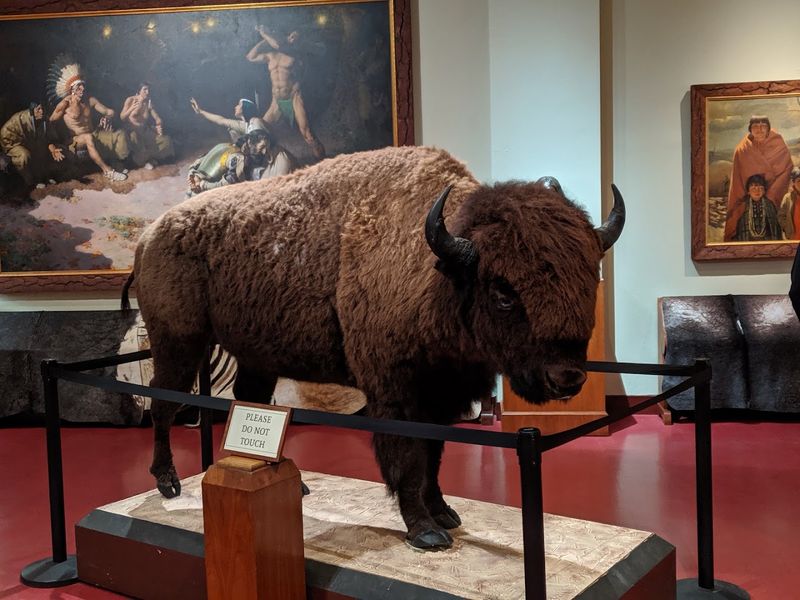
American bison are the undisputed stars of the preserve, and seeing a full-grown bull standing just a few feet from your car window is genuinely unforgettable. The preserve also hosts longhorn cattle, zebras, water buffalo, elk, and even emus, creating a surprisingly diverse mix of species in one place.
Wild animals also make appearances on the property, and more than one visitor has spotted a bobcat darting across the road during a drive through. The scenic route through the preserve is included with your admission, so there is no extra cost for what amounts to a mini safari through the Oklahoma hills.
The whole experience feels relaxed and unhurried, which makes it even better.
The Museum: A World-Class Collection Hidden in the Hills
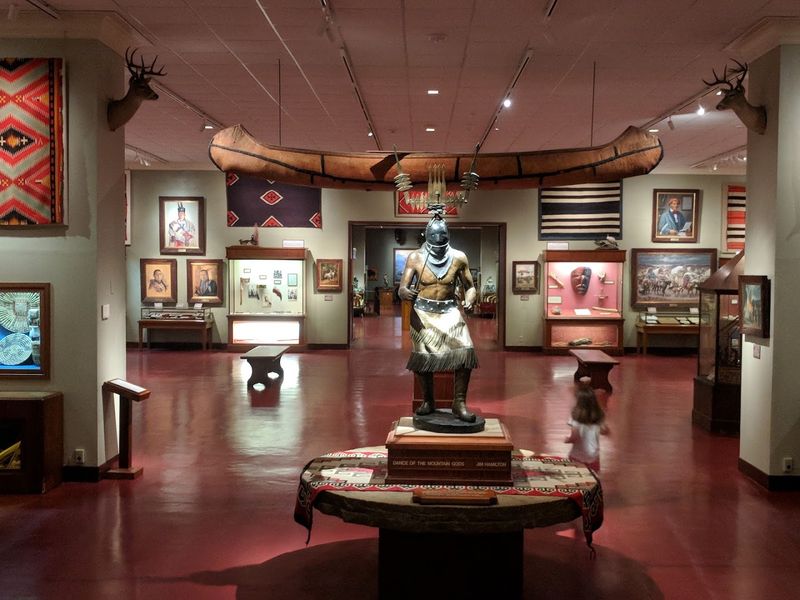
The museum at Woolaroc is the kind of place that stops you in your tracks the second you walk through the door. Frank Phillips spent decades collecting art, artifacts, and historical objects, and the result is a museum that genuinely rivals major institutions in much larger cities.
The Western art collection is extraordinary, featuring works by Frederic Remington, Charles Russell, and other masters of the genre. Paintings line the walls in sweeping panoramas of frontier life, cattle drives, and Native American ceremonies, each one packed with detail and emotional power.
Beyond the paintings, the museum holds an astonishing range of objects, from ancient Native American pottery and beadwork to antique firearms, pioneer tools, and even a dinosaur egg. The Colt handgun collection alone is considered one of the most extensive in the country.
Every room reveals something new, and the sheer density of the collection means that a single visit rarely feels like enough time to take it all in properly.
Native American Art and Cultural Artifacts on Display
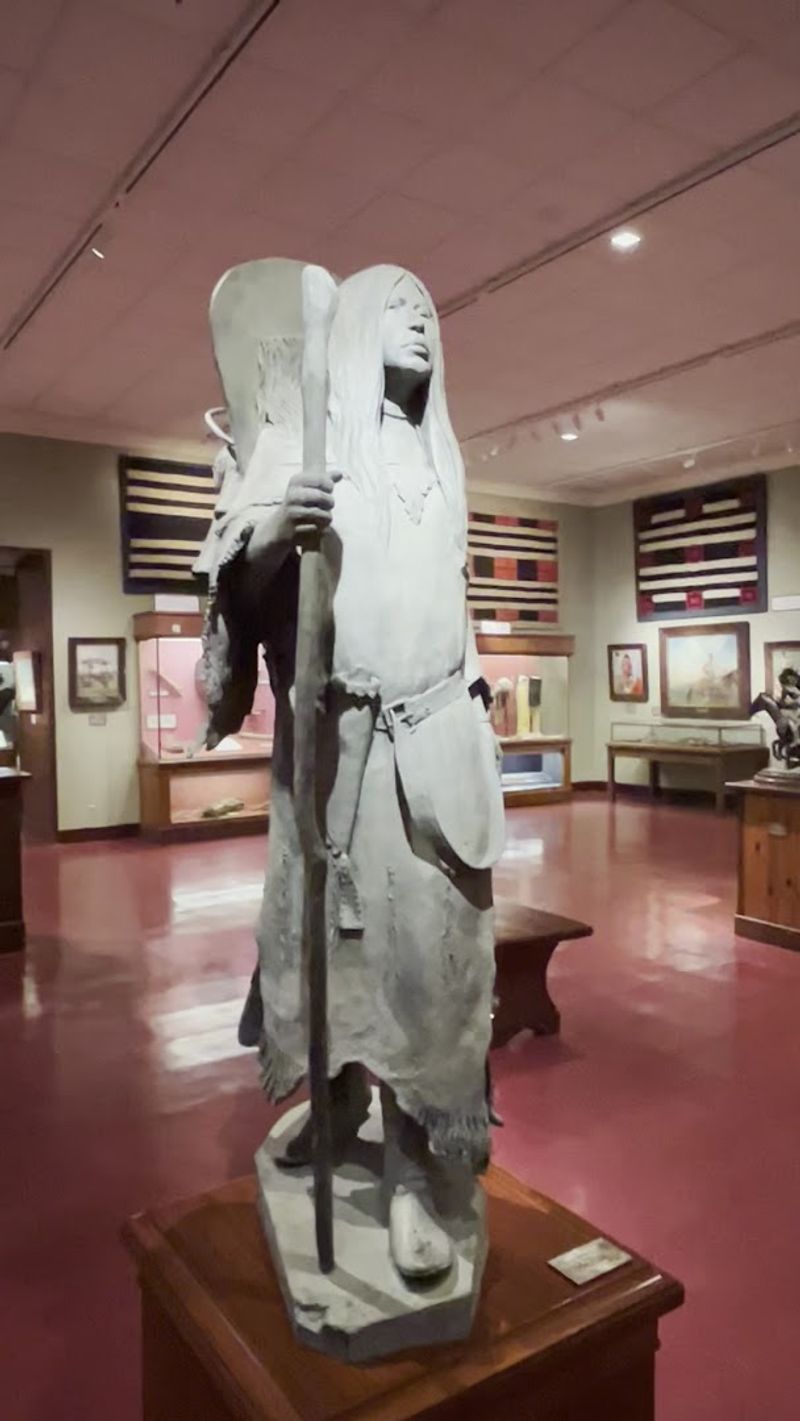
One of the most moving parts of the Woolaroc experience is the depth and respect with which Native American history and culture are presented throughout the museum. Frank Phillips had genuine relationships with several Native American nations, particularly the Osage, whose ancestral homeland surrounds the property.
The collection includes ceremonial regalia, beaded clothing, handcrafted pottery, and personal objects that represent dozens of different tribes and nations from across North America. The level of craftsmanship in these pieces is breathtaking, and the museum does a thoughtful job of providing historical context for each item.
Spending time in these galleries feels like a serious education rather than a quick walkthrough. The stories behind each artifact connect the objects to real communities and real histories that shaped this part of the country long before oil derricks ever appeared on the horizon.
Many visitors say this section of the museum is the most personally meaningful part of their entire visit, and it is easy to understand why once you spend even a few minutes with the collection.
The Historic Lodge: Frank Phillips’ Rustic Retreat
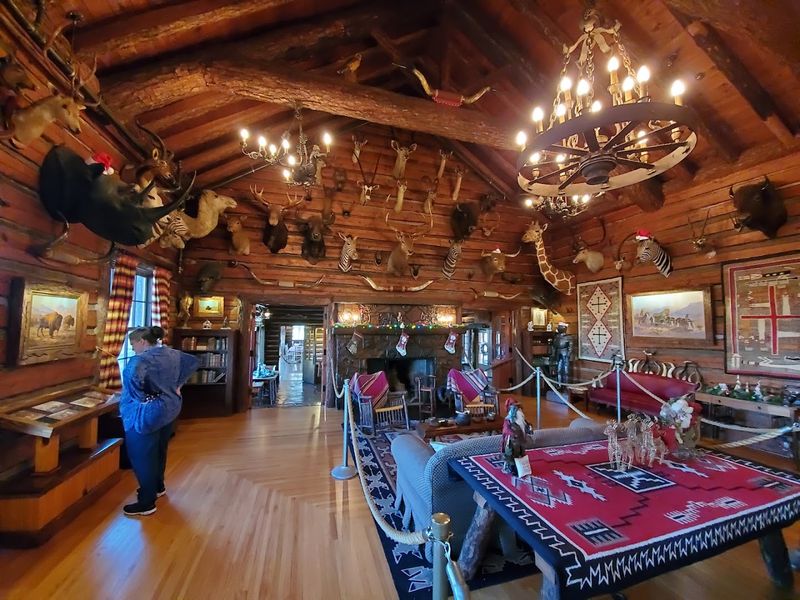
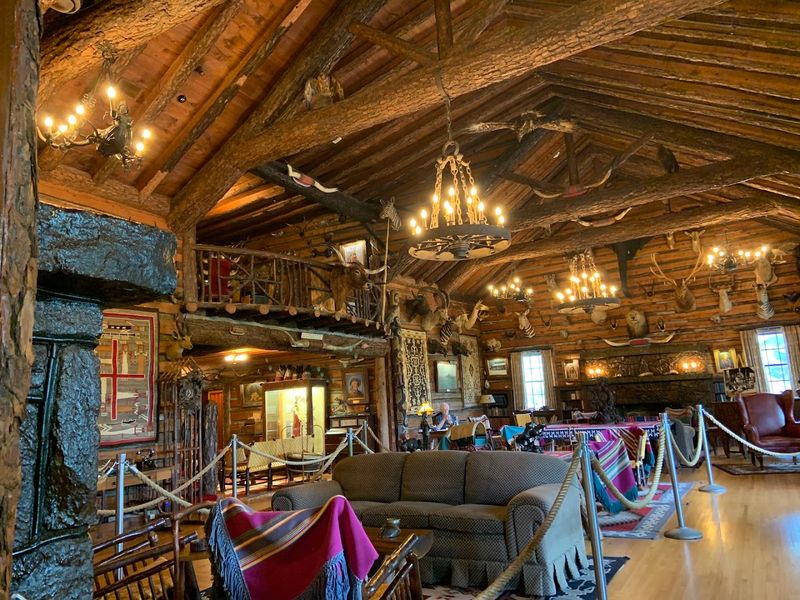
The original lodge that Frank Phillips built on the property is still standing, and it is every bit as impressive as the museum that now shares the grounds with it. The building was constructed in the 1920s and reflects the rustic, handcrafted aesthetic that Phillips loved, with heavy timber framing, stone fireplaces, and a warm, lived-in atmosphere that has survived a century remarkably well.
Friendly and knowledgeable volunteers are usually stationed inside the lodge, and chatting with them adds a personal layer to the visit that no exhibit label can replicate. They share stories about the famous guests who stayed here, the parties that were thrown on the grounds, and the personal quirks of Phillips himself.
The lodge feels less like a preserved relic and more like a place that still has a pulse. Period furniture, original artwork, and personal mementos from Phillips’ life fill the rooms, giving you a genuine sense of what it was like to be a guest at one of Oklahoma’s most legendary private retreats.
The whole building carries a kind of quiet dignity that is hard to put into words.
The Woolaroc Plane: An Aviation Trophy with a Remarkable Story
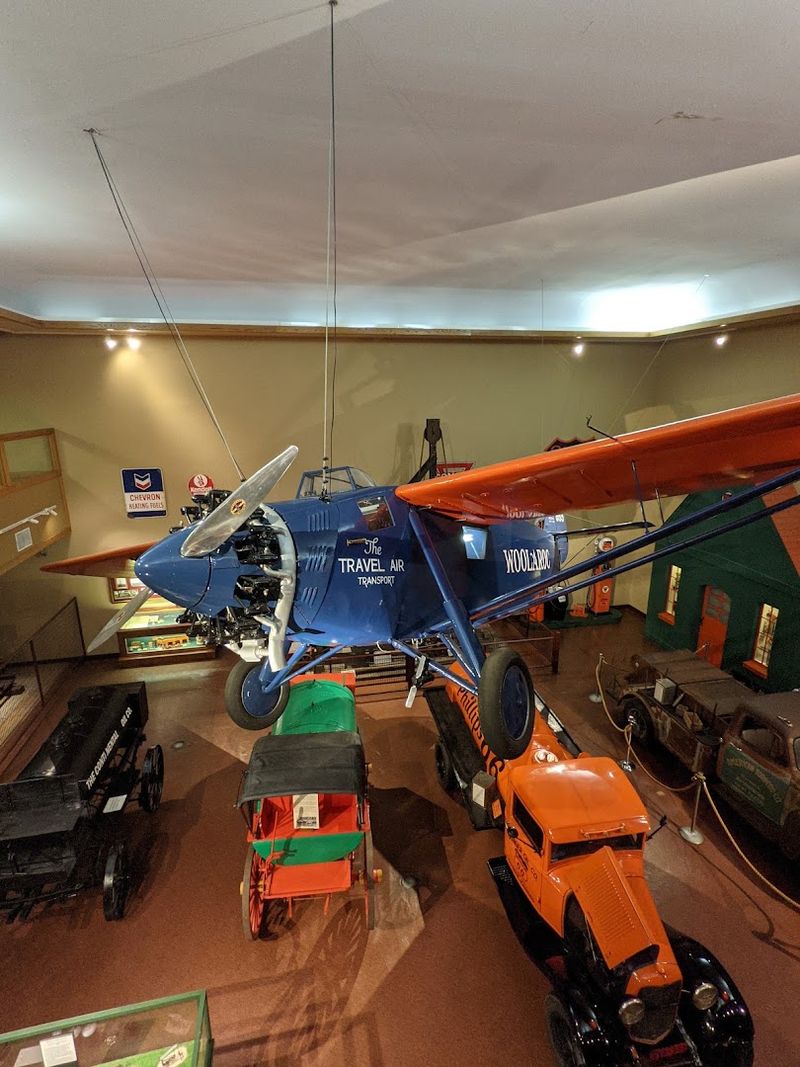
Tucked inside the museum is one of the most historically significant objects on the entire property, and it has nothing to do with oil or Native American art. The Woolaroc plane is a Travel Air 5000 monoplane that won the famous Dole Air Race in 1927, a grueling trans-Pacific flight from Oakland, California to Honolulu, Hawaii.
Frank Phillips sponsored the plane and named it after his ranch, giving the property a permanent piece of aviation history that most visitors do not expect to find here. The aircraft completed the roughly 2,400-mile journey in just under 26 hours, which was a remarkable feat for the era.
Seeing the actual plane up close is a genuinely surreal moment. It looks almost impossibly small for the distance it covered, and the craftsmanship of the era is visible in every rivet and panel.
The Woolaroc plane is a reminder that Frank Phillips had an adventurous spirit that extended well beyond the oil fields, and it gives the museum a layer of American aviation history that most people never knew they were going to encounter on their visit.
The Petting Zoo and Family-Friendly Activities
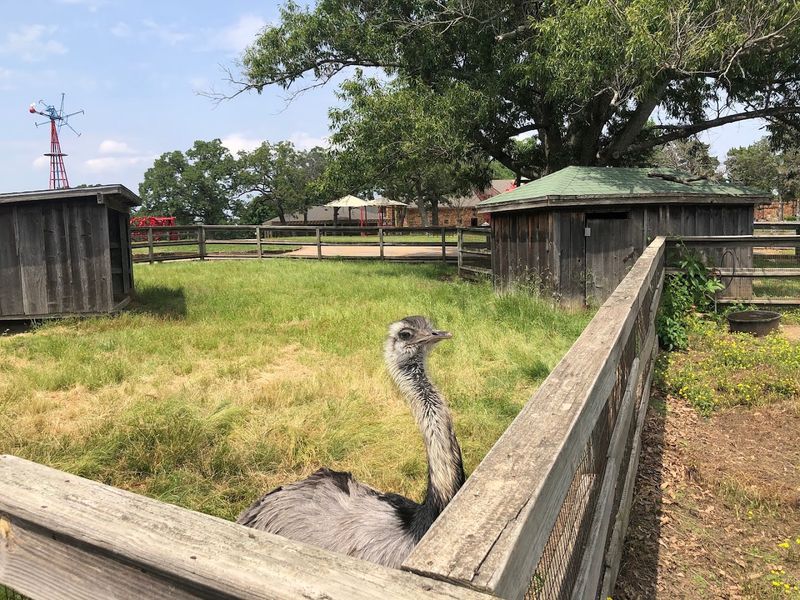
Woolaroc has clearly thought carefully about making the experience enjoyable for visitors of every age, and the petting zoo is one of the clearest signs of that commitment. Younger visitors can get up close with a variety of friendly animals in a safe and supervised environment that feels genuinely fun rather than rushed.
The playground on the grounds gives kids a chance to burn off energy between the museum and the wildlife drive, and the whole layout of the property makes it easy to move between activities without feeling like you are herding a group through a crowded attraction.
Special events throughout the year raise the family fun factor even higher. The annual Kidsfest brings inflatables, horse rides, and extra activities to the property, drawing families from across the region.
The Wonderland of Lights holiday event transforms the grounds after dark with festive decorations, a hayride, petting zoo access, and even photos with Santa inside the museum lobby. These seasonal events make Woolaroc a place that families return to year after year rather than just checking off a one-time bucket list.
Hiking Trails and the Natural Beauty of the Osage Hills
The wildlife drive gets most of the attention, but Woolaroc also offers hiking trails that let you experience the Osage Hills landscape at a slower, more personal pace. The terrain here is a mix of dense woodland and open grassland, with rocky outcroppings and several natural lakes scattered across the property.
Walking the trails gives you a completely different relationship with the land than driving through it. You notice the sounds of the prairie, the texture of the soil underfoot, and the way the light changes as you move between open meadows and shaded tree cover.
The scenery alone is worth the time, but the trails also increase your chances of spotting wildlife that might not be visible from the road. White-tailed deer, wild turkey, and a variety of birds are common sights for hikers who take their time and stay quiet.
The property sits within the broader Osage Hills ecosystem, which has a rugged, unhurried beauty that feels genuinely untouched in places, and the trails give you direct access to that feeling in a way that no museum exhibit ever could.
The Cafe: Fueling Up After a Day of Exploring
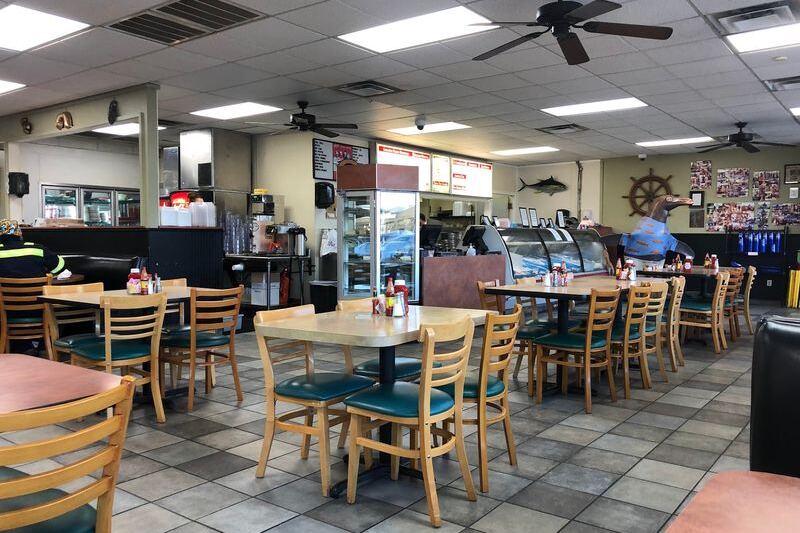
After a few hours of driving through the preserve, touring the museum, and wandering the grounds, the on-site cafe starts to sound like a genuinely great idea. The lunch counter at Woolaroc keeps things simple and satisfying, with a menu that leans into regional flavors rather than generic fast-food options.
The bison chili has developed a loyal following among regular visitors, and it is easy to see why. It is hearty, flavorful, and feels like exactly the right thing to eat after spending time on a working Oklahoma ranch property.
The cafe is not a fine-dining destination, and it does not try to be. It is a comfortable, no-fuss spot where you can sit down, recharge, and talk about everything you just saw.
During busy seasons and special events, lines at the cafe can stretch a bit, so arriving early or timing your lunch to avoid the midday rush is a smart move. The food is reasonably priced and the portions are solid, which fits perfectly with the overall value that Woolaroc delivers from the moment you drive through the front gate.
Admission Prices and Practical Tips for Your Visit
One of the most pleasant surprises about Woolaroc is how much you get for the price of admission. For a property that combines a wildlife preserve, a world-class museum, hiking trails, a historic lodge, and family activities, the ticket cost is genuinely reasonable compared to similar attractions in larger markets.
The preserve is open Tuesday through Sunday from 10 AM to 5 PM and is closed on Mondays. Arriving early on weekdays gives you the best chance of exploring the museum without large crowds, particularly on Fridays when school field trips sometimes fill the galleries before noon.
Comfortable walking shoes are a smart choice since the grounds cover a lot of ground and the trails can be uneven in spots. Bringing a camera is practically mandatory given how many photo opportunities the property offers, from the bison on the drive in to the artwork inside the museum.
The website at woolaroc.org has current event schedules, admission details, and seasonal programming information that can help you plan a visit that fits your interests perfectly.
Why Woolaroc Deserves a Spot on Every Oklahoma Itinerary
There is a certain kind of place that defies easy categorization, and Woolaroc is exactly that kind of place. It is a wildlife preserve, a history museum, an art gallery, a family attraction, and a piece of living Oklahoma heritage all rolled into one property that somehow manages to do all of those things well simultaneously.
The 4.8-star rating from over 1,800 reviews on Google is not an accident. Visitors consistently describe feeling genuinely surprised by the depth and quality of what Woolaroc offers, especially given how little fanfare the place receives outside of northeastern Oklahoma.
Whether you are drawn by the bison, the Frank Phillips story, the Native American art collection, the aviation history, or simply the idea of spending a day on 3,600 acres of beautiful Oklahoma countryside, Woolaroc delivers on every front. It is the kind of destination that earns return visits rather than just one-time check-ins, and nearly every visitor who makes the trip to 1925 Woolaroc Ranch Rd leaves already thinking about when they can come back.
Share this story