 Unearth The Voyage
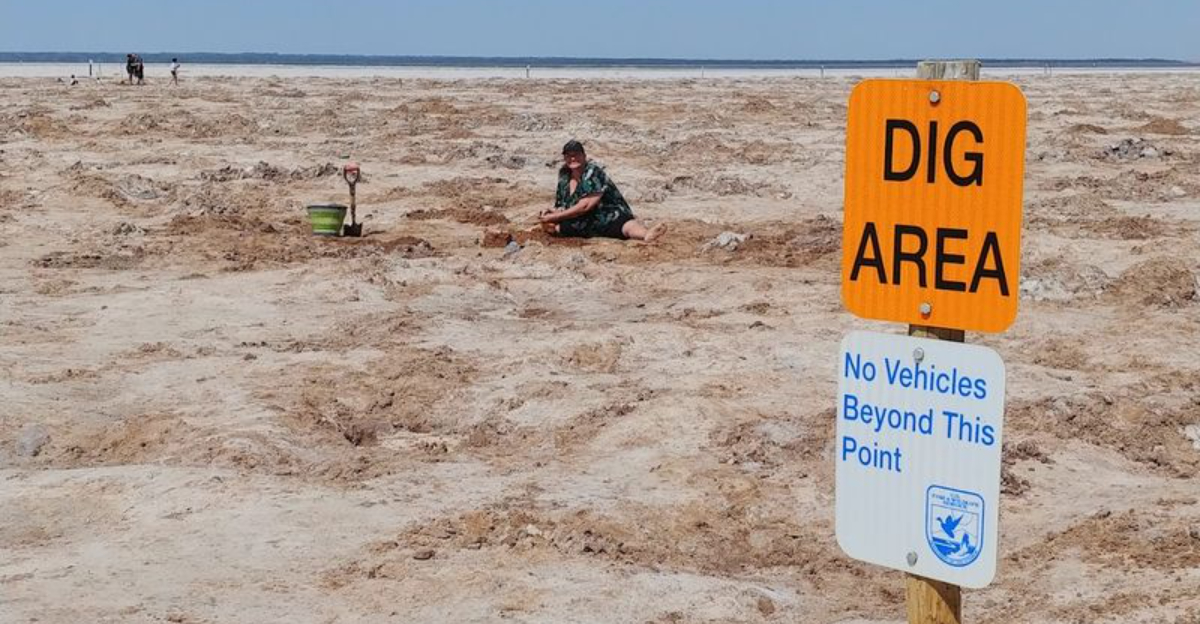
There is a place in northwest Oklahoma where the ground looks like it is dusted with snow, the sky stretches wide and uninterrupted, and you can actually dig real crystals out of the earth with your own hands. I had heard about it from a friend who came home with a bucket full of sparkling selenite, and I immediately started planning my own trip.
Salt Plains National Wildlife Refuge is not just a wildlife area. It is one of those rare spots that makes you feel like a kid again, covered in red dirt, grinning over a handful of crystals you pulled from the ground yourself.
By the time I left, I had a full bucket, a sunburned nose, and a serious urge to come back as soon as possible.
Where Exactly You Are Going
Salt Plains National Wildlife Refuge sits at an address most GPS apps will squint at: Jet, OK 73749, out in the rolling plains of Alfalfa County in northwest Oklahoma. The phone number for the refuge is +1 580-626-4794, and you can also check details at fws.gov/refuge/salt_plains before you head out.
The nearest town, Jet, is a small community, so do not count on finding a gas station or convenience store right around the corner. The refuge itself was established in 1930, which means it has been welcoming visitors for nearly a century.
The drive out feels like the world gradually quieting down around you. Farmland gives way to open salt flats and marshland, and the landscape starts to feel genuinely unlike anything else in the region.
Getting there takes some commitment, but the payoff starts the moment you see that wide, white expanse of salt plain spreading out toward the horizon.
The History Behind This Remarkable Refuge
Long before crystal hunters arrived with shovels and buckets, this land held deep significance for Native American tribes who used the salt deposits for trade and preservation. The federal government recognized the ecological value of the area and established Salt Plains National Wildlife Refuge in 1930, making it one of the older refuges in the country.
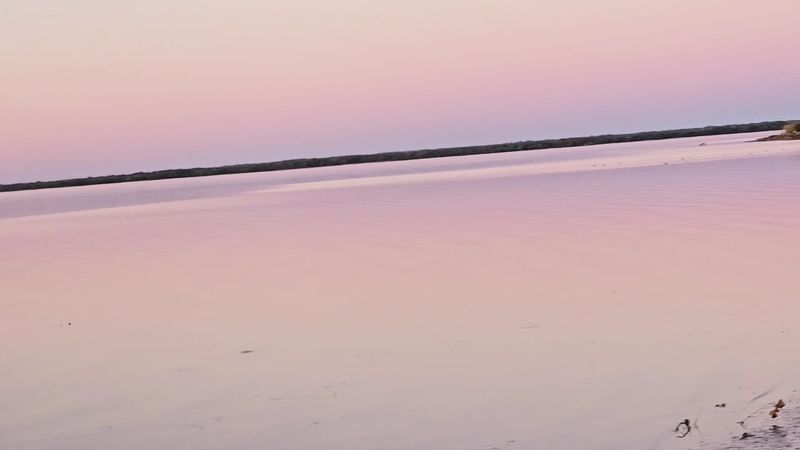
The Great Salt Plains Lake, formed by the damming of the Salt Fork of the Arkansas River, sits at the heart of the refuge. That salt flat surrounding the lake is actually a natural phenomenon created by ancient underground salt deposits that seep upward through the soil.
The refuge covers roughly 32,000 acres in total, and its management has always balanced wildlife conservation with carefully controlled public access. The crystal digging area is a perfect example of that balance in action.
Oklahoma does not have many places where visitors can interact so directly with a geological process that has been happening for thousands of years, and that history makes every crystal you pull from the ground feel that much more meaningful.
The Salt Flat Landscape Up Close
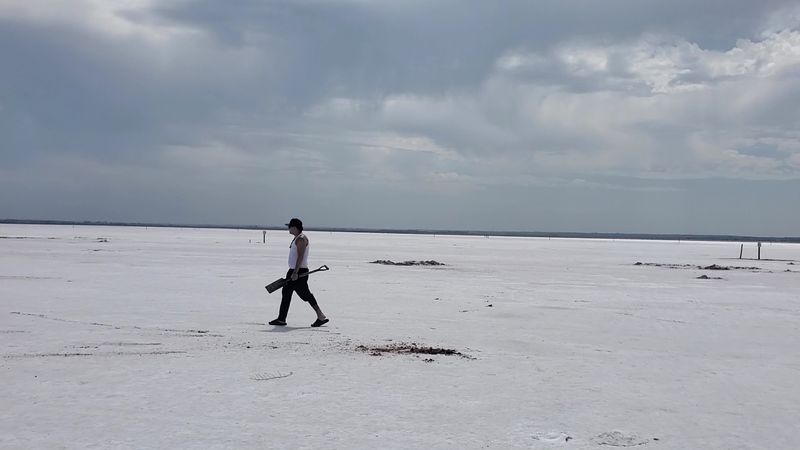
Nothing quite prepares you for the first look at the salt flat. The surface is a bright, crusty white that catches the sunlight and throws it back at you, and from a distance it really does look like a fresh snowfall sitting on the Oklahoma plains in the middle of summer.
Up close, the ground has a crunchy texture underfoot, and salt crystals dust the surface in a thin, glittering layer. The air carries a faint mineral scent, and the landscape stretches so flat and open that you can see for miles in every direction without a single tree blocking the view.
The strangeness of it is part of the appeal. This is not a typical Oklahoma landscape of red hills and cedar trees.
It feels almost otherworldly, like a corner of the planet that plays by different rules. Families often stop to take photos before they even reach the digging area, because the scenery alone is worth documenting.
Every angle of that white expanse offers something worth pointing a camera at.
Digging for Hourglass Selenite Crystals
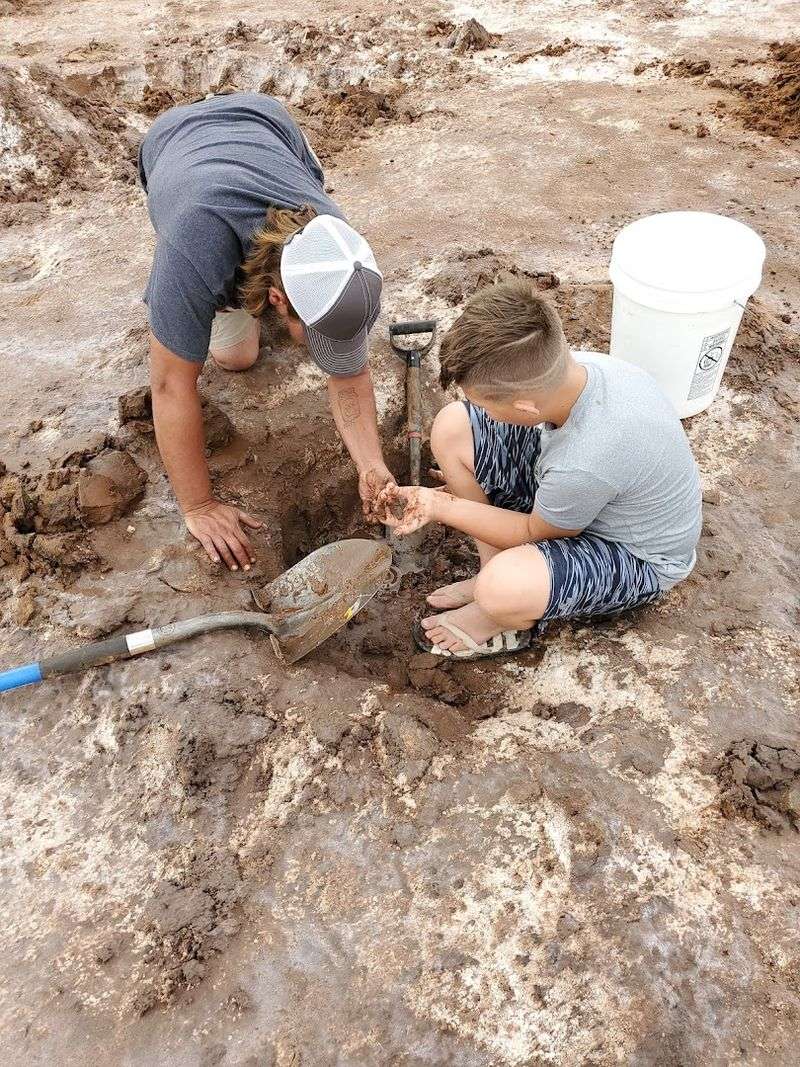
The main event at Salt Plains National Wildlife Refuge is the chance to dig for hourglass selenite crystals, and it is every bit as fun as it sounds. These crystals form when selenium-rich water evaporates underground, leaving behind flat, lens-shaped crystals that trap reddish clay inside in a distinctive hourglass pattern.
The designated digging area opens April 1st each year and closes October 15th, so timing your visit matters. Each person is allowed to take home up to three pounds of crystals, which sounds modest until you realize how quickly a bucket fills up when you find a good patch.
The technique that works best involves pressing a shovel into the ground and feeling for resistance. When the shovel hits something solid, you switch to your hands and carefully sift through the dirt.
Many crystals sit just a few inches below the surface, and finding your first one sends a little jolt of excitement through your whole body. That feeling does not wear off no matter how many you find.
Essential Gear to Pack Before You Go
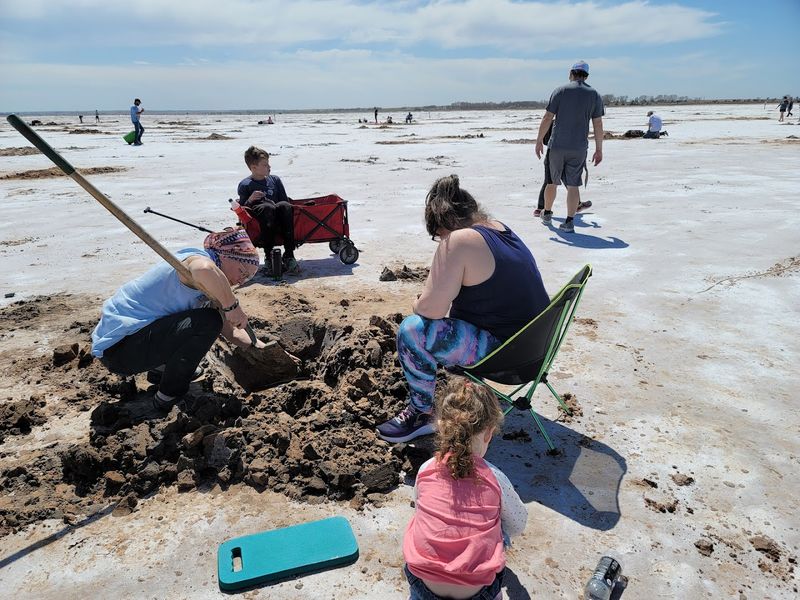
Packing the right gear for this trip makes a significant difference between a frustrating afternoon and a genuinely great one. The crystals are surprisingly sharp, so gloves are not optional.
Within minutes of digging bare-handed, you will understand why several visitors have come home with nicked fingertips.
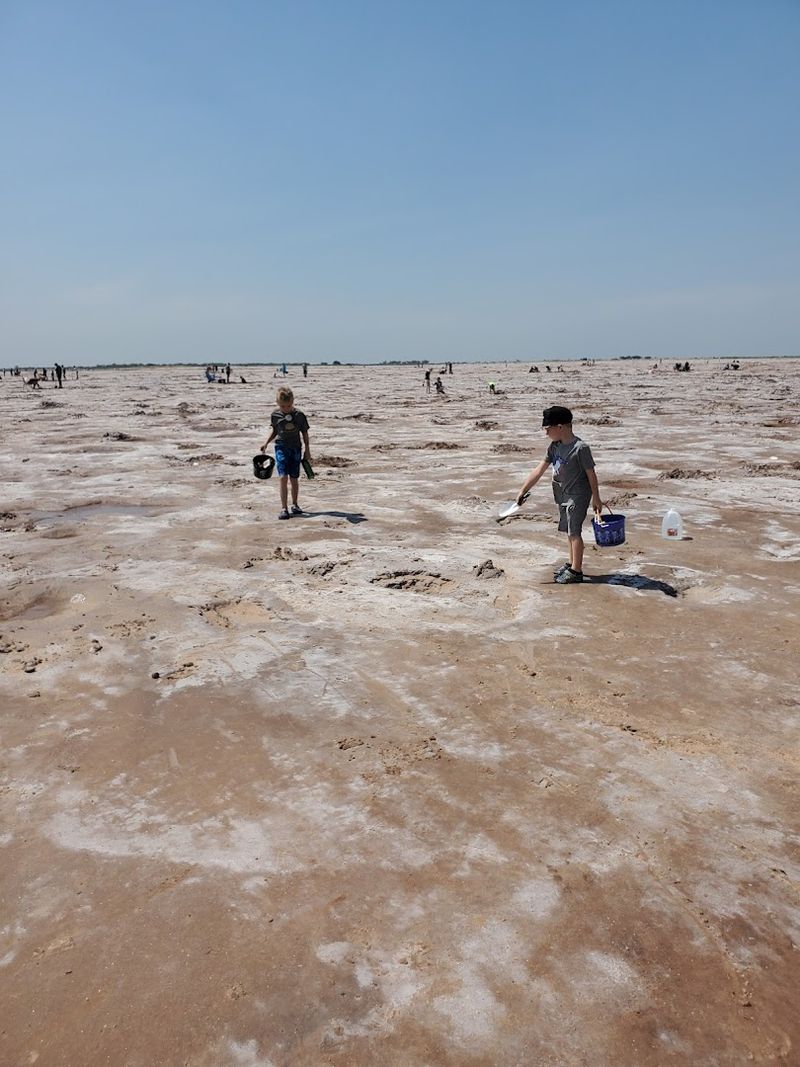
Bring at least one sturdy shovel and a smaller hand trowel for detail work once you find a promising spot. A plastic bucket keeps your crystals safe, and a separate container of water helps you rinse them off so you can actually see what you have found.
Sunscreen and a wide-brimmed hat are non-negotiable on the open salt flat, where there is zero shade and the reflected light intensifies the heat. Wear clothes you do not mind ruining, because the red clay soil stains fabric permanently.
Pack enough drinking water for the whole group, bring snacks, and consider a folding chair or knee pad for the long stretches of digging. There are no shops or food vendors anywhere near the digging area, so everything you need has to come with you from home.
Wildlife Watching Beyond the Salt Flat
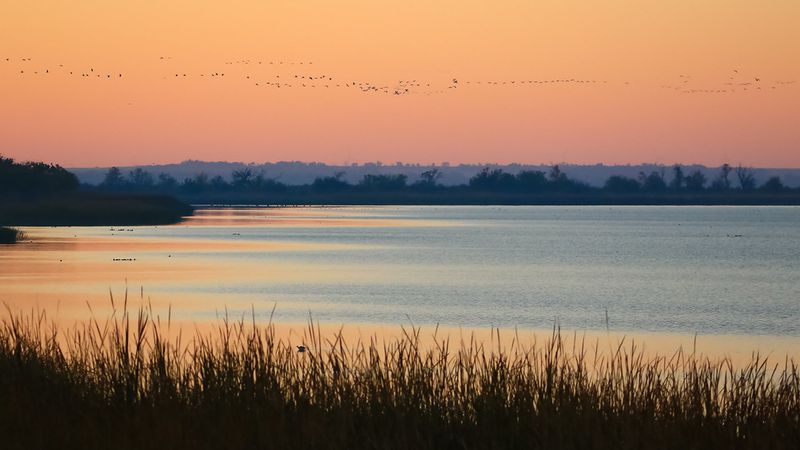
Crystal digging gets most of the attention, but the wildlife at this refuge is genuinely impressive on its own terms. Salt Plains National Wildlife Refuge sits along a major migratory flyway, which means the bird diversity here changes with the seasons and rewards repeat visits throughout the year.
Whooping cranes, one of the rarest birds in North America, stop at the refuge during migration. American white pelicans gather in large, photogenic flocks on the lake.
Shorebirds of all kinds work the shallow edges of the salt flat, and bald eagles appear in the colder months.
Deer wander through the refuge with surprising regularity, and armadillos have been spotted near the trail areas. The refuge also supports populations of wild turkeys, coyotes, and various reptiles.
Birders with binoculars and a good field guide will find themselves happily distracted for hours before they ever pick up a shovel. Oklahoma has a reputation for flat, featureless terrain in some circles, but this refuge challenges that idea completely with its layered, living ecosystem.
Trails and Auto Tour Route
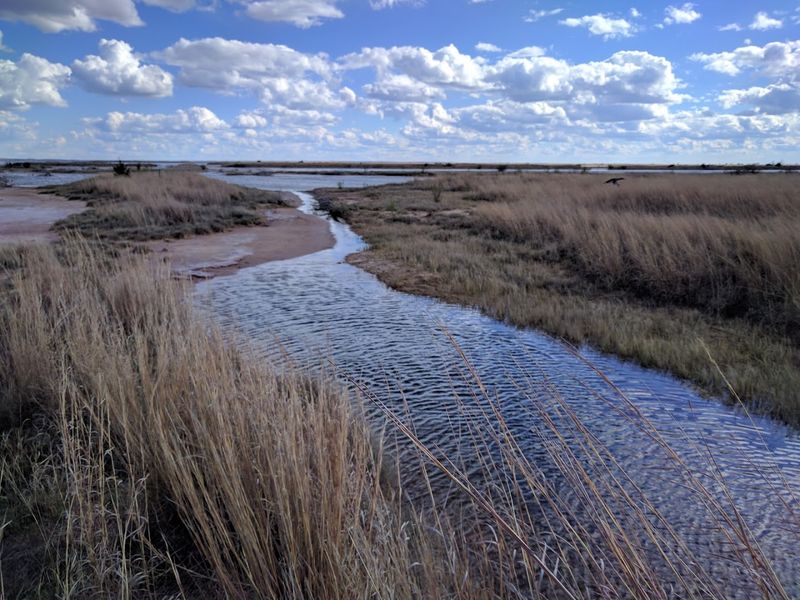
Beyond the salt flat, the refuge offers several ways to explore the surrounding landscape. The Big Marsh Boardwalk is a favorite among visitors who want to get close to the wetland habitat without getting their feet wet.
The boardwalk extends out over the marsh and offers clear sightlines for bird photography.
The Sandpiper Nature Trail is a short, pleasant loop that winds through varied habitat and rewards walkers with frequent wildlife sightings. The trail is well-maintained and accessible enough that most visitors can handle it comfortably, even those who are not regular hikers.
The Harold F. Miller Auto Tour Route gives you a chance to cover more ground without walking.
The route takes you through the heart of the refuge by car, with pullouts where you can stop, get out, and take a closer look at what you are passing. The combination of the boardwalk, the nature trail, and the auto tour means you can easily fill an entire day here even if the crystal digging area is closed for the season.
Each section of the refuge reveals a different texture of this Oklahoma landscape.
Best Time of Year to Visit
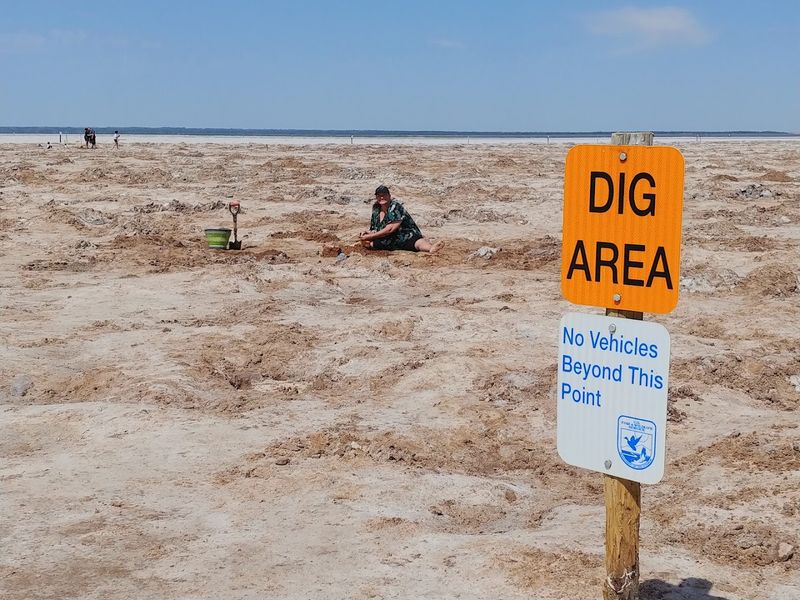
Timing a visit to Salt Plains National Wildlife Refuge takes a little planning, but the effort pays off. The crystal digging area is open from April 1st through October 15th, and most experienced visitors recommend coming earlier in the season rather than later.
In April and May, the ground has had less foot traffic and the crystals tend to be larger and easier to locate. By September and October, the best spots have been worked over by a full summer of visitors, and smaller crystals are more common.
That said, even a late-season trip can yield a satisfying haul if you are patient and willing to dig a little deeper.
Spring and fall also bring the best bird activity, so those seasons offer a double reward. Summer visits are perfectly valid, but the heat on the open salt flat is serious and unrelenting, so an early morning start makes a real difference.
Winter closes the digging area but keeps the refuge open for wildlife watching, and the cold months bring their own set of interesting species to the lake and marshes. Every season has something worth showing up for.
Practical Tips for a Smooth Visit
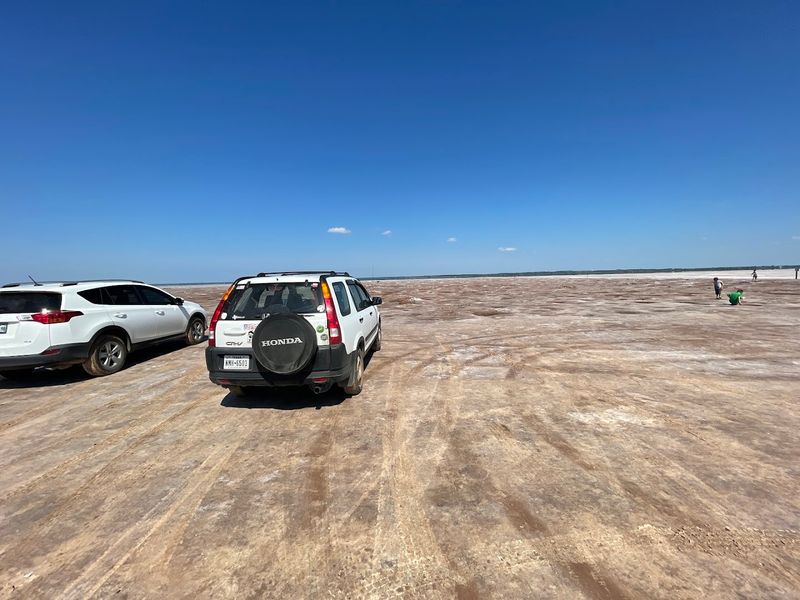
A few practical details can save you a lot of frustration on the day of your visit. The roads leading to the digging area are dirt and gravel, and the final stretch gets bumpy.
Most standard cars handle it fine, but take it slow and watch for ruts, especially after rain.
Restroom facilities exist near the digging area, though they are basic pit-style park facilities with no running water. During government shutdowns, facilities may be temporarily unavailable, so plan accordingly.
There is no running water at the digging site itself, which is why bringing your own supply is so important.
Salt gets into everything. It coats your skin, fills your shoes, and settles into the interior of your car in ways you will still be finding weeks later.
A towel and a change of clothes stashed in the trunk will feel like genius-level planning by the end of the day. The visitor center is worth a stop before you head to the flats, since staff can give you current conditions and tips for finding the best digging spots.
A little preparation turns a good trip into a great one, and this refuge absolutely rewards the effort.



