There is a stretch of Oregon coastline so quietly spectacular that it almost feels unfair to the rest of the Pacific Northwest. Giant sea stacks rise from the surf like ancient sentinels, tide pools bubble with starfish and sea cucumbers, and the sand stretches wide enough that you can wander for an hour without bumping into another soul.
A seal might cruise past just offshore while you stand there completely stunned by the view. This is the kind of place that turns a quick highway stop into a two-hour adventure you will be talking about for years, and I am here to tell you exactly why you need to add it to your Oregon coast road trip right now.
Where to Find This Coastal Wonder
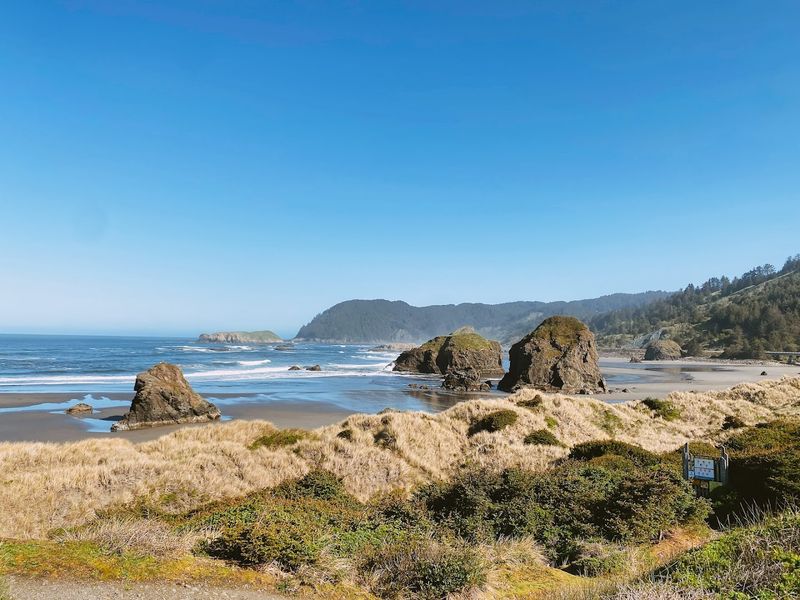
Meyers Creek Beach Viewpoint sits along Highway 101 at mile marker 337.0, roughly nine miles north of Gold Beach, Oregon 97444, tucked into the southern Oregon coast in a way that feels almost deliberately hidden from the outside world.
The pullout is a simple turnout directly off the highway, so there is no grand entrance or fancy parking lot to signal that something extraordinary waits below. You park, you look over the railing, and your jaw drops on its own schedule.
The beach is part of the Pistol River State Scenic Viewpoint area and sits within the famous Samuel H. Boardman Scenic Corridor, one of the most celebrated stretches of coastline in the entire country.
The path down to the sand is short but requires a little sure-footedness on some rocky sections.
Gold Beach is close enough that you can grab a coffee at a local shop like Kissing Rock and be standing on this beach within minutes, making it a perfect unplanned stop on any coastal drive.
The Sea Stacks That Stop Traffic
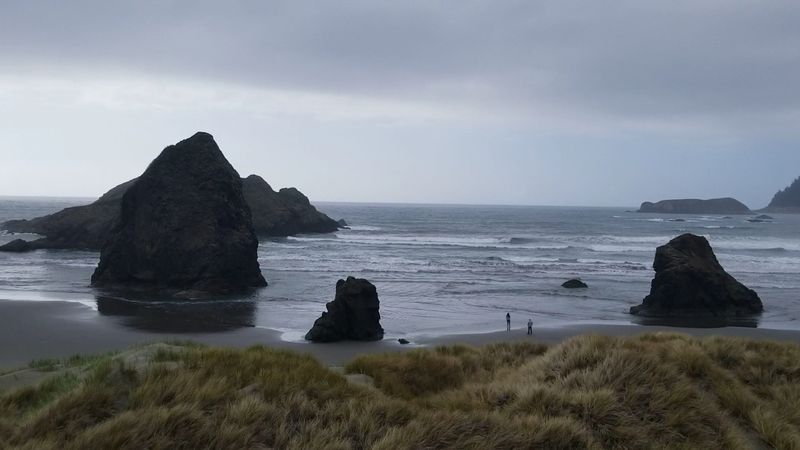
Few natural formations along the Oregon coast command as much attention as the sea stacks at this beach, and that is saying something in a state absolutely loaded with coastal drama.
These are not modest little rocks poking out of the surf. These are enormous, ancient columns of stone that tower over the shoreline with the kind of quiet authority that makes you feel very small and very grateful at the same time.
At low tide, the water retreats far enough that you can walk right up to the base of several of these formations and press your hand against rock that has been shaped by the Pacific Ocean over thousands of years. The scale only becomes real when you are standing next to one.
One of the formations even features an arch, and during certain times of year, particularly around early October, the sun aligns perfectly to shine directly through it at a stunning angle. That kind of natural light show is the sort of thing a photographer dreams about and a casual visitor stumbles into with pure luck.
Tide Pooling at Its Pacific Northwest Finest
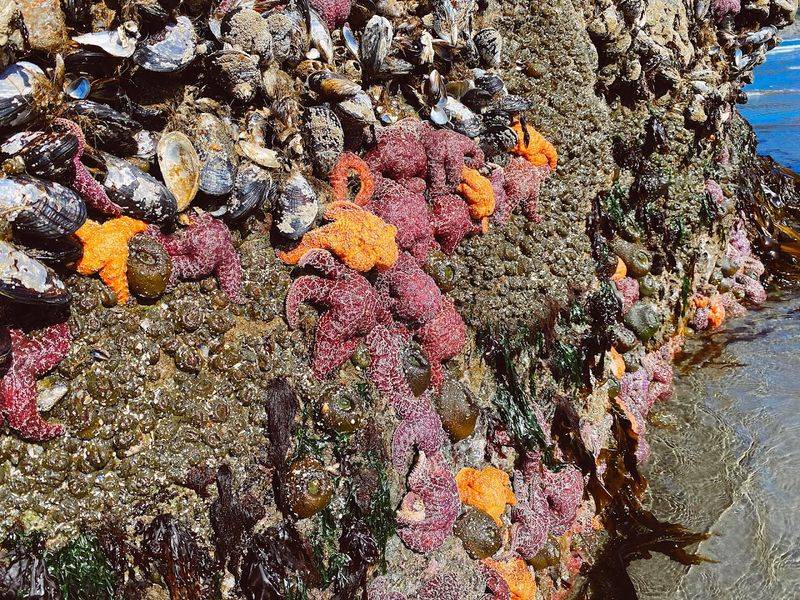
The tide pools here have a reputation that spreads quietly among coastal explorers, and once you crouch down beside one, you immediately understand why people drive out of their way just to visit at low tide.
Starfish cling to the rock walls in shades of orange and purple. Sea urchins cluster in the crevices.
Sea cucumbers stretch out in the shallow pools like they own the place, which, honestly, they kind of do.
There is also a cave tucked between two of the larger rock formations that rewards curious visitors with an even richer marine display inside. The walls are dotted with corals and starfish, and the light filters in just enough to make everything look otherworldly.
Timing your visit around low tide is the single most important piece of planning advice for this beach. Check a tide chart before you go, aim for morning low tides when the light is soft and the crowds are thinnest, and bring waterproof shoes because the rocks get slippery fast.
The wildlife here deserves respect, so look closely, photograph freely, and leave every creature exactly where you found it.
Wildlife Encounters Worth Slowing Down For
The wildlife at this beach does not wait for you to go looking for it. More than once, visitors have rounded a sea stack at low tide and found a sea lion stretched out on the sand, completely unbothered and deeply committed to its afternoon nap.
Seals are regular visitors too, and it is not unusual to spot one cruising parallel to the shore just beyond the break, poking its whiskered head up to get a look at whoever is standing on the beach staring back.
Shorebirds work the waterline constantly, and the rocky outcroppings provide habitat for all kinds of coastal species that are worth watching if you bring a pair of binoculars. The beach feels genuinely alive in a way that goes beyond just the scenery.
Keeping a respectful distance from any wildlife you encounter is not just good manners here, it is essential. These animals use this stretch of coast as a resting and feeding ground, and the quieter and calmer the human presence, the more natural behavior you get to witness up close.
What the Beach Looks Like at Different Times of Day
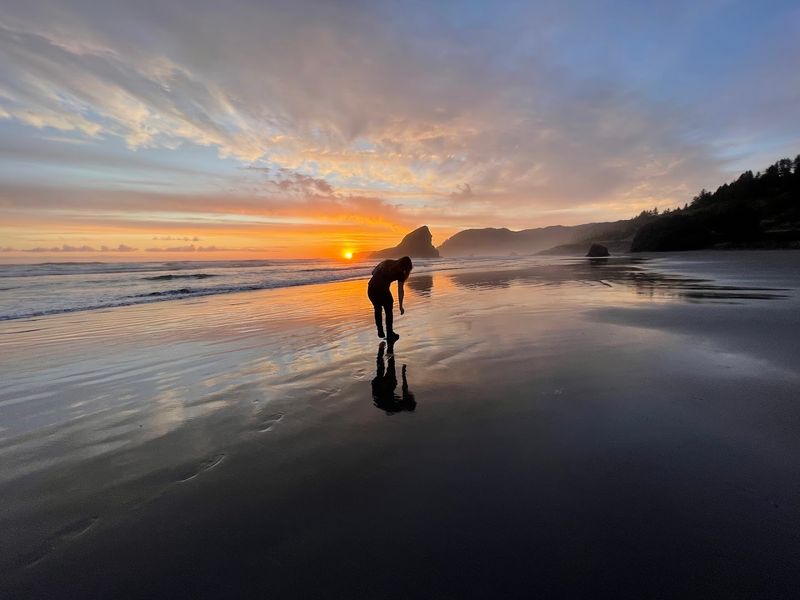
Morning at this beach is a completely different experience from afternoon, and afternoon is nothing like the last hour before dark. Each window of the day brings its own mood to the same stretch of sand and stone.
Early morning visits come with soft, diffused light that makes the sea stacks look almost painterly against the sky. The tide is often at its lowest point in the morning, which means the pools are fully exposed and the sand between the formations is wide open for exploring.
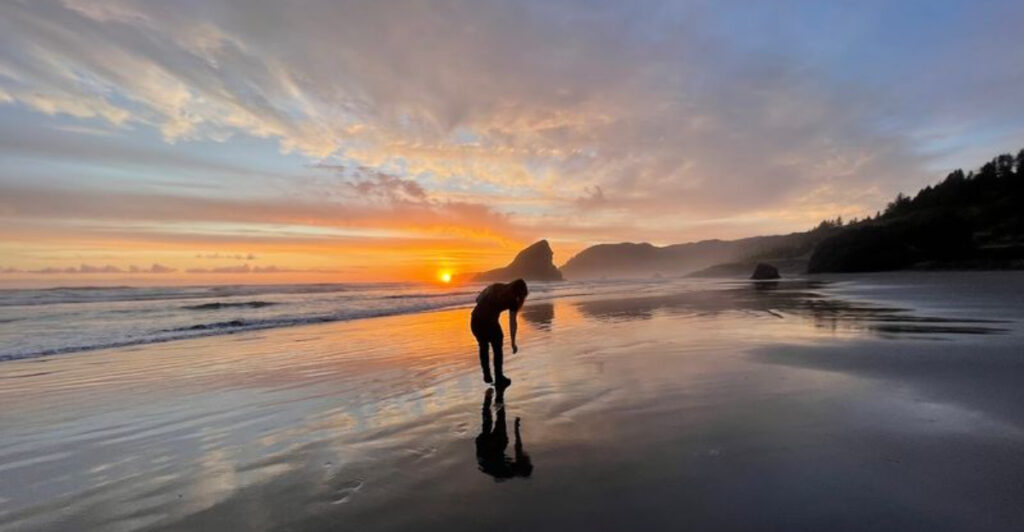
By late afternoon, the sun drops toward the ocean and the light turns warm and golden. Waves crashing against the sea stacks look almost cinematic when backlit by that late-day glow, and the mist that kicks up from the surf catches the light in a way that is genuinely hard to describe without sounding dramatic.
Sunset visits are popular for good reason, though one of the larger rock formations does block the horizon view in certain spots during the summer months. Arriving a little before sunset and choosing your position carefully on the beach solves that problem entirely and rewards you with a view worth every minute of the drive.
The Sand Dunes on the South End
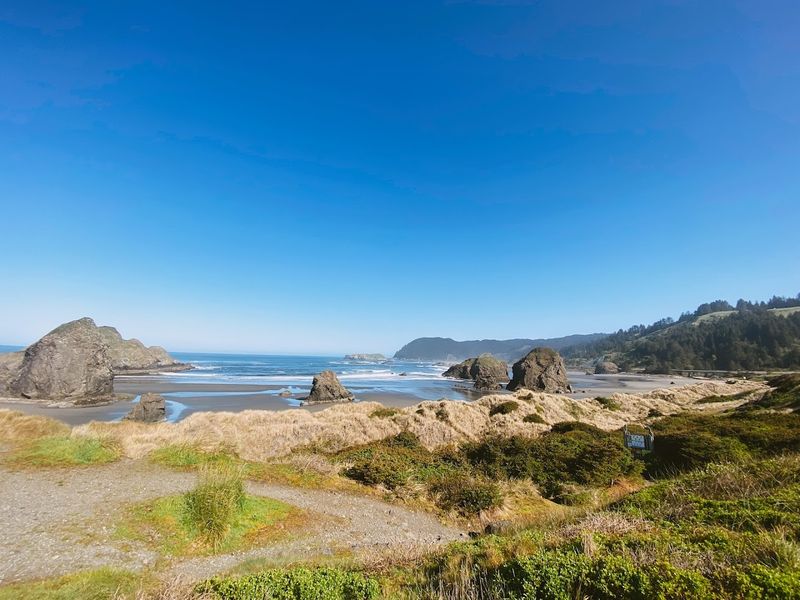
Most people who stop at this beach head straight for the sea stacks and the tide pools, which makes complete sense. But the south end of the beach holds a feature that tends to surprise first-time visitors who wander far enough to find it.
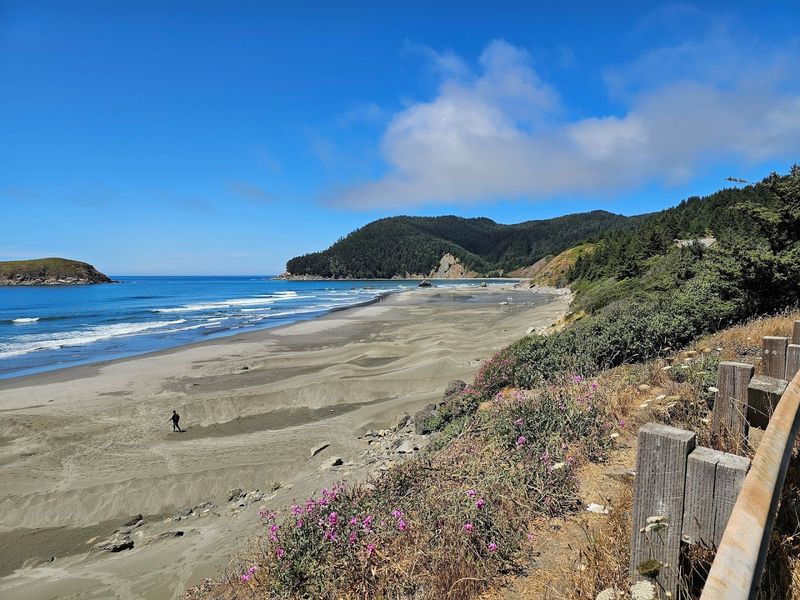
A stretch of small sand dunes lines the southern portion of the shoreline, creating a softer, quieter corner of the beach that feels almost separate from the dramatic rock formations to the north. The sand here is deep and soft, the kind that slows your pace and makes every step feel deliberate.
Beach grass anchors the dune edges, and the whole area has a tucked-away quality that makes it a favorite spot for those looking to sit quietly with a snack and just watch the ocean for a while. Some visitors have mentioned wanting to set up a beach chair there and simply never leave.
The dunes also connect to broader hiking possibilities, with Cape Sebastian Trail accessible about 3.3 miles away for those who want to extend their time in this part of the southern Oregon coast into a longer outdoor adventure.
Surfing and Windsurfing Culture Here
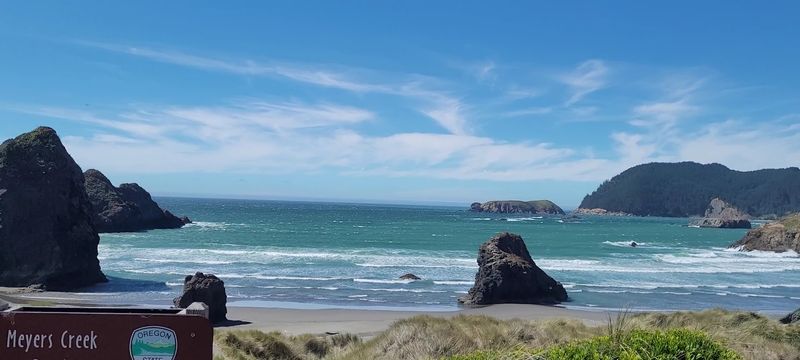
The wind at this beach is not a minor detail. On most days, it is a full character in the experience, strong enough to make your jacket flap and your hair do things you did not plan for when you left the car.
That same wind is exactly why this stretch of coast has built a reputation among surfers and windsurfers who know the southern Oregon coast well. The Pistol River area is well documented as one of the better spots for wave sports along this section of Highway 101, and the consistent ocean conditions make it worth the trip for those who bring boards.
Even if you are not there to surf, watching someone navigate the waves near the sea stacks is its own kind of entertainment. The combination of powerful surf, dramatic rock formations, and open sky makes for a scene that is genuinely thrilling to observe from the shore.
The wind also means that layering up is a smart move regardless of the season. A warm base layer and a windproof outer shell will keep you comfortable enough to stay as long as you want, which, based on experience, tends to be longer than you originally planned.
How to Get Down to the Beach
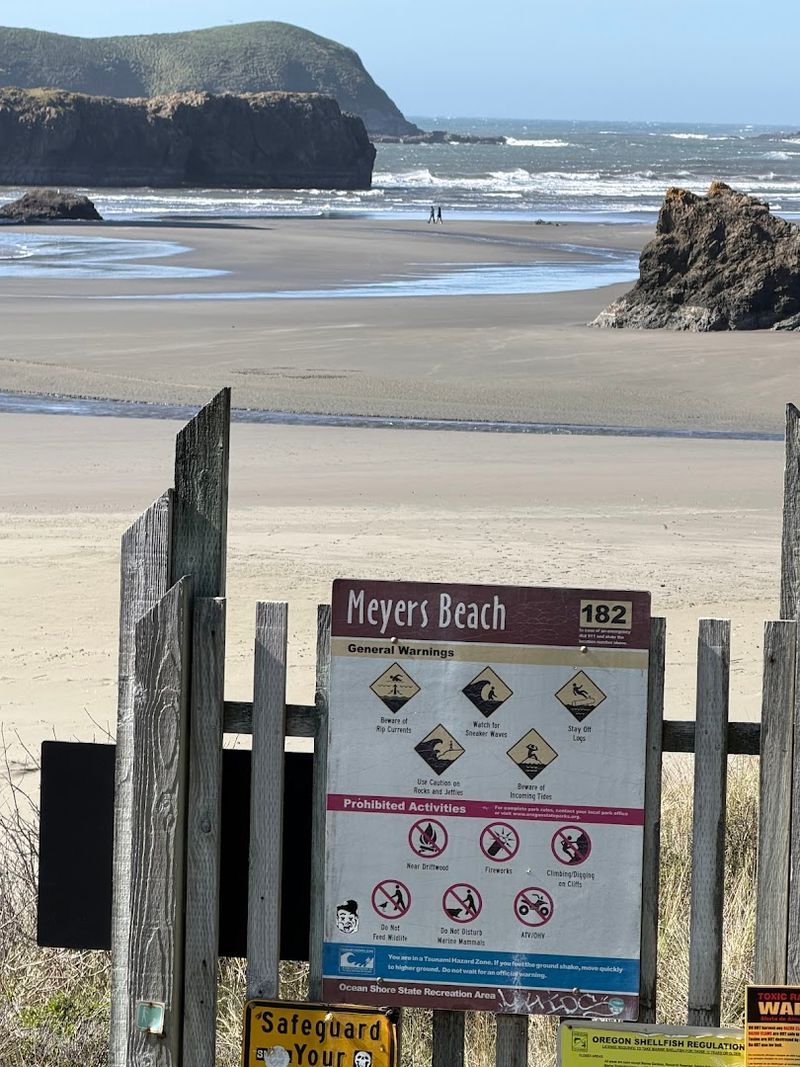
The path from the highway pullout down to the beach is short, but it deserves a little advance warning so you show up with the right footwear and the right expectations. This is not a manicured boardwalk situation.
The descent involves navigating some large rocks before you hit the sand, and the footing can be uneven enough that rushing it is a bad idea. Taking your time on the way down is the move, and most people find that coming back up actually feels easier than going down.
Once your feet hit the sand, the terrain shifts to deep, soft beach sand that gives a little with each step. It is the kind of surface that slows you down in the best possible way, encouraging a pace that is more wander than march.
Sturdy shoes with good grip are the top recommendation here, and if you plan to spend time in the tide pools, waterproof footwear will save you from the inevitable wet sock situation that ruins an otherwise perfect afternoon. The beach is open 24 hours, so there is technically no wrong time to visit, though navigating those rocks in the dark is a challenge best avoided.
Practical Tips Before You Go
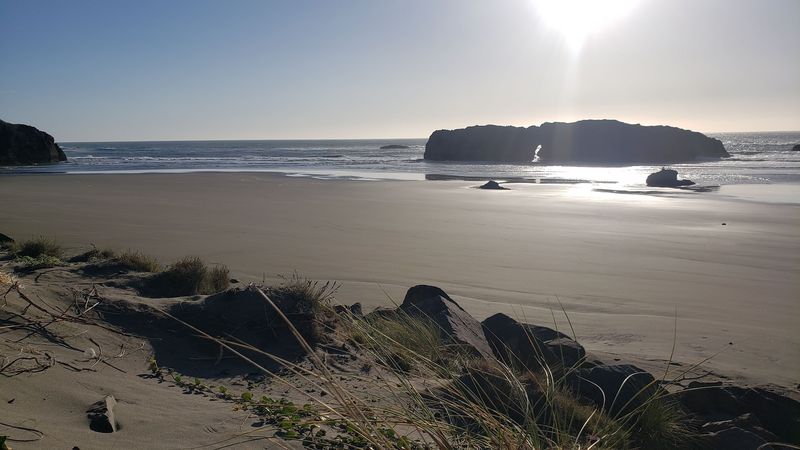
A few practical details will make the difference between a smooth visit and a frustrating one, and the most important of all is this: check the tide chart before you leave home.
Low tide is when this beach truly delivers on its promise. The tide pools are exposed, the sea stacks are walkable, and the full width of the sandy shore opens up for exploration.
High tide shrinks the accessible beach significantly and covers the pools entirely.
Parking is a turnout directly off Highway 101, not a designated lot, so the space is limited. Arriving early, especially on weekends or during summer months, gives you the best shot at a spot without having to loop back around.
There are no restrooms at the viewpoint, so planning ahead on that front is genuinely important.
Dogs are welcome on the beach, and plenty of visitors bring them along for walks north and south along the shore. The standard rules apply: keep them respectful around wildlife and clean up after them.
The beach stays beautiful because the people who love it treat it that way, and keeping that tradition alive is everyone’s shared responsibility.
Why This Beach Stays With You Long After You Leave
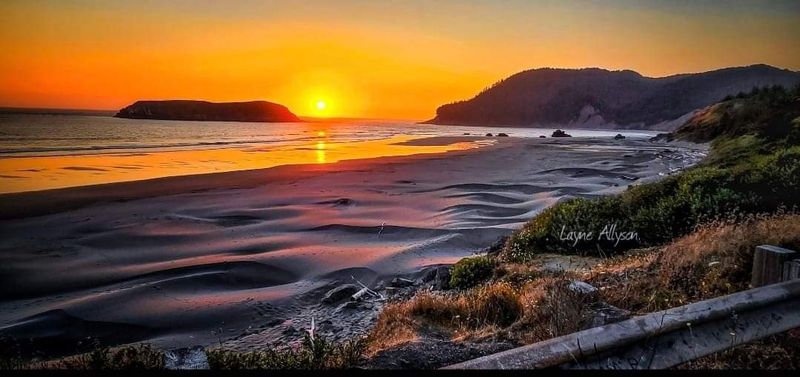
Some places earn a spot in your memory through sheer spectacle. Others do it through something quieter and harder to name, a combination of scale, solitude, and the particular way the light moves across the water at a certain hour.
This beach does both. The sea stacks are undeniably dramatic, the tide pools are genuinely fascinating, and the wildlife sightings feel like small gifts rather than tourist attractions.
But what lingers is the feeling of standing on a wide, mostly empty stretch of the Pacific coast with nothing between you and the horizon except ancient rock and open ocean.
Visitors who have been here alone, walking the sand without seeing another person, describe it as the kind of coastal solace that is increasingly rare and genuinely restorative. The southern Oregon coast has no shortage of beautiful spots, but this one earns its place near the top of that list through a combination of accessibility and raw, unfiltered natural beauty.
Road trips along Highway 101 pass dozens of pullouts, but this is one of the few where stopping once is never quite enough. The beach has a way of putting itself back on your itinerary the next time you find yourself heading up or down the Oregon coast.
Share this story