There is a small patch of ancient forest on the Oregon Coast that most people drive right past without a second glance. Hidden just off Highway 101 near Rockaway Beach, this boardwalk trail winds through a wetland full of towering old-growth trees, mossy undergrowth, and wildlife that feels completely removed from the busy road nearby.
The star of the show is a western red cedar estimated to be somewhere between 800 and 1,200 years old, and standing in front of it has a way of making everything else feel very small. By the time you finish reading this, you will want to add this trail to your next Oregon Coast road trip.
Where the Trail Begins: Address and Access
The trailhead sits right along Highway 101, near East Washington Street in Rockaway Beach, Oregon 97136, which makes it surprisingly easy to find once you know it exists. The parking lot is small, fitting only about a dozen cars, so arriving early on weekends is a smart move.
If the lot is full, there is room to park along the road nearby.
The trail opens at 7 AM every day of the week and stays open until 10 PM, giving visitors plenty of flexibility to plan a morning or evening visit. The entrance is easy to miss when you are driving through town, which explains why so many people pass it without ever stopping.
A small sign marks the start of the boardwalk, and from the moment you step onto the wooden planks, the sound of traffic begins to fade almost immediately.
The transition from roadside noise to forest quiet happens faster than you would expect. Within a few minutes of walking, the highway feels like a distant memory, replaced by birdsong, rustling leaves, and the soft sound of water moving through the wetland below the boards.
The Boardwalk Itself: A Trail Built for Everyone
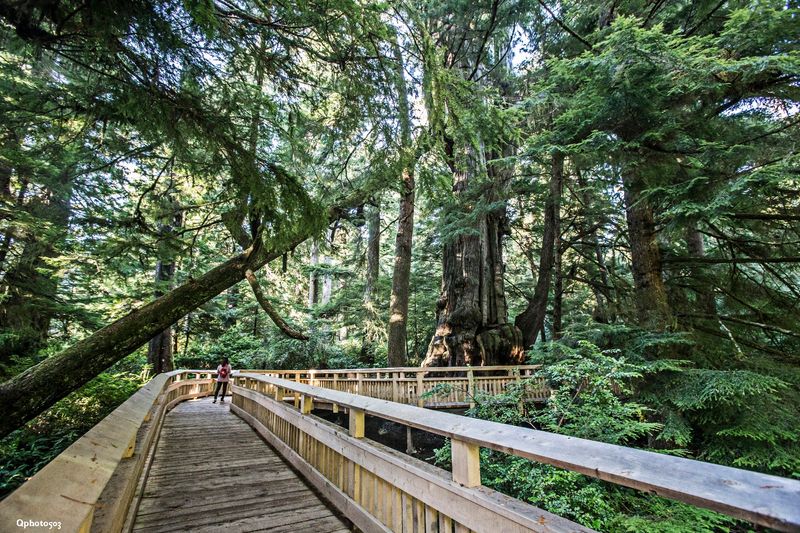
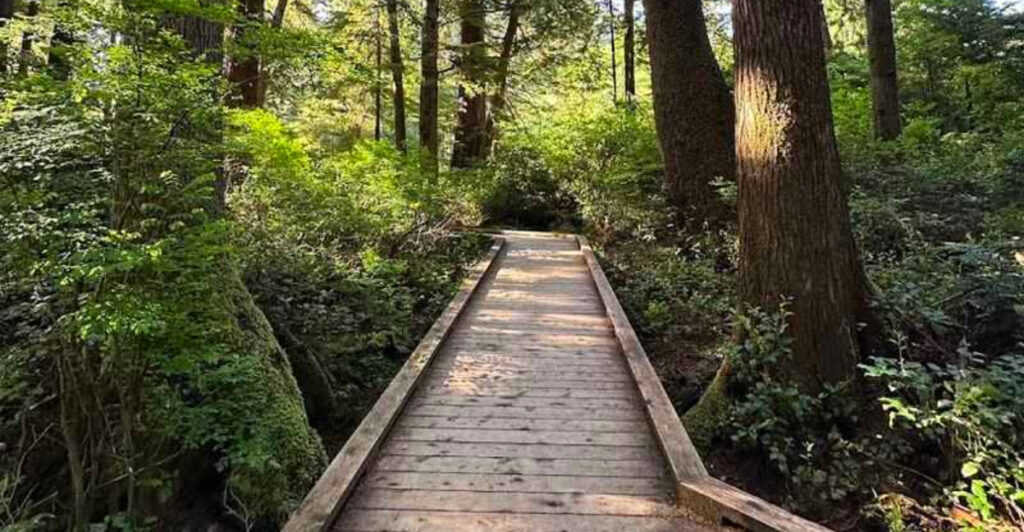
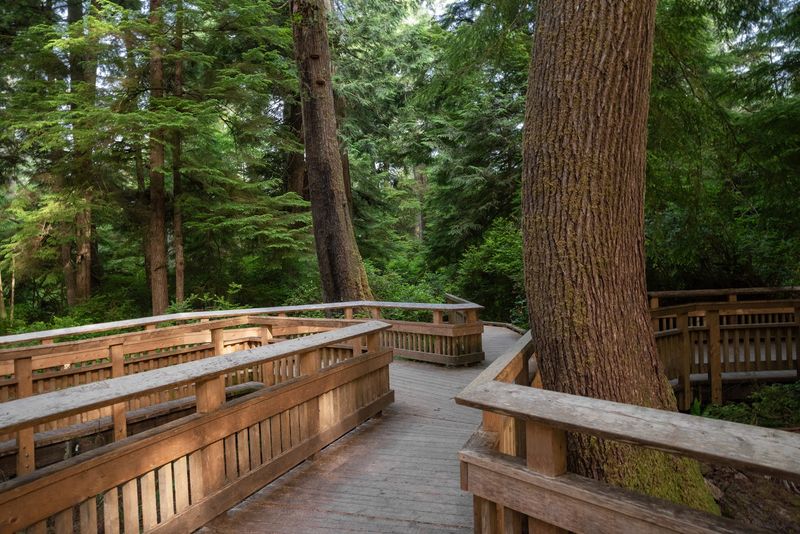
One of the most refreshing things about this trail is how genuinely accessible it is. The entire path is an elevated wooden boardwalk, which means it stays above the marshy wetland below and keeps your feet dry on most visits.
Strollers fit comfortably on the wide planks, and the trail is considered wheelchair accessible for the majority of its length.
The loop runs about 1.1 to 1.2 miles total, making it a manageable outing for families with young children, older adults, and anyone who wants a nature experience without a serious workout. There are several benches and rest areas spaced along the route, so taking a break to look around is easy and encouraged.
One thing worth knowing before you go: the wooden boards can get slippery when wet, especially toward the end of the trail where there is a slight uphill grade. Wearing shoes with good grip is a simple fix that makes the whole walk more comfortable.
The boardwalk is well-maintained overall, and the experience of walking above the wetland gives the trail a character you rarely find anywhere else on the coast.
The Ancient Cedar: Meeting a Living Landmark
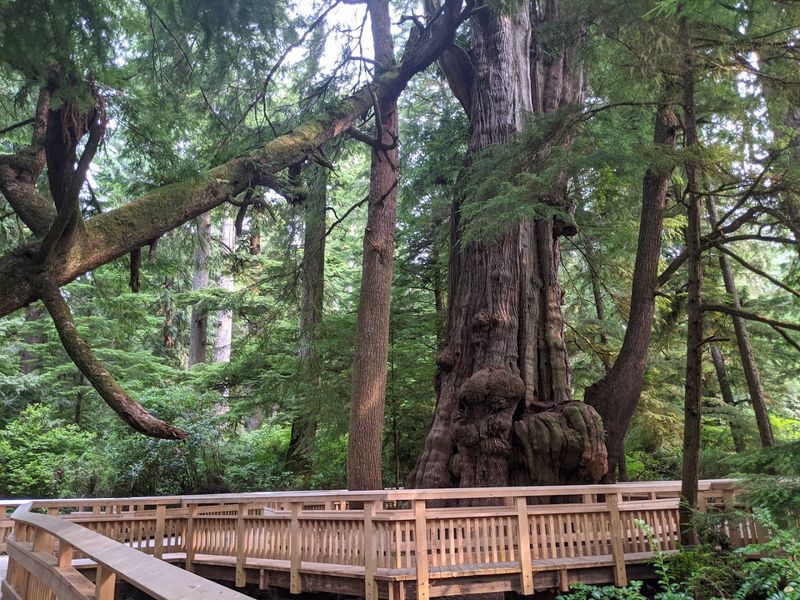
At the end of the boardwalk stands the reason most people make the trip: a giant western red cedar that scientists and locals estimate to be somewhere between 800 and 1,200 years old. That range alone is worth sitting with for a moment.
This tree was already centuries old when European explorers first reached the Oregon Coast.
The trunk is massive, wide enough that a group of adults holding hands could not wrap all the way around it. The bark is deeply textured and draped in patches of bright green moss, and the canopy spreads high above the forest floor in a way that makes you tilt your head back just to take it all in.
There is a small viewing area near the base where visitors can stand and appreciate the scale of what they are looking at.
Many people who reach this spot describe a kind of quiet awe that is hard to put into words. The tree does not need dramatic lighting or a fancy sign to make an impression.
Its sheer size and age do all the work, and it delivers every single time. Few natural sights on the coast leave such a lasting mark.
The Wetland Below: What Lives Underneath the Boards
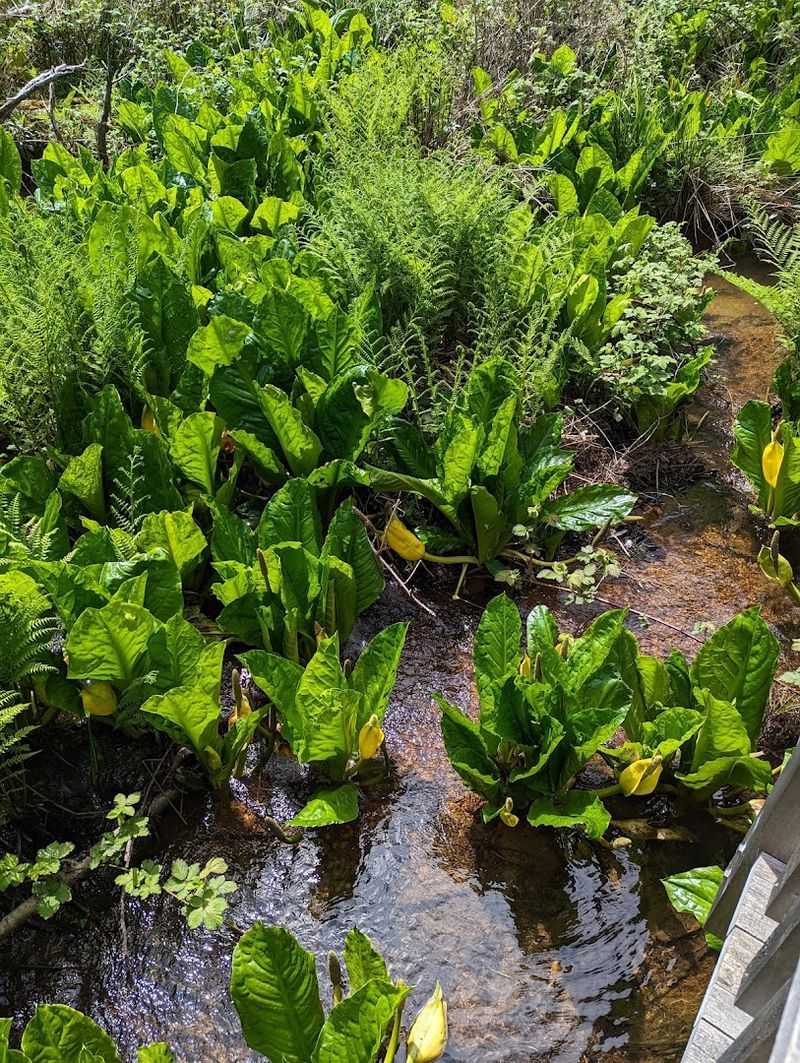
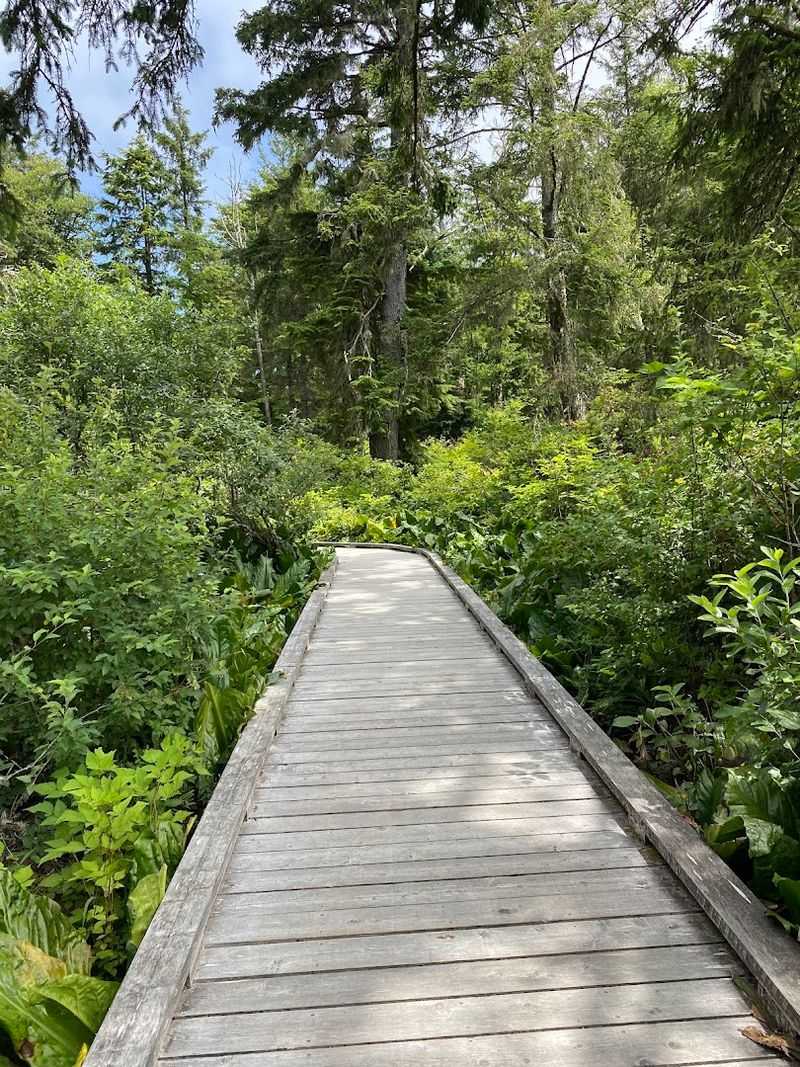
The boardwalk does not just carry you through the forest; it also gives you a front-row view of a thriving wetland ecosystem living just below your feet. Two creeks wind through the area beneath the trail, and the water levels shift with the seasons in ways that change the look of the landscape throughout the year.
One of the most talked-about plants along the trail is the skunk cabbage, a bright yellow-green plant with enormous leaves that grows in thick clusters along the creek banks. Many first-time visitors have never seen it before, and it has a bold, prehistoric look that fits perfectly in this kind of forest.
The wetland also supports a healthy population of frogs, salamanders, and garter snakes, all of which have been spotted by visitors over the years.
The combination of standing water, dense vegetation, and old trees creates a layered habitat where something interesting is almost always happening. Whether it is a frog sitting motionless on a log or a salamander slipping through the shallow water, the wetland rewards visitors who slow down and look carefully at what is going on beneath the boards.
Birds and Wildlife: The Forest is Watching You Back
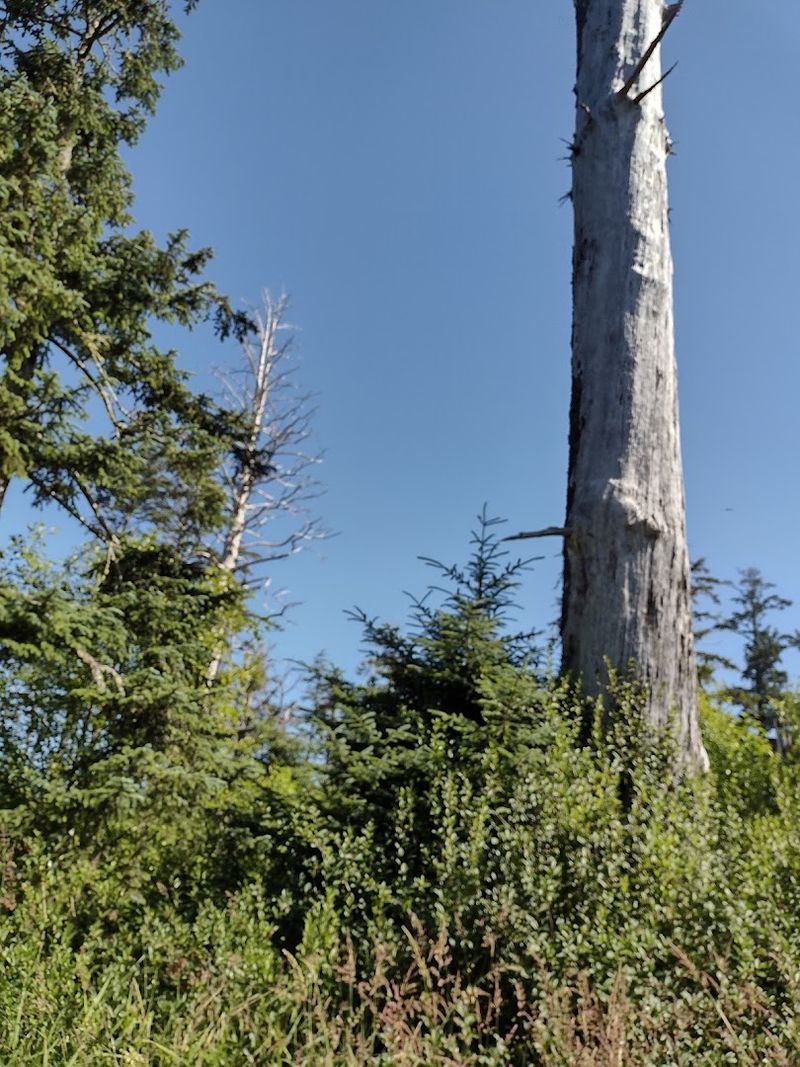
The Rockaway Big Tree Trailhead is a genuinely excellent spot for birdwatching, even if you only have a casual interest in birds. The forest canopy above the boardwalk hosts a variety of species, and you can often hear more birds than you can see, which makes the walk feel layered and alive in a way that a simple nature stroll rarely does.
One of the most exciting sightings reported by visitors is an osprey nest built at the top of a tall dead tree, known as a snag, near the boardwalk. Ospreys are large, striking birds, and watching one return to its nest with a fish is the kind of unexpected wildlife moment that sticks with you.
Hawks have also been spotted nesting in the area, and chipmunks, squirrels, and frogs round out the cast of regulars along the trail.
The forest has a natural sound design that shifts as you move deeper in. Highway noise drops away, bird calls grow louder, and the occasional splash of something entering the water below the boards adds to the atmosphere.
Coming early in the morning gives you the best chance of seeing active wildlife before the trail gets busy later in the day.
The Forest Canopy: Old Growth That Earns Its Name
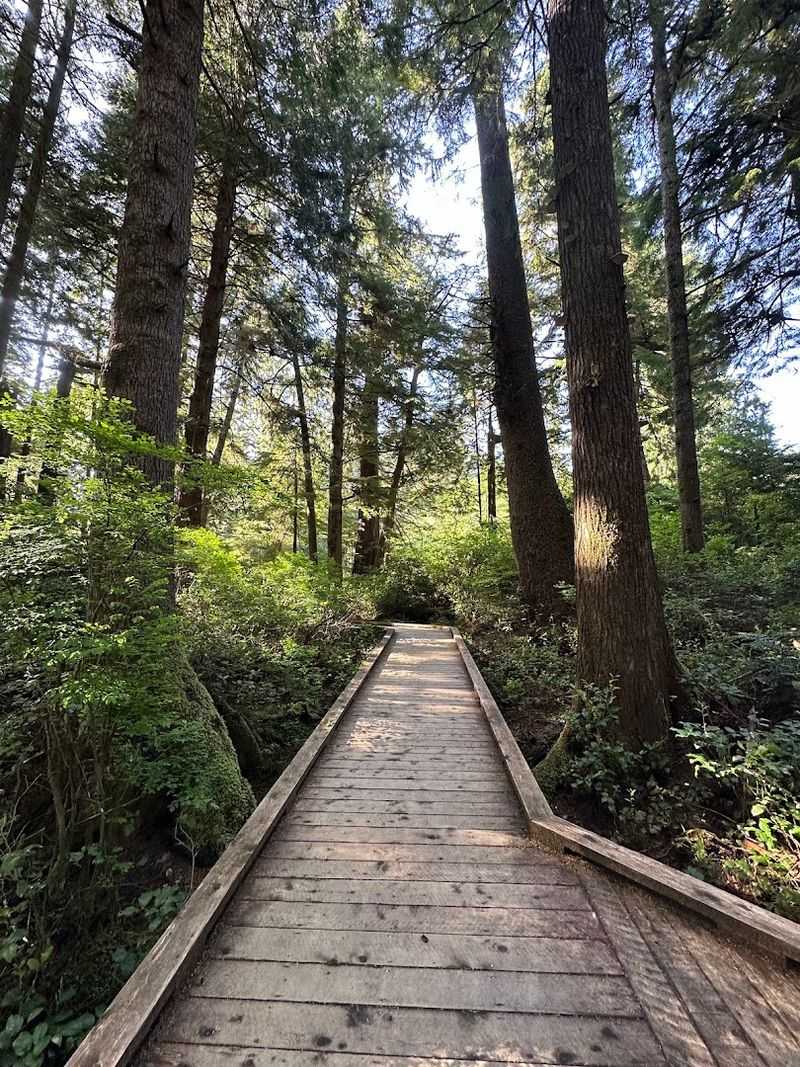
The giant cedar at the end of the trail gets most of the attention, but the forest surrounding the boardwalk is remarkable in its own right. Old-growth trees line the path on both sides, their trunks thick with moss and their roots spreading wide into the soft, damp soil of the wetland floor.
The canopy overhead filters the coastal light into something soft and diffused, giving the whole trail a greenish glow that photographers tend to love.
Several large trees are visible from the boardwalk before you ever reach the main cedar, and each one has its own character. Some lean at dramatic angles, their roots gripping the bank of the creek below.
Others have fallen and been reclaimed by the forest floor, now covered in ferns and moss and serving as habitat for small animals.
Old-growth forests like this one are rare on the Oregon Coast because so much of the original coastal forest was logged during the twentieth century. What remains here feels genuinely precious, and the fact that it sits tucked between a beach town and a major highway makes it even more surprising.
The trees have been here far longer than the road next to them, and with any luck, they will outlast it too.
Family-Friendly Features: Why Kids Actually Enjoy This One
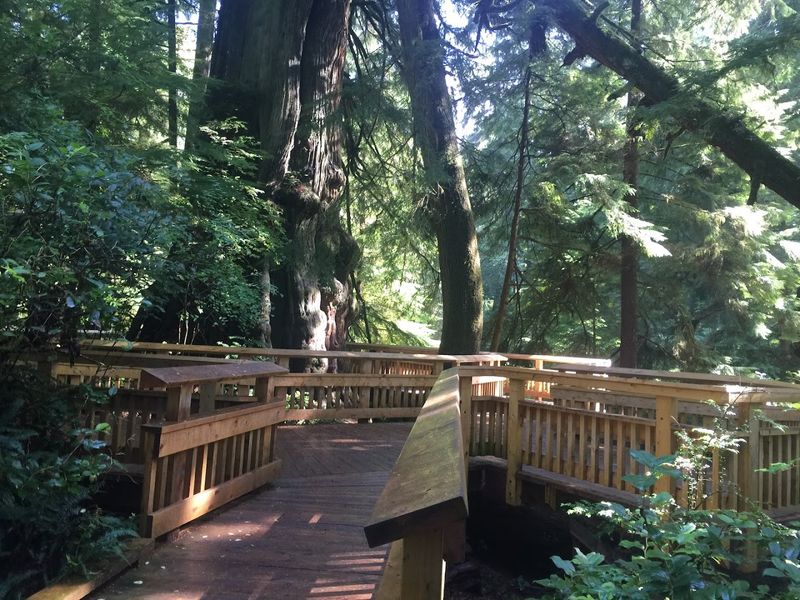
Getting kids excited about a nature walk can be a tough sell, but this trail tends to win them over pretty quickly. The boardwalk format means there is no mud to navigate, no steep climbs to negotiate, and no long stretches of featureless trail to power through.
The wildlife sightings, which include snakes sunning on logs, frogs in the water, and birds calling from the canopy, give curious young visitors plenty to look at and talk about along the way.
The length of the trail is another point in its favor for families. At just over a mile round trip, it is short enough to keep younger children engaged without turning into an endurance test.
The rest areas with benches mean that if someone needs a break, there is always a spot to stop and regroup before continuing.
Strollers work well on the boardwalk, and dogs are welcome on the trail as long as they are kept on a leash. The combination of easy terrain, interesting wildlife, and a genuinely impressive tree at the end gives the walk a natural story arc that even kids who claim to dislike hiking tend to find satisfying.
The giant cedar at the finish line is a reliable crowd-pleaser across all age groups.
Seasonal Visits: How the Trail Changes Through the Year
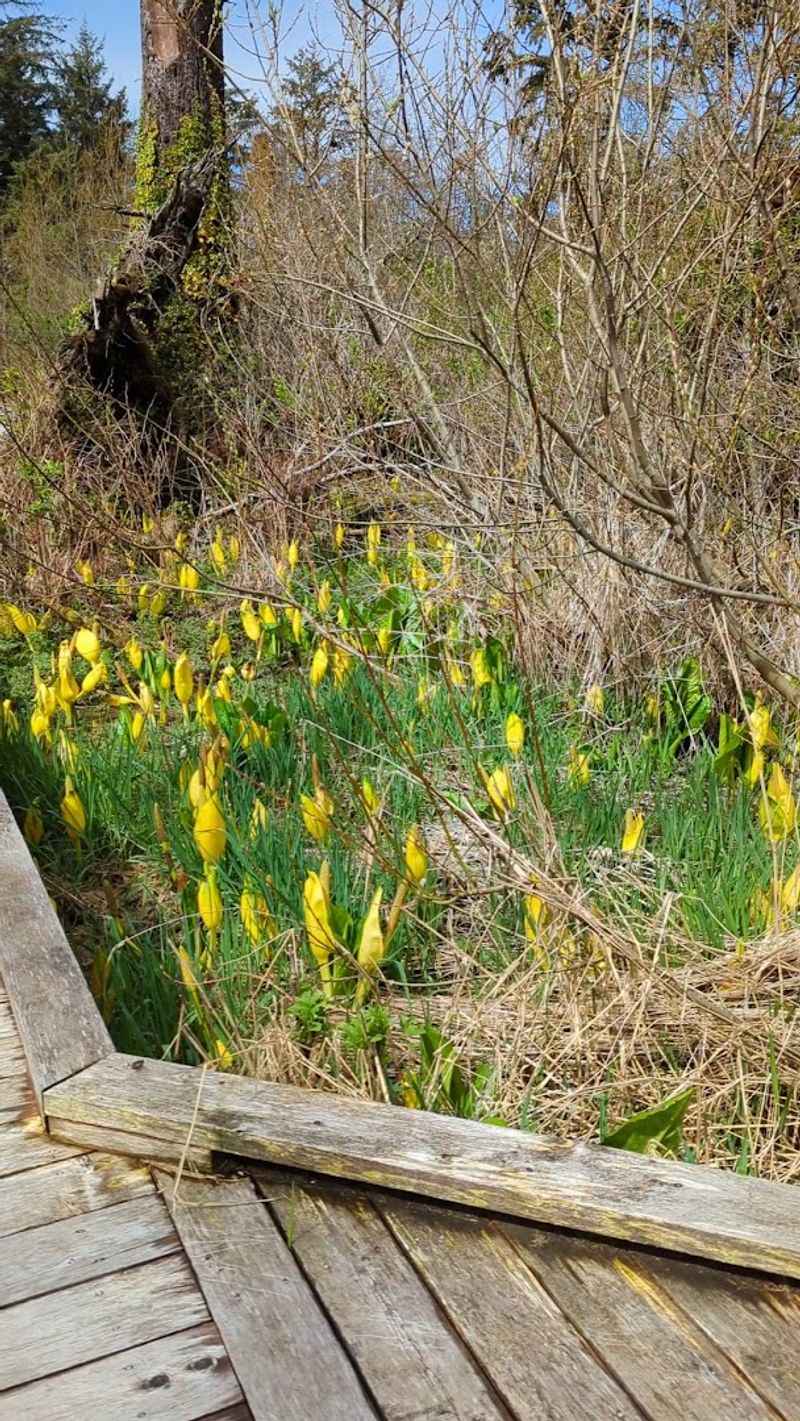
The trail looks different depending on when you visit, and each season brings something worth seeing. Spring is particularly lively, with wildflowers blooming along the boardwalk edges and the skunk cabbage reaching its peak size and color.
The wetland is fuller in spring, and the sound of moving water beneath the boards is more noticeable after winter rains have topped up the creeks.
Summer visits tend to draw the biggest crowds, especially on weekends when Rockaway Beach is busy with tourists. The trail dries out more in summer, which reduces the slippery boardwalk issue and makes the walk more comfortable for casual visitors.
Berries appear along the edges of the path in late summer, adding color to the green-heavy palette of the forest.
Fall brings a quieter atmosphere and fewer visitors, which is a real advantage for anyone who wants the trail mostly to themselves. The light changes in autumn, and the moss on the trees seems to glow in the lower-angle sun.
Winter is the most challenging season due to wet boards and limited daylight, but the forest has a moody, dramatic quality in the rain that appeals to visitors who do not mind getting a little damp in exchange for solitude.
The Slippery Boardwalk: What to Know Before You Go
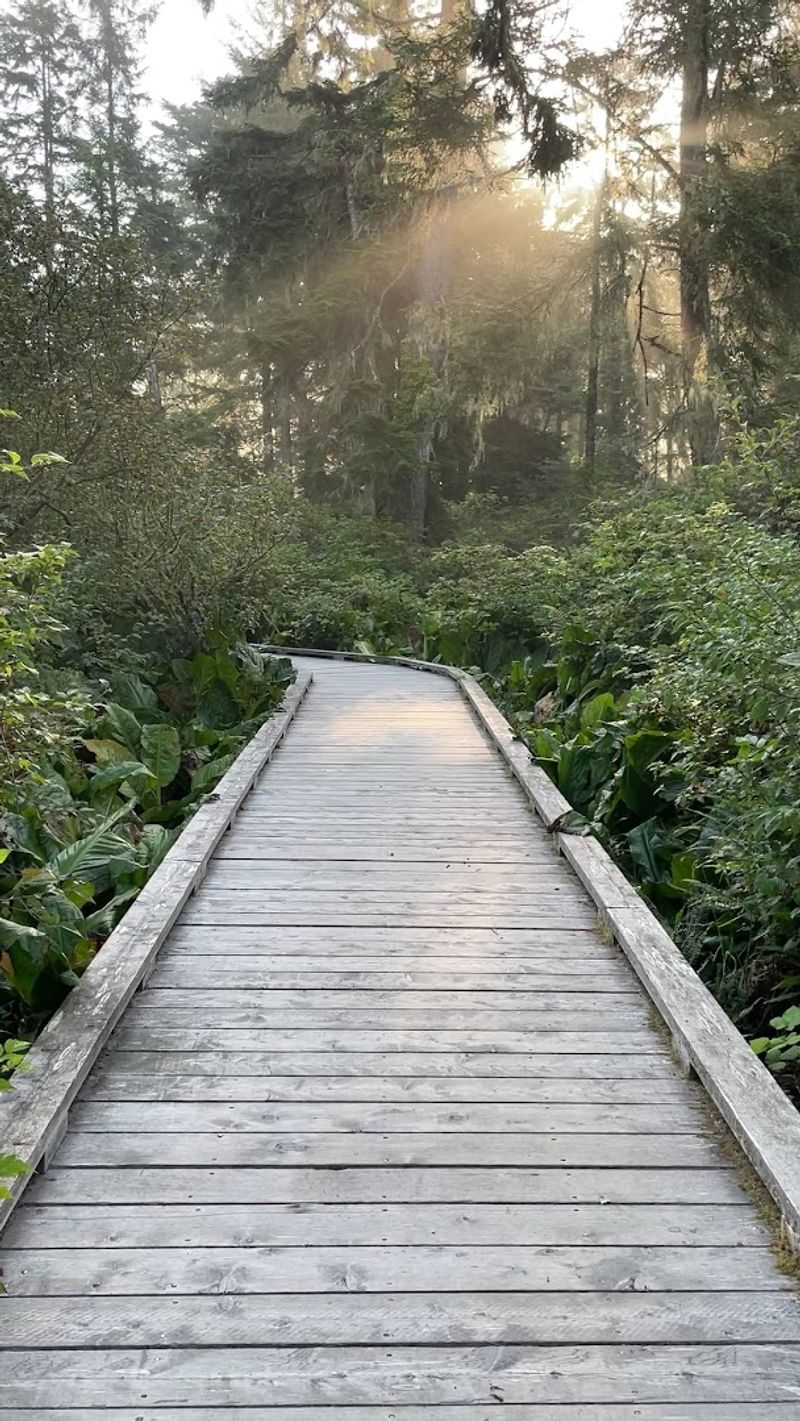
The boardwalk is one of the trail’s best features, but it comes with one important caveat that is worth understanding before you lace up your shoes. When the wood is wet, which happens often in a coastal Oregon forest, the surface can become genuinely slippery.
This is especially true toward the end of the trail, where the path gains a bit of elevation and the boards stay damp longer because of the tree cover above.
Several visitors have mentioned that children slipped on the wet boards, and a few adults found the inclined sections tricky in regular sneakers. The fix is straightforward: wear shoes with decent grip, or trail runners with rubber soles, and you will have no trouble navigating the trail even on rainy days.
Sandals and flat-soled shoes are a poor choice in wet conditions.
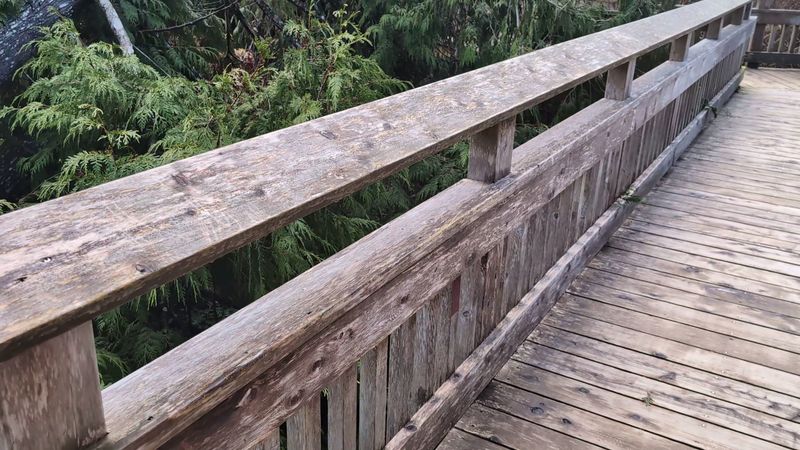
There are no handrails along most of the boardwalk, which is fine on dry days but adds a layer of caution when things are slick. The trail does not have a dangerous drop-off anywhere along its length, so the risk is more about an awkward slip than anything serious.
Going at a relaxed pace and paying attention to where you step is all it takes to have a comfortable visit regardless of the weather.
The Atmosphere: Why This Place Feels Different From Other Trails
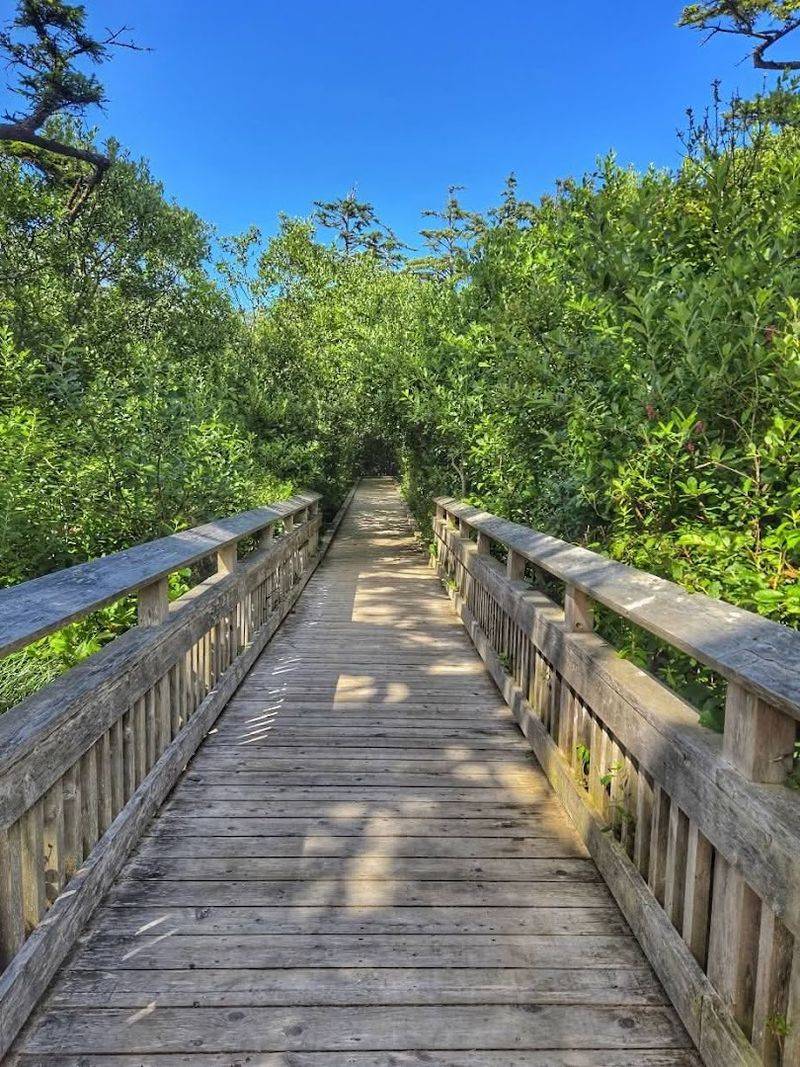
There is something about this particular forest that visitors consistently describe as otherworldly, and after spending time on the trail, it is easy to understand why. The combination of old trees, constant moisture, dense moss, and the way sound behaves inside the canopy creates an environment that feels genuinely separate from the rest of the coast.
The highway disappears within minutes of starting the walk. Not just the noise of it, but the mental presence of it.
The forest closes in gradually, and by the time you are halfway along the boardwalk, the idea that a busy road exists nearby feels almost abstract. The birds, the water below the boards, and the soft creak of the wooden planks under your feet become the dominant sounds.
The moss is a big part of the atmosphere. It covers the tree trunks, the fallen logs, and the rocks in the wetland in thick, vivid layers of green that make the forest look like something out of a storybook.
On overcast days, which are common on the Oregon Coast, the muted light makes the greens even more saturated and the whole scene takes on a quiet, painterly quality that no photograph quite captures.
Practical Tips for Planning Your Visit
A few practical details can make a real difference in how smooth your visit goes. The parking lot holds only about twelve cars, so on busy summer weekends it fills up fast.
Arriving before 9 AM gives you the best chance of getting a spot without any hassle. Street parking along the road nearby is an option when the lot is full, and it is a short walk to the trailhead from there.
The trail is open from 7 AM to 10 PM every day of the week, which gives early risers a quiet window before the crowds arrive and evening visitors a chance to catch the forest in softer late-day light. Restrooms are available near the trailhead, which is a welcome detail for families with young children.
Dogs are allowed on the trail as long as they are leashed.
There is no entry fee to use the trail, which makes it an easy add-on to a Rockaway Beach visit without any planning pressure. The whole walk, including time spent at the big cedar, typically takes between 45 minutes and an hour and a half depending on your pace.
Bringing water and wearing layers is always smart on the Oregon Coast, where the weather can shift quickly.
The Bigger Picture: Why This Trail Matters
Trails like this one matter beyond the individual experience of walking them. Old-growth forests on the Oregon Coast are genuinely rare, and the fact that this small pocket of ancient trees has survived so close to a major highway and a popular beach town is worth appreciating.
The trees here represent centuries of undisturbed growth, and the wetland ecosystem beneath the boardwalk supports a web of plant and animal life that depends on the forest staying intact.
The trail also serves as a reminder that remarkable natural places do not always require a long drive into the mountains or a strenuous hike to access. This one is tucked beside a road that thousands of people travel every year, and yet most of them have no idea it exists.
That combination of accessibility and obscurity is what gives the Rockaway Big Tree Trailhead its particular appeal.
Whether you are a dedicated naturalist or someone who just wants a peaceful hour away from the beach crowds, this trail delivers something genuine. The 800-year-old cedar is the headline, but the forest, the wetland, the birds, and the quiet are what make the whole experience worth returning to.
Some places earn their reputation the old-fashioned way, simply by being exactly what they claim to be.
Share this story